Ballot Measures Deregulating a Broad Range of Development in NYC Are Approved
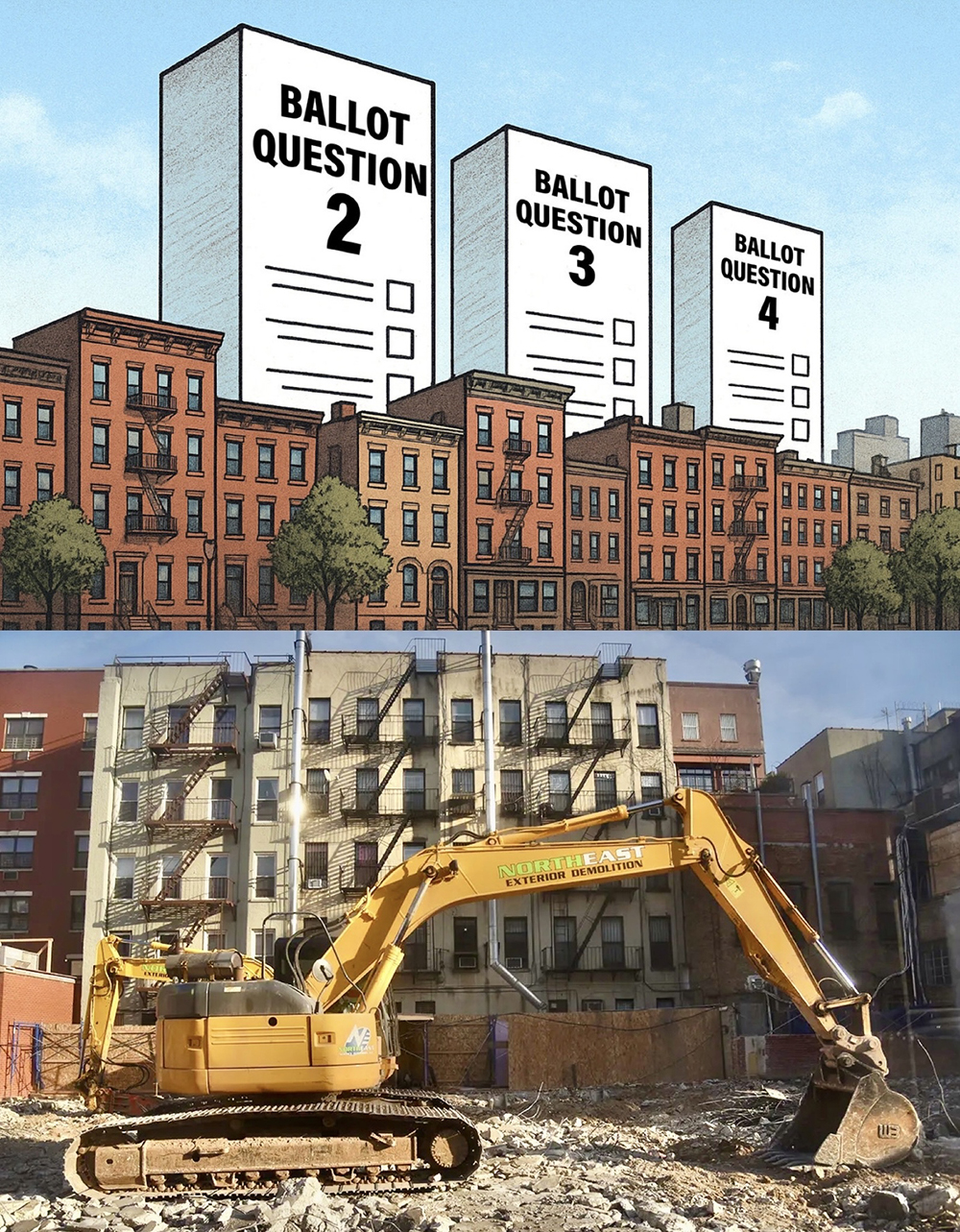
NYC voters approved ballot measures 2, 3, and 4, which permanently hand unilateral decision-making authority to the Mayor on an incredibly broad range of land use decisions, removing the City Council and by extension the public from having a real say in these decisions. The well-funded campaign to support these measures successfully convinced a majority of voters they would improve affordability in our city, when in fact they would open the door to more rapid gentrification, less affordability, fewer investments in infrastructure to support new development, fewer protections for tenants and small businesses, and more corrupt, closed-door decision-making. I want to thank local elected officials like Assemblymember Deborah Glick and City Councilmember Christopher Marte, the unions and tenant organizations, and the myriad local civic, political, and community organizations with whom we worked to educate the public about the true impact of these measures.
While hundreds of thousands of New Yorkers voted “NO” on these damaging measures, we were ultimately overwhelmed by the resources behind the “YES” campaign, which trafficked in false promises and hid the true impacts the measures would have, including allowing all future mayors to:
- Increase the size of any new residential development by 30%, on top of the approximately 40% increase just authorized by “City of Yes,” without any affordability required. Expect to see more and bigger versions of this.
- Approve neighborhood-wide rezonings that enable large-scale office and hotel development, luxury retail, and predominantly luxury housing at a scale previously unheard of in our city. Expect more rezonings like this.
- Continue to call developments “affordable” because as little as 20% of the housing is not market rate, with ostensibly “affordable” units that can require incomes as high as roughly double the median income in NYC, and actually be more expensive than the market rate ones. Expect more outcomes like this.
A good mayor could use these new powers wisely and only for truly beneficial new developments, and be held to account when they do not. But they will face tremendous pressure — and temptation — from real estate forces to use these new powers to hand out goodies to favored supporters, as so many past Mayors have, and to approve projects and rezonings based upon false claims and predictions of what they will deliver.
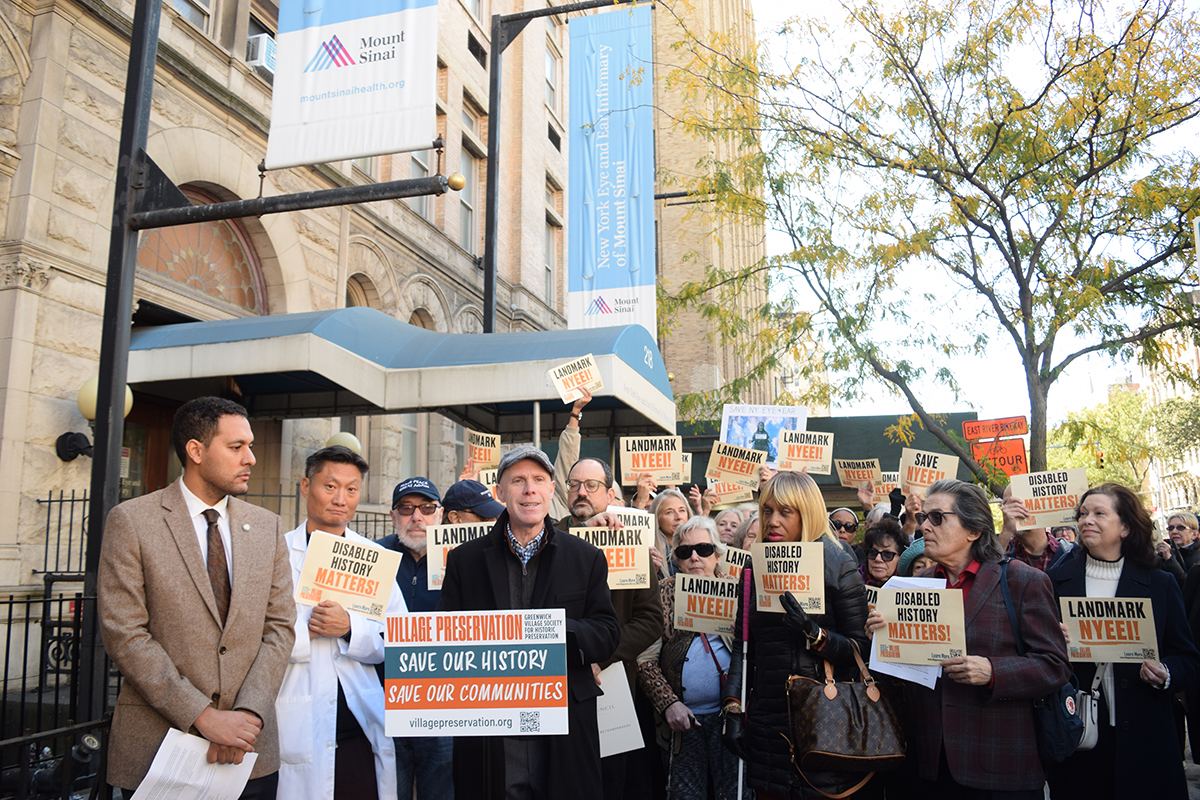
Our job just got a lot harder, as did the job of every New Yorker who cares about the future of our city and the beloved qualities of our neighborhoods. But we’ve risen to those challenges before, saving treasured historic sites from the wrecking ball and securing landmark designations for sites previously left for dead, recognizing histories and architecture that had been overlooked, ignored, or forgotten.
You can help ensure that in this new, even more challenging environment, we can stand tall to protect what we love about our city and neighborhoods, and ensure that the changes we see are ones that build on what we hold dear rather than destroy it.
