Programs for February 2026
Did you know that Village Preservation members receive advance notice of many of our public programs? Our tours and other programs sometimes offer limited capacity, and often fill up quickly. By becoming a member, you can take advantage of that advanced notice and register before the general public. Find out how to become a member here.
Happy Birthday, National League of Baseball Clubs!
Monday, February 2, 2026
6 PM
Webinar
Free
Pre-registration required
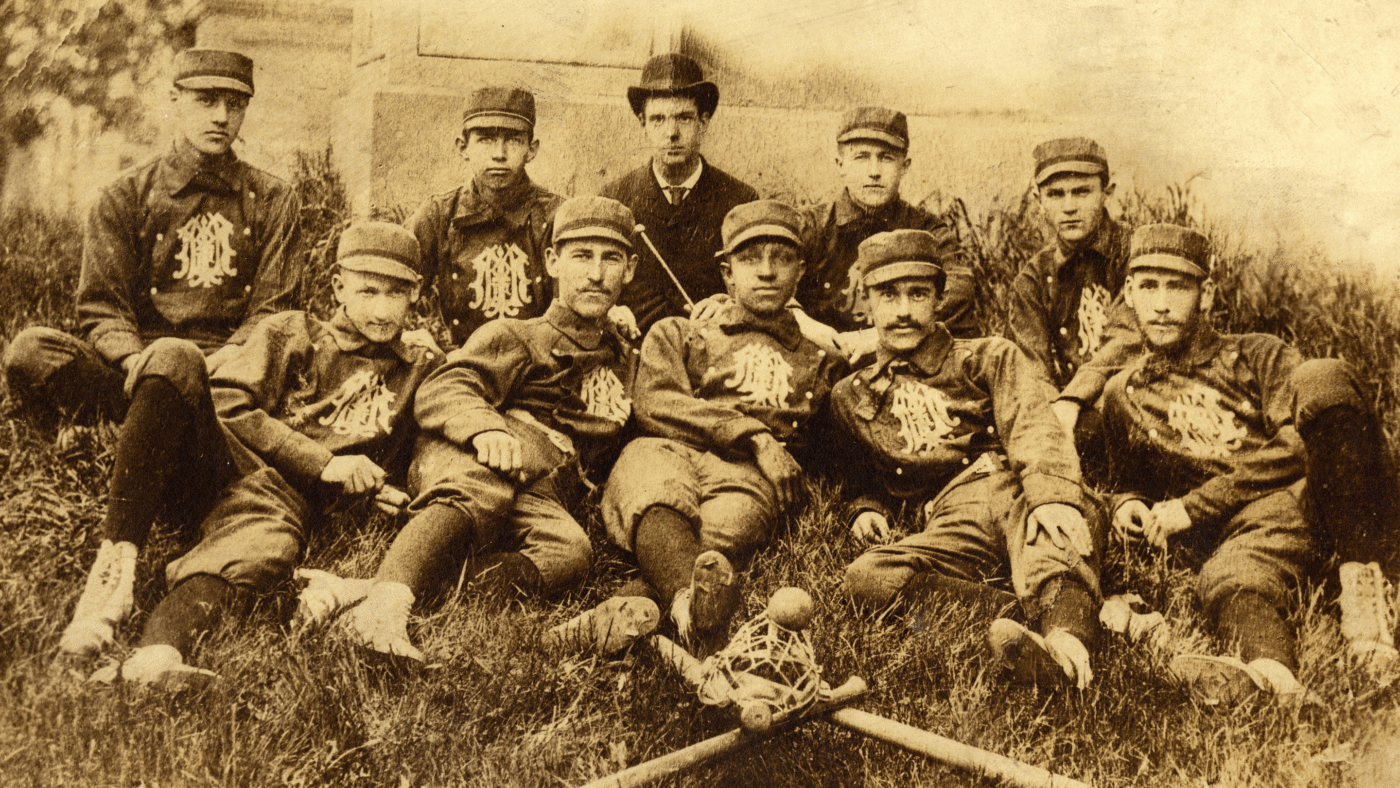
February 2, 2026 marks the 150th anniversary of one of the most important dates in development of “America’s Pastime”—baseball. On this day in 1876, the National League—the oldest extant sports league anywhere in the world—was founded right here in Greenwich Village.
The founding of the National League would lead to some of early baseball’s wildest days, including cutthroat competition, furious battles over race and labor issues, and finally a great strike that gave rise to a players’ league. Some of the first Black professional baseball players such as Fleetwood and W.W. Walker fought the segregation of professional baseball by the 1880s.
Join us for this exploration of this incredible slice of sporting and American history, presented by baseball historian Kevin Baker.
The Road to Harlem: The Forgotten History of Black Manhattan, Part 1
Thursday, February 5, 2026
6 PM
Webinar
Free
Pre-registration required
Co-sponsored by Save Harlem Now! and Merchant’s House Museum
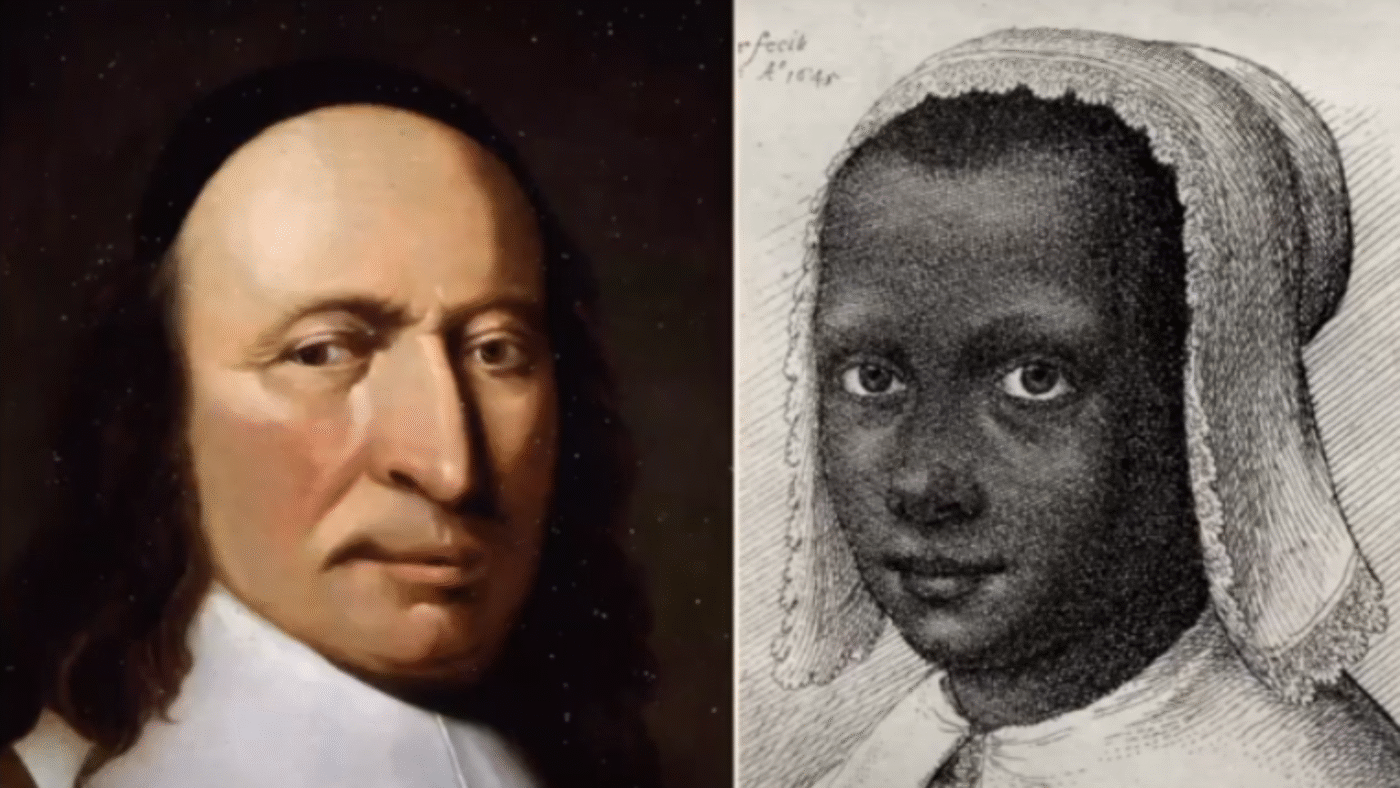
The first enslaved people of African descent to be brought to New Amsterdam were eventually emancipated and granted farmland on and near what is now the Merchant’s House Museum. Join Museum Historian Ann Haddad as she explores the complex story of Black life in the 17th-century Dutch settlement, and the free, “half-free,” and enslaved Black people who raised families, established a strong community, and contributed to the development of New York City.
A Slumless America: Mary K. Simkhovitch and the Dream of Affordable Housing
Tuesday, February 10, 2026
6 PM
In-person
Free
Pre-registration required
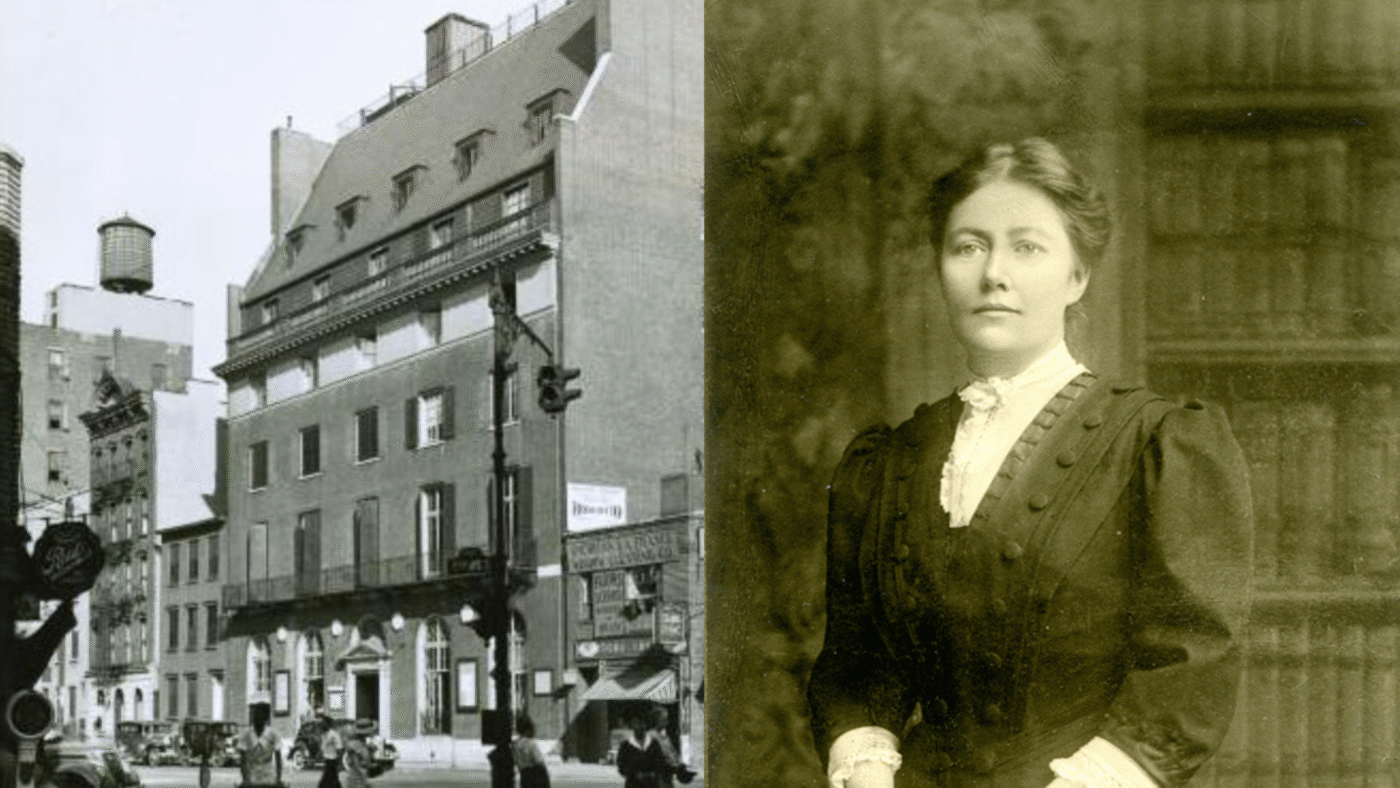
Co-sponsored by Greenwich House
Betty Boyd Caroli will join us to discuss her new biography of Mary Kingsbury Simkhovitch, a seminal figure in the settlement house movement, which spearheaded efforts to improve the life of immigrants and counter urban squalor in cities around America in the early 19th century. Greenwich House, the settlement house Simkhovitch founded in 1902 in Greenwich Village, then a destination point for new immigrants to New York, quickly gained a reputation equal to that of Jane Addams’s Hull House in Chicago, providing services in health, recreation, education, and the arts.
The Road to Harlem: The Forgotten History of Black Manhattan, Part 2
Thursday, February 12, 2026
6 PM
Webinar
Free
Pre-registration suggested
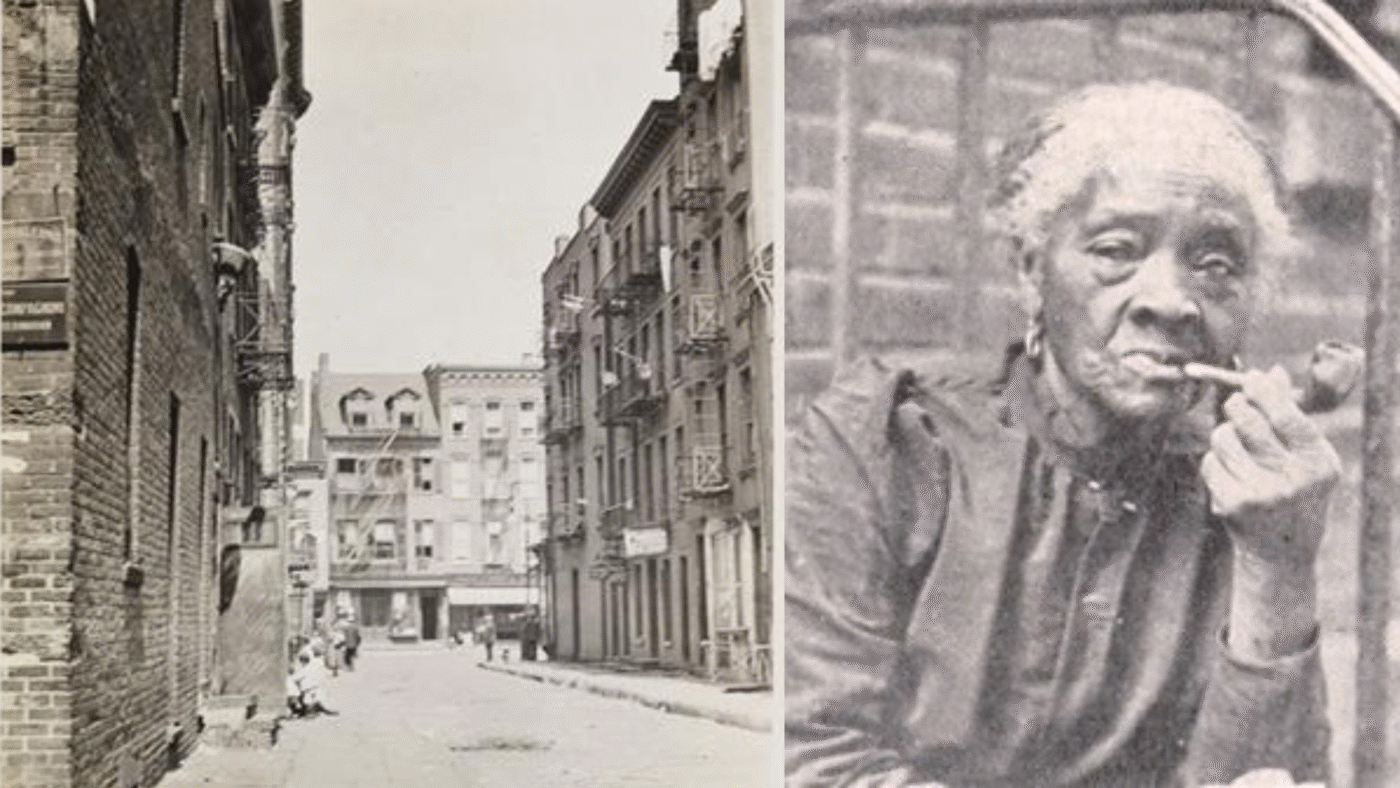
Co-sponsored by Save Harlem Now! and Merchant’s House Museum
During the late 18th and early 19th centuries, Greenwich Village, especially the South Village, was home to a significant free Black population. In the latter half of the 19th century one of the most notable early settlements was “Little Africa,” centered around present-day Minetta Street and Minetta Lane. This vibrant community included Black-owned businesses, churches, and social institutions. Between the 1880s and early 20th century this was the most important center of Black life in Manhattan before moving uptown. Join Village Preservation educator Amanda Adams-Louis on this fascinating exploration of one of Manhattan’s most important, but nearly unknown, historic neighborhoods.
Between Two Extraordinary Rivers: From the East River’s Revolutions to Robert Fulton’s Hudson River Legacy
Tuesday, February 24, 2026
6 PM
Webinar
Free
Pre-registration required
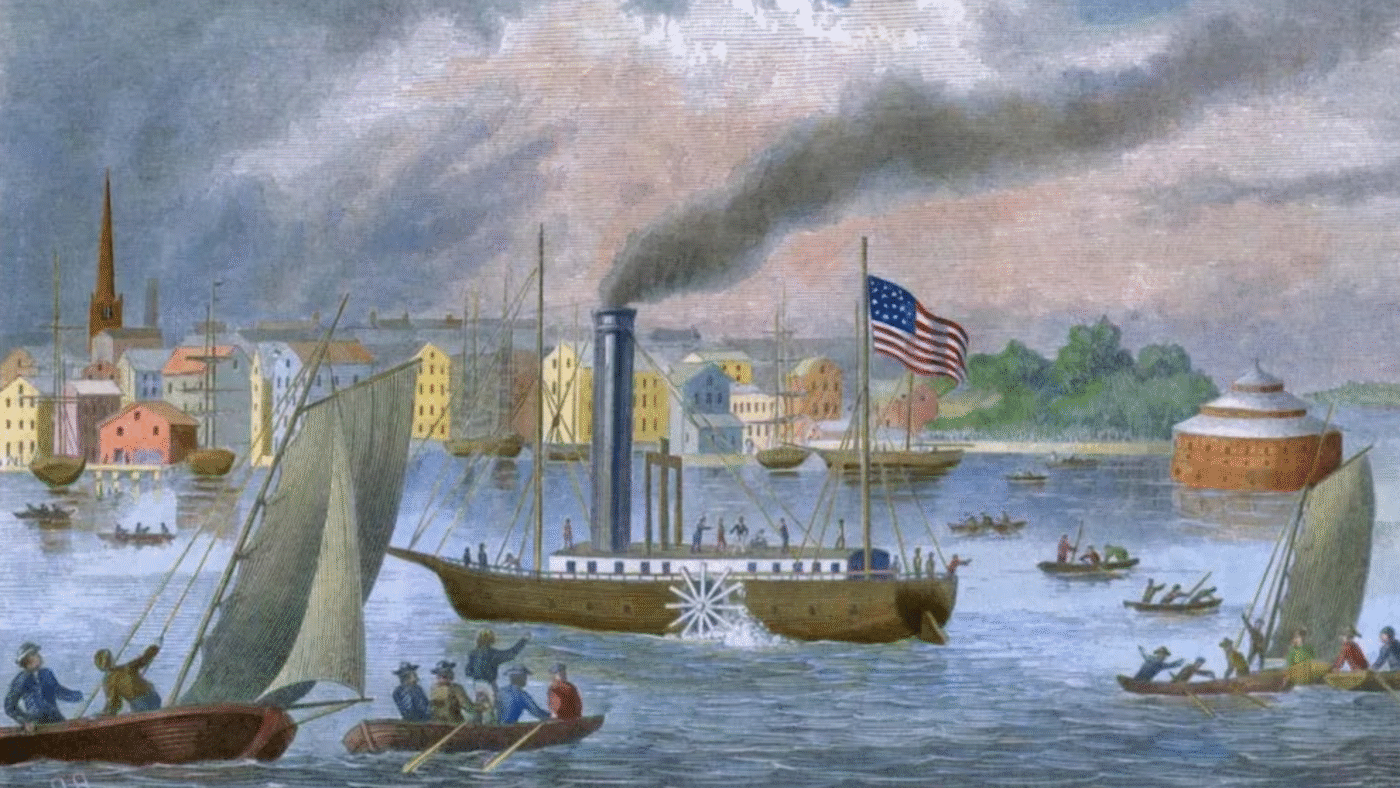
Join Village Preservation Director of Programs William Roka as we celebrate the legacy of one our nation’s greatest engineers, Robert Fulton. We’ll explore Greenwich Village’s Hudson River waterfront and the East Village’s East River waterfront and the pivotal role they played shaping New York City and our country at large, from the earliest days of the American Revolution to the mid-20th century. These critical shorelines evolved from a strategic Revolutionary War landscape into one of the most dynamic engines of commerce, industry, and invention in the United States.