Richard Barone
See the full transcript and audio below.
Watch the YouTube recording of our related program with Richard Barone here.
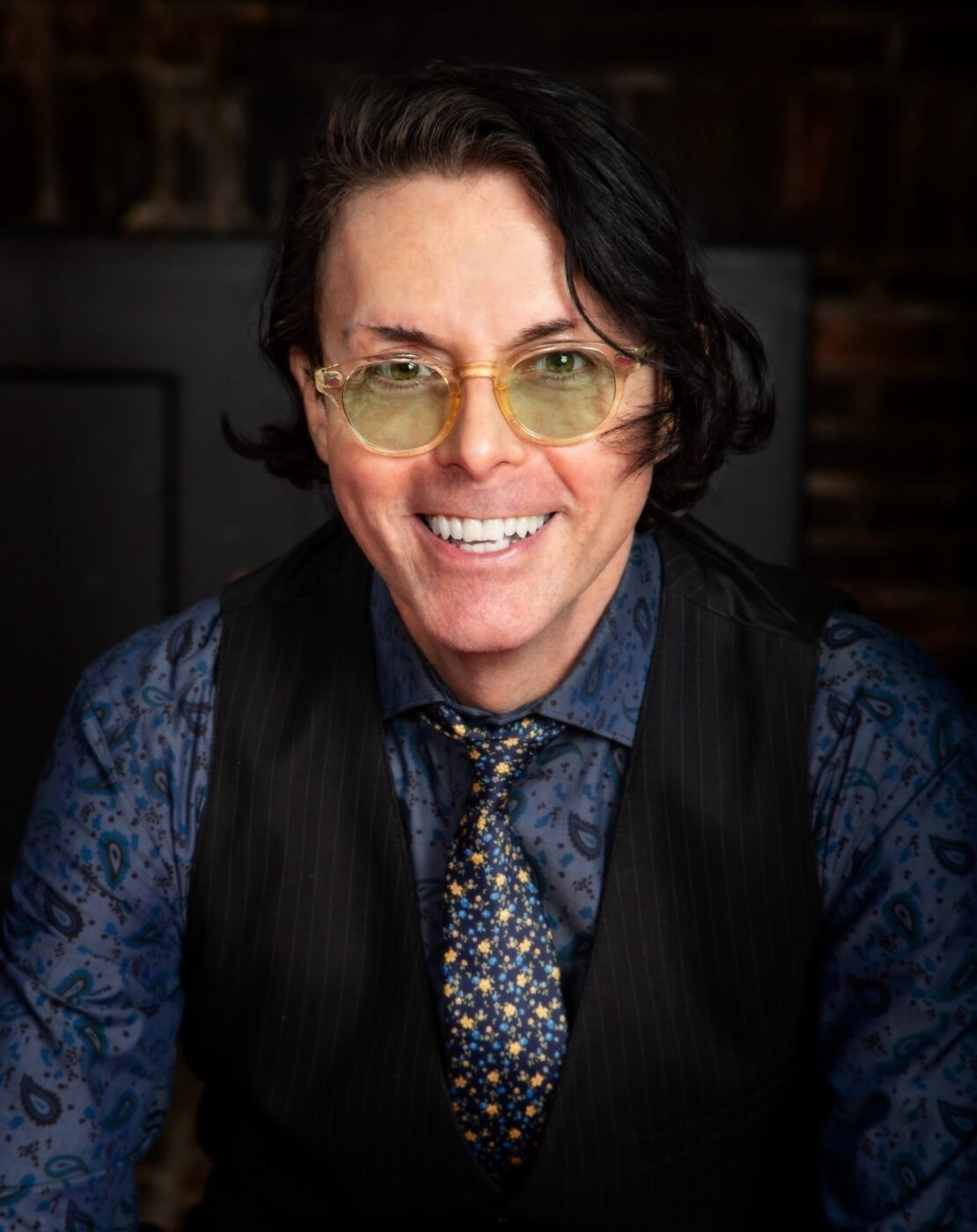
Richard Barone is an acclaimed recording artist, performer, producer, author, and professor, whose lifetime of work has been profoundly influenced by, intertwined with, and a celebration of the musical history of Greenwich Village.
Born and raised in Tampa, Florida, Barone moved to New York in the late 1970s, where he helped launch the indie rock scene in Hoboken, New Jersey, as frontman of his band, The Bongos. Barone embarked on an acclaimed solo career after the band’s dissolution in 1987, producing countless studio recordings and working with artists in every musical genre. He has scored shows and staged all-star concert events at such venues as Carnegie Hall, the Hollywood Bowl, and New York’s Central Park.
His memoir FRONTMAN: Surviving The Rock Star Myth was published in 2007 by Hal Leonard Books. His second book, Music + Revolution: Greenwich Village in the 1960s, was published by Rowman & Littlefield in 2022, and launched at the Museum of the City of New York. His latest album, “Sorrows & Promises,” is a celebration of the early 1960s music scene in Greenwich Village, where Barone lives to this day. He has taught and lectured at the Clive Davis Institute of Recorded Music at NYU and currently teaches Music + Revolution: Greenwich Village in the 1960s at The New School of Jazz & Contemporary Music, has served on the Board of Governors of The Recording Academy (GRAMMYs), serves on the Board of Advisors of Anthology Film Archives, and hosts the Folk Radio show on WBAI Radio.
Highlights of Barone’s oral history include memories of his early encounters with one of his lifelong mentors, Tiny Tim, and stories of folk music history passed down from Tiny Tim. The oral history paints a vivid picture of the social and economic contours of Greenwich Village’s various music scenes in the 1960s and 1970s, augmented by Barone’s own experiences as a working musician. Barone also reflects upon historical practices of songwriting and the folk music tradition of “covers,” framing it as an important and necessary — but easily abused — part of Greenwich Village’s music history. He reflects on changes in the neighborhood’s cultural character and built landscape, while also thinking about ways that local history is built into the streets and walls.