
Guastavino Tiles Sustain the Tony Dapolito Recreation Center
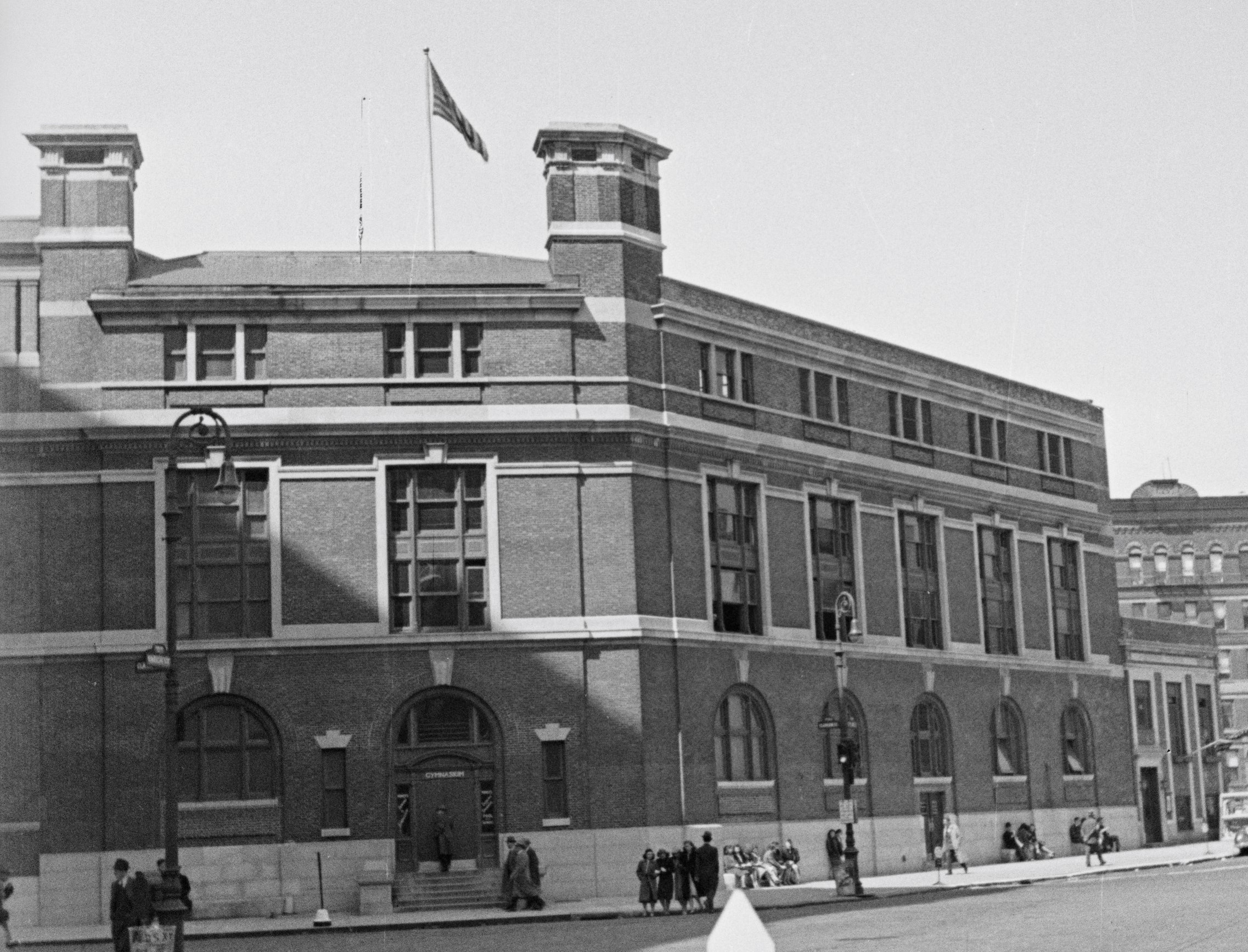
In addition to being a community facility beloved by generations; a landmark important to many groups including LGBTQ+ and immigrant communities; the backdrop for several feature films; a significant holdout as the last remaining bath house on the west side of Manhattan; and an important work of architecture by the firm Renwick, Aspinwall & Tucker, the Tony Dapolito Recreation Center is also a prominent example of a structure built using an innovative construction method popularized in the early 20th century — the Guastavino Tile Arch System.
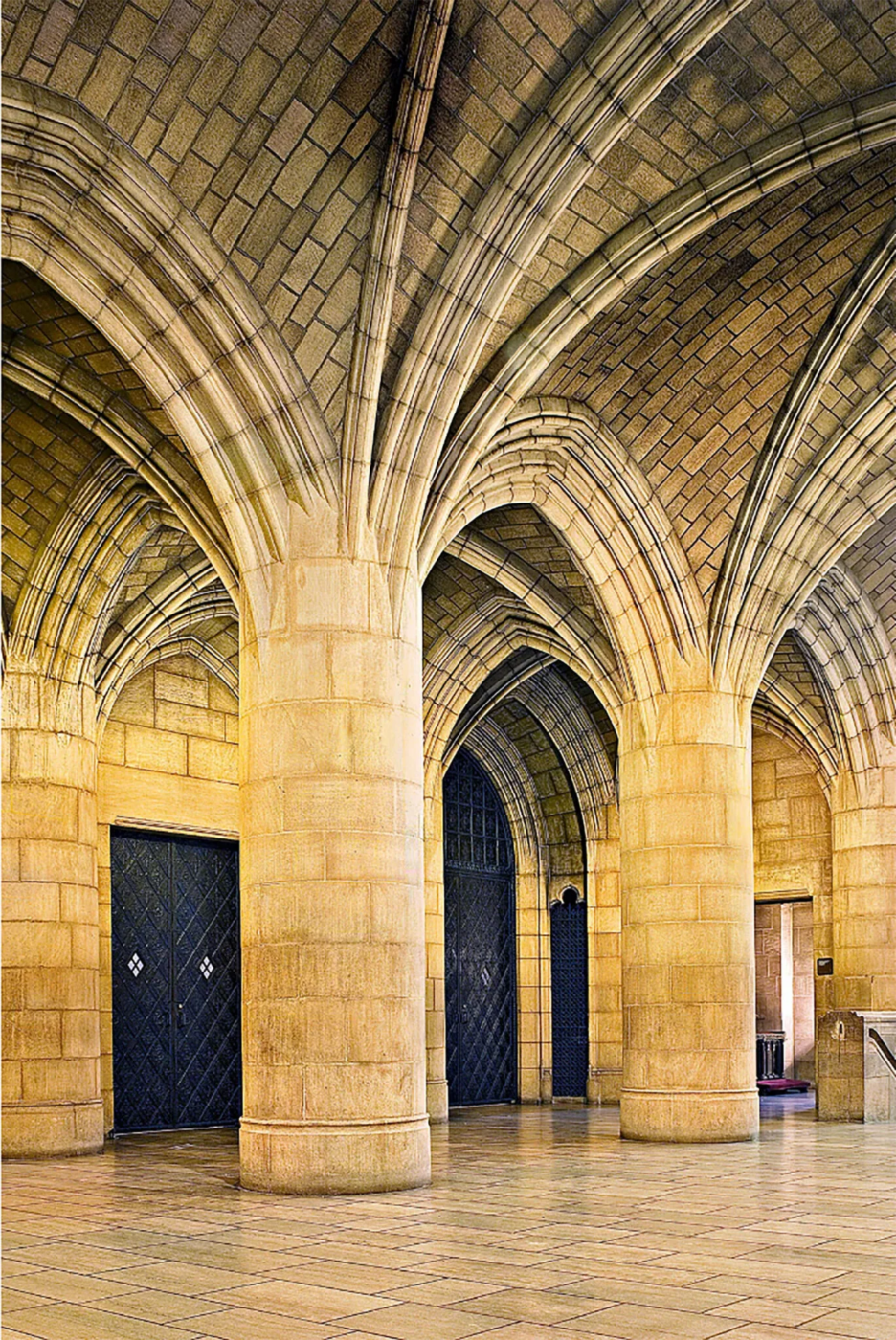
The Guastavino tile arch system is a feat of engineering that revolutionized the construction of institutional buildings in the United States. It was developed by Spanish immigrants Rafael Guastavino Sr. (1842-1908) and his son, Rafael Jr. (1872-1950), whose patented vault system was used to build more than 1,000 structures across the nation, including more than 200 in New York City. Some of the most well-known examples that were built using this method in Manhattan are Grand Central Terminal, the Metropolitan Museum of Art, Carnegie Hall, the Municipal Building, and Riverside Church.
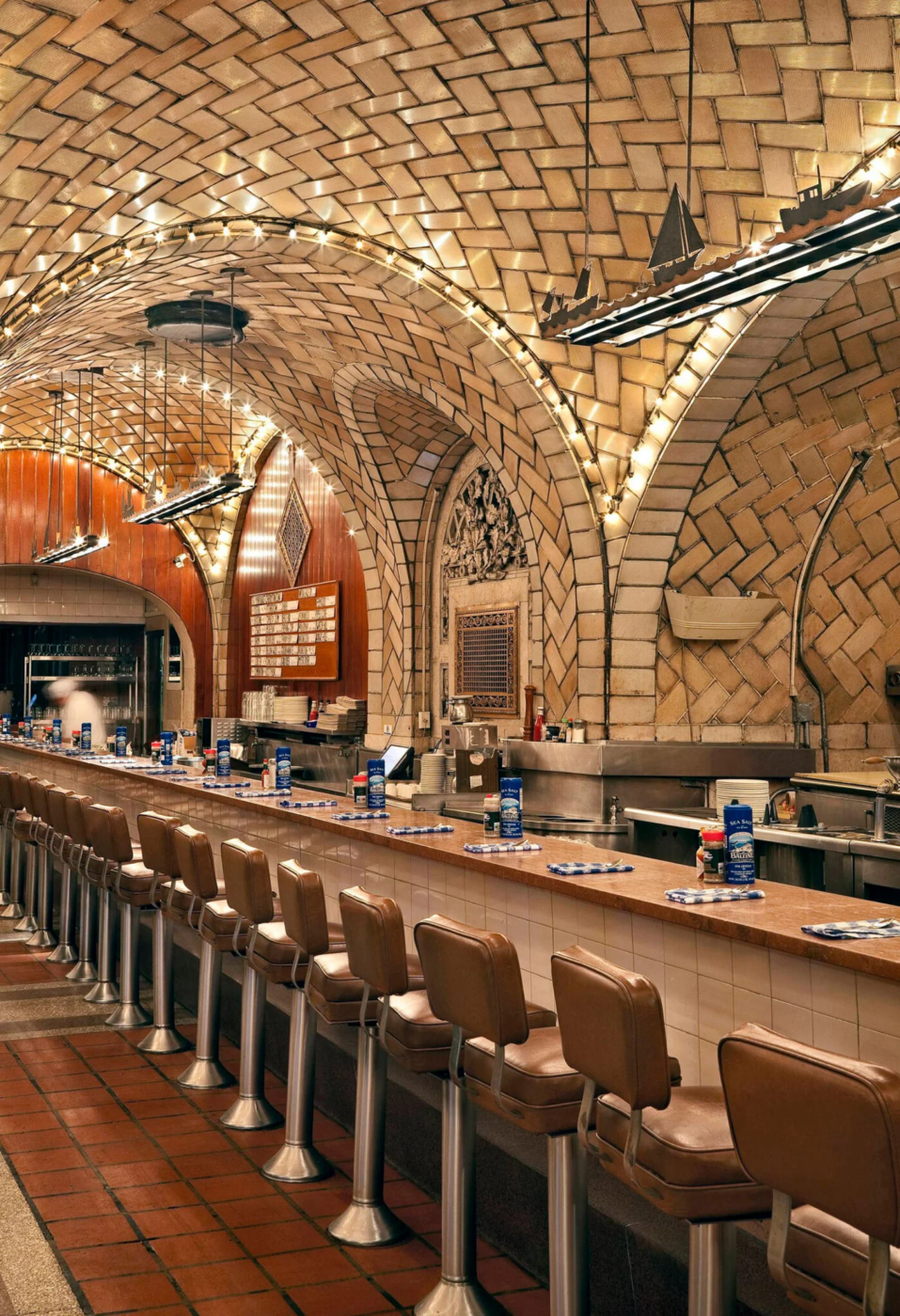
The Guastavino tile arch system was also utilized to dramatic effect for some of the city’s most monumental transportation infrastructure, including at City Hall Station, the Queensboro Bridge, and the infamously-demolished original Penn Station (extant Guastavino tiles were found beneath the current station, in a long boarded-up subway tunnel during more recent renovations).
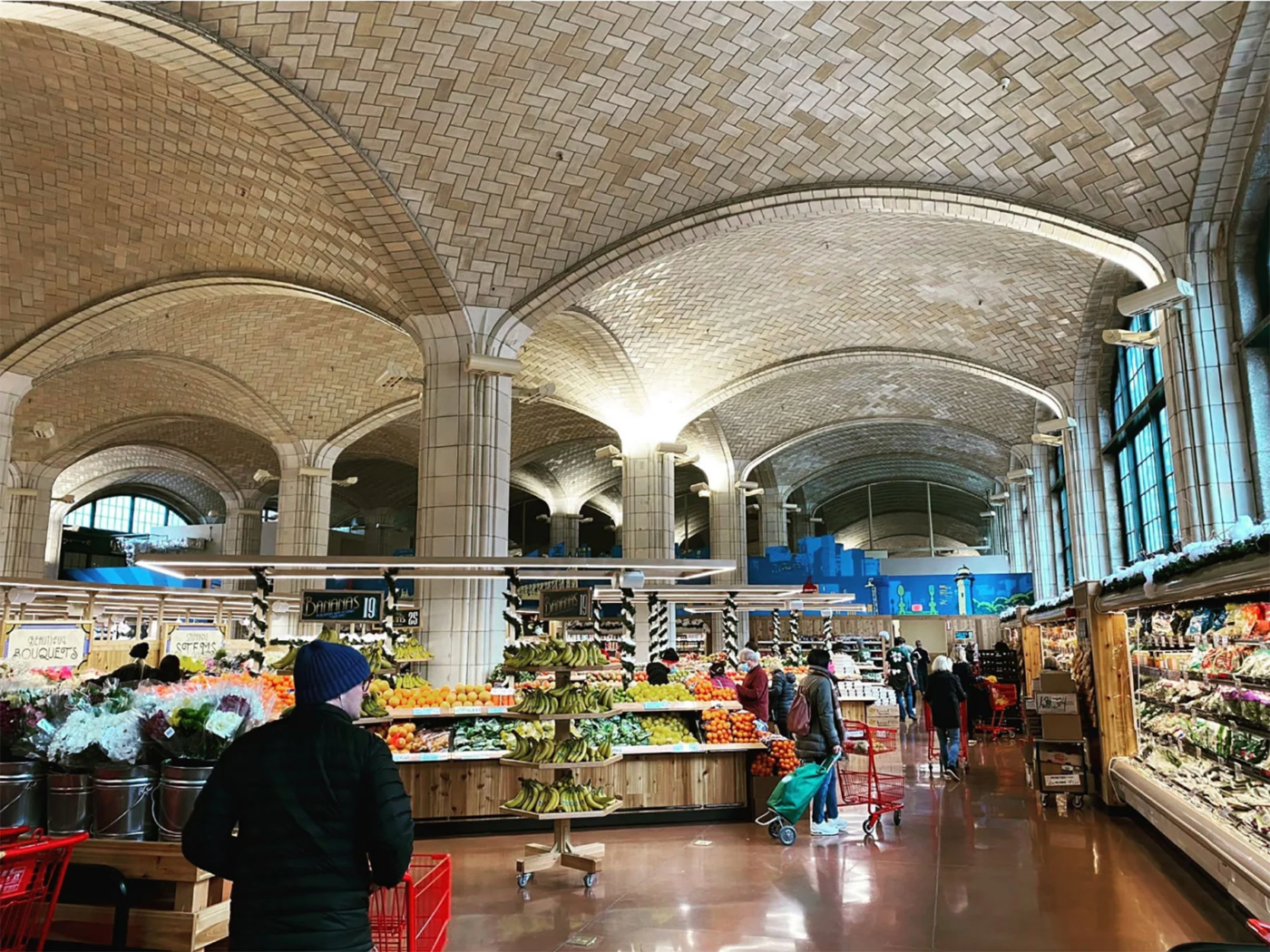
Rafael Guastavino Mareno was born in Valencia, Spain and immigrated to New York City in 1881. In 1885, he patented his tile arch system, which was derived from the Catalan Vault construction method, also called a “thin-tile vault.” This type of supportive arch system is composed of a vaulted ceiling that typically supports the floor above it. The specific construction of the shallow arch, with its interlocking layered tiles set in quick-drying mortar, dispenses with the need for additional structural supports, creating a lightweight, flexible, fire-proof, and independently load-bearing system. Another benefit of the method is that the resulting vaulted ceilings are quite beautiful, requiring no further ornamentation thanks to their delicate tilework.
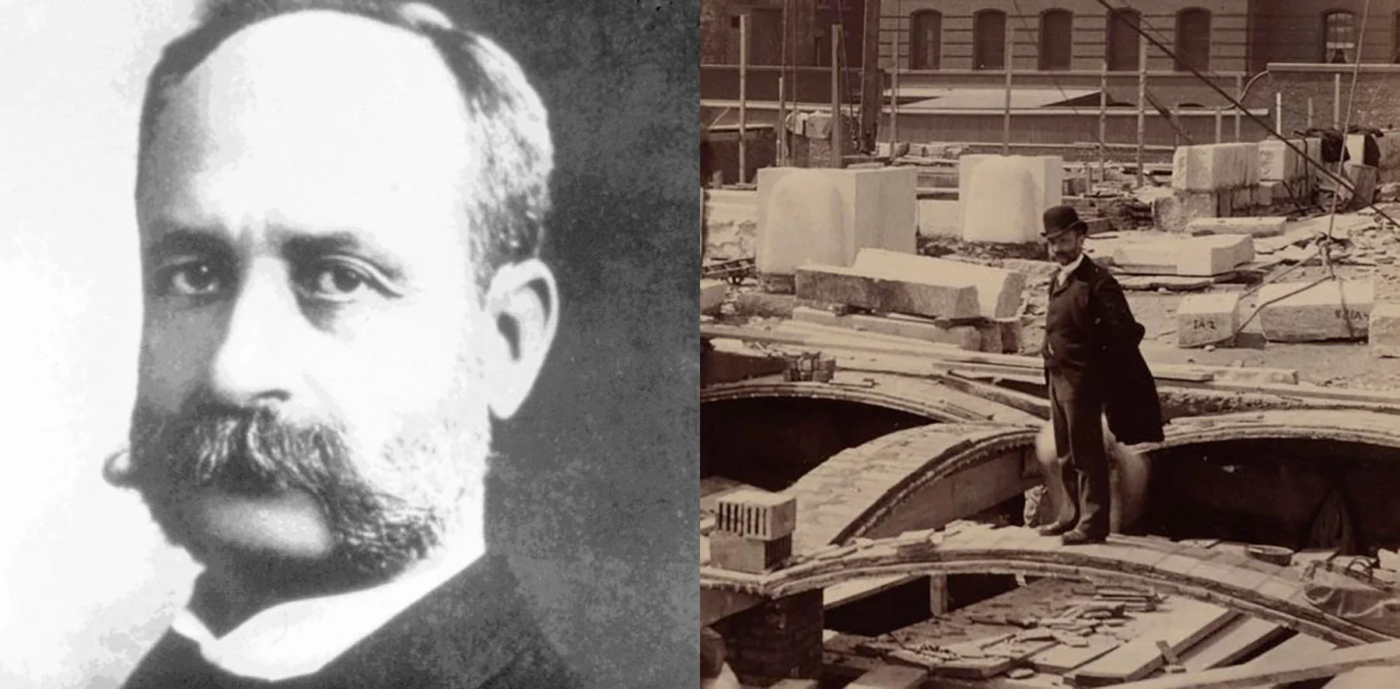
This innovative system was frequently implemented by New York’s most renowned architecture firms of the Gilded Age, including McKim, Mead & White and Carrère and Hastings. McKim, Mead & White helped launch Guastavino’s career in the United States when they commissioned him to use his vaulting technology for the construction of the Boston Public Library in 1889. The following year, Guastavino was hired by George W. Vanderbilt to construct the arches for the Biltmore Estate in Asheville, North Carolina.
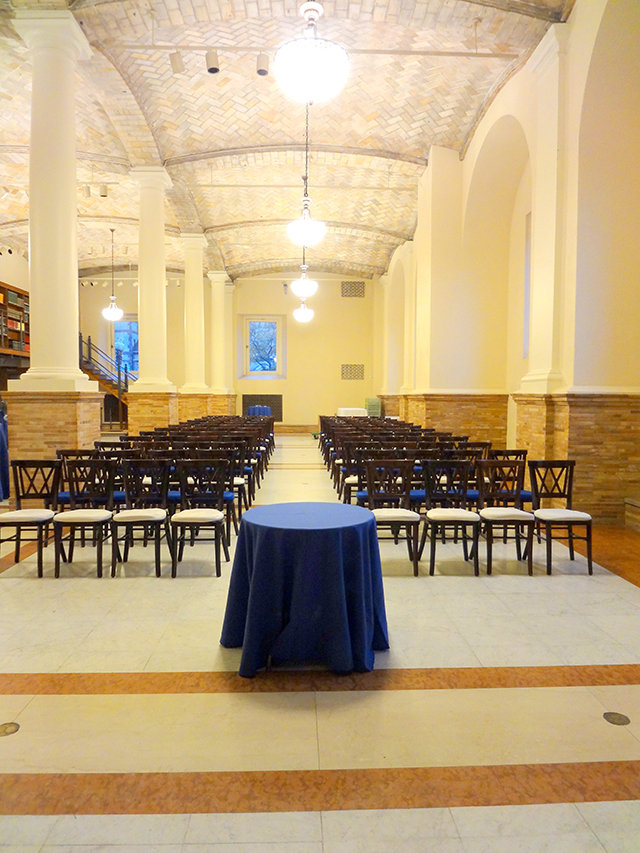
Guastavino and his son established the Guastavino Fireproof Construction Company in 1889, which remained in business through 1962. During those 73 years, the company constructed vault systems for hundreds of prominent buildings throughout the country, including the U.S. Supreme Court Building in Washington, D.C., and Pittsburgh’s Union Station. The greatest concentration of their work can be found in New York City.
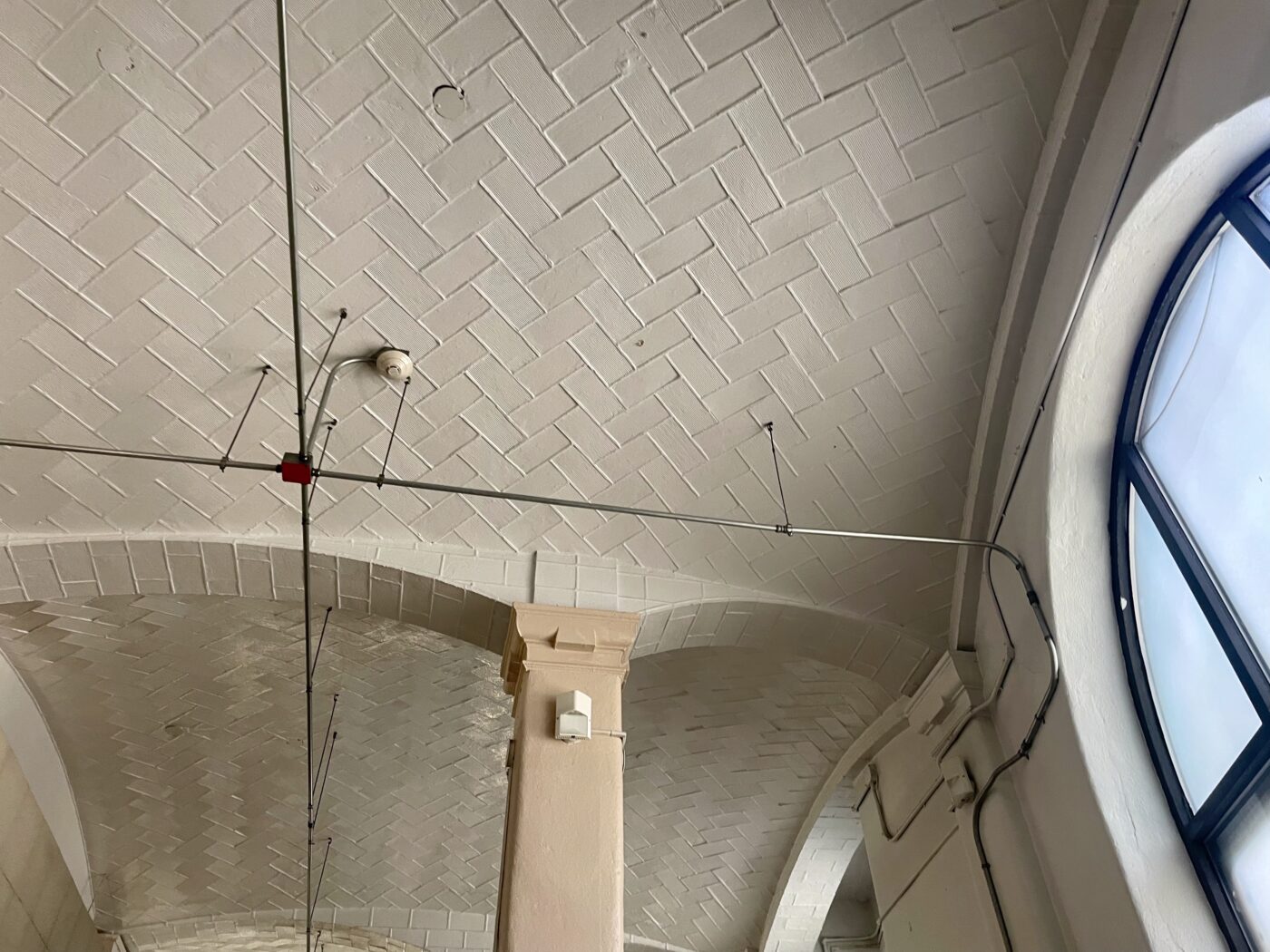
Today, the New York City Department of Parks and Recreation is recklessly and baselessly claiming that the Tony Dapolito Recreation Center should be demolished, in part, because of the constraints of its Guastavino tile arch construction, which they argue would hinder renovations to or adaptive reuse of the building. This argument is absurd when one considers how many historic architectural gems of our city and country contain this construction method, and have been variously renovated, restored, adapted, or otherwise altered during their lifespans. Many of these structures are train halls, government buildings, and popular museums, which all face much more wear-and-tear than a local recreation center ever will.
Click here to join us in telling the City that they must not demolish the Tony Dapolito Recreation Center, and instead need to repair and preserve the building and reopen it to the public.
Much needed restoration to be done!!!
And to preserve the Historic Architecture!!!