
Honoring the Legacy of Nathan Silver: Architect, Educator, Preservationist
Born March 11, 1936, author and architect Nathan Silver was best known for his 1967 book, Lost New York, which documented great New York City landmarks and architecture that had disappeared. Silver passed away on May 19, 2025, but remains a towering figure in the preservation of New York City’s architectural memory. Lost New York was not just a lament but a strategic work of archival advocacy. It melded vivid photography, riveting prose, and hard-hitting history to mobilize public opinion and policy at a critical point in NYC preservation history.
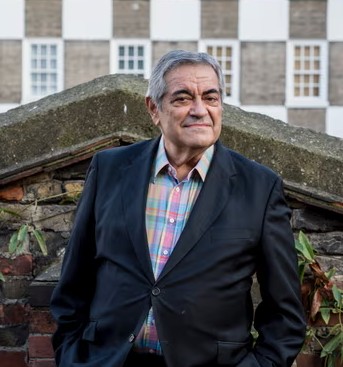
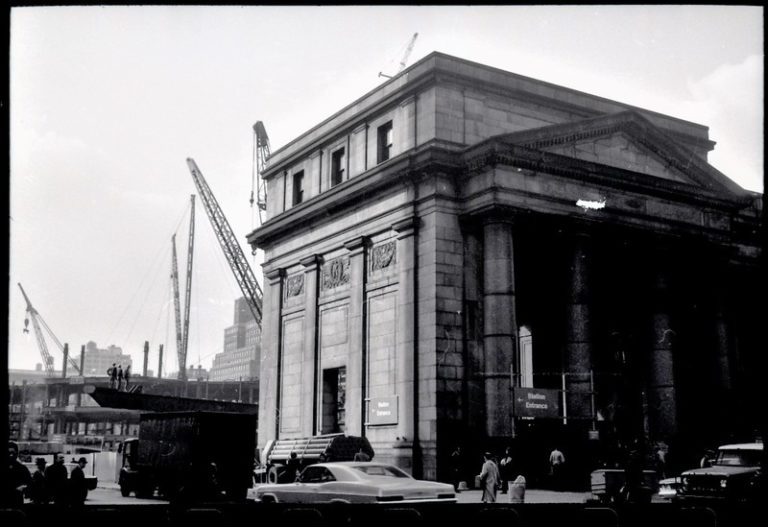
Silver attended Stuyvesant High School before earning his degrees from Cooper Union and Columbia University. His journey into preservation began in the early 1960s when he was teaching at Columbia. He mounted a striking exhibition in 1964, showcasing demolished gems like Pennsylvania Station and the 39th Street Metropolitan Opera House, sounding an urgent cry against heedless urban renewal.
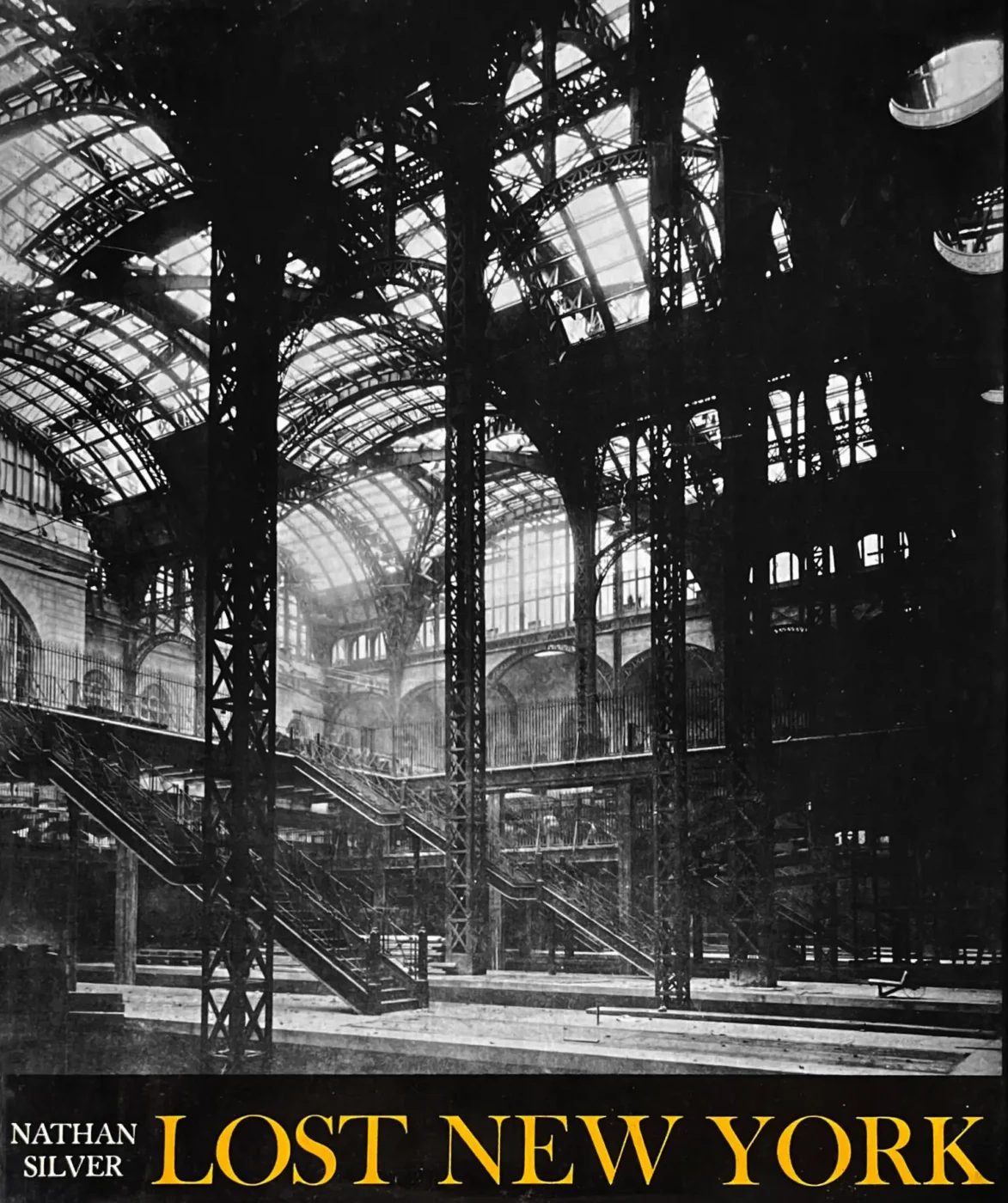
That exhibition evolved into Lost New York, Silver’s seminal photographic and narrative chronicle of Manhattan’s vanishing landmarks. The book struck a chord, selling over 100,000 copies and earning a finalist spot for the National Book Award. It became a well-respected cultural phenomenon. Preservationist Anthony C. Wood later reflected that Lost New York “gave comfort to those trying to push back against that, and provided solace to people who cared about preservation.” By bringing the city’s losses into sharp focus, Silver helped launch a movement that gave teeth to New York’s 1965 landmarks law and galvanized preservation efforts.
Silver’s influence was not confined to New York City. His impact here was part of a broader career that straddled architecture, teaching, and writing in both the US and UK. After emigrating permanently to London and lecturing at Cambridge and the University of East London, he produced influential works like Adhocism: The Case for Improvisation (1972, with Charles Jencks) and The Making of Beaubourg (1994), a deep dive into Paris’s Pompidou Center.
The New York Times noted that Silver “chronicled a vanished New York” in a book that “became a cultural phenomenon.” What sets this book apart from others is the moral urgency woven through the meticulous documentation. Every photograph, every historical account, and every plea for retention made Lost New York more than a book but a compelling rallying cry. Today, as development encroaches anew, his legacy reminds us how passionately recording what we stand to lose can empower preservation and help anchor a city’s identity in its built past.