
Martin Wong’s Visual Poetry of Urban Life
Martin Wong (July 11, 1946 – August 12, 1999) was one of the most affecting and visionary artists to emerge from New York City’s East Village and Lower East Side art scene in the late 20th century. A painter, archivist, and chronicler of the marginalized, Wong transformed crumbling walls on the Lower East Side into canvases of human tenderness and coded desire. His relationship with Nuyorican poet Miguel Piñero, his fascination with graffiti, and his deep engagement with the urban streetscape shaped a body of work that is poetic, political, and deeply personal.
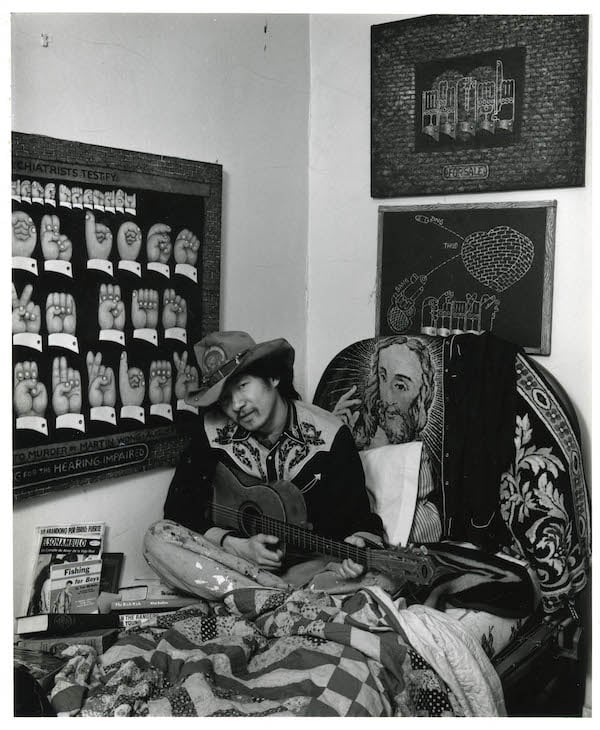
Born in Portland, Oregon on July 11, 1946, and raised in San Francisco’s Chinatown, Wong was a Chinese-American artist who came to New York in 1978. He lived in the East Village and Lower East Side, then rough, deeply diverse neighborhoods marked by poverty, abandonment, cultural ferment, and community resilience.
Before arriving in New York, Wong had worked in ceramics and theater set design in San Francisco. But it was in Manhattan that he began his most influential work as a painter. He created meticulously detailed depictions of tenement buildings, prison cells, signs, hand gestures, and intimate human relationships.
Wong was also openly gay and painted many works centered around desire, connection, and queer experience—often encoded through images of uniformed men, sign language, and poetic text. His art was a deeply personal archive of his life and surroundings, shaped by love, illness, gentrification, and memory.
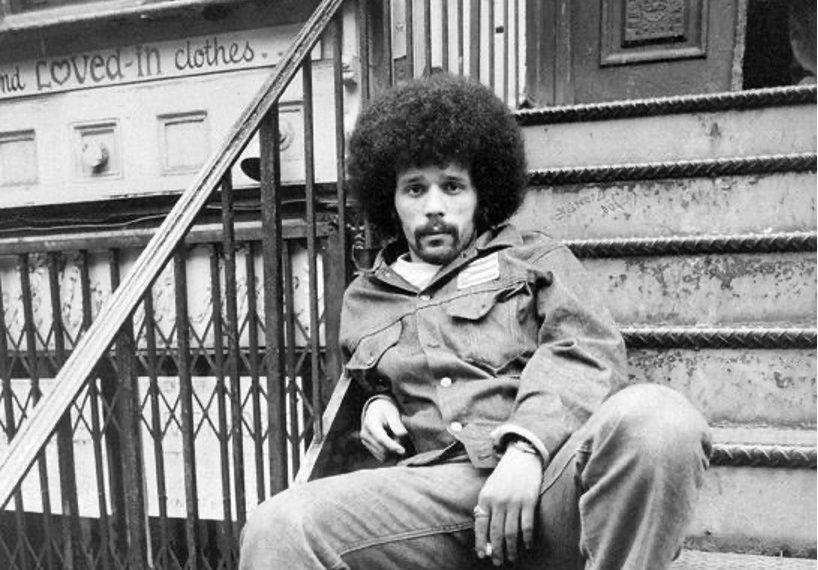
One of the most important relationships in Martin Wong’s life was with the Nuyorican poet, playwright, and actor Miguel Piñero, co-founder of the Nuyorican Poets Café and author of Short Eyes, a play that earned him an Obie Award and a Tony nomination.
Wong and Piñero were romantic and artistic partners in the 1980s. Piñero introduced Wong to the world of graffiti, New York street culture, and the incarcerated communities he had long written about. In turn, Wong helped preserve Piñero’s legacy through his paintings, many of which feature Piñero directly or allude to his poetry.
Their relationship was one of mutual inspiration, infusing Wong’s paintings with deeper layers of poetry, intimacy, and social commentary. Piñero died in 1988 from cirrhosis of the liver, but Wong’s art continued to carry his voice.
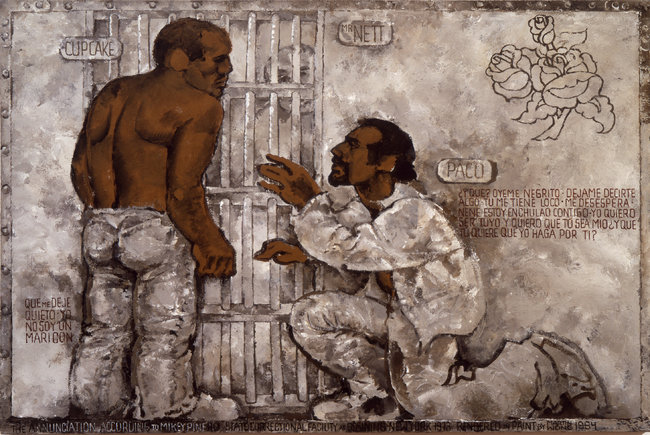
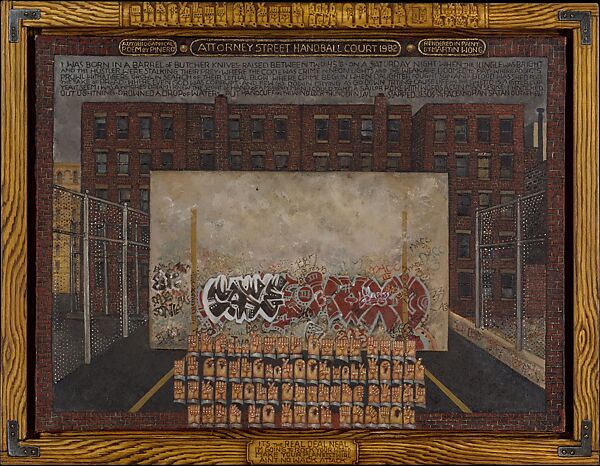
Wong’s work is instantly recognizable: flattened perspective, painstakingly detailed brick walls, inclusion of American Sign Language, graffiti tags, and hand-painted text. His palette—often dominated by browns, reds, and ochres—echoed the materials and hues of the Lower East Side’s tenements.
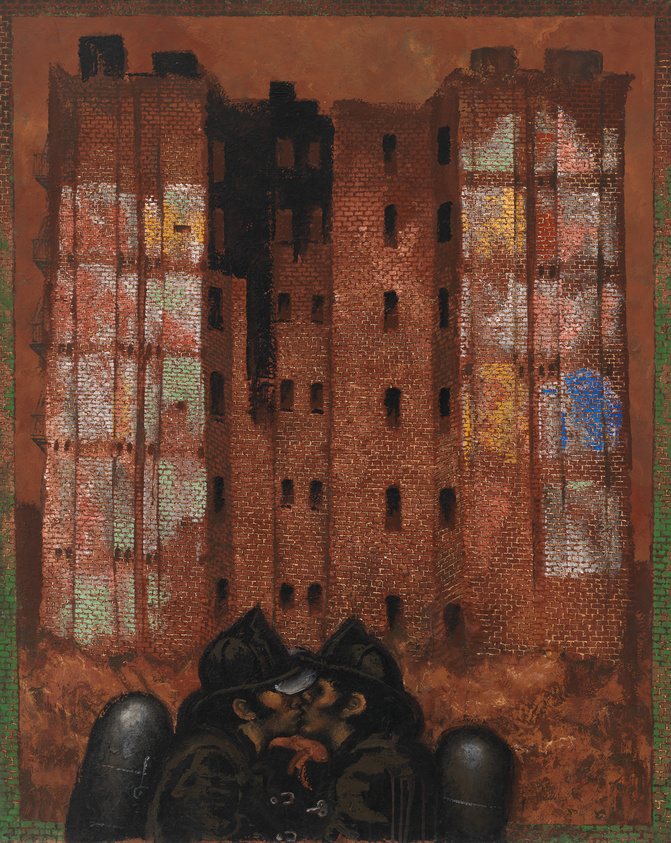
His paintings centered the lives of firefighters, prisoners, lovers, and graffiti artists, treating them not as symbols of blight but of dignity. He frequently painted buildings he could see from his window or streets he passed every day—yet elevated them into something mythic.
Wong also collected and preserved thousands of photographs, sketchbooks, and ephemera related to New York’s graffiti scene. His collection, which includes material from artists like LA2, Daze, and Lee Quiñones, is now housed in the Museum of the City of New York.
Wong was a major figure in the East Village art scene of the 1980s, regularly exhibiting at galleries such as the Semaphore Gallery and Exit Art, and showing alongside downtown contemporaries like Keith Haring and Jean-Michel Basquiat. Yet Wong’s work remained distinct—less commercial, more literary, deeply intimate.
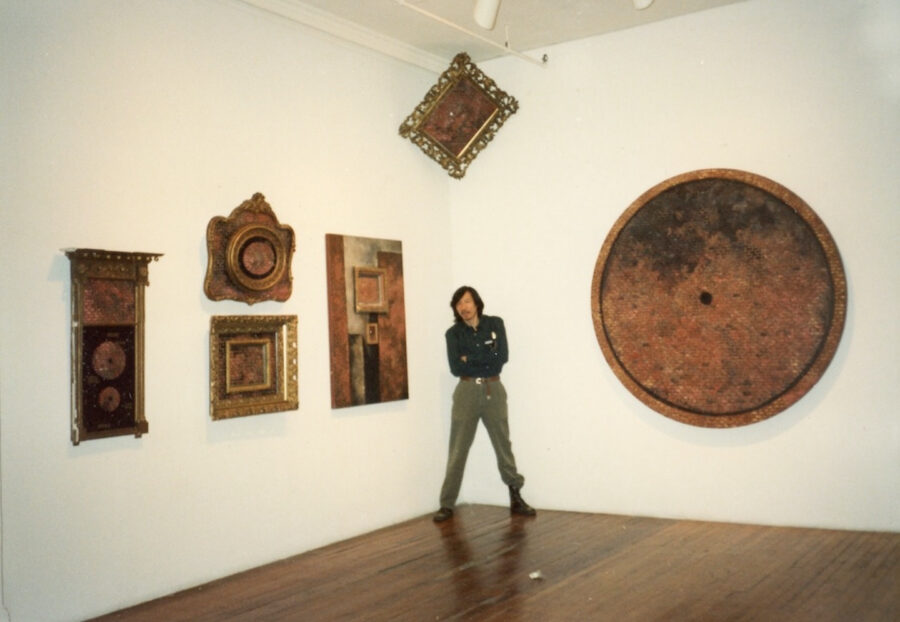
He inhabited the neighborhood not just as an artist but as a documentarian and a neighbor. He knew the shopkeepers, the tenants, the poets, and the punks. He painted not the myth of New York, but its underrepresented truths. His apartment was filled with books, archives, and rotating collections of art and cultural detritus. He preserved the ephemeral lives of streets that the city itself often tried to erase.
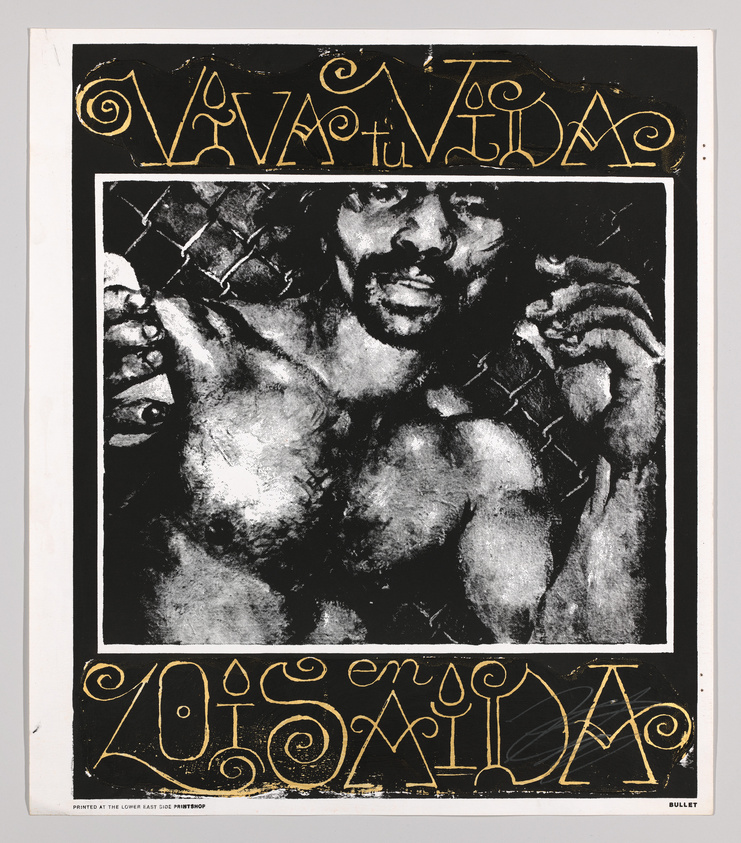
Martin Wong died in 1999 of AIDS-related complications, leaving behind a body of work that today feels more relevant than ever. His art is now part of major collections at the Whitney Museum, the Metropolitan Museum of Art, and the Bronx Museum of the Arts, which organized the acclaimed 2015–2016 retrospective Martin Wong: Human Instamatic.
His paintings offer a visual poetry of place and identity. They elevate street corners and prison cells into sacred spaces. They chronicle a neighborhood, a relationship, a city, and a life shaped by love, creativity, and community.