
Visualizing The Federal Rowhouse Preservation Project
In the mid-1980s, staff members of the Landmarks Preservation Commission embarked on the Federal Rowhouse Project, an ambitious effort to document Manhattan’s remaining federal era rowhouses. These houses, dating from about 1790 to 1835, represent the oldest remnants of English settlement in Manhattan. Many were located below 14th Street, with the highest concentration in Greenwich Village. While most were landmarked as part of the Charlton-King-Vandam Historic District in 1965, and the Greenwich Village Historic District in 1969, others still lacked landmark protection, serving as an impetus for this ambitious project.

By the mid-1990s, the Commission began collaborating with community-based groups, including Village Preservation (then known as the Greenwich Village Society for Historic Preservation), to help document and designate these rowhouses. The effort resulted in a visual survey of Lower Manhattan’s federal era rowhouses undertaken during the 1990s and eventually the designation of scores of these buildings, either as individual landmarks or as part of historic districts. This was documented in our report, “Twenty Years of Preserving Federal-Era Rowhouses 1997-2017.”
To recount these efforts, Village Preservation organized a conversation between Jay Shockley and Susan De Vries. Shockley was a longtime Landmarks Preservation Commission staff member, one of the two originally tasked with the federal rowhouse project in the 1980s. Susan De Vries was a former Village Preservation staff member who surveyed and photographed Lower Manhattan’s federal era rowhouses, a project that eventually became part of her graduate thesis. Moderated by Vicki Weiner, former executive director of Village Preservation during the 1990s, the conversation ranged from architectural details that define the Federal-Style to the strategies used to properly document these rowhouses.

Built ca. 1828-1829, the above row of federal style houses was individually landmarked in 2004, and as part of the South Village Historic District in 2013. They were also part of De Vries’ 1995 photo survey. During the discussion, Shockley highlighted this row, noting that, “127, 129, and 131 MacDougal Street, on the west side of MacDougal Street. I happened to do the designation reports for those. When you look at them at first, you swear that those are Federal lintels, but in fact, they’re cast iron. That in the cast iron period, probably 1850s, they actually mimic what would have been a convincing Federal lintel.”

Susan De Vries discussed completing the survey, “I would spend my summer going and walking by each of the buildings and photographing them. Because, of course, this was pre-Google maps, this was pre-digital anything. So again, much like Jay, you had when you were doing the survey work, the best way was to walk past them and photograph them and just provide a baseline of: how many of these still exist, and what condition are they in, basically. So that was how I spent that summer of 1995, which was my first summer living in New York City.”
De Vries shared a few of her favorite houses, including a row on Grand Street, and listed on the National Register of Historic Places as part of this effort.
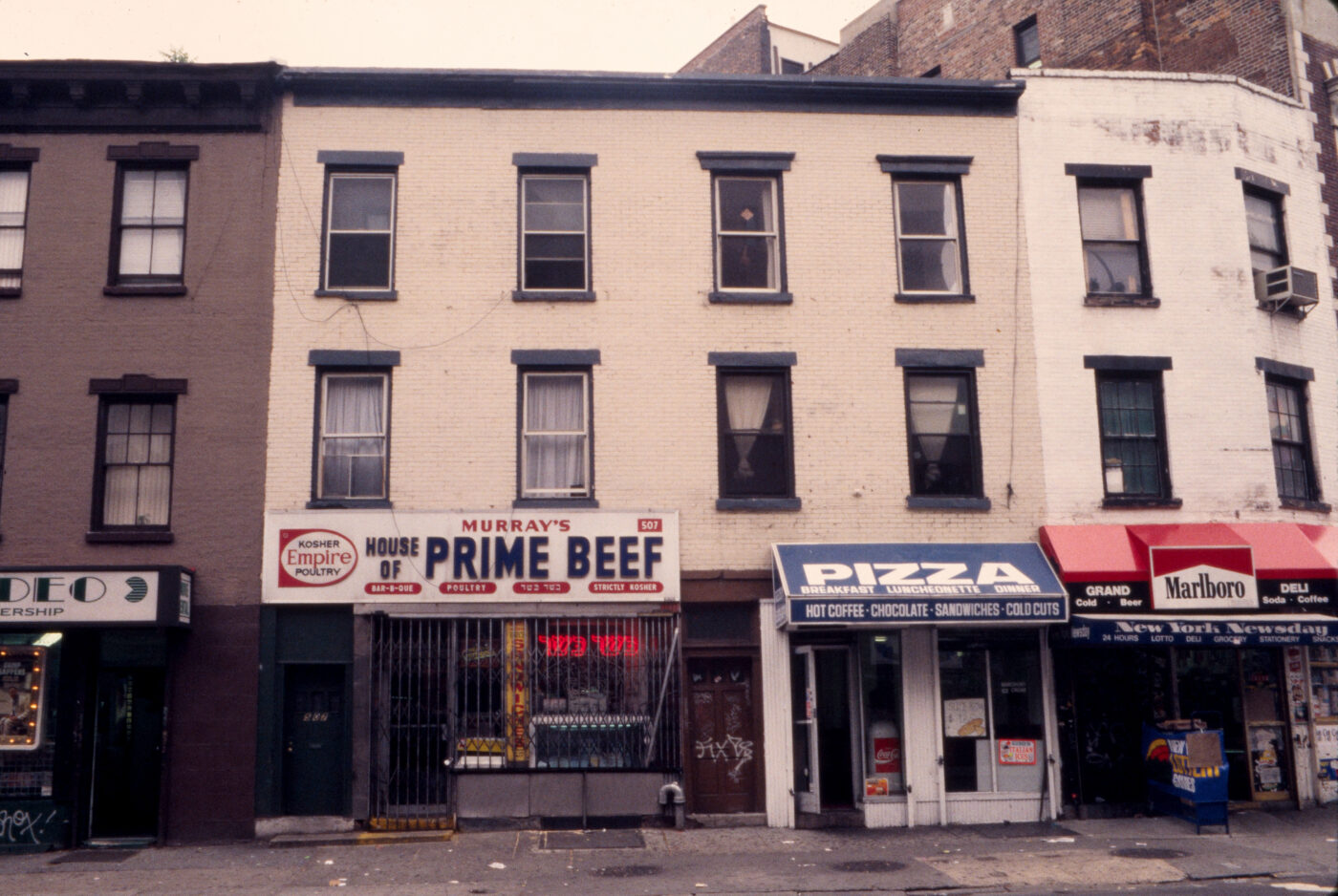
“There was this great stretch all the way at the end of Grand by East Broadway, like those were just like an amazing little stretch. Those were included in the National Register. They kind of stretched the National Registered District to go all the way down.”
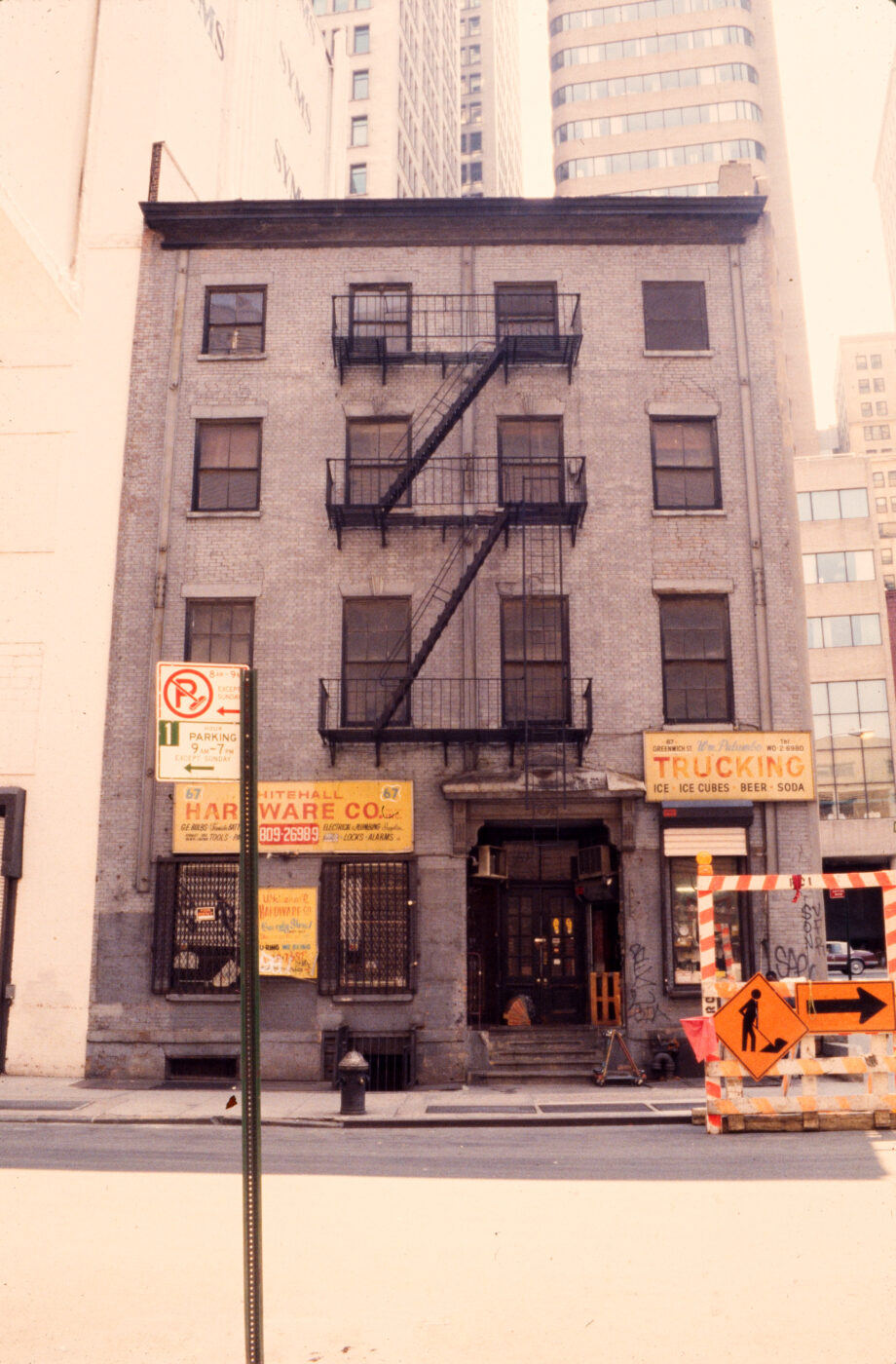
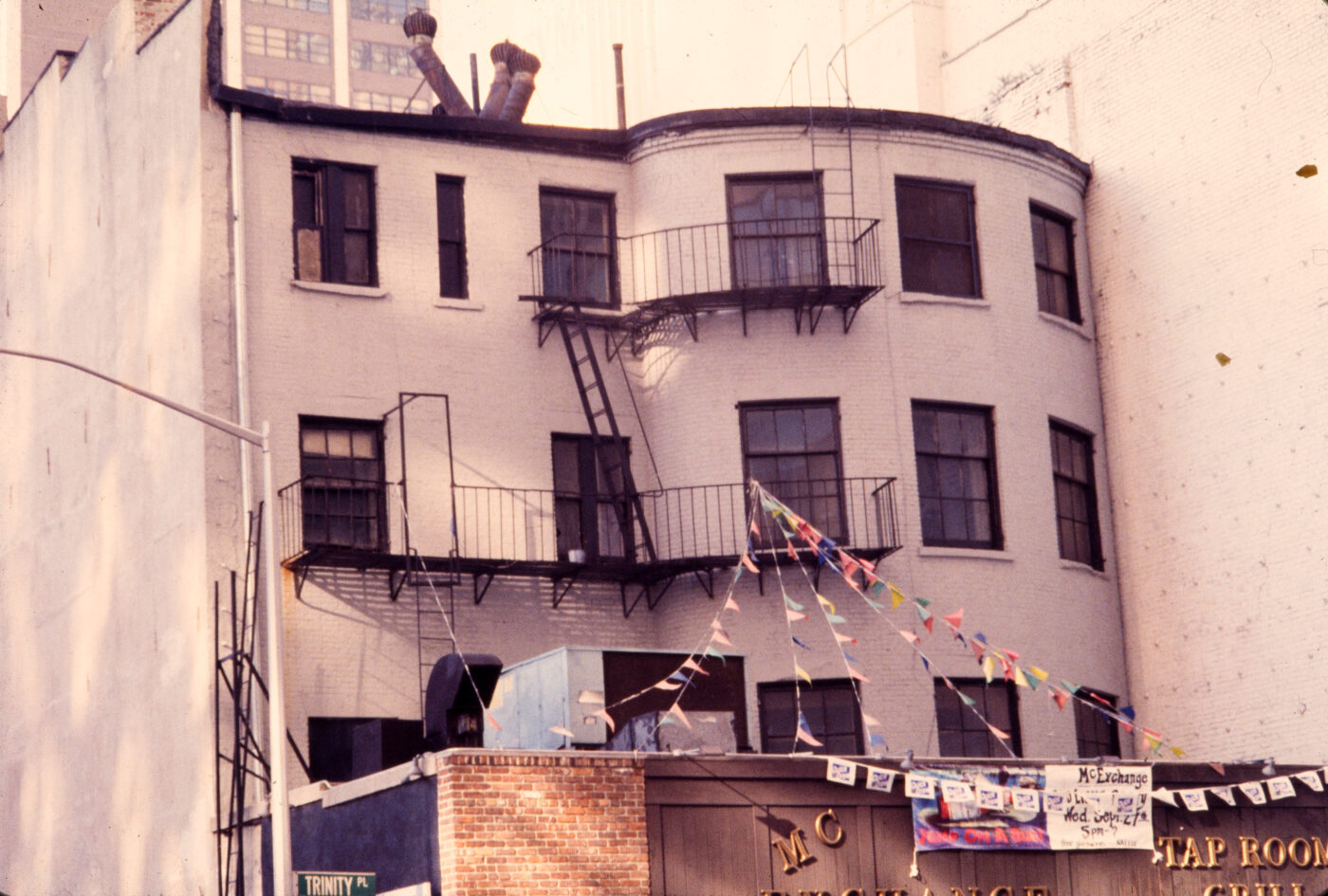
Shockley and De Vries also discussed the house at 67 Greenwich Street. Shockley noted that it was “one of the oldest buildings in Lower Manhattan, 67 Greenwich Street: incredibly old, incredibly rare. It’s one of the only Federal houses that had a bowed rear on it.”
The conversation is now in our Neighborhood/ Preservation History Archive. Learn more about it by clicking HERE. You can watch the video HERE and read a transcript of the conversation HERE. Also, check out our Federal-Era rowhouse campaign to learn more about Village Preservation’s efforts to protect these buildings.