
Business of the Month: Cowgirl, 519 Hudson Street
Your input is needed! Today we feature our latest Business of the Month — help us to select the next. Tell us which independent store you love in Greenwich Village, the East Village, or NoHo: click here to nominate your favorite. Want to help support small businesses? Share this post with friends.
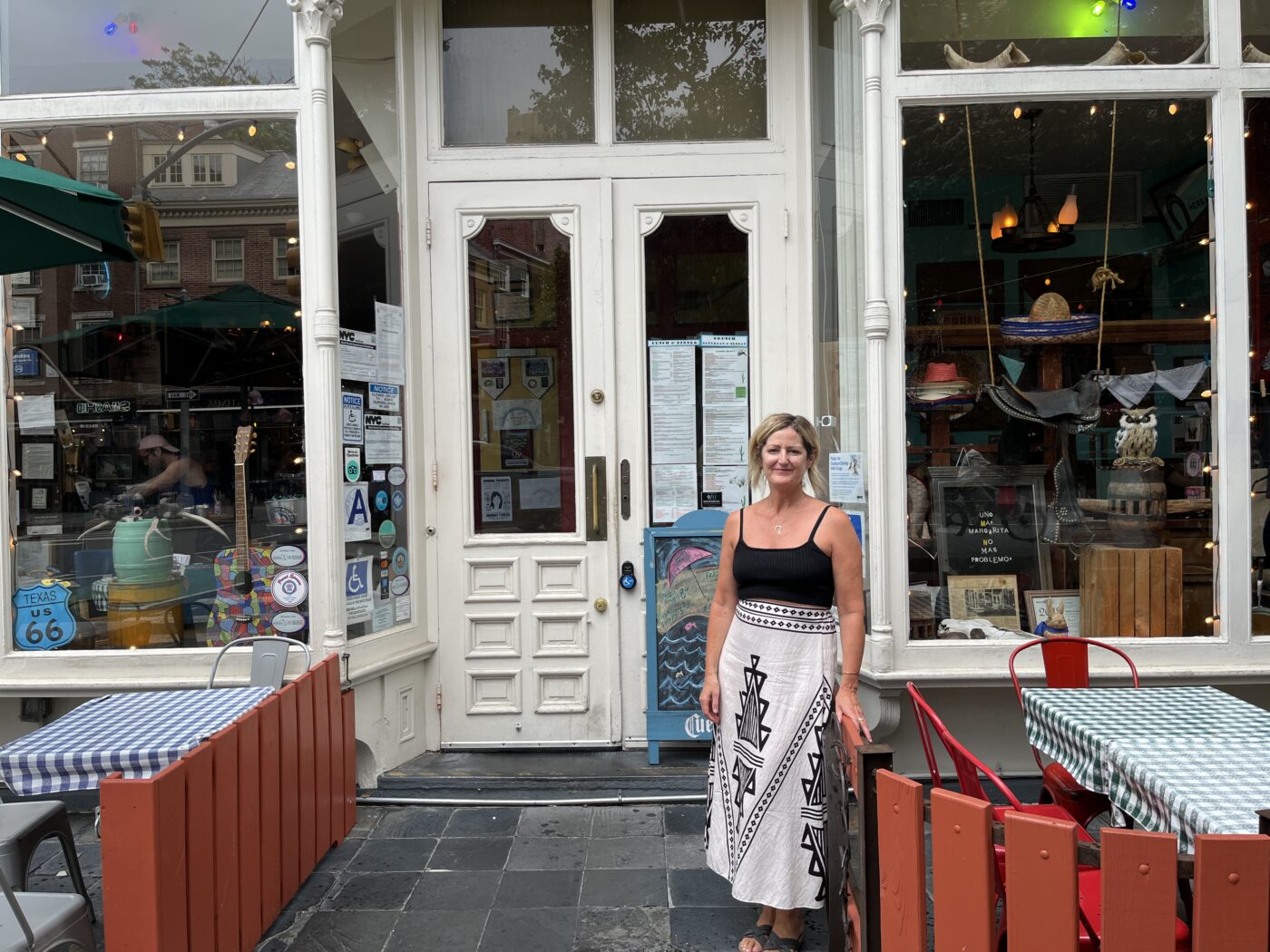
They say even cowgirls get the blues. But not when they’re at our July 2025 Business of the Month, a Texas-sized, small-town-style eatery that for over thirty years has offered authentic Tex-Mex classics and served as a neighborhood gathering spot for occasions big and small at all stages in life. Said business has been a place for five-year-olds’ birthday parties, happy hour drinks, nights out with friends, first dates, engagement celebrations, and more, all of which has turned the establishment into a veritable Greenwich Village institution. Of course, it’s Cowgirl, at 512 Hudson Street at West 10th Street.
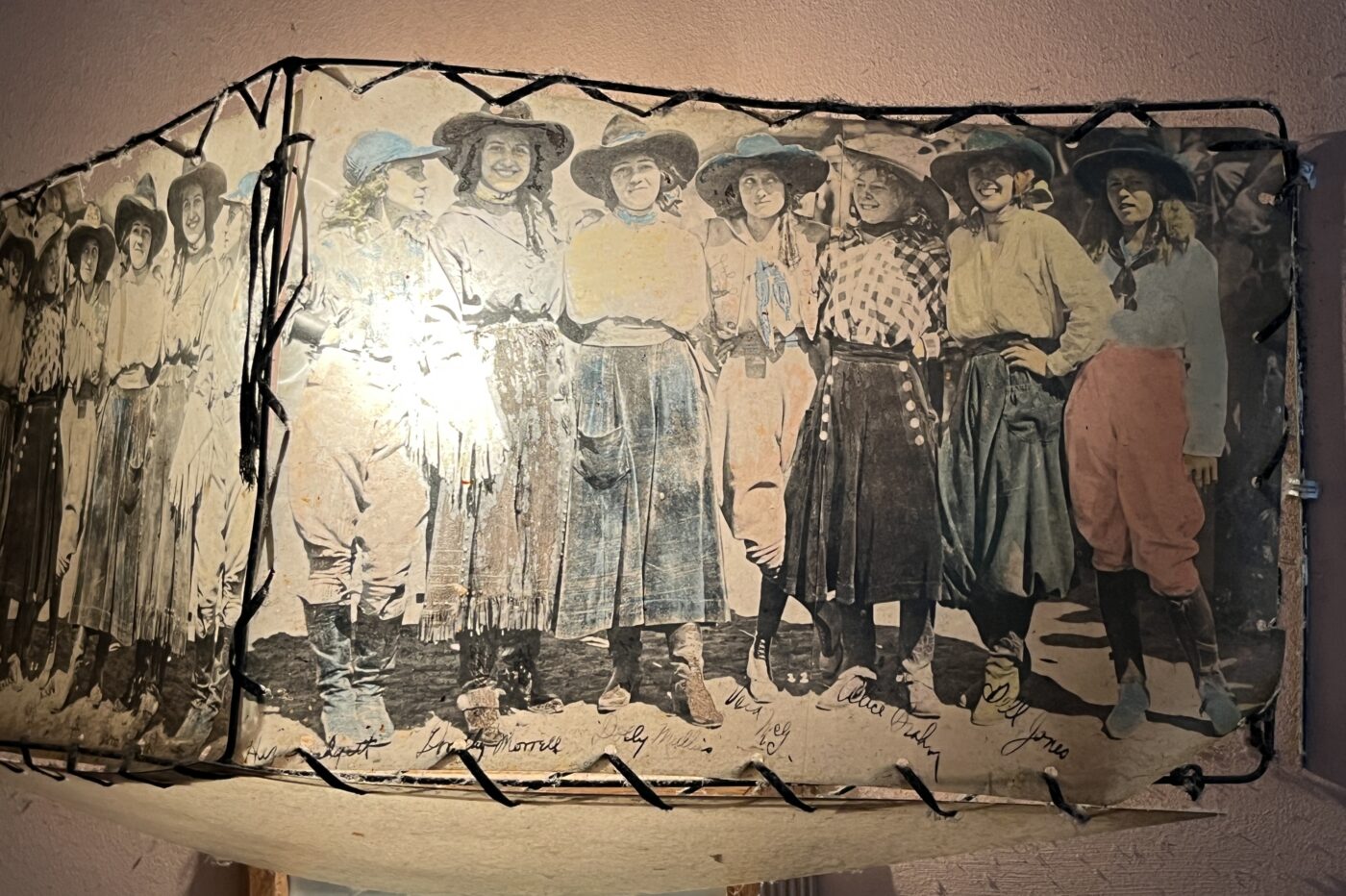
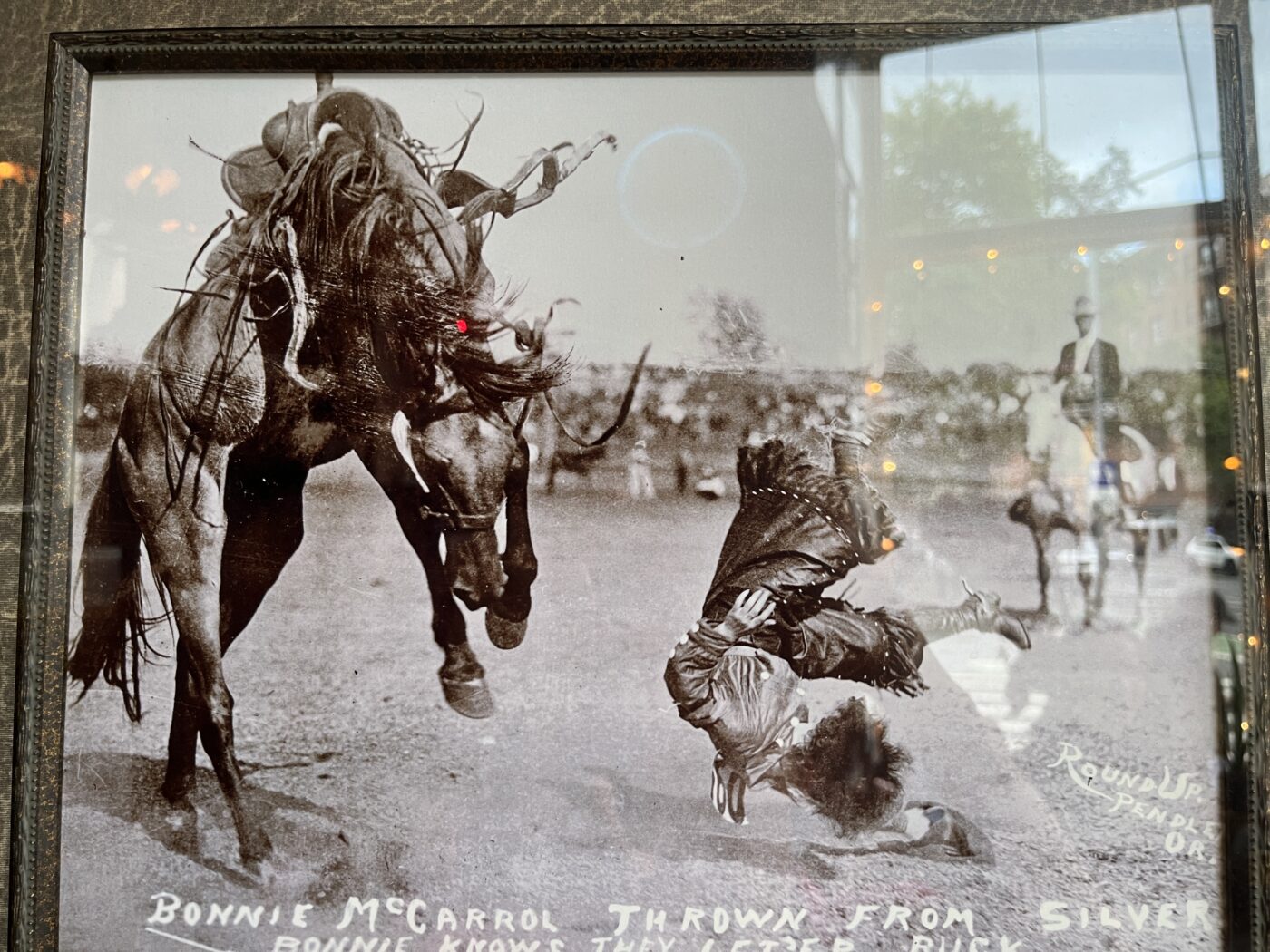
It was the Cowgirl Hall of Fame Museum that lent the restaurant its original name. But any regular customer will tell you that there has been an actual cowgirl behind the operation: Sherry Delamarter, the Waco-native who launched the business back in 1989. Sherry moved to New York to work for an independent TV producer. But she found herself in the restaurant business when the owner of the defunct Cottonwood Cafe offered to make her a partner in a new venture in exchange for sweat equity. That new restaurant, the long standing Tortilla Flats (767 Washington Street), became a hit. It was followed by other successful ventures (e.g. Gulf Coast and Sugar Reef), and led to an invitation to cater an induction ceremony at the fledgling National Cowgirl Hall of Fame in Hereford, Texas. Sherry, who grew up steeped in cowboy culture, with Sky King on TV, an autographed picture of Dale Evans on the wall, and school off on rodeo days, accepted the invite at once. That event inspired the idea of opening a Cowgirl Hall of Fame restaurant in New York City, as a way of bringing attention to western culture and the role of women in the development of the west.
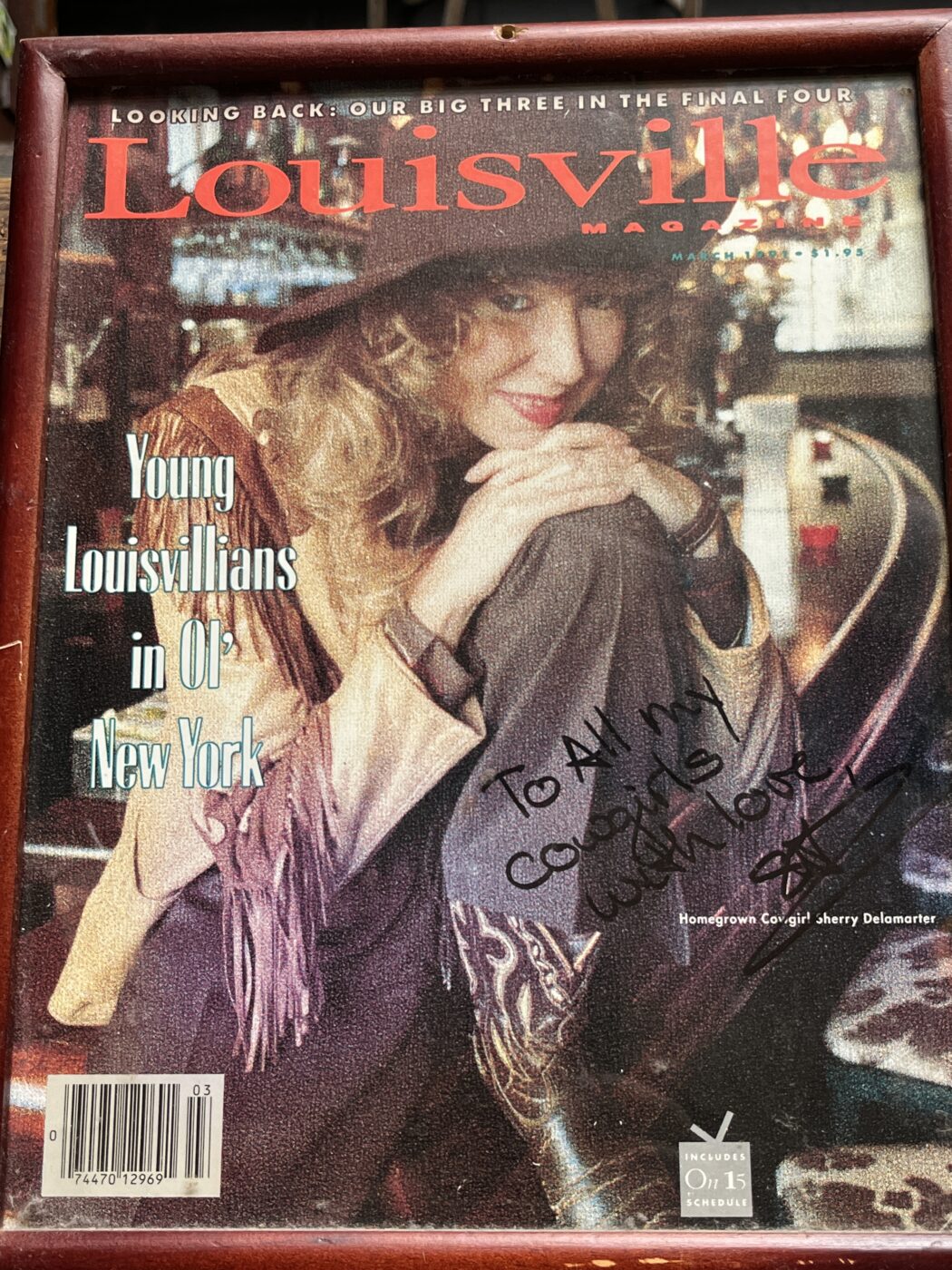
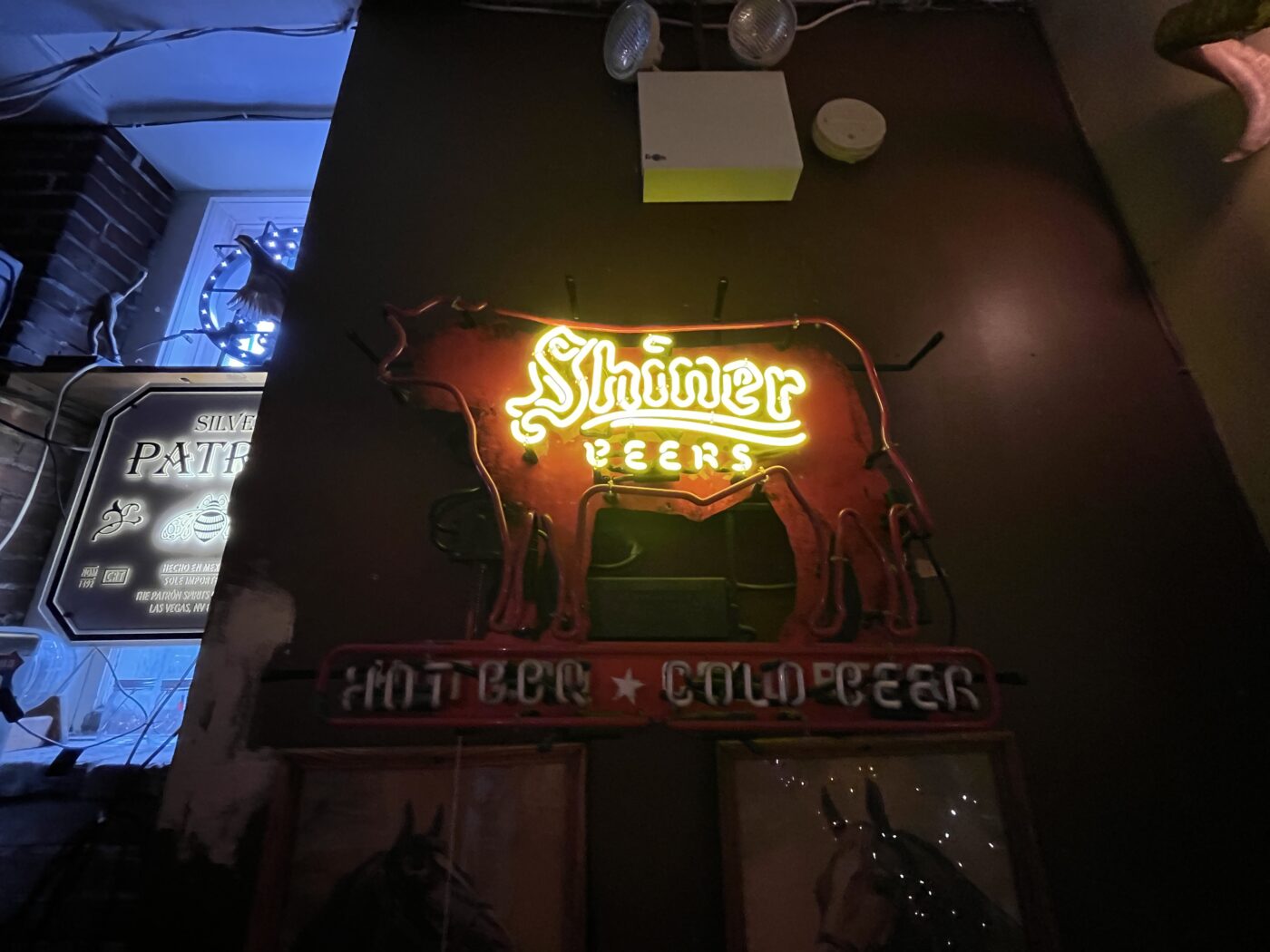
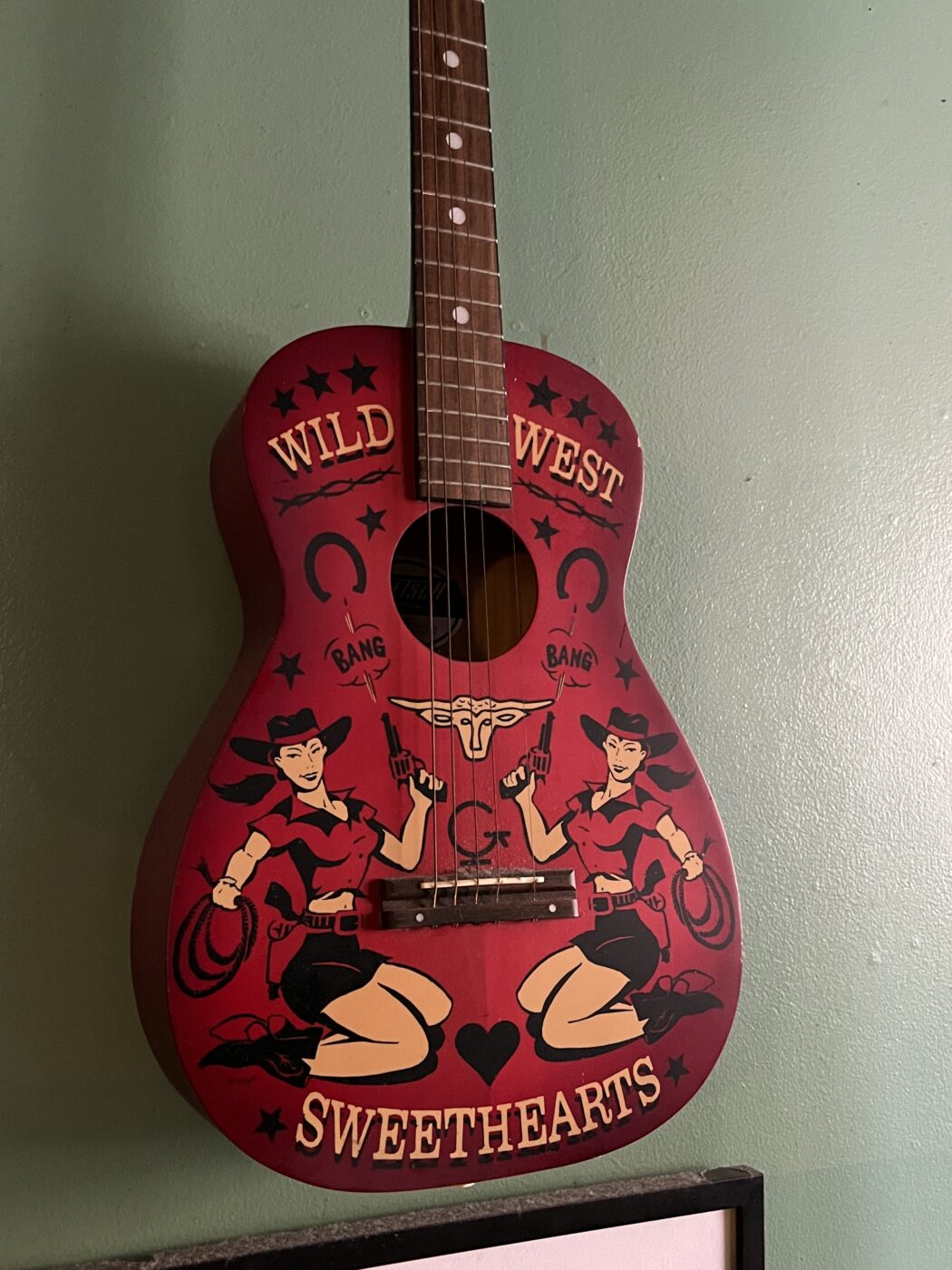
At the time, Sherry was a single mother living in a four-story walk-up on Carmine Street that only had a sink and a toilet. But she was armed for her new venture with a repertoire of family recipes, a collection of Texas memorabilia, and a clarity of vision. She decided that a then-desolate corner of Greenwich Village where three restaurants had shuttered in quick succession was just the spot for her new place. Potential investors turned her away, deterred by the location. But she proceeded regardless.
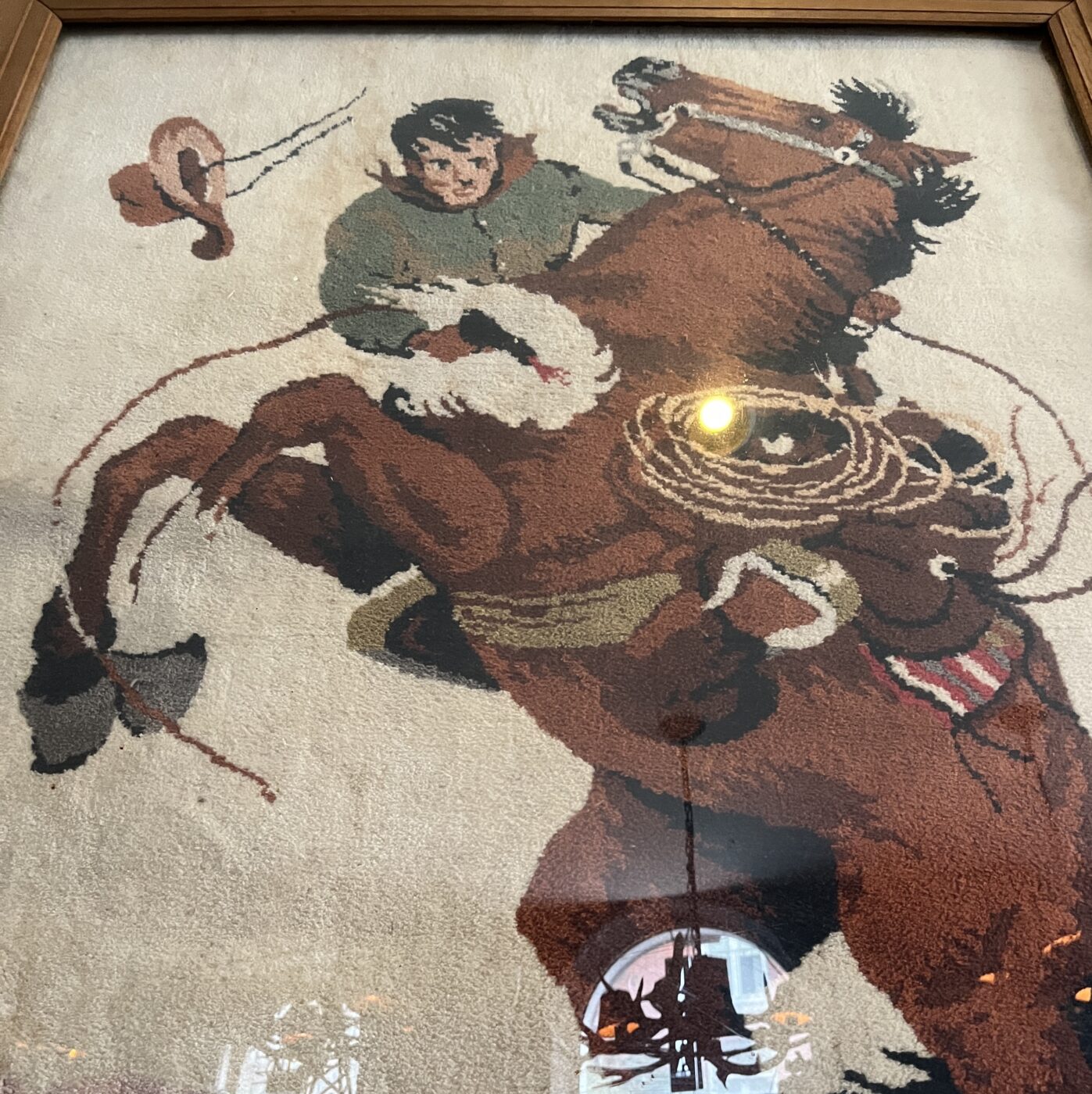
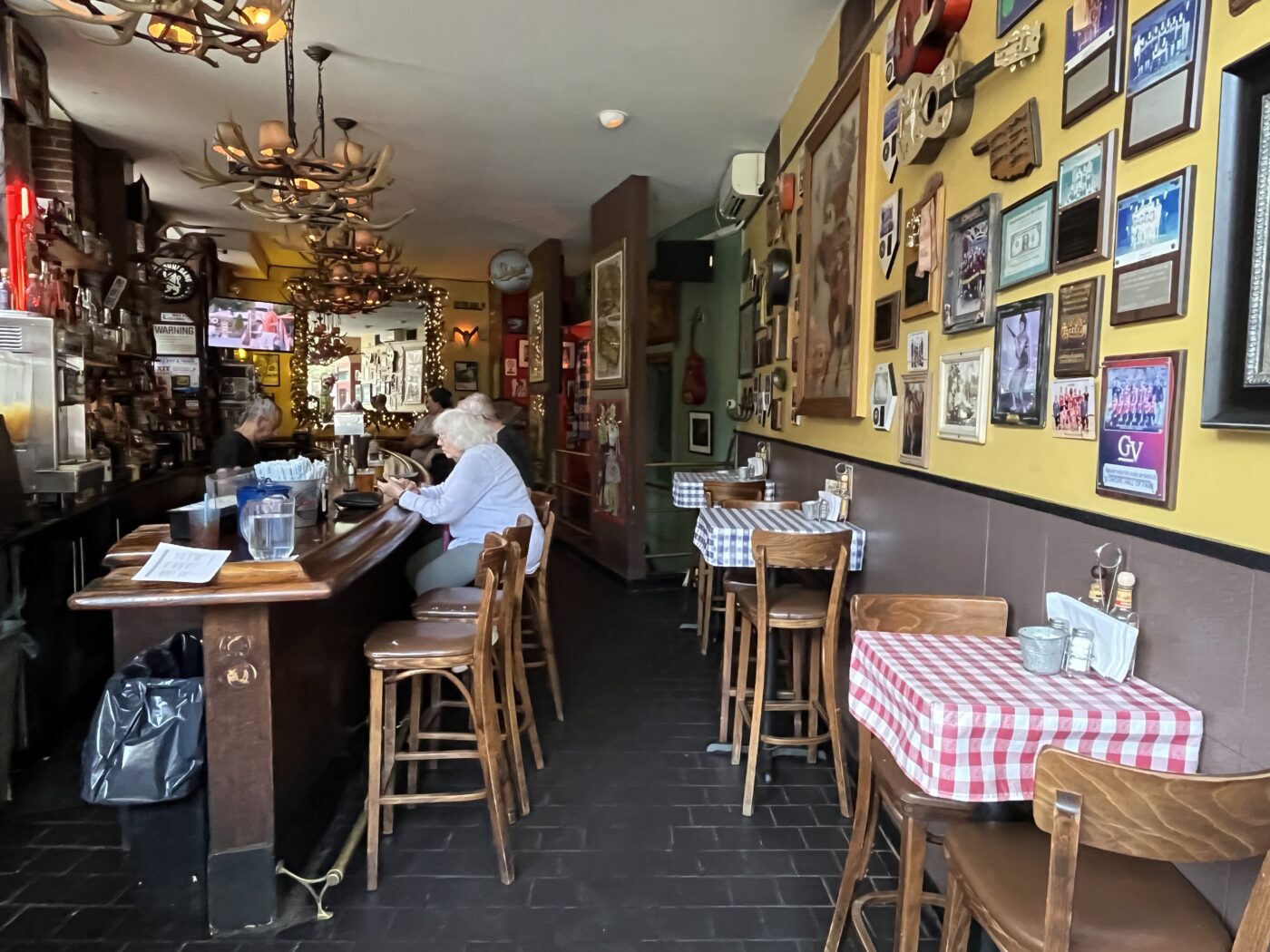
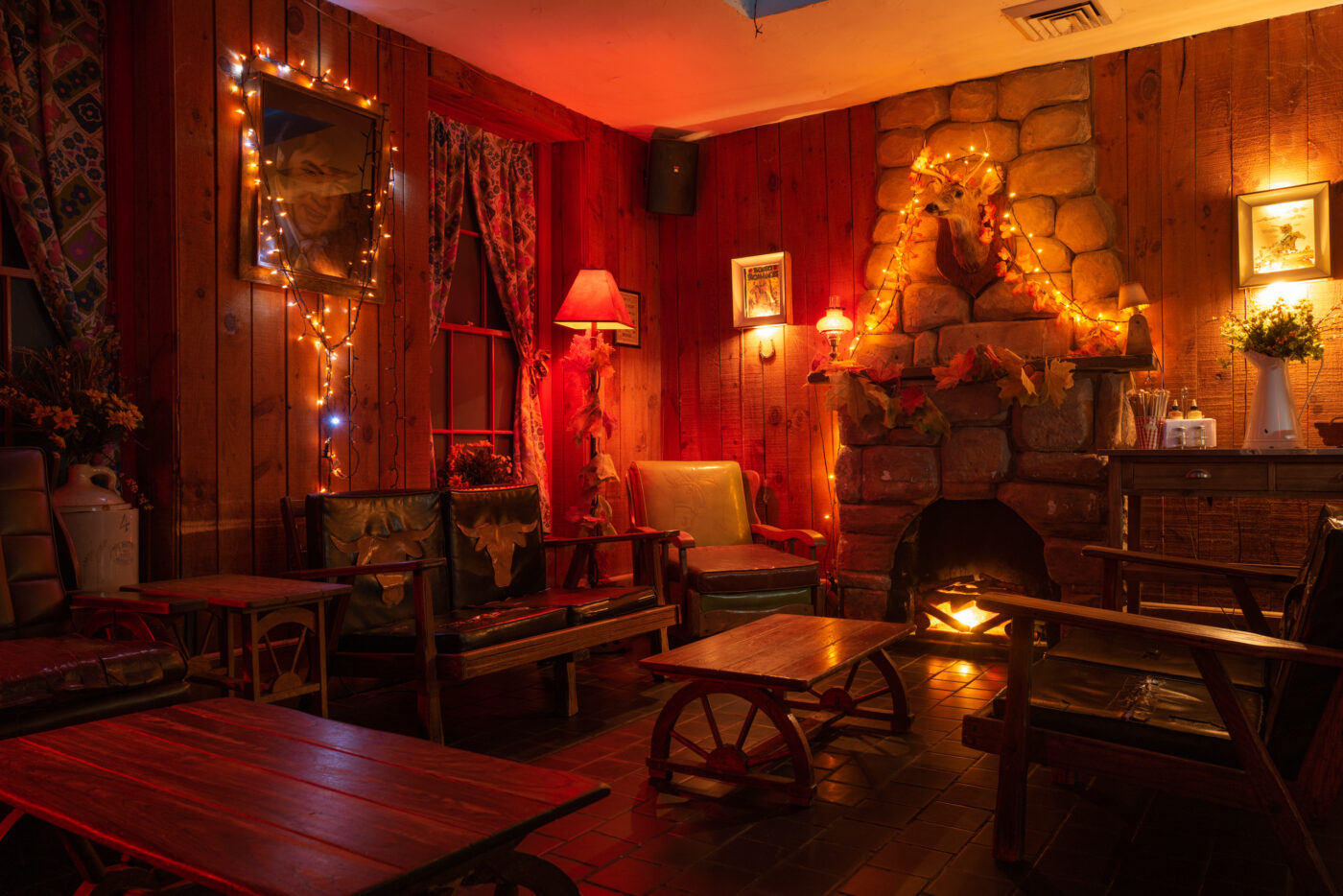
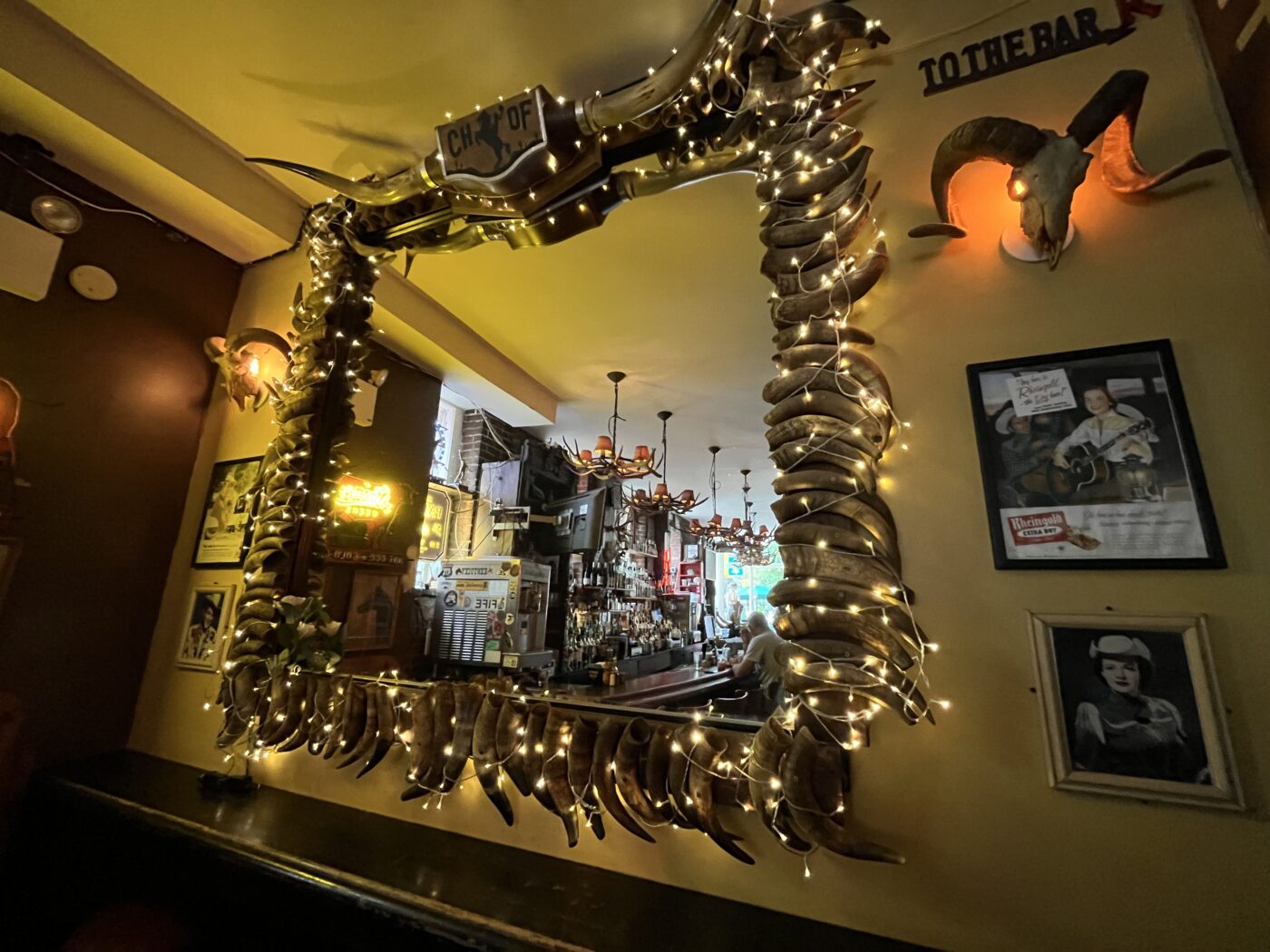
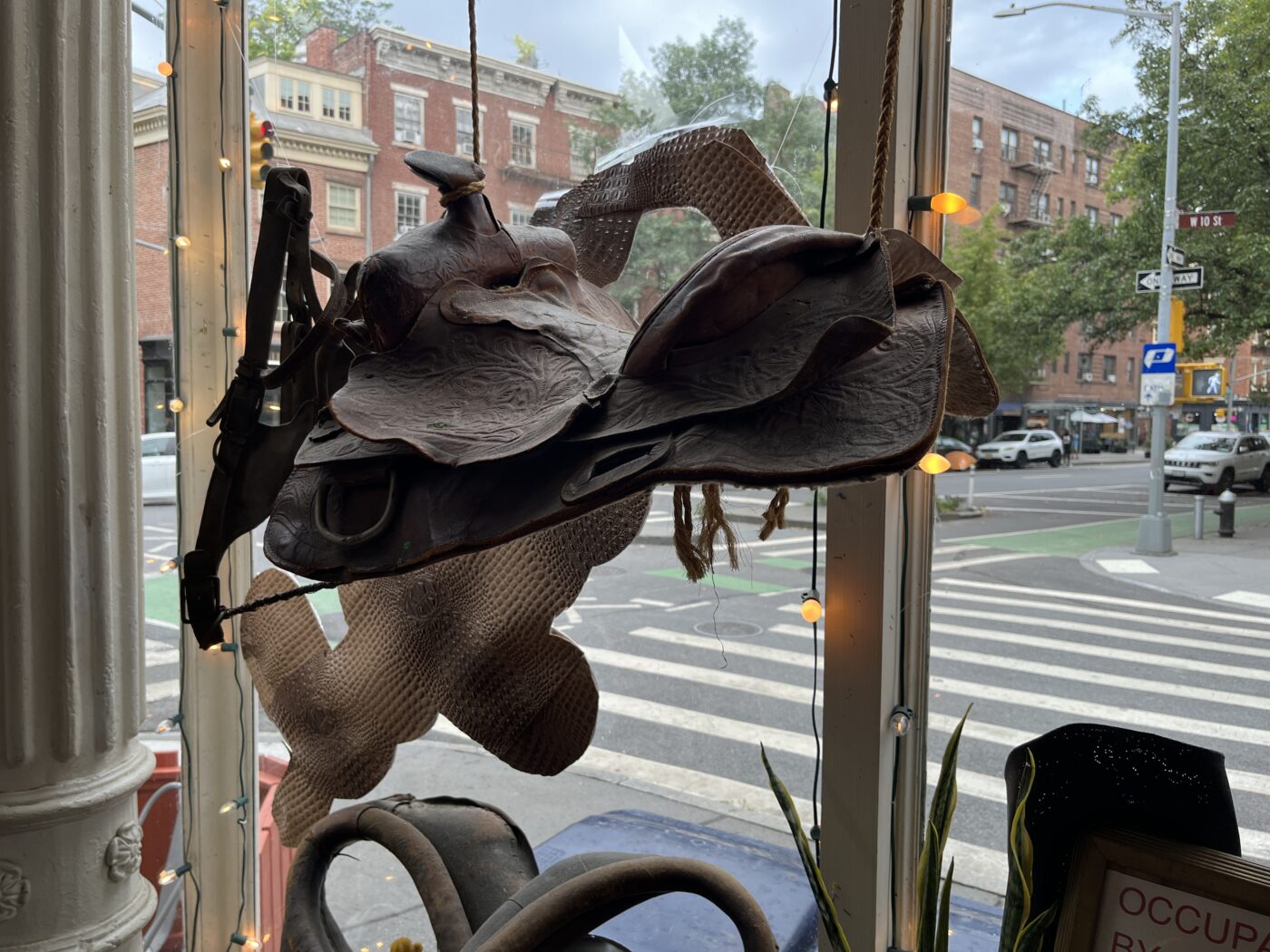
The concept for the restaurant emerged fully realized. Cowgirl looked then much like it does now, an aggregation of disparate spaces—including dining area, bar, lounge, and private room, all decked out in Texas artifacts, from longhorn skulls, western guitars, and saddles, to a barbed wire collection.
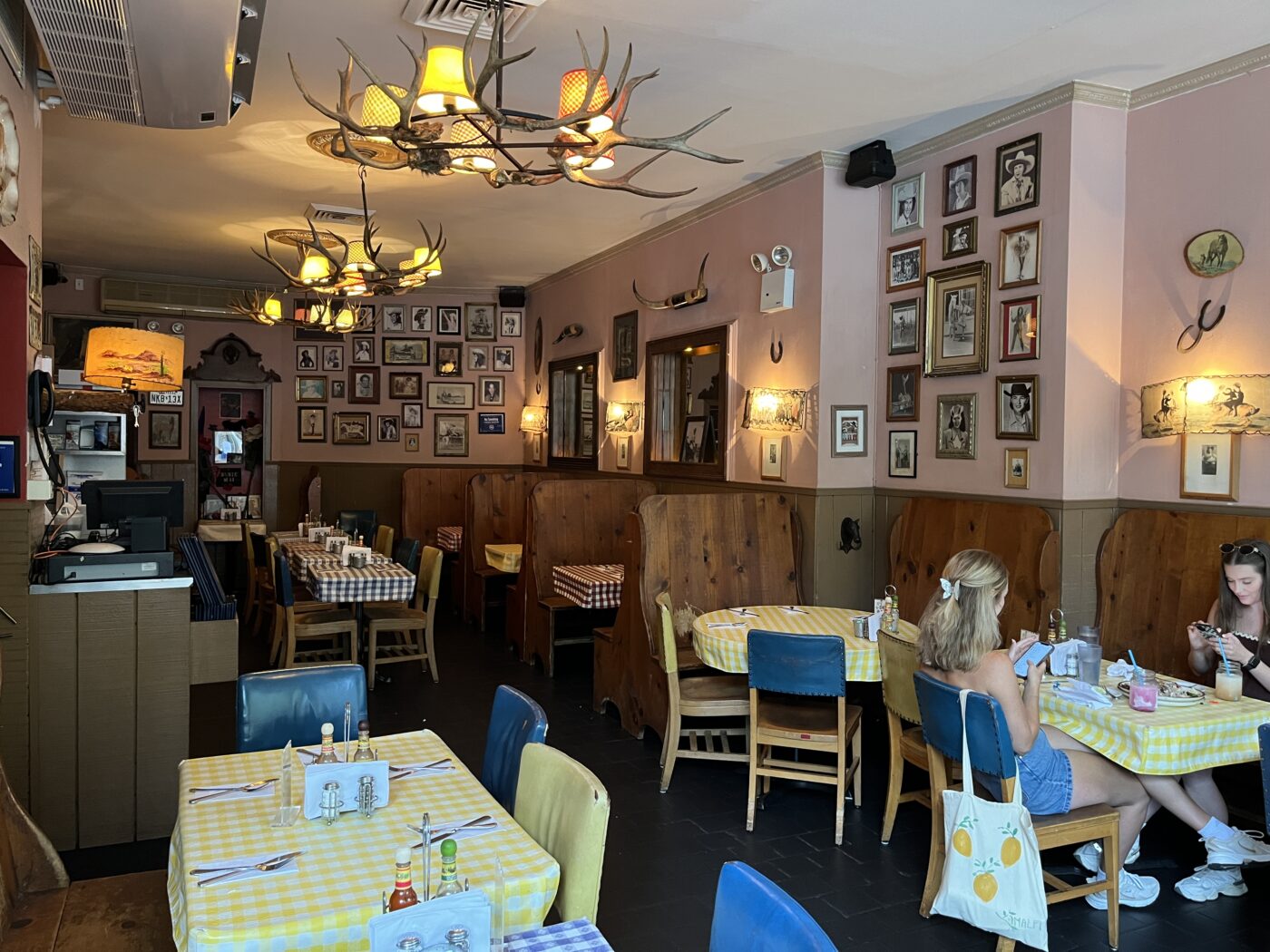
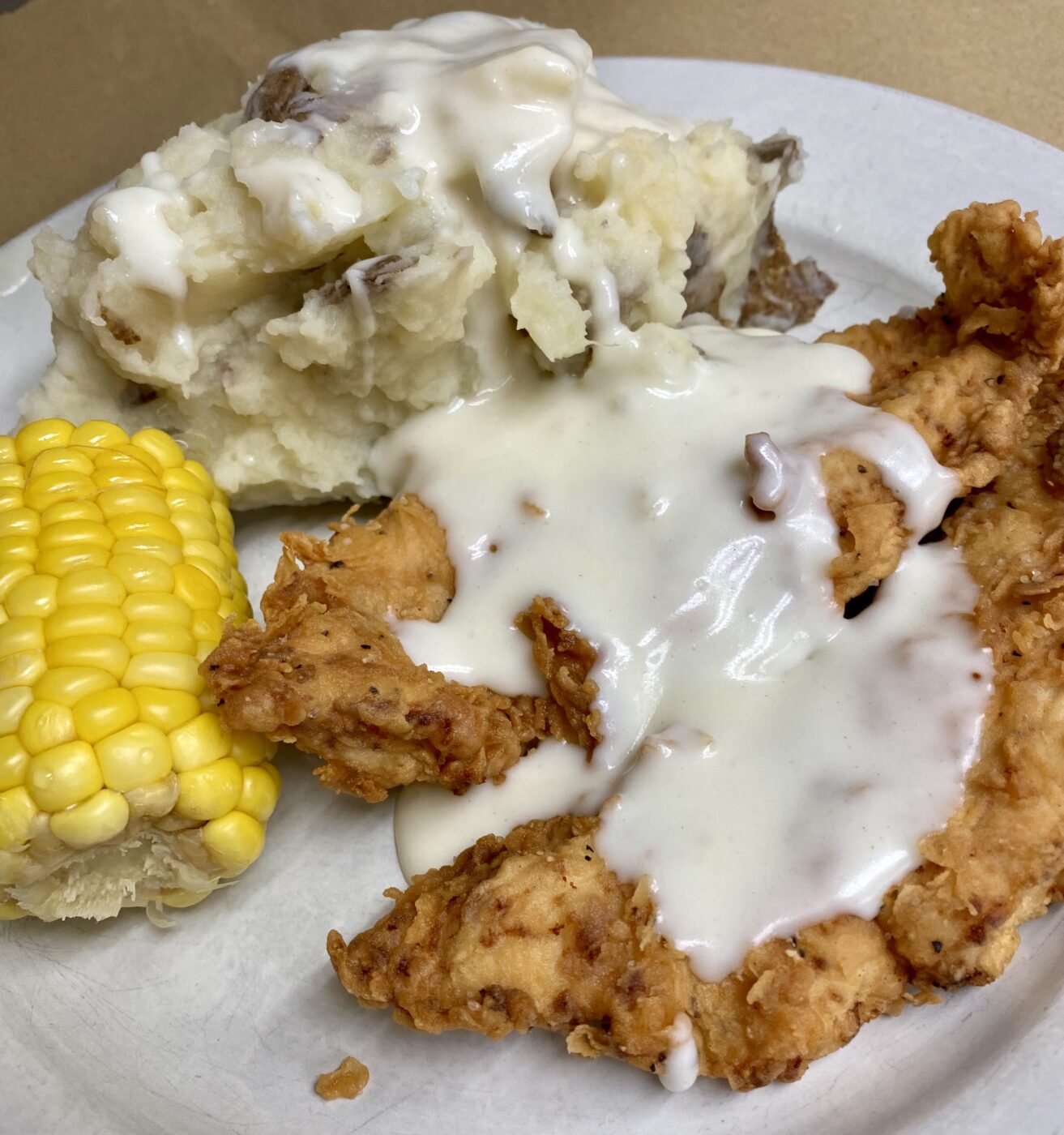
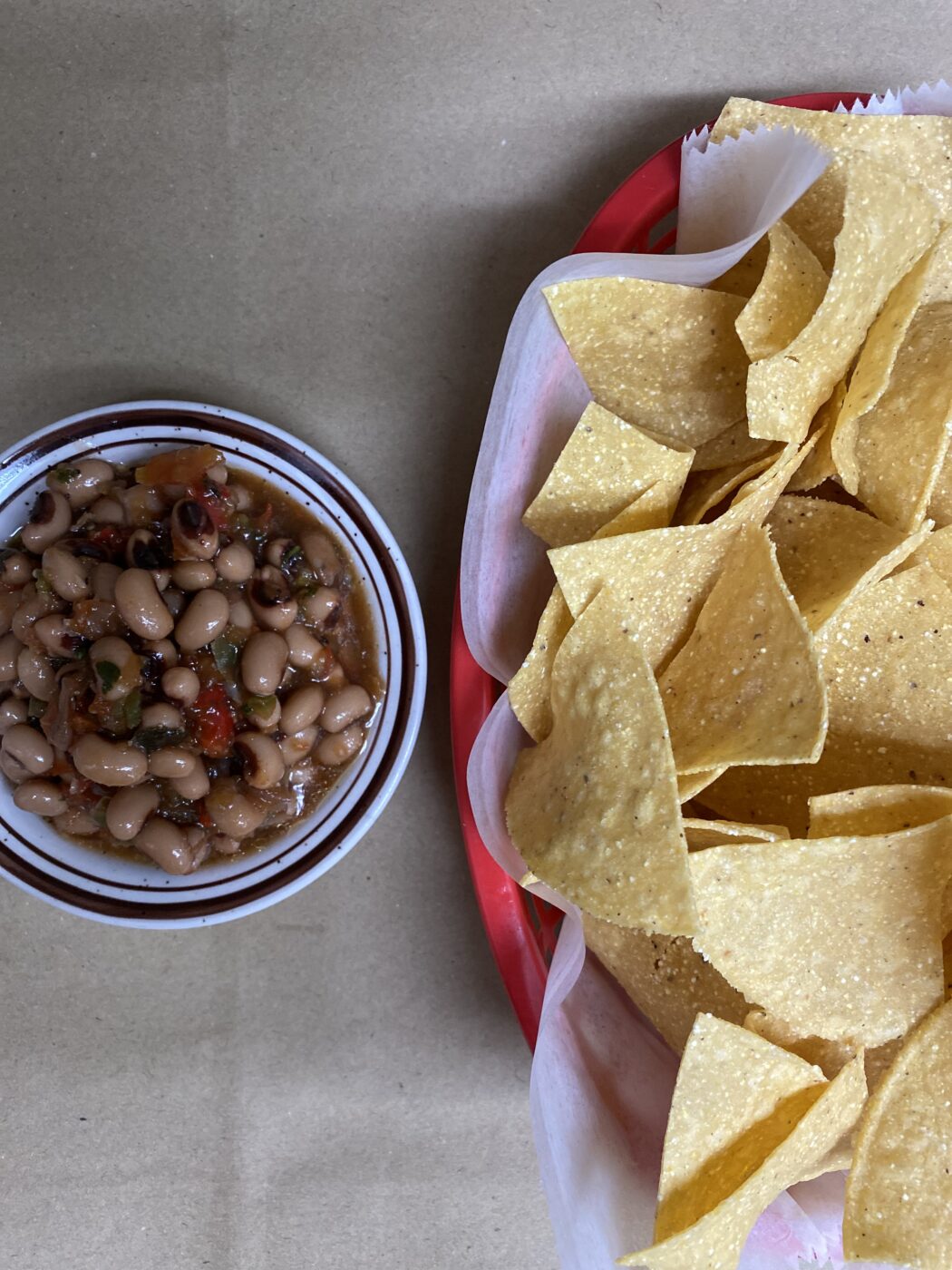
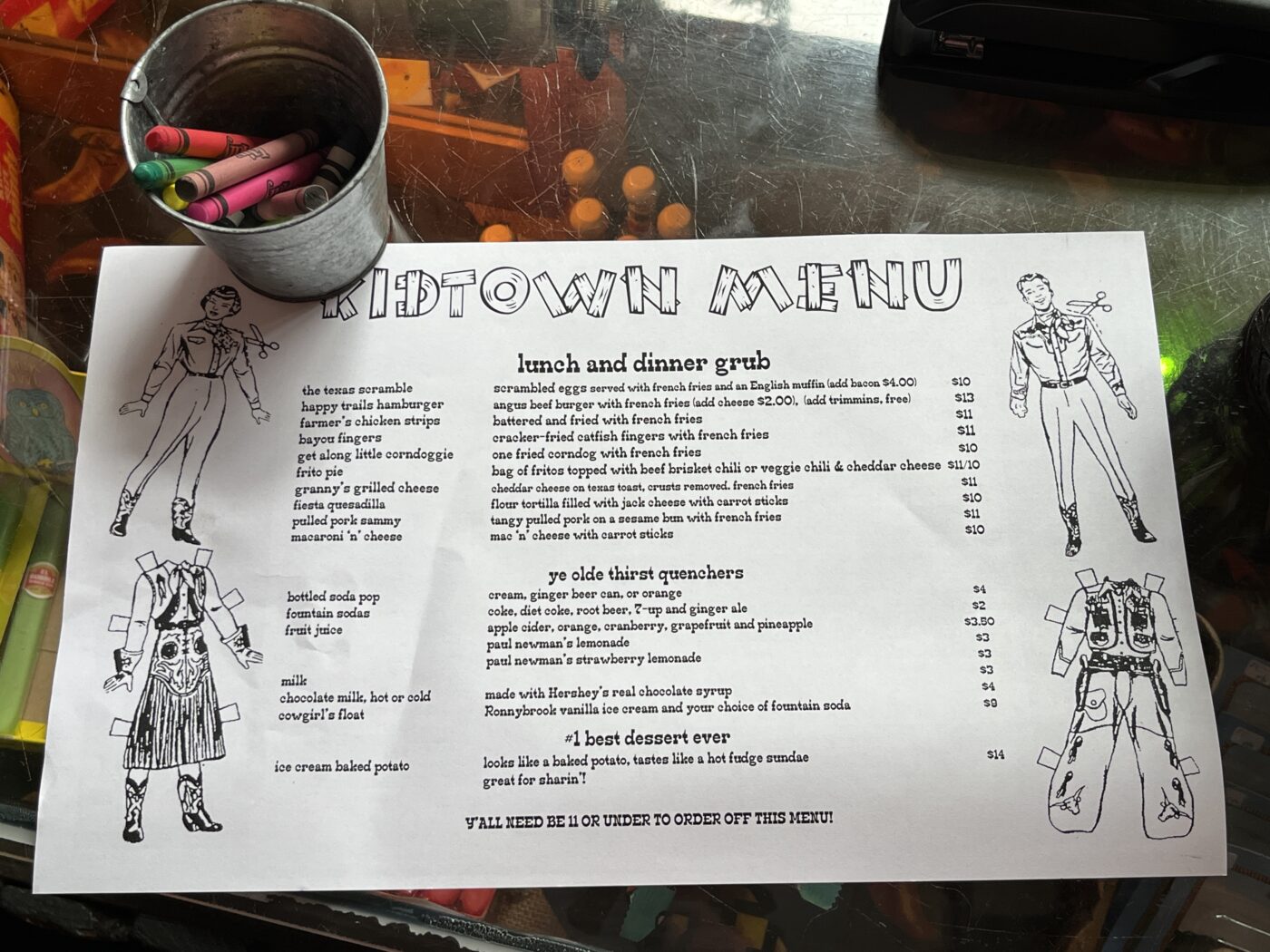
The menu unabashedly reflected Sherry’s roots, featuring Frito pies, corndogs, chicken fried chicken, house smoked meats, and in-house-made guacamole, salsas, and tortilla chips. The kid’s menu was western themed and made for coloring.
Despite all this, Cowgirl did not catch on at first. Tex-Mex, corndogs, and Frito pies were not exactly a thing in the neighborhood at the time, and neither were family-friendly restaurants.
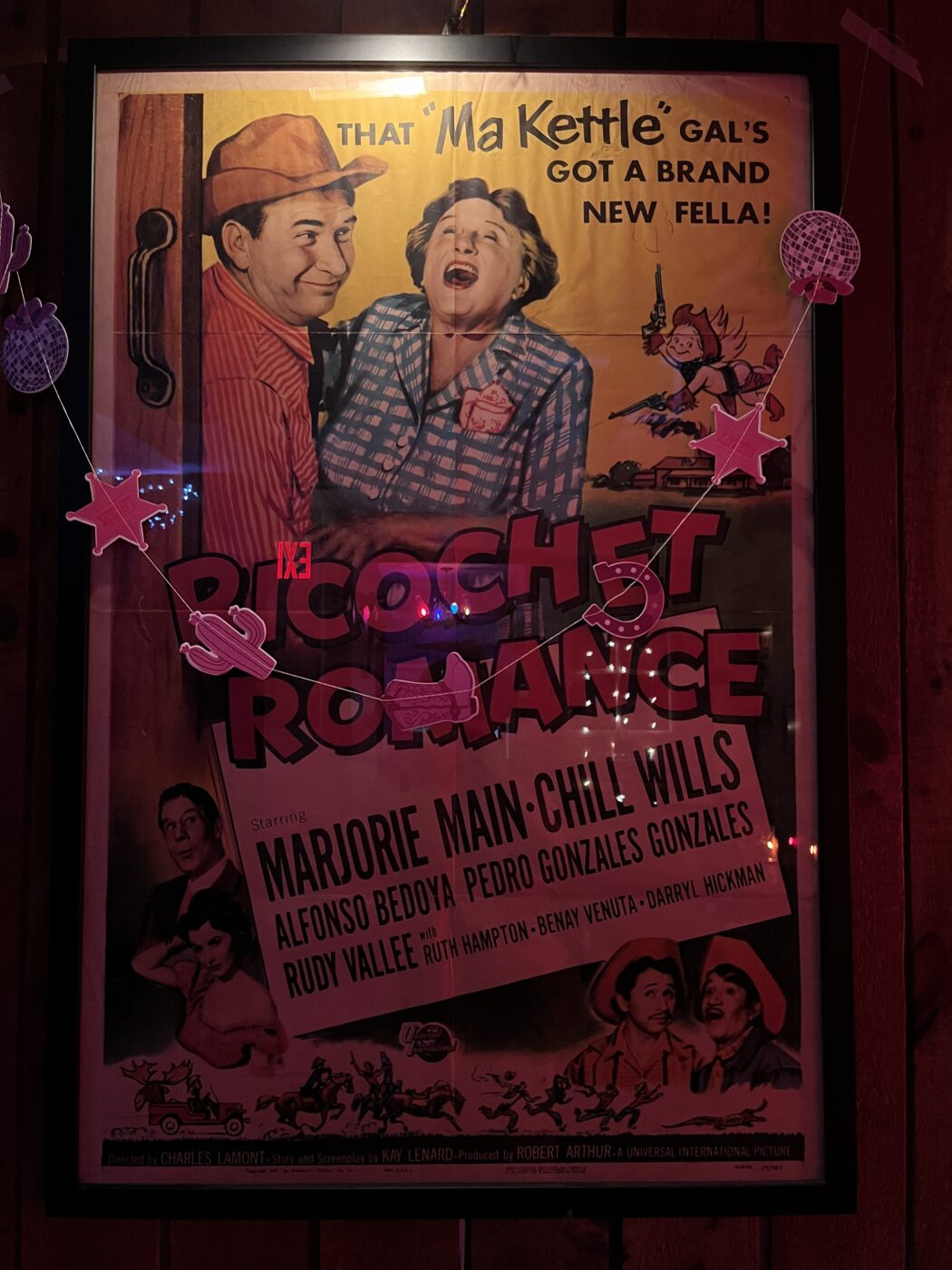
The lack of business did not discourage Sherry. She remained steadfast in her conviction that Cowgirl had something important to contribute, and if she stuck to her vision for the restaurant, people would come around. As she puts it, “there are things that we [non-New Yorkers] can teach New York, especially if we’re not afraid of them, and especially if we can make them shine like they shone in our childhood.” And try to make them shine she did.
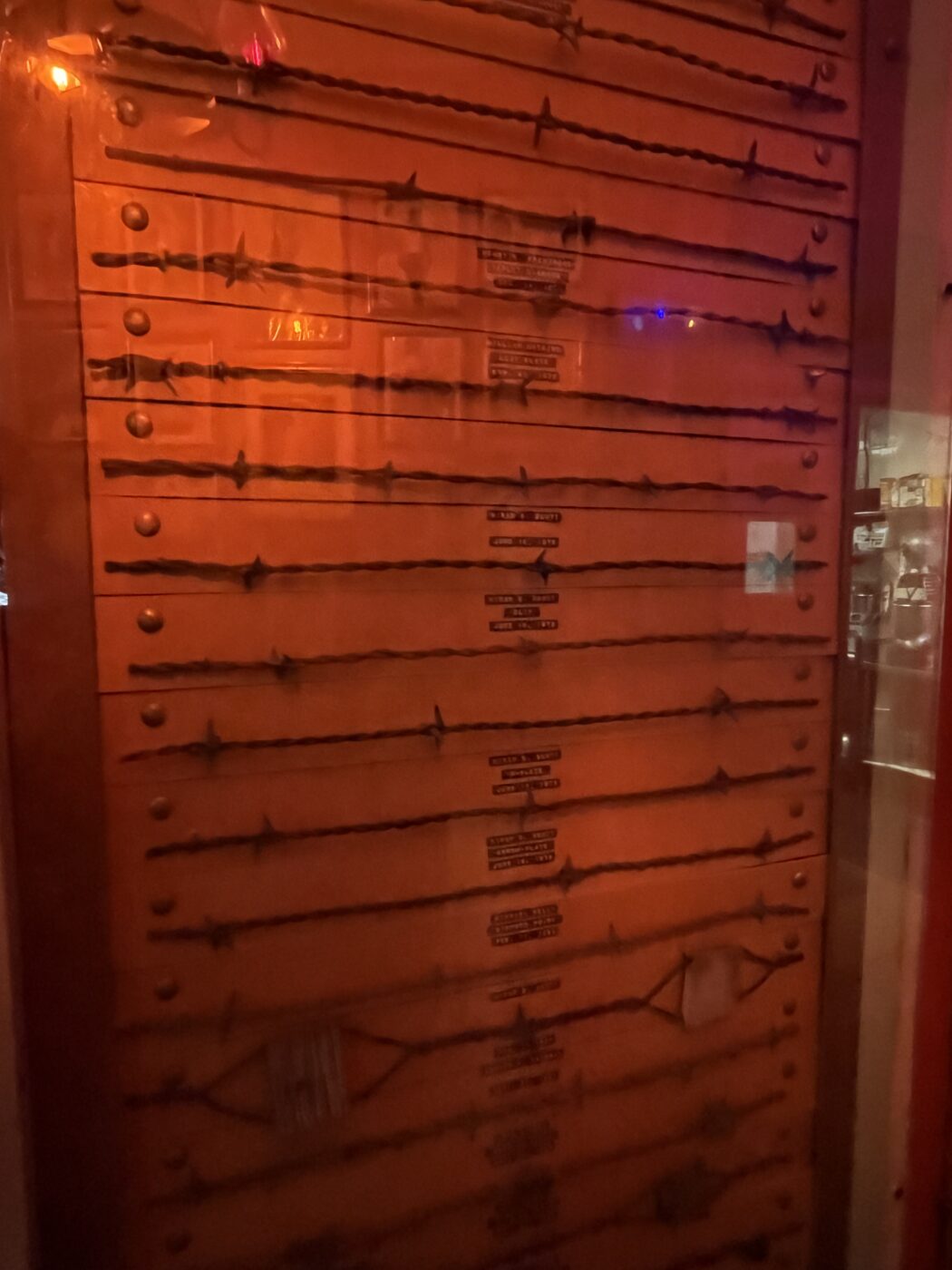
Sherry started bringing in a Cowgirl Hall of Fame inductee per season to the restaurant, curating installations in their honor, and even featuring favorite dishes of theirs on the menu. She managed to get cowgirls to march at Macy’s Parade and helped bring the rodeo to Madison Square Garden. To make western history come alive for customers, she helped them connect to the objects on display (e.g., if anyone’s birthday fell on the same date as the patent date of any of the barbed wires in the restaurant’s collection, the meal was on the house).
She even learned, with the help of a trick roper from the Hall of Fame, a basic lasso knot and roping technique, which she practiced every night on parking meters (by her own admission, not the most elusive target) so as to share her hard-earned skill, in costume, whenever the restaurant hosted children’s parties. And all the while, the menu retained its traditional focus and the prices remained generally accessible.
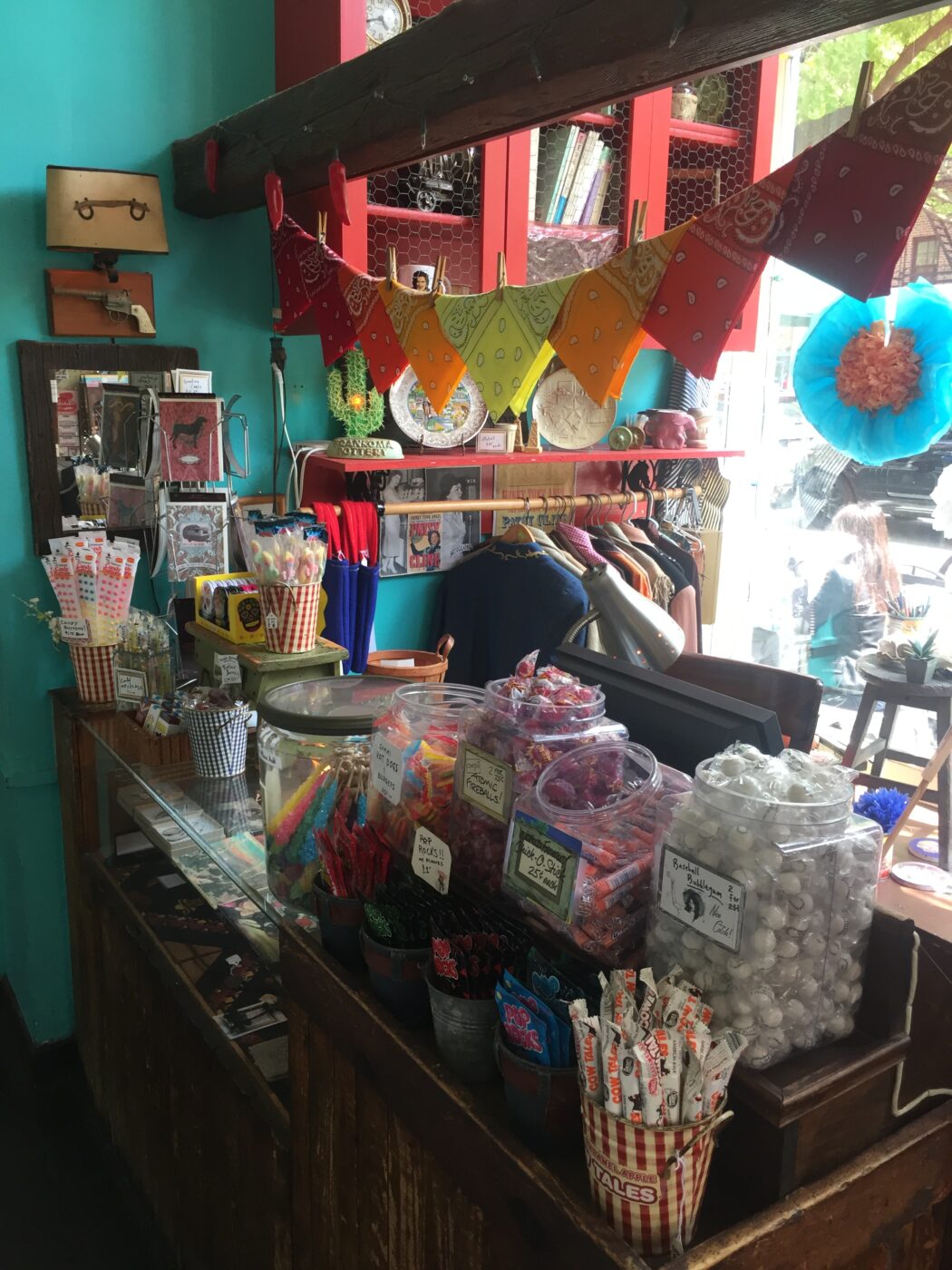
Sherry’s efforts paid off, and Cowgirl started drawing an ever wider range of crowds at different times of day. Gradually, the restaurant became part of the community. It became the place that sponsored youth sports teams and school events in the neighborhood (and that could accommodate groups of students afterwards without breaking the bank). It was the place that stayed open after 9/11, so that neighbors yearning for company could gather, first responders could eat for free, and firemen could get some sleep. It was the place for all manner of celebration, graduations, engagements, baby showers, and even brisim. Eventually, the media started paying attention, listing Cowgirl as one of the best family-friendly restaurants in the city, highlighting its margaritas and chicken fried chicken, and generally celebrating the place for serving great, unpretentious comfort food in an open and fun environment. By now, the restaurant has been for years a preeminent western outpost in the east coast, and its walls display some of the many country music and rodeo stars who have swung by there over the years.
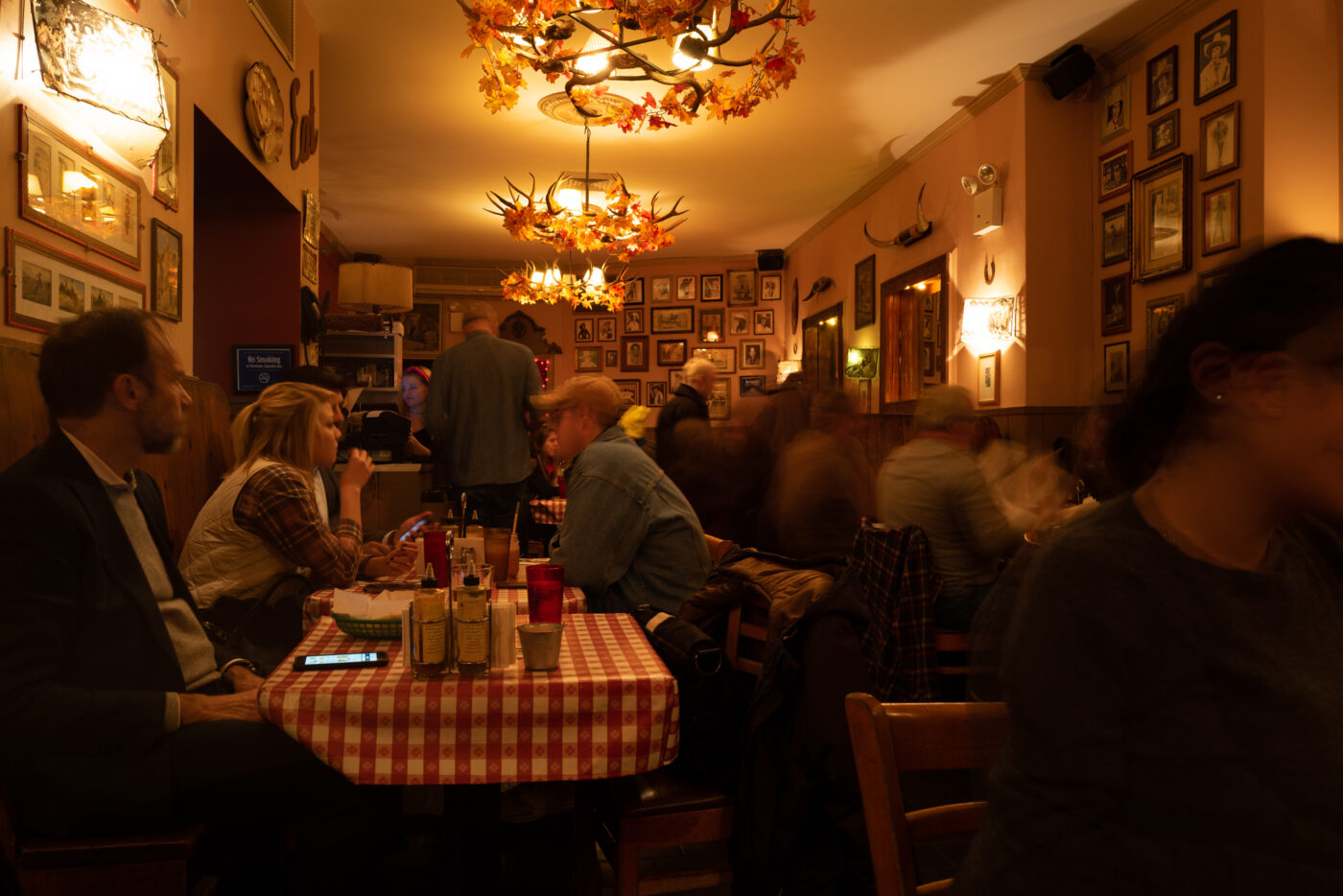
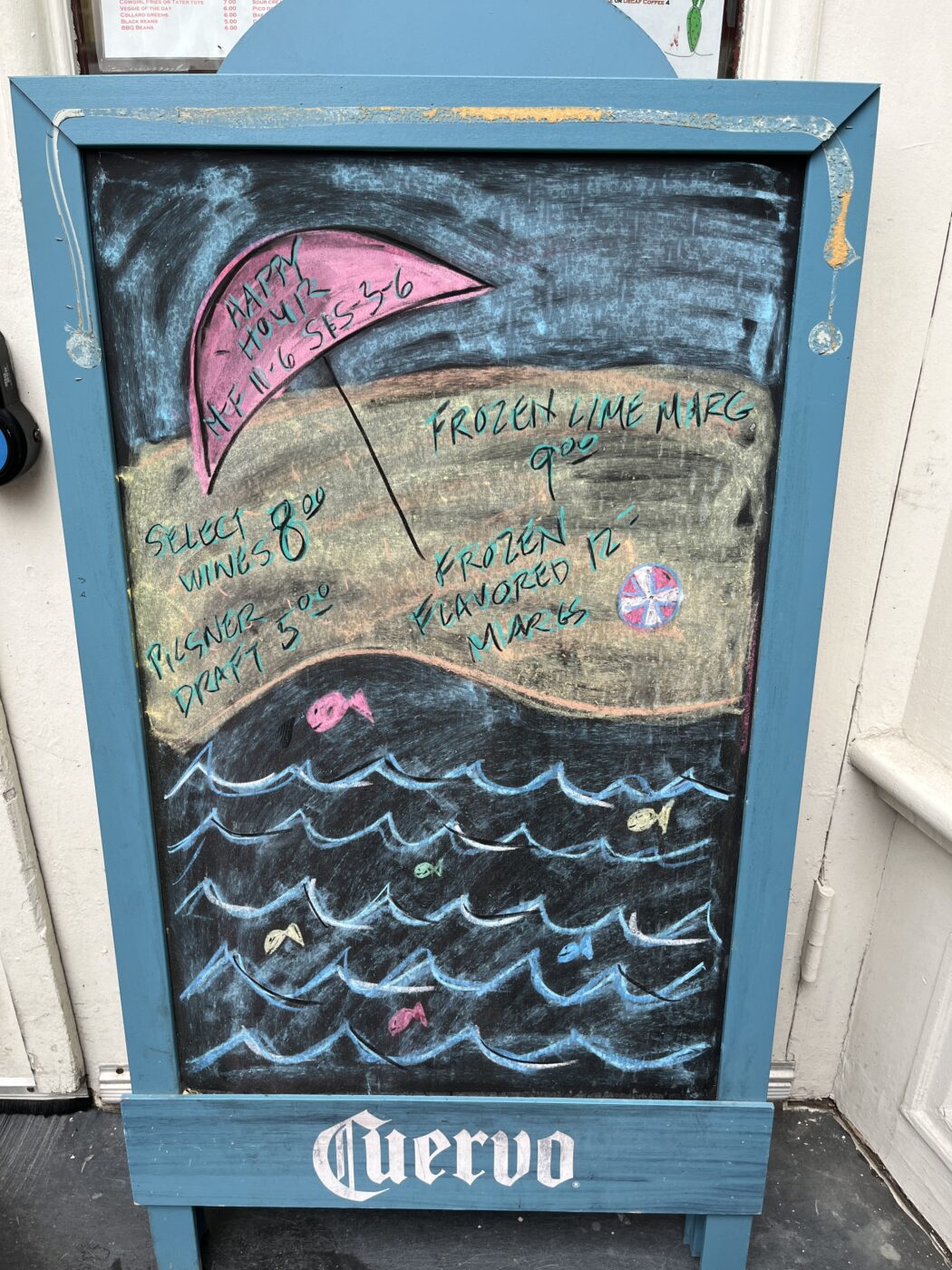
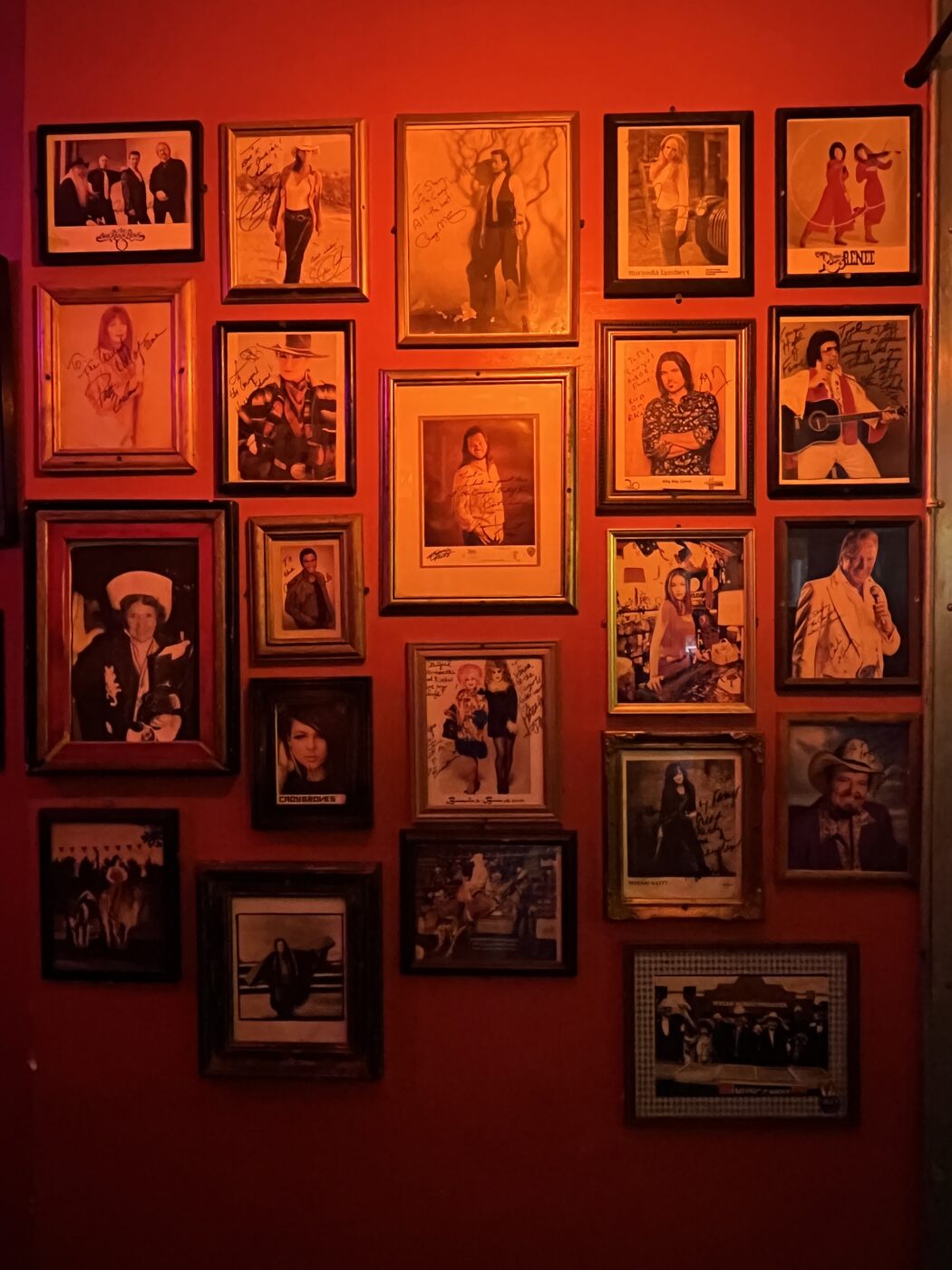
Sherry credits Cowgirl’s longevity in a very challenging business and real estate environment to the broad family that she has been able to forge through the restaurant. (As she puts it, “Cowgirl is not a trend, just like families are not a trend; they’re forever.”) This family includes not just generations of regular customers, but also staff members, who have an ownership stake in the business and whom Sherry personally trained. Many of them have been there for decades, like general manager K.K. Rogne, who started at Cowgirl twenty-five years ago and who has taken over for Sherry now that Sherry is semi-retired.
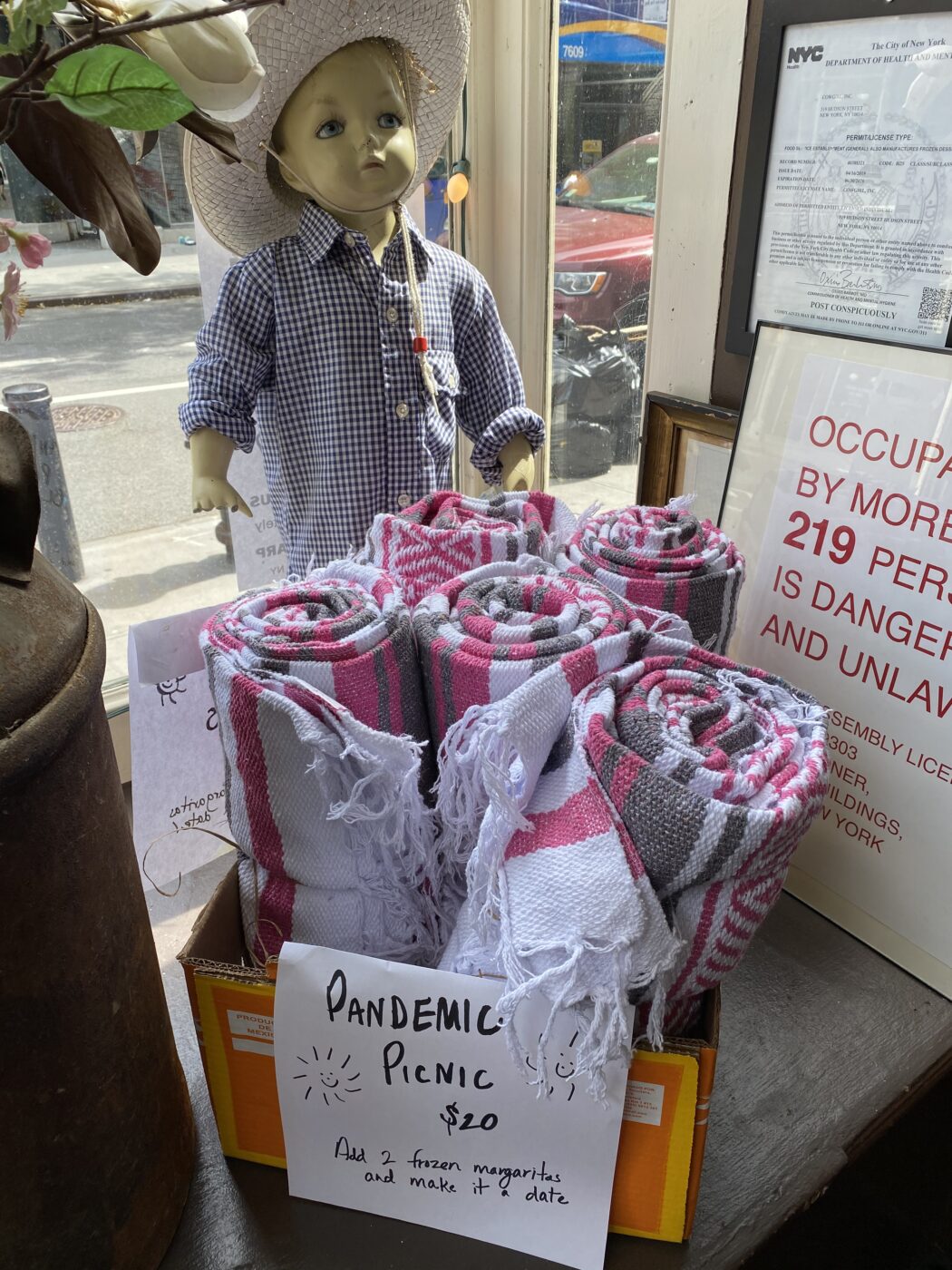
But the Cowgirl family also includes the actual cowgirls who inspired the restaurant and who have maintained a relationship with the place since the beginning. They’re the ones who Sherry thinks of when asked about the favorite part of her job.
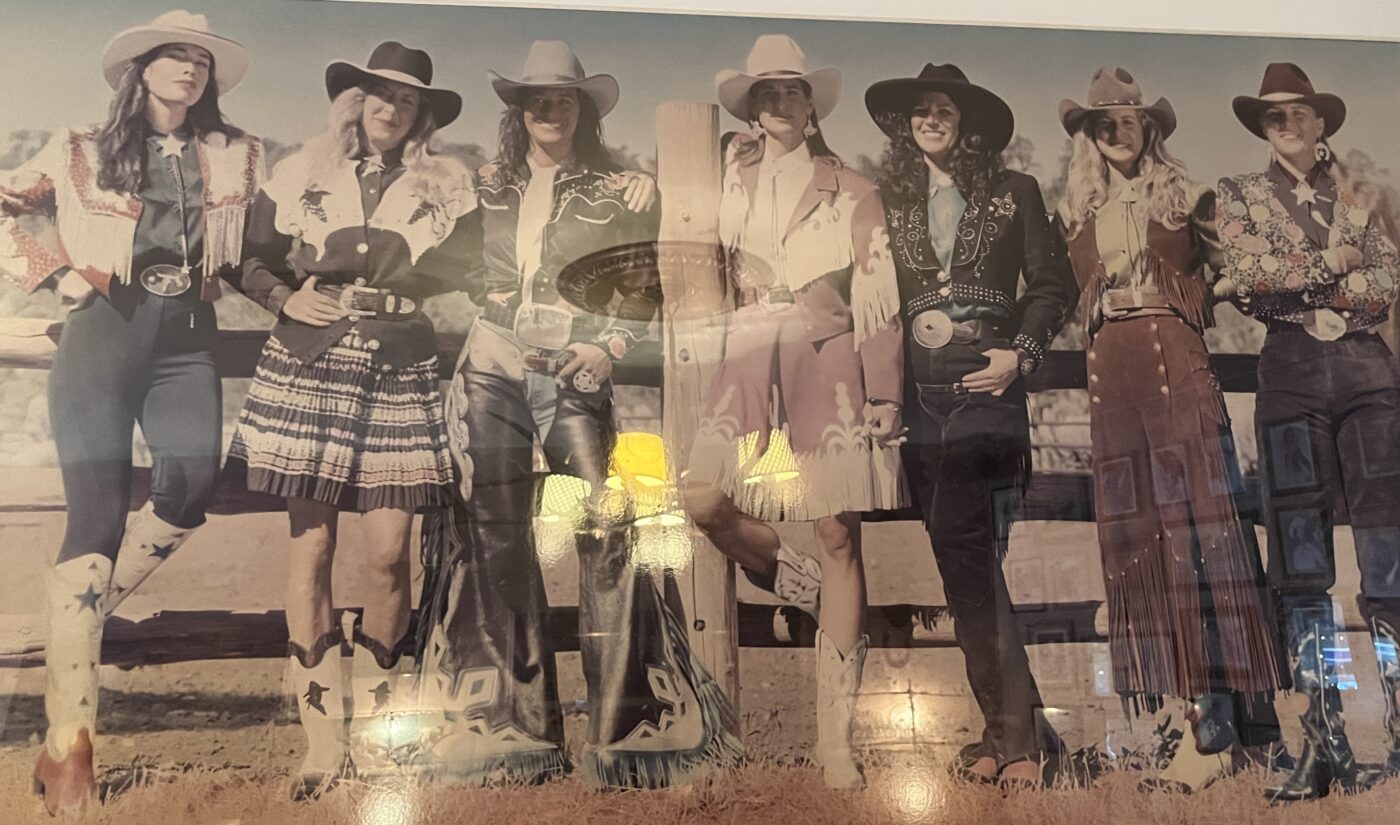
It would have to be getting to know the cowgirls themselves and becoming friends with them… that they count me as one of them, even though I’m the worst … I’m BAD on horseback! But there’s something about me that is a cowgirl. I’m not sure what it is. But i’m thankful I have it and thankful for my friendship with the real ones.*
For over thirty years of bringing us together over great western cookin’ and of bringing us in touch with the history of the west, we’re thrilled to name Cowgirl our July 2025 Business of the Month.
*On June 30, 2025, Sherry Dermarter was officially nominated for induction into the National Cowgirl Hall of Fame.
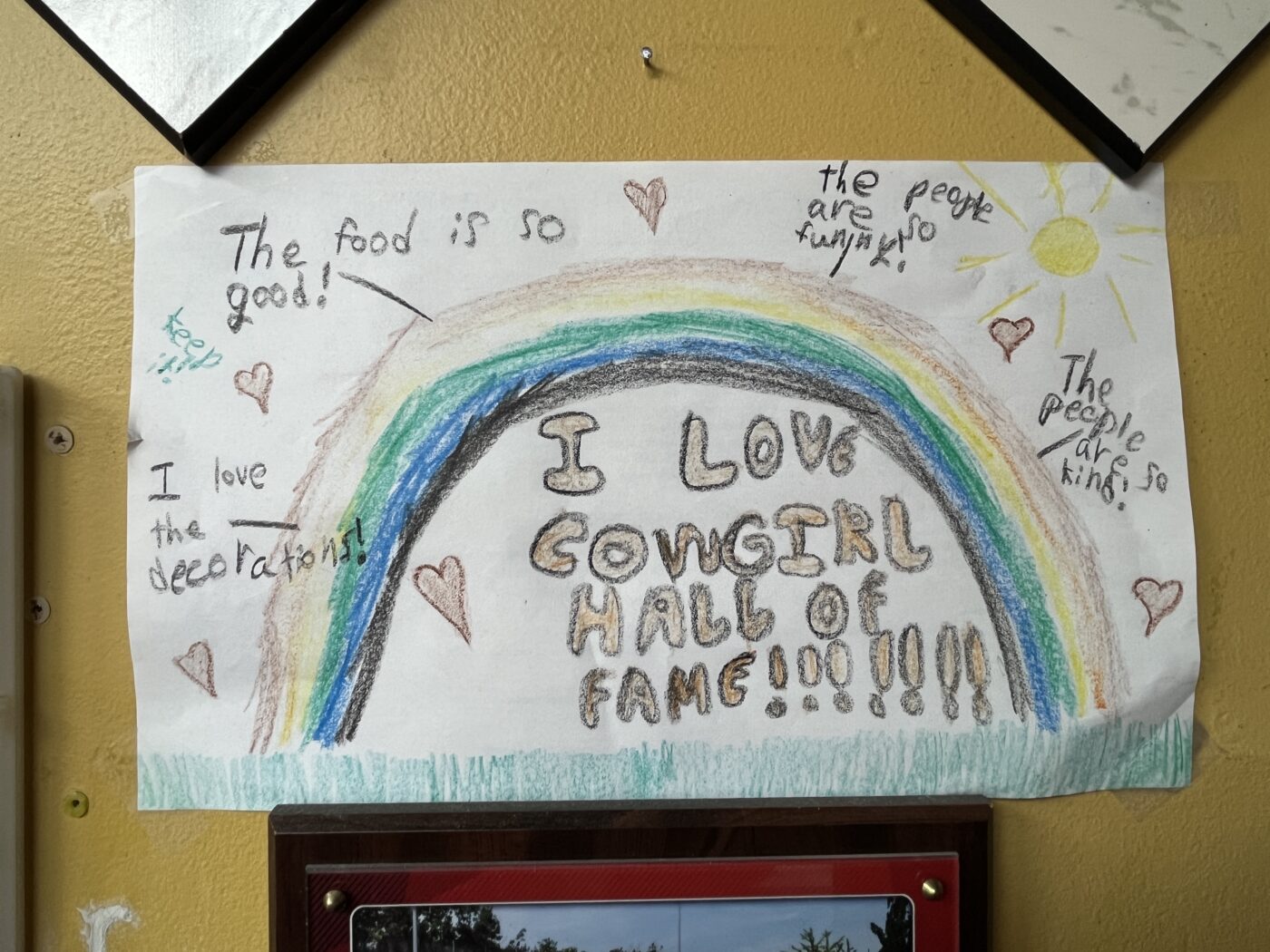
What special small business would you like to see featured next? Just click here to nominate our next one. Thank you! #shoplocalnyc
Here is a map of all our Businesses of the Month: