
French Flats: A New Way to Live
Explore the History Behind the Walls
Step into the story of the French Flats—19th-century apartment buildings that transformed how New Yorkers lived. With Village Preservation’s interactive map, you can explore each site, view historic images, and uncover the lives of artists, activists, and everyday people who called these flats home.
Experience the map
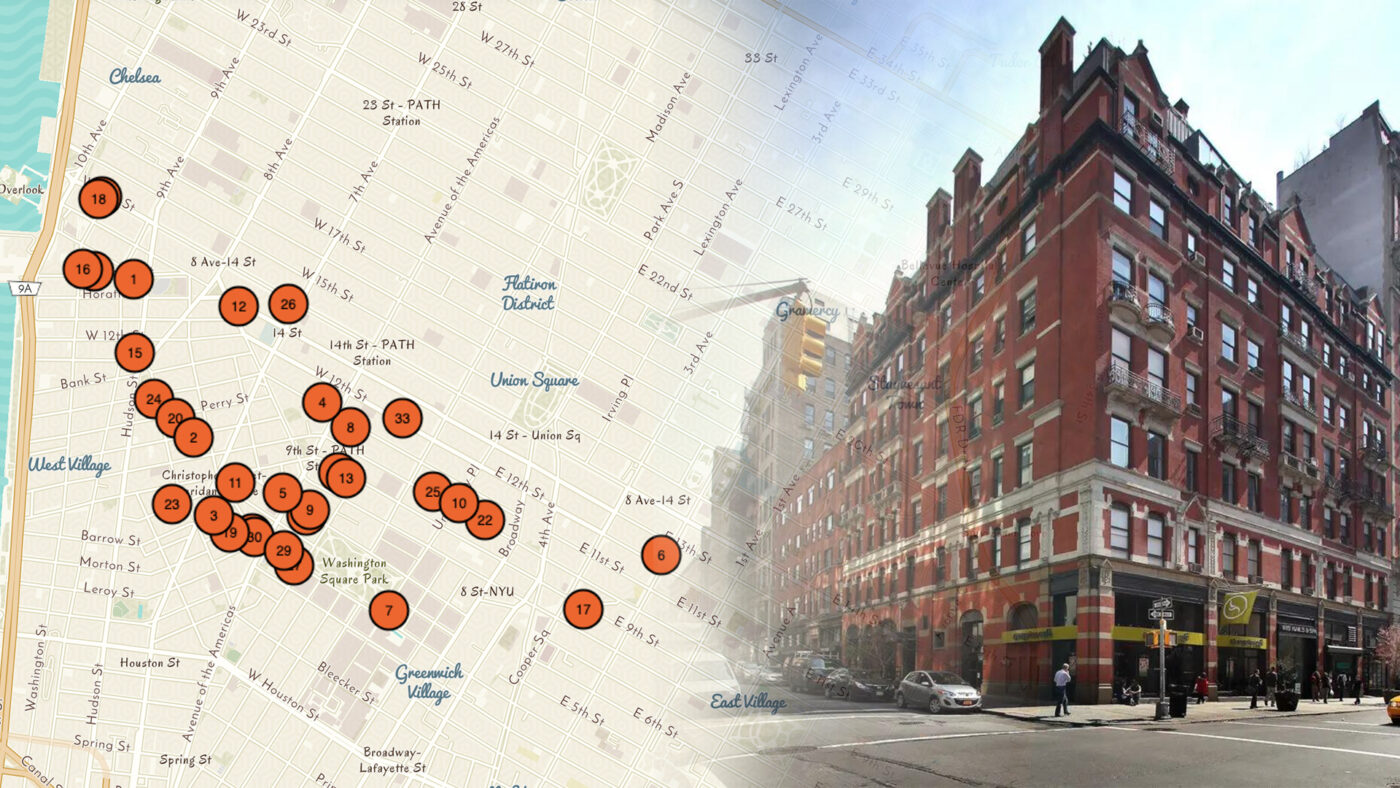
In the 1870s, something new began to rise in Greenwich Village and the East Village. It wasn’t just brick and stone; it was a new way of thinking about home.
These were the French Flats—early apartment buildings inspired by the Parisian model of refined, shared city living. They introduced New Yorkers to the idea that middle- and upper-class families could live not just in private houses, but in well-appointed flats stacked on top of each other. And our new StoryMap gives you an unprecedented peek into them.
At the time, this was a radical shift. Wealth was usually tied to private space. Living in an apartment was something the working class or poor did. But in these neighborhoods known for creativity and reinvention, the idea took hold.
The first on our list, 34 Gansevoort Street, was built in 1870 by architect Charles Mettam. The building looked like a rowhouse, with just one family per floor above a ground-level store. It was a clever way to make apartment living feel familiar and respectable.
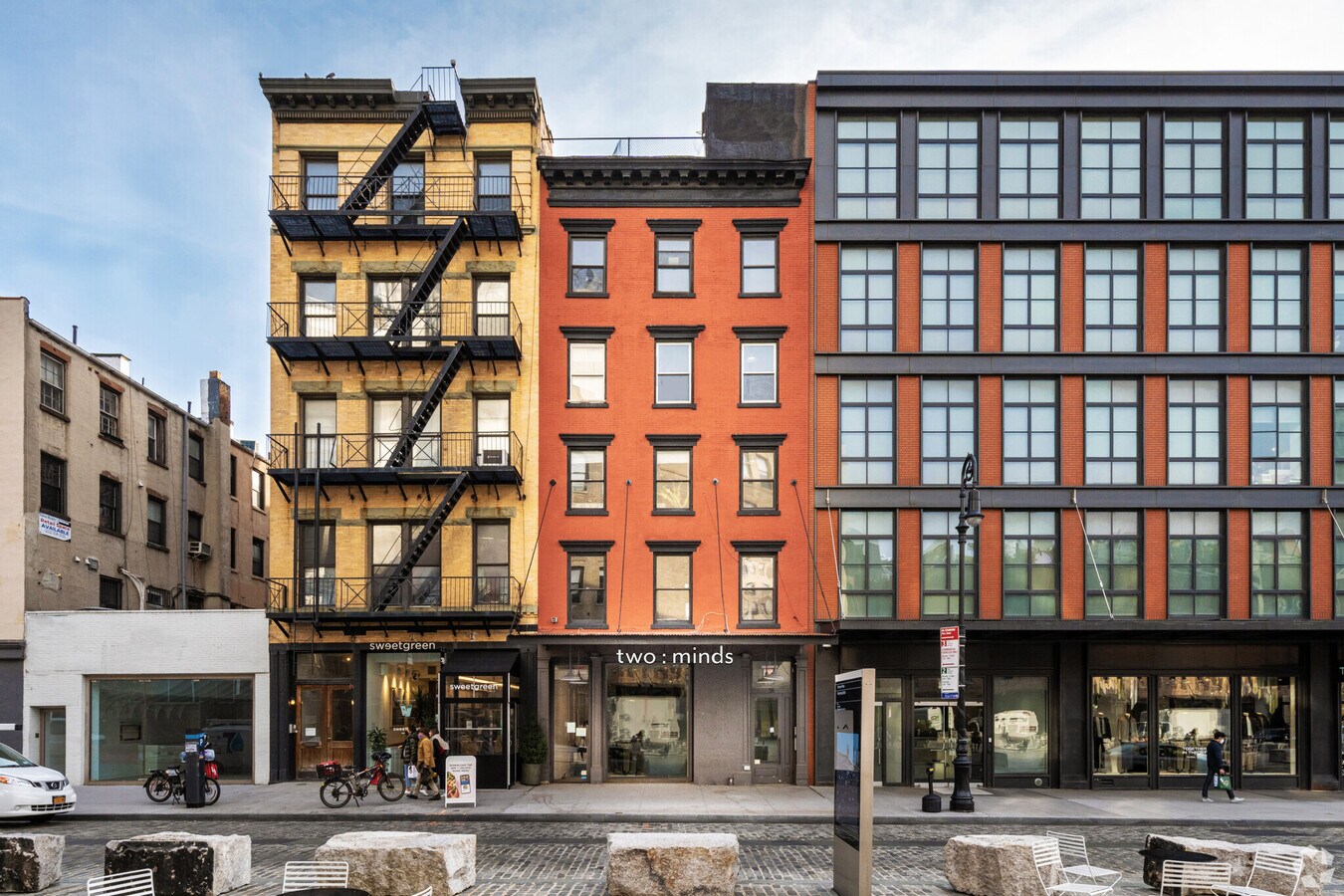
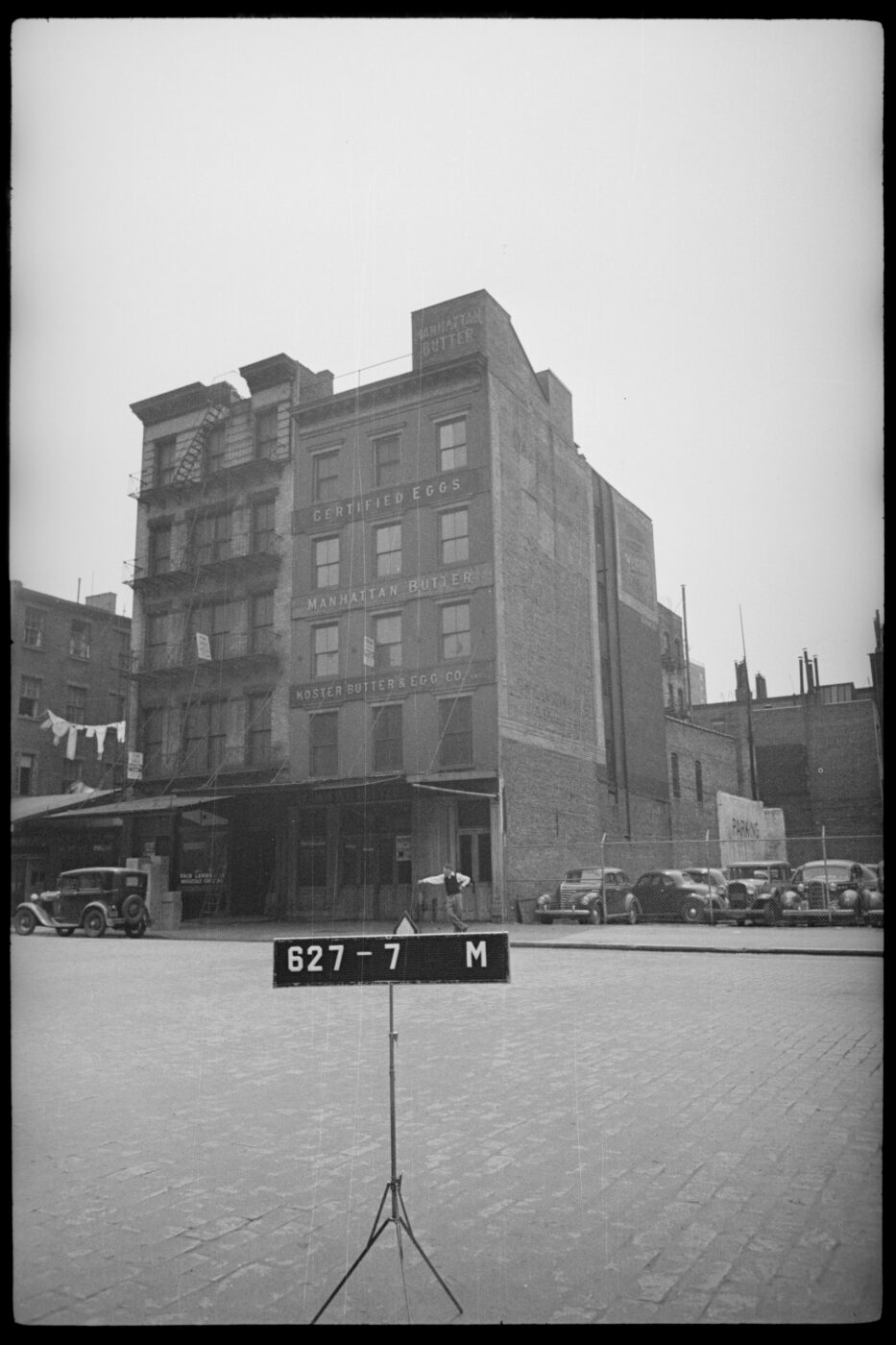
The building now; in 1940
A year later, 74 and 76 Charles Street embraced the idea more fully. Designed by Julius Boekel, the buildings had arched windows and bold architectural details influenced by the French Second Empire style. Though their stoops were later removed, they still carry a dignified presence.
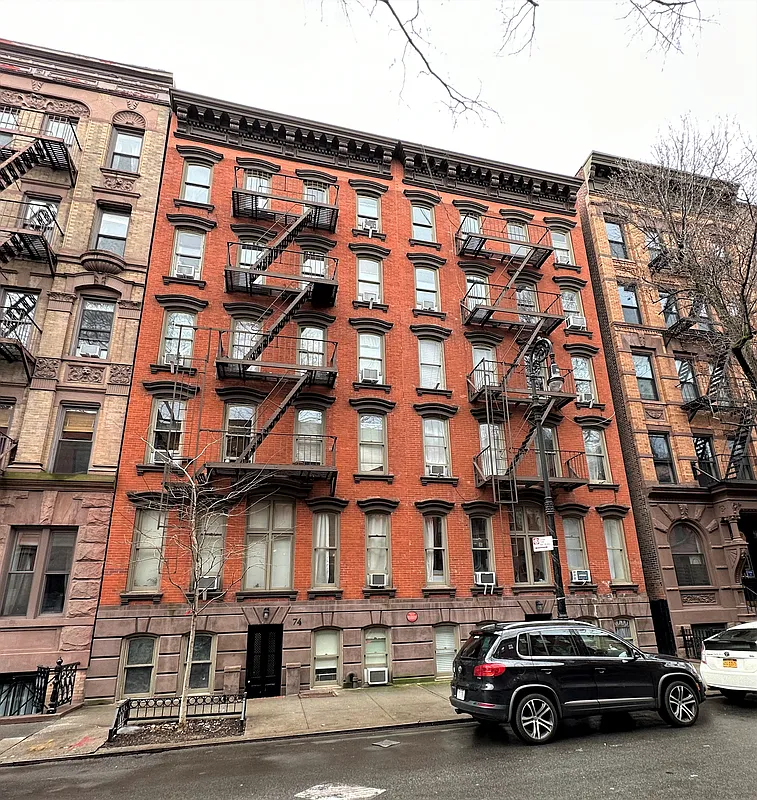
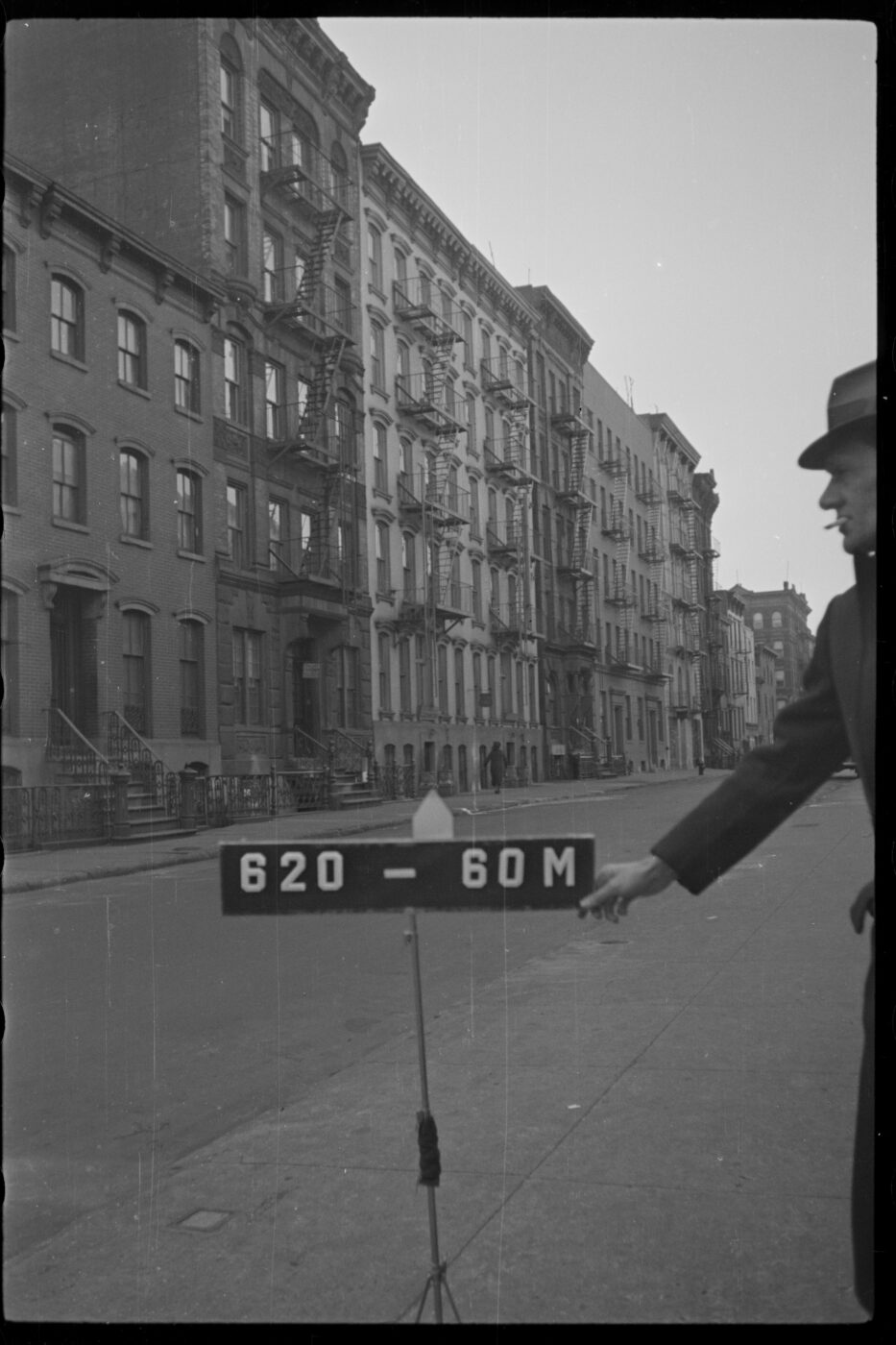
The building now; in 1940
As the years went on, the buildings became more ambitious. Architect William Jose designed many of them, including 23 Barrow Street and 111 West 11th Street, combining Italianate and brownstone details with modern layouts. These were homes built for comfort and style, located near parks and charming side streets.
Some buildings catered to families, while others were made for a very different group—single men. The Benedick Apartments, built in 1879 by McKim, Mead and Bigelow, were designed specifically for bachelors, especially artists. The building offered maid service, 24-hour elevator access, and meals delivered by the janitor. Residents included painter John LaFarge and illustrator Winslow Homer. It was one of the first of its kind and helped spark a trend of “bachelor flats” across the city.
By the 1880s, French Flats were appearing all over the Village. Some, like The Portsmouth and The Hampshire on West 9th Street, had Queen Anne details and rich terra cotta ornament. Others, like The Lancaster on East 10th Street, designed by James Renwick Jr., used Colonial Revival details to appeal to more conservative tastes.
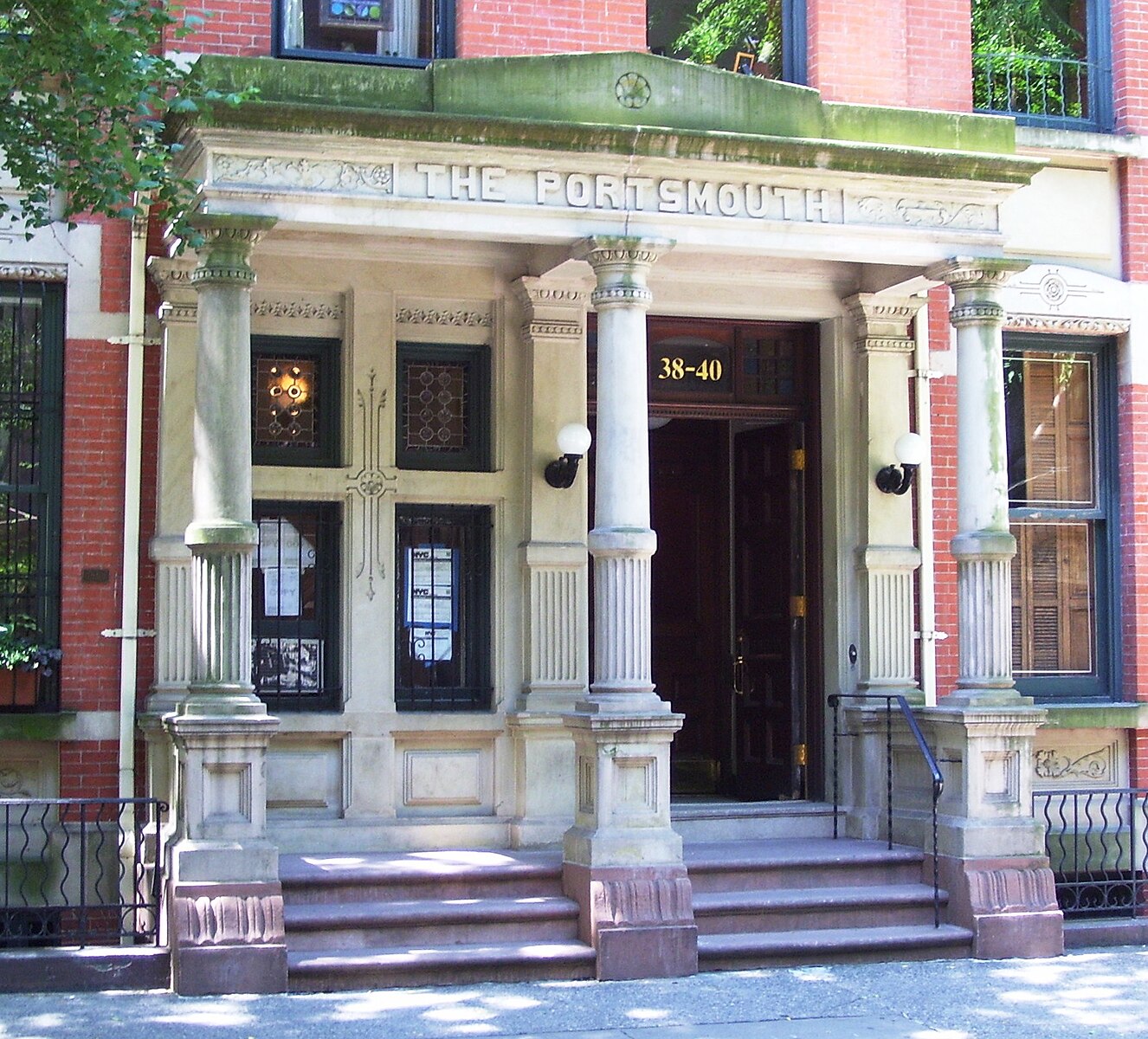
38-44 West 9th Street, the Portsmouth
These buildings didn’t just house families. They welcomed artists, writers, and reformers. Margot Gayle, who helped save the Jefferson Market Library, lived in the Portsmouth. Dawn Powell lived in the Hampshire. Pete Seeger played his first gig in a one-time French Flat at 197 Second Avenue, in the Jade Mountain restaurant.
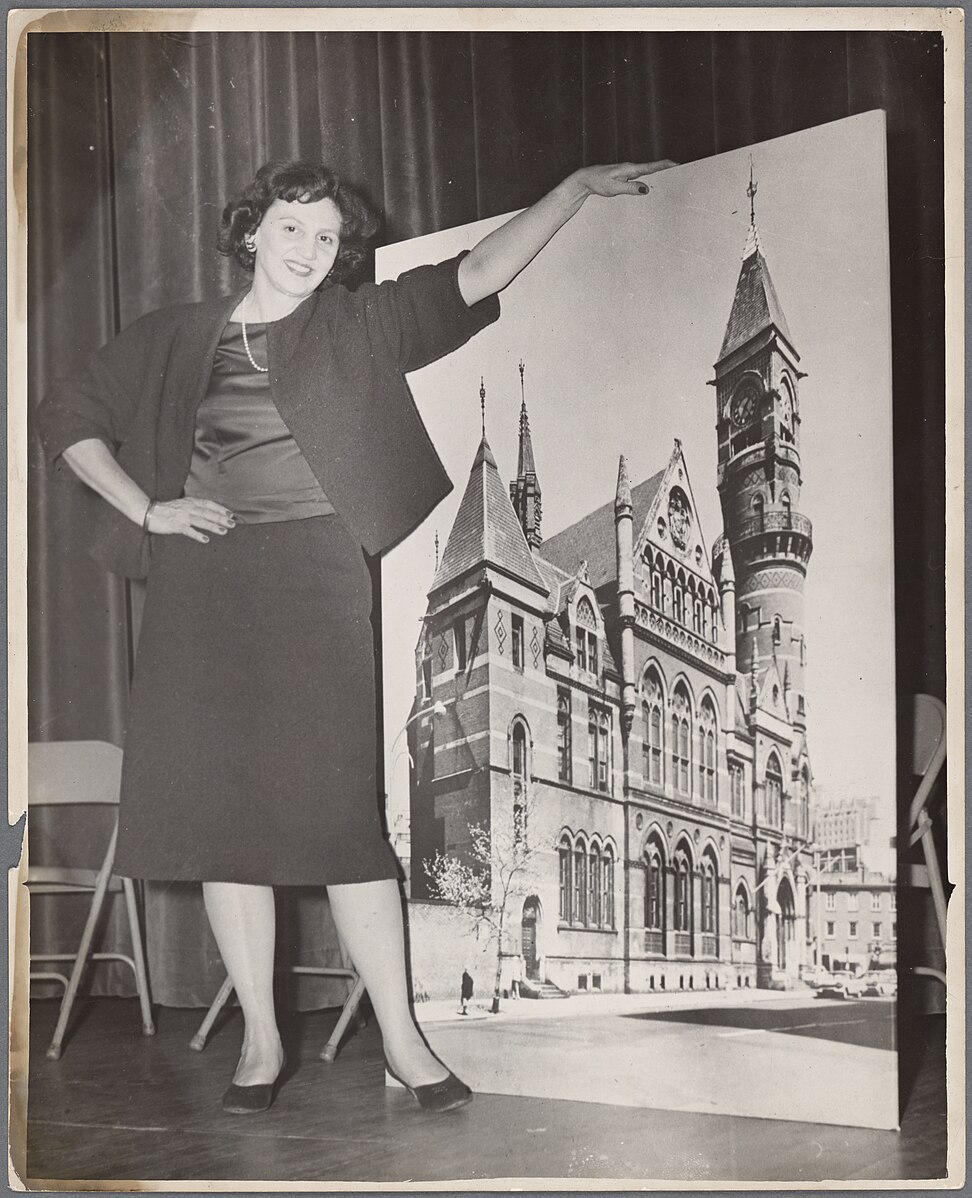
Margot McCoy Gayle (born Sarah Margaret McCoy May 14, 1908 – September 28, 2008)
Each of these structures tells a story about the city’s evolution. They marked a shift away from single-family homes and toward a more communal, vertical way of life. They were built to be elegant but accessible, offering an alternative to both the mansion and the tenement.
You can now explore these buildings in an interactive way. Village Preservation has created a detailed StoryMap that guides you through each site of these sites and more, complete with images, maps, and deep historical context. It brings the French Flats to life like never before.
Click here to experience the map
Walk the streets virtually, discover how each building fits into the larger story of New York, and learn about the people who lived there. From suffragists to sculptors, musicians to preservationists, the residents of these flats shaped the course of history of the city.
They still stand today, some altered, some remarkably intact. If you walk by them, you might not notice at first. But take a closer look. These aren’t just old buildings. They’re the early chapters of the New York City we live in now.
To explore all our maps and guides, CLICK HERE.
