
West Village Houses: Jane Jacobs’ Vision Becomes Reality
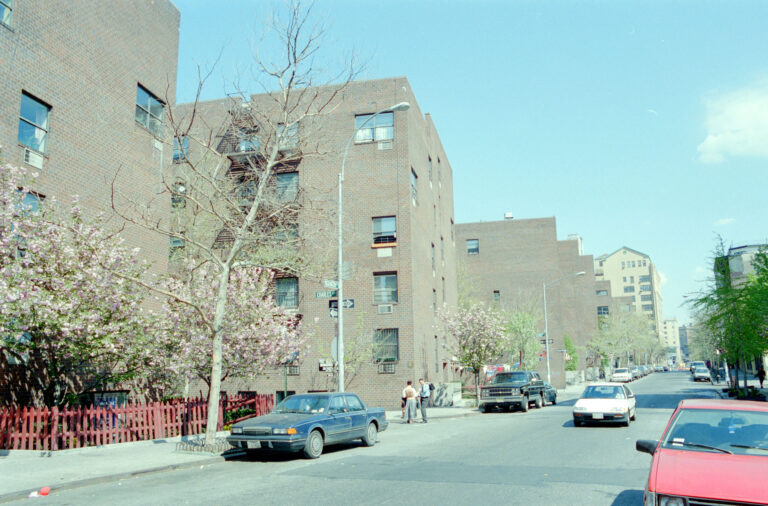
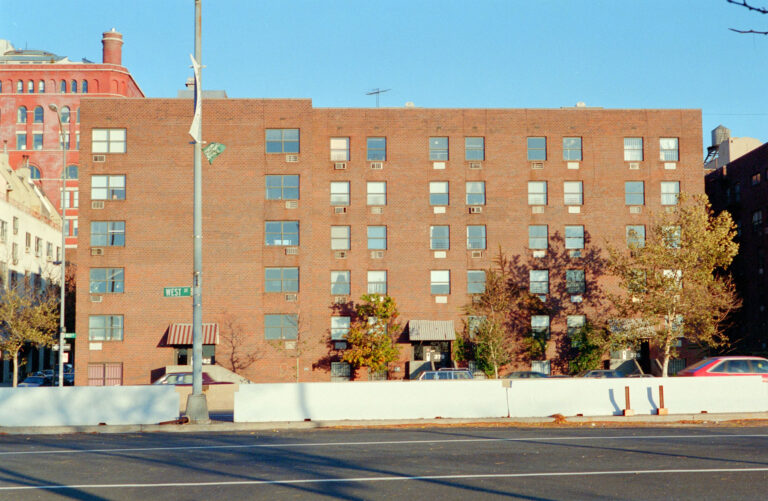
On July 22, 1974, a ribbon-cutting ceremony was held for the nearly completed West Village Houses, a complex of low-rise walk-up apartment buildings spanning portions of the blocks between Morton and Bank Streets, and Washington and West Streets, in the far West Village. Not without its adversaries (most of all Robert Moses), the project emerged as one of the earliest examples of infill housing—a term now familiar in urban planning, but revolutionary in the 1960s—as a pushback against urban renewal plans, which would have led to the demolition of existing housing and displacement of residents and businesses in the area.
The roots of the project trace back to 1962, when visionary author, preservationist, and local resident Jane Jacobs helped conceive the West Village Housing Plan. The goals were both pragmatic and aspirational: preserve neighborhood character, add much-needed housing, and do it without displacing existing residents. The need was urgent, as the segment of the High Line that ran through the neighborhood from Barrow to Bethune Streets along Washington Street had just been torn down, leaving a gaping (developable) hole in the neighborhood, and Robert Moses had officially declared these and all other West Village blocks west of Hudson Street “blighted” and therefore subject to urban renewal plans — which would mean wholesale demolition and new, out-of-character “tower-in-the-park” construction.
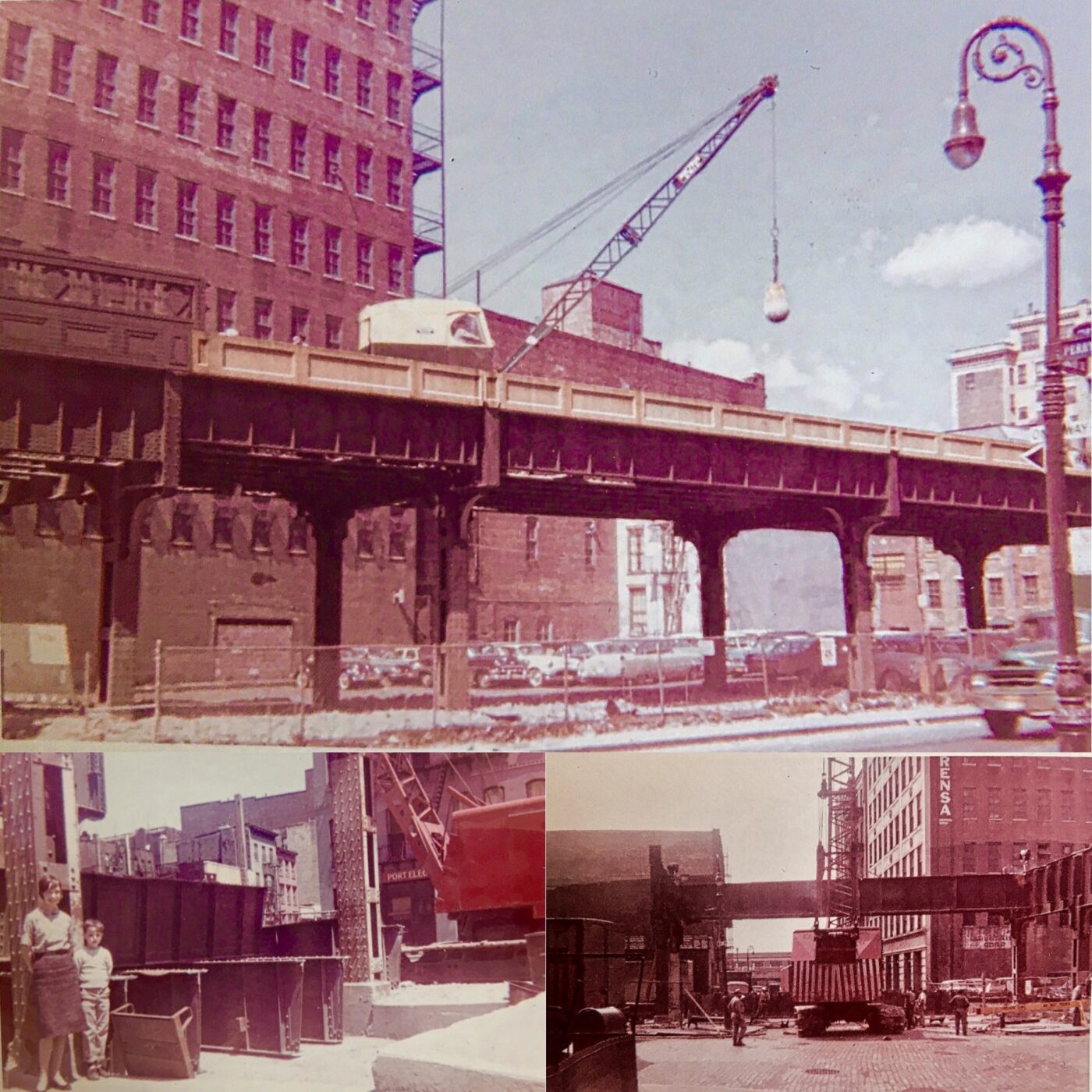
In opposition to such urban renewal plans, the West Village plan called for low-rise buildings constructed on the vacant or underused lots made developable by the removal of the High Line, and kept everything else intact (many of the old warehouse buildings that surrounded those sites have since been turned into hundreds of units of housing, or in some cases have been torn down and replaced with new housing construction).
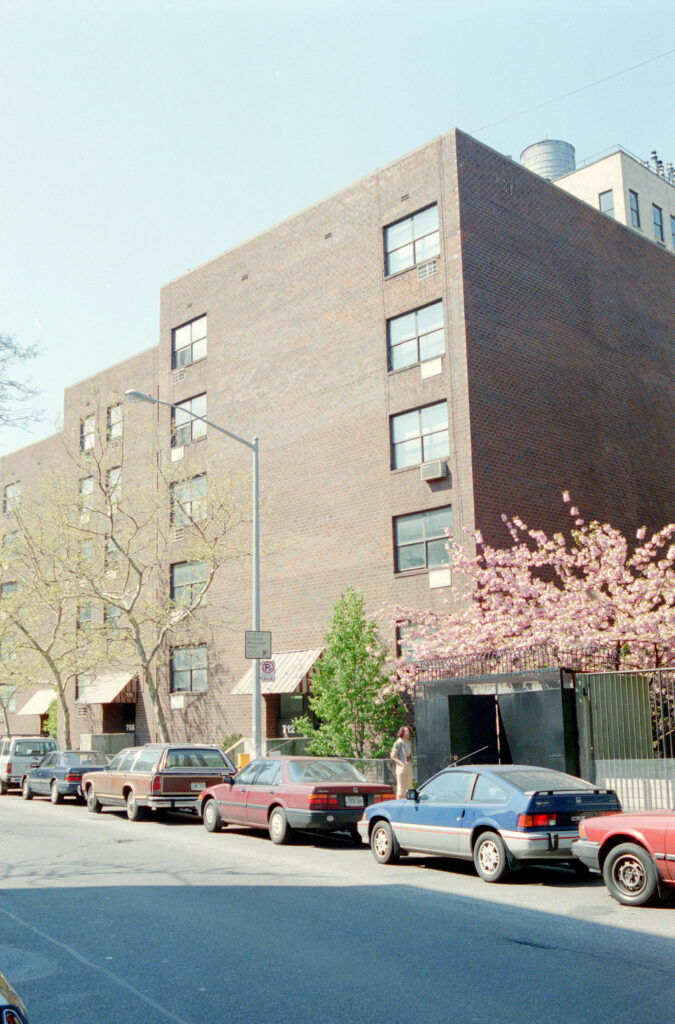
As described in a West Village Committee memo dated June 15, 1971, the project aimed to build “relatively low-rise buildings consisting of apartments of from one to four bedrooms… designed to harmonize with Village scale and preserve the character of the neighborhood.” The buildings were simply designed, but used materials such as red brick that complemented the aesthetic palette of the surrounding 19th-century buildings of the then newly-designated Greenwich Village Historic District. Spanning Washington Street from Bank to Morton Streets, the development would include gardens, courtyards, commercial space, and even a supermarket to serve residents.
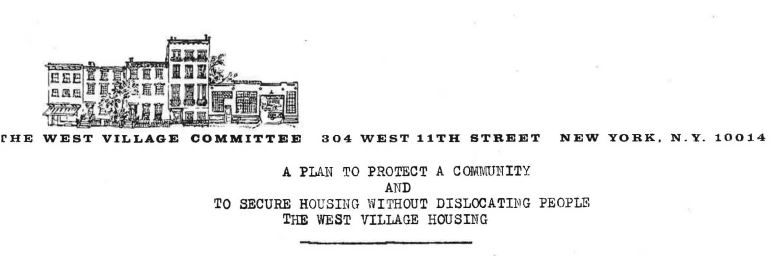
This community-driven approach faced numerous challenges during the development phase. A decade of bureaucratic hurdles, opposition from real estate interests, and financial constraints all led to delays in the project’s implementation. Yet, fueled by relentless advocacy, especially from the Committee to Save the West Village (later renamed the West Village Committee), which had been co-founded by Jane Jacobs in 1961 in part to protect these very blocks from overdevelopment, the plan slowly gained traction. In keeping with Jacobs’ ethos, the Committee proudly adopted the motto: “Not a single sparrow shall be displaced.”
By 1972, the city had acquired the land, and a $23.9 million mortgage loan had been approved. The New York Post called it a “neighborhood victory” and credited Jacobs and the West Village Committee for seeing it through. “If you keep fighting and don’t give up, you always win—if you’ve got the community behind you,” Jacobs said after the final vote passed.
The West Village Houses—42 walk-up buildings providing 420 units—were fully completed by 1975. Thirty percent of the apartments were designated low-income under the Mitchell-Lama program, while the remainder were aimed at moderate-income residents. While lengthy delays and the city’s massive fiscal crisis meant the final version of the West Village Houses was a somewhat Spartan, stripped-down version of the original vision for the project, the basic principles and site planning remained intact.
This innovative approach to infill housing continues to serve as a model for how new, affordable housing can be integrated within the existing fabric of a neighborhood, and is the only example anywhere of a built project that Jane Jacobs herself had a hand in designing — a remarkable fact given how profoundly she and her writings have influenced such an incredibly broad array of designs over the last 60+ years.
Village Preservation’s Neighborhood/Preservation History Archive contains newsletters, minutes, and other content from the West Village Committee, which thoroughly document the progression of the West Village Houses from a visionary model to a reality. Check out the full archive here!
Another great resource is our Historic Image Archive. All images of the West Village Houses photographs in this blog post can be found in the John T. Krawchuk Collection: The West Village Waterfront in the Early 1990s.
One more VP resource on this topic is… yours truly! I grew up in West Village Houses beginning in 1991, first on Barrow Street and then Bank Street. I am always happy to discuss this or any of VP’s work to document, celebrate, and preserve the special architectural and cultural heritage of Greenwich Village — you can contact me, and other members of our staff, here.