
Sweating It Out: Life in the Village Before Air Conditioning
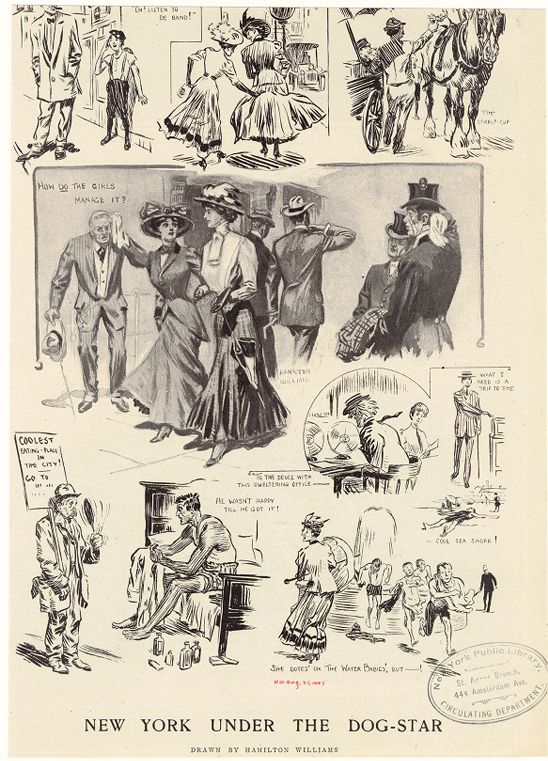
Long before the soft hum of a window unit or the whisper-cool breezes of central air, residents of Greenwich Village and the East Village faced the full force of the city’s steamy summers head-on. For wealthy New Yorkers the most obvious way of dealing with the heat was to escape it. They headed to Newport, Rhode Island, Saratoga Springs, and Clayton, New York, and the Thousand Islands region on the St. Lawrence River to enjoy cooler summer temperatures. But for those that had to stay behind, for much of the 19th and early 20th centuries, residents endured hot, humid weather with a mix of ingenuity, social adaptation, and architectural design that reveals a lot about how urban life once flowed. And we should take note.
The historic buildings that line the streets of Greenwich Village and the East Village weren’t just charming—they were, in many ways, designed to survive the heat.
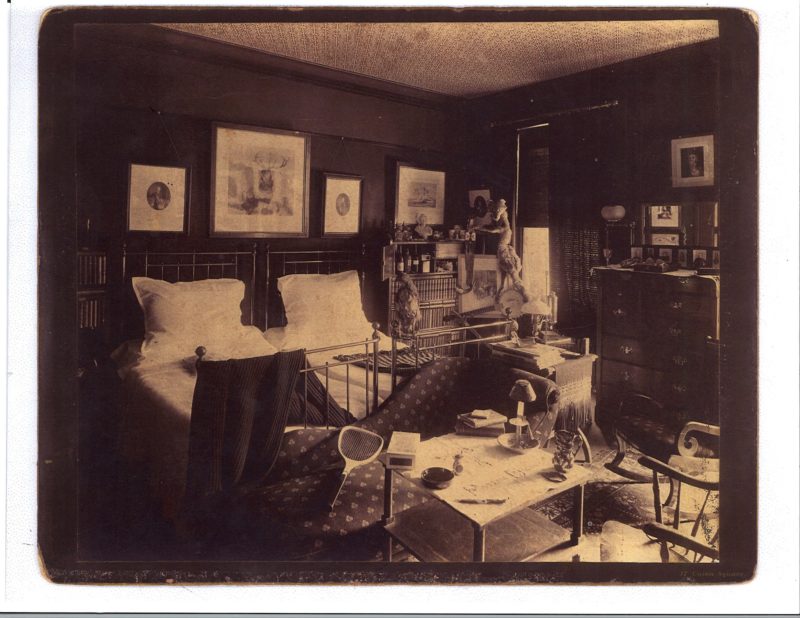
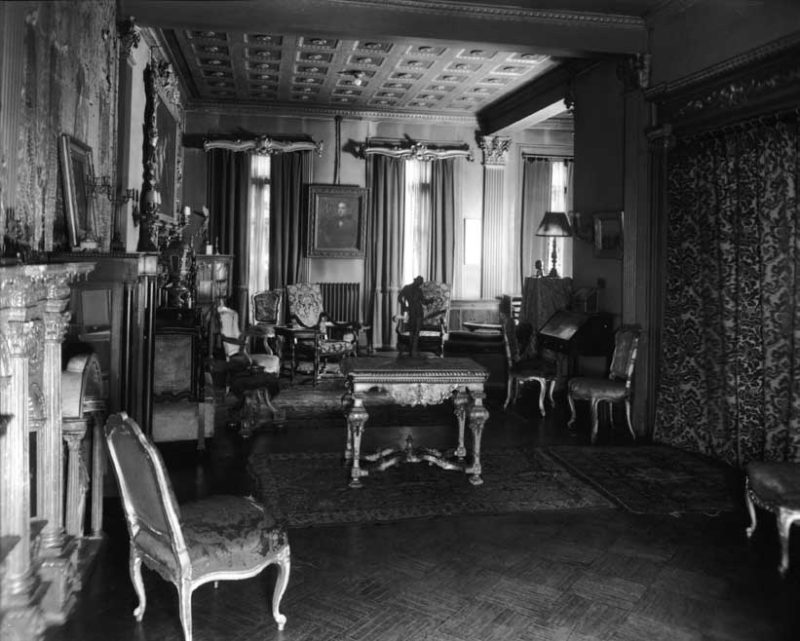
High ceilings were common in both tenements and townhouses, allowing hot air to rise and cooler air to settle where people lived and worked. As glass became cheaper to manufacture, more windows and larger and taller double-hung windows enabled cross-ventilation—open the bottom sash on the shady side and the top sash on the sunny side, and warm air would be drawn up and out. Transom windows above interior doors allowed breezes to circulate from room to room, even with doors closed.
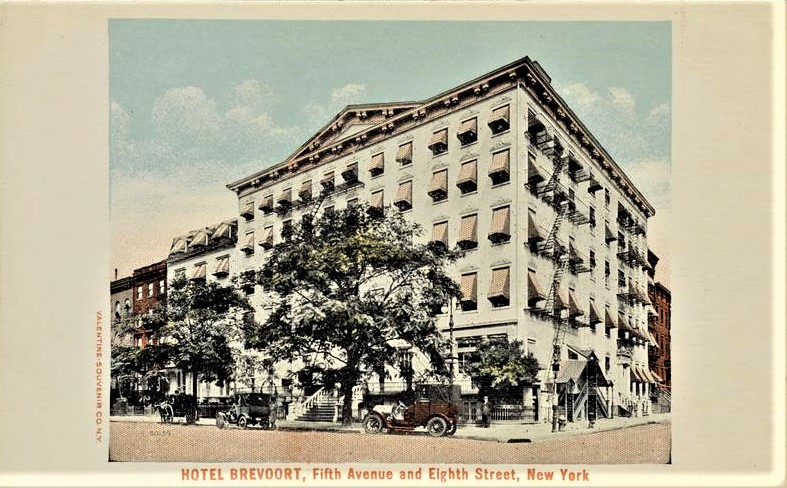
Many rowhouses also had shutters, awning systems, or deep stoops that provided shaded outdoor space. Brick and stone construction, especially when thick, helped insulate interiors from peak heat during the day. Thick curtains would be used to cover windows facing the sun during the hottest part of the day as well.
Wealthier residents could get ice deliveries and place manually powered mechanical fans or, towards the end of the 19th century, electric fans to help cool rooms. Of course, old-fashioned hand-held fans had been used for centuries. Some even reportedly cooled their apartments with wet sheets hung in front of open windows, creating rudimentary evaporative cooling.
Tenement buildings, especially older ones, had extremely poor ventilation and few windows. On tenement roofs, early residents often created makeshift sleeping areas and later sleeping on fire escapes became common as well.
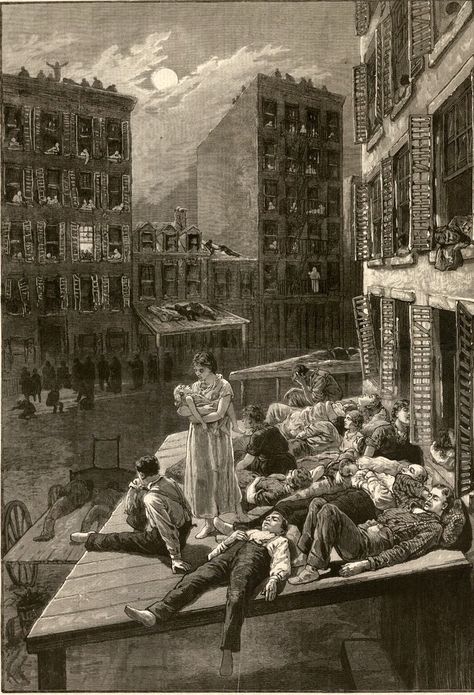
Before refrigeration and mechanical cooling, New Yorkers developed social habits and daily rhythms shaped by the climate. Clothing became lighter with an emphasis on linen and cotton instead of wool. Families and neighbors often spent evenings outdoors to escape sweltering interiors. Washington Square Park and Tompkins Square Park were full of life on summer nights, hosting informal gatherings that turned the streets into community living rooms.
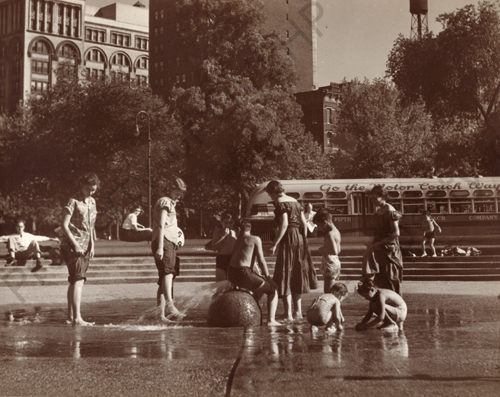
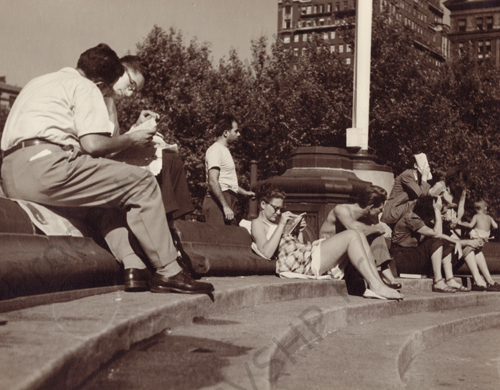
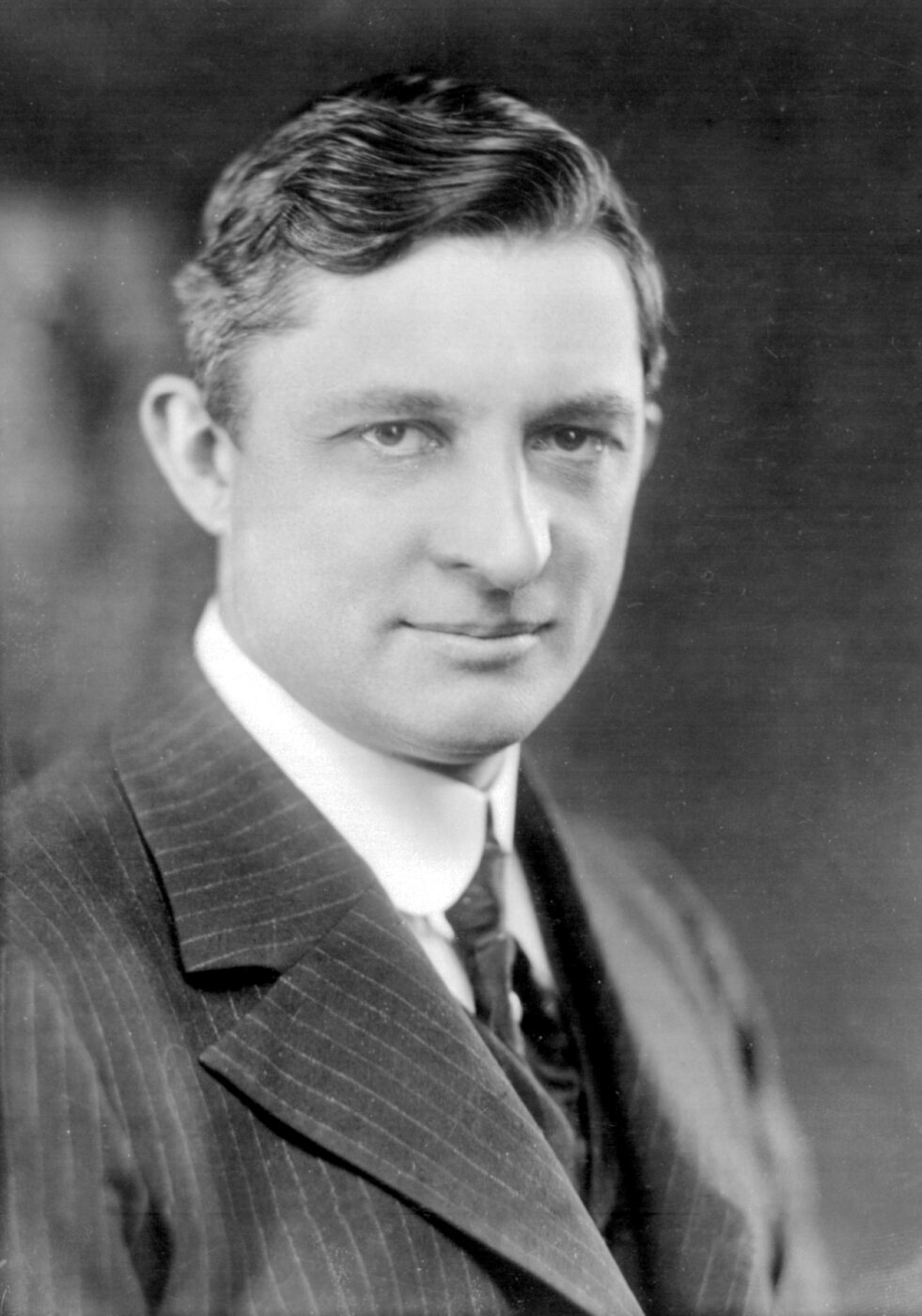
The first modern air conditioner was invented in 1901-2 by Willis Carrier and was designed to control the temperature and humidity in industrial settings. The first unit installed by Carrier was in the Sackett-Wilhelms Lithographing & Publishing Company in Brooklyn in 1902. The spread of modern air conditioning was slow and it would take decades before it became more common in homes. So people sought coolness where it was available. Air conditioning began appearing in select public places in New York by the 1920s and ’30s. Movie theaters, department stores, and restaurants were among the first public places to adopt air conditioning, and they quickly became summer havens.
However, it wasn’t until after World War II, particularly in the 1950s and 1960s, that window air conditioning units became more affordable for middle-class and working-class homes.
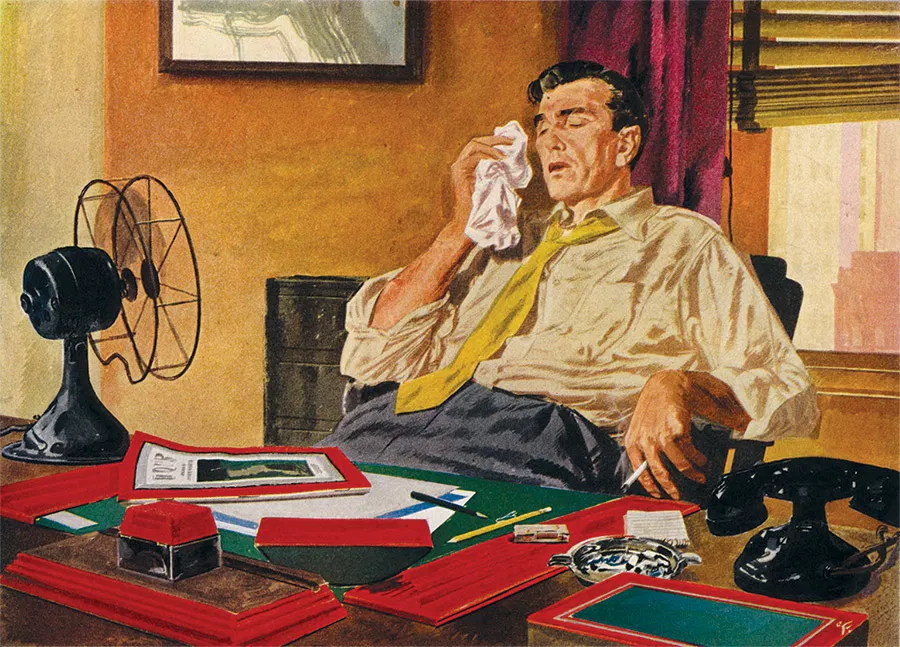
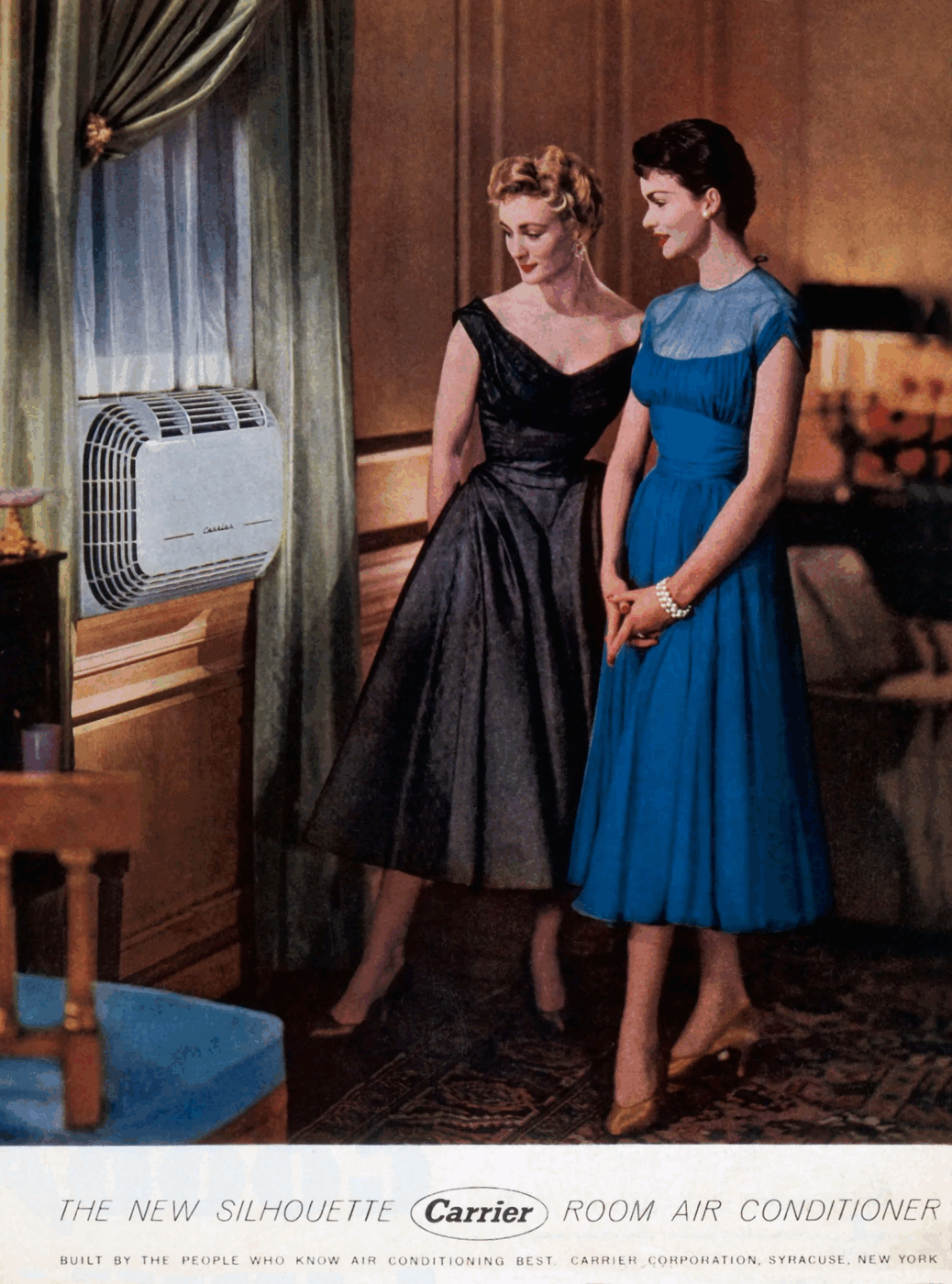
By the 1970s, AC was becoming more common in apartments across the city, especially as modern designed no longer prioritized cross-ventilation, high ceilings, and other architectural features to help make the heat bearable.
Today, in the face of rising temperatures and energy costs, the Villagers of old might offer us a lesson or two in sustainable comfort:
Design with nature: Orientation, shading, natural ventilation, and thermal mass were all used to passively manage indoor temperatures. These principles are regaining popularity in green architecture.
Live with the seasons: Residents adjusted routines—eating light cool meals, napping, rising early, and socializing outdoors—patterns that reduce the need for constant cooling.
Community matters: Shared spaces like stoops, parks, and public pools offered communal relief and social bonds that are harder to find in sealed, climate-controlled environments.
Open up the windows: Many older buildings in Greenwich Village and the East Village were designed for natural airflow. Using fans in conjunction with open windows and shutters can often significantly reduce the need for AC.
As we continue to grapple with climate change and energy use, there’s much to be gained from studying how our city functioned before we became so reliant on energy-hungry artificial cooling. Our historic neighborhoods remind us that beauty, function, and comfort can go hand in hand even when faced with a hot day.