
Business of the Month: Academy Records, 415 East 12th Street
Your input is needed! Today we feature our latest Business of the Month — help us to select the next. Tell us which independent store you love in Greenwich Village, the East Village, or NoHo: click here to nominate your favorite. Want to help support small businesses? Share this post with friends.
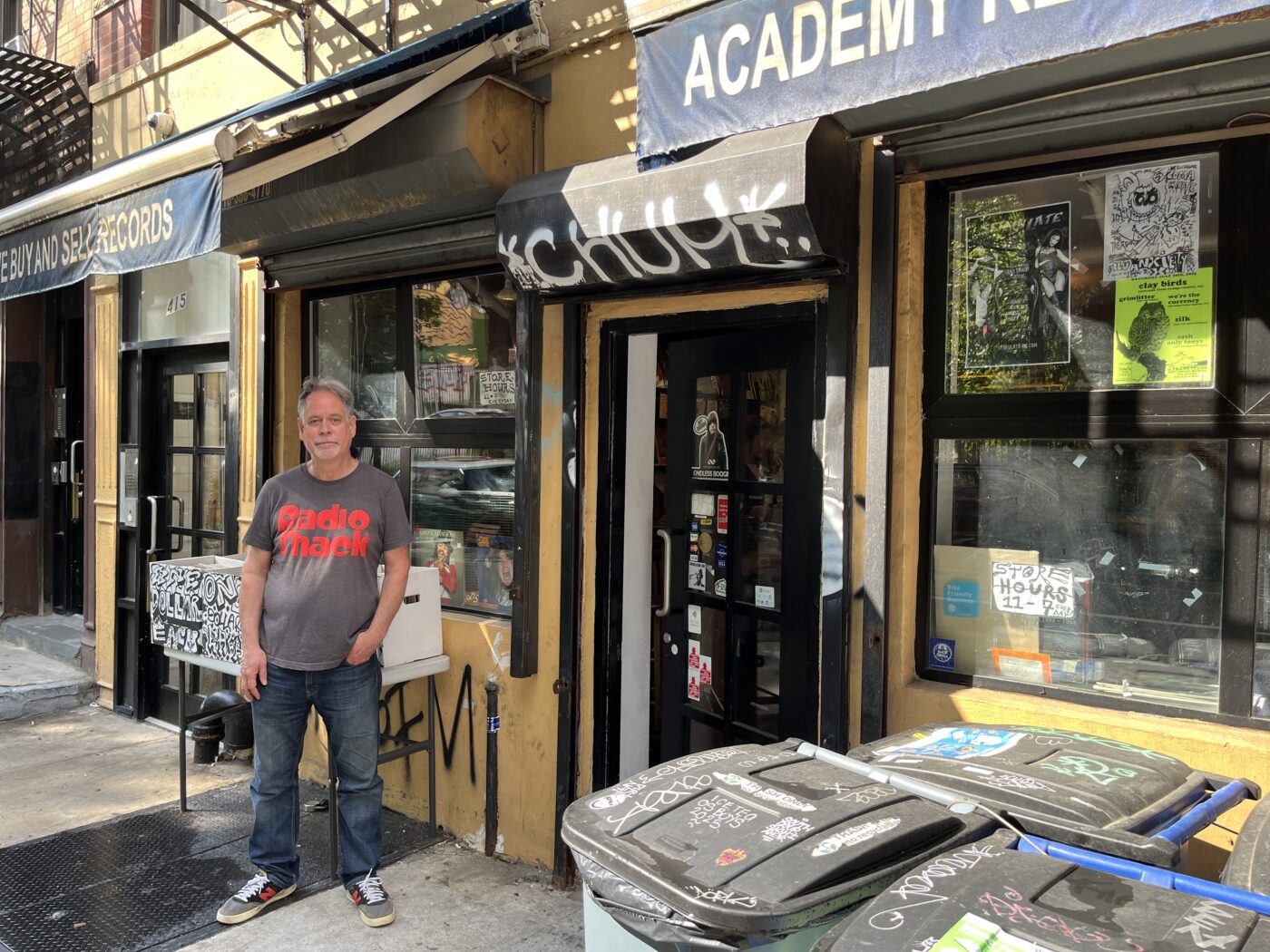
Think back of the time when computers were just starting to become the norm at every office. Now imagine deciding at that point that you’d like to open a typewriter shop, figuring that you’re good enough at selling them and enough people enjoy their tactility and their clackity-clack that you’ll succeed, even though everyone is phasing them out. And now imagine being proven right and ending up, decades later, with one of the premier typewriter shops in town. That, in essence, is the story of our August 2025 Business of the Month, Academy Records (415 East 12th Street, between 1st Avenue and Avenue A), a store that for over twenty years has provided music lovers of all ages and tastes with the many pleasures that record stores once made widely available.
Academy Records’ analog roots run all the way back to Academy Books, a store on W. 18th Street that opened during the 1970s and that went on to become one of the largest used bookstores in the city. By the 1980s, Academy Books had also started selling used records, primarily classical ones. And that’s when Mike Davis enters the picture. A long-time record buyer, Mike had moved into the East Village and was working as a bike messenger when he started swinging by Academy Records on a regular basis. One day, having decided that he had had enough of bike messaging, he asked a friend at the store whether they needed help. They did; and Mike found himself employed and, ultimately, in charge of buying non-classical records for Academy Records.
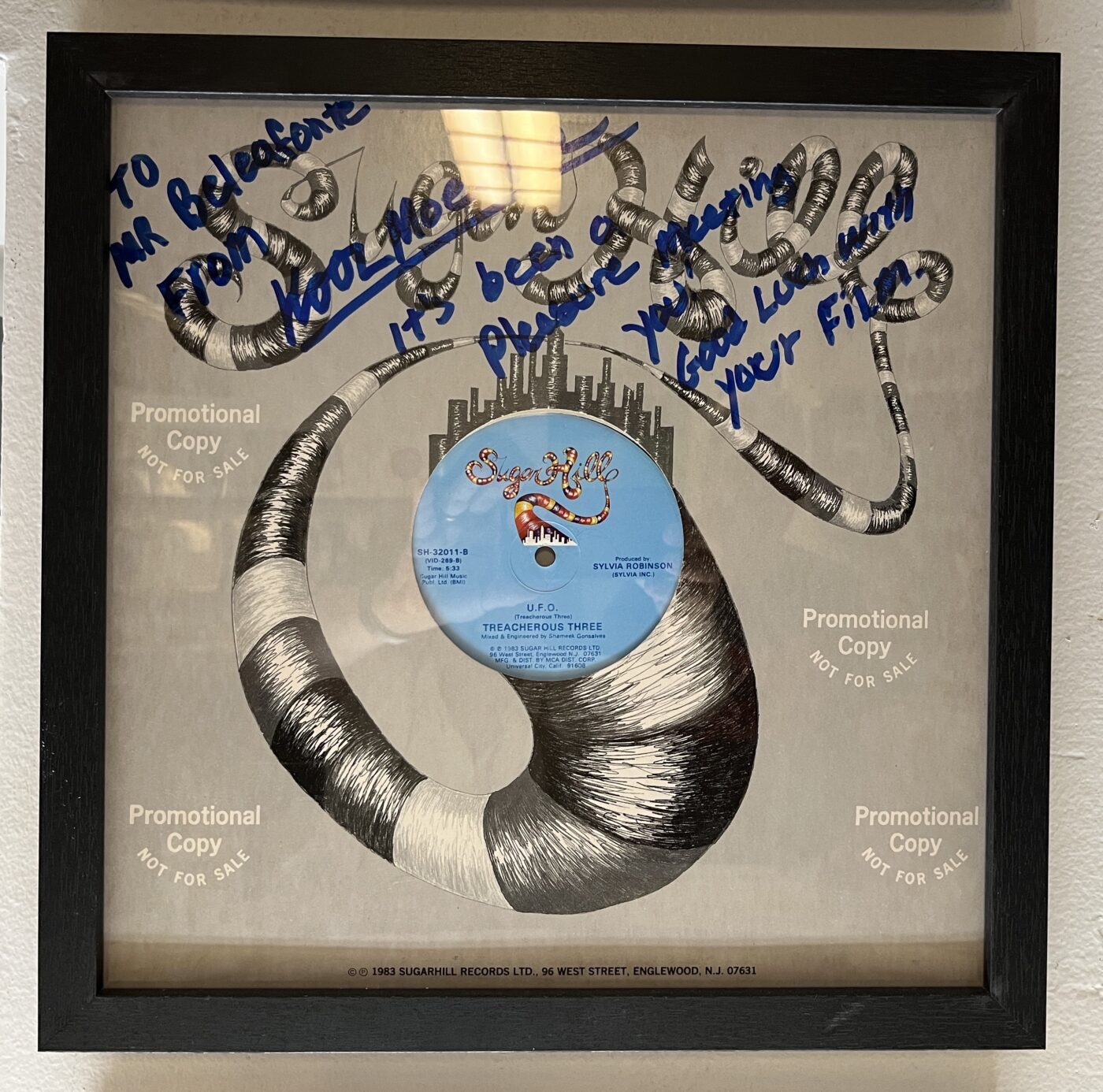
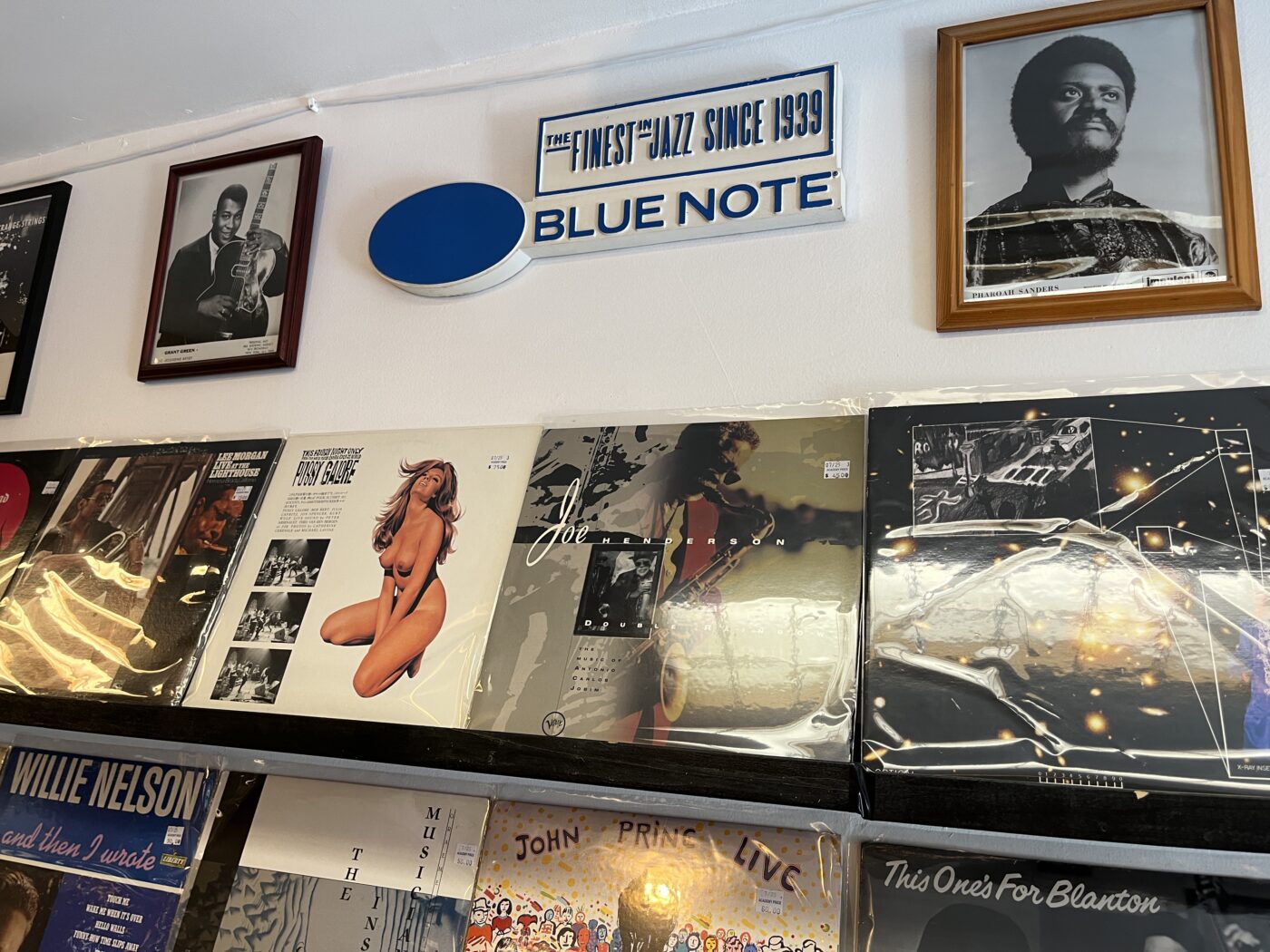
Mike’s tenure at the store coincided with the period when multitudes across the country decided that vinyl records were a thing of the past, and started dumping entire record collections. This was especially the case in New York, where people are always looking for ways to reclaim space in their apartments. The phones at Academy were ringing off the hook. Within a few years, Mike had acquired close to a hundred thousand records, more than could possibly be sold out of Academy Book’s small storefront. This gave him the idea of opening a separate store specialized in non-classical music. So Mike got Academy’s owner to agree to a silent partnership arrangement, and in 2001 launched Academy Records on East 10th Street, its original location.
2001 was not a banner year for either records or the music industry. The peer-to-peer file-sharing app Napster had just gone mainstream, accumulating eighty million users in a matter of months. Apple that year released the iPod, advertised as capable of holding a thousand songs in your pocket. The city’s largest record stores, Tower, HMV, Virgin, were shutting down one after the other. The writing was on the wall. How could anything compete with a limitless selection of immediately accessible, portable, and sharable digital files? To many onlookers, it looked like the beginning of the end for records and maybe even music buying. But not to Mike.
Mike felt that there would always be a niche interest in records, and that even a niche interest would be enough in a place the size of New York to support a reasonably sized business. He recalls also having an unwavering confidence in his understanding of the used record-selling business:
I thought I could do this well enough. To some extent, you have to always be aware of the shifting landscape. But on the other hand, you can’t get too caught up in that, because it’s really important to do what you do as good as possible. Make your own place in the world by being good at what you do.
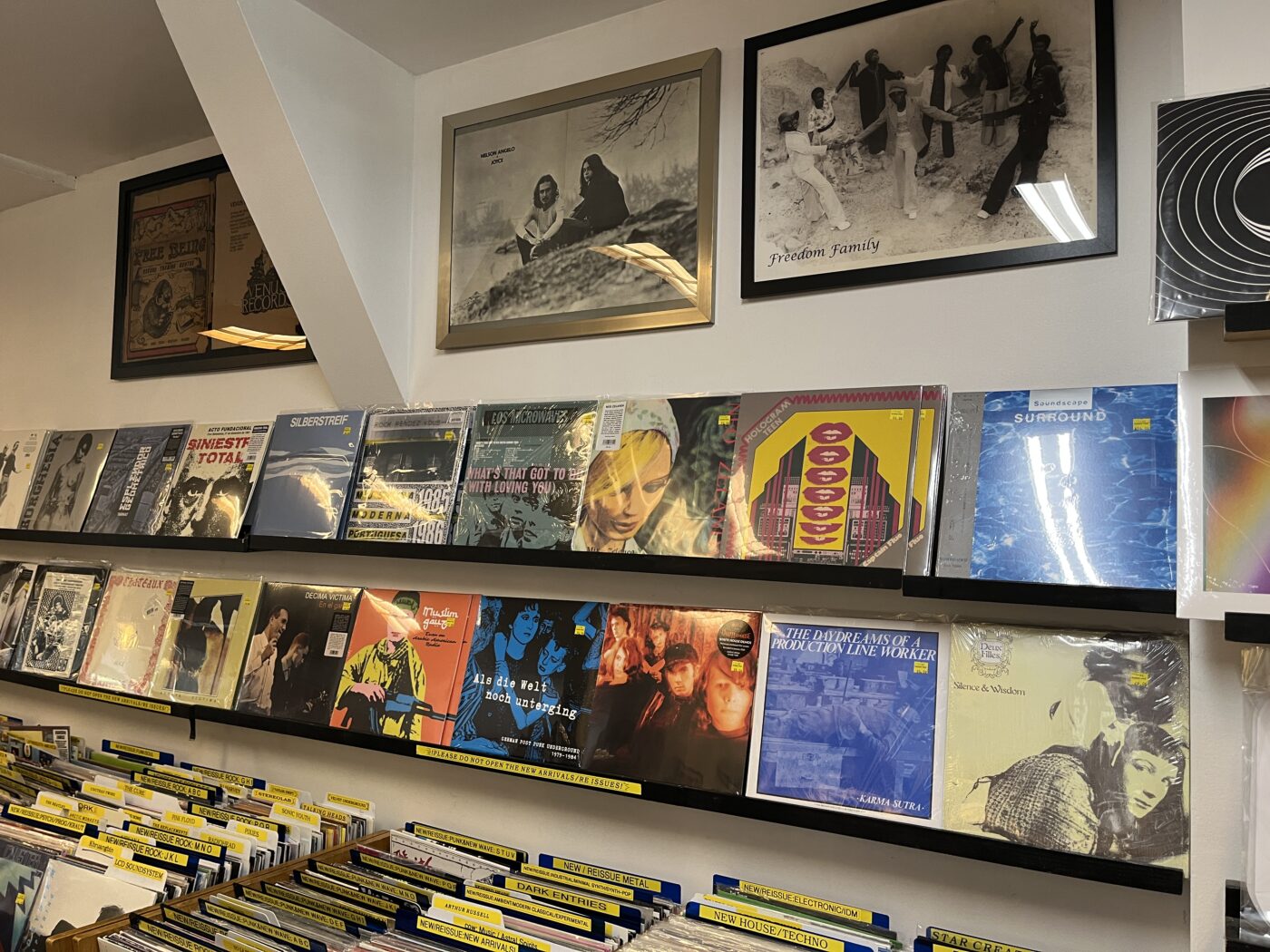
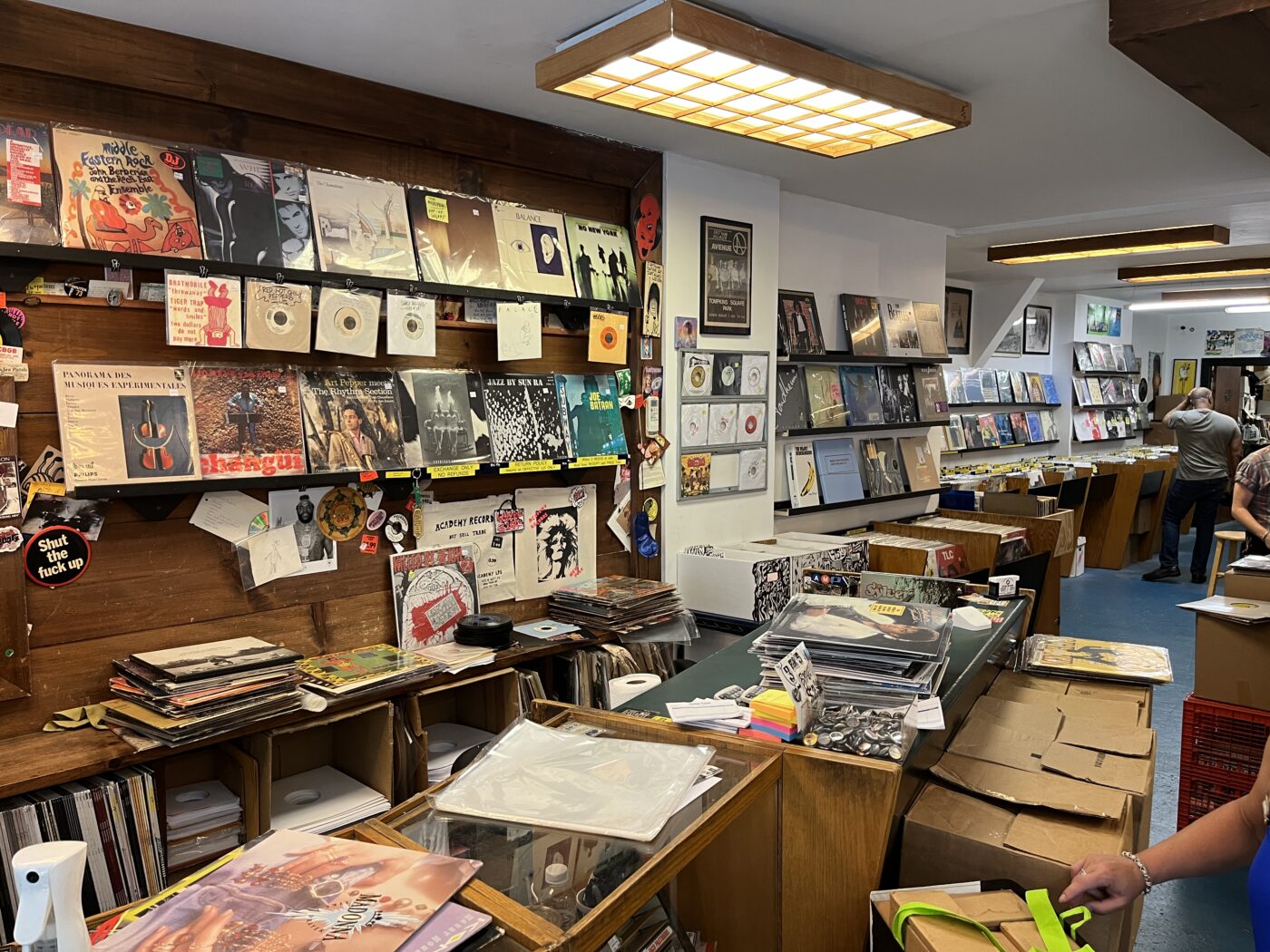
A quick look at Academy Records’ well-appointed interiors and a browse of the stacks are enough to tell that Mike is pretty good at what he does. But it takes a conversation with him to realize that the exceptional experience the store’s customers enjoy results from deliberate decisions by someone deeply passionate about music and about the record trade. He shared with us his thoughts on the matter:
- Fair prices for both buyers and sellers.
I’ve always really emphasized treating people to respect, paying people well for their records. I’ve had people come in, selling stuff they found in the garbage; and sometimes I’ll give them a hundred bucks for a record that actually is worth a lot of money. And they just can’t believe that. I could have given them a dollar. And yeah, that works great once or twice; but that’s not a long term business model. Getting over on people is not a business model that endures.
- The eclectic selection catering to a wide range of customers
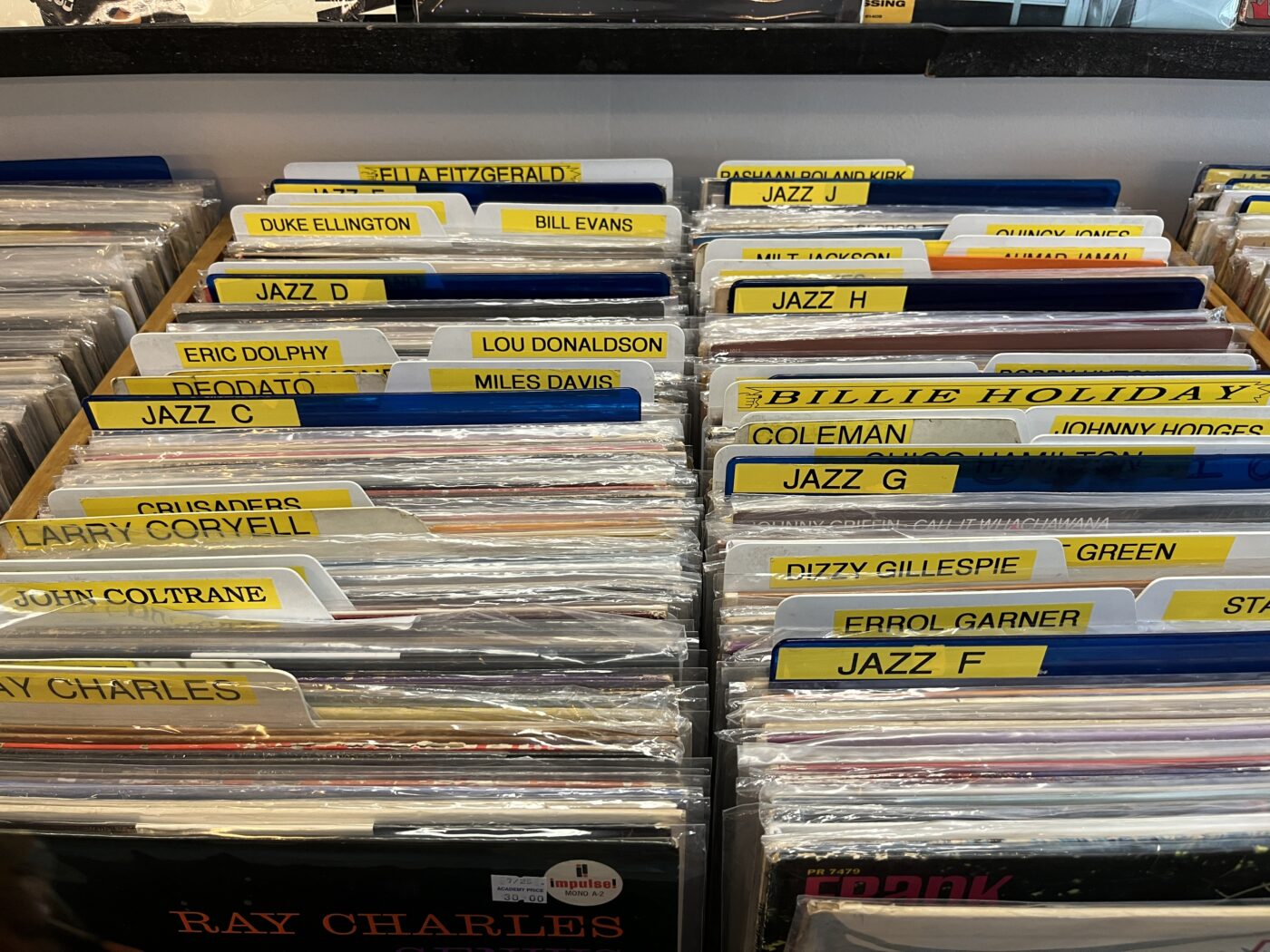
I always wanted to cultivate customers that were really into music, not just buying whatever’s the new trend, because these are the people who are going to keep coming back. They’ll want to know when you have something unusual, they’re going to have an idea of what it is, or be interested in learning about it. I also have a lot of customers in their 20s. They’re buying music from the 70s. And they’re more open, because this stuff is coming to them from another time and place; so they don’t have this framework of what’s cool and what’s not cool. And then there’s the jazz people; they never stopped buying records.
- Friendly staff (super-friendly, considering the reputation or record-store clerks)
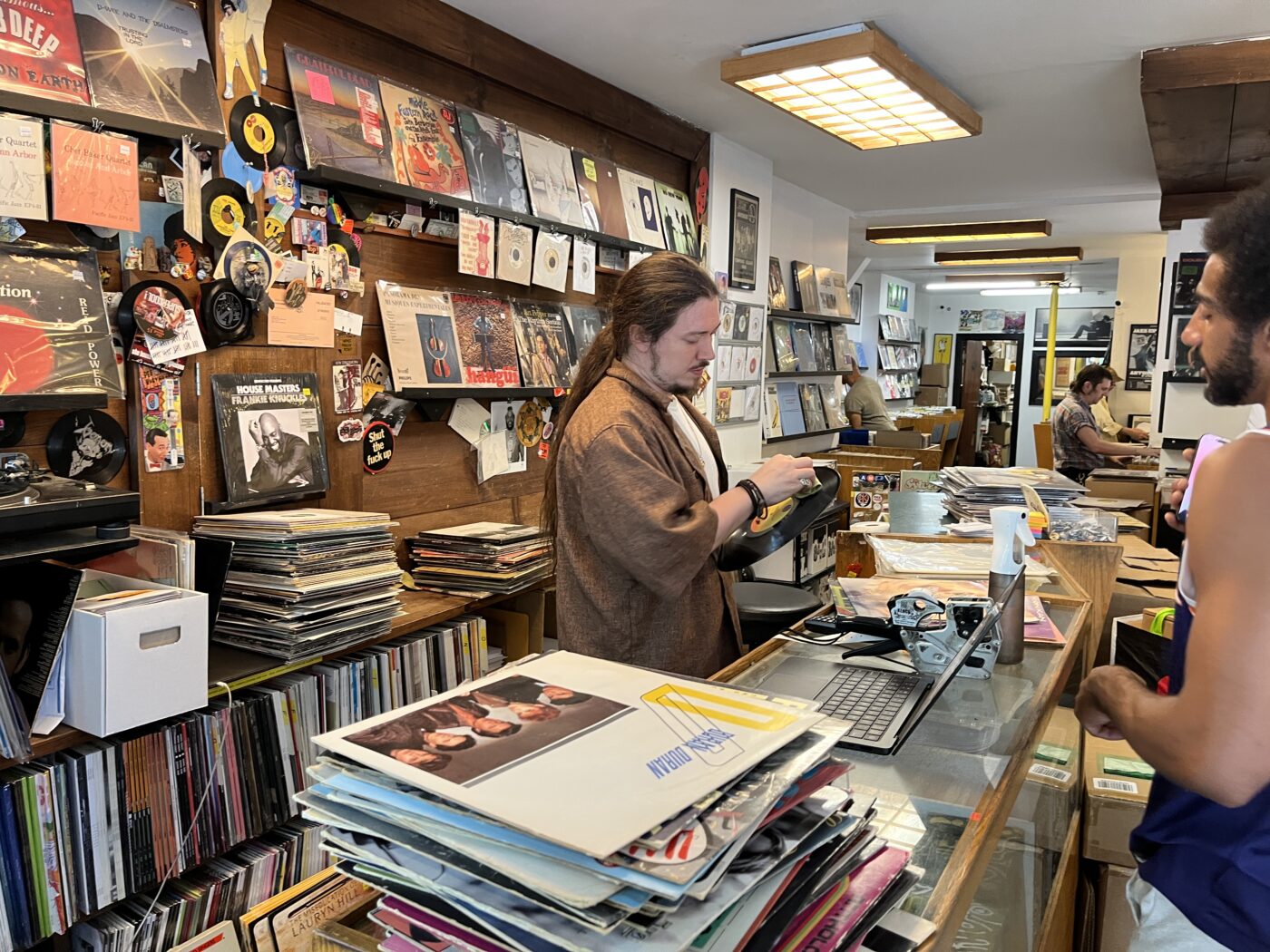
The stereotype of the snotty clerk that’s going to deride you for your bad taste in music is a real thing. But right from the start, I was like, no, this is not going to be that way here. You can’t work here if you’re not a nice person. I almost value that more than your record knowledge. I think this is why we get so many calls for collections and more walk-ins, because we’ve got decades of treating people well. If you approach people in a positive way, they respond in a positive way and then your days go well. If you have an adversarial mindset toward the people who come in the door, then every day is going to be a battle; and what’s the fun in that?
Mike’s extensive experience as a record buyer and his clear vision for this store deserves a lot of the credit for Academy Record’s success. But so does his unshakable belief in the enduring virtues of vinyl. There have been times during the past two decades when everyone has seemed ready to abandon physical media for the sake of convenience and choice. Mike, however, was always certain that would never happen. He explains:
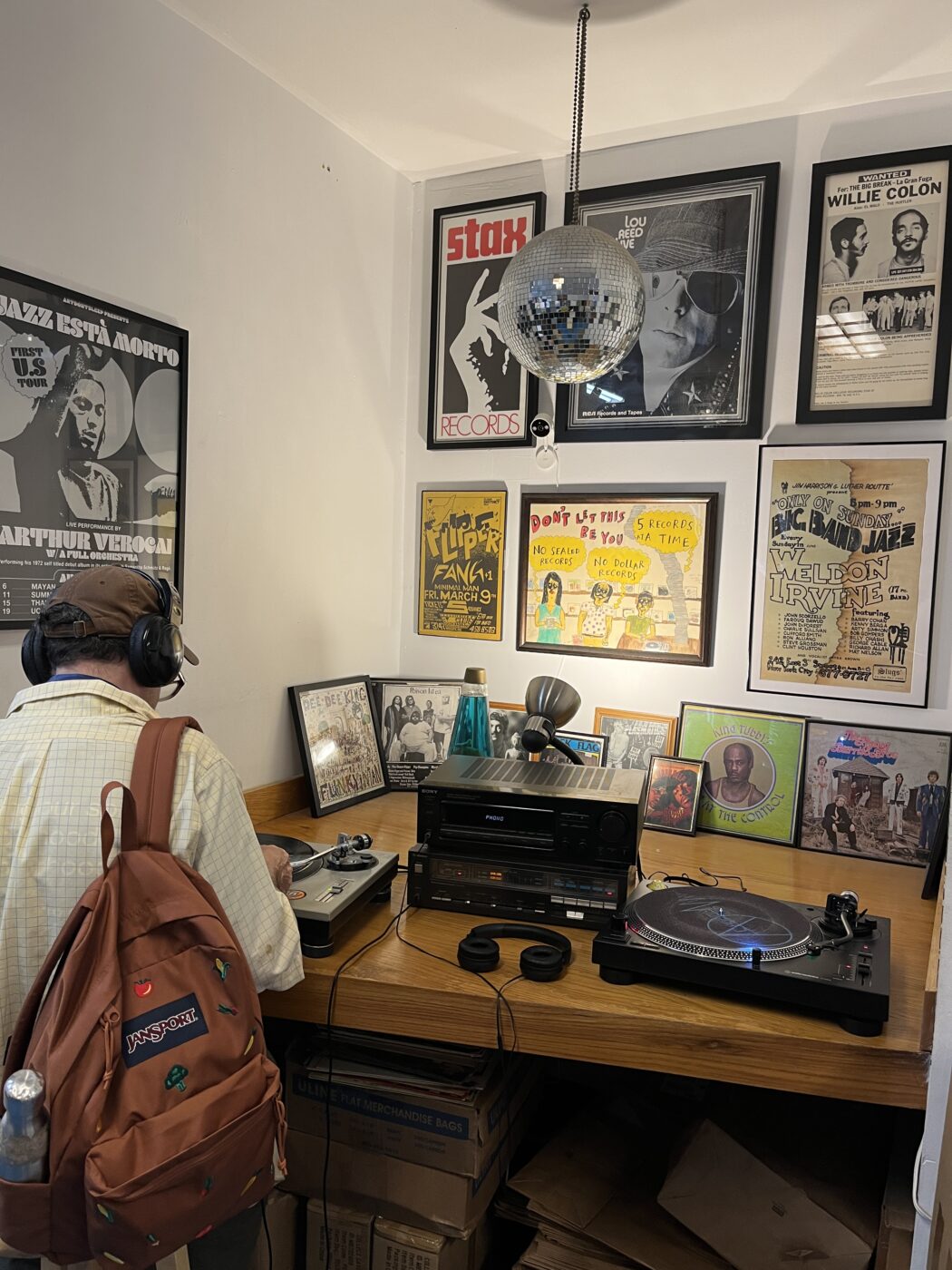
Infinite possibilities and extreme convenience are very alluring things on the surface. I don’t know that people find those things as satisfying as they might think. It’s kind of like being lost in the desert. Plus, the act of buying a record, looking at a record, putting a record on, having machinery to play it brings a satisfaction that you won’t get from just pushing a button on a screen. People want to interact with physical things. They contextualize knowledge through physical objects in a way that you can’t through a file. You form a relationship with the object that mediates your experience.
Mike’s experience at Academy Records has more than justified his sense that digital music would not replace vinyl, that they serve different purposes. In fact, record-buying has enjoyed a resurgence across the board over the past decade, especially among younger generations. And curiously, digital streaming seems to have facilitated that process. Mike reports that not a day goes by without someone playing something on their phone to help determine which record to buy.
Asked what he likes most about running Academy Records, Mike offers this:
The people. I like the people that I meet and that I work with a lot. I’m not a great businessman, but I’m pretty good at picking good employees. I like being able to work with people that I like and find interesting and that I learn from and that do cool things on their own whether they’re making music or starting a record label. And I like being able to listen to all kinds of music all the time. I’m surrounded by more music than I could ever absorb. But I’m still learning about music. And the infinite nature of the music landscape means that I won’t live long enough to get to everything. And that’s fine, you know. It’s a good thing.
For almost twenty-five years of enriching our experience with music by grounding it in the physical world, we are thrilled to name Academy Records our August 2025 Business of the Month.
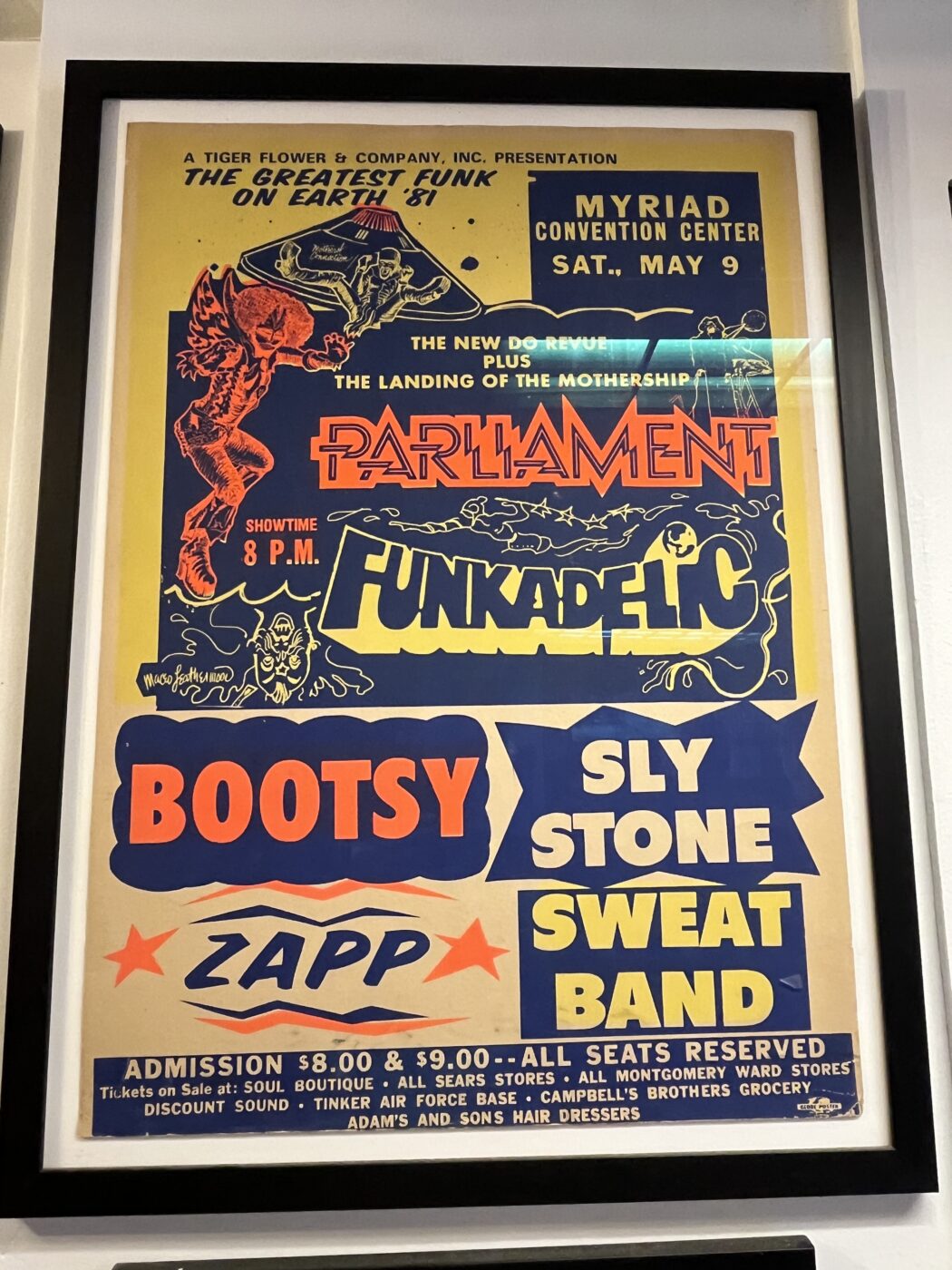
What special small business would you like to see featured next? Just click here to nominate our next one. Thank you! #shoplocalnyc
Here is a map of all our Businesses of the Month: