
Eve Adams in Greenwich Village
In 1925, a Jewish-Polish immigrant named Eve Adams opened a tearoom at 129 MacDougal Street in Greenwich Village. The spot quickly became a gathering place for artists, poets, activists, and, most notably, members of the lesbian community. An outspoken lesbian and activist herself, Eve undoubtedly changed the course of queer culture and history in our neighborhoods forever.
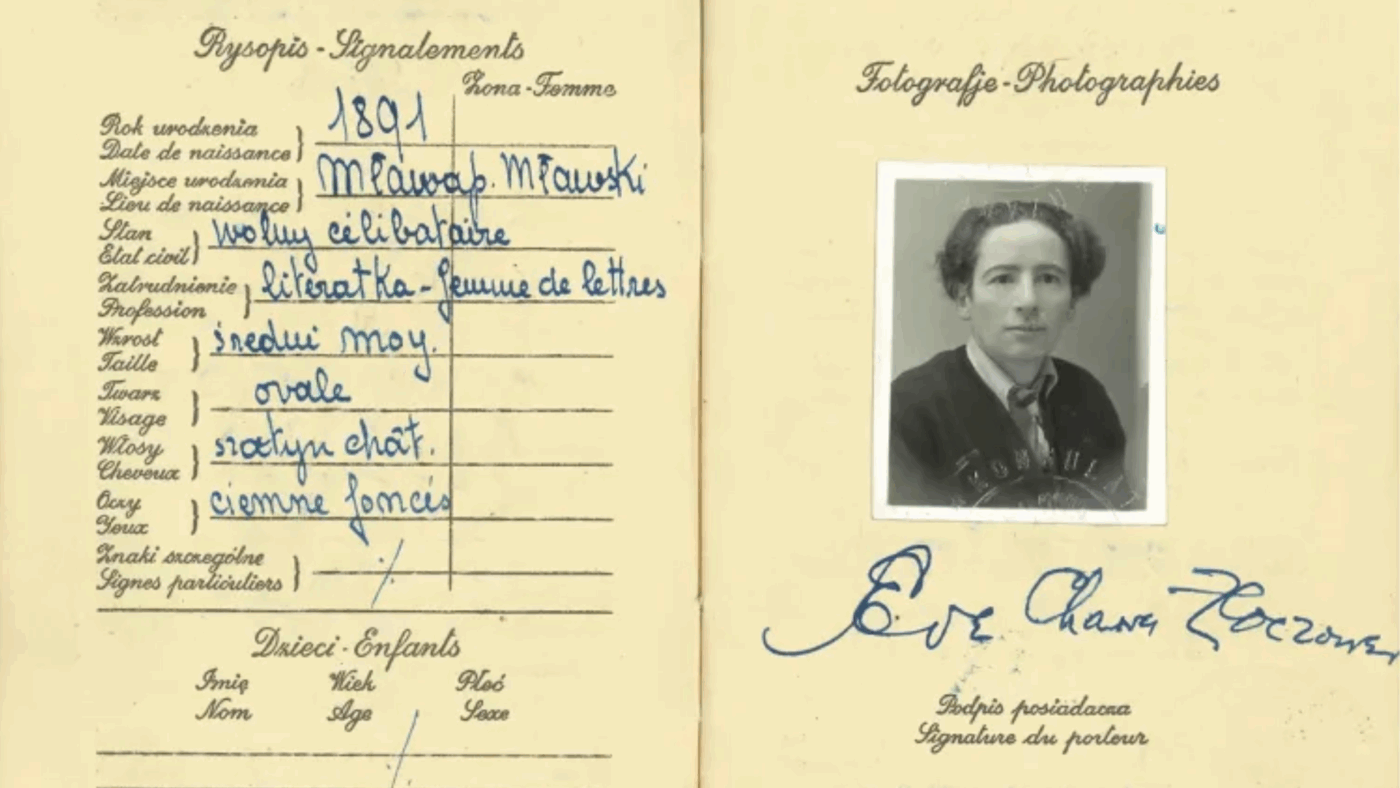
Born Chawa Złoczower in Mława, Poland, Eve Adams left her home country in 1912 at 20 years old to pursue a life in the United States. She first landed in New York and made some money, as many young immigrant women did at the time, working in garment factories.
Following her great passion, she began working for a variety of radical publications, including Emma Goldman’s Mother Earth. She then found a space in the basement of 129 MacDougal (now home to Village Award winner La Lanterna) and opened her tearoom, which quickly became known as “Eve’s Hangout”.
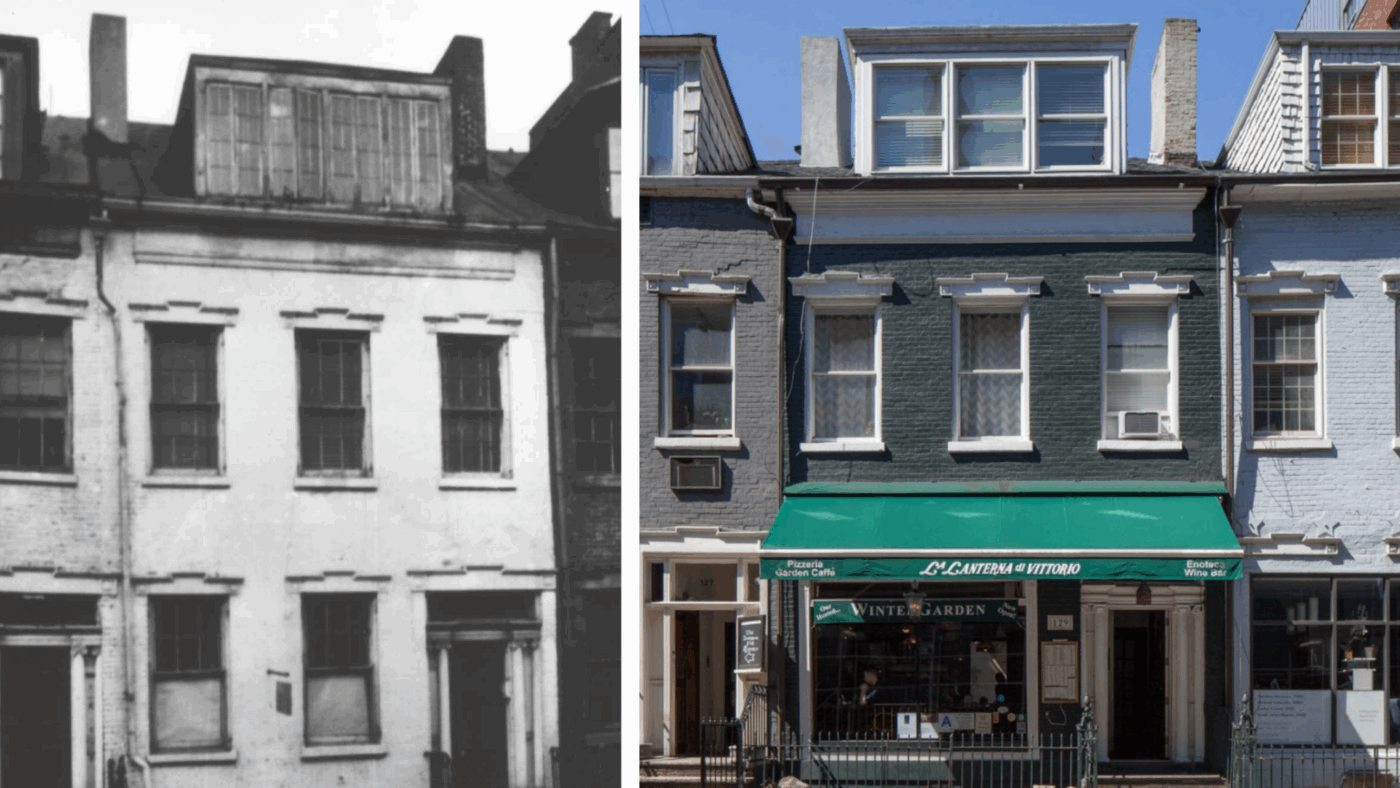
Eve’s Hangout became an intentional gathering place for lesbian and queer women. The Greenwich Village Quill called the tearoom a place where ‘ladies prefer each other,” and a sign on the door to the tearoom read “Men are admitted but not welcome.”
The decentering of men in such a space, alongside the explicit focus on fostering the lesbian community, made Eve’s Hangout very radical for its time. Many consider it to be the first lesbian bar in New York City.
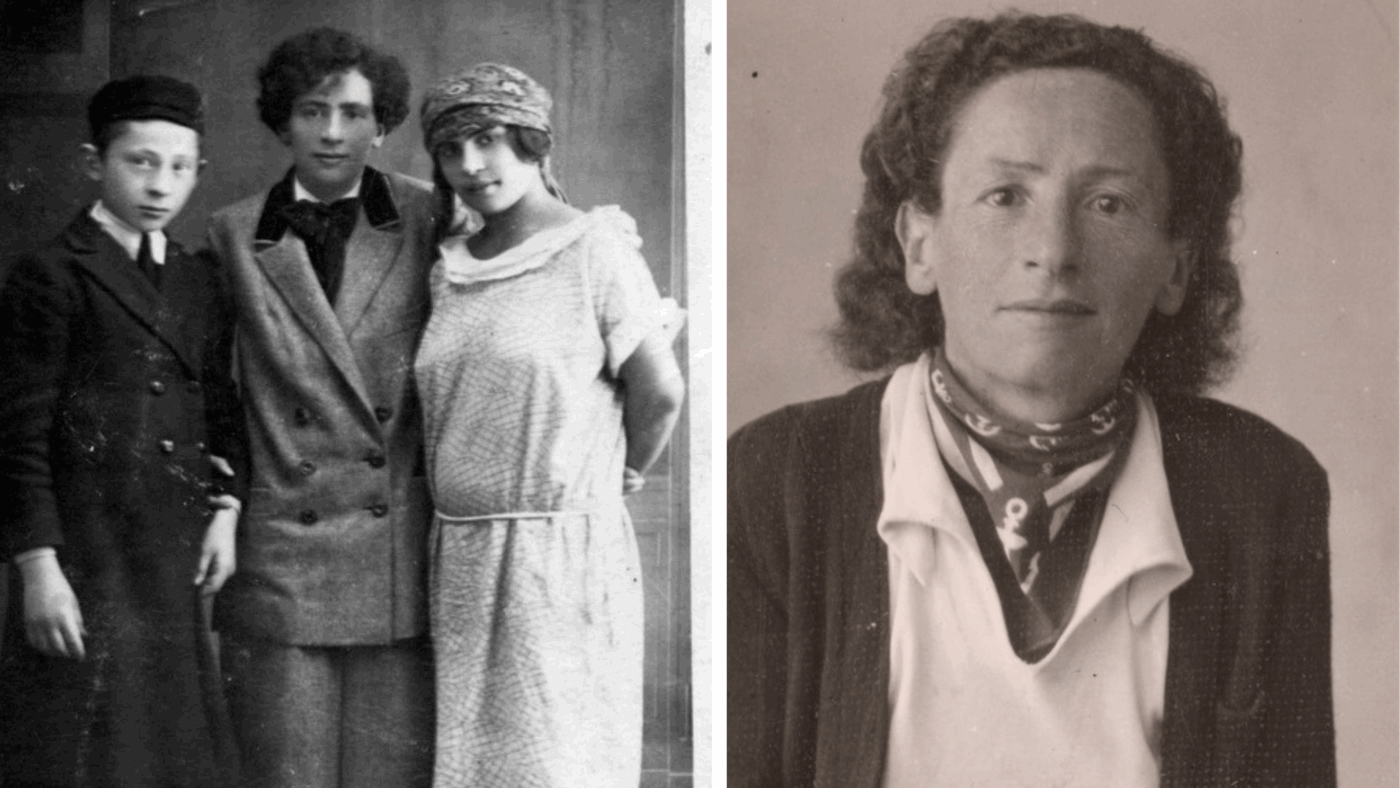
Eve stood out as a queer activist and figure in a variety of ways. Her masculine style of dressing, including wearing a pant suit, was rare for a woman at the time. Between her affinity for pants and her signature short hairstyle, Eve garnered the nickname “queen of the third sex.”
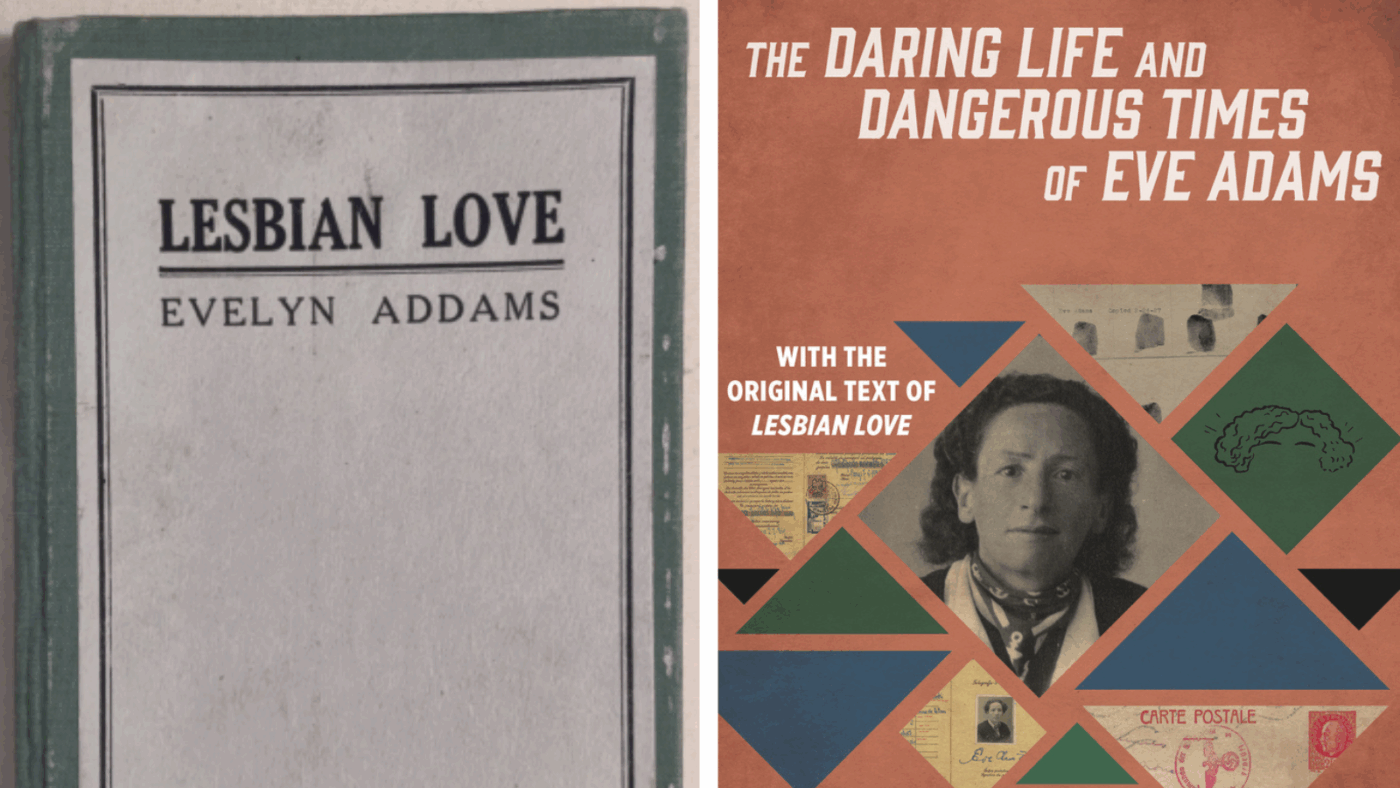
Additionally, Eve published her book, Lesbian Love, in 1925, which is thought to be the first ethnography of lesbians in America. This powerful series of short stories captures “scores of women who flirted, courted, or were in love with one another, and some who played with the presentations of their genders” (the New Yorker).
To learn more about Eve’s seminal book, you can watch our program with Jonathan Ned Katz from 2021, who wrote about it in length in his book, The Daring Life and Dangerous Times of Eve Adams.
While Lesbian Love was never meant to make its way out of a small circuit of friends, activists, and community members, it soon caught the attention of the police department. After an undercover operation, Eve was arrested in 1926 for “obscenity” and “disorderly conduct,” broad charges that criminalized Eve’s public life as a lesbian.
Eve was sentenced to a year and a half in prison. For at least part of her sentence, Eve was jailed at the Jefferson Market Prison in Greenwich Village. There, she crossed paths with Mae West, who was jailed for “obscenity” related to her acclaimed Broadway play, Sex.
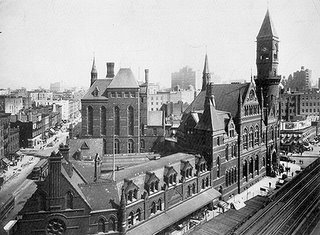
Shortly following her release, and despite her petitioning, Eve was deported from the United States. In a deposition related to her deportation case, Eve said, “I love this country with my whole heart and soul, and I have made application for my final papers. I want to become a citizen. If I am deported, my life is ruined.”
Eve then made a home in Paris, where she opened another lesbian hangout. As a Jewish and lesbian woman, Eve was no safer in Europe than she was in the United States. Tragically, she was subject to the horrors of the Nazi occupation of France, and died in Auschwitz in 1943.
Despite her untimely and unjust death, Eve Adams’ legacy lives on in the global queer community. Her contributions to the literary and cultural spheres continue to be felt, and her place in the history of Greenwich Village is cemented.
To learn more about Eve Adams’ life in Greenwich Village, her deportation, and her legacy, join us on August 27th for a webinar with award-winning journalist Kellie B. Gormly. This program will explore Eve’s extraordinary life. Drawing on new historical research, Gormly will trace Adams’s fight for freedom of expression and identity in a world determined to silence her. She will also examine how the Village served as both a sanctuary and a battleground in the struggle for queer visibility and immigrant survival.