
Historic Image Archive: Spotlight on Lintels
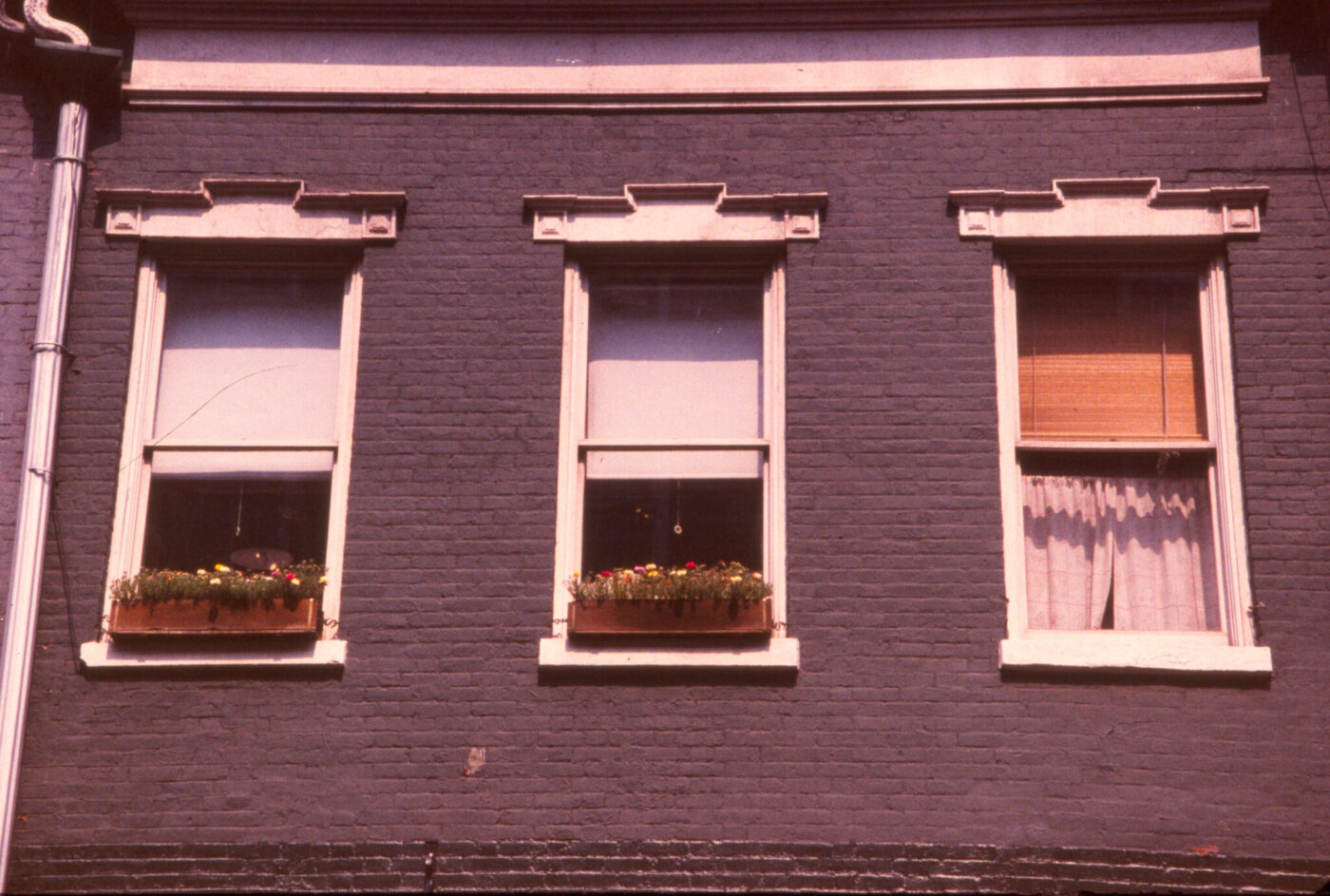
Sills get all the credit. Sitting pretty at the bases of windows, they support what’s above them and provide a ledge for flower pots or a perch for birds. But there’s another architectural element integral to any window, a perhaps lesser-known vocabulary word but one of equal importance: the lintel.
Lintels are the load-bearing horizontal headers that provide structural support to the tops of masonry openings, namely, windows and doorways. This necessary bit of engineering can be simply blended into the pattern of a brick wall, but more often than not, architects take it as an opportunity to add decorative flair to a building’s exterior. In 19th-century row houses throughout Greenwich Village and beyond, lintels are one of the elements of a facade that can help us date a building and identify its architectural style, as different designs for such architectural features went in and out of fashion over time. Village Preservation’s Historic Image Archive contains dozens of images of historic lintels found throughout Lower Manhattan, of many different varieties — let’s take a look!
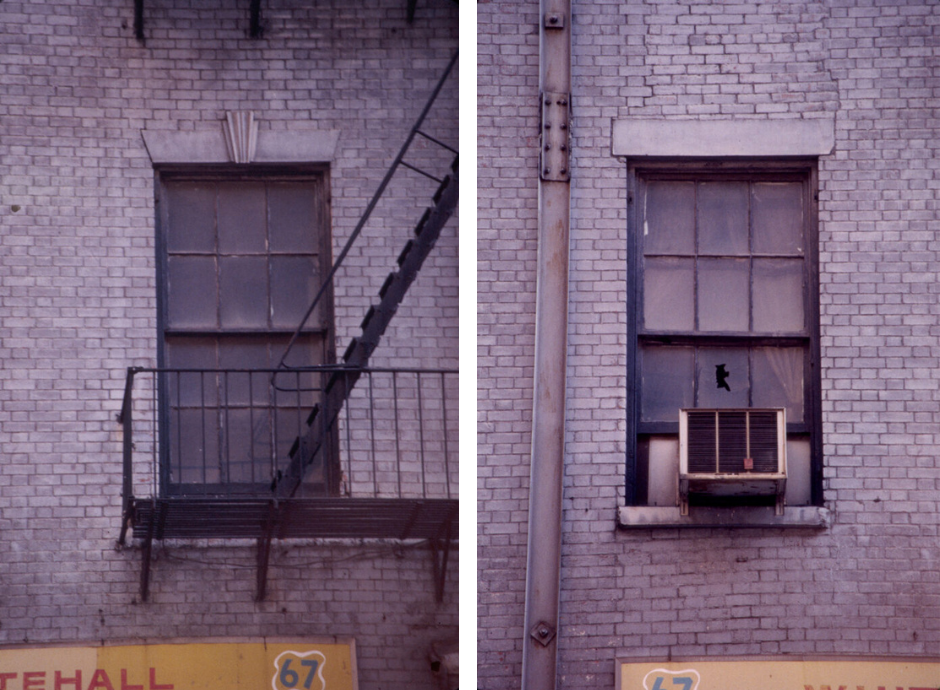
Built 1809-10, No. 67 Greenwich Street is one of 13 Federal style houses in Lower Manhattan that Village Preservation and the NY Landmarks Conservancy proposed for landmark designation in 2002. It was designated as an individual landmark in 2005. No. 67 features two types of stone lintels: the central windows along the Greenwich Street facade have “splayed,” or “turned-out” lintels, which angle out toward their tops and feature fluted keystones at their centers, while other lintels on this facade are of a simple, rectangular form.
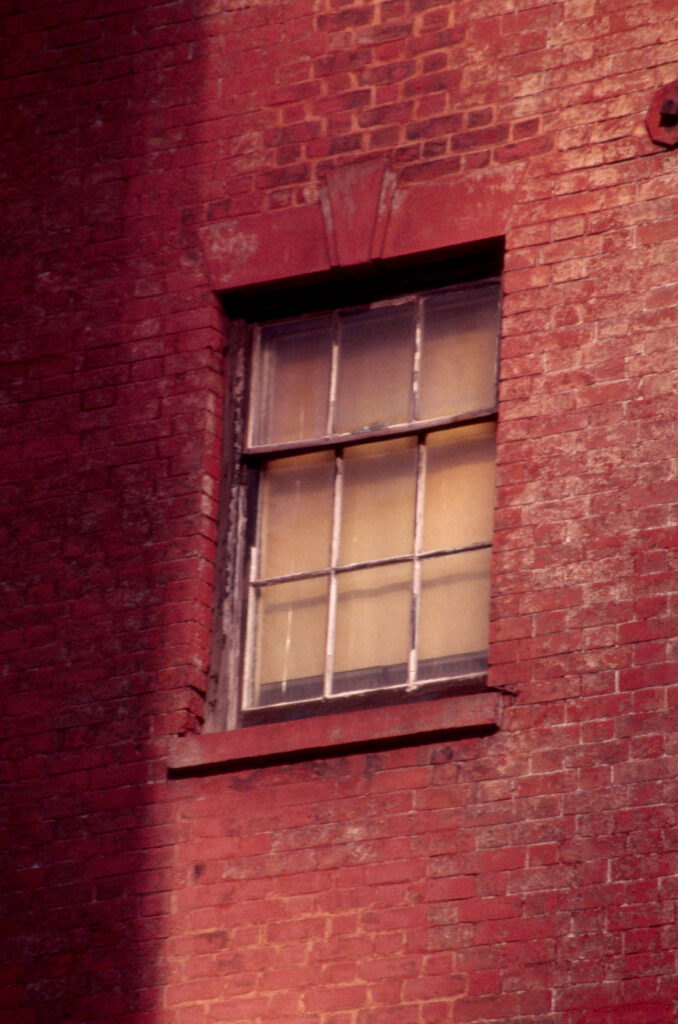
No. 94 Greenwich Street features another example of the splayed lintel, this time in brownstone with a relatively simple raised keystone. In 2009, Village Preservation secured landmark designation of this ca. 1798 house, one of the oldest extant houses in Manhattan.
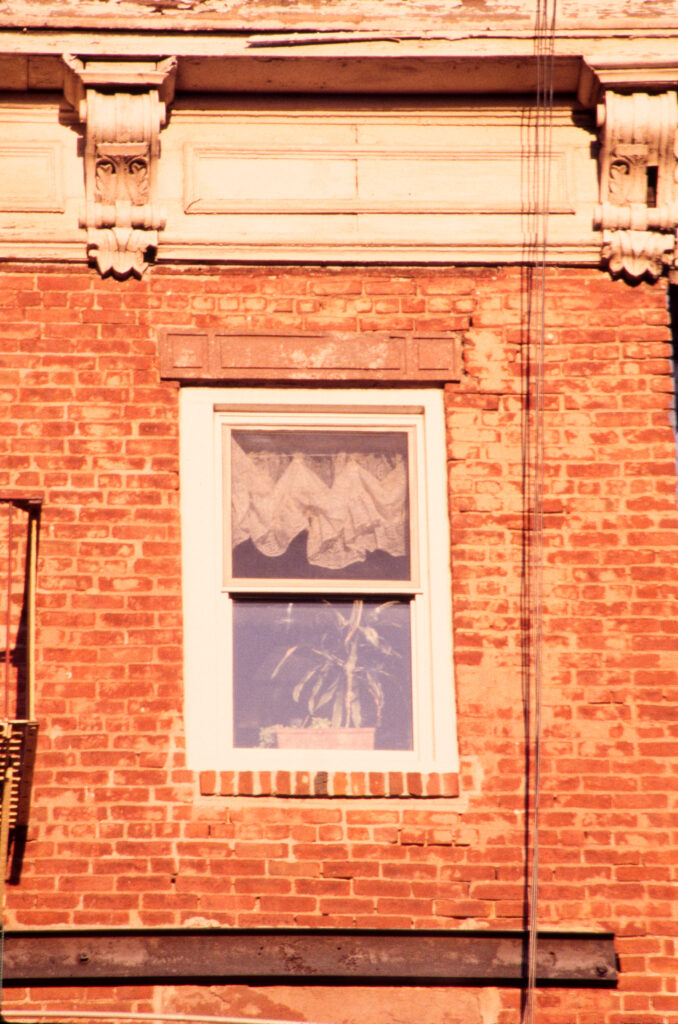
Along the primary facade of 282 Hudson Street, straightforward rectangular lintels are distinguished with incised geometric detailing. At the window shown in the above image, the lintel is composed of brownstone, while the sill is of a brick to match the rest of the facade, though it is differentiated with its soldier-course patterning (a method also sometimes used for lintels).
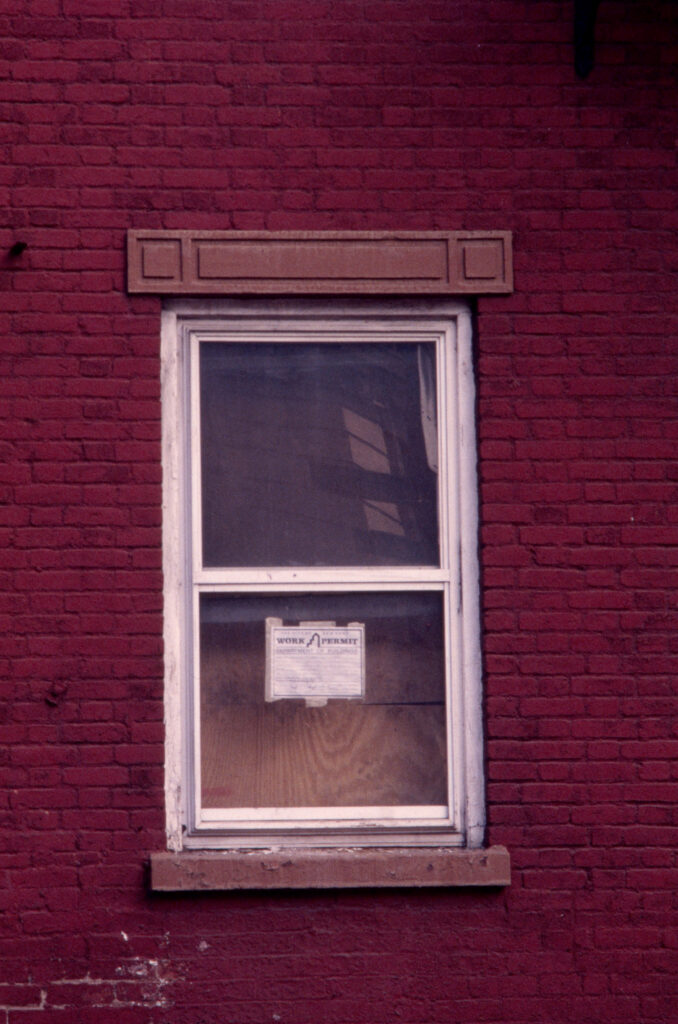
57 Sullivan Street is host to another lintel of the incised brownstone variety, this time paired with a matching brownstone sill. Built in 1816, No. 57 Sullivan Street is another one of the 13 Federal style houses proposed for landmark designation by Village Preservation and the NY Landmarks Conservancy in 2002. It is among the 10 of the 13 that were landmarked, and was designated as an individual landmark in 2016. No. 57 and surrounding buildings are also located in the Sullivan-Thompson Historic District, a ten-block 160-building district that was designated in 2016 following a proposal made by Village Preservation.
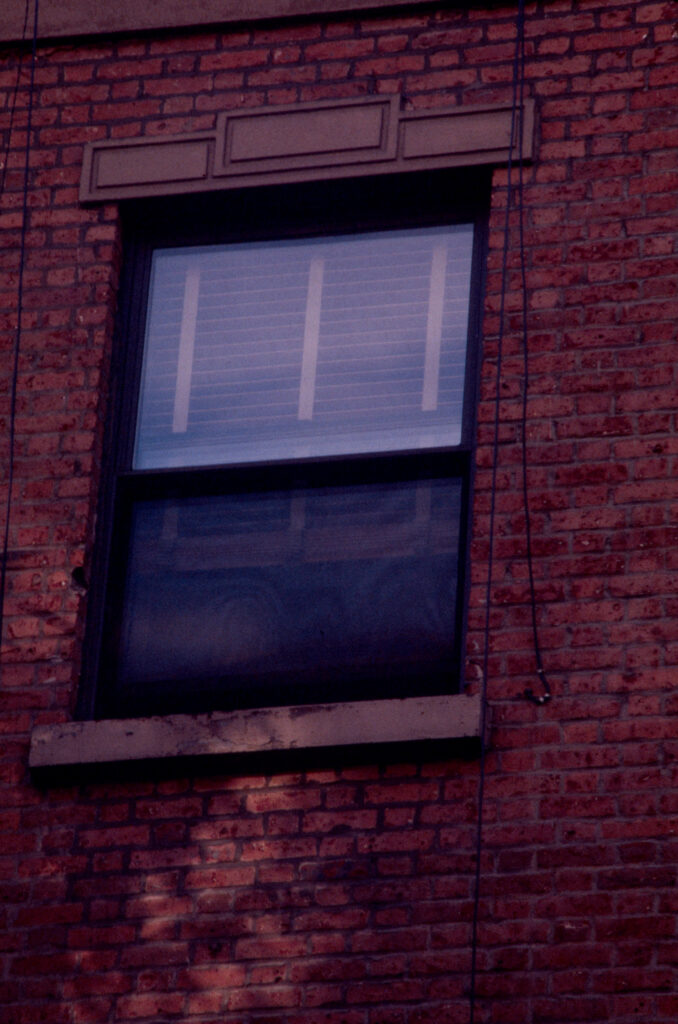
Another iteration of an incised brownstone lintel, this time at 134 Sullivan Street, has a taller central panel. The building was also designated as part of the Sullivan-Thompson Historic District.
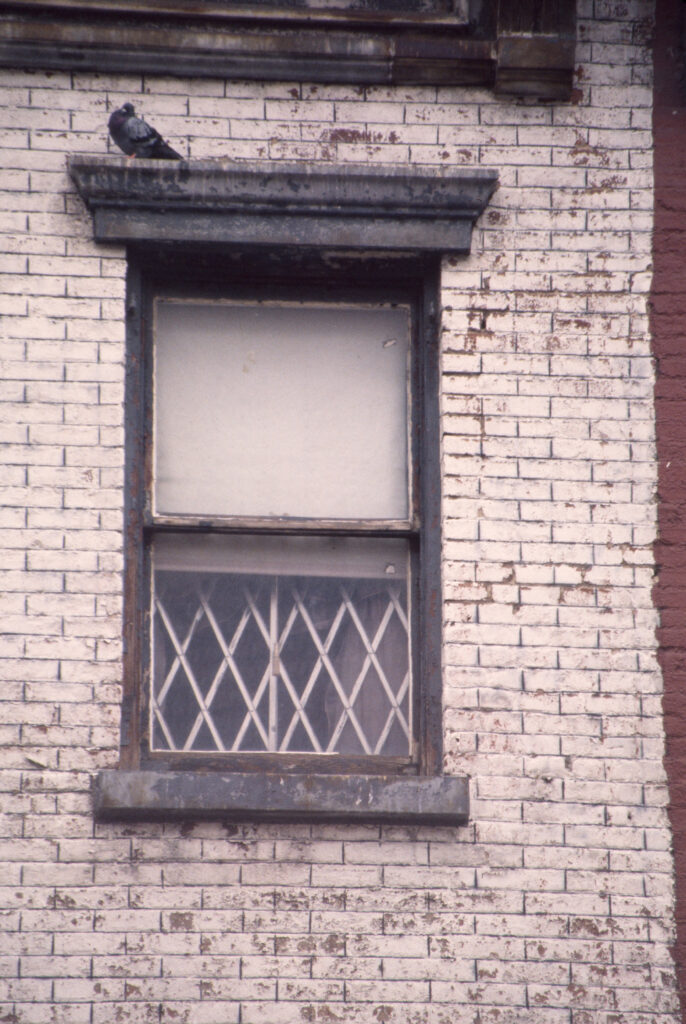
The above photograph of 517 Grand Street displays a common molded or projecting stone lintel, a type found throughout many of New York City’s row houses, especially in the later Federal and Greek Revival styles of the early to mid-1800s.
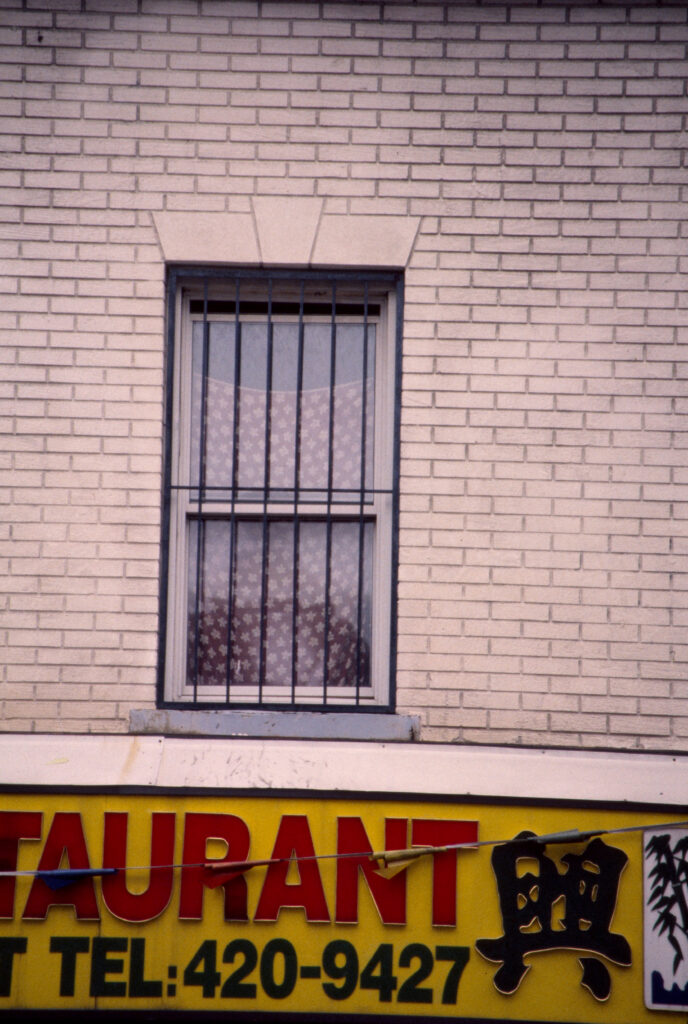
Just a few buildings over at 511 Grand Street, another splayed lintel features the simplest keystone yet. This lintel is somewhat unusual as it has no projection, and is instead perfectly co-planar with the brick facade.
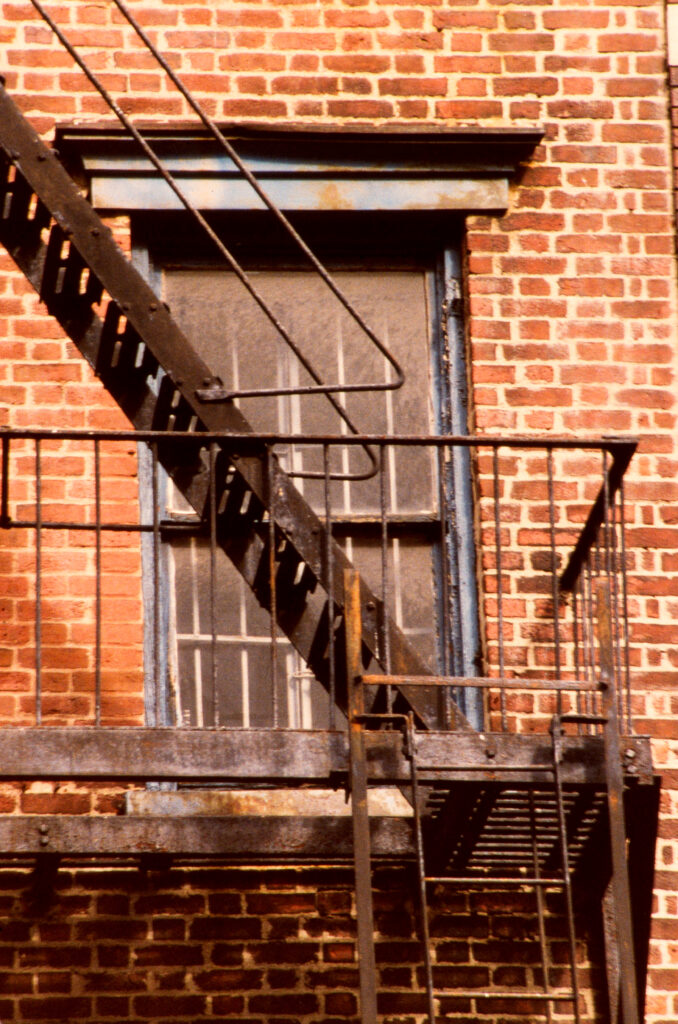
At 651 Washington Street, what appears at first glance to be a typical projecting lintel is actually not original — look closely and you can see rust on its face, an indicator that the historic stone lintel was either entirely replaced or capped with metal at a later date.
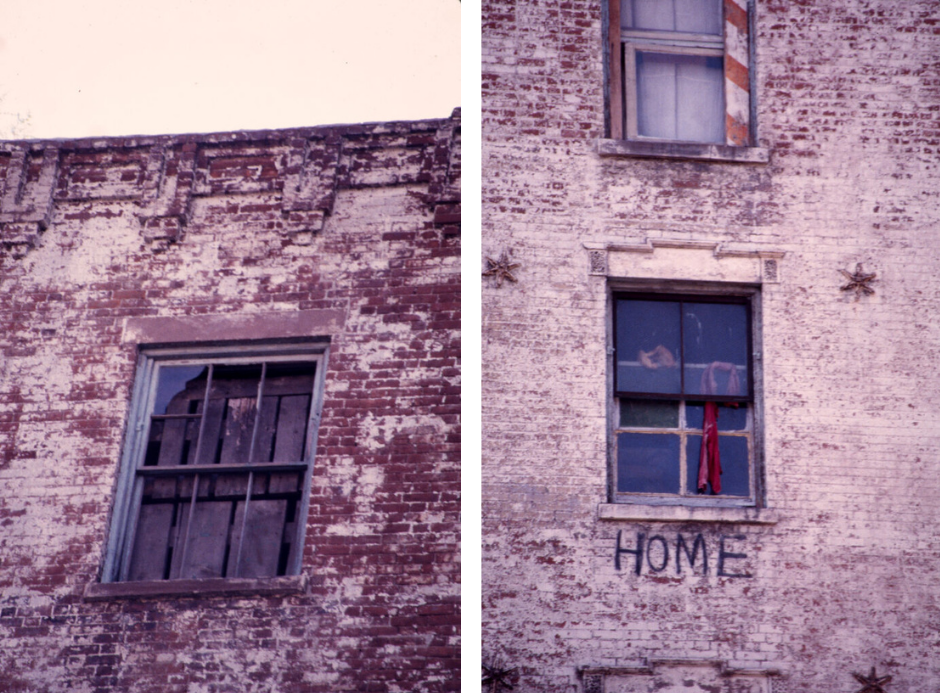
Some of the lintels at 143 Avenue D, one of the oldest surviving buildings in the East Village, are among the most straightforward in our collection: flat, rectangular stone elements that are in-plane with the brick facade. In another area of the building, more decorative lintels were utilized, adding depth and variety to the facade and complementing the star-shaped steel brick anchors. Originally constructed ca. 1827 for the Dry Dock Company and tied to the far East Village/Alphabet City’s waterfront history, this building looks like it could fit right in among the maritime structures of the South Street Seaport.
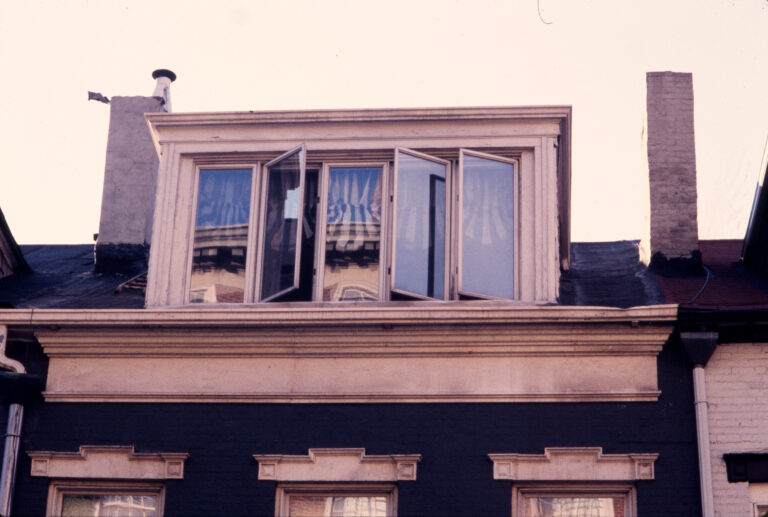
Yet further west, away from the waterfront and in the heart of Greenwich Village, 129 MacDougal Street has lintels that are almost identical in design to those of 143 Avenue D, on a very different type of building. Note how the cornice and dormer surrounds echo the fine lines of the lintels, bringing harmony to this facade.
Built in 1828-29, No. 129 MacDougal Street is another of the 13 Federal style houses in Lower Manhattan that Village Preservation and the NY Landmarks Conservancy proposed for landmark designation in 2002. It was individually designated in 2004 and also designated as part as of the South Village Historic District, which Village Preservation advocated for, in 2013. Through Village Preservation’s efforts, it was also listed on the State and National Registers of Historic Places in 2013.
Click here to view dozens more lintels and many other images in our Historic Image Archive!