
Under the Noose: The Seventh Victim, Greenwich Village, and the Rise of Kim Hunter
When audiences first saw The Seventh Victim following its release on August 21, 1943, they were introduced not only to a chilling mystery centered on a vaguely homoerotic satanic cult in Greenwich Village, in a story that served as a prequel to the successful thriller Cat People, which was released the year before. They also witnessed the screen debut of actress Kim Hunter (November 12, 1922-September 11, 2002), who would go on to become one of the most acclaimed performers of her generation, and a longtime resident of Greenwich Village until her passing in 2002.
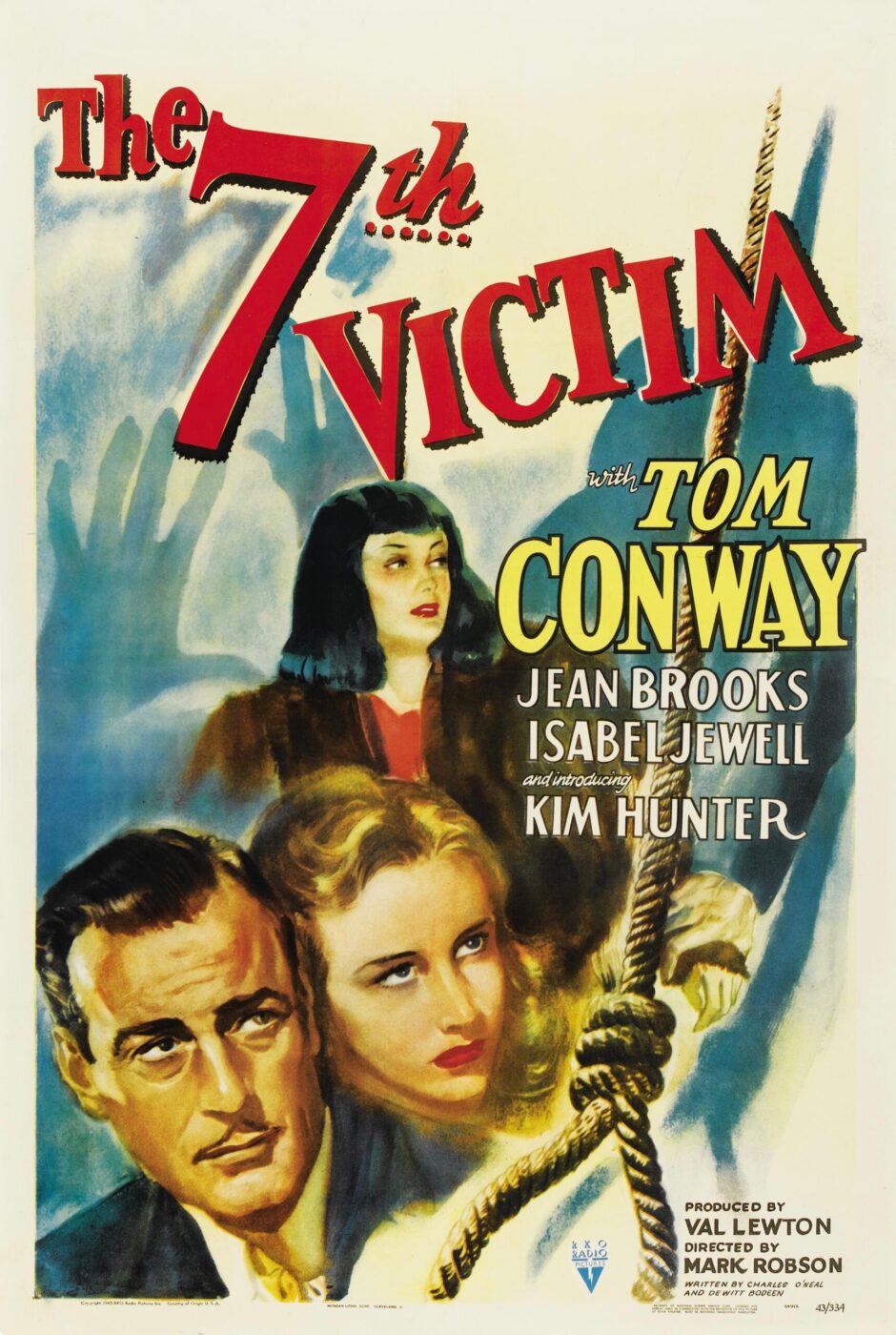
The Seventh Victim marked the start of Hunter’s long and varied career—she later won an Academy Award for her portrayal of Stella in A Streetcar Named Desire, and became beloved for her role as Zira in the Planet of the Apes series.
Greenwich Village on Screen
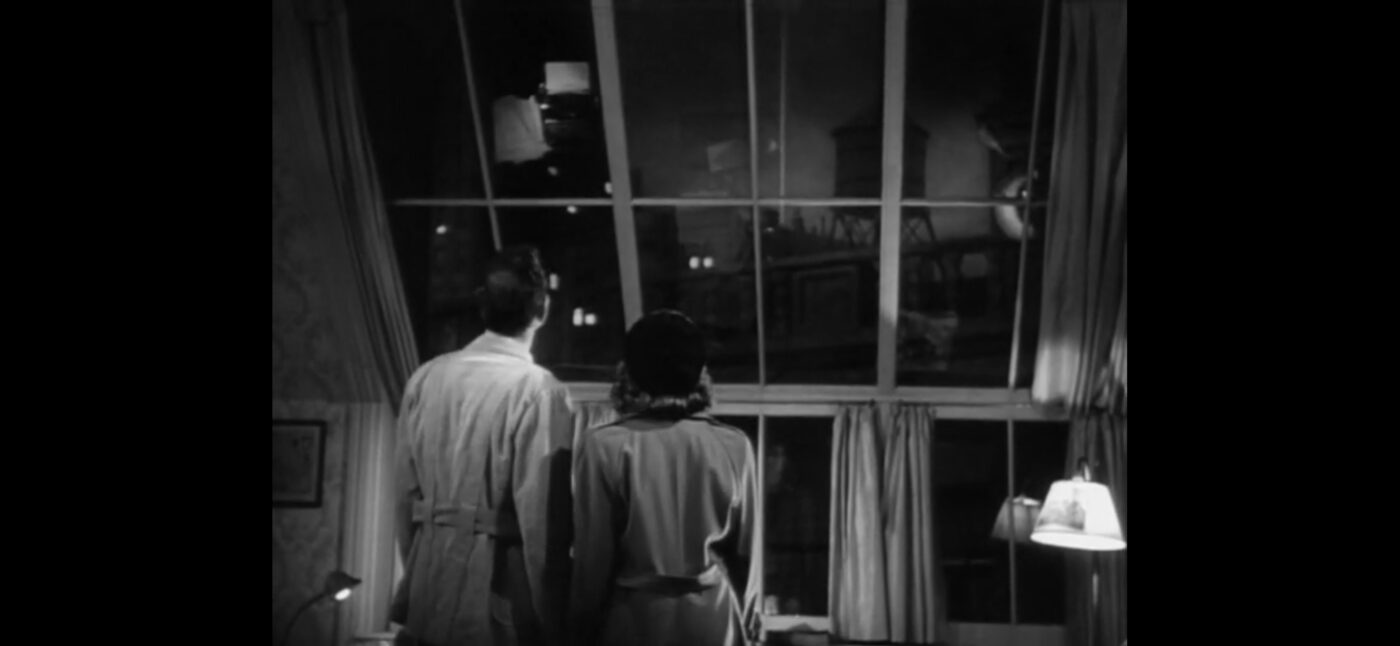
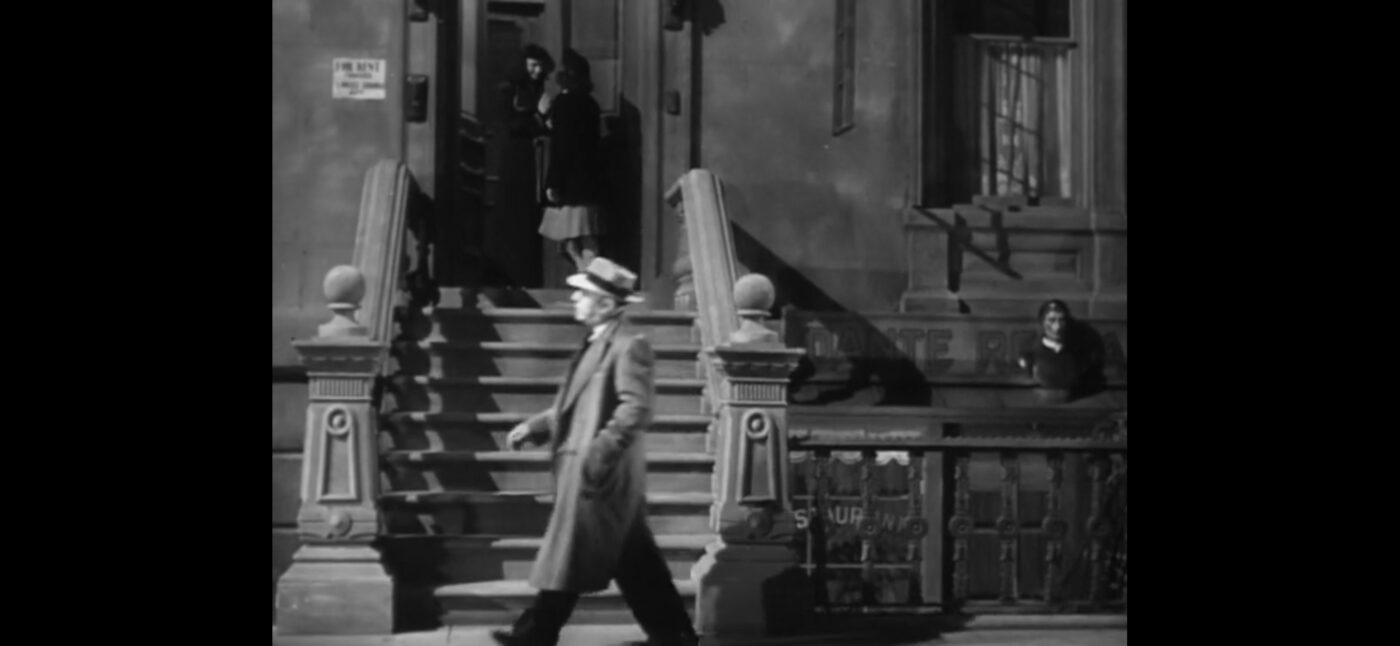
Though shot on soundstages in Hollywood, The Seventh Victim takes place largely in Greenwich Village, which had been famous for its artists, writers, and unconventional characters for decades before the 1943 release of the fim. The filmmakers leaned into this reputation, portraying the Village as a place of both creativity and darkness, transgression and unconventional communities. The sets they created suggest winding streets, shadowy apartments, small cafes, and basement rooms—spaces that mirrored the neighborhood’s real-life mix of charm and mystery.
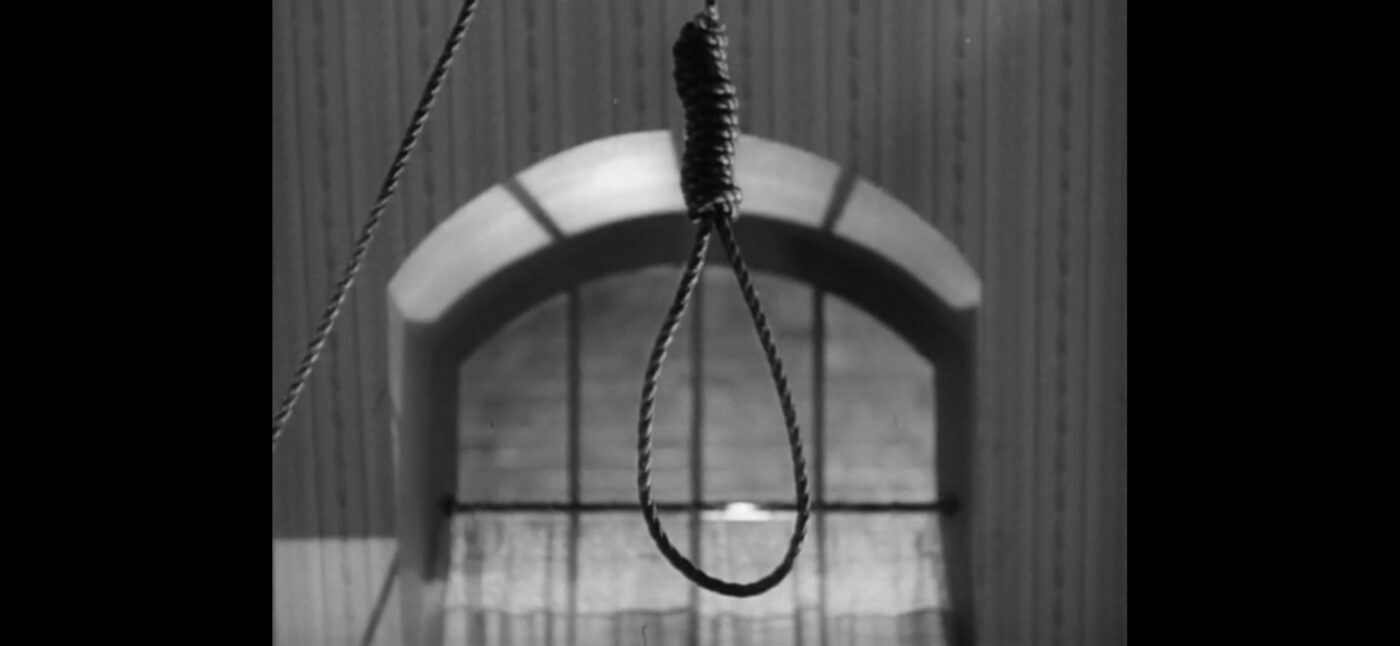
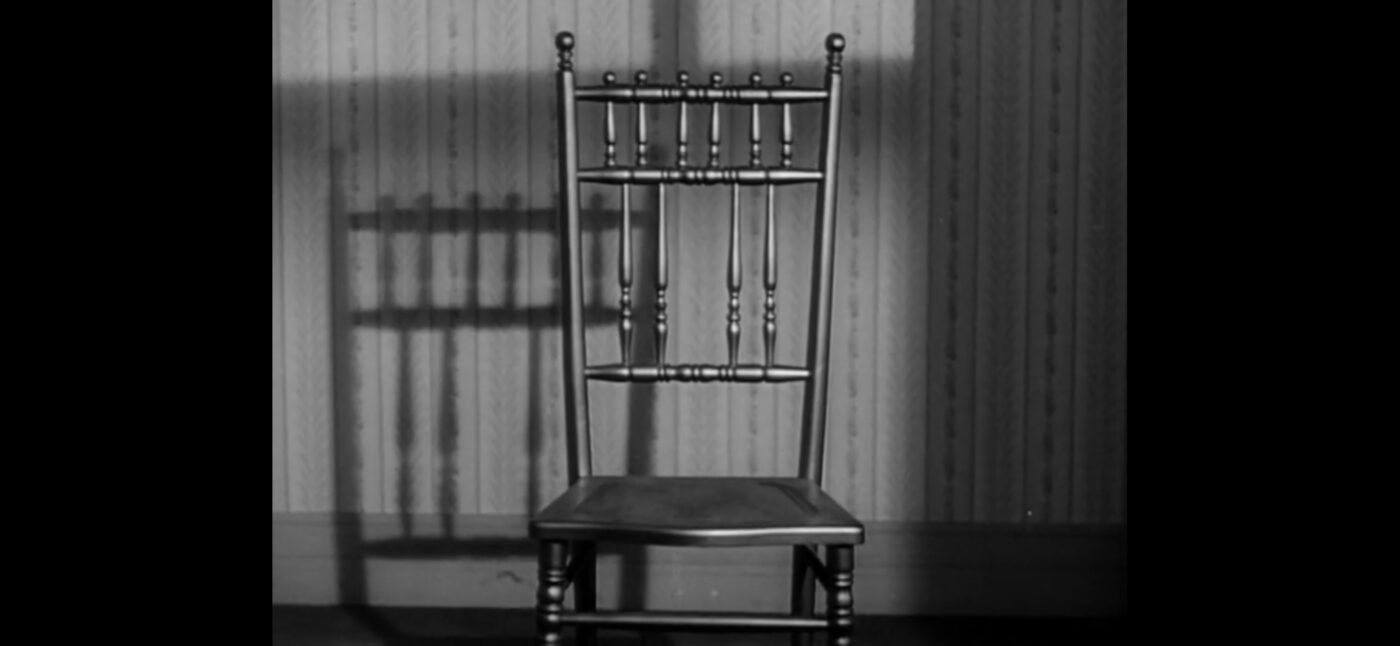
One of the film’s most memorable images is a nearly bare room with a single chair and a hangman’s noose, a chilling symbol of despair that evokes the Village’s bohemian boarding houses and garrets. Other scenes hint at cozy cafés and intellectual gathering spots, echoing the real-life haunts of poets, radicals, and dreamers who filled the Village’s coffee shops during that era. While the locations may not have been shot in New York, they capture the essence of the neighborhood’s reputation at the time — a place where life and art, light and shadow, mingled freely.
A Career Begins in the Village
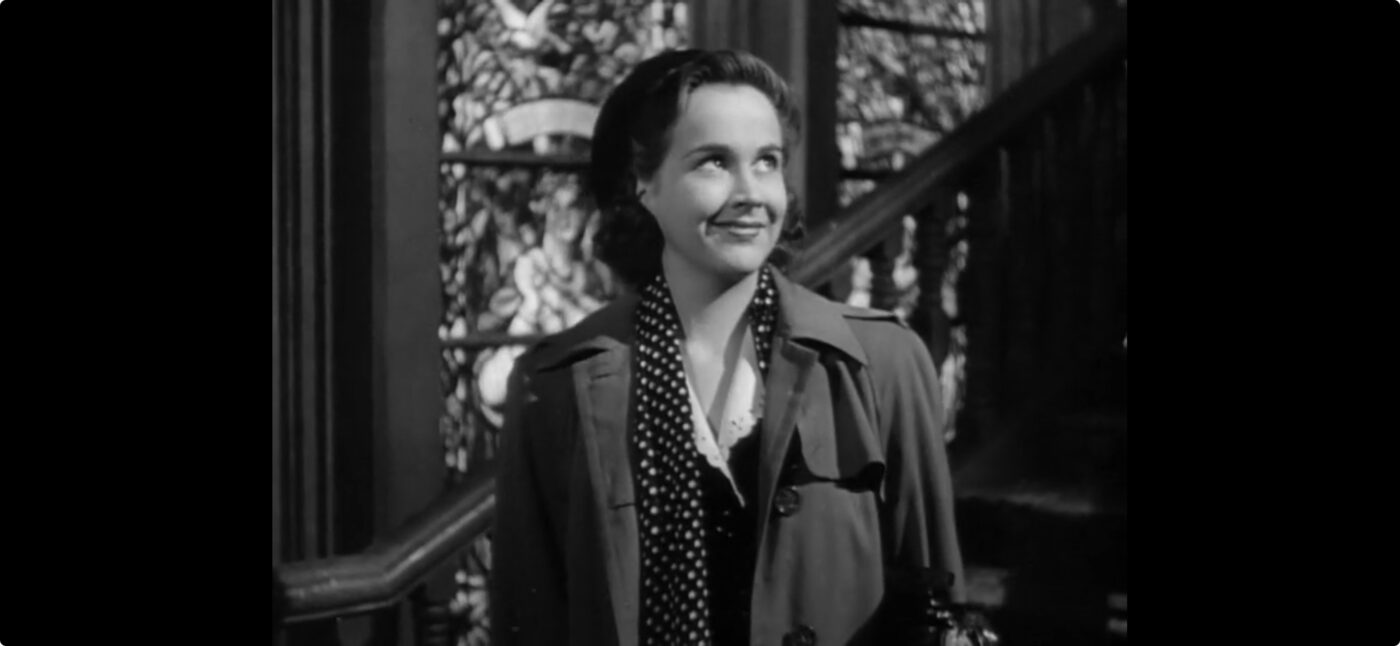
At the center of it all is Kim Hunter, playing Mary Gibson, a young woman who comes to the Village in search of her missing sister and instead discovers a hidden world of secrets. Hunter’s performance brought an unusual combination of innocence and determination, setting her apart from the typical ingénues of the period.
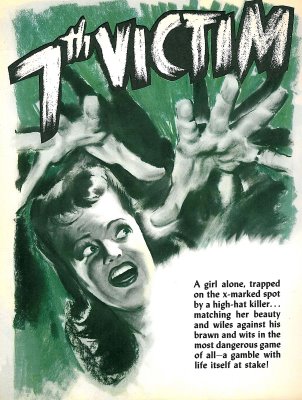
That this cinematic journey begins in Greenwich Village feels fitting, given Hunter’s later ties to the neighborhood. After years of stage and screen triumphs, including that Academy Award for her role as Stella in A Streetcar Named Desire by Tennessee Williams, she settled in the Village, becoming one of its many famous residents.
In 1951, when Hunter won her Academy Award for playing Stella, she lived at 28 Grove Street. Legend has it that motorists and pedestrians began to walk and drive by screaming “STELLA, STELLA” up at her second-story windows. (Those famous lines were shouted by Marlon Brando, a former Village resident who played the role of Stanley Kowalski in the film/play). Pregnant with her second child at the time, she soon realized she needed to move!

Hunter remarked to her husband, “Robert, we need to move, and I have three stipulations. It has to be a bigger apartment, it has to be in the West Village, and it has to be in the back.” They found a “floor-through” apartment in the fall of 1954, not long after the Academy Award win, at 38-42 Commerce Street, above the Cherry Lane Theatre, and Hunter, Emmett, and their family lived there for about 50 years. Hunter went on to serve as a member of the Bedford Barrow Commerce Block Association for many years. In a full circle moment, the place that had served as the atmospheric backdrop to her first film would ultimately become her real-life home, where she would become a pillar of and active participant in the community.
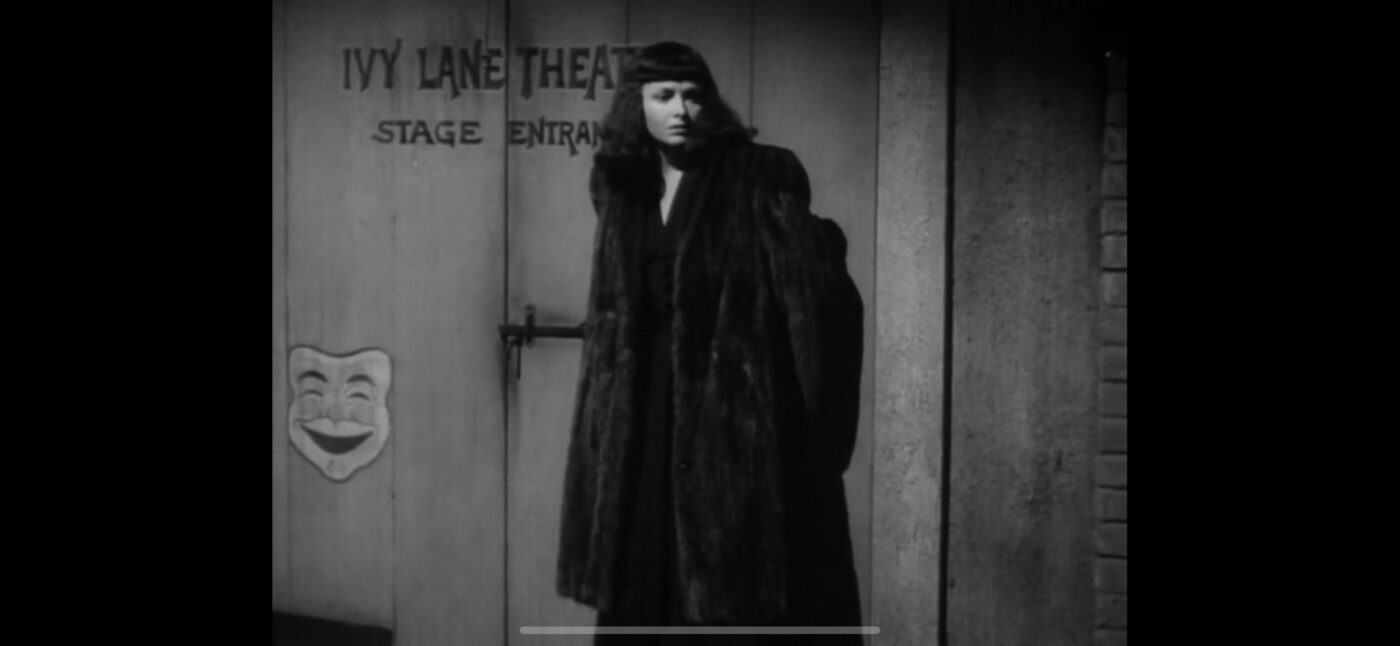
In an unfortunate twist of fate, Kim Hunter’s screen and television careers were put on pause when her name appeared in “Red Channels,” the Communist scare pamphlet. Soon she was blacklisted by the House Un-American Activities Committee (HUAC), like so many other residents of our neighborhoods. The actress never belonged to the Communist Party, and, according to the New York Times, she blamed her troubles on having sponsored a peace symposium in 1949. Her career thrived on Broadway and stages all over the world, however, and she continued working throughout her life.
A Village Legacy
The Seventh Victim endures as one of producer Val Lewton’s most haunting productions, remembered for its eerie atmosphere, psychological tension, and striking imagery. But for Villagers, it holds special significance. It is not only a film that spotlighted the Village’s reputation as a moody, mysterious enclave, but also the debut of an actress who would one day become a true Villager.
In this way, the movie bridges myth and reality—the imagined Greenwich Village of Hollywood soundstages and the real Village that nurtured and sheltered Kim Hunter throughout her life.