
Art Deco in the East Village
The East Village’s Art Deco structures may not immediately catch the eye, but at a closer look, they exemplify the many unique and handsome features from within the Art Deco tradition.
As a part of Village Preservation’s recently published Art Deco Storymap, we dive into the history and architectural details of the East Village’s Art Deco buildings. Today, we will take a look at these structures, their history, and their significance within the Art Deco legacy.
176 East 3rd Street (1931)
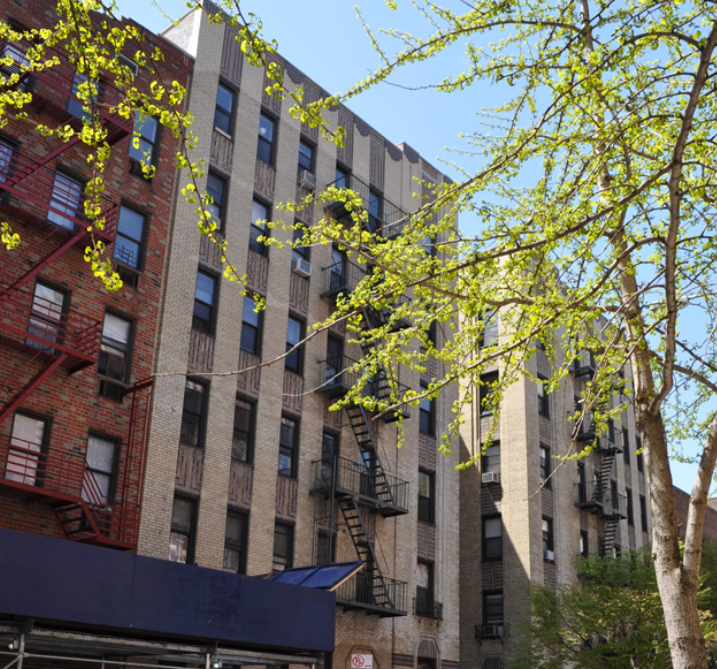
Architect: Horace Ginsberg
This striking apartment house stands out in the East Village for its size and design. Architect Horace Ginsberg, known for his work on the Grand Concourse and Ocean Parkway, brought a sense of scale and formality rarely seen in this part of Manhattan. The building occupies four full lots, giving it a broad and commanding presence.
Key Art Deco features include cream and brown brick bands, strong vertical window groupings with patterned spandrels in orange and brown, and geometric arches over the ground floor openings. A recessed entryway completes the modernist composition, offering a stately welcome on this otherwise quiet stretch of East 3rd Street.
Ageloff Towers, 172 East 4th Street (1928)
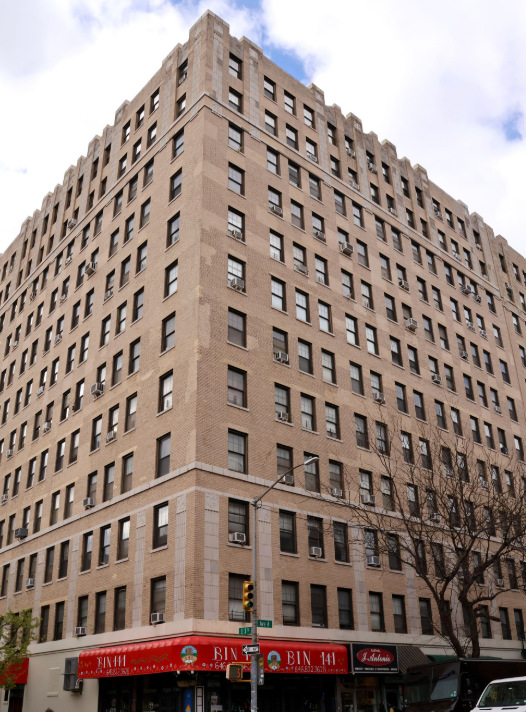
Architect: Shampan & Shampan
Ageloff Towers was part of a short-lived wave of upscale development in the late 1920s, when some developers imagined the East Village as a fashionable residential district. The 12-story complex takes up an entire blockfront along Avenue A, with Deco details primarily found around its entrances and roofline.
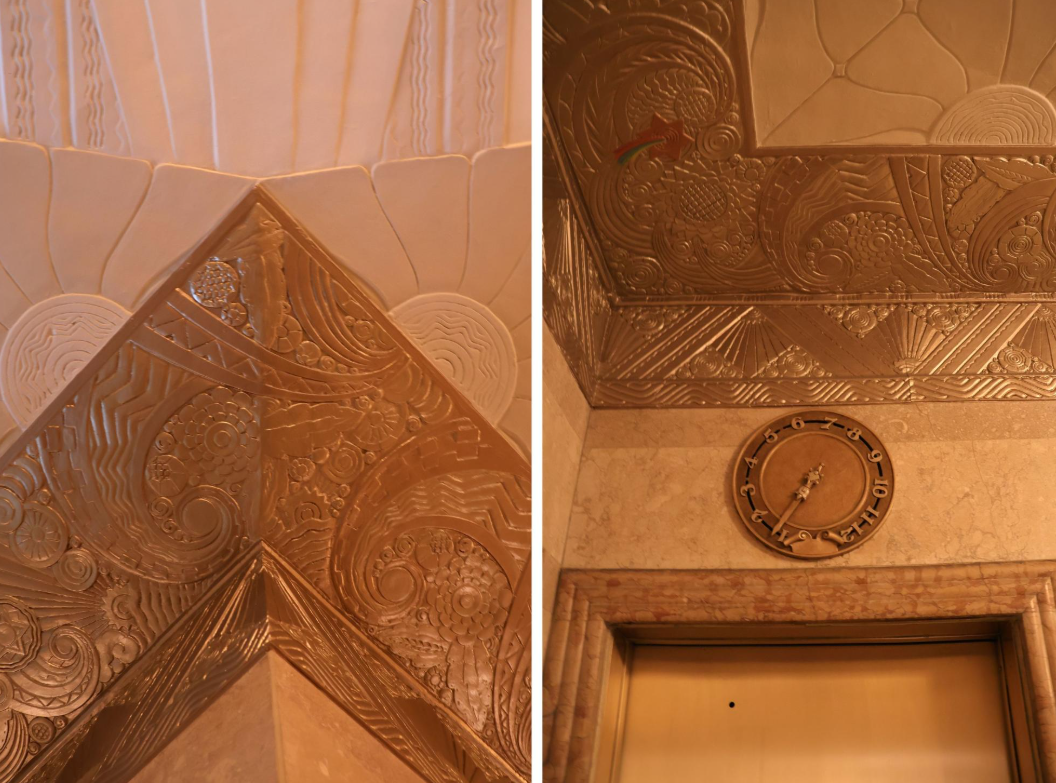
Look for the gold-painted bas-reliefs and sans serif building lettering that mark the entryways, along with the flattened ornamentation above and below. Inside, marble-clad lobbies retain much of their original character, offering a glimpse into the Deco ambition behind this bold project.
The Birns Building, 107–113 Second Avenue (1928)
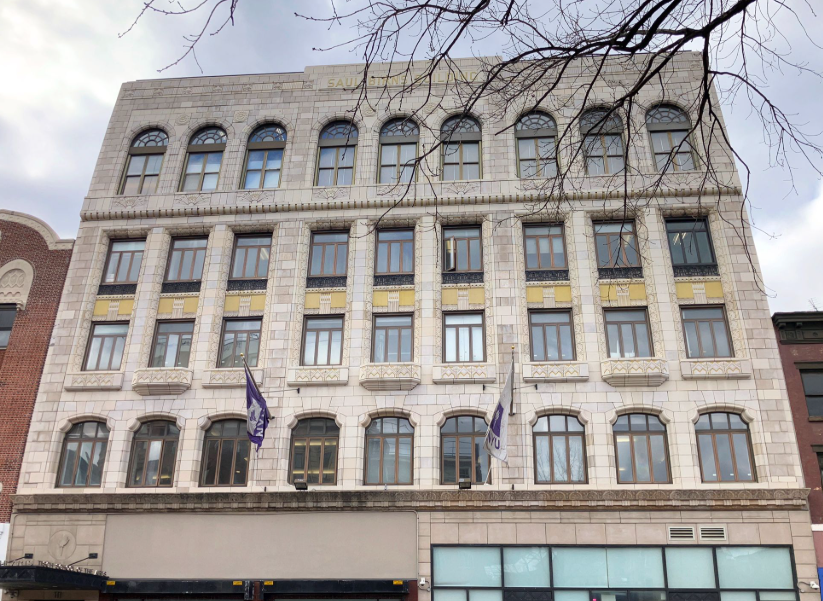
Architect: Ralph H. Segal
Located in what was once the heart of the “Yiddish Rialto,” this five-story office and bank building is one of the most visually arresting on the avenue. Its white terra cotta facade is detailed with yellow spandrels beneath the fourth-floor windows and decorated ironwork that adds an elegant flourish.
Geometric arches, projecting balconettes, and a faint neo-Byzantine influence give the building a unique character. It stands as a reminder of the neighborhood’s once-bustling commercial and cultural corridor, and of the expressive possibilities of Deco-era design.
Cooper Station Post Office, 93 Fourth Avenue (1936)
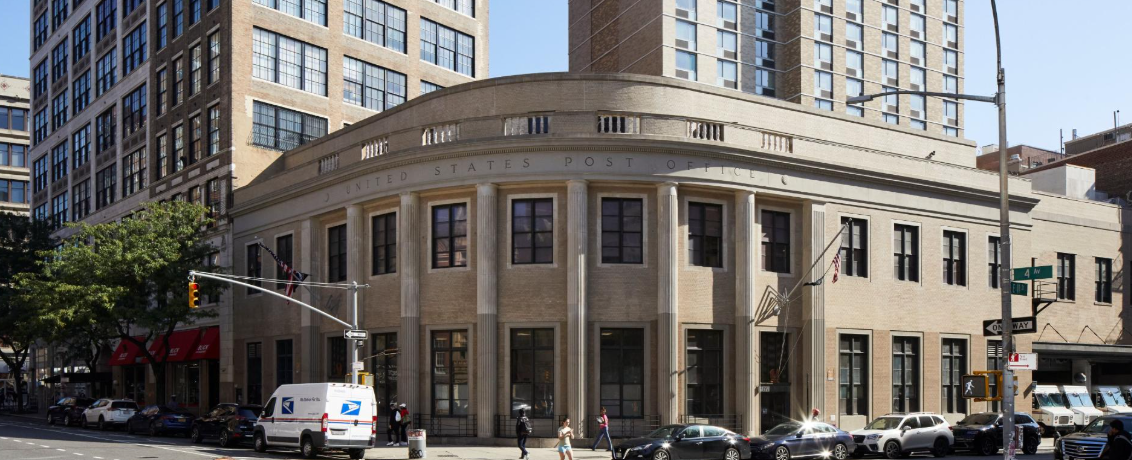
Architect: William Dewey Foster
Built during the Great Depression as part of the Works Progress Administration, the Cooper Station Post Office blends Art Deco with Classical Revival elements. Sometimes referred to as “W.P.A. Moderne,” its design was meant to project dignity, efficiency, and American civic pride.
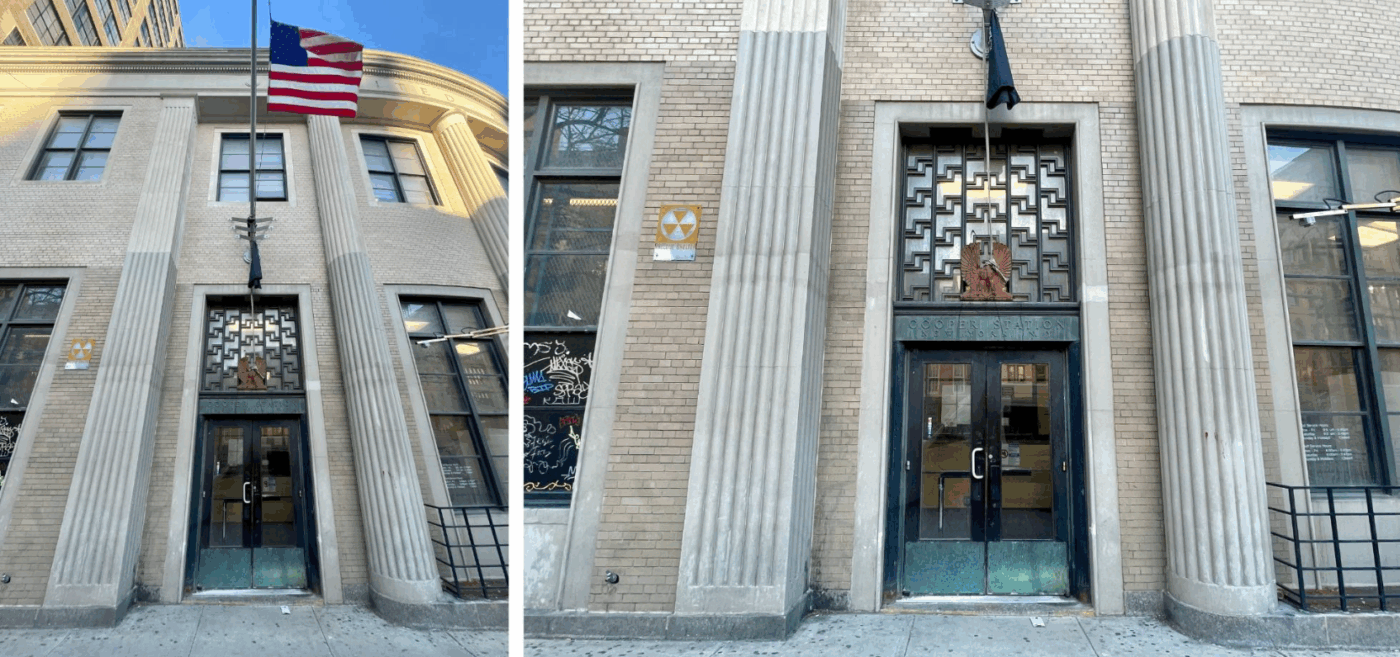
The curved corner, fluted neo-Classical columns, Roman-style lettering, and freestanding eagle sculpture all reflect this hybrid style. Inside, a curving marble interior space offers a sleek, if now weathered, reminder of Deco’s softer side. This building is included in Village Preservation’s proposed South of Union Square Historic District.
New York Telephone Building, 204 Second Avenue (1929–30)
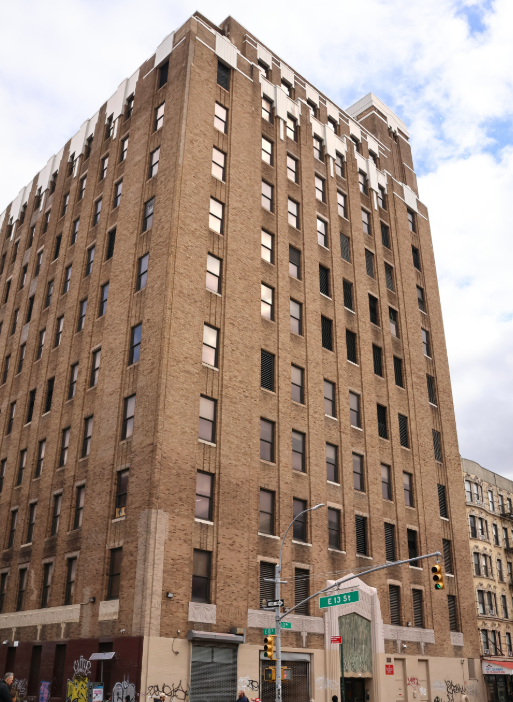
Architect: Voorhees, Gmelin & Walker
Designed by Ralph Walker—one of the great architects of the Art Deco period—this former telephone switching facility showcases his mastery of form and proportion. Walker was known for embracing the 1916 zoning laws that led to setbacks and stepped silhouettes, as seen in his better-known towers at Barclay-Vesey and One Wall Street.
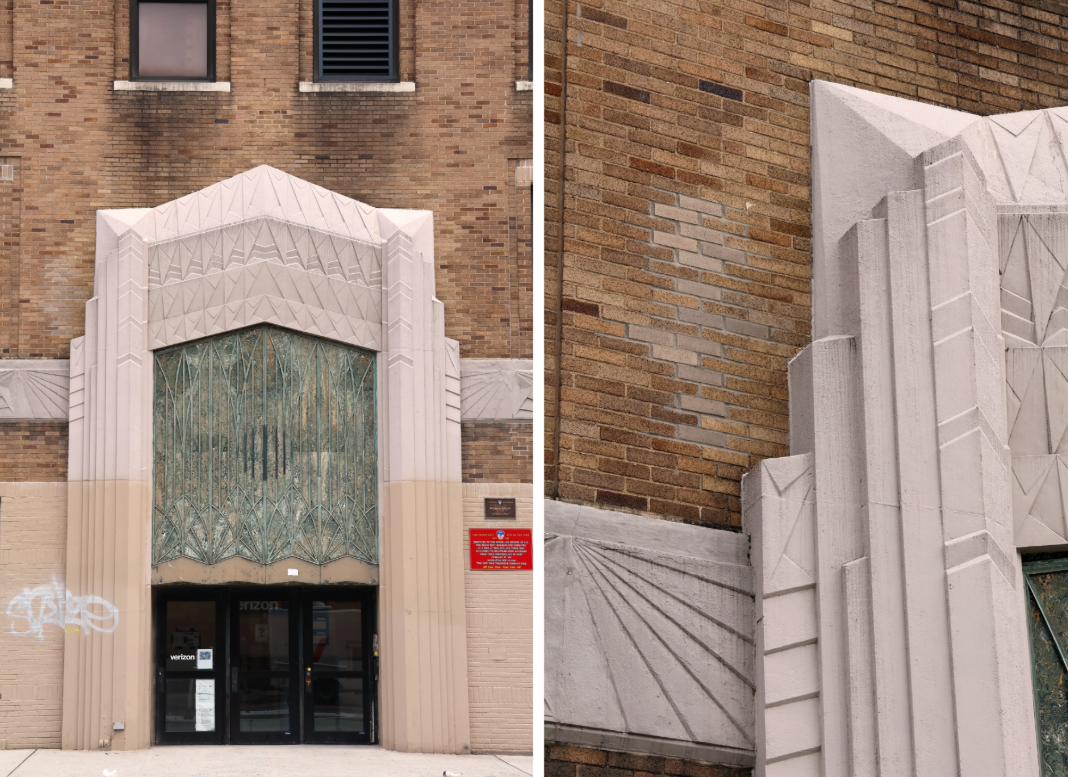
Here, the tan brick facade is marked by strong vertical lines and subtly fluted piers. Brick spandrels provide texture, while the building culminates in light-colored stone caps at the roofline. The Second Avenue entrance, with its stepped geometry and Mayan-inspired details, is a standout example of Deco craftsmanship.
Wheatsworth Bakery Building, 444 East 10th Street (1927–28)
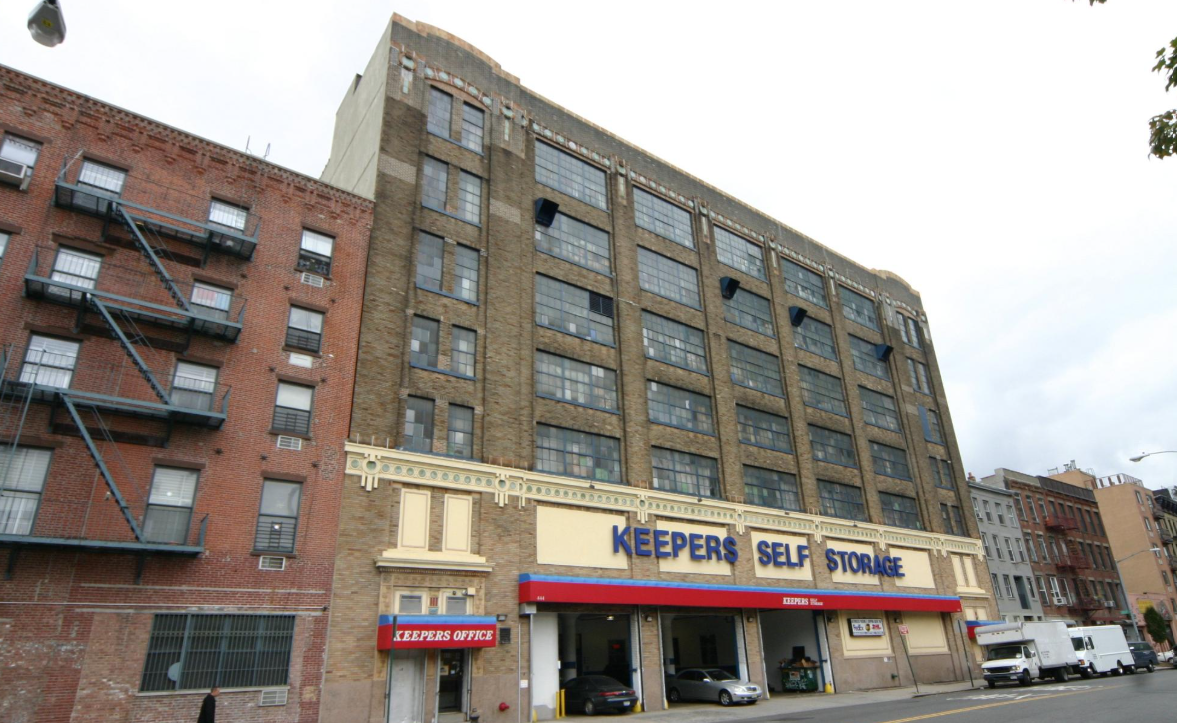
Architect: J. Edwin Hopkins
This individually landmarked building was originally constructed as a commercial bakery and remains one of the finest examples of industrial Art Deco in the neighborhood. Its facade features wide, rectangular window openings and recessed sash, providing generous daylight to the interior spaces.
Linear terra cotta friezes above the second and seventh floors display restrained geometric designs typical of the style. Vertical piers and abstract sculptural forms create a visual rhythm, while touches of Secessionist architecture—popular in New York at the time—add to the building’s unique charm.
From apartment towers to post offices and bakeries, the East Village’s Art Deco buildings tell a quieter but no less compelling story about the neighborhood’s architectural evolution.
To learn more about the Art Deco history of our neighborhoods, take a look at our incredible Art Deco Map.
To explore all of our maps, click here.