
The New York Eye and Ear Infirmary
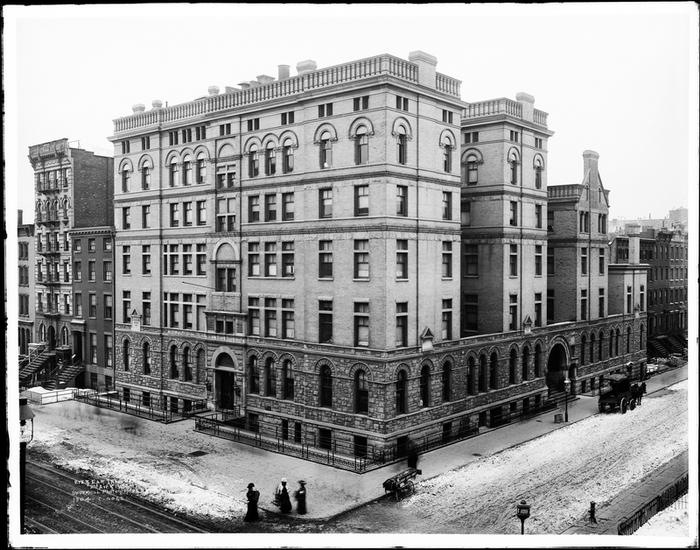
The New York Eye and Ear Infirmary of Mount Sinai is more than a hospital on East 13th Street and Second Avenue. It is a living monument to innovation, inclusion, and resilience. Founded in 1820 by Drs. Edward Delafield and John Kearny Rodgers, the Infirmary became the first specialty hospital in the Western Hemisphere, setting the standard for eye and ear care across the nation.
The striking building we see today was largely built in the 1890s, with its final stage completed in 1903. At the ribbon-cutting, none other than Helen Keller spoke, cementing its reputation as a place deeply tied to disability rights and advocacy.
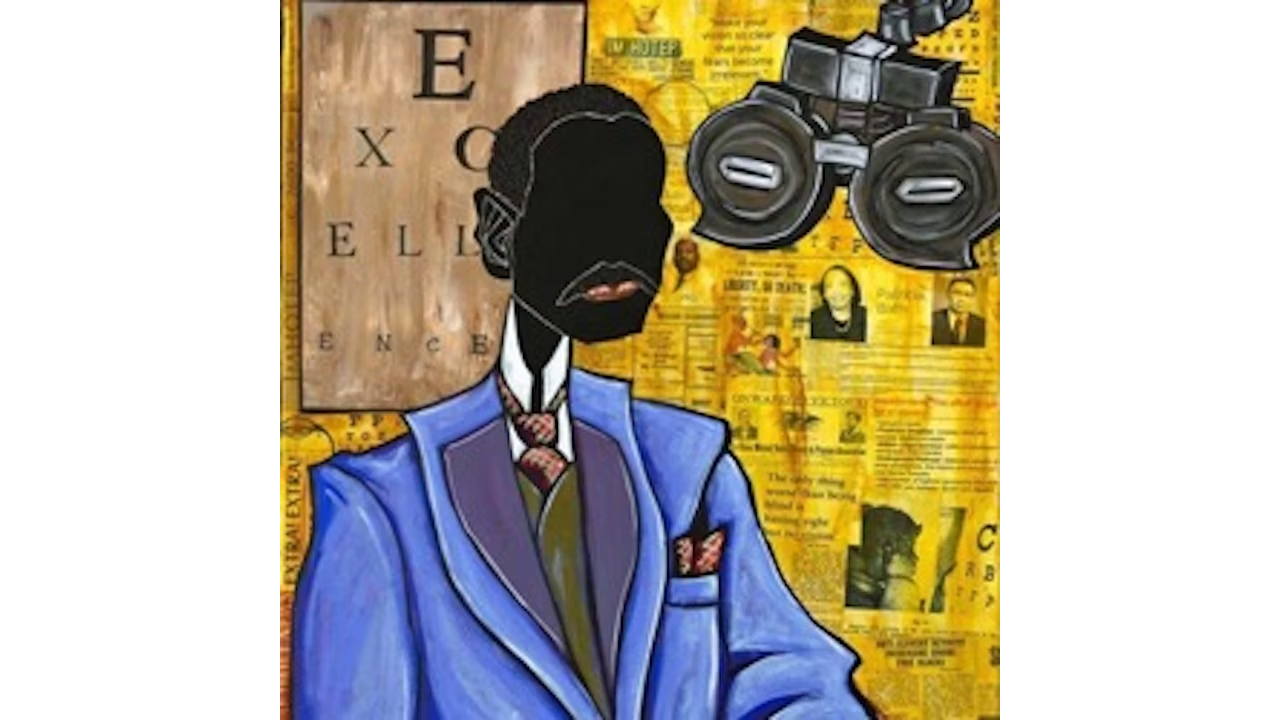
One of the most powerful stories tied to the Infirmary belongs to Dr. David Kearny McDonogh, who lived from 1821 to 1893. Born enslaved in New Orleans, he became the first Black ophthalmologist in America. Against all odds, McDonogh studied at Lafayette College, becoming one of the first enslaved people in the United States to earn a college degree. He trained in medicine at Columbia’s College of Physicians and Surgeons. Despite facing racism and exclusion, he practiced at the New York Eye and Ear Infirmary for decades, specializing in both ophthalmology and otolaryngology. He honored his mentor, co-founder Dr. Rodgers, by taking on his middle name after Rodgers’ death. In 2020, a portrait of McDonogh was unveiled at the hospital to celebrate his legacy, reminding us that this place is part of America’s broader civil rights history.
The Infirmary’s contributions go far beyond McDonogh. For over 200 years, it has been a hub of accessible and trailblazing care for the public, handling more than 30,000 surgeries and over 200,000 outpatient visits every year. It has trained generations of doctors, advanced research in areas such as glaucoma and surgical techniques, and provided a safety net for people with vision and hearing loss.
Today, that legacy is at a crossroads. With the closure of Beth Israel Hospital, the Infirmary faces an uncertain future. If it is not granted landmark protection, we risk losing not just a building, but an irreplaceable chapter of our shared past. Preserving the Infirmary means preserving the stories of resilience and progress that are too often overlooked in our city’s history.
You can help ensure that this vital piece of New York’s heritage is not erased. Learn more about the campaign to save the New York Eye and Ear Infirmary and add your voice here: