
On the Frontlines of Invasion: The Village in Occupied New York
On July 4, 1776, the Continental Congress declared independence from Great Britain, and in New York City the news quickly electrified both Patriots and Loyalists. Only five days later, on July 9, General George Washington had the Declaration read aloud to his troops assembled at the Commons (today’s City Hall Park). The mood turned fiery: a jubilant crowd marched down Broadway to Bowling Green, where they pulled down the gilded lead statue of King George III that had stood since 1770. Chunks of the statue were reportedly melted down, and cast into musket balls — more than 40,000 of them — soon to be fired back at the British.
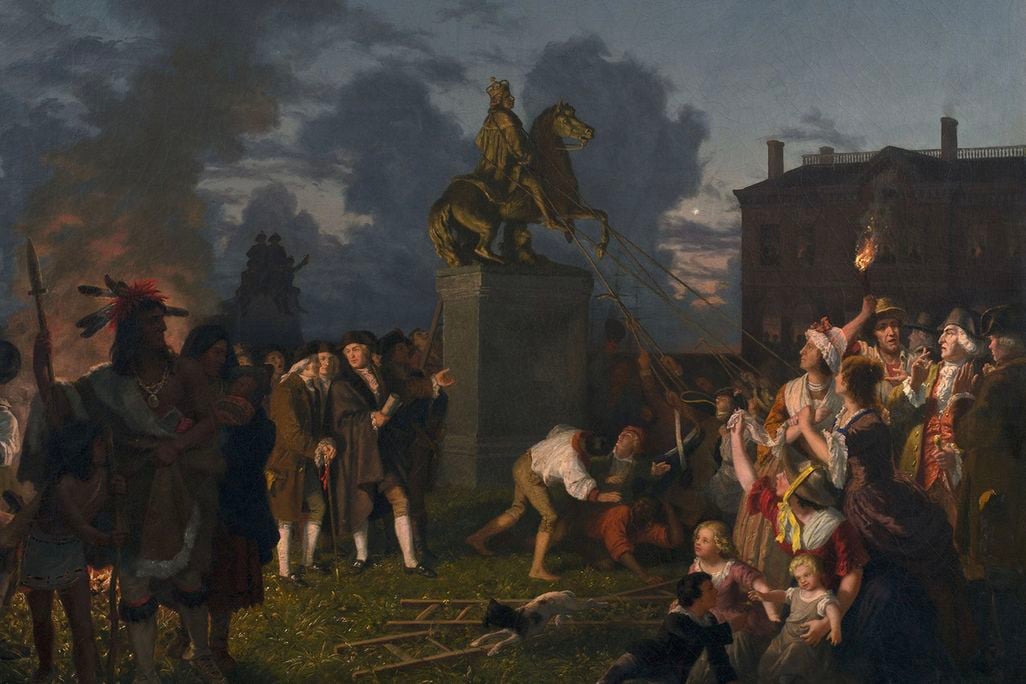
But celebrations were short-lived. The largest armada Britain had ever launched assembled in New York Harbor that summer. On August 27, Washington’s forces suffered a crushing defeat at the Battle of Brooklyn (Long Island), retreating under cover of night across the East River. The British had effectively outmaneuvered the Continental Army and set their sights on Manhattan.
On September 15, 1776, redcoats and Hessian auxiliaries stormed ashore at Kip’s Bay on Manhattan’s east side, overwhelming American militia and forcing Washington’s men into a desperate retreat northward. By evening, the Union Jack flew over much of Manhattan. The British had captured the colonies’ most important port, and New York would remain under their control for the next seven years. New York and the Village would not be officially American again until November 25, 1783.

Just five nights later, catastrophe struck again: the Great Fire of September 20, 1776. Flames tore through the city, destroying hundreds of buildings in the crowded lower wards. The cause was never fully determined — some suspected Patriot arson, others sheer accident — but the result was the same. Thousands were left homeless, Loyalists and Patriots alike, in a city already swarming with occupying troops.
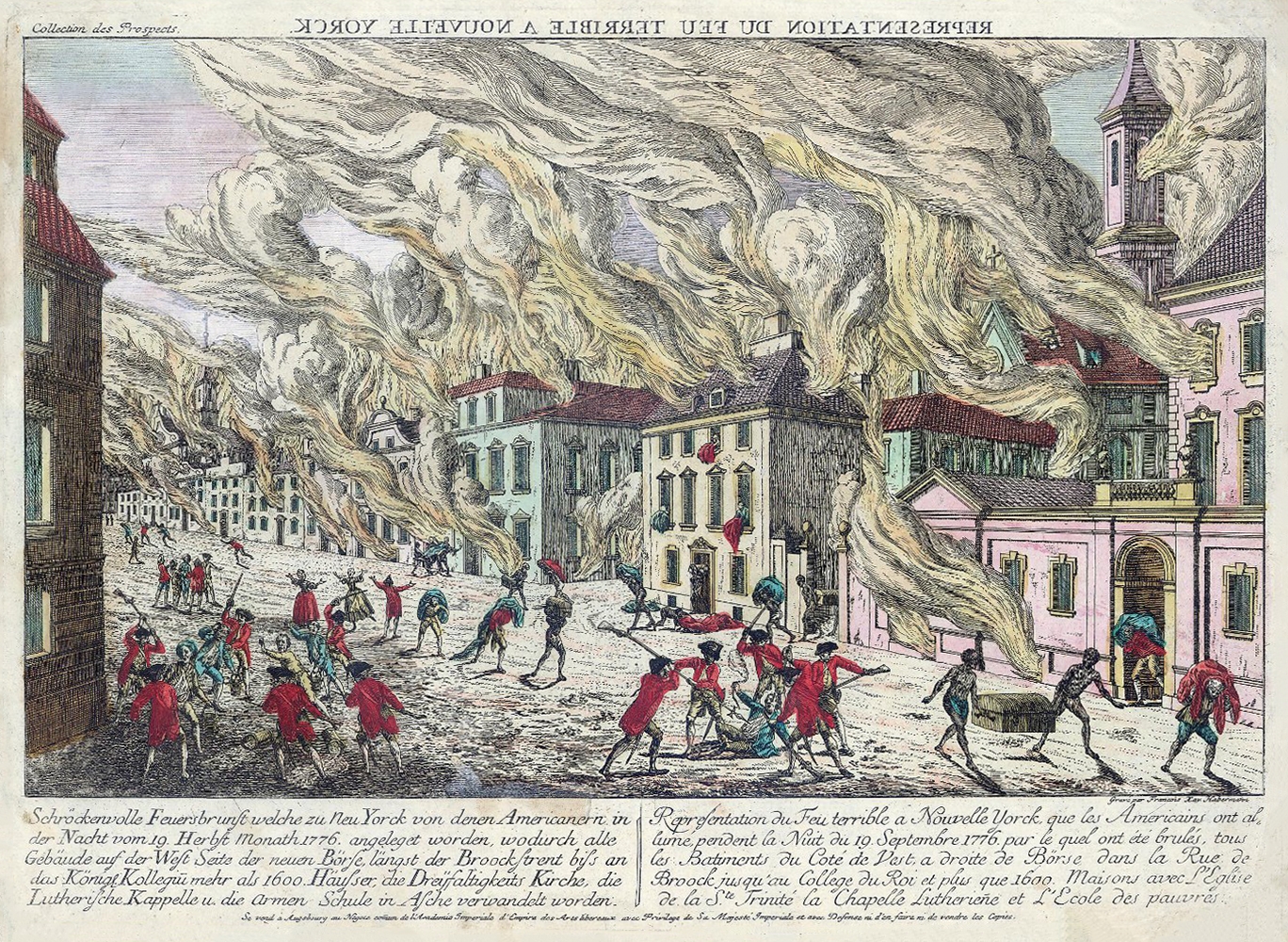
With much of lower Manhattan in ruins and the British tightening their grip, many New Yorkers sought refuge farther north in what was then the semi-rural outskirts. Greenwich Village, with its farms, open land, and scattered estates, became a haven. Families who lost their homes in the fire or feared the chaos of the occupied city moved into farmhouses or built temporary shelters. Some estates, like Richmond Hill near present-day Charlton Street, were used as military headquarters at different points by both Washington’s forces and the British.
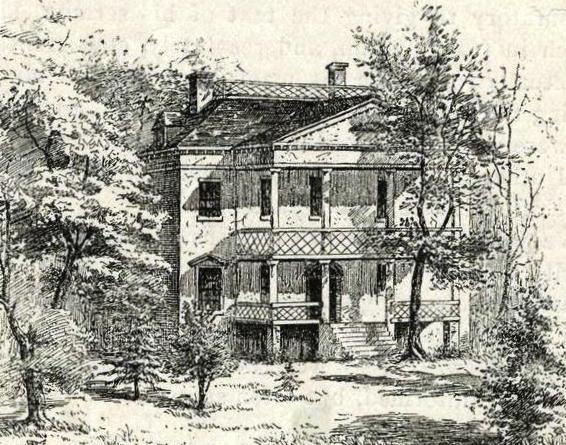
The more open landscape of the Village also proved healthier during outbreaks of disease that plagued the crowded city under occupation. What had been a quiet hamlet outside the city walls was transformed during those tumultuous months of 1776 into a place of refuge and survival. The war and occupation left scars, but it also began the slow process of drawing settlement northward.
As the American semiquincentennial approaches it is important to look back and consider the ways in which the British occupation of New York transformed the city and impacted the development of Greenwich Village. It would evolve over the following 250 years into the vibrant neighborhood we know today — but its Revolutionary War chapter reminds us that even in its earliest days, the Village stood at the crossroads of New York’s and our country’s most defining political, social, and cultural struggles.