
Two Centuries of Streetcars and Steam Trains
Explore Transit History in Greenwich Village, the East Village, and NoHo with Village Preservation’s Blog
While much about the present and future may preoccupy us, today we’re going to take a look back about 200 years. The story of modern rail transport is often traced to September 1825, when a small steam locomotive, known as Locomotion No. 1, hauled coal wagons, goods trucks, and at least one passenger coach along the Stockton & Darlington Railway, from Shildon toward Stockton in the United Kingdom.
Although earlier tramways and primitive rail systems existed, the Stockton & Darlington line is often celebrated for being the first public railway to convey both freight and passengers by steam on an open line. This first train journey on September 27, 1825 reportedly included six trucks of coal, six additional wagons, one passenger carriage, and twenty-one more wagons crowded with people.
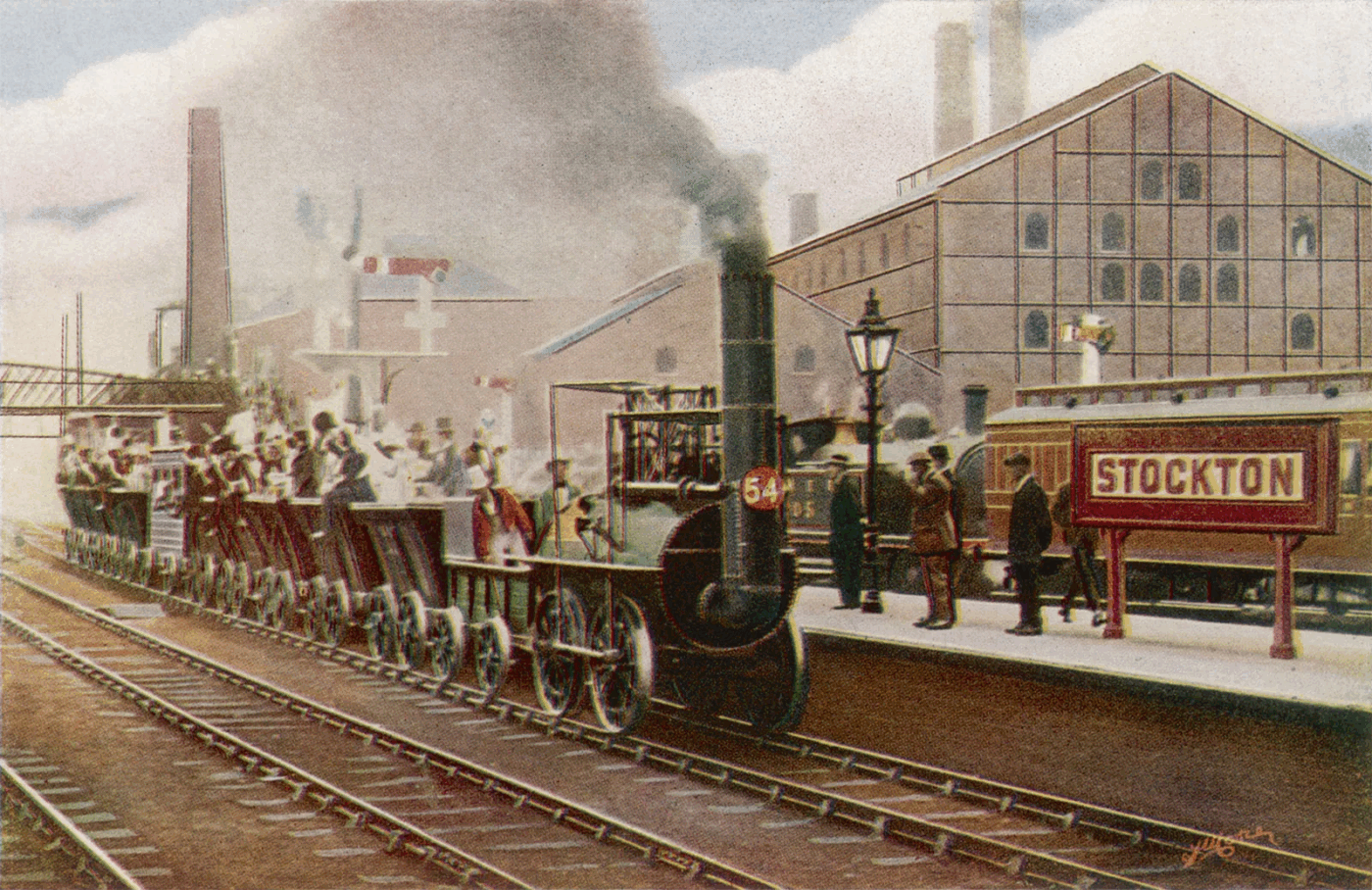
Crowds gathered to watch the journey. The event signaled the start of a new era: heavy freight and mass passenger movement by steam. Over time, railways proliferated across Britain and beyond, transforming economies, shortening travel times, enabling suburban growth, and reshaping urban landscapes.
This groundbreaking innovation in Britain would find echoes across the Atlantic, once American cities grew dense enough to demand mass transit solutions.
One of the best places to learn about how this transportation revolution began to shape and change our neighborhoods is to explore Village Preservation’s blog. Over the years we have covered many facets of this story and built a great collection of articles. Below you will find some of those resources organized into categories, so you can take your own trip from the era of horse-drawn omnibuses to elevated railroads and subways. Come along and celebrate 200 years of passenger rail transport with Village Preservation’s blog Off the Grid!
Horse-Drawn Transit
Before subways and elevated railroads, New Yorkers relied on horse-powered travel.
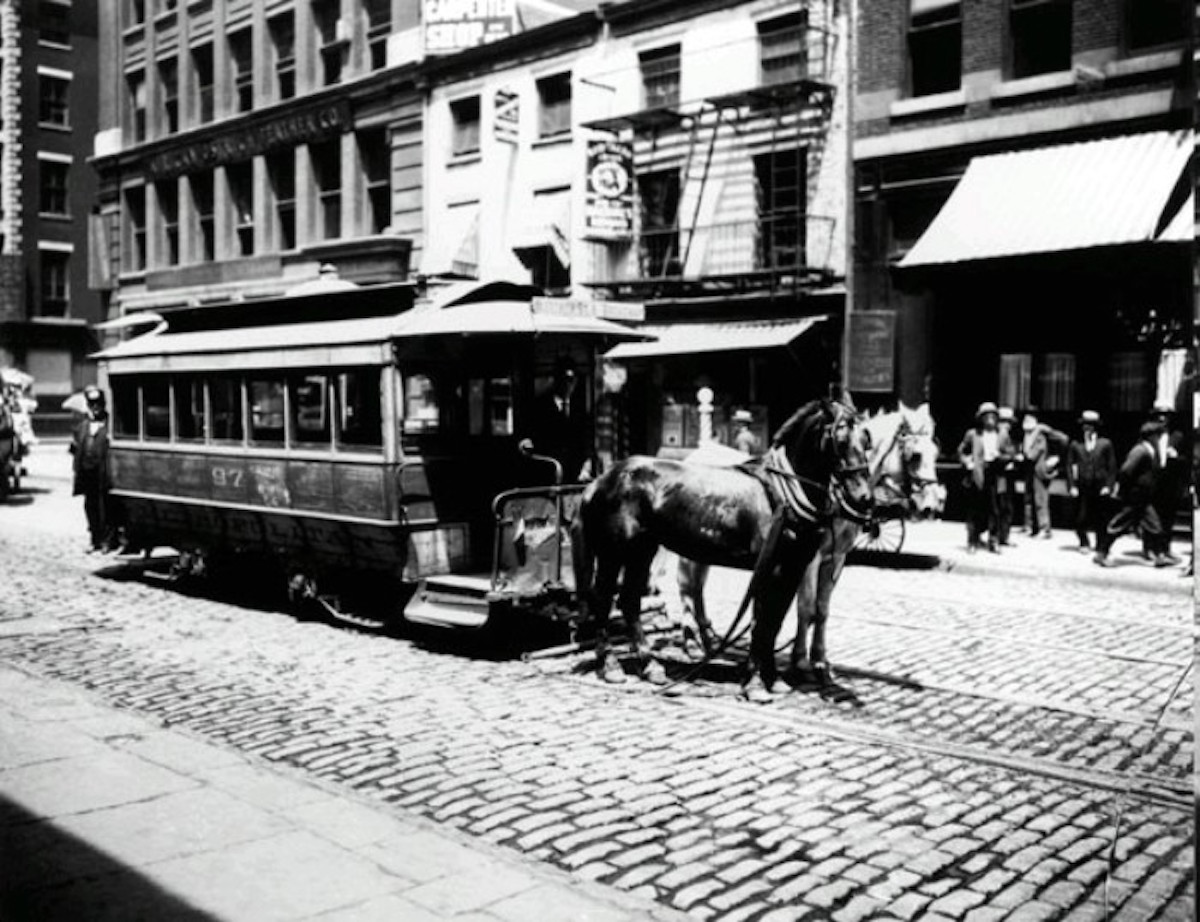
- The Birth of Mass Transit in NYC — How the omnibus first appeared in 1827, followed by the city’s first horse-drawn streetcar on the Bowery in 1832.
- Mass Transit and Manure: New York’s Lost Era of Horse-Drawn Streetcars — The rise (and messy challenges) of horse-drawn streetcars that once served the Village and beyond.
Streetcars and the “Els”
Streetcars brought a smoother, more reliable ride, shaping neighborhood growth.
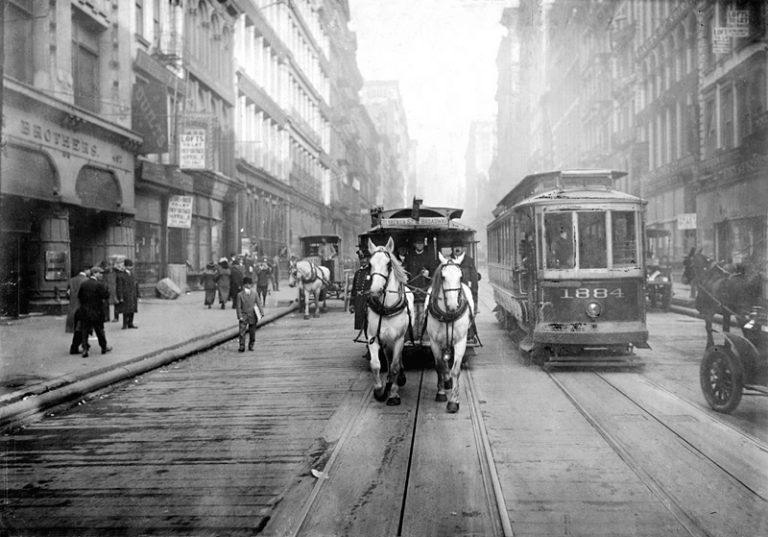
- NYC’s First Elevated Train and the World’s First Streetcar Began in Greenwich Village — The surprising story of the first streetcar line and its Village roots and how the Ninth Avenue El began on Greenwich Street in 1868.
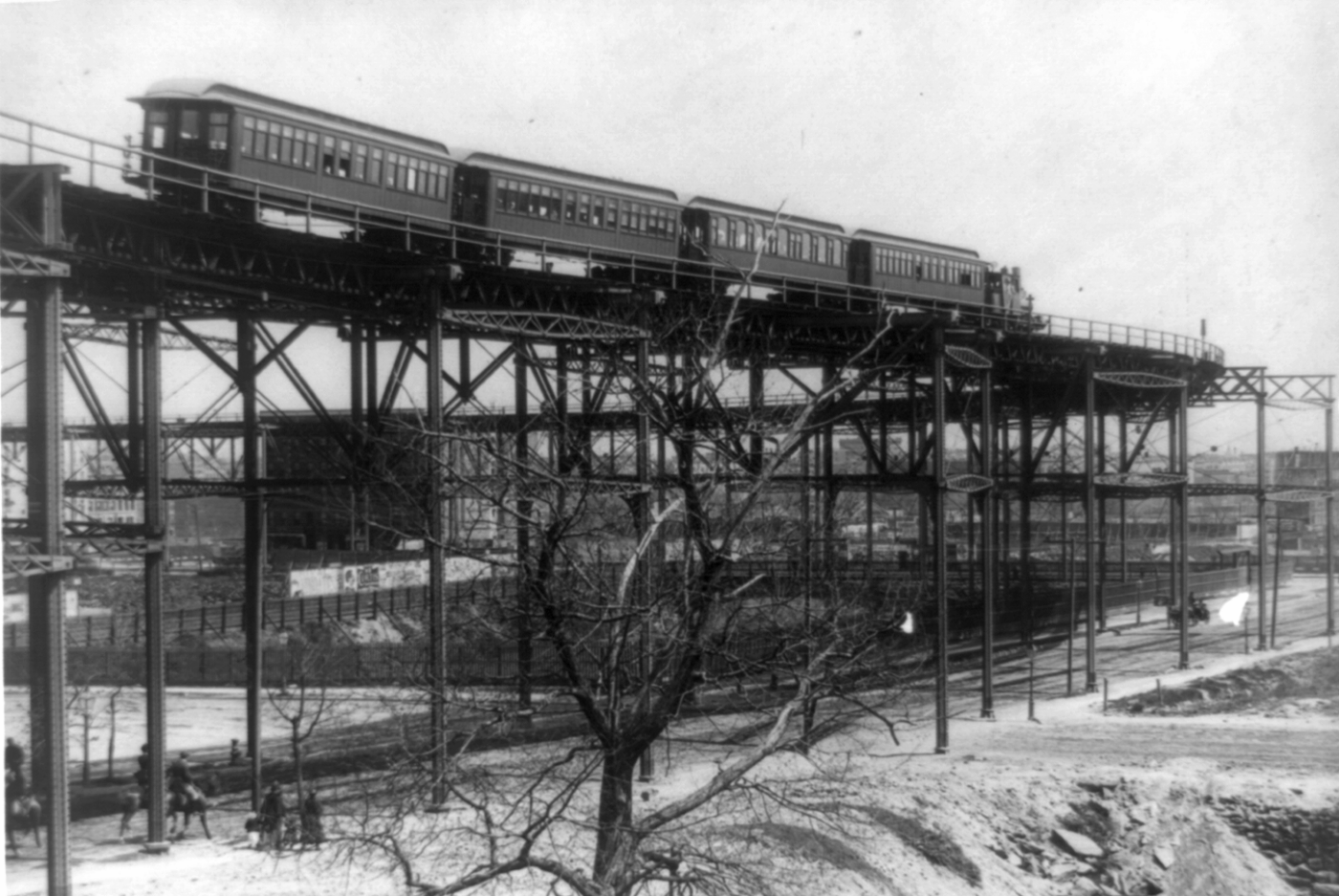
- When Four Els Ran Overhead on Our Streets — The era when four different elevated lines crisscrossed downtown Manhattan.
- Three Stops on Christopher Street — A deep dive into the Christopher Street station of the Ninth Avenue El.
Subways
The underground system replaced most elevated lines and still defines our neighborhoods.
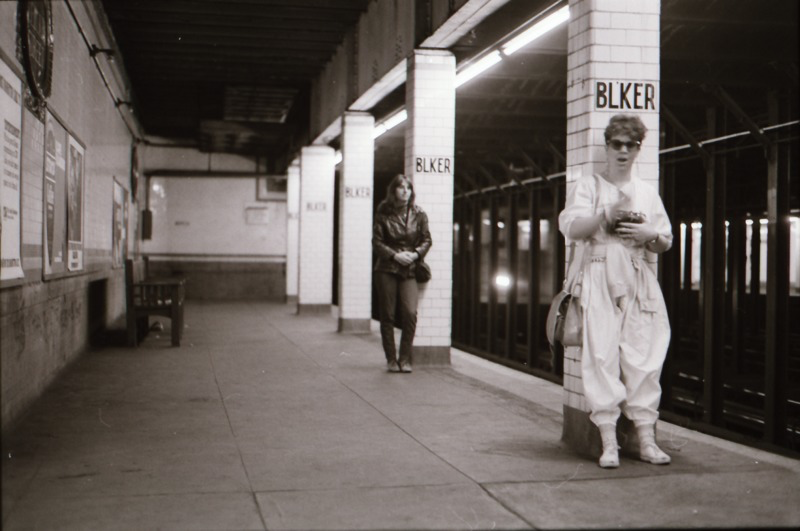
- Moving Locals Aboveground and Below — How transit shaped life and development in the Village, East Village, and NoHo.
- A Subway Substation Then and Now — Greenwich Village’s Substation 235, still powering the trains since 1932.
- Historic Station Sequel — The Astor Place station and its architectural significance.
- Historical Landmarks Under Our Feet: Designated Subway Stations in Our Neighborhoods — Landmark subway stations beneath our streets.
- Mystery on West 4th Street: Why Is This Subway Station Different From All Other Stations? — An exploration of the unusual West 4th Street station.
Future and Unbuilt Plans
Not every transit idea became reality—but their traces remain.
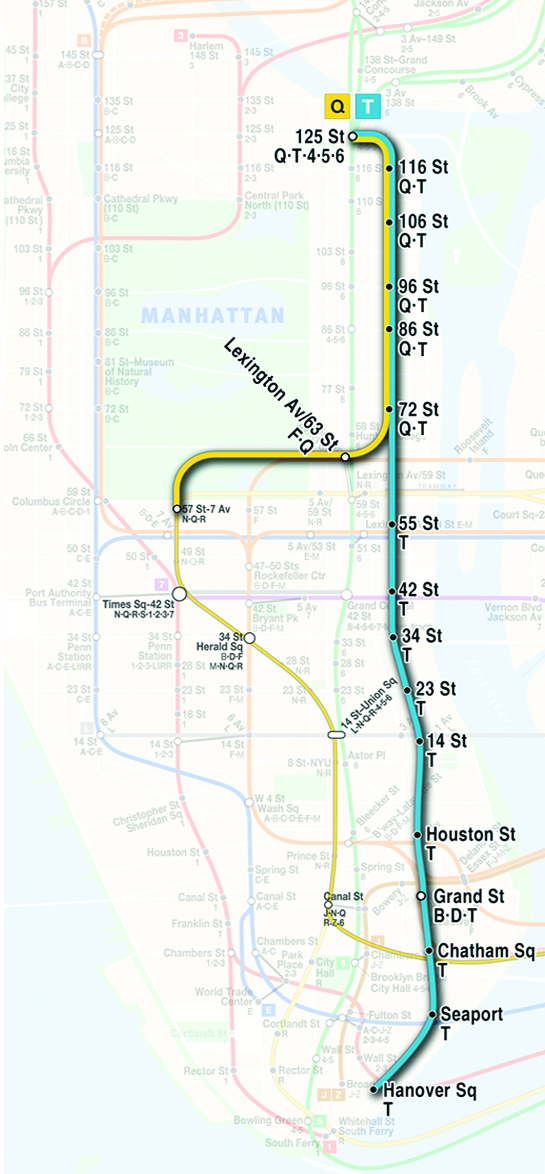
- Transfer from the T to the O at 14th Street: Subway Plans in the East Village Past, Present, and Future — The long history of the elusive Second Avenue Subway.
Connecting the Local to the Global
Just as Locomotion No. 1 launched a new age of transport in Britain in 1825, the evolution of New York transit has reshaped Greenwich Village, the East Village, and NoHo. Our neighborhoods became laboratories for innovation as horse-drawn streetcars, elevated rails, and early subways all left their mark here. By exploring Village Preservation’s blog, you will see how transit not only moved people, but also changed architecture, business, and daily life across our streets.