Families Discover the Village at the Great Village History Hunt
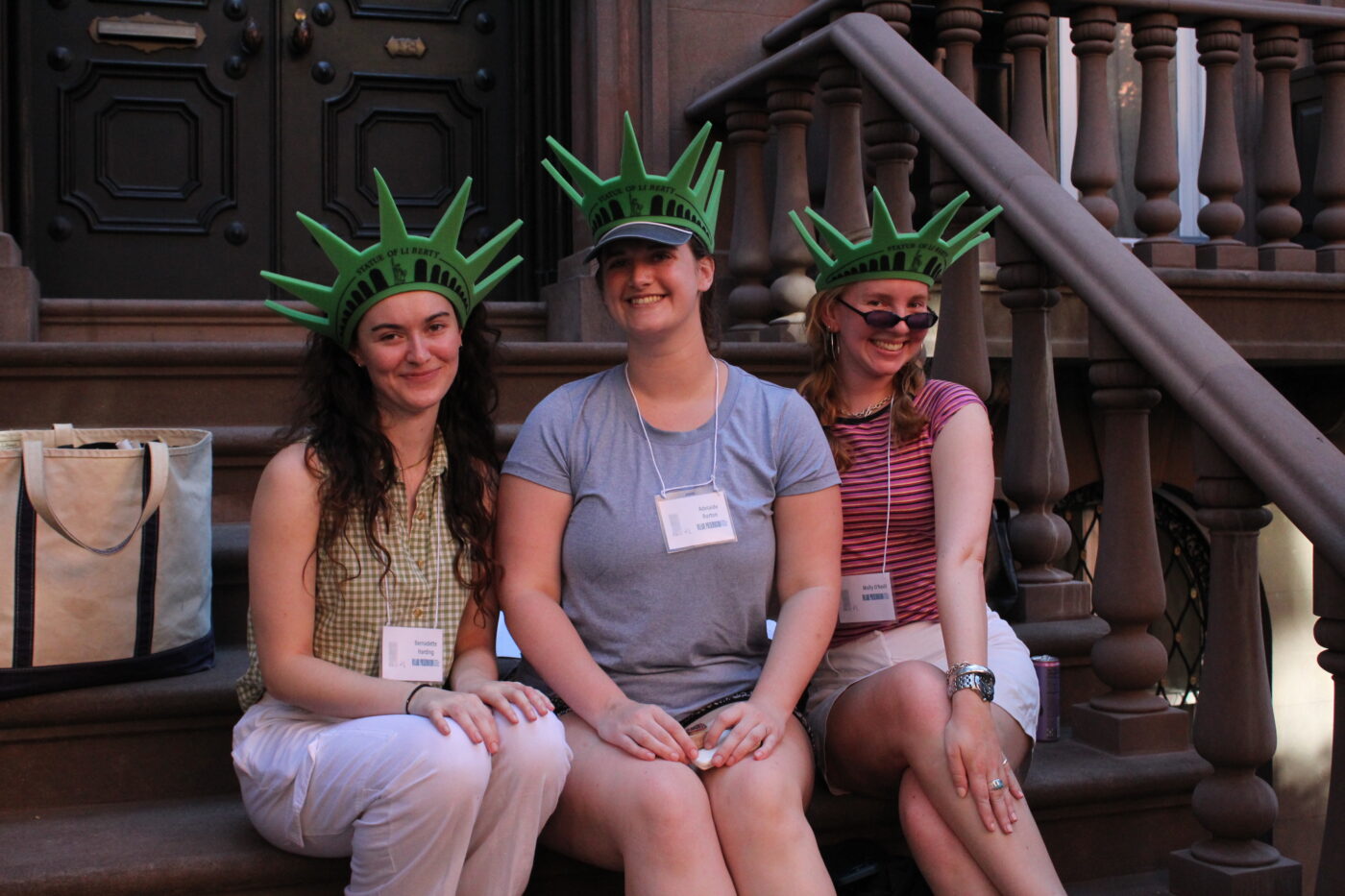
On Sunday, September 28, families, friends, and neighbors set off on an adventure through Greenwich Village, uncovering history, mystery, and plenty of fun at our Great Village History Hunt.
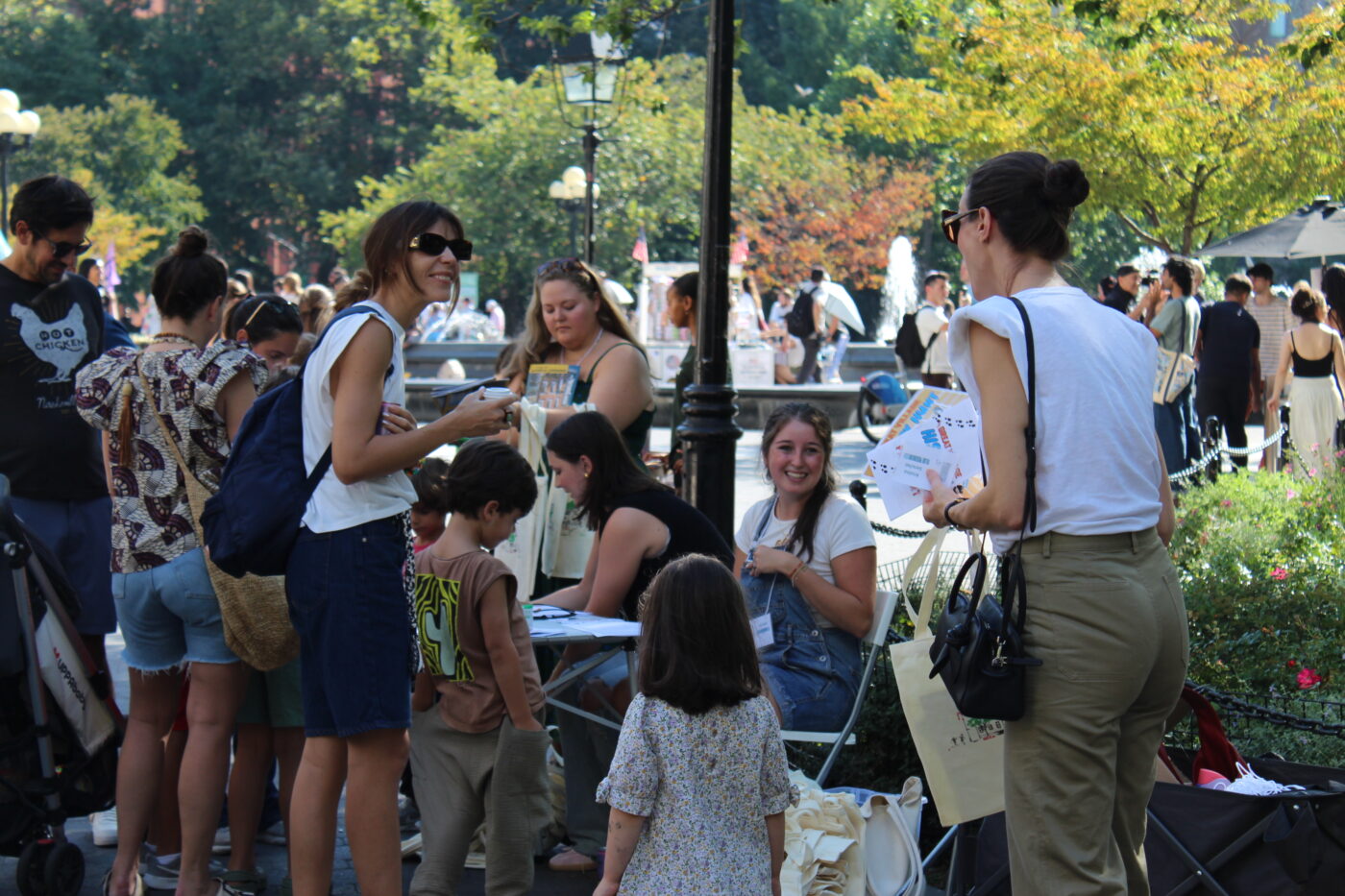
The adventure began beneath the iconic Washington Square Arch, where participants set off with treasure maps leading them to six historic Village landmarks — from Edward Hopper’s former studio to the home of poet Emma Lazarus, from hidden streams to vibrant gardens. Along the way, families carried special passports, collecting stamps, keepsakes, and captivating stories at each stop — piecing together the people and places that shaped our neighborhoods.
Edward Hopper, 1-3 Washington Square North
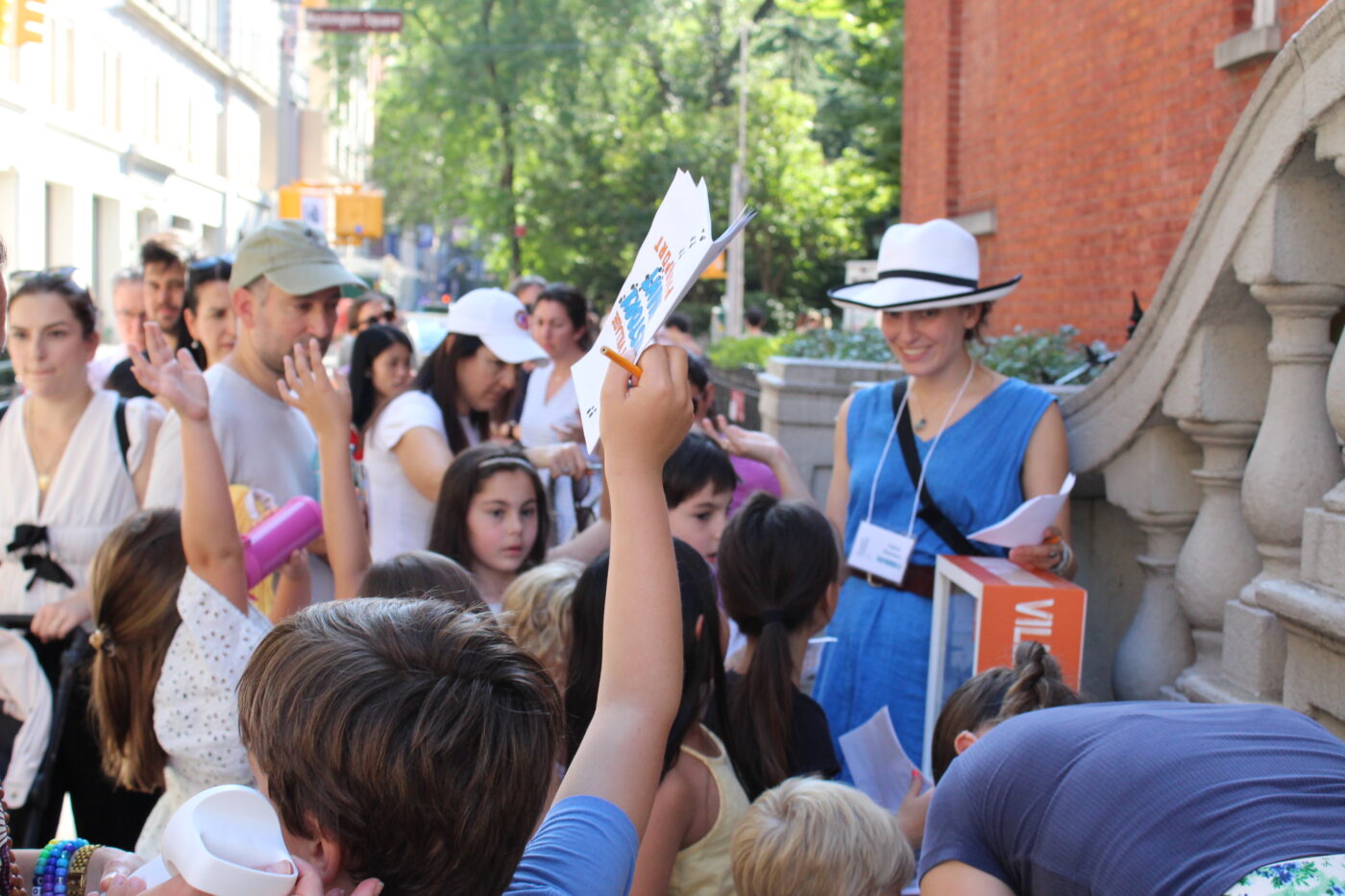
At the former Edward Hopper studio, participants were invited in to see the light-filled room where Hopper and his wife, Josephine, lived and worked for nearly 60 years. Hopper is perhaps one of the most beloved artists of the 20th century, best known for his realist oil paintings depicting American life and landscapes, primarily through an urban lens. The children were given a package of materials to create their own sketchbooks.
Emma Lazarus, 18 West 10th Street
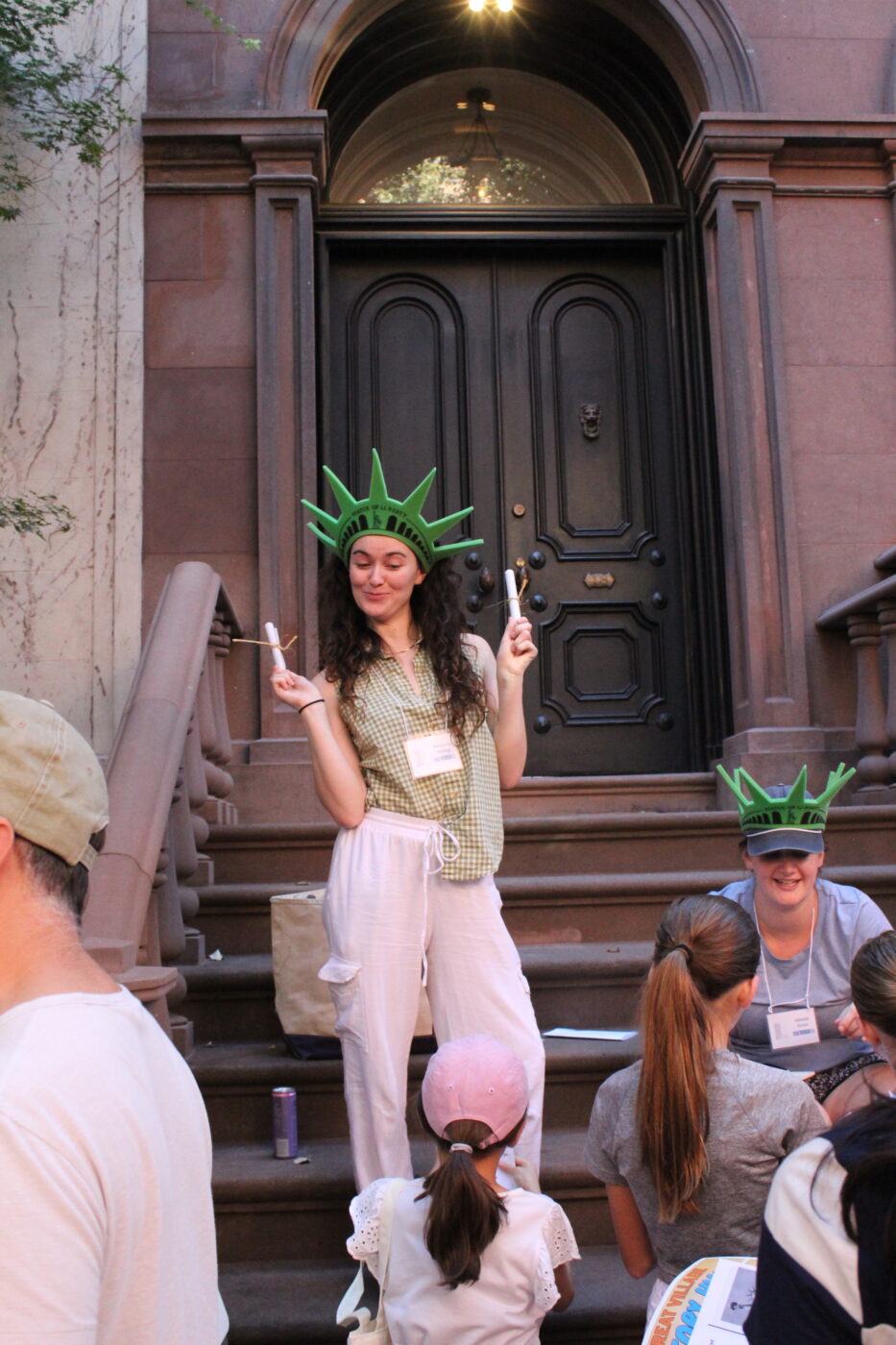
Born July 22, 1849, Emma Lazarus was a Jewish-American poet whose poem The New Colossus is now inscribed on a bronze plaque at the base of the Statue of Liberty’s pedestal. Lazarus came from a wealthy New York family and moved into 18 West 10th Street in 1883.
From a young age, Lazarus was considered a poetry prodigy. She was taught Greek and Latin classics, as well as modern German, Italian, and French literature. She was first published in 1866, which caught the attention of American transcendalist Ralph Waldo Emerson, who became her mentor.
As she continued her writing, she became more focused on combating anti-semitism in the United States and Europe, as well as helping immigrants.
In 1883, Constance Cory Harrison, an American playwright and novelist, asked Lazarus to write some verses for an exhibition and auction to help raise funds to complete the Statue of Liberty’s pedestal. The resulting sonnet, “The New Colossus,” reflected Lazarus’ concern over the fate of Jews and immigrants new to this country. The poem was one of her most powerful works, essentially changing the meaning of the statue from one of republicanism to one of immigration and opportunity.
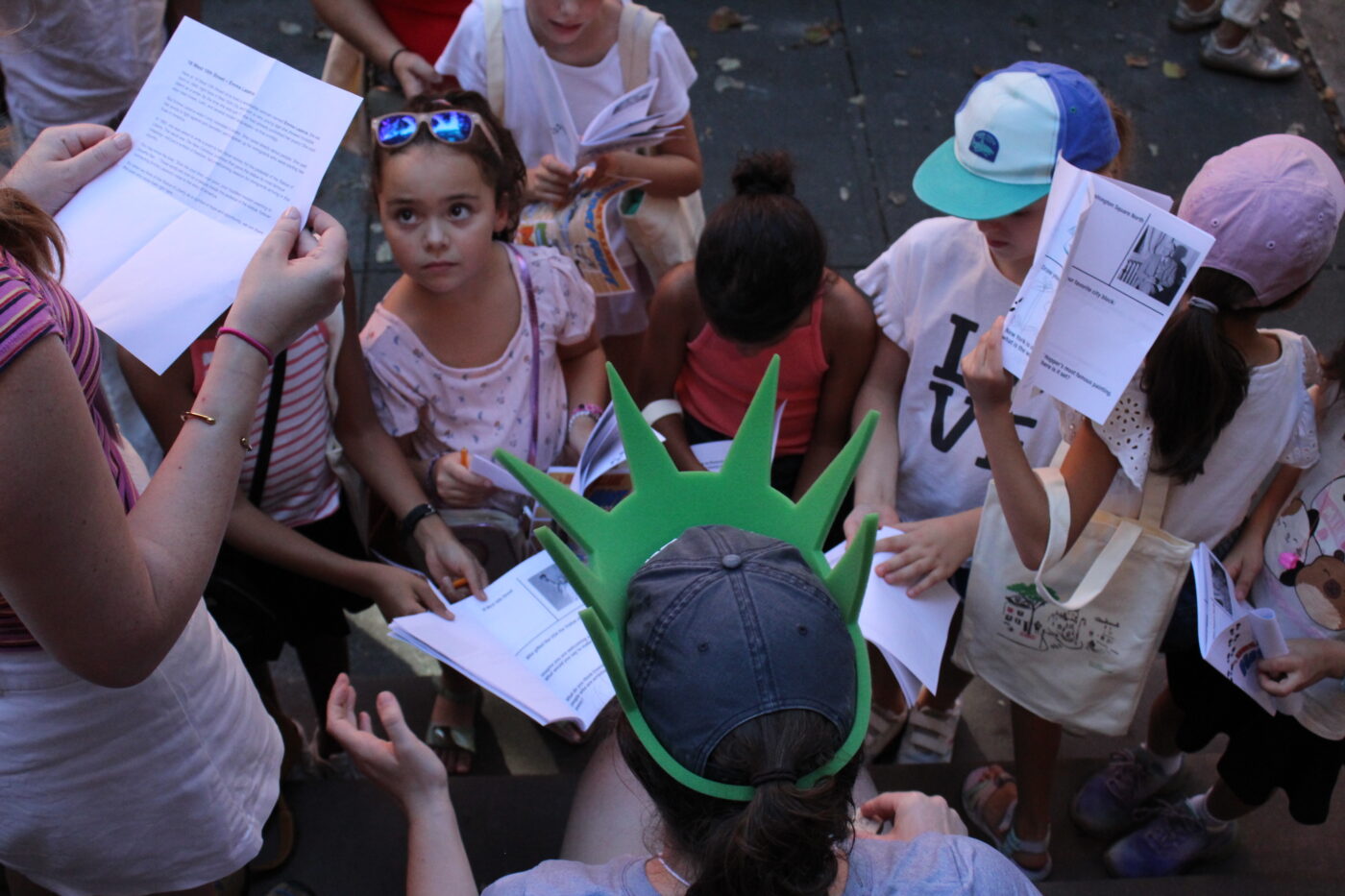
At Lazarus’ home, participants were given a copy of the poem and invited to read it out loud on the steps of her former home.
Edgar Allan Poe, 165 Waverly
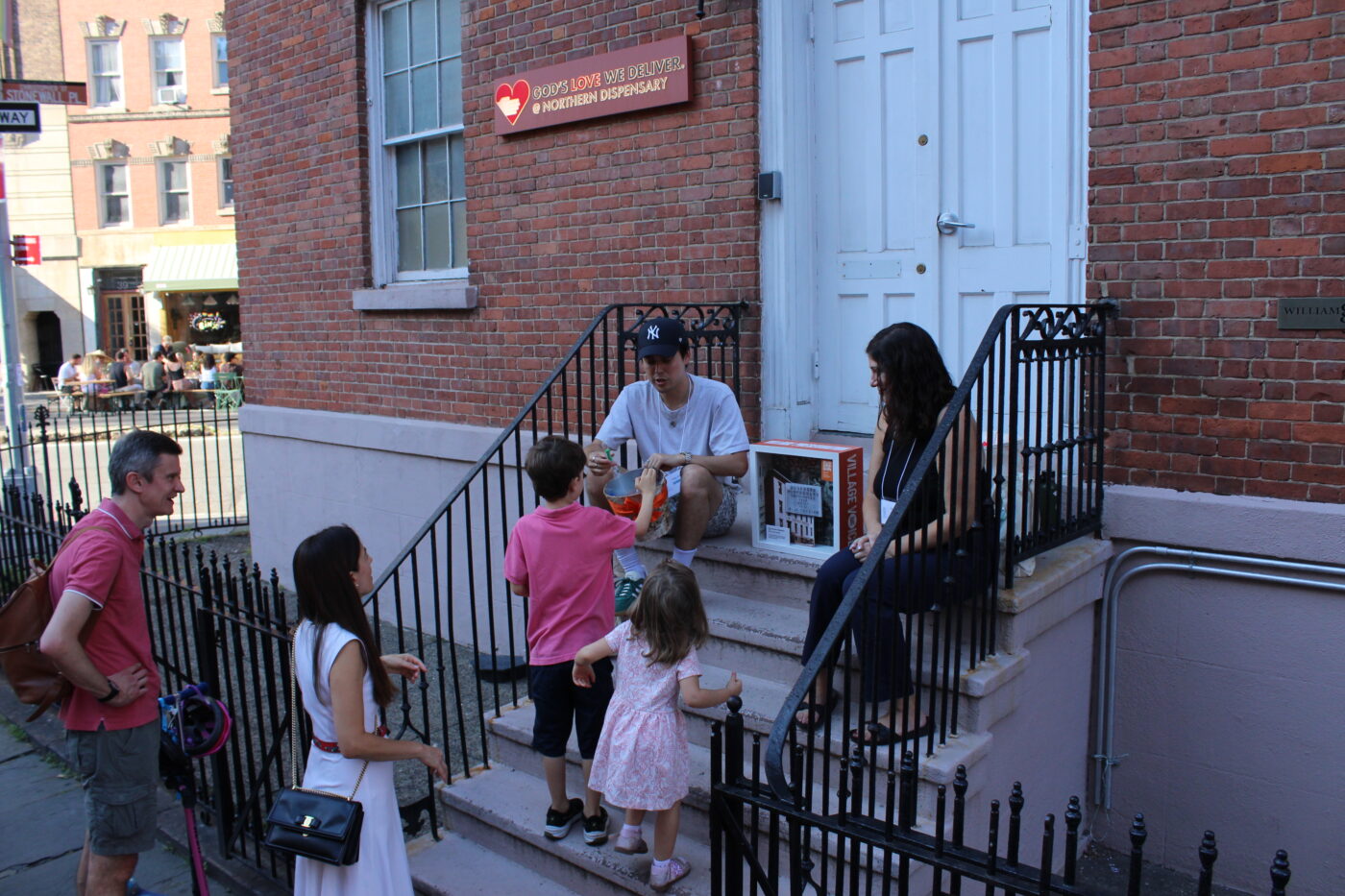
Best known for his works The Raven and The Tell-Tale Heart, Edgar Allan Poe was a writer, poet, and literary critic who lived in our neighborhood in the 1830s and 40s. While Poe wrote in many genres, it was his contributions to mystery, horror, and gothic literature that made him a household name.
Poe first moved to our neighborhood in 1837, where he lived at 137 Waverly Place with his wife, Virginia, and mother-in-law, Maria. Poe also lived at 113 1/2 Carmine Street and 85 West 3rd Street, where he lived for the longest period of time and where he wrote The Cask of Amontillado.
Unfortunately, Poe’s West 3rd Street house was demolished in 2004 when NYU built Furman Hall in its place.
Poe was known to visit the Northern Dispensary at 165 Waverly Place for his medical needs. The Dispensary provided inpatient services to the city’s poor and sick until 1920. From 1920 to 1940 the Dispensary provided mostly outpatient services. And after that, the Dispensary transitioned to only dental care until it closed in 1989. So, while we no longer have 85 West 3rd Street, we can still honor and remember Poe through sites like this—the Northern Dispensary!
Bob Dylan, 161 West 4th Street
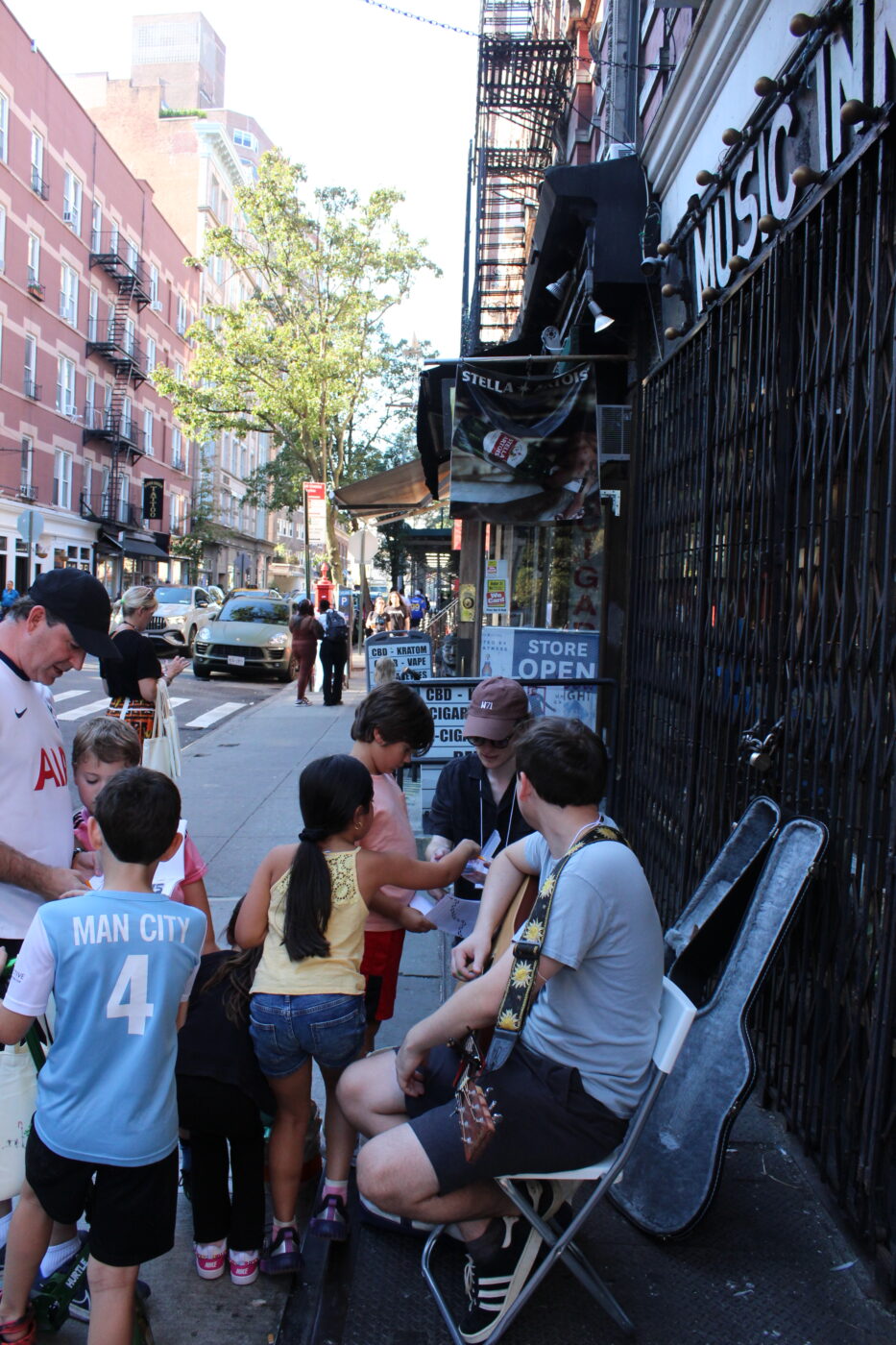
In front of the Music Inn, a place a couple of doors down from where Bob Dylan once lived at 161 West 4th Street, visitors were treated to some of the songs of Dylan. Guitarist Michael Ossorguine filled the air with Dylan’s music while volunteer and true Dylan aficionado Nicky Longo shared the story of Dylan’s arrival in New York City and his journey from Village newcomer to global icon and Nobel Prize–winning poet. Kids were given a guitar pick as a treasure to keep!
Maurice Sendak, 29 West 9th Street
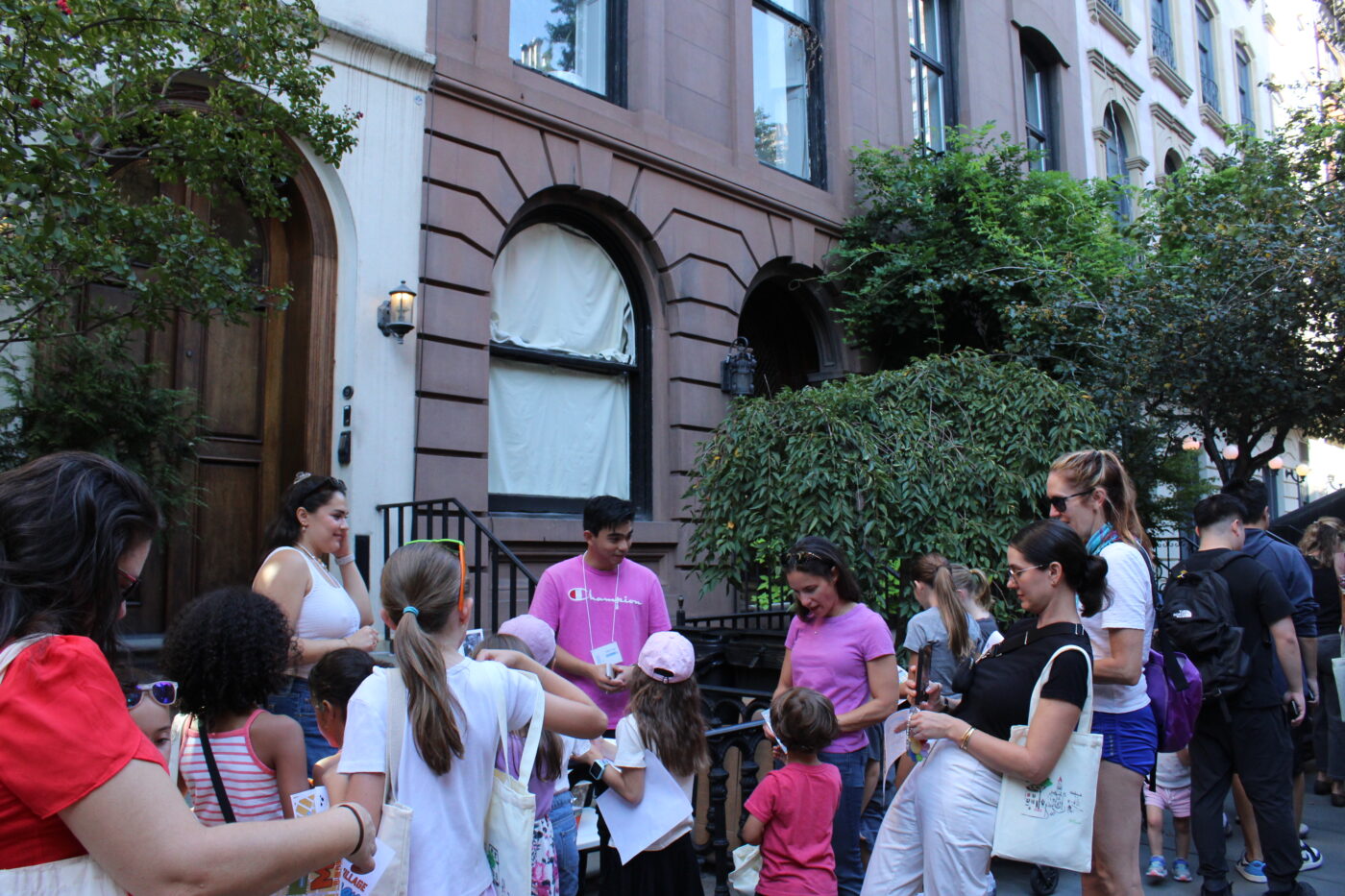
The children’s book writer and illustrator, Maurice Sendak, lived at 29 West 9th Street from 1962 to 1972. While you may or may not recognize his name right away, you are probably familiar with his most famous book—Where the Wild Things Are.
It’s the story of a boy named Max who gets into a little trouble at home and imagines sailing away to an island filled with big, magical creatures called the Wild Things. They make him their king of the jungle, but after all the “wild rumpusing,” Max realizes he misses home. So he returns to his room — where, waiting for him, is a warm supper and the comfort of being loved.
This very house may have helped inspire Sendak’s creativity. Unlike most Village homes, it has a dramatic Anglo-Italianate style, with a cast-iron balcony and tall, floor-to-ceiling windows — features that might spark the imagination of an artist who dreamed up entire worlds.
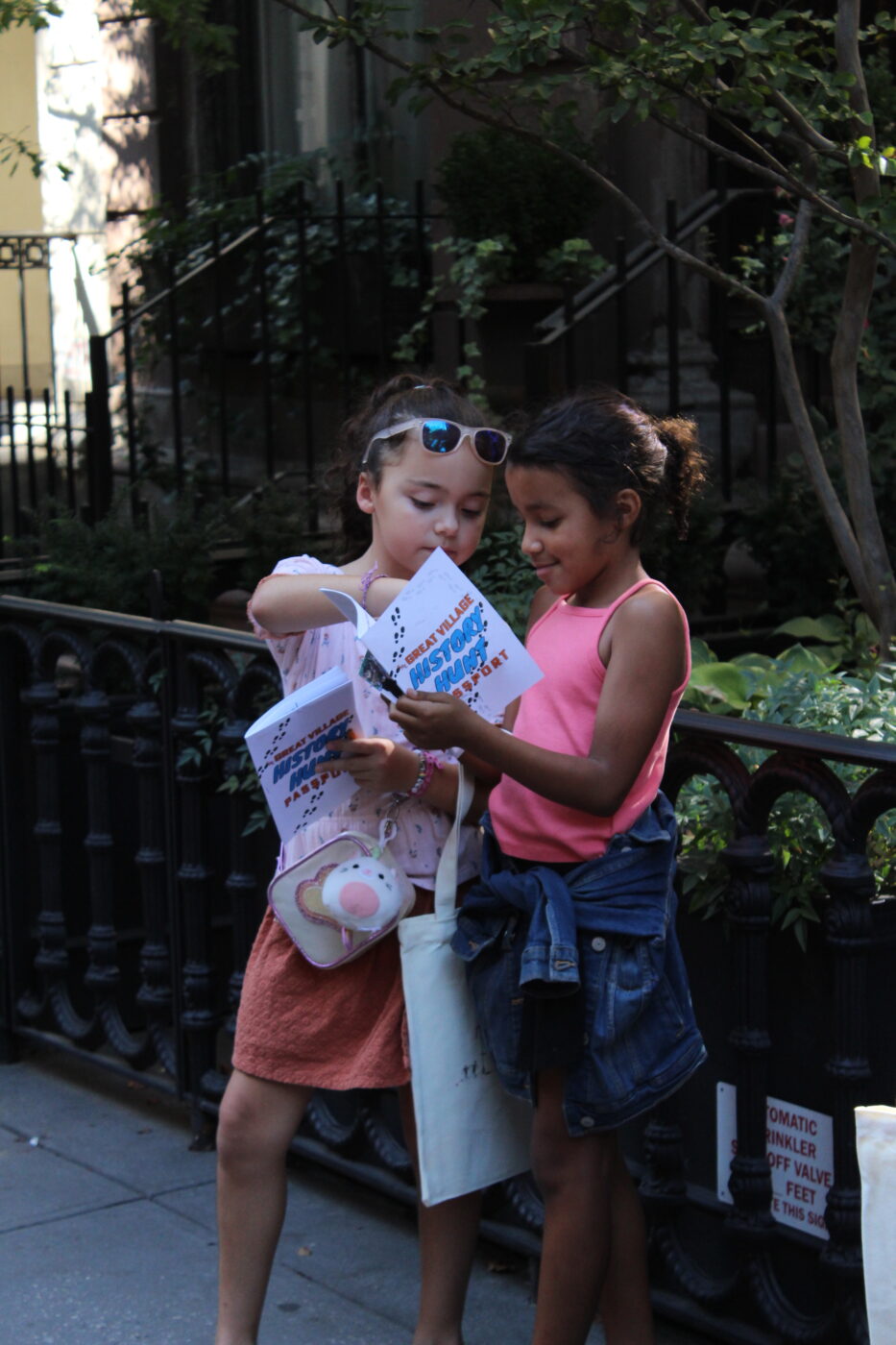
Minetta Creek, Minetta Lane, Lenape History
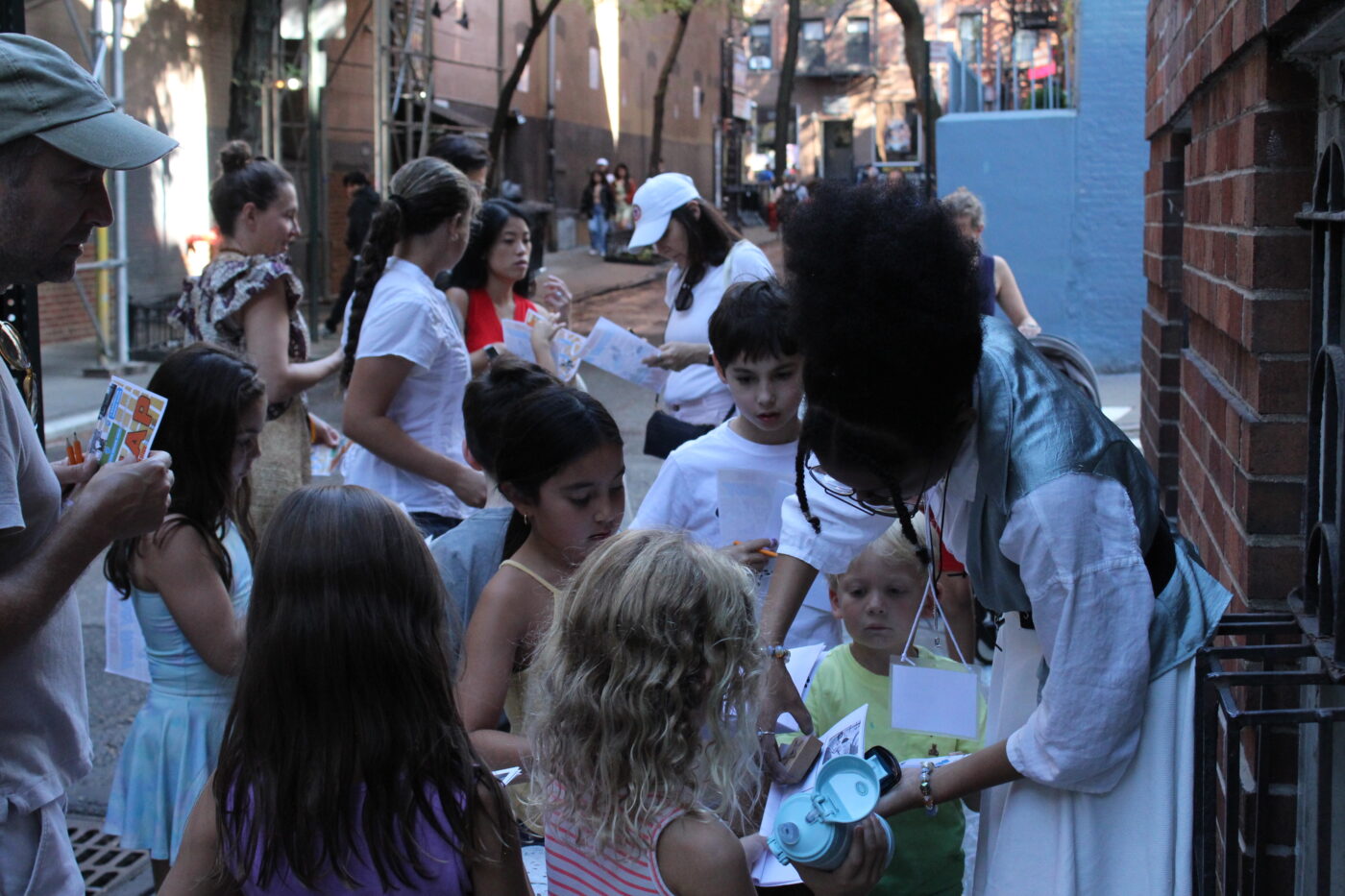
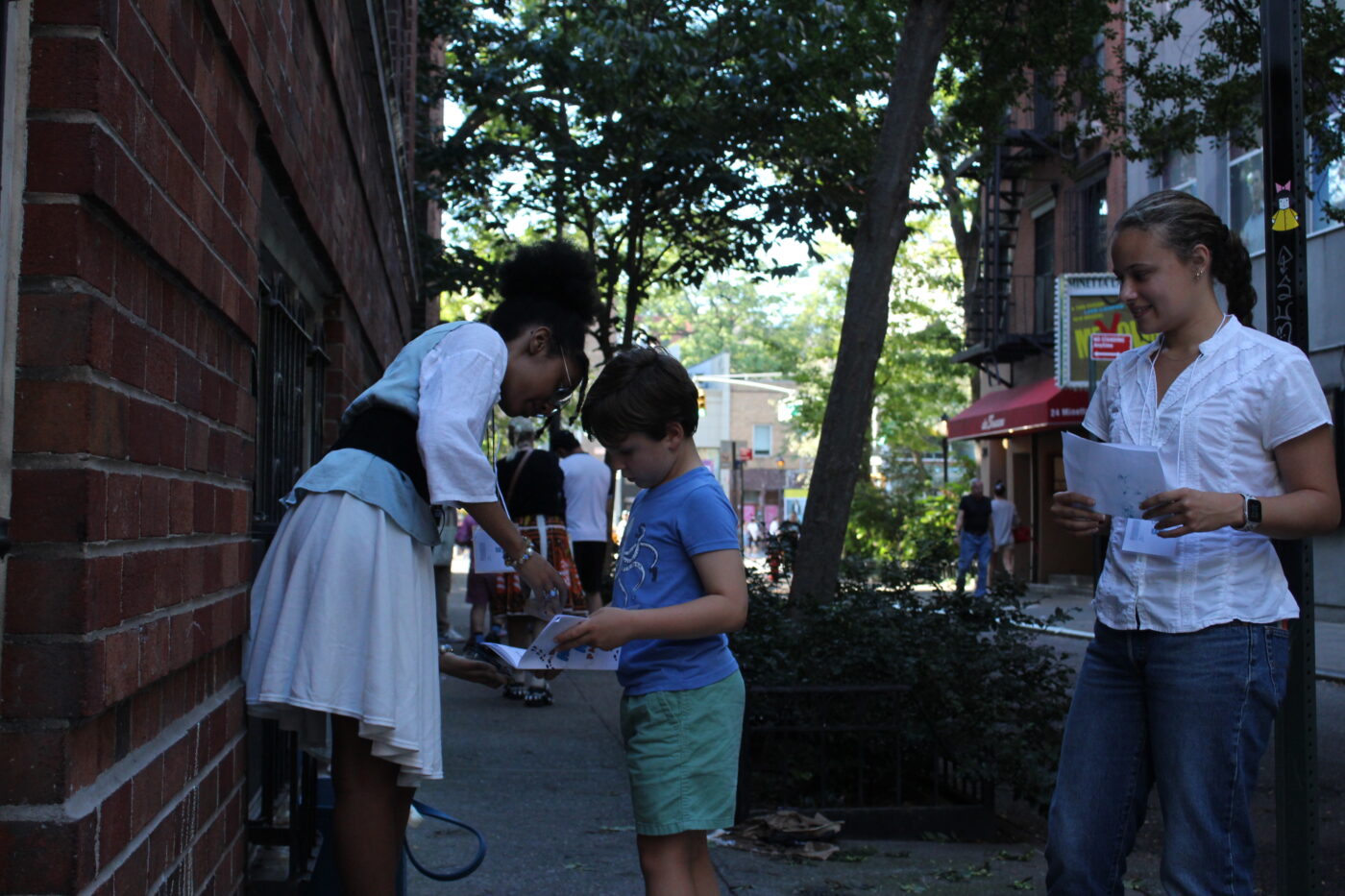
Did you know that an underground stream still flows beneath the streets and sidewalks of Greenwich Village?
Before colonization, Manhattan was once referred to as Mannahatta, or the island of many hills, by the Lenape people. The Lenape seasonally occupied the southwest region of the Village, due in part to the existence of Minetta Creek, a stream that exists underground today, and partly follows the existing Minetta Street in the West Village. It gave them fresh water to drink, fish to catch, plants and vegetation to eat, materials for food and shelter, a travel route for getting to other places, and a place to camp when they stayed in this part of the island.
As the years progressed, the city grew. Houses, shops, and streets were built on top of the creek. But the water never went away—it just moved underground, where it still flows today, winding its way under the Village. If you follow Minetta Lane and Minetta Street, you’re actually walking the path of the old stream.
Visitors on Sunday were treated to river rocks from the Hudson River and invited to decorate those rocks after the hunt back at the Jefferson Market Garden.
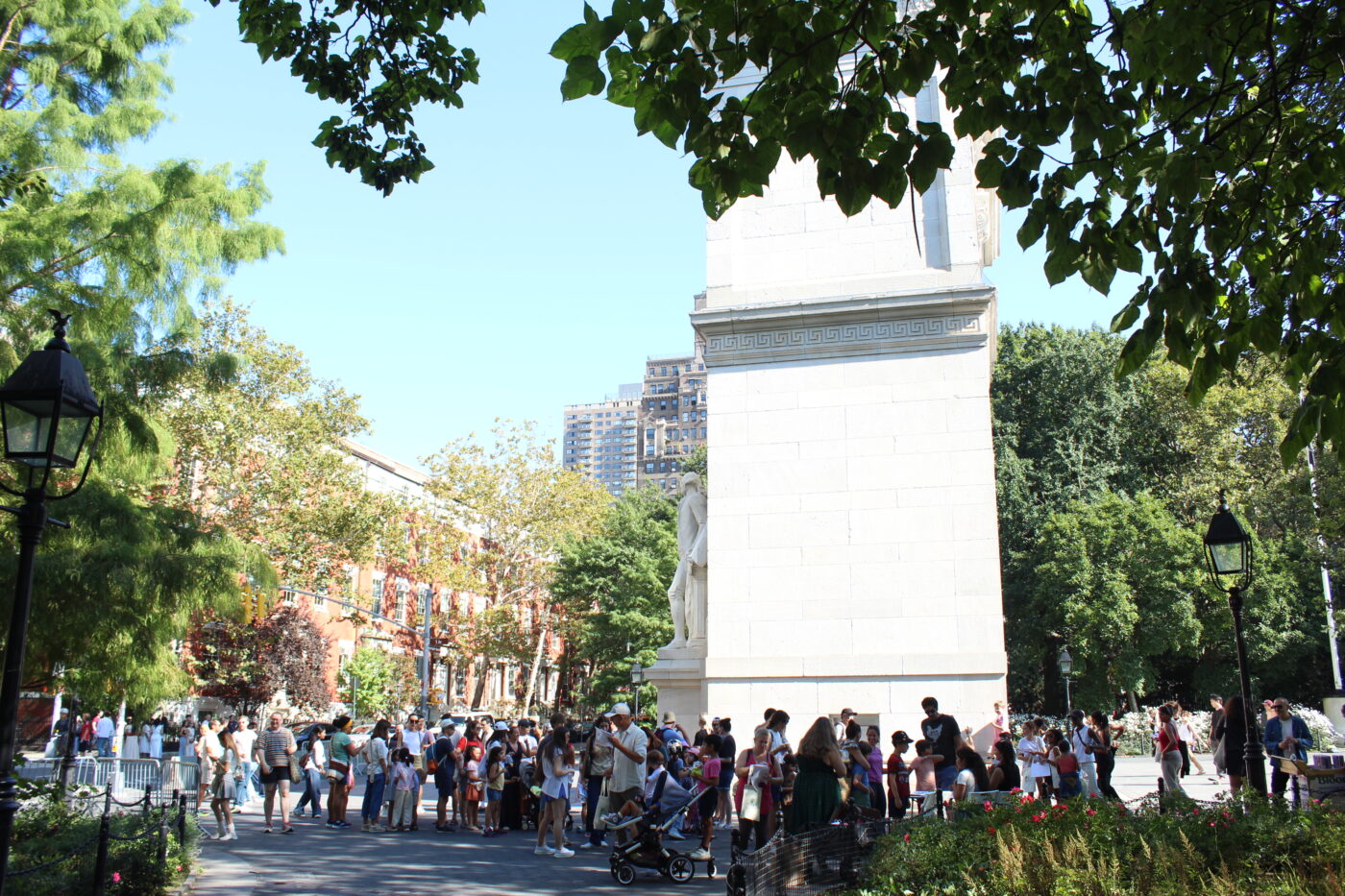
The Hunt wasn’t just a game; it was a living lesson in the incredible history all around us. Kids learned that the Village has been home to some of America’s most beloved artists, writers, and activists, while parents rediscovered the importance of preserving the character and spirit of these streets. Together, families walked in the footsteps of suffragists, jazz musicians, immigrants, and innovators.
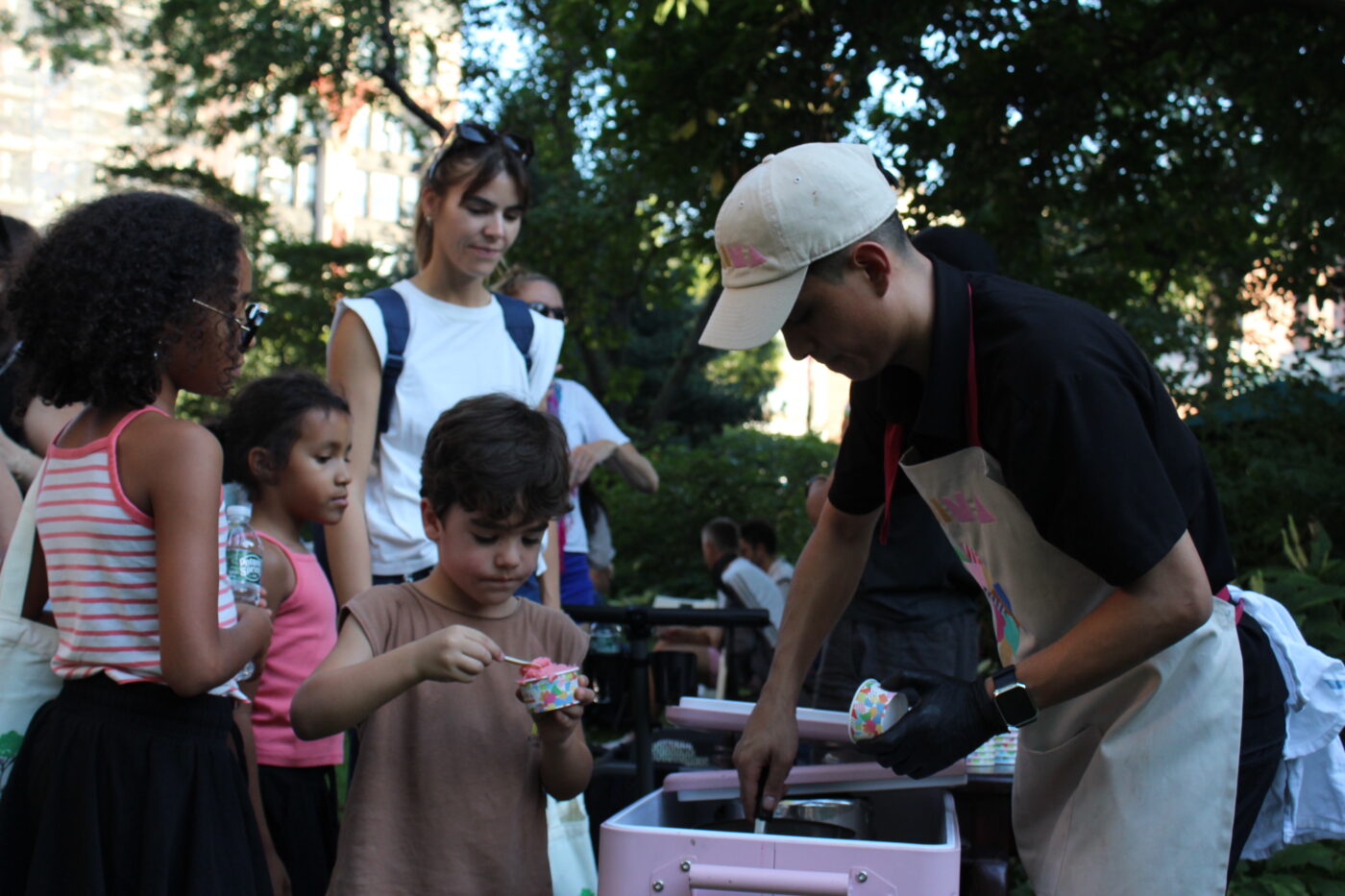
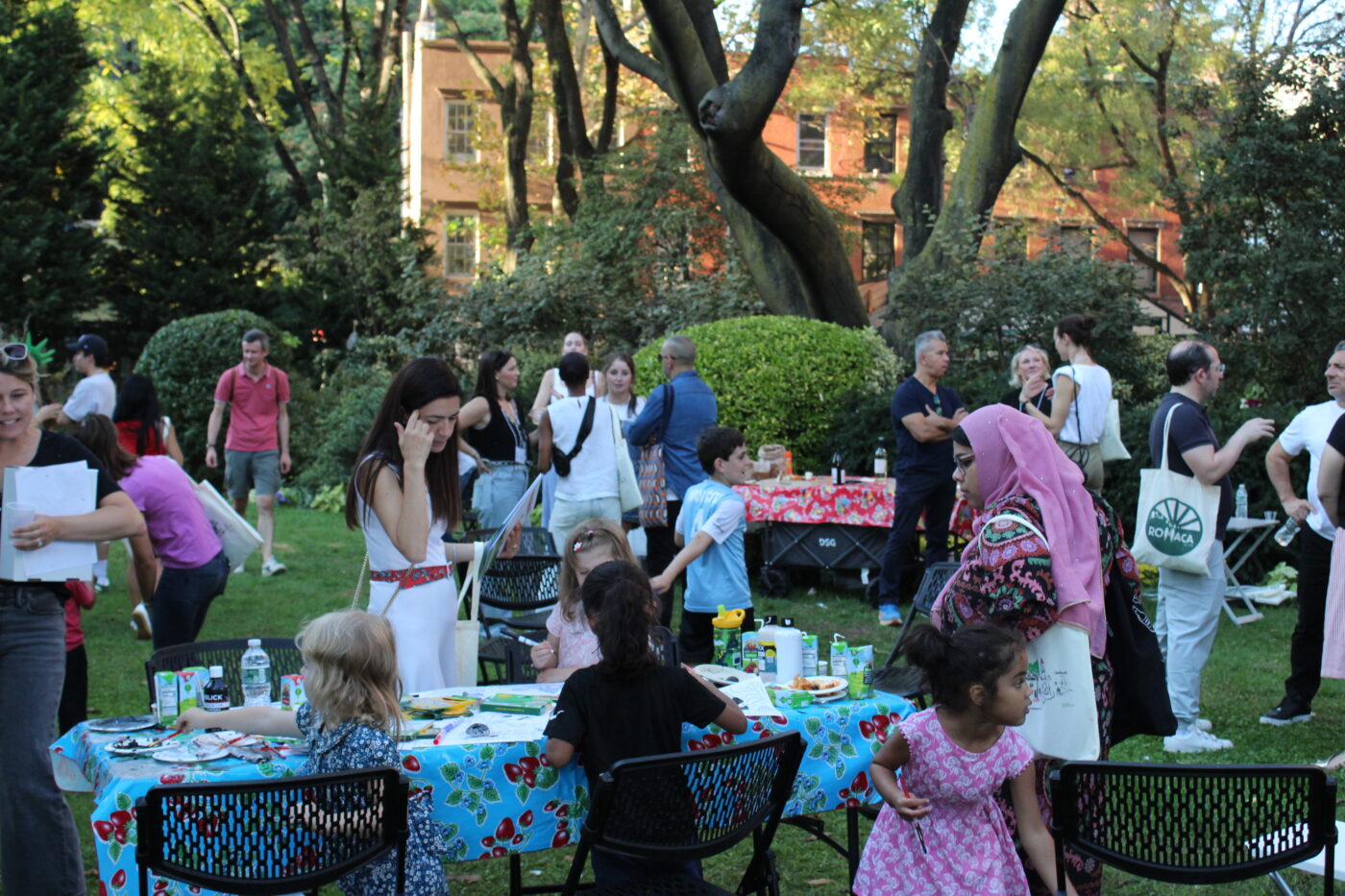
The adventure ended with a joyful gathering at the Jefferson Market Garden, where families enjoyed refreshments, activities, and time to share stories about their favorite discoveries of the day. Laughter and curiosity filled the garden as children compared their “booty” and proudly displayed their completed passports.
The success of the Great Village History Hunt reminded us why Village Preservation does what we do: to ensure that the buildings, streets, and stories of our neighborhoods remain for future generations to explore. The excitement in the children’s eyes was the clearest sign that the Village’s history is not just something to read about in books — it’s something to be experienced, protected, and passed on.
We’re deeply grateful to our community partners; Jefferson Market Garden, NYU, Kristina & Daniel Gershel, and Nina & Rob Kaufelt; local businesses, Poets Travelers and Friends who supplied the gelato, Cowgirl NYC, who supplied appetizers, La Lanterna di Vittorio, who supplied lasagna, Some Good Wine who supplied wine for the adults, and all the incredible volunteers and committee members. You helped make the day possible! And, of course, to every family who joined us for this unique adventure. The Village was alive and filled with the past, the present, and the future!