
The Value of Landmarks, 60 Years On
Throughout 2025, Village Preservation has been marking the 60th anniversary of the passage of the New York City Landmarks Law. Enacted in 1965 in response to the devastating loss of iconic structures like the original McKim, Mead & White-designed Penn Station, the law empowered the freshly formed Landmarks Preservation Commission to protect buildings and districts of historical, cultural, and architectural significance.
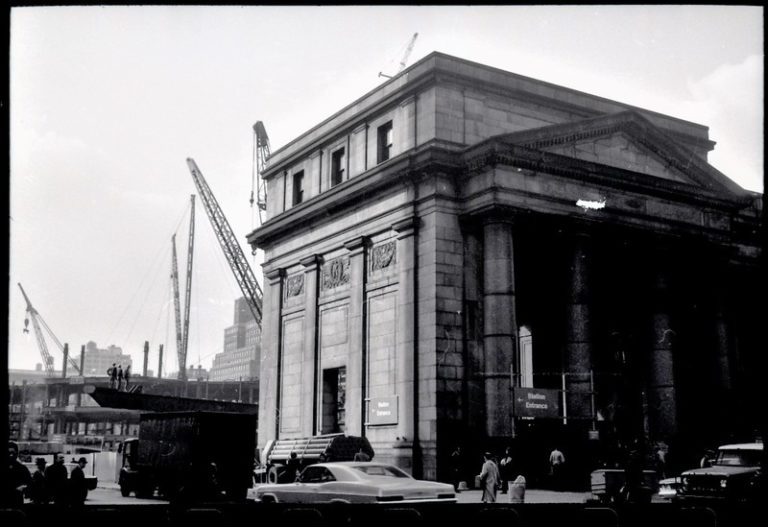
Over the past six decades, the Landmarks Law has safeguarded thousands of individual sites and neighborhoods, ensuring that the rich layers of New York’s architectural and cultural history remain visible, valued, and protected. But the regulatory intent of the law is sometimes misconstrued by the public, with misunderstandings about what the law actually does and how it operates.
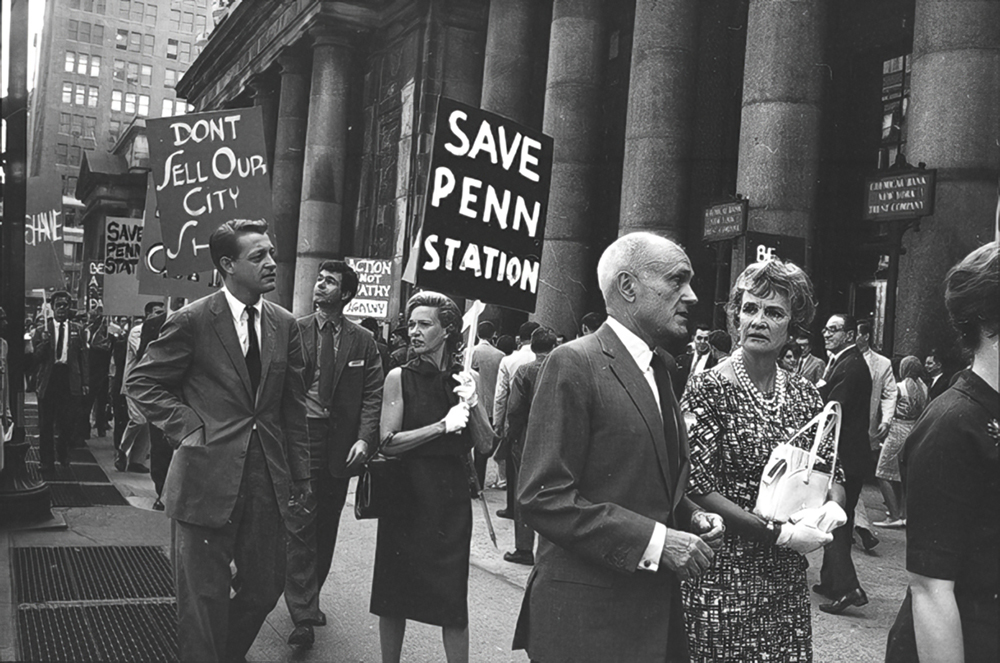
New York City was a different place in 1965, yet many of the issues the city faced then are just as relevant today. The Landmarks Law was born of an era when neighborhoods were facing rapid change, but the goal was not, and is not, to trap a city in amber. Rather, landmarking establishes a mechanism for managing change, so that our historic assets can continue to thrive within the context of a modern, ever-evolving city.
On September 30th, Village Preservation gave a presentation at the Salmagundi Club, itself one of the city’s earliest individually designated landmarks, entitled “Making the Case for Landmarking: Why Preservation Makes Sense in NYC in 2025.” We set out to debunk some of the misconceptions surrounding landmark designations, and to discuss why preservation is a more critical tool than ever for our city.

You can watch the full video of our conversation here, which also included a robust Q&A session. Formatted as an interview between our Executive Director Andrew Berman, Juan Rivero, and myself, we dug into some of the most pressing issues surrounding the Landmarks Law.
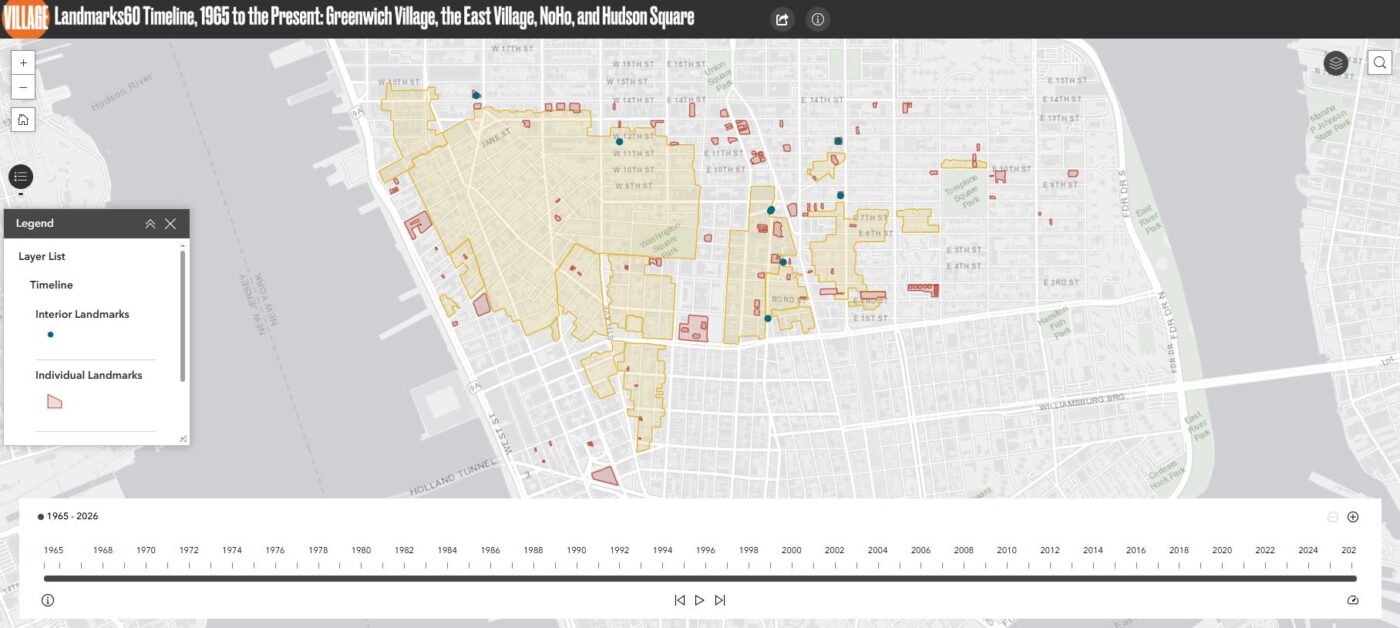
Today, nearly 40,000 buildings are landmarked throughout all five boroughs, either individually or as components of historic districts. There are also a smaller number of interior landmarks and scenic landmarks. All in all, this accounts for only 4% of New York City’s buildings, and the vast majority of our historic structures are not designated landmarks. To learn more about what’s been designated to date in Greenwich Village, the East Village, and NoHo, Village Preservation maintains a collection of all of the neighborhoods’ designation reports, and we’ve also published a timeline map that lays out every designation over time.

During the program, we discussed why the ability to designate new landmarks continues to be so important today. Acknowledging that landmark designation is only appropriate for select places of particular architectural and/or cultural merit, there are still plenty of as-of-yet un-landmarked assets with these attributes found throughout our city, deserving of designation. Village Preservation advocates for the designation of these structures, especially those facing imminent risk of deterioration or demolition. We also recently published a study highlighting the alarming decrease in designations during the current mayoral administration.
Beyond the ability to designate new landmarks, one of the most important jobs of the Landmarks Preservation Commission (LPC) is what happens once a property has been designated: its ongoing regulation. A dedicated staff of about 35 expert preservationists reviews applications for all types of work at the nearly 40,000 landmarked buildings throughout all five boroughs, day in and day out. What many may not realize is that approximately 95% of LPC permits are issued at “staff-level,” that is, reviewed and approved by agency staff, without needing to progress to the level of requiring a public hearing and review by the 11 mayor-appointed commissioners.
Landmarking sometimes gets a bad rap because people mistakenly believe that it is strictly a barrier that prevents owners from renovating their buildings, and precludes the construction of critical resources like affordable housing in historic neighborhoods. I’m here to tell you this is not true! For one thing, the “staff-level” rules of the Commission allow for all kinds of work to be approved expeditiously, from restoration work to HVAC upgrades to extensive renovations of interiors and portions of buildings that are not visible from the public way.
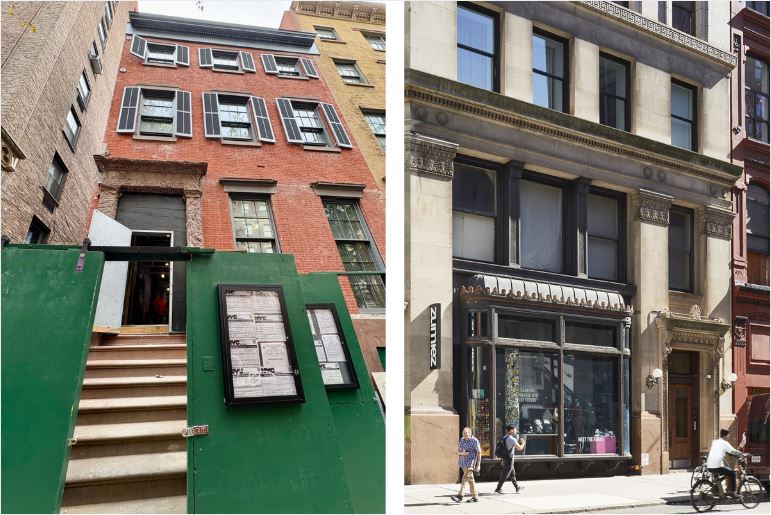
For the small percentage of larger-scale projects proposed at designated buildings, the LPC Commissioners frequently approve all sorts of conversion and construction projects (Village Preservation tracks these projects in our neighborhoods here). And when it comes to affordable housing? Historic districts contain a significant share of the affordable housing stock currently available in our city, and often protect this resource through mechanisms like rent stabilization.
This is only the start of a much larger conversation. Watch the program video for lots more in-depth information regarding preservation and the housing crisis.