
Celebrating Italian-American Heritage Month through the Lens of Village Preservation’s Archives
October is Italian-American Heritage Month, a rich opportunity to reflect on the profound contributions of Italian Americans to our city and nation. Here in Greenwich Village, the East Village, and NoHo, Italian immigrants and their descendants shaped neighborhoods, built small businesses, joined civic life, and wove their stories into the fabric of New York.
At Village Preservation, our Historic Image Archive is one of our most treasured resources for illuminating those stories. Our archive, assembled over decades from donated collections, includes photographs, maps, street scenes, portraits, signage, and more, documenting not just architecture, but everyday life, cultural expression, and community memory.
With this month in mind, we invite you to explore some of the images in our collection that speak to Italian-American life in the Village and beyond.
Examples from the Archive
The Feast of San Gennaro (1970s)
Photographs from the five-part Carole Teller’s Changing New York collection capture the city in flux through the 1960s, ’70s, and ’80s, including vivid scenes from Little Italy during the 1970s Feast of San Gennaro. These images of food vendors, colorful processions, and street celebrations reveal how early 20th-century Italian immigrant traditions continued to thrive in New York’s neighborhoods, blending heritage with the energy of a changing city.
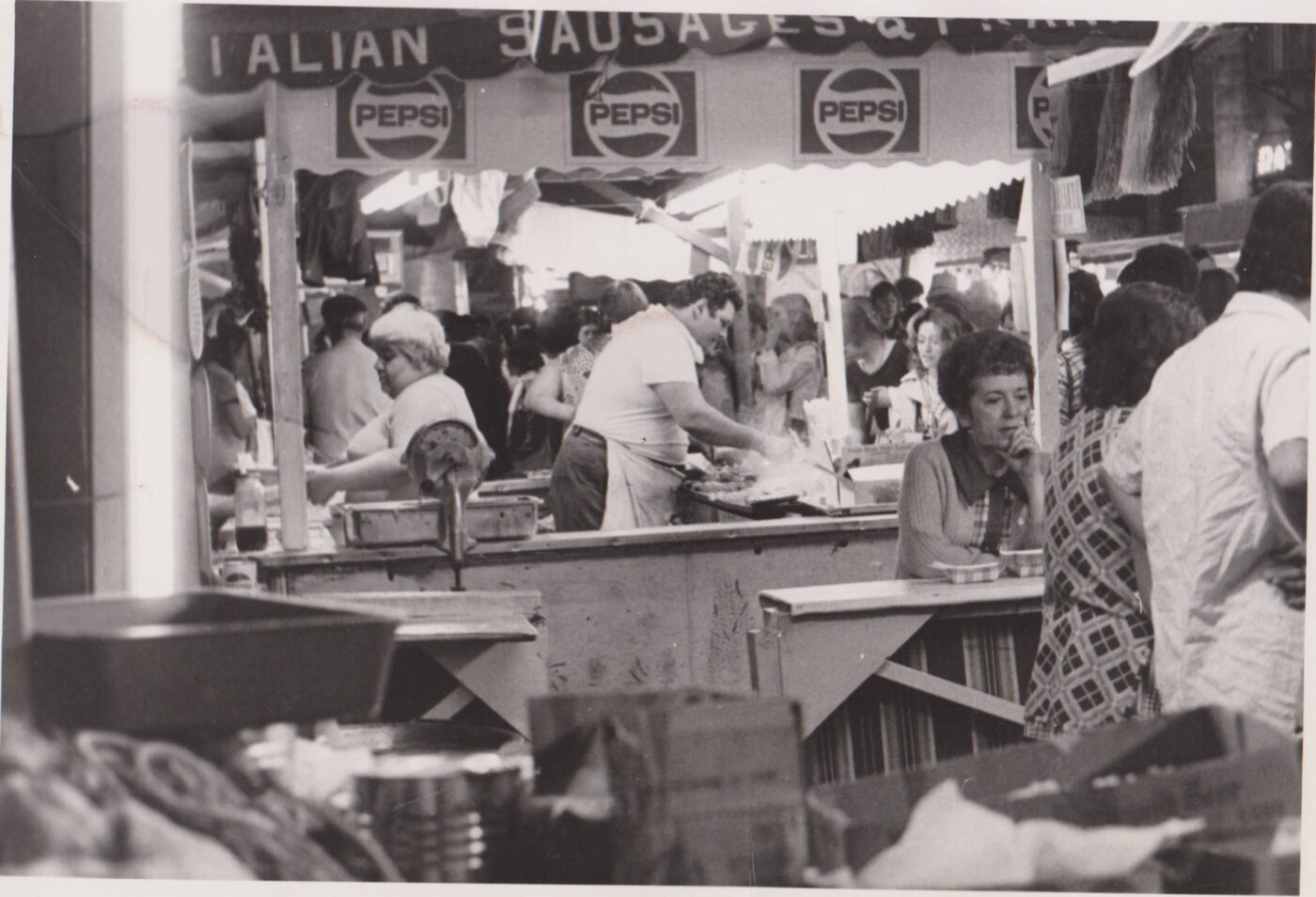
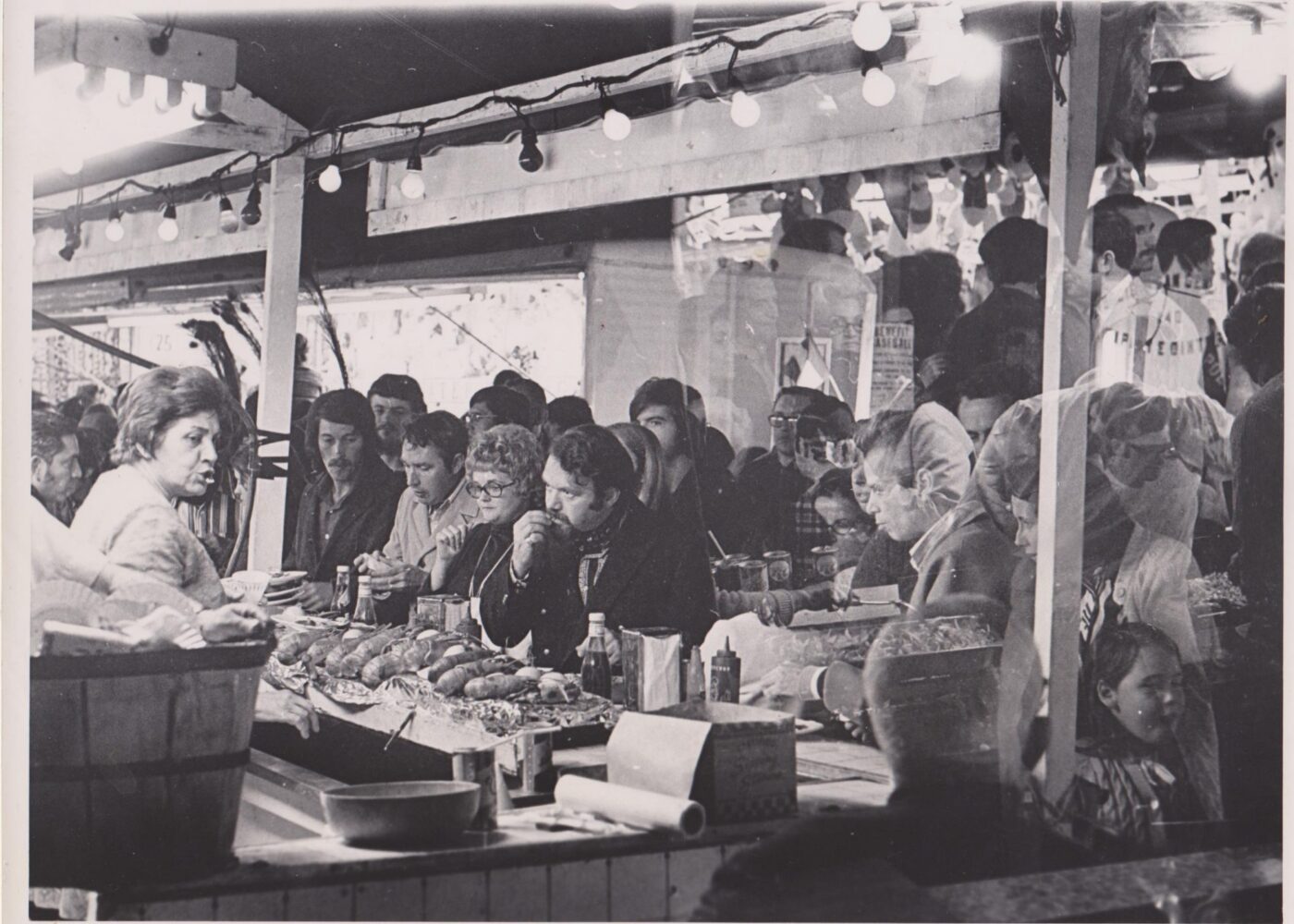
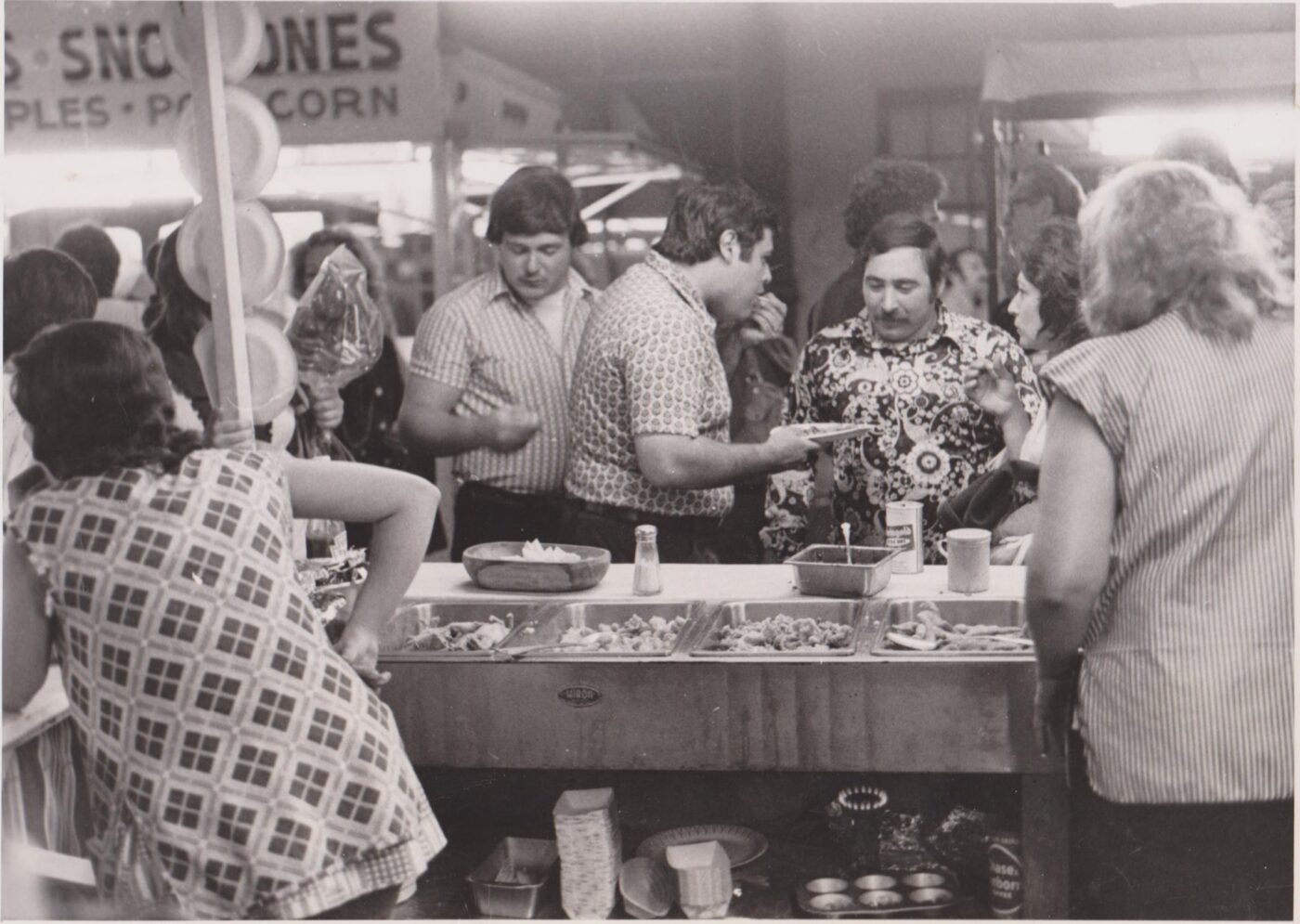
Riccardo Spina Collection
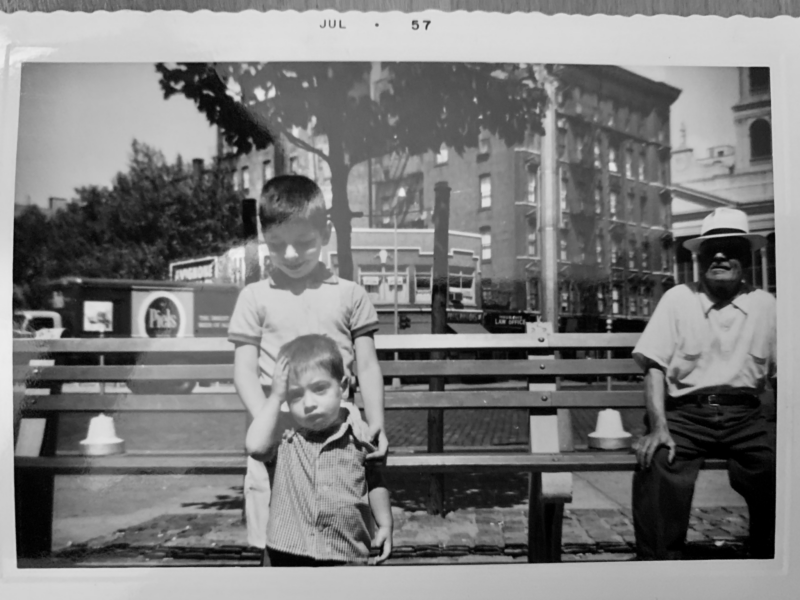
The Riccardo Spina Collection offers a deeply personal window into Village life, capturing intimate family moments and neighborhood scenes through the eyes of a lifelong resident. His photographs of children playing on a tenement rooftop, neighbors gathered near Father Demo Square, everyday glimpses of friendship and family, bring to life the rhythms of a close-knit community. Descended from Italian immigrants who settled in the Village in the 1890s, the Spina family’s story reflects the enduring spirit and legacy of Italian-American life in the neighborhood.
Center for Migration Studies — South Village Italian-American Life
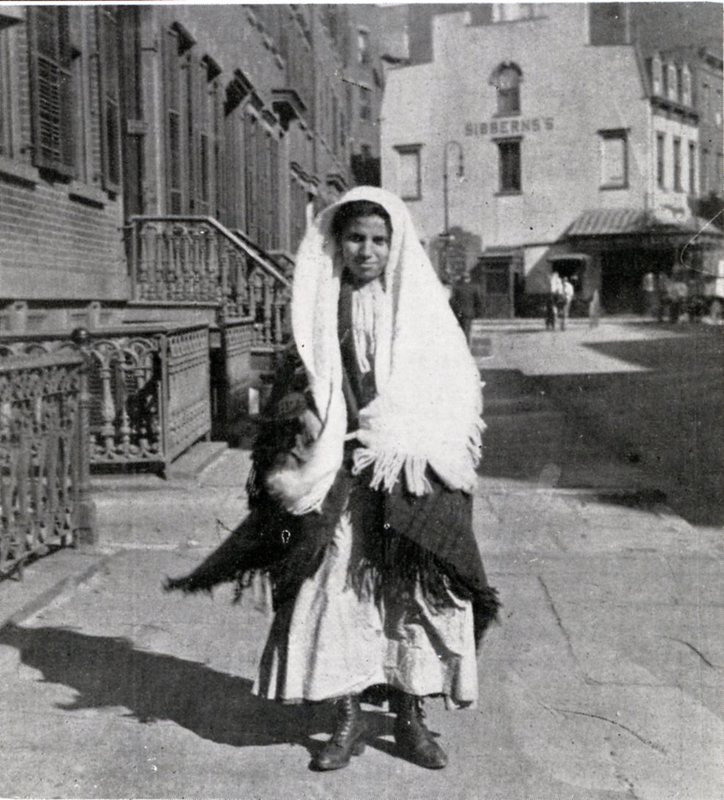
A remarkable set of sixteen early 20th-century photographs documents the daily lives of Italian immigrants in the South Village, a world of stoop-side conversations, bustling streets, and family pride. Among them is a particularly moving portrait of fifteen-year-old Nicosia Graziano, newly arrived from Italy aboard the R.M.S. Celtic in 1911. In the image, she stands in front of 15 Charlton Street with the corner of Prince and MacDougal just behind her — a young face full of hope and determination, embodying the story of countless immigrants who helped shape the Village and New York City itself.
Italian-Tagged Storefronts & Churches
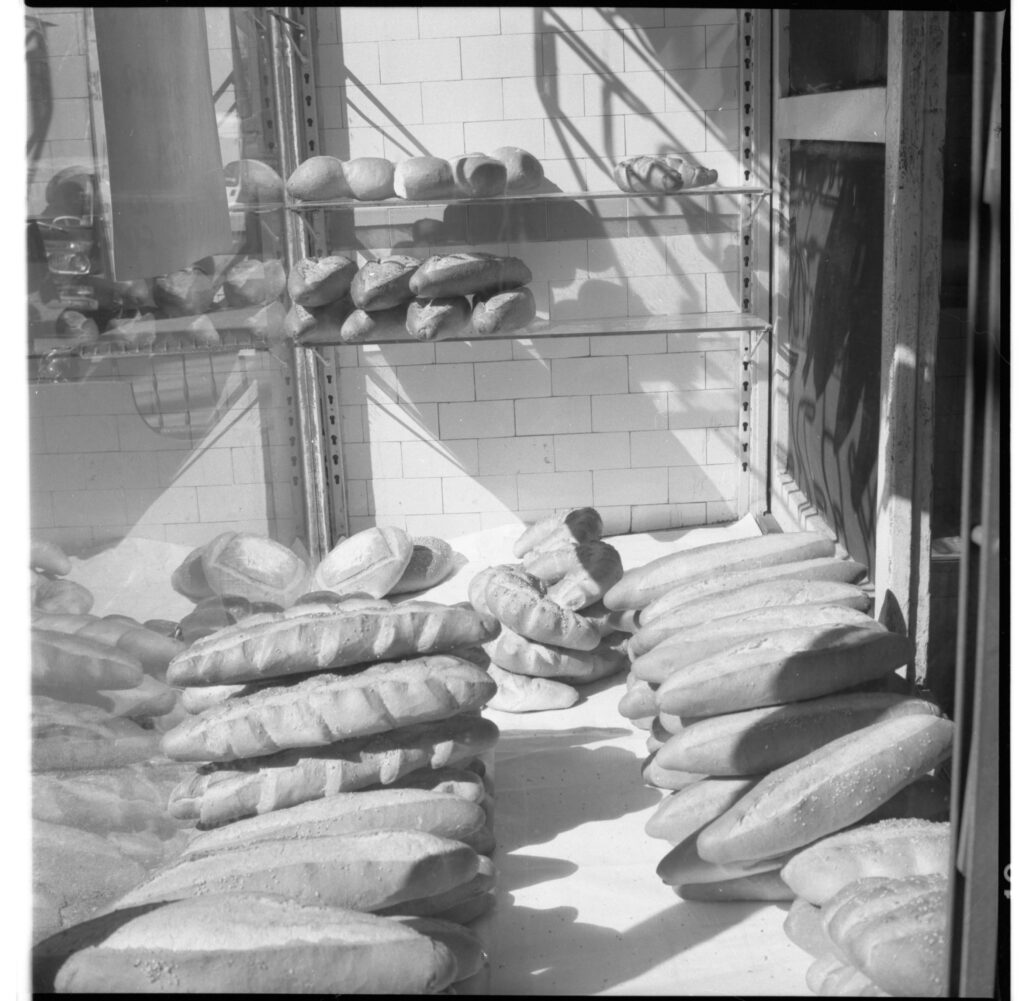
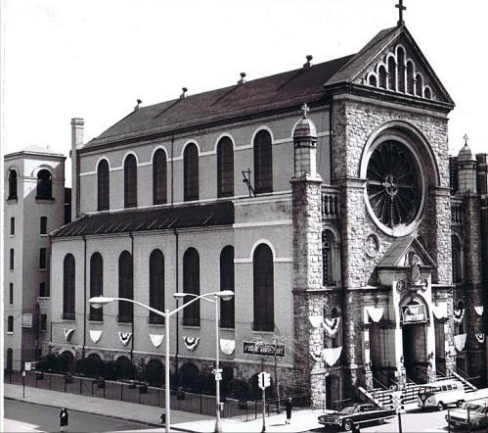
The Village’s streets still echo the presence of generations of Italian immigrants, and our archive preserves that legacy through both commercial and sacred spaces. One example is Zito’s Bakery at 259 Bleecker Street, whose window sign and façade speak to the enduring presence of Italian-owned businesses in the neighborhood, offering a glimpse into daily life and community commerce. Similarly, St. Anthony of Padua Church at 155 Sullivan Street is captured in multiple archival images spanning different eras, showing not only the church’s façade and side elevations but also the evolving environment around it. Together, these images reveal the intertwined lives of Italian-American families, their businesses, and their places of worship — pillars of social and cultural life in the Village.
San Remo Café, 93 MacDougal Street
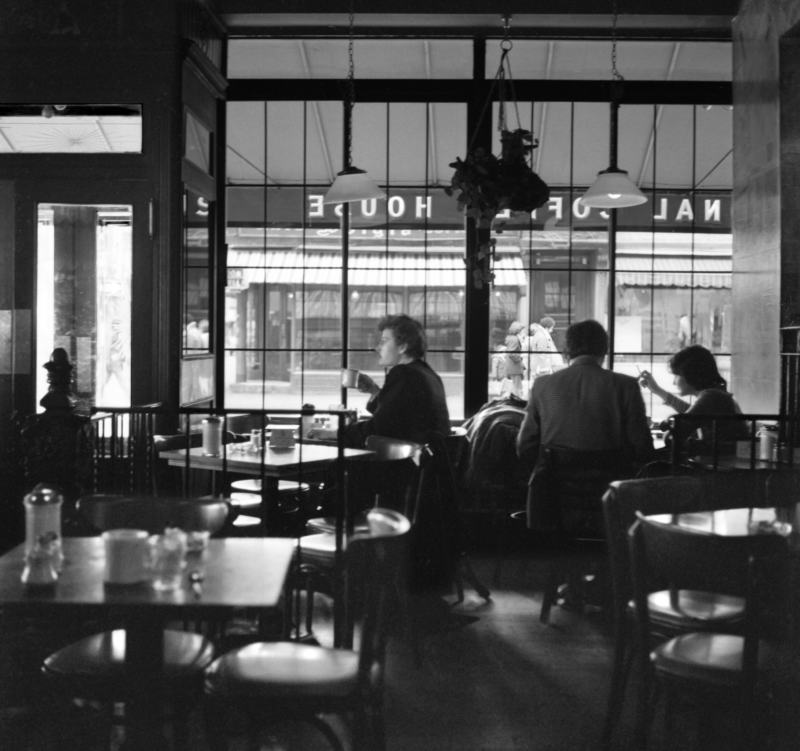
Historic images of the San Remo Café, originally owned by the Santini family, capture more than a storefront—they capture a hub of Italian-American life in the Village. In its early decades, the café was a gathering place for neighbors and families, where stories were shared, friendships forged, and community life thrived. The archive preserves these moments, offering glimpses of a vibrant neighborhood café that was as much a social center as it was a culinary one, reflecting the rhythms and warmth of everyday Italian-American life.
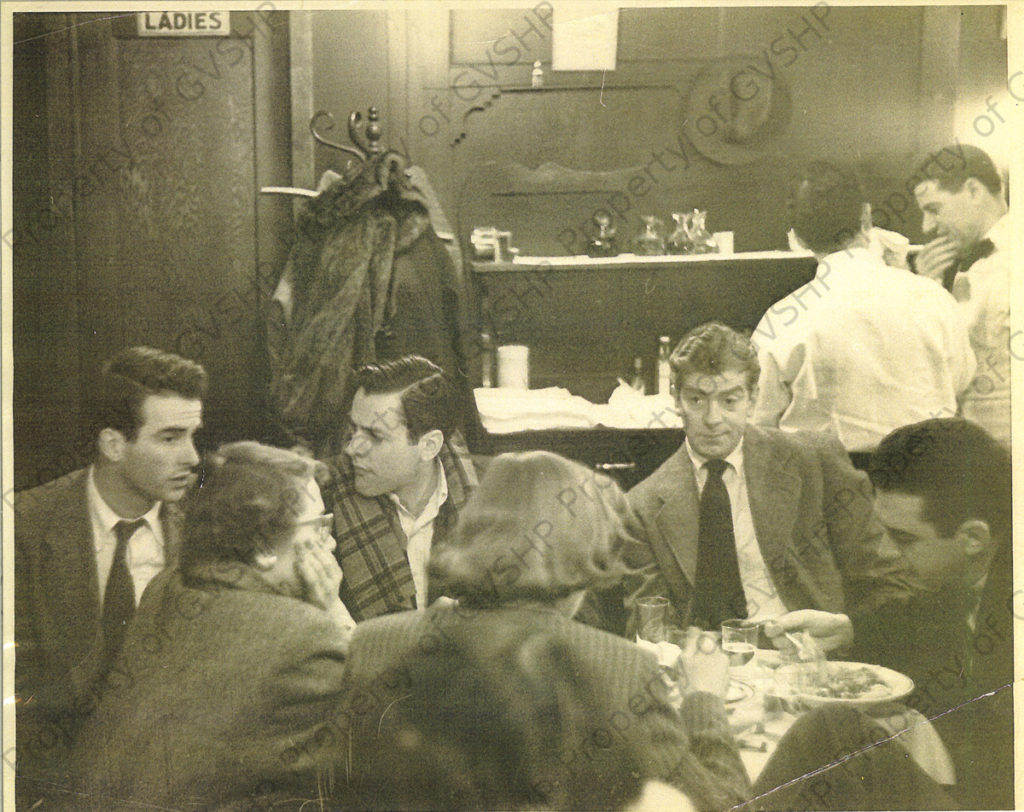
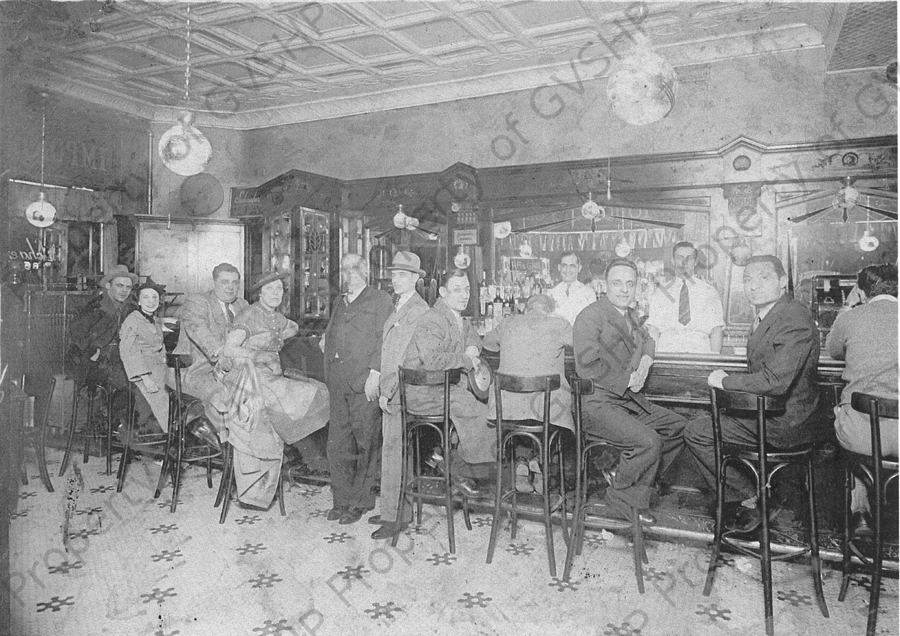
Our archive makes it easy to explore New York City’s rich cultural history through carefully curated tags. First, click on “images,” and a series of tags will appear. Under the “Italian” tag, you’ll find a treasure trove of images capturing Italian life in our neighborhoods, from 1960s bocce players and Italian-Catholic parishes to beloved local businesses and bustling street scenes, offering a vivid glimpse into the traditions, communities, and everyday moments that have shaped the Village and beyond.
Through these images, Village Preservation’s archive allows us to see not just buildings and streets, but the people, families, and traditions that shaped them. This Italian-American Heritage Month, we celebrate these enduring contributions — the businesses, celebrations, and everyday life that helped make our neighborhoods the vibrant, diverse community they are today.
To explore our entire historic image archive, click here. Most of these images were donated by the public from personal or family collections. If you’d like to donate your images to our archive, click here.