
Joans, Jones, and Company: Black Poetry History in the Village
Greenwich Village and the East Village have long been a nexus for poets from across the country and for poetry of innumerable styles. As we celebrate National Black Poetry Day coming up on October 17, we honor the many Black poets who have called our neighborhoods home over the decades and shaped the literary form we know today.
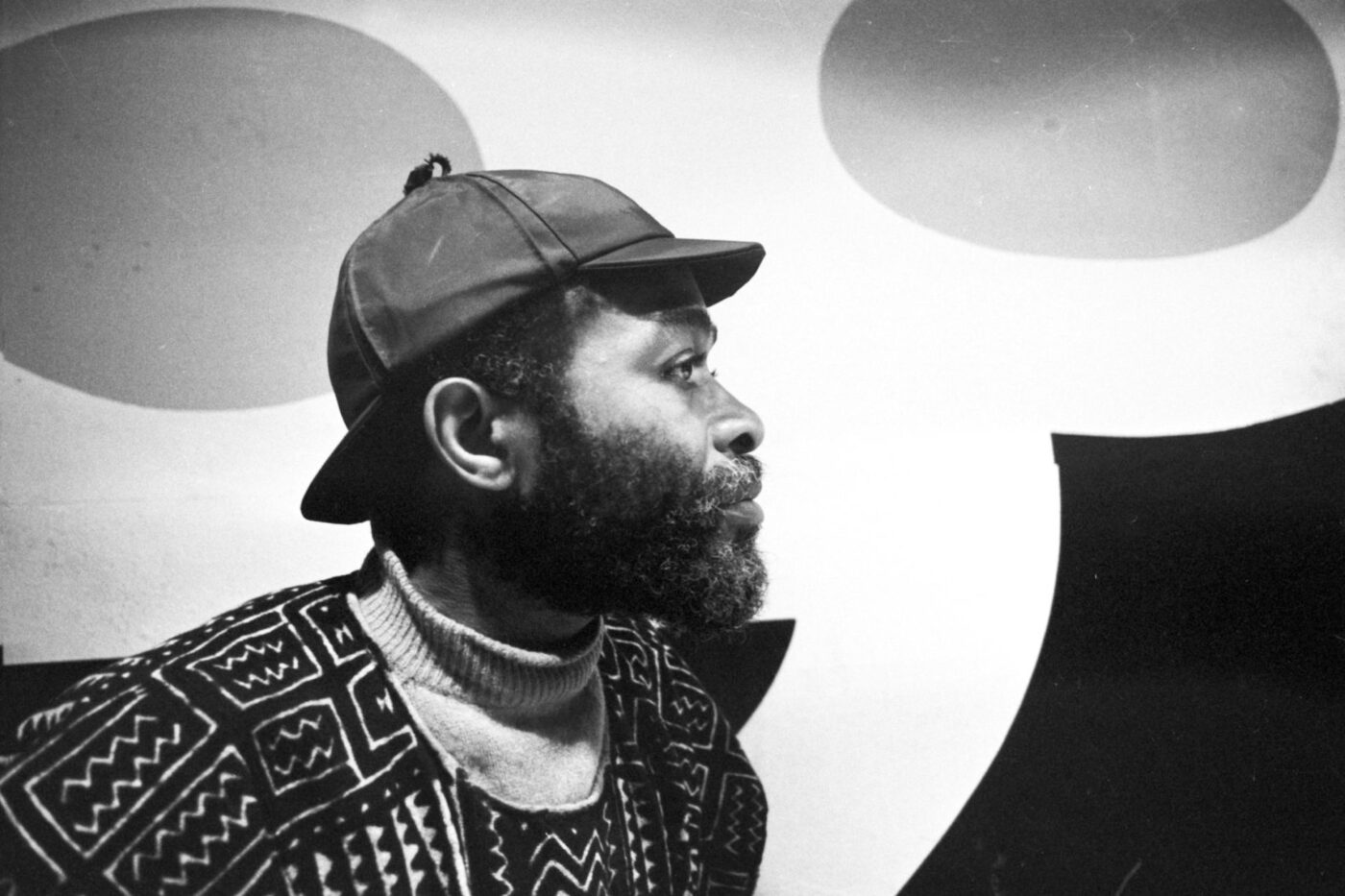
One such poet was Ted Joans. Arriving in Greenwich Village in 1951 to start a career as a painter, he soon became one of the public faces of the local Beat poets in the late 1950s and early ’60s. “If you didn’t know Ted, then you couldn’t really dig how the Village became hip in the 1950s,” wrote historian Robin D. G. Kelley in his 2003 obituary for Joans. Joans helped electrify Village coffeehouses like Café Bizarre and Café Rienzi, threading bebop cadence through downtown readings and parties. His performances linked poetry to the wider avant-garde and jazz worlds, and contemporary accounts place him squarely in the Village’s coffeehouse circuit—an essential early bridge between Beat bohemia and Black experimental poetics.
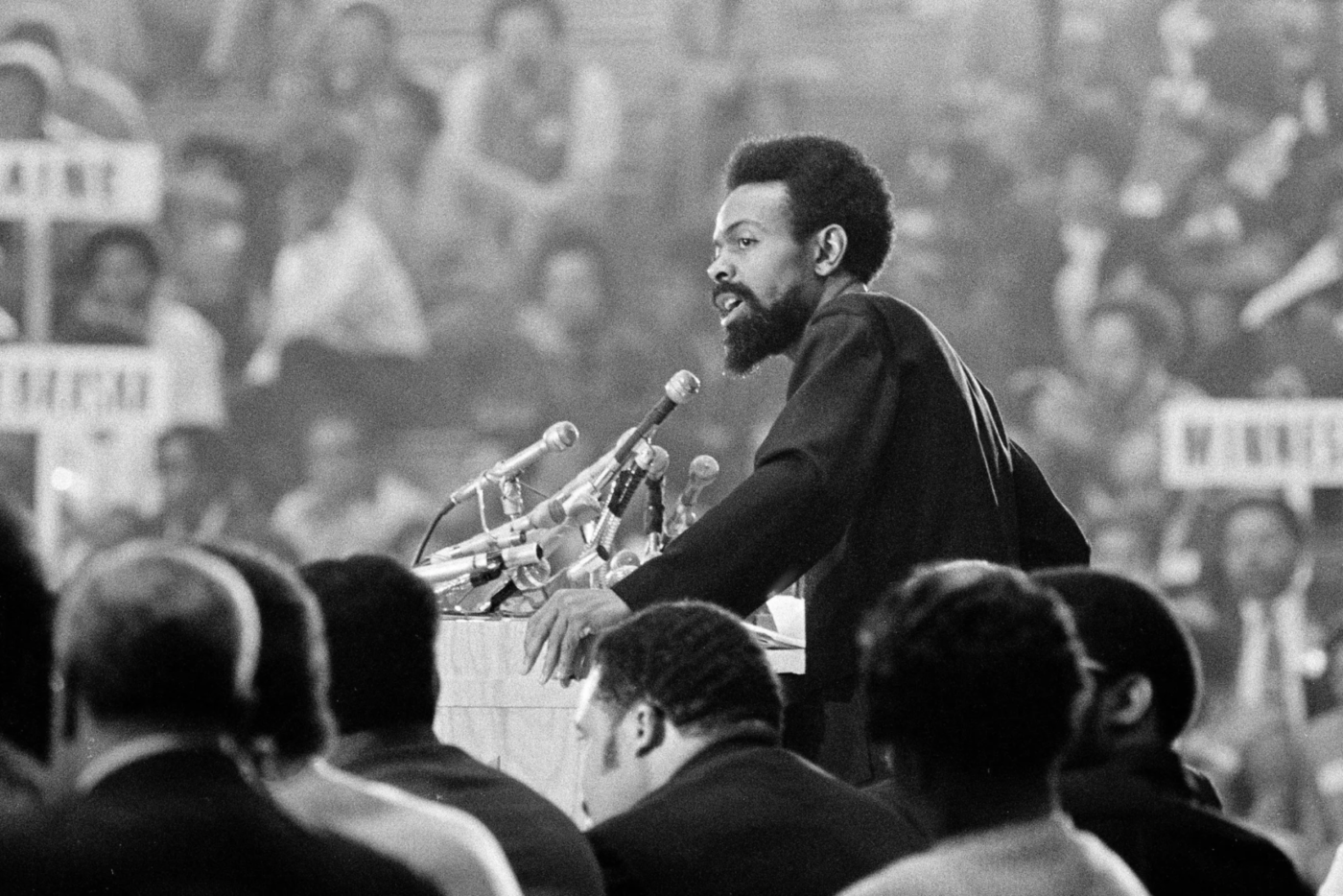
Around the same time and a few blocks away, LeRoi Jones was co-editing the influential magazine Yugen with wife Hettie Jones and launching Totem Press, publishing an audacious mix of Beat, New York School, and emerging voices that pushed downtown poetics into a sharper, Black-conscious register. The couple was frequently visited by writers and artists working under the Beat and Black Mountain labels, including Allen Ginsberg and Frank O’Hara. Changing his name to Amiri Baraka in the late 1960s, he served as a focus for the Black Arts Movement, which included dramatists, novelists, essayists, and poets who used their work as a forum for political critique during this volatile era for civil rights.
Honoring Baraka’s literary legacy and the influence other Beat poets had on our neighborhoods, Village Preservation placed a plaque on his 27 Cooper Square residence in 2017.
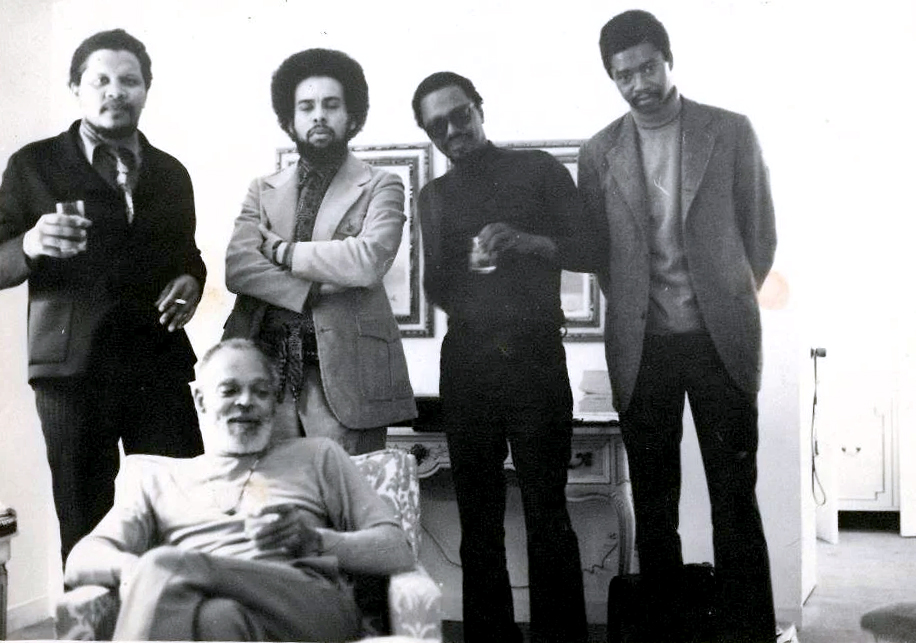
Across the Bowery in the East Village, the Umbra Writers Workshop (1962–65) formed a groundbreaking Lower East Side collective of young Black poets who met for Friday-night workshops, readings, and festivals, among them David Henderson, Ishmael Reed, and Tom Dent. Umbra intentionally built a downtown Black literary community outside the white mainstream, and its Lower East Side base made it a catalyst for later Black Arts and multicultural scenes that flourished nearby.
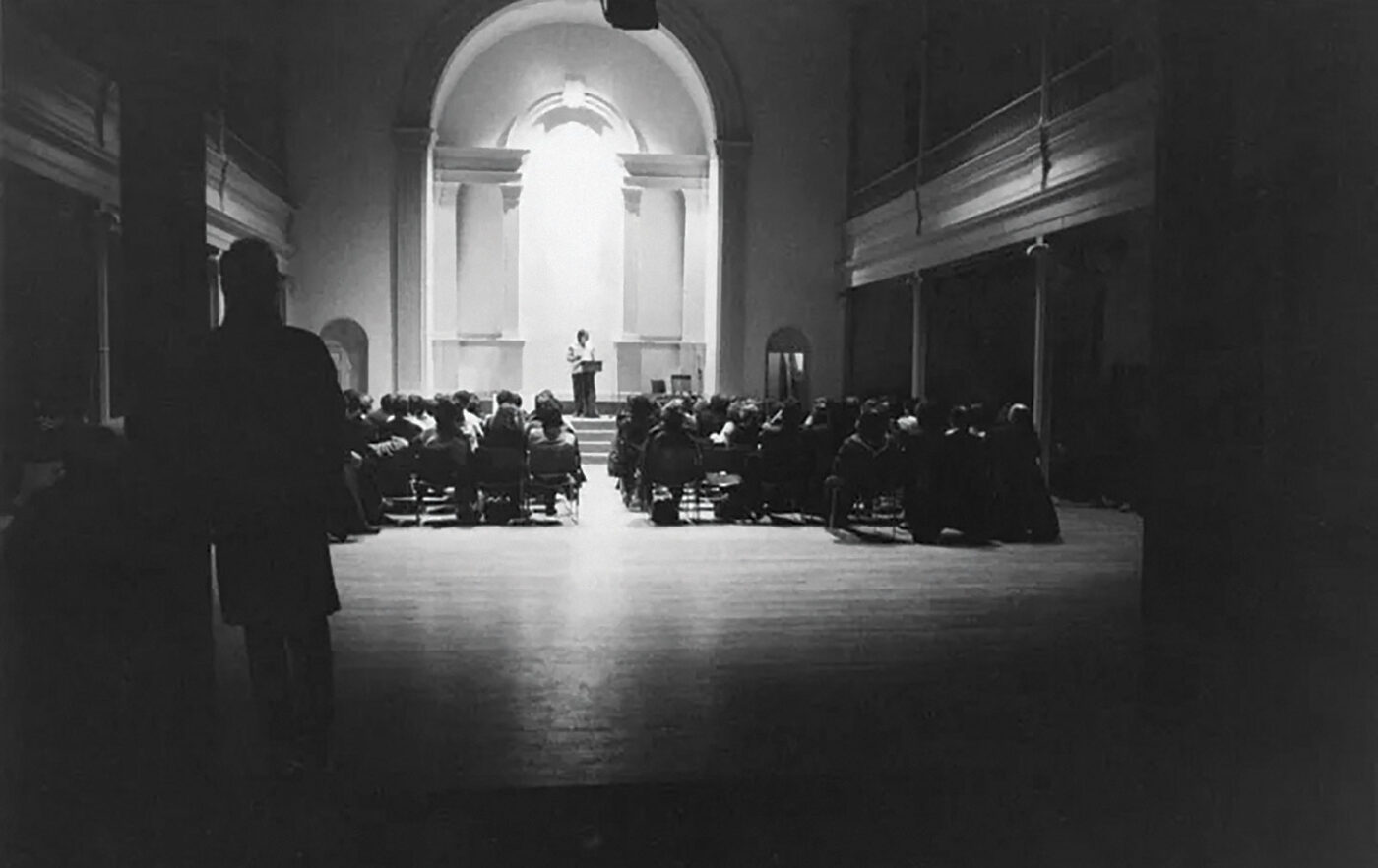
Elsewhere in the East Village, the Poetry Project was founded at St. Mark’s Church-in-the-Bowery in 1966, and hosted generations of Black poets from Audre Lorde to Jayne Cortez and beyond. The Project, still going strong from the same location, has been essential in shaping downtown poetics and documenting the ongoing presence of Black poets in one of New York’s most storied communities.
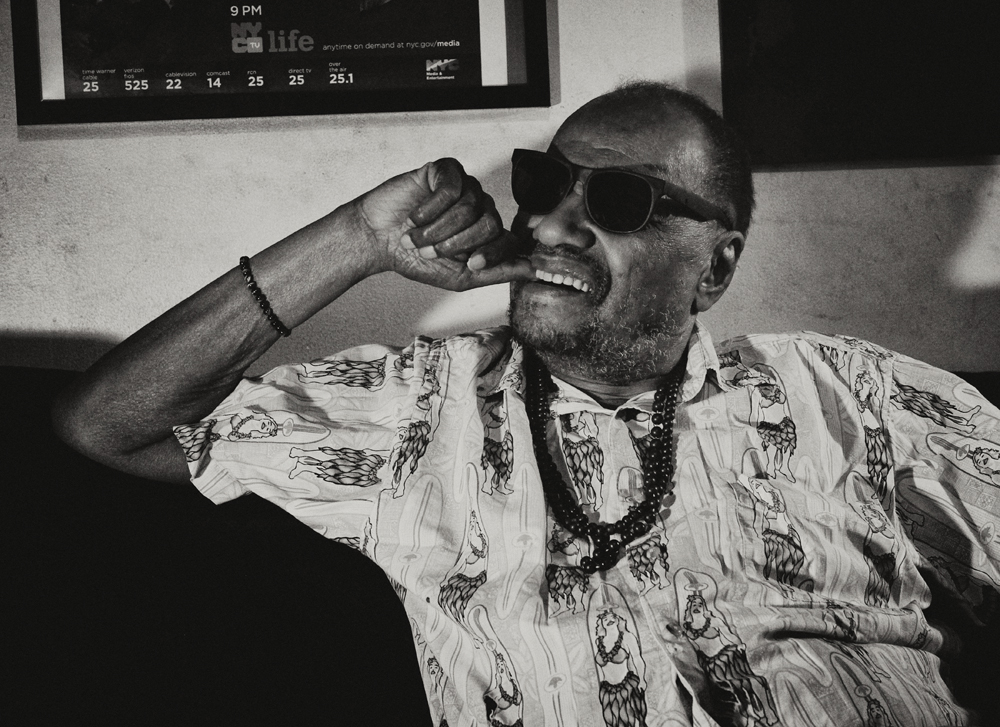
At 285 East 3rd Street, the late poet Steve Cannon’s A Gathering of the Tribes embodied the neighborhood’s fiercely local, open-door ethos: a venue for underexposed artists, as well as a networking center, publication, and locus for the development of new talent. Cannon was instrumental in establishing many of the neighborhood’s cultural institutions for poets, musicians, and other artists, including the Charlie Parker Jazz Festival, the Lower East Side Arts Festival, the Howl Festival, and the Nuyorican Poets Café. (Village Preservation has been working toward landmark designation for his East Village home; add your name to the campaign here.)