
Sydney Taylor’s All-of-a-Kind Family
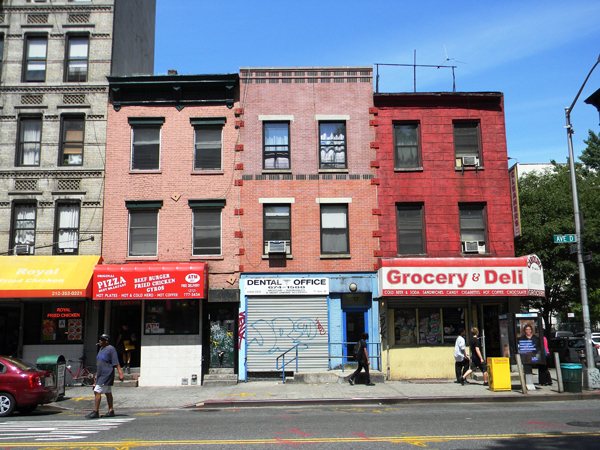
On October 30th, 1912, a little girl named Sarah celebrated her eighth birthday in a Federal-style row house at the corner of Avenue D and East 3rd Street. She was the third of five daughters of Cecilia and Morris Brenner, German-Jewish immigrants who had arrived in New York City in 1901, and her childhood on the Lower East Side, in the northern portion that today we’d call the “East Village,” inspired her to years later write a semi-autobiographical series of children’s books about her “All-of-a-Kind Family.”
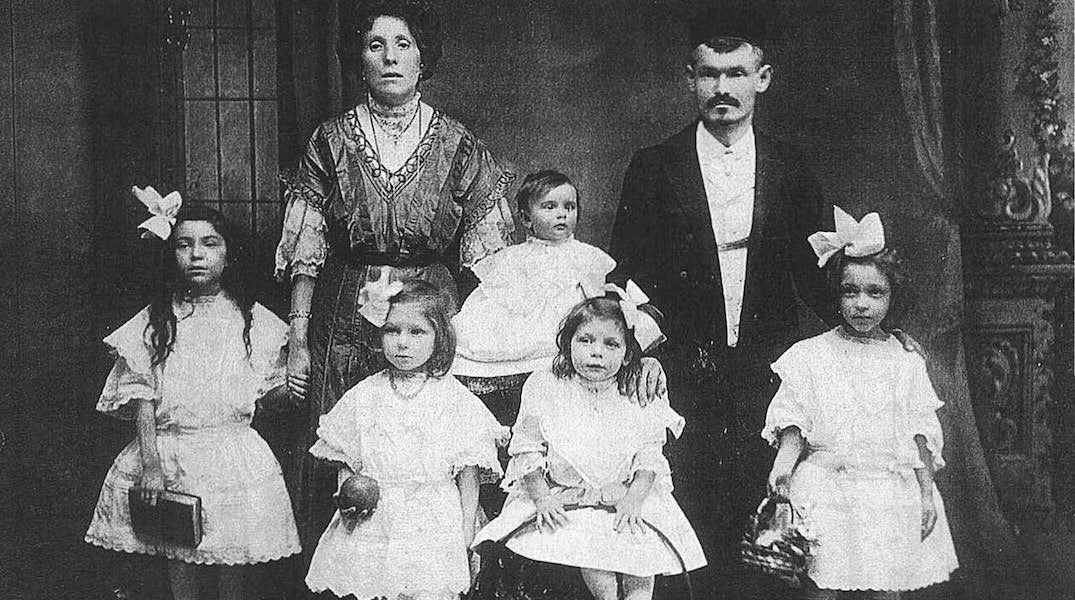
According to 1905 census records, the young family previously lived in a New Law tenement building that had just been constructed in 1903 at 708 East 5th Street (no longer extant). By 1910, records indicate that the family had moved to their home on Avenue D, which would serve as the backdrop for Sarah’s novels. The “All-of-a-Kind Family” was so named because all five girls — Ella, Henny, Sarah, Charlotte, and Gertrude — dressed alike. Many of the anecdotes and details in the books were based on true life, including use of all of the sisters’ real names, though the author, Sarah, changed her name to Sydney as a teenager and published under her nom de plume, Sydney Taylor.
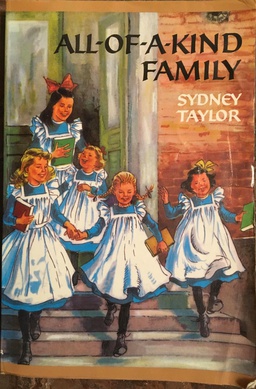
Published in 1951, the first chapter book in the series, All-of-a-Kind Family, chronicled tales of Jewish life in the year 1912, not centered around common themes like the Holocaust or strictly religious practice, but on the daily activities of a family, one in which so many New York Jews and non-Jews alike could see facets of themselves. Perhaps a nod to Little Women (1868) — whose author, Louisa May Alcott, may have also lived in the Village nearly a century earlier — the story centered around the young sisters, each with their own distinguishing characteristics, yet spending most of their time together, “all of a kind,” in and around their Lower East Side home.
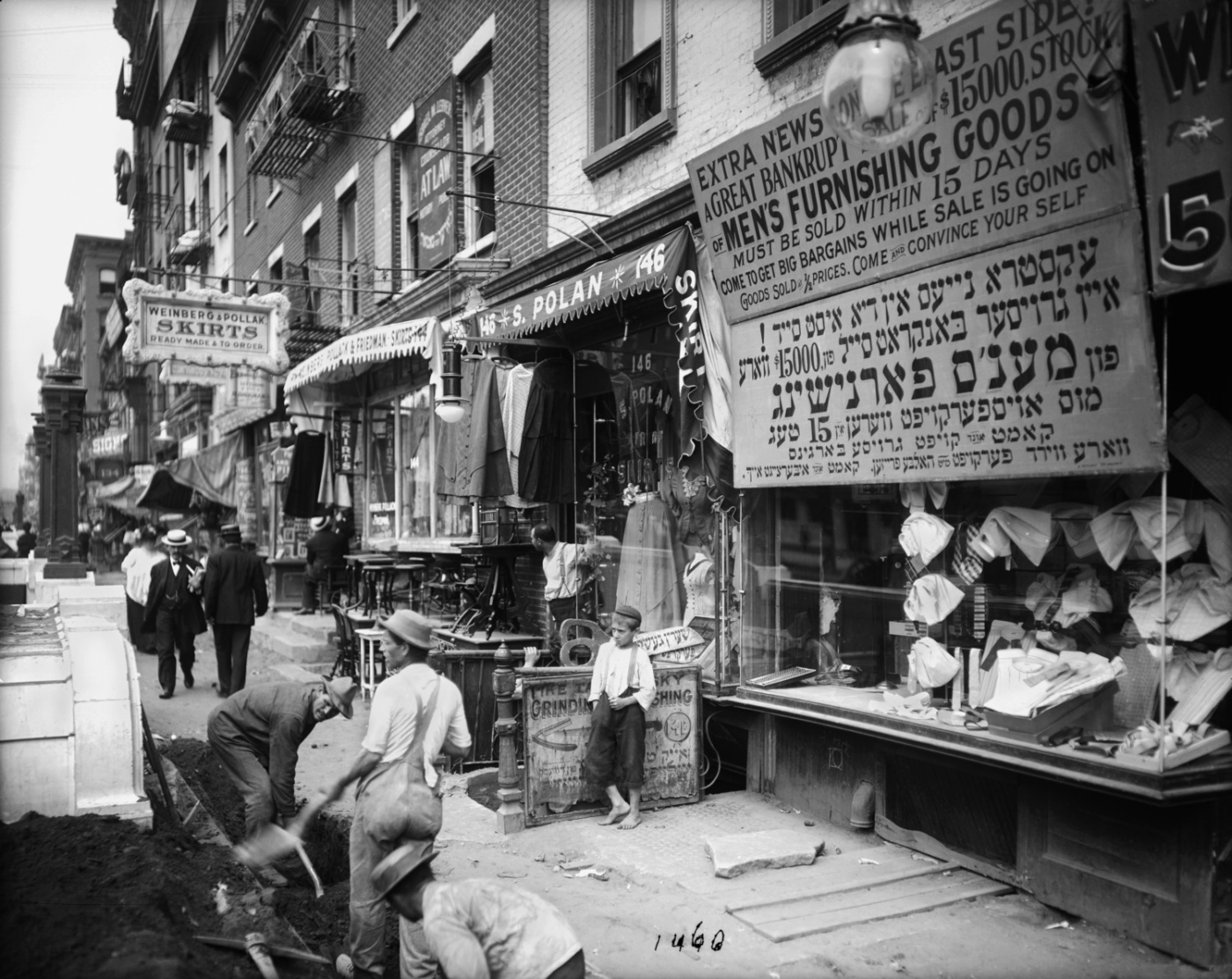
The book explored themes of assimilation and sisterhood, and compellingly illustrated what it was like to live as a working-class immigrant family on the Lower East Side in the early 1900s. Taylor brought the neighborhood to life in her writing, with references to penny candy shops and local libraries, all through the lens of a Jewish-American family, something that had not ever really been done before. As Dr. Hasia Diner expressed in her book Lower East Side Memories: A Jewish Place in America:
“All-of-a-Kind Family was the first book I ever read with Jewish characters, Americans, with whom I could identify… In the first chapter of the book, the girls in the family, Jewish children in immigrant New York, go to the library – on Friday afternoon – on their weekly foray for books. Here I was reading a book that I found in the public library on a Friday afternoon in which the main characters, a family of little girls, did exactly what I did: get their library books on Friday afternoon, light Sabbath candles, eat kugel, celebrate Passover, speak English to their Yiddish-speaking parents, argue with each other, get in trouble, get out of trouble, and so on. Despite the fact that the book was set in a city I had never seen and that the actions took place a half century earlier than the years of my growing up, I felt an instantaneous bond with these girls and their neighborhood.”

Other aspects of Sydney Taylor’s early life also informed her writing. Before launching her career as a writer, Taylor was a member of the Young People’s Socialist League beginning in 1923, where she would meet her future husband, Ralph Schneider. She spent several summers at Tamiment, a socialist camp and summer school in the Poconos, and later was a counselor for many years at Cejwin Camps in Port Jervis, New York, where she earned the fond nickname “Aunt Syd.”
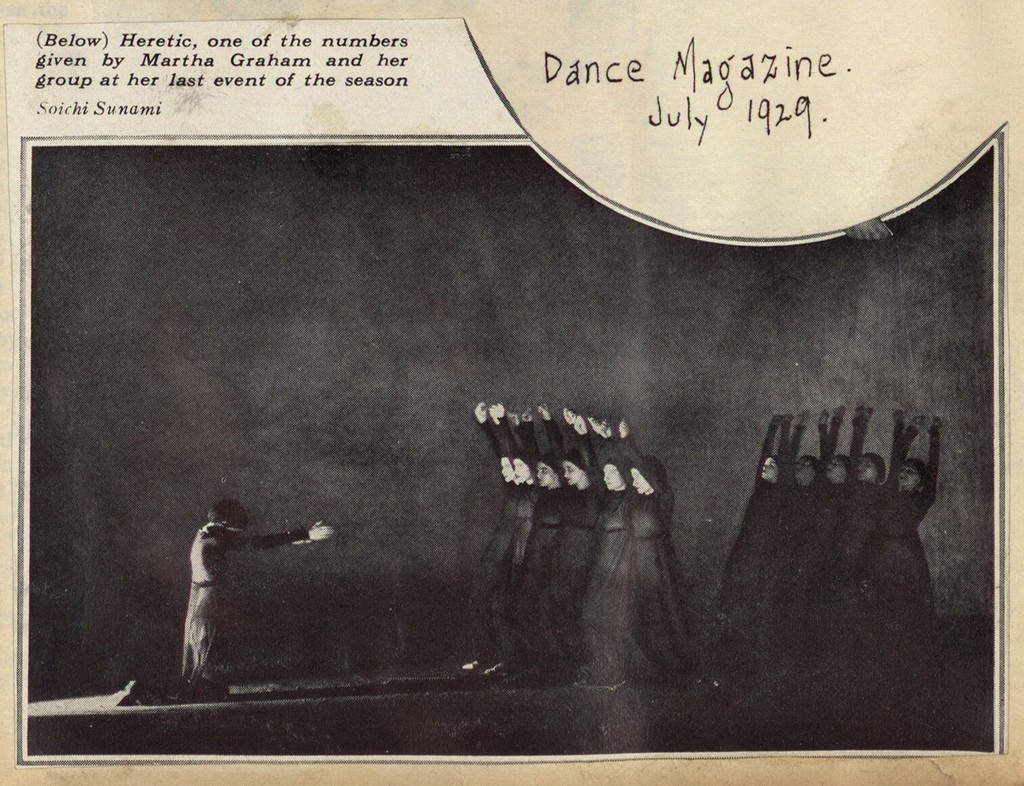
Beginning in the late 1920s, Taylor and her husband were both involved with the Lenox Hill Players, an experimental theater troupe, and after it shuttered, they joined the Impromptu Theater. Taylor also studied for a time under dancer and choreographer Martha Graham (another prominent Villager!).
Channeling her creative energy into her writing, Taylor’s career as an author began to take off in 1950, when her husband submitted one of her stories to a contest, the first prize of which included a publishing contract. Taylor won the second annual Charles W. Follett Award in children’s literature, and the All-of-a-Kind Family was born.

Though the stories were explicitly about Jewish immigrant life, Taylor was discouraged from promoting them as such, and was told not to use the term “Jew” in marketing materials. Nevertheless, Child Life magazine listed All-of-a-Kind Family as one of the ten best children’s books of 1951.
This prejudice against Jewish literature caused some trouble for Taylor as she tried to get her second book published, but she managed to achieve publication of More All-of-a-Kind Family in 1954. Three more books in the series would follow, but not without further struggle. All-of-a-Kind Family Downtown, which was written to be third in the series, ended up being published fourth, and not until 1972, because, according to her publisher, its exploration of themes like poverty and hunger, real aspects of Lower East Side life during the time period in which the story took place, were not appropriate for a children’s book. The final book in the series, Ella of All-of-a-Kind Family, was published in 1978, shortly after Taylor’s death. All five books in the series are still in circulation today, and continue to introduce generations of young readers to the Lower East Side during its peak as a center of Jewish immigrant life.
Sydney Taylor is just one of an impressive roster of writers who have lived in our neighborhoods. Check out the “Homes and Haunts of Great Writers” tour in our Greenwich Village Historic District: Then & Now map; the Writers and Authors Tour within our South of Union Square Map + Tours resource; and our Historic Plaques Map, which plots all the plaques we’ve placed honoring significant people and places in our neighborhoods, including the home of Beat writers Allen Ginsberg and William S. Borroughs, author Alex Haley’s home and studio, and many more. And, of course, our printable tour highlighting the Greenwich Village sites frequented by Bob Dylan — the first musician to win the Nobel Prize in Literature.
Fascinating. Thank you.