
The Soul of the Village: Six Venues That Built Our Sound
The East and West Village are not just neighborhoods. They are thresholds. They take people who feel like they do not fit anywhere and tell them this is where misfits learn to fly. Music is the way this part of New York speaks. It does not whisper. It roars. For decades, these streets have given rise to artists who changed what the world listens to, and six venues continue to carry that spirit forward. They have survived fires, gentrification, inflated rents, and every attempt to make New York quieter. They keep saying no. The culture comes first.
Webster Hall is the first heartbeat. Before it was a concert hall, it was a gathering place for workers and radicals. It held union meetings, drag balls, and nights where the rules of the city were rewritten. In the 1990s it became a major home for live music, where ambition echoed off the balcony and even the green rooms felt hungry. The building looks like it has lived many lives because it has. You step inside and the walls tell you that transformation is possible. This is the venue where a kid with a guitar can suddenly feel ten feet tall.
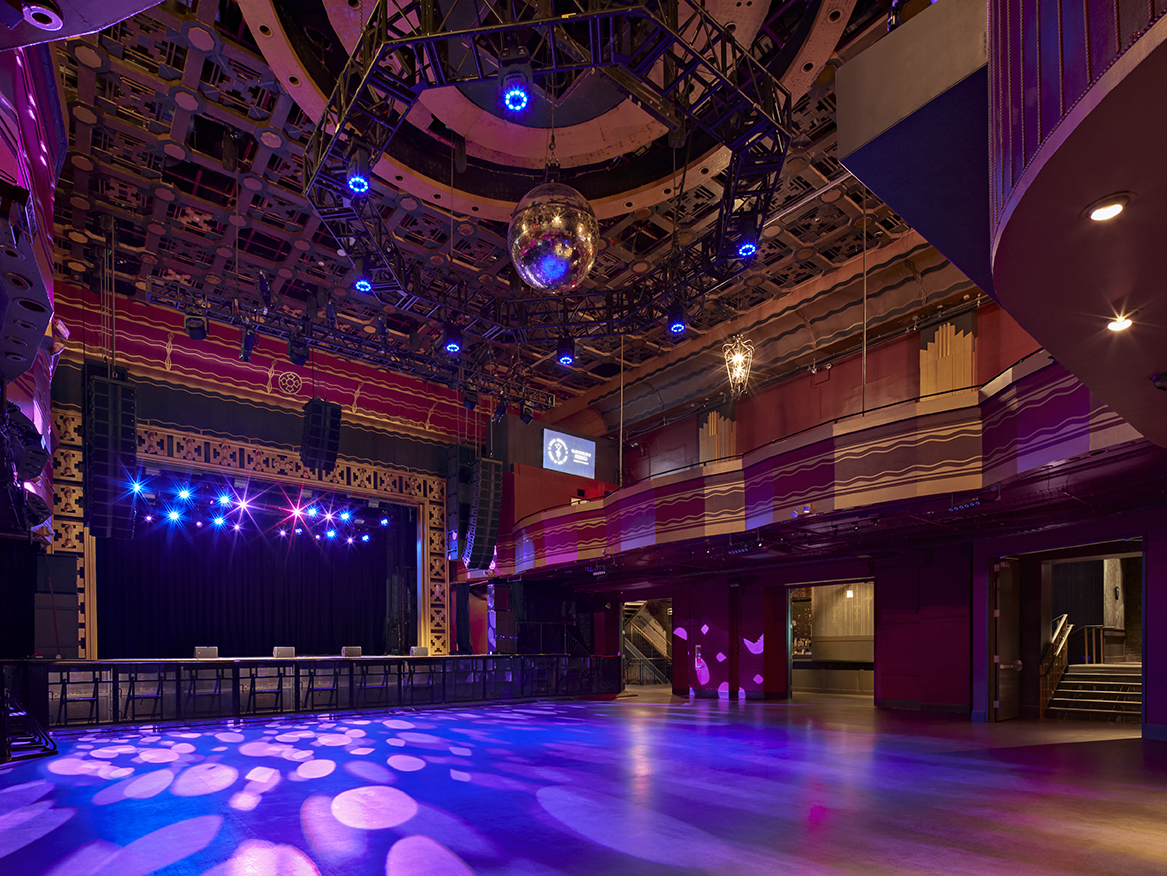
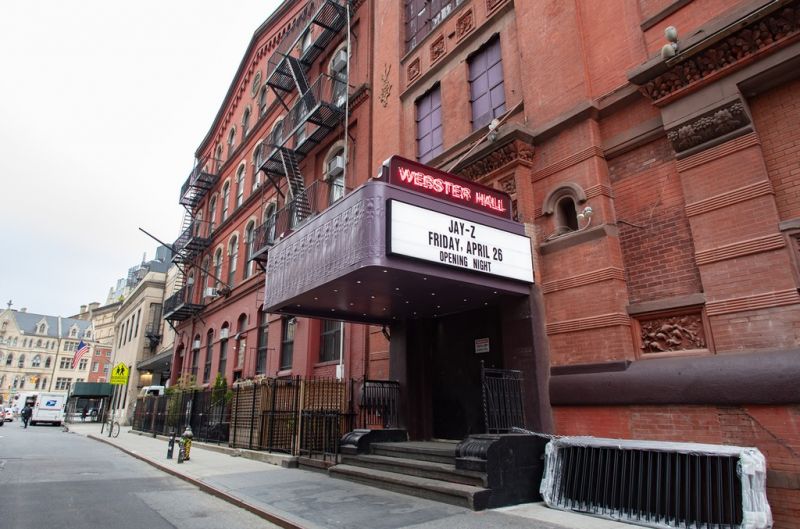
We have a more detailed history of Webster Hall for those who want to dig deeper into its story. From political rallies and drag balls to punk shows and major concerts, this East Village landmark has always been where culture breaks the mold. Explore how a 19th-century meeting hall became one of New York’s most iconic music venues.
Read more about Webster Hall’s past and future
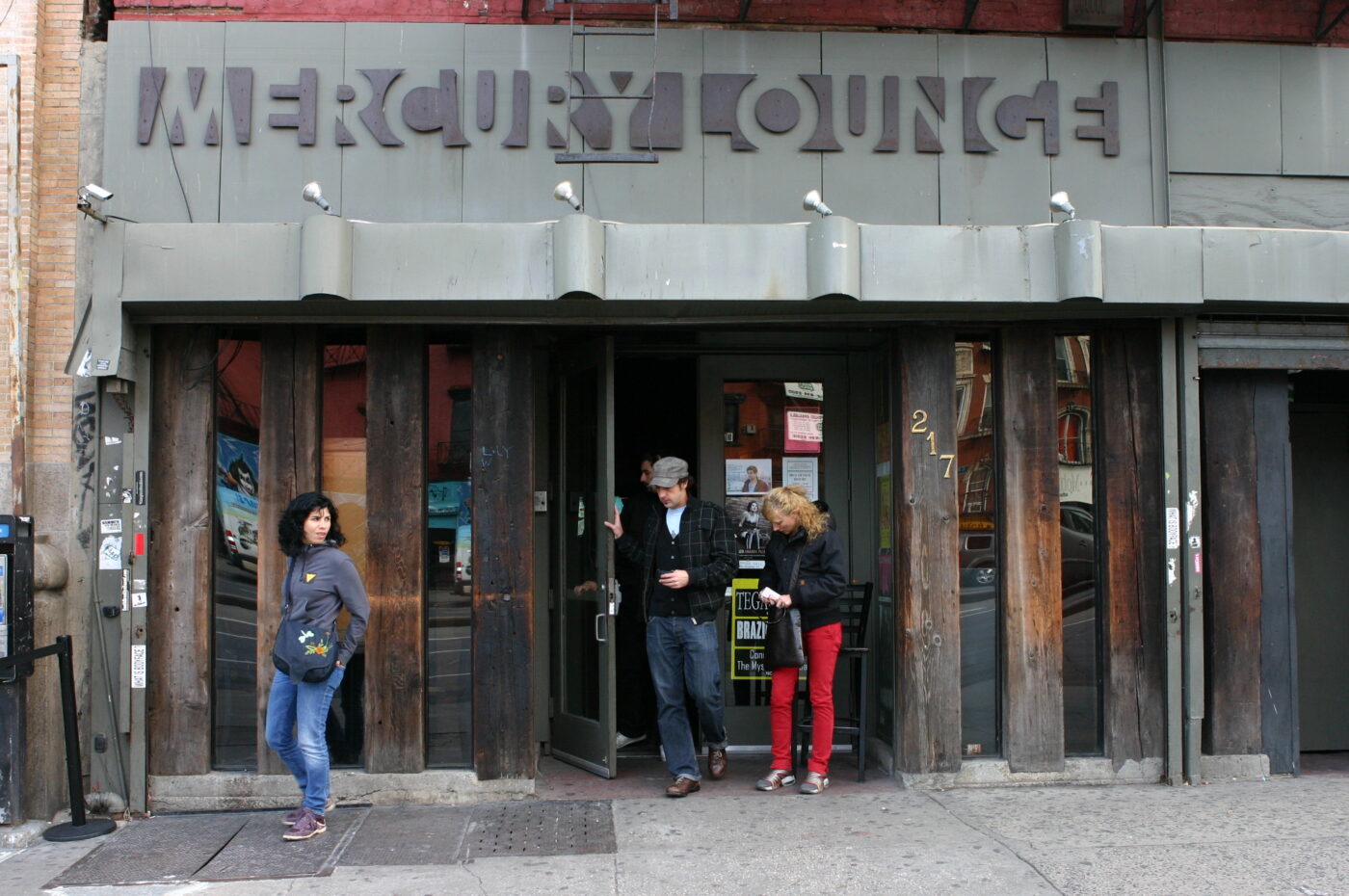
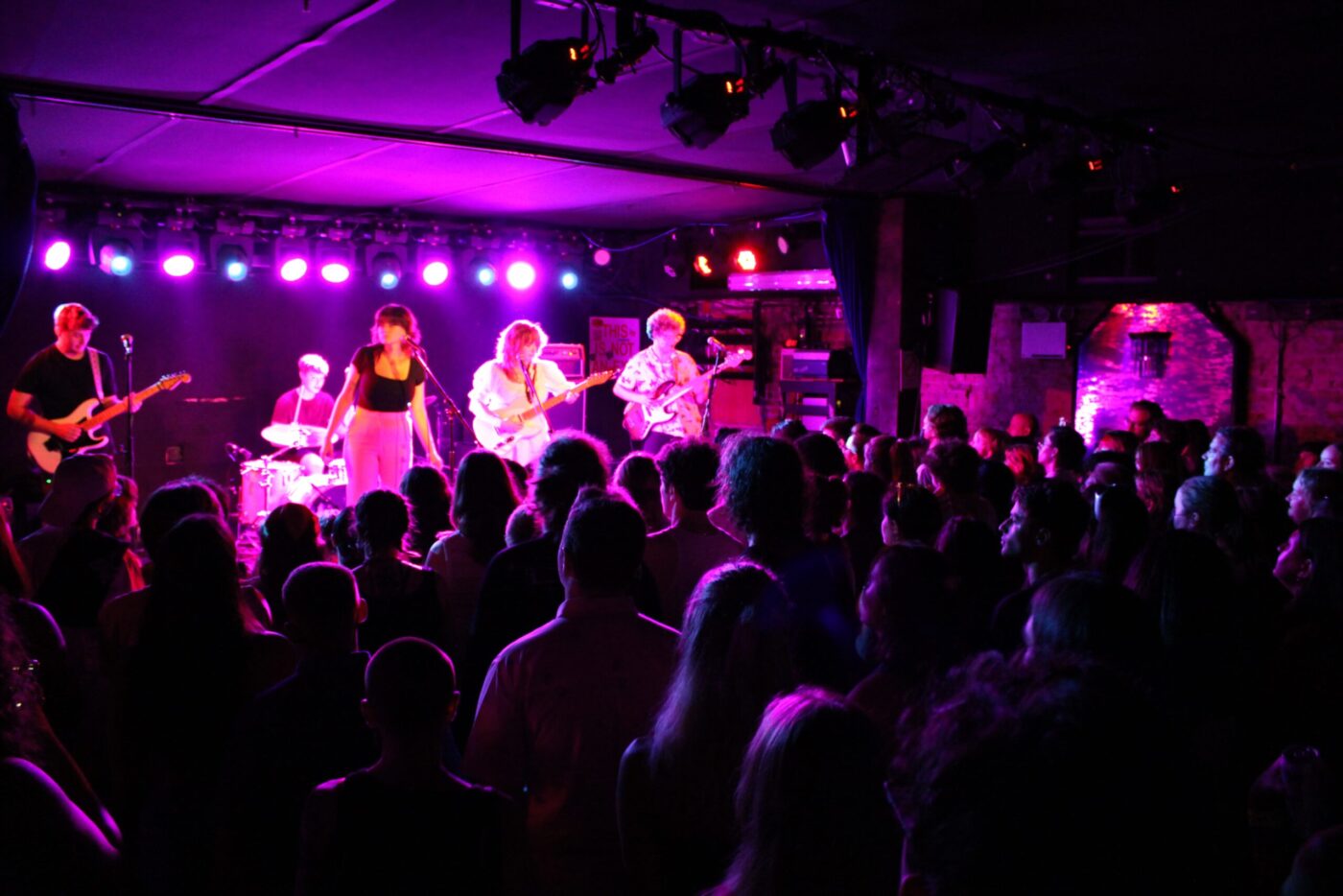
Down the street the lights drop and the room shrinks into focus. Mercury Lounge has no patience for artists who pretend. It asks a simple question. Are you real. If the answer is yes, the crowd listens. If the answer is anything less, the room goes cold. The Strokes started here. So did a long list of bands who had something to say that refused to stay small. Mercury Lounge protects the Village from turning into an Instagram backdrop. It keeps the art raw. It keeps musicians honest. It proves that greatness often begins on a stage that barely fits the drum kit.
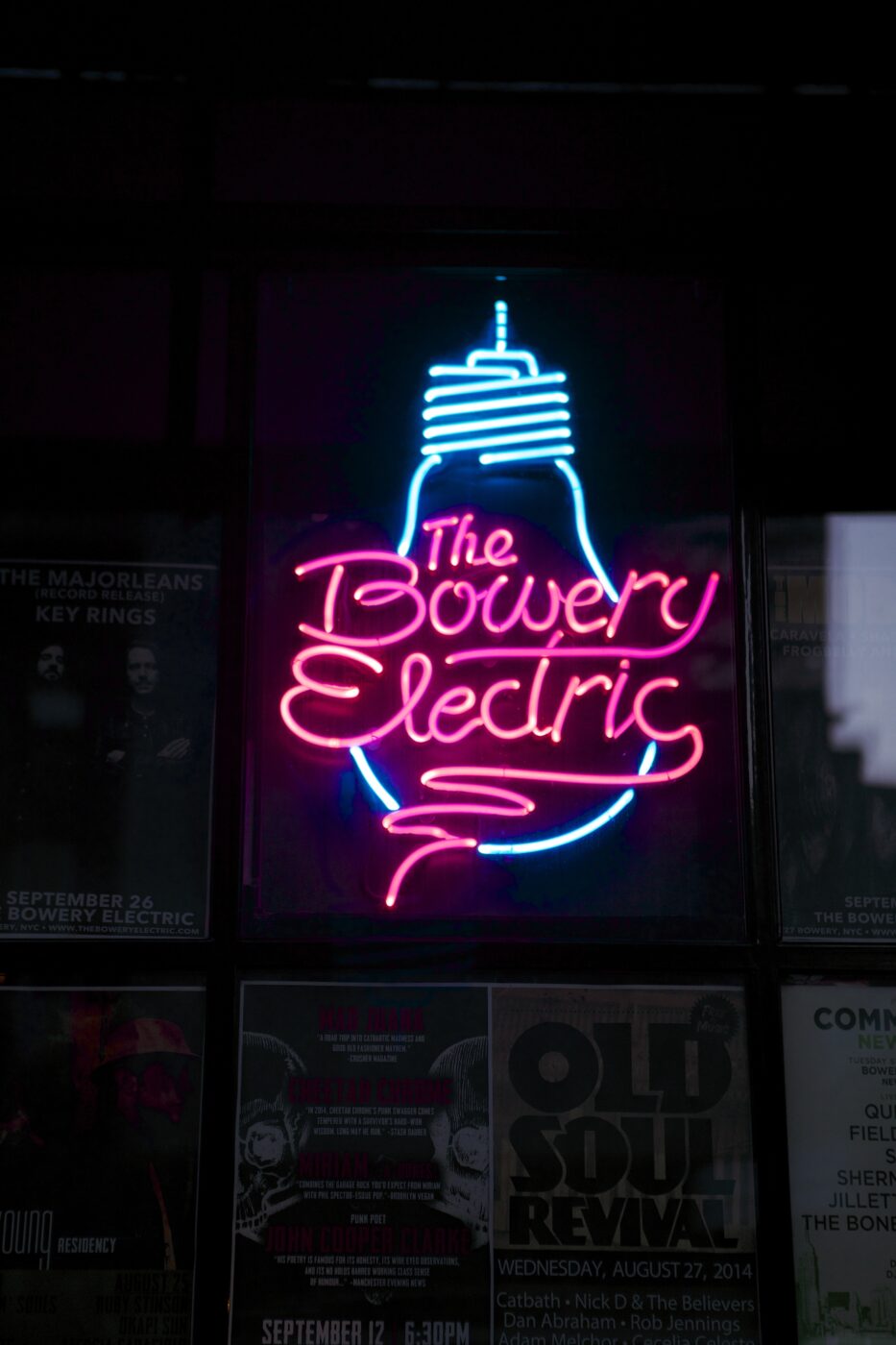
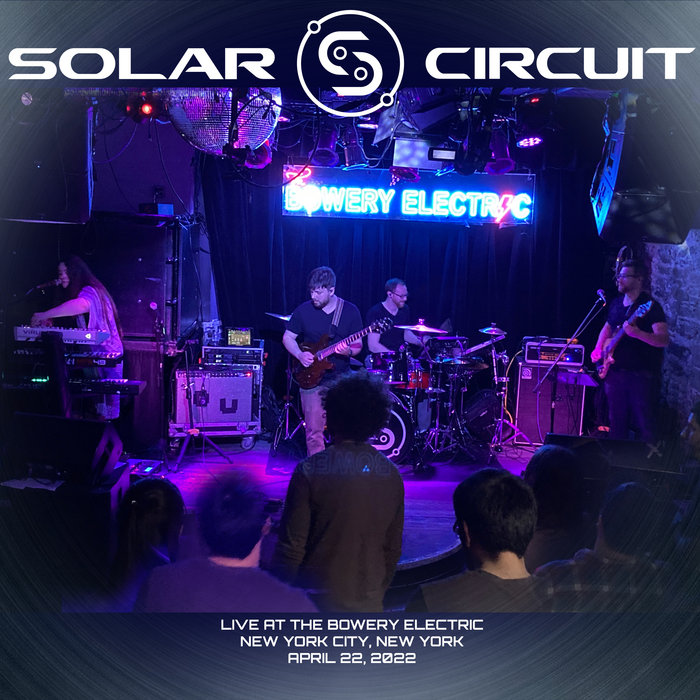
Follow the Bowery and you feel the electricity of a generation that once believed music could change everything. The Bowery Electric holds onto that belief. It sits near the ghost of CBGB and honors that legacy by staying loud and alive. Punk belongs to those who will not sit still. The Bowery Electric remembers that punk is not just sound. It is a declaration. The microphones here are weapons. The amplifiers are adrenaline. The crowd is a spark waiting for the right riff to take flame.
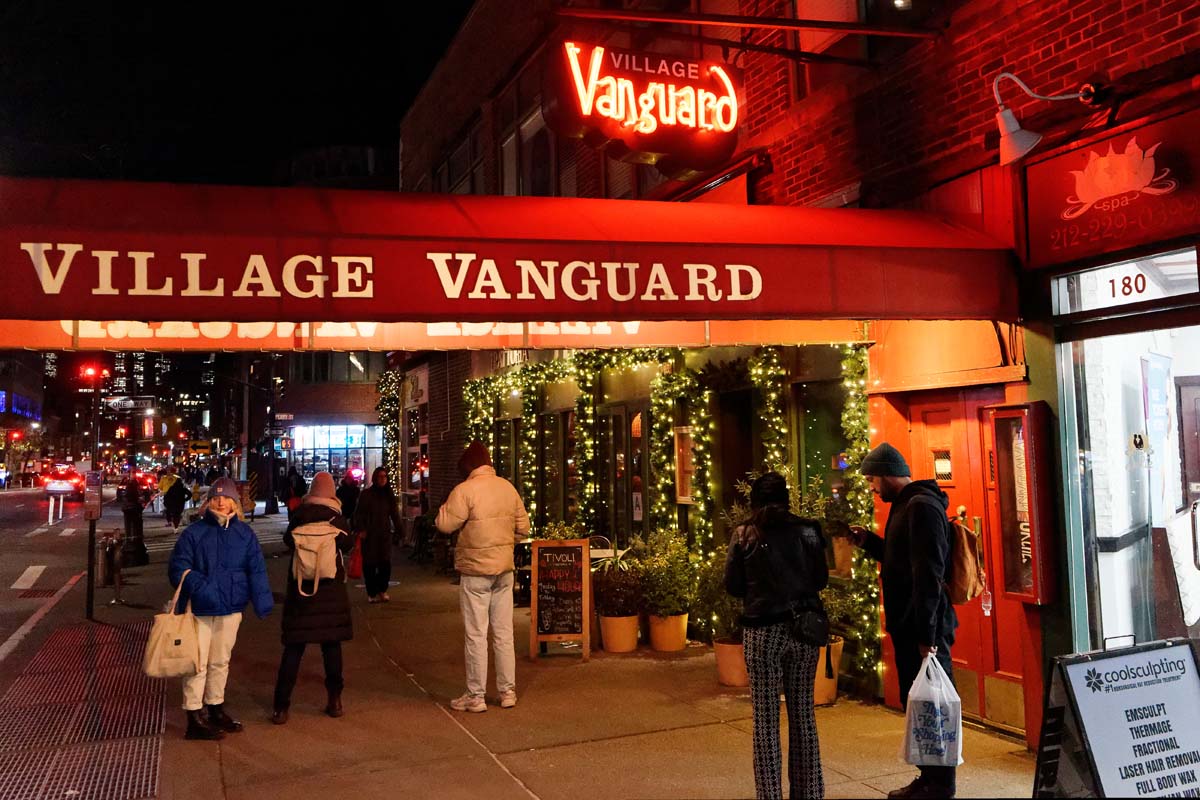
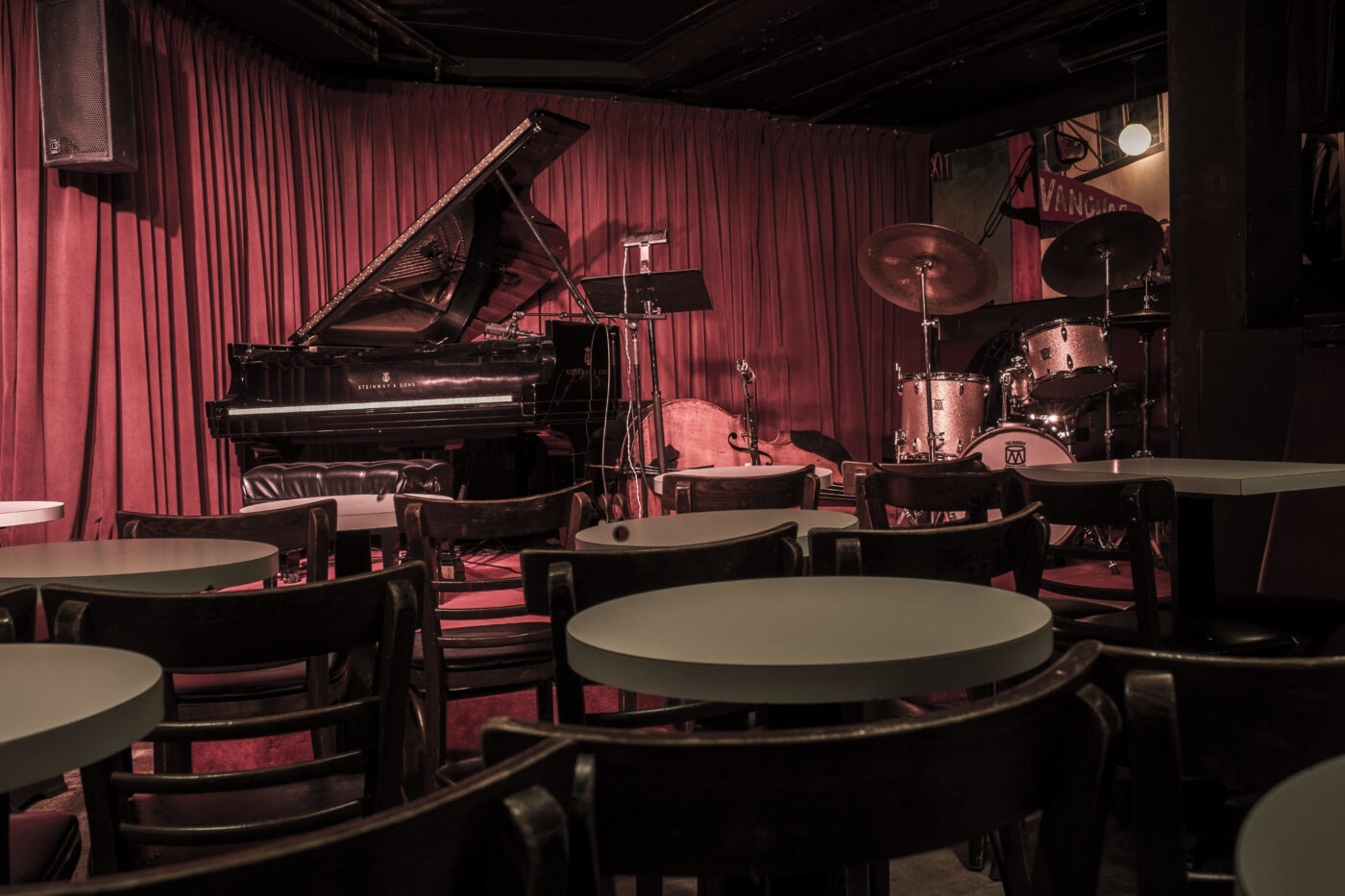
Then the Village shifts. The noise becomes intimacy. The West Village has always been a sanctuary for the musicians who value nuance and stories told in half notes. The Village Vanguard is the temple. Since 1935, jazz legends have walked down those stairs and found a kind of truth that only lives in the dark. Miles Davis. John Coltrane. The music that poured out of that basement changed the shape of history. The Vanguard refuses shortcuts. It believes in sound that comes from the soul. A stage. A band. A crowd learning how to breathe together.
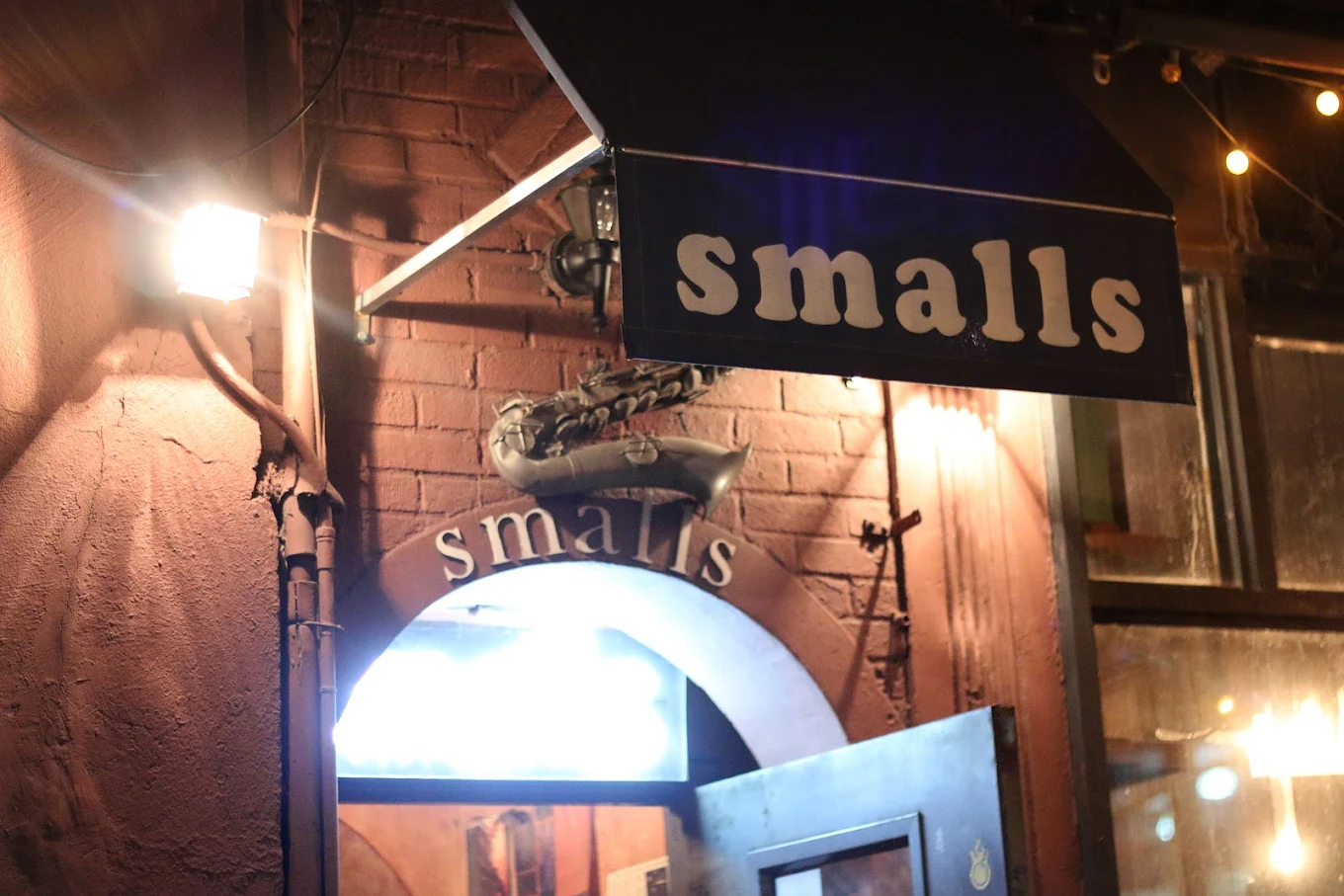
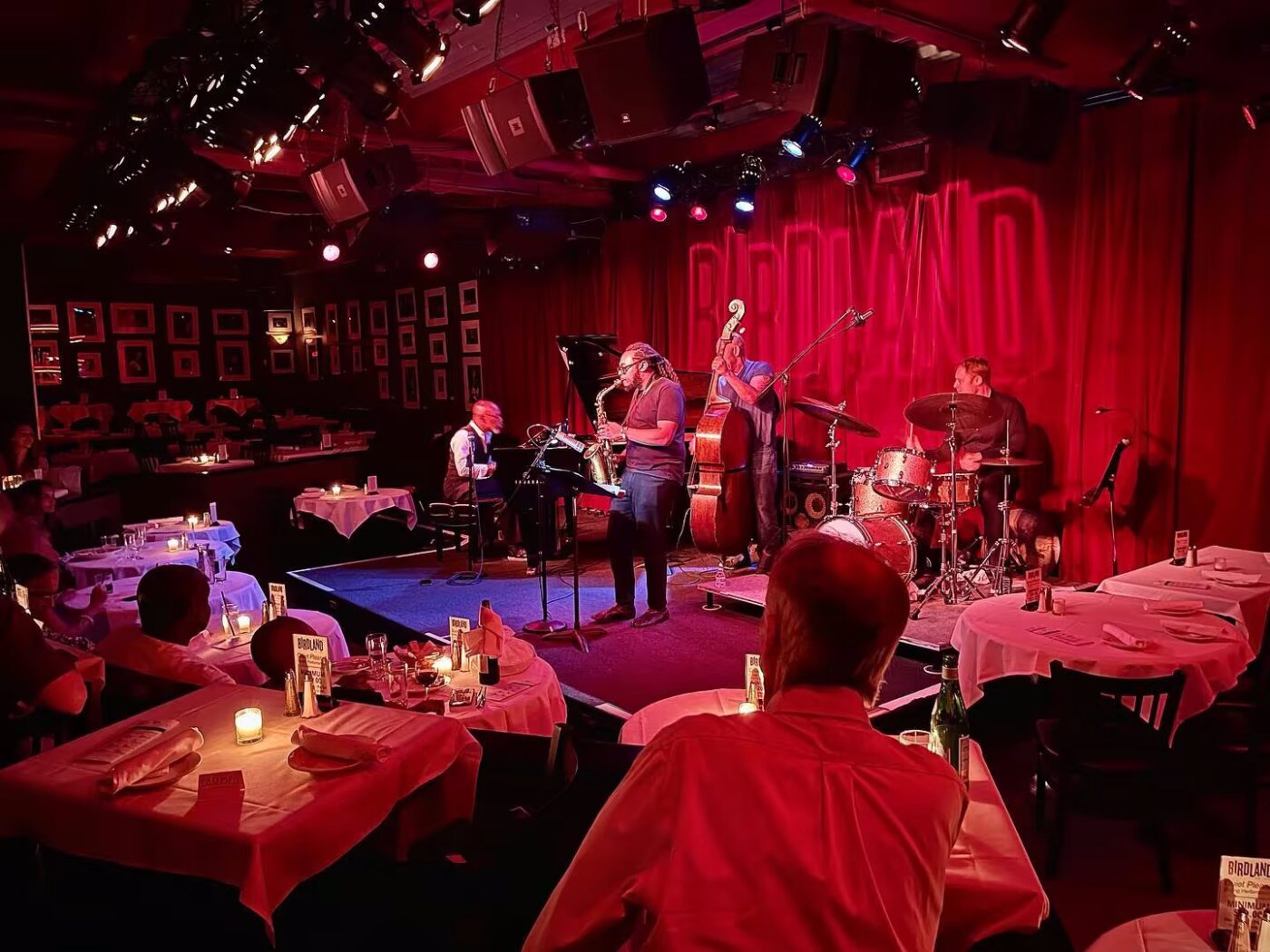
Smalls Jazz Club carries that torch forward. It opened in the 90s, but it feels timeless in the best way. It is a home for artists who are still becoming. Sets bleed into late night jam sessions. The room bends around the music, letting notes ricochet off brick walls until every person inside feels involved. Smalls proves that jazz is not old. Jazz is evolving. Jazz is improvisation made public. Jazz is community.
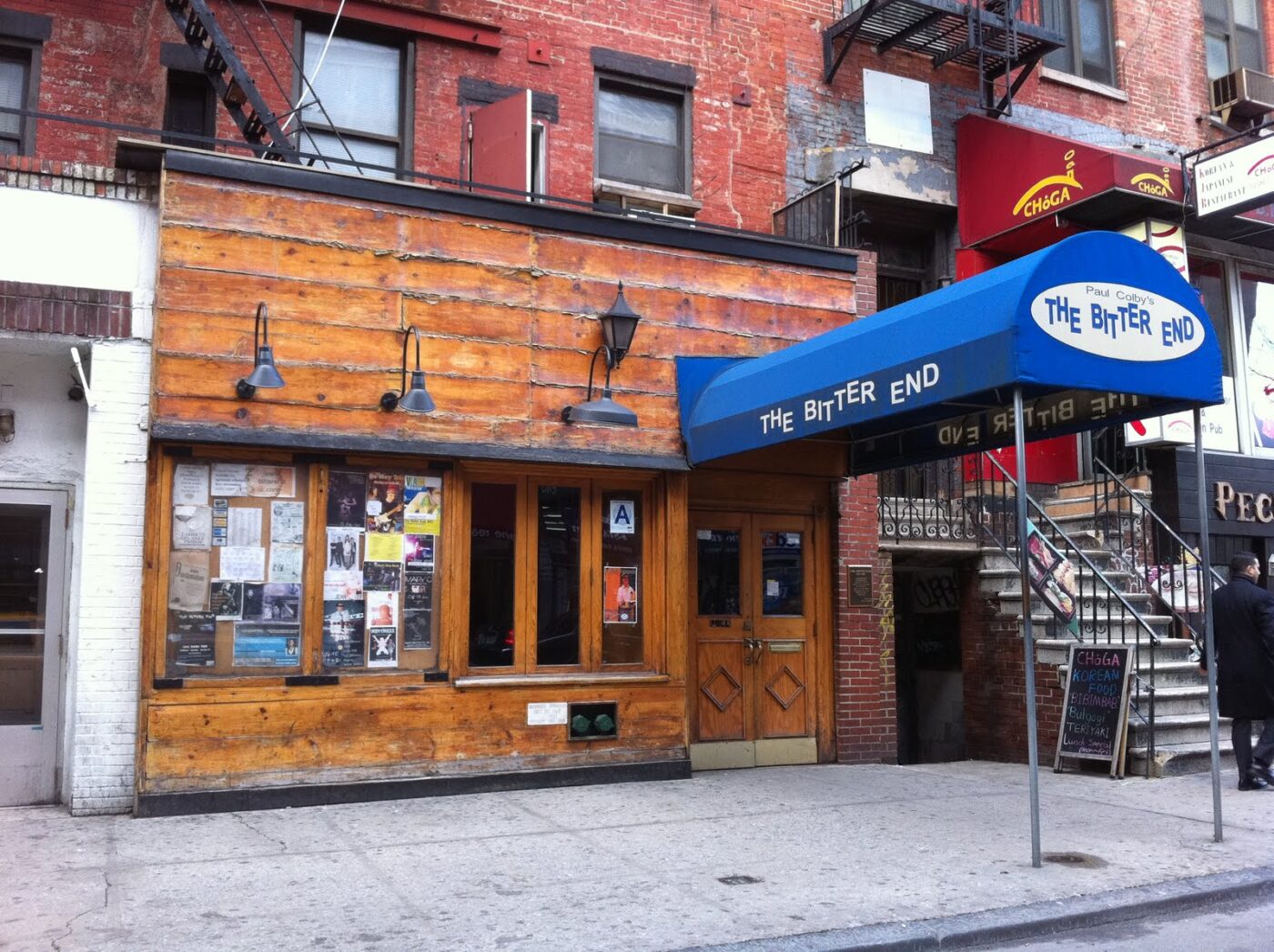
The Bitter End completes the Village’s heartbeat. If the Vanguard is jazz prayer, the Bitter End is a songwriter’s confession. Since 1961, artists have stood under its lights armed only with a guitar and a feeling they could no longer carry alone. Dylan, Mitchell, Young, and artists who have not yet been discovered by anyone beyond that night. The Bitter End believes in the courage to stand alone and be seen. It is the Village at its most vulnerable and its most powerful.
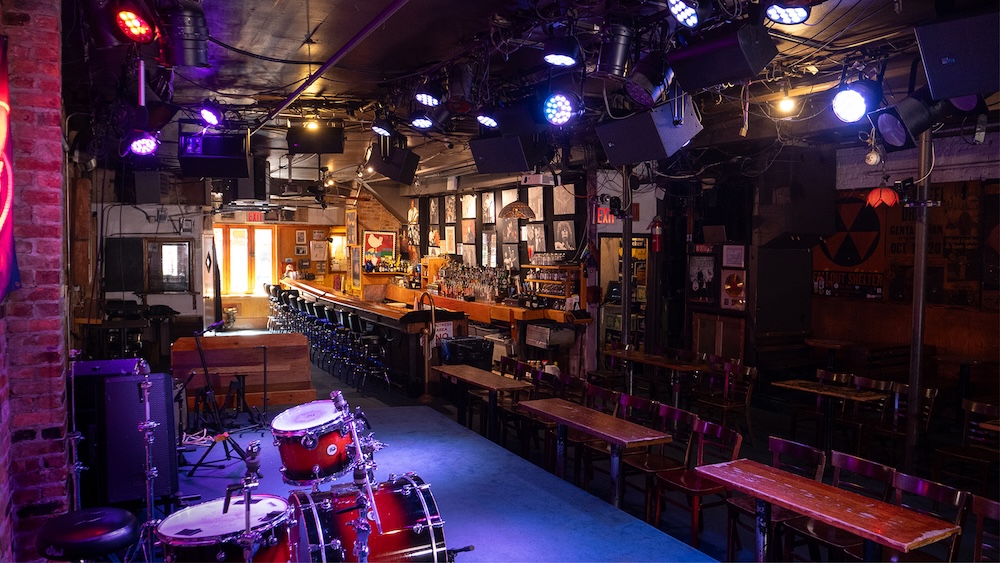
The interior of The The Bitter End
These six venues are not monuments. They are living things. They continue to remind New York that art is not a luxury. It is oxygen. They teach musicians to take their shot. They give audiences a chance to witness history before the world catches on.
The Village has always been the place where you arrive unsure of yourself and leave knowing that you belong. Every night the lights come up, the amps hum, and another story begins. This is the soul of downtown. Alive. Defiant. Eternal.
Want to explore music history in our neighborhoods. Take our East Village Music Venues tour, our Music Venues or Homes of Musicians tour on our Greenwich Village Historic District Map, our our Music Tour on our South of Union Square Map.