
Robert Rauschenberg at 100
2025 marks 100 years since Robert Rauschenberg’s birth (October 22, 1925 – May 12, 2008), making this the perfect time to revisit the creative energy and ingenuity he brought to Greenwich Village, the East Village, and NoHo.
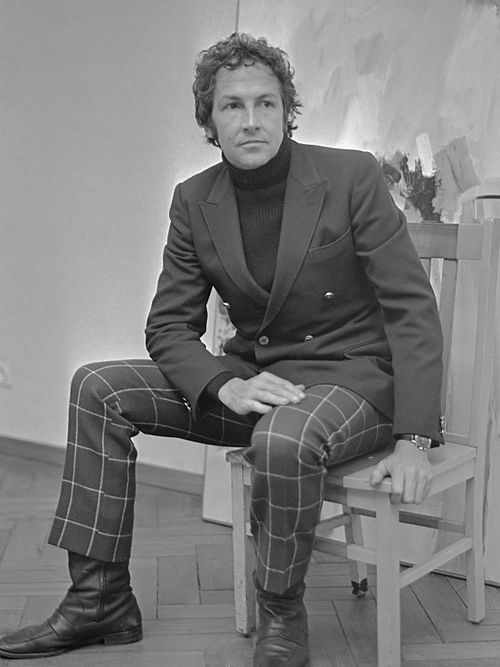
Rauschenberg’s New York journey
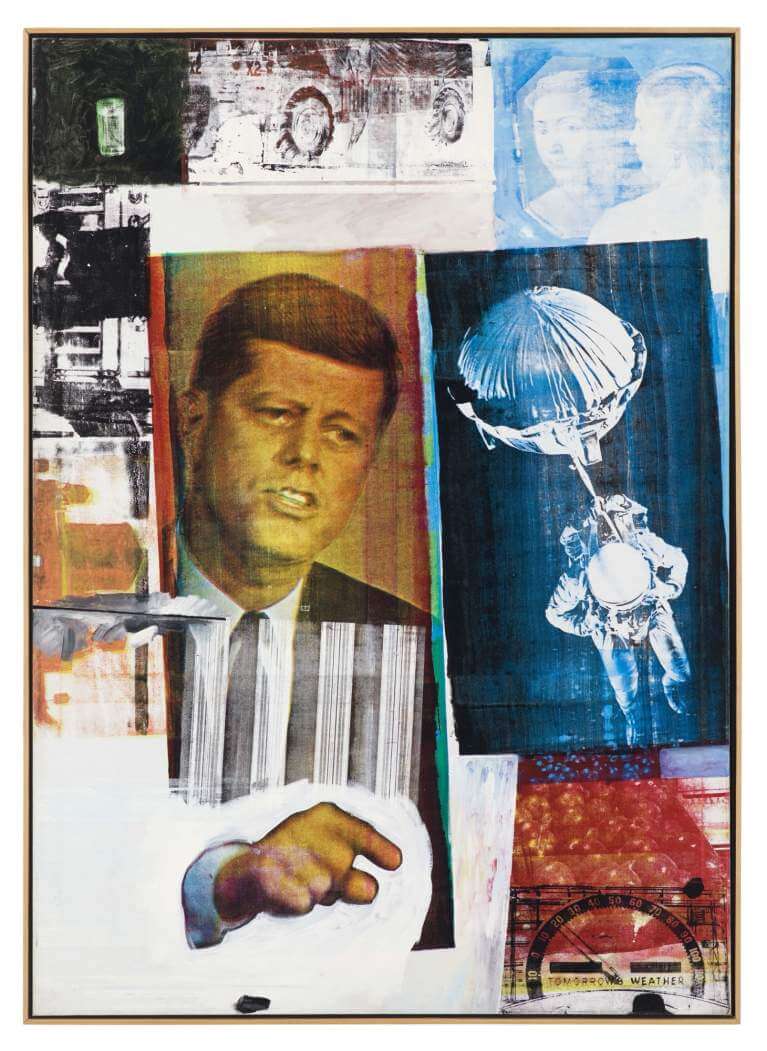
Born in Port Arthur, Texas, Rauschenberg came to New York in the early 1950s and quickly became a central figure in the post-war art world. He played a key role in shaping the “New York School” of art, breaking down boundaries between painting, sculpture, performance and found-object work.
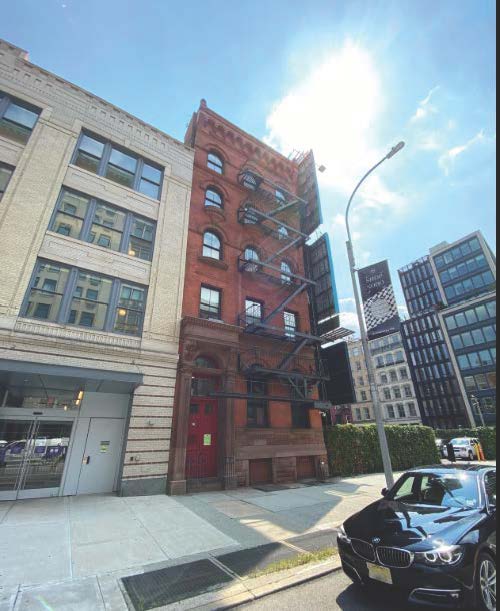
A studio and home in NoHo
In 1965 Rauschenberg purchased 381 Lafayette Street in what is now called NoHo. The building had once been both a chapel and orphanage, and in a perfect example of adaptive reuse, Rauschenberg transformed the space into his residence, studio and a creative hub. Here he produced major works, welcomed fellow artists and collaborators, and turned the building into a vibrant locus of experimentation and cross-disciplinary practice. The building is now home to the Robert Rauschenberg Foundation, which preserves his archives and continues his spirit of innovation.
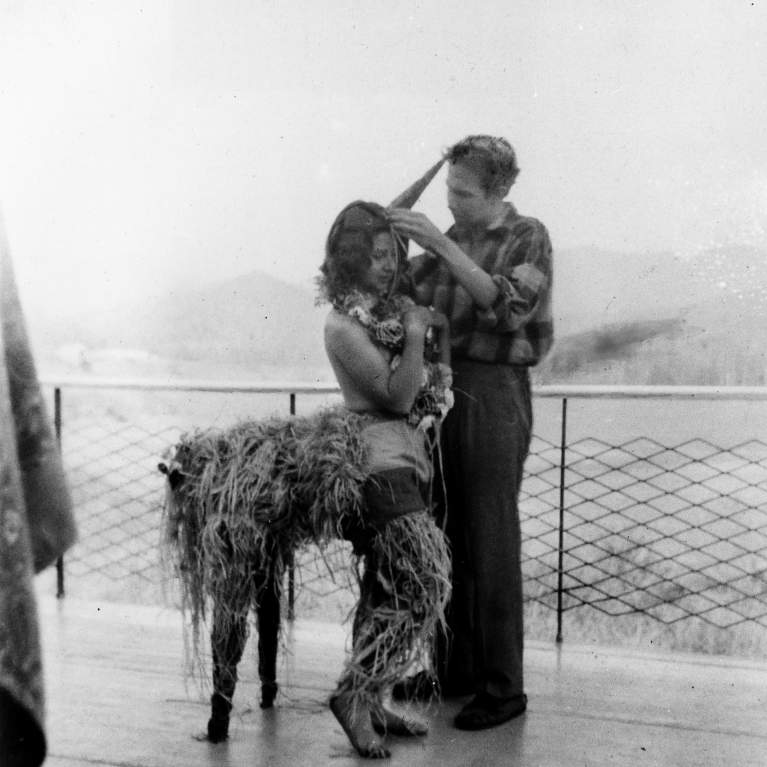
The downtown art world and the Village milieu
Rauschenberg arrived in a downtown Manhattan charged with creative energy, as Greenwich Village and the East Village fostered a thriving culture of performance and experimentation. His involvement with the Judson Dance Theater — founded at Judson Memorial Church in Greenwich Village — reflects his embrace of the neighborhood’s spirit of innovation in art and movement. Through his social networks and aesthetic explorations, Rauschenberg was deeply embedded in the cultural fabric of our neighborhoods.
Why his legacy matters for preservation and place
Rauschenberg’s physical presence at 381 Lafayette, and his long-standing creative activity in the heart of NoHo, link his artistic legacy with the built environment of downtown Manhattan. His building itself illustrates how the unconventional designs and adaptive reuse of historic structures enrich neighborhoods.
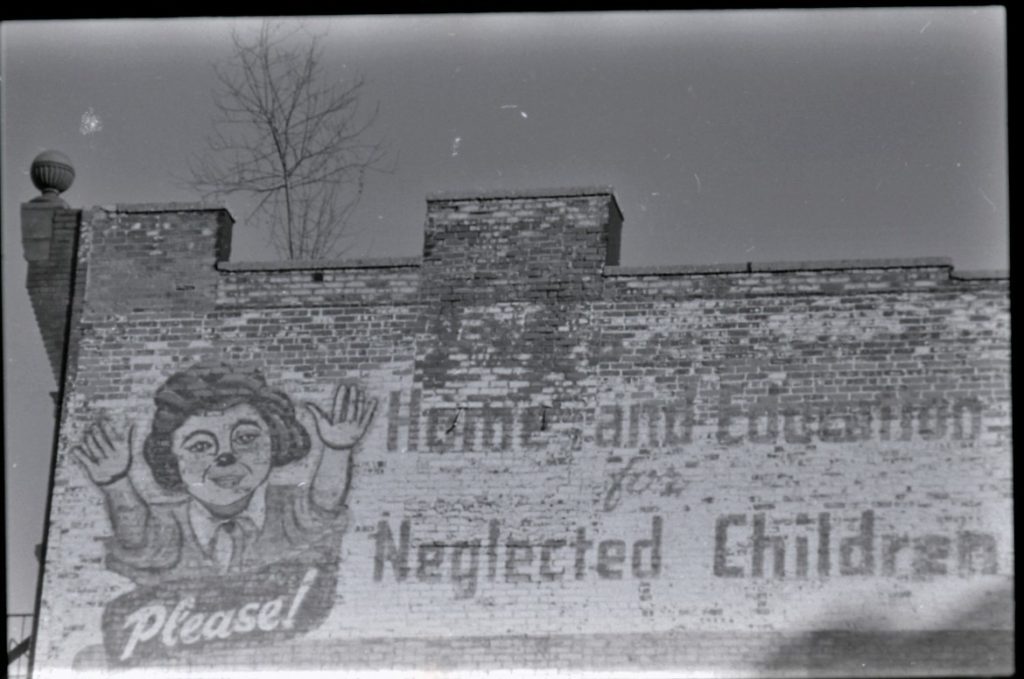
For organizations like ours that champion the protection of scale, character and history, Rauschenberg’s story serves as a vivid illustration of how architecture, art, and community intertwine. The fact that his studio remains in place, still active as a foundation and archive, offers a tangible link between past and present.
Celebrating the Centennial in 2025
As part of the global celebration of Rauschenberg’s 100th birthday, the Museum of the City of New York is presenting Robert Rauschenberg’s New York: Pictures from the Real World, underscoring his enduring engagement with the cityscape of New York.
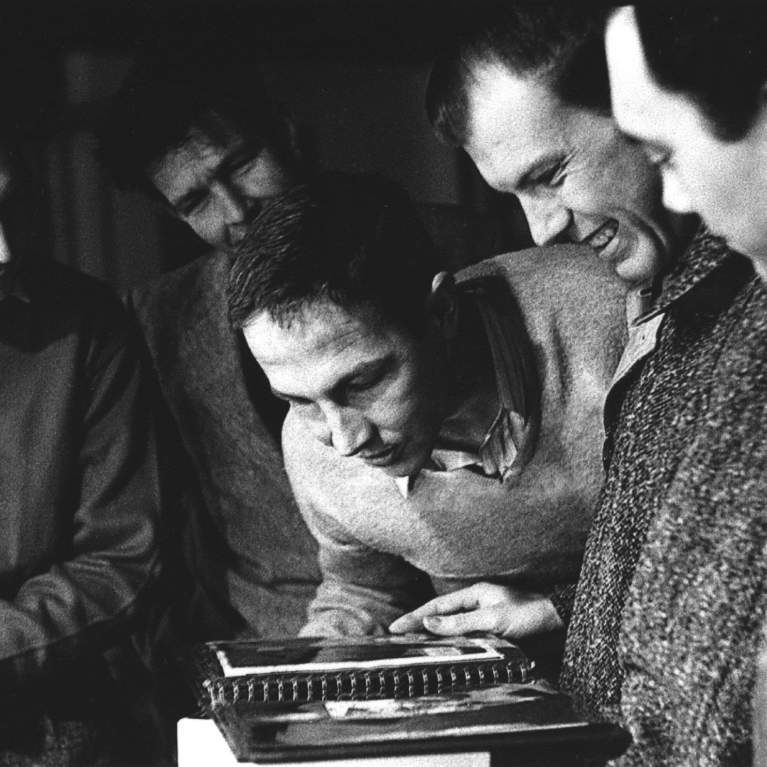
Robert Rauschenberg’s downtown Manhattan story is more than an art-history footnote: it connects to the architecture of NoHo, the artistic vitality of Greenwich and the East Village, and to the values of innovation, reuse, and cultural layering that we advocate in our preservation work. As we honor the centennial of his birth, we can look to his legacy as an example of how neighborhoods matter, how the spaces we preserve shape the people who inhabit them, and how people in turn shape those spaces.
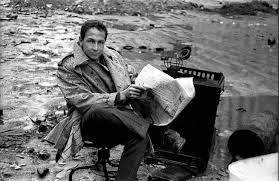
Robert Rauchenberg was one of the featured luminaries of our outdoor interactive public art and history exhibition, VILLAGE VOICES.