
Exploring History, Culture, and Community: A Review of Our October 2025 Public Programs
October is always a month of rich programming for us, with autumn in full swing with its cool crisp air and the impending excitement of the holiday season. October 2025 was no exception—in fact, it offered one of the most diverse and engaging programming lineups in recent memory. This month’s mix of lectures, tours, conversations, and commemorations highlighted not only the depth of local history but also the living, evolving nature of our neighborhoods. All of our public programs throughout the year are committed to bringing together history, culture, advocacy, and community life in Greenwich Village, the East Village, and NoHo.
With topics ranging from 18th-century village life to German immigrant history, from beloved record shops to artist communities, from tree ecology to civic activism, October’s programs captured the layered identity of our neighborhoods. And, thanks to our ongoing commitment to accessibility, nearly all our programs are free and open to the public, with the recordings of most available to view on our YouTube channel.
Below is a look back at each program and what made them stand out.
Life in 18th-Century Greenwich Village on 10/7/25
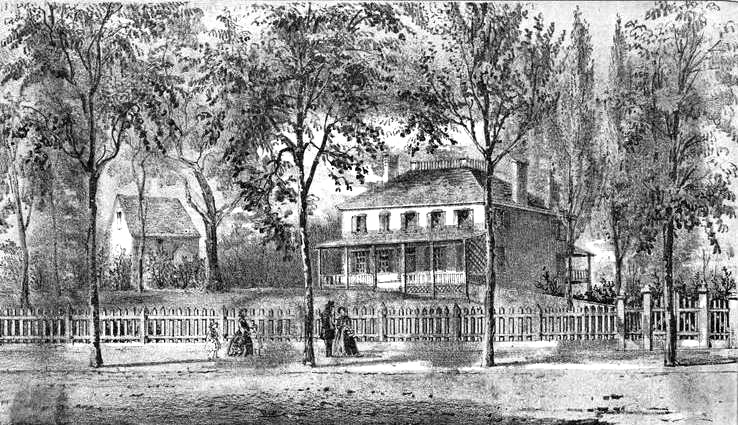
October began with a step deep into the past—before Washington Square, before street grids, before industrial New York. This program vividly reconstructed what life looked like in the rural village that preceded today’s famously bohemian neighborhood. Engaging archival material and early maps helped show how farms, estates, marshland, and winding footpaths eventually evolved into the urban landscape we know today. Historian Tom Miller walked us through several of these locations and discuss the lives of the Villagers who lived there.
The talk grounded the rest of the month’s programming by reminding viewers that Greenwich Village’s distinctive character began forming long before brownstones and townhouses lined its streets.
Rally: Save the Tony Dapolito Recreation Center on 10/8/25
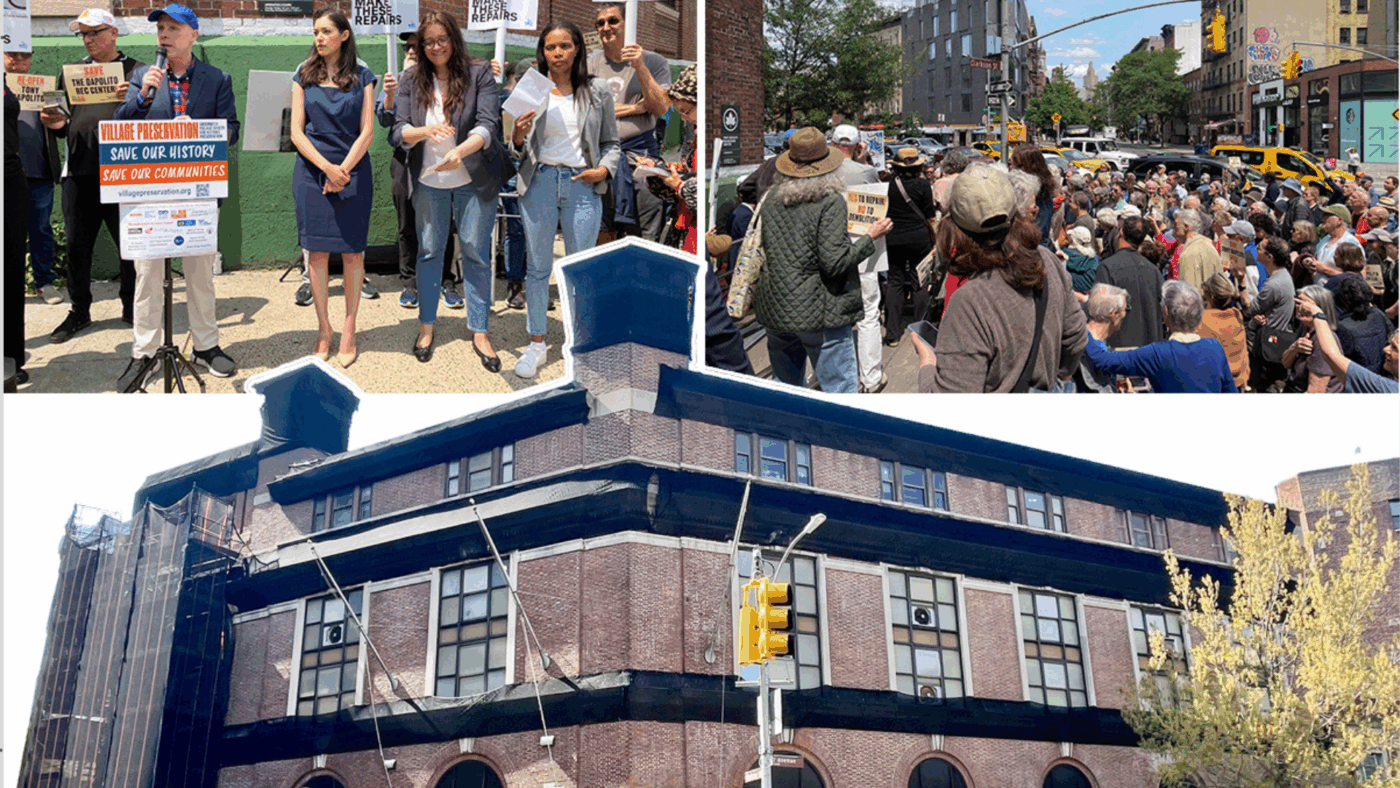
A powerful moment of civic engagement, this rally drew attention to the threatened future of the Tony Dapolito Recreation Center—an essential West Village community space with strong cultural and architectural significance. Speakers highlighted the building’s history, its role in neighborhood life, and the importance of keeping publicly accessible recreation facilities intact.
More than an informational session, this event asked attendees to become active participants in preservation, showing that advocacy is central to the neighborhood’s future.
Vinyl NYC: 33⅓ of the Best Record Stores Across All Five Boroughs on 10/14/25
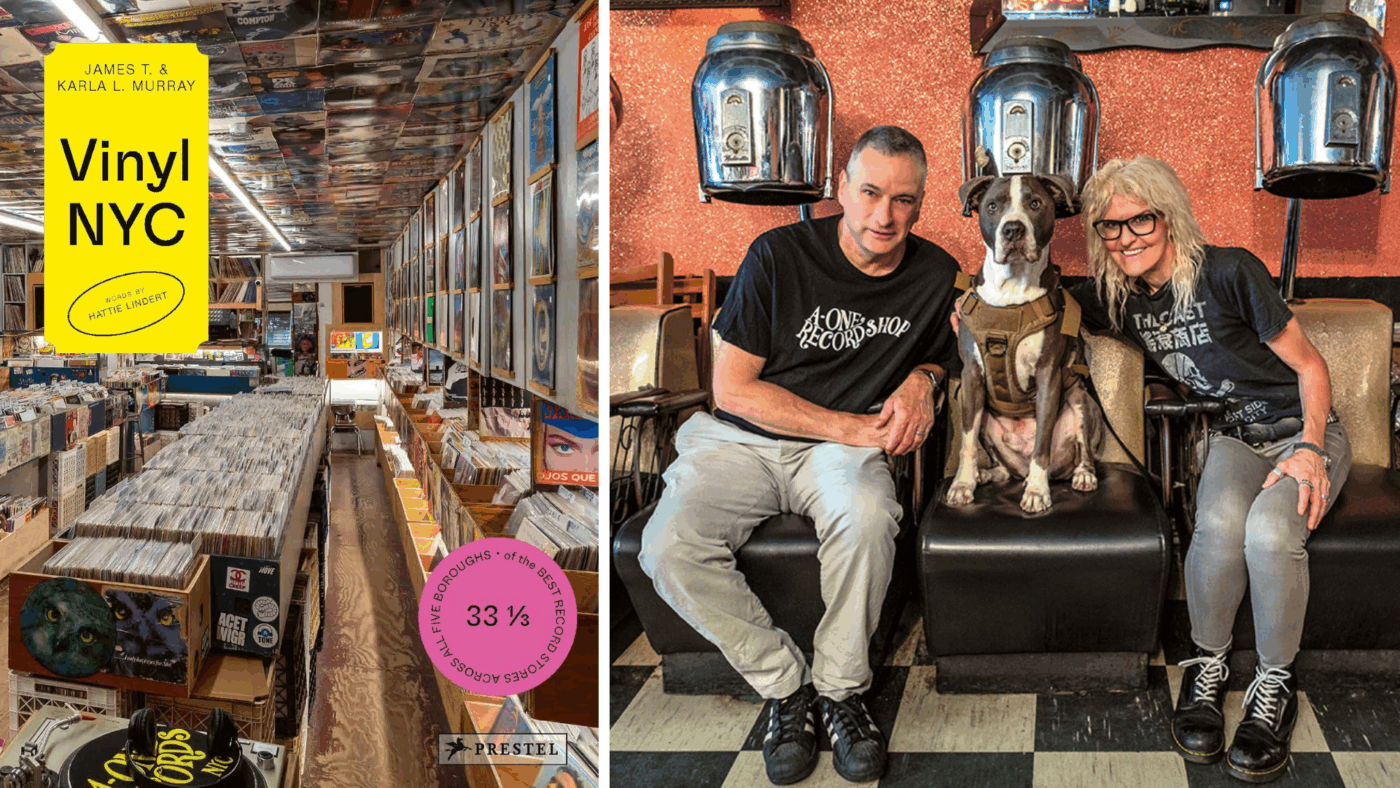
This engaging program celebrated one of New York’s most enduring cultural traditions: the record store. Viewers were taken on a tour of 33⅓ of the city’s standout shops—from legendary Village mainstays to hidden gems further afield—revealing how these spaces shape music scenes and serve as hubs of artistic exchange.
For a neighborhood whose music history includes Bob Dylan, Jimi Hendrix, the Velvet Underground, and countless others, this program connected past and present in a lively, approachable way. We were guided on the
Mayor Adams’ Dangerous Ballot Measures—and Why You Should Vote NO in November on 10/15/25
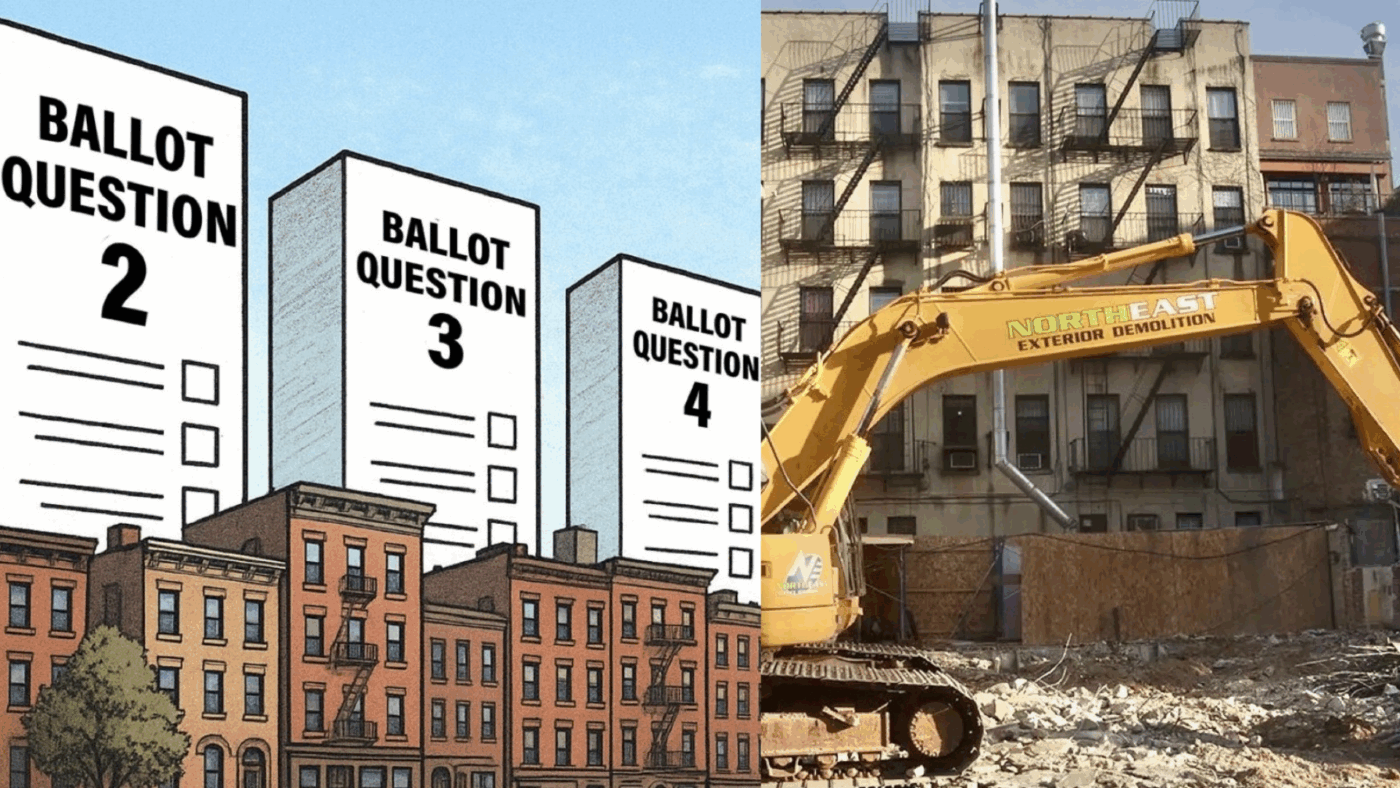
Venturing into timely political territory, this program unpacked the potential consequences of several ballot proposals introduced for the November 2025 election. With a focus on how these measures might affect land use, oversight, and the preservation of neighborhood character, presenters made a clear case for why voters should reject them.
This session served as a reminder that preservation isn’t just about the past—it depends on informed civic participation in the present. While these ballots passed in the recent election you can still learn about their potential impact by watching the recording of this program.
Tree Wonder: Washington Square Park on 10/19/25
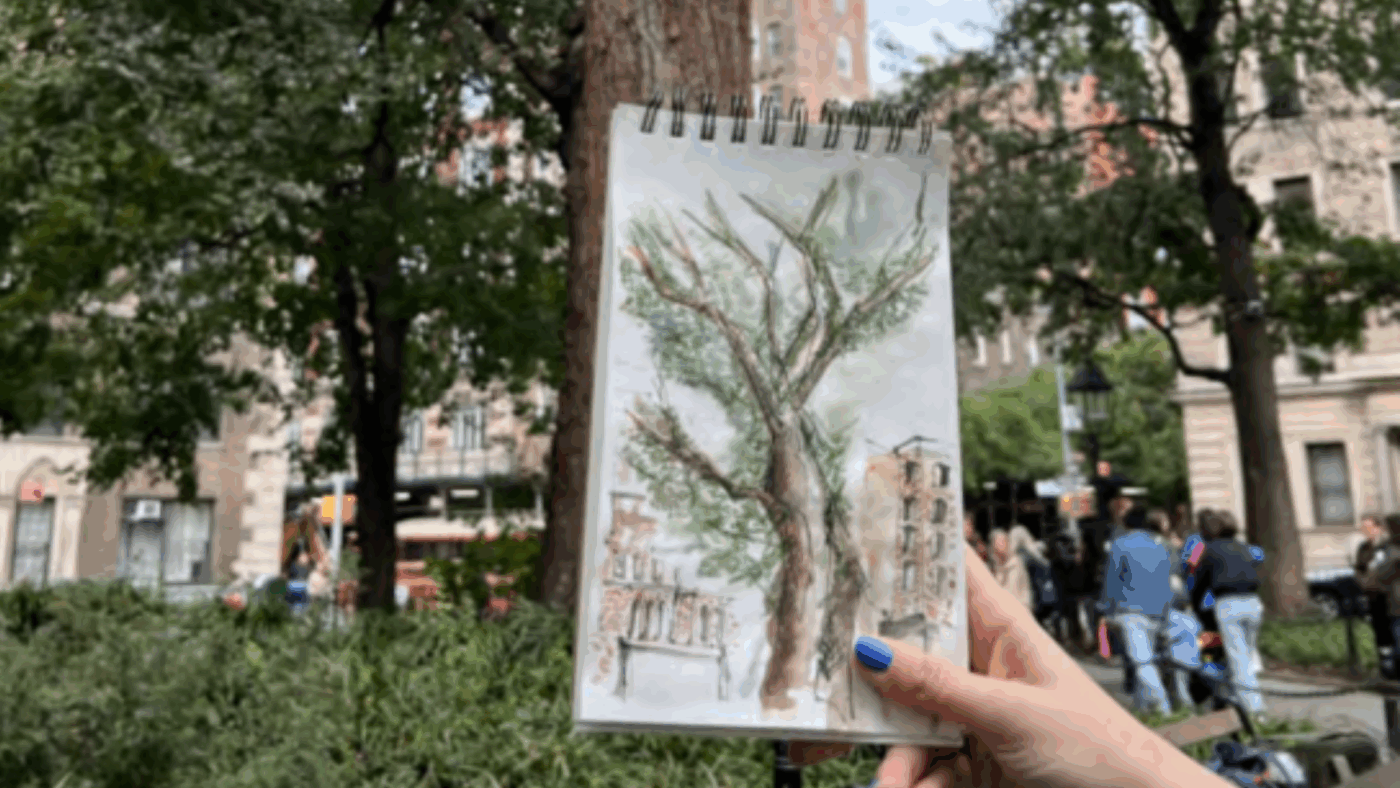
Washington Square Park’s trees tell stories just as rich as its buildings and monuments. This thoughtful program explored the history, ecology, and significance of the park’s canopy, highlighting how natural elements contribute to the Village’s identity. Viewers gained a new perspective on these living landmarks—some older than the arch itself.
For nature-lovers and urban historians alike, this session offered a refreshing look at the green heart of the neighborhood by asking you to take a moment to focus on one special tree in the park, the English Elm, the oldest tree in Manhattan. This program was presented in partnership with Tree Wonder, led by visual artist Kristin Jones and urban forester Georgia Silvera Seamans of Washington Square Park Eco Projects, an initiative of Local Nature Lab.
Kleindeutschland and the Church of Most Holy Redeemer on 10/20/25
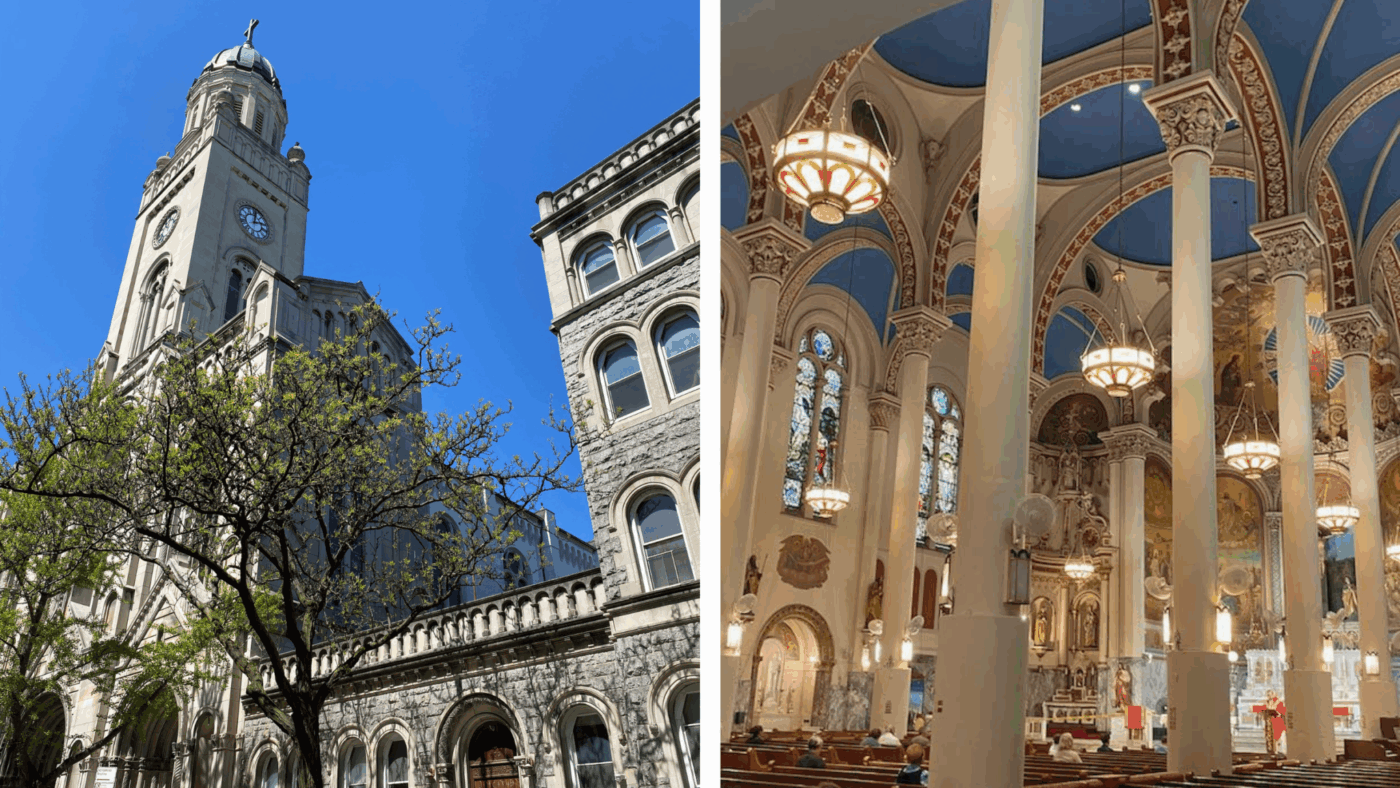
A journey into the East Village’s German-American past, this program examined the once-vast immigrant enclave of Kleindeutschland (“Little Germany”) and its architectural and cultural anchor, the magnificent Church of the Most Holy Redeemer. Through archival photographs and immigration history, viewers rediscovered a community that played a formative role in shaping the neighborhood’s 19th-century life.
This was one of the strongest historical deep dives of the month, illuminating a chapter of neighborhood history that often receives too little attention.
Hello (and goodbye) to All That on 10/21/25
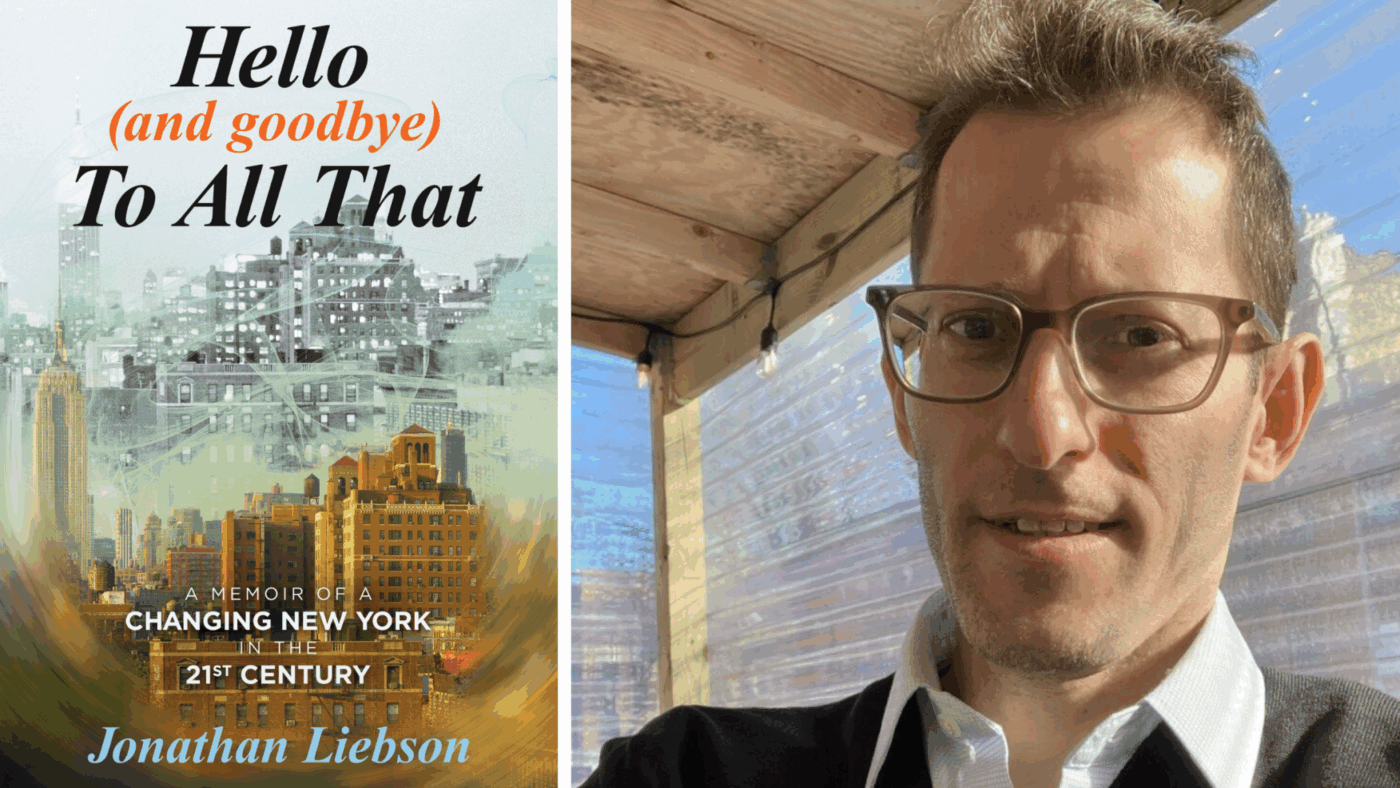
Reflective and atmospheric, this program explored the themes of change, departure, and memory in the Village—touching on the neighborhood’s long history of reinvention. Whether through literary references, cultural shifts, or personal narratives, it captured the bittersweet rhythm of arrivals and departures that has always defined downtown life.
Writer Jonathan Liebson spoke about his intriguing encounters with everyday characters, celebrities, and writers; ironic intersections between the past and present; and a touching intergenerational story of father and son.
Creative Ozone: The Artists of Westbeth on 10/22/25
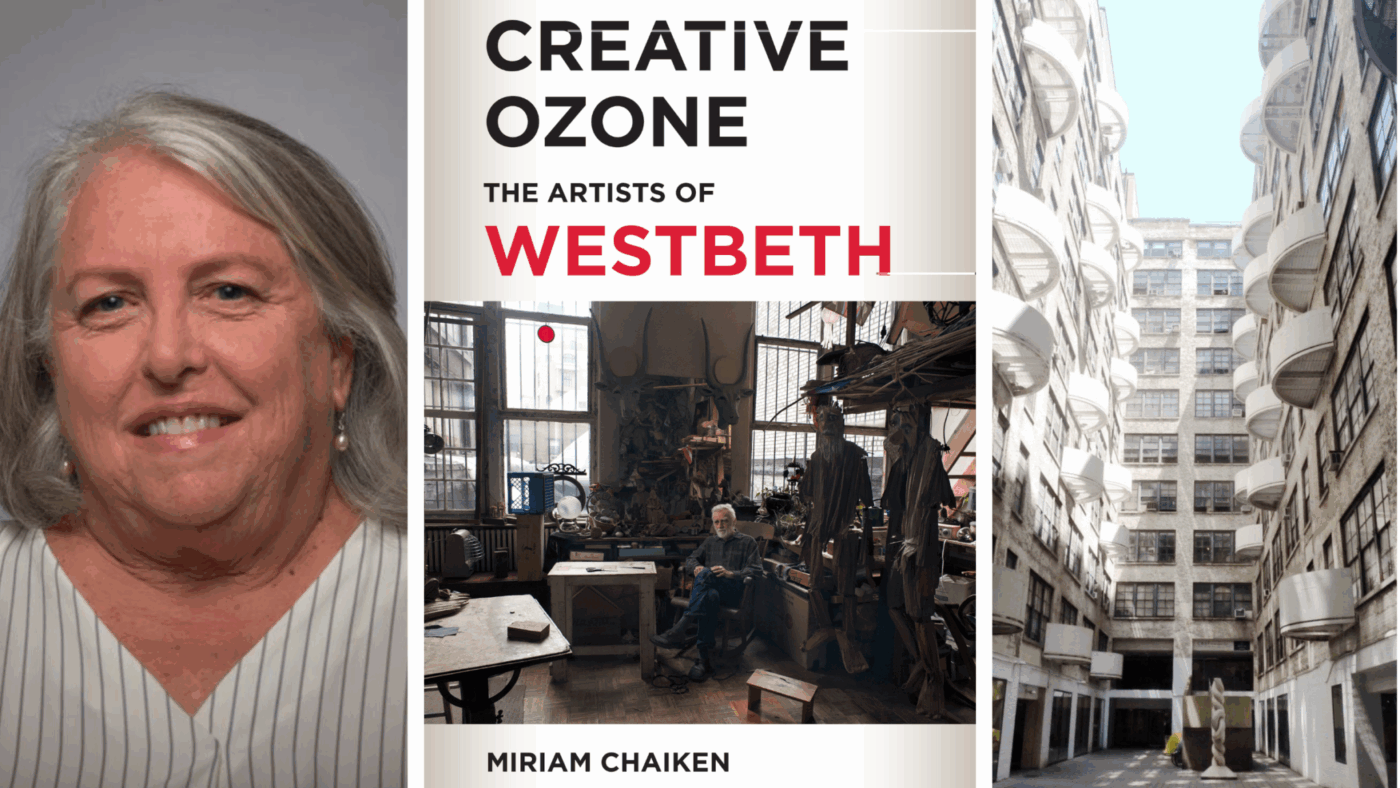
A celebration of one of the Village’s most iconic artist communities, this program delved into the lives and works of the creatives who have called Westbeth home. Once a Bell Laboratories complex and now a pioneering example of adaptive reuse, Westbeth continues to be a crucible of artistic talent.
This program beautifully highlighted both the architectural innovation and the human stories that make Westbeth such a vital cultural institution.
The Great Disappearing Act: Germans in New York City on 10/25/25
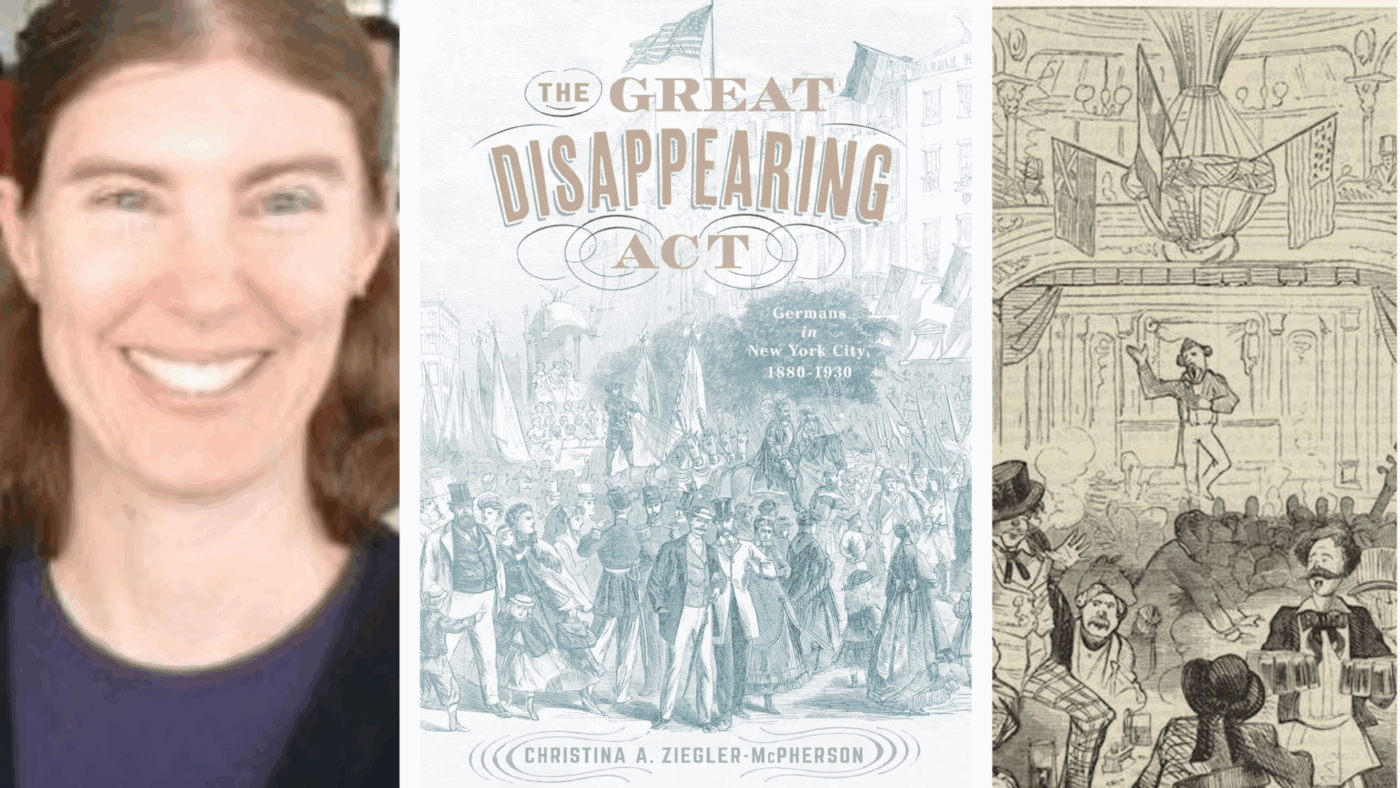
Expanding on themes introduced in the Kleindeutschland session, this program explored the broader German presence across New York City—once one of the largest and most influential immigrant groups in the metropolis. Through research, images, and historical narrative, it illustrated how much of this community has physically vanished, even as cultural traces remain, while also challenging some long held historical narratives.
The talk underscored how preservation work can help recover stories that the city’s changing landscape might otherwise erase.
Plaque Unveiling: Amelia Earhart on 10/27/25
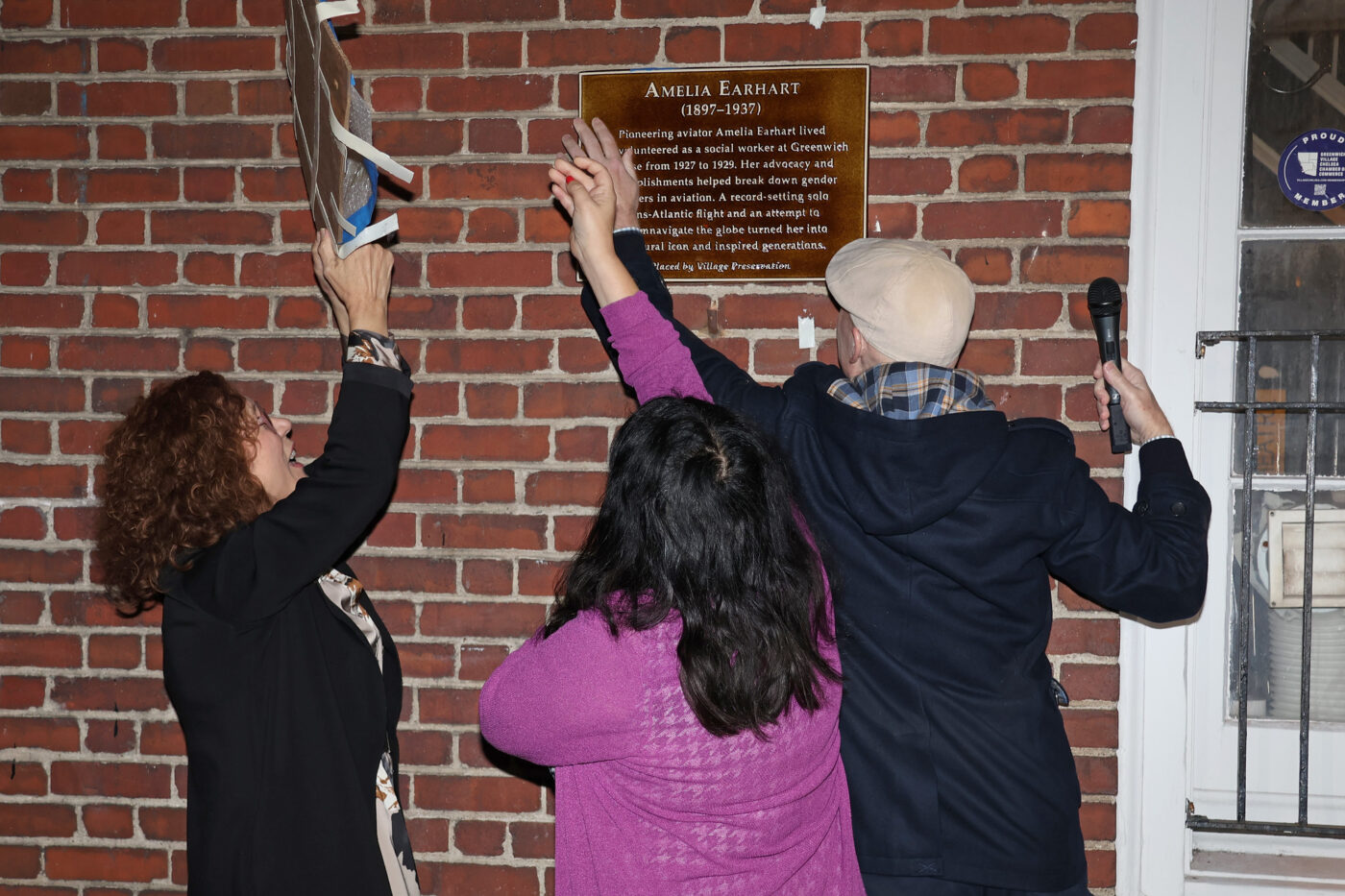
This in-person ceremony honored pioneering aviator Amelia Earhart with a new historic plaque—cementing her legacy into the physical fabric of the Village. Commemorative events like this help anchor global figures in specific local spaces, inviting residents and visitors alike to encounter history as they walk the streets.
The Sounds of the Village: A Conversation with Richard Barone on 10/28/25
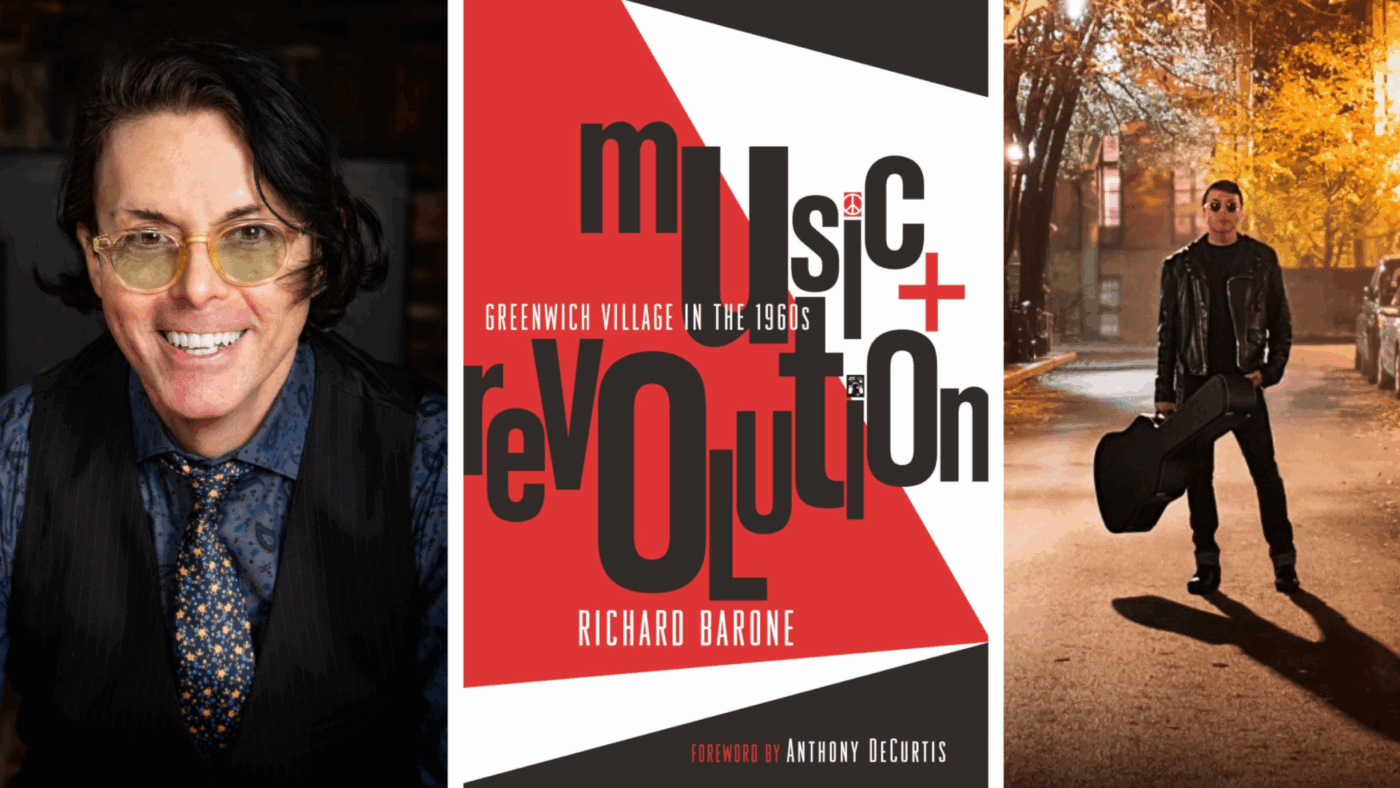
Closing out the month on a high note, this lively conversation with musician Richard Barone, the subject of one of our recent oral histories, explored the Village’s unparalleled musical legacy—past and present. As an artist deeply connected to the neighborhood’s creative history, Barone offered firsthand insights into how the Village’s venues, streets, and communities shaped generations of performers.
It was a fitting finale to a month rich in cultural memory.
Explore Our Oral Histories Here
Our October 2025 programs demonstrated the remarkable ability to weave together multiple layers of neighborhood life—historic, cultural, natural, political, and artistic. From colonial-era landscapes to 20th-century music stores, from immigrant churches to artist lofts, from civic activism to the trees of Washington Square Park, each program offered a different lens through which to view and understand the Village.
For those invested in the story of Greenwich Village, the East Village, and NoHo, these sessions were more than educational—they were a vivid reminder of why these neighborhoods continue to captivate, inspire, and demand preservation.
And with recordings available online, the exploration doesn’t have to end with October!