
Chester A. Arthur’s Greenwich Village
Chester Alan Arthur is a name not immediately known to many. To the few who do, he was the nation’s 21st president who unexpectedly rose to the highest office after the assassination of James A. Garfield and surprised many with his commitment to civil service reform. But even among this select group of cognoscenti, few know his varied connection to Greenwich Village and the East Village.
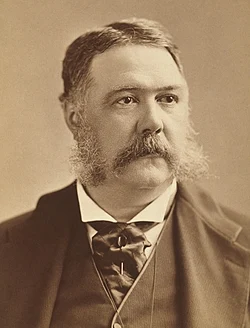
Arthur was born on October 5, 1829 in Vermont. His father William was an outspoken Irish immigrant abolitionist. After growing up in upstate New York, he moved to New York City to read law at the office of Erastus D. Culver, an abolitionist lawyer and family friend. In one of his first cases after he was admitted to the New York bar in 1854, he played a minor role in the Lemmon v. New York case, which successfully argued that since New York law did not permit slavery, any slave arriving in New York was automatically free. Later that year he served as lead attorney representing Elizabeth Jennings Graham. On July 16, 1854, Jennings boarded a streetcar of the Third Avenue Railway Company on her way to play the organ at the First Methodist Congregational Colored Church at 23-25 East 6th Street.
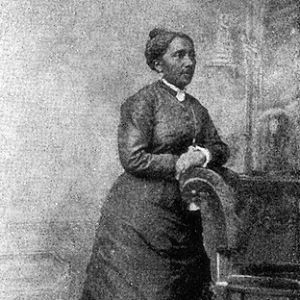
At the time, public transportation typically did not serve Black passengers, but Jennings boarded the streetcar despite the reluctance of the conductor. Jennings sued the company, the driver, and the conductor. At just 24 years old, Arthur won the case, which eventually led to the desegregation of the New York City streetcar lines. Read more about Jennings Graham here.
During his early career, Arthur engaged in local Republican party politics and was appointed to various military patronage posts before and during the Civil War.
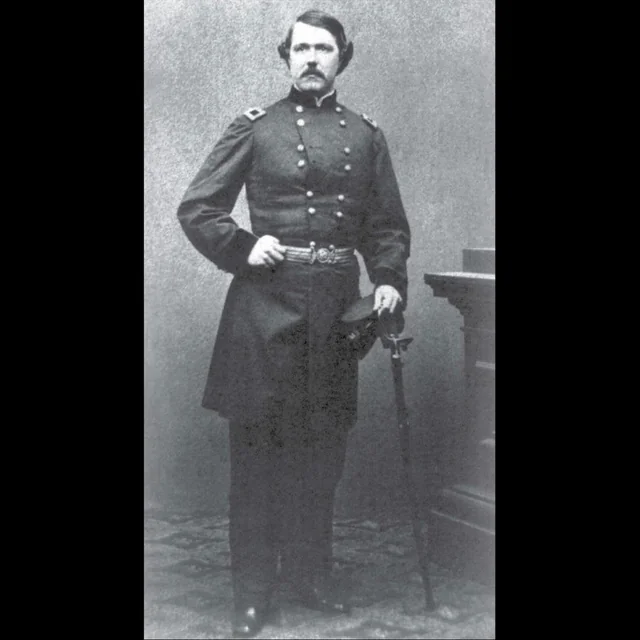
Arthur became chairman of the New York City Republican executive committee in 1868 and, through the political machines common in the era, rose to the powerful role of Customs House Collector, where he controlled about 1,000 patronage positions. In 1880, New York State wielded considerable influence with a larger share of the electoral college than any other state. Arthur was thus unexpectedly added to the 1880 presidential election ticket in what was anticipated to be an extremely tight race.
The Daily News, the New York Post, and several other sources claim that 13 East 12th Street were once owned by Arthur, but we have not been able to substantiate this claim.
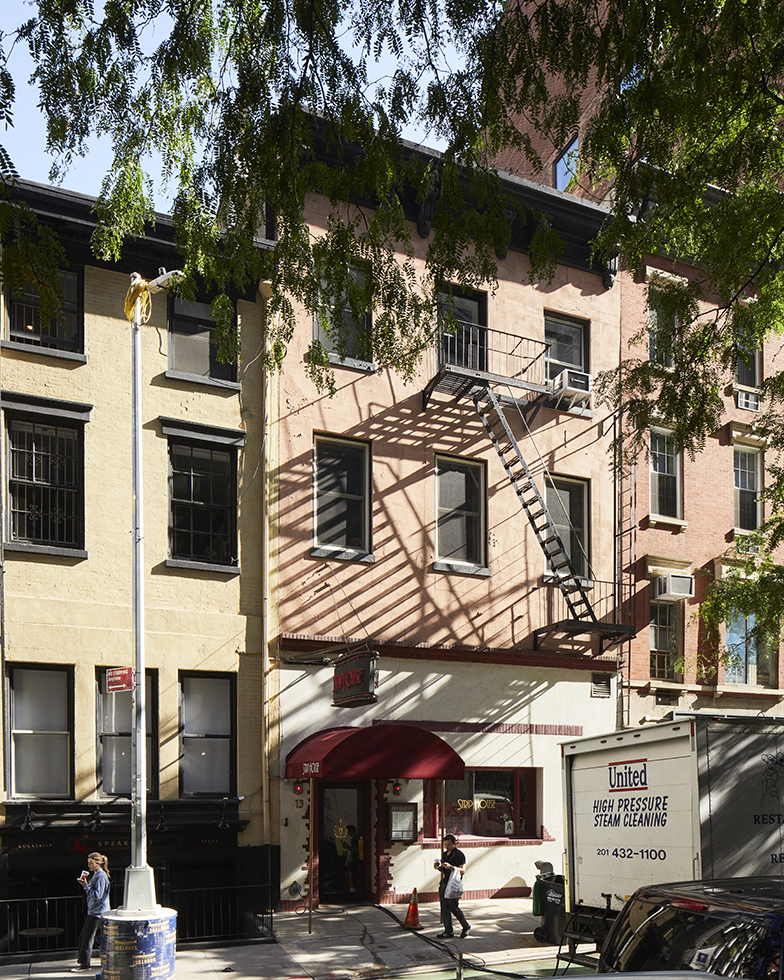
13 East 12th Street was built in 1852-53. It was the location of the Italian restaurant Asti for 52 of its 75 years, where waiters sang to diners, and was featured in the 1988 Tom Hanks movie Big. See more images of the historic properties in the South of Union Square area Village Preservation has been working to save (learn more and take action here).
According to the LPC, Arthur also lived at 34 West 21st Street, but the local address most closely tied to him is his home at 123 Lexington Avenue, where he was inaugurated on September 20, 1881. This is the only building still standing in New York City where a president of the United States was inaugurated, and may be even more famous as the site of Kalustyan’s, a spice store and deli since 1944.
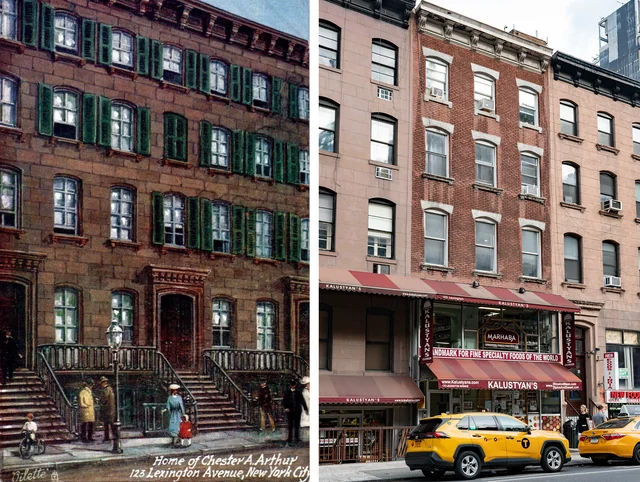
An unexpected president, Arthur defied expectations even further by championing, among other things, civil service reform via the Pendleton Civil Service Reform Act. As someone who became president directly as a result from his role in a patronage position, it was surprising to many that he took actions as president to reduce the influence of party leaders in doling out government jobs.