
Alice Foote MacDougall: The Life and Success of an Unlikely Coffee Mogul
Coffee culture in our neighborhoods during the early 20th century was vibrant and bustling. With numerous coffeehouses and cafes, including the famed Caffe Reggio, the caffeinated beverage was an excuse to gather socially, in addition to being a popular drink to brew at home.
Unsurprisingly, the business of coffee was at the time almost exclusively the domain of men. In spite of this, one woman sought to forge her own path within the field: Alice Foot MacDougall. Her story is one of hard work, risk, and ingenuity, and her legacy, while often hidden beneath that of her many male counterparts, is worth revisiting.
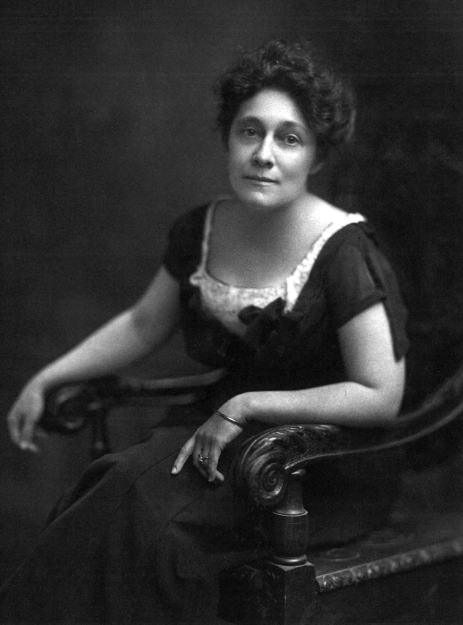
Alice Foote MacDougall was born into a wealthy Greenwich Village family in 1867. Marrying young, she had three children with a moderately successful coffee seller named Allan MacDougall. By the time of his early death in 1907, Alan had filed for bankruptcy, leaving Alice and their kids with little or nothing.
Alice decided to pick up the pieces of her late husband’s coffee business and began selling roasted coffee beans under the name “AF MacDougall” so as not to signal her identity as a woman. The entrepreneurial-minded woman that she was, Alice immediately began strategizing on how to grow her clientele. She marketed directly to individuals, identifying potential customers, and then sending them hand-addressed advertisements by mail.
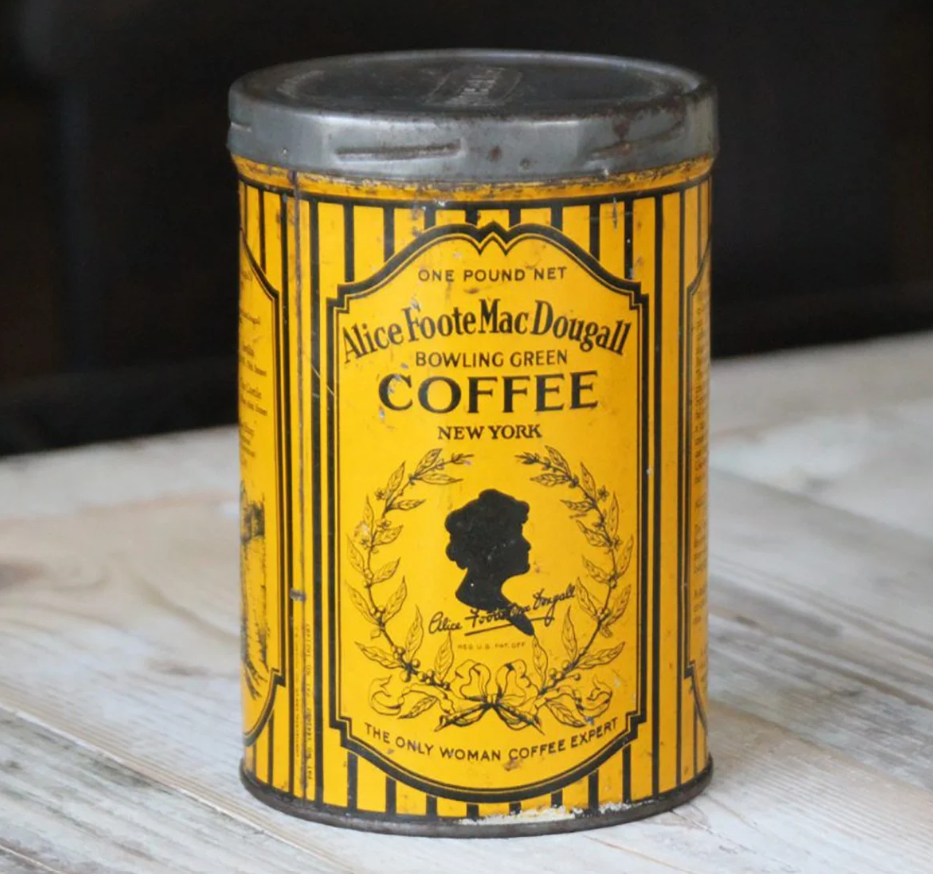
She soon saved enough to open a kiosk in Grand Central Terminal, which she hoped would tempt travellers to purchase her freshly roasted beans. By this time, “AF MacDougall” was no longer, and Alice was proudly selling coffee under her full name.
Business was consistent, yet slow, until one notable rainy day when everything changed. Seeing an opportunity in the cold, wet, and miserable crowds passing through the train station, Alice decided to bring her own coffee machine to the kiosk and sell brewed coffee directly to customers, along with freshly baked waffles.
This strategy proved extremely successful, and she soon opened another coffee shop, then two more, and by 1927, she had signed a $1 million lease for her fifth coffee house, Sevillia, on West 57th. Despite the difficulties she had faced as a woman breaking into a male-dominated trade, Alice Foote MacDougall had built a coffee empire.
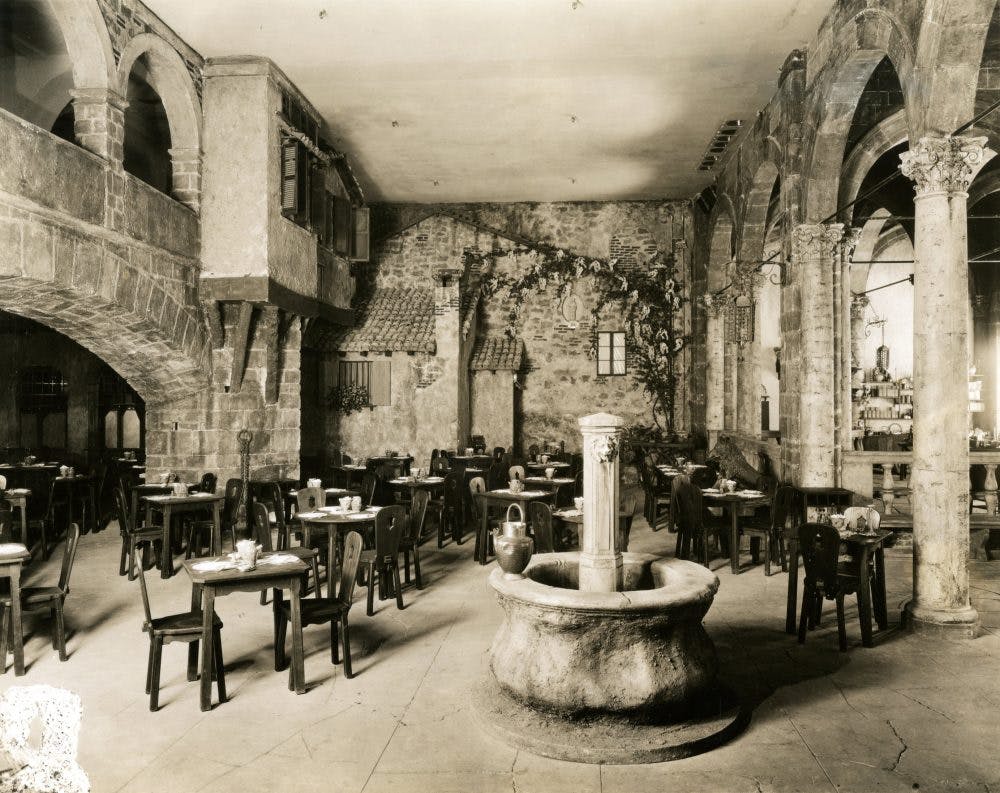
Her coffee houses became known for their Italian and Spanish-inspired decor, lavish compared to the otherwise grimy and dimly lit coffee establishments of the time. Tables were set with imported ceramics (which she also sold), and meals expanded to include sandwiches, seafood, imported cheeses, and, of course, her famous coffee. Notably, these establishments allowed women to gather and enjoy coffee, a luxury which they had not been afforded at most of the city’s other coffeehouses and restaurants.
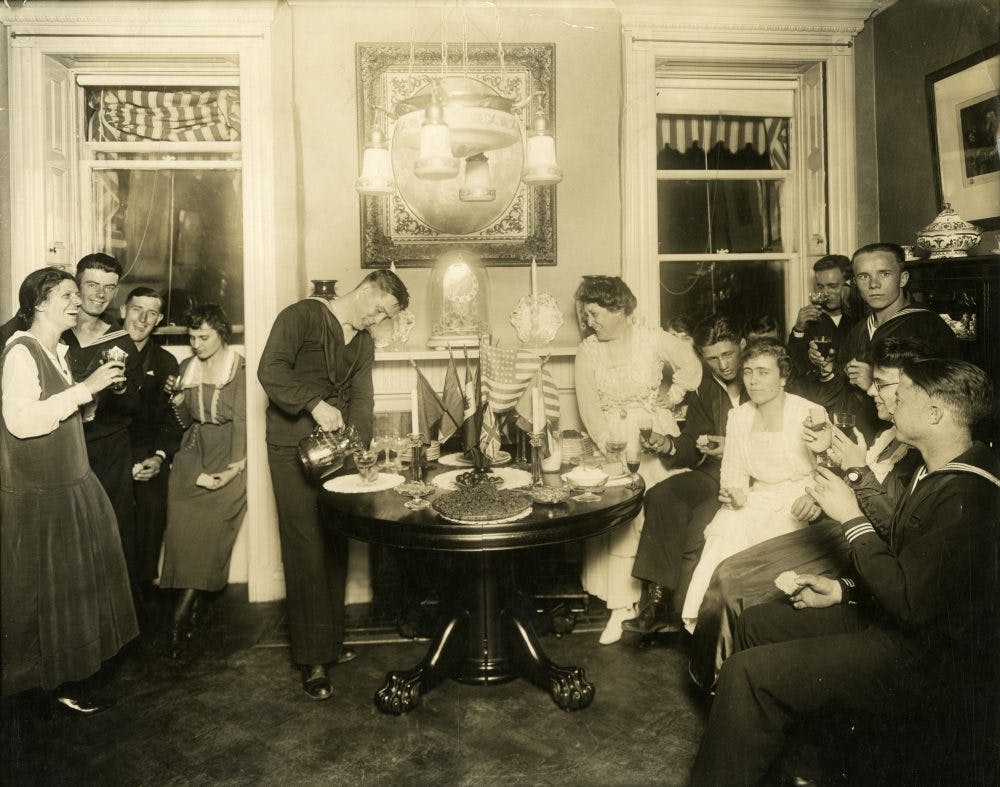
Alice wasn’t just seen as a titan of business, but also as a cooking and lifestyle personality. As a sort of Martha Stewart of her time, Alice authored multiple cookbooks. These publications not only provided readers with methods for cooking and brewing coffee, but also offered self-help tidbits, musings, and details of Alice’s personal journey as a coffee mogul.
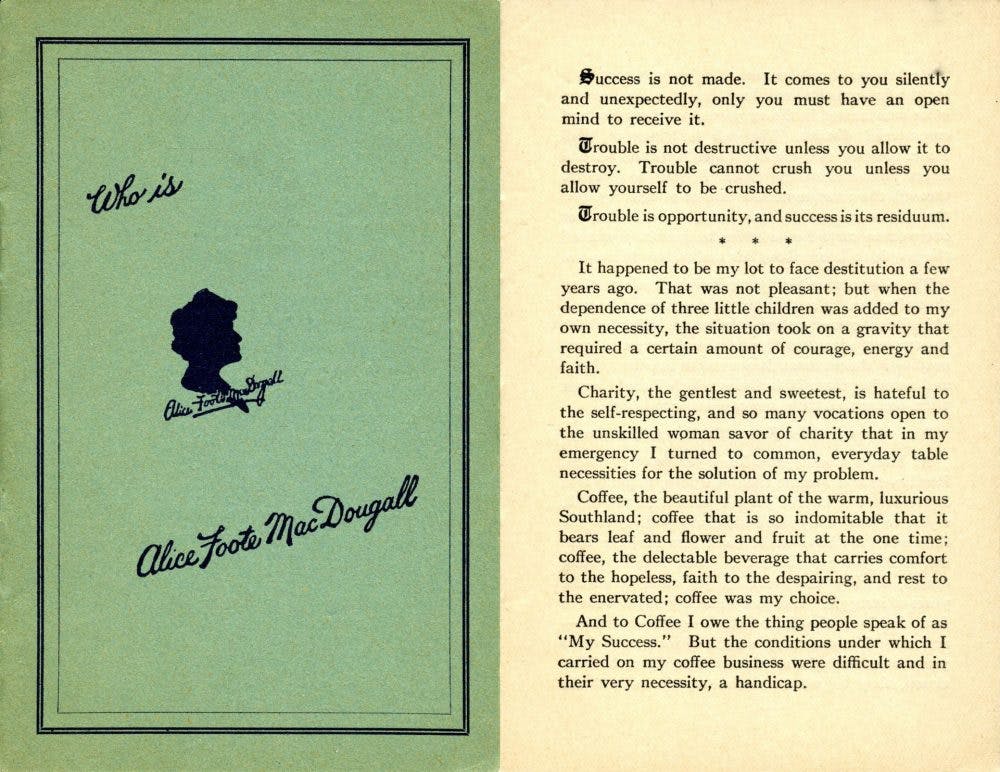
Sadly, the Great Depression halted the success of Alice’s many coffee establishments. Thus, despite her best efforts, she retired from the business in the late 1930s.
Despite the sudden end to her coffee empire, Alice Foote MacDougall’s place in the history of the coffee industry, as well as her impact in the cultural sphere, cannot be understated. She forever changed the course of history and proved just how impactful an unapologetic, entrepreneurial woman could be.
To learn more about other impactful women in our neighborhood, visit our recently revamped Greenwich Village Historic District Virtual Map, which includes a tour of “transformative women” in our neighborhood.