
George Morrison: Abstract Expressionism from an Indigenous Point of View
A new show at the Metropolitan Museum of Art focuses on a unique artist who blended his indigenous heritage with the energetic art world of mid-century Manhattan. “The Magical City: George Morrison’s New York” — a title taken from the artist’s description of his longtime home — presents an overview of a career stretching from the early 1940s and a life in Greenwich Village to the late 1980s.
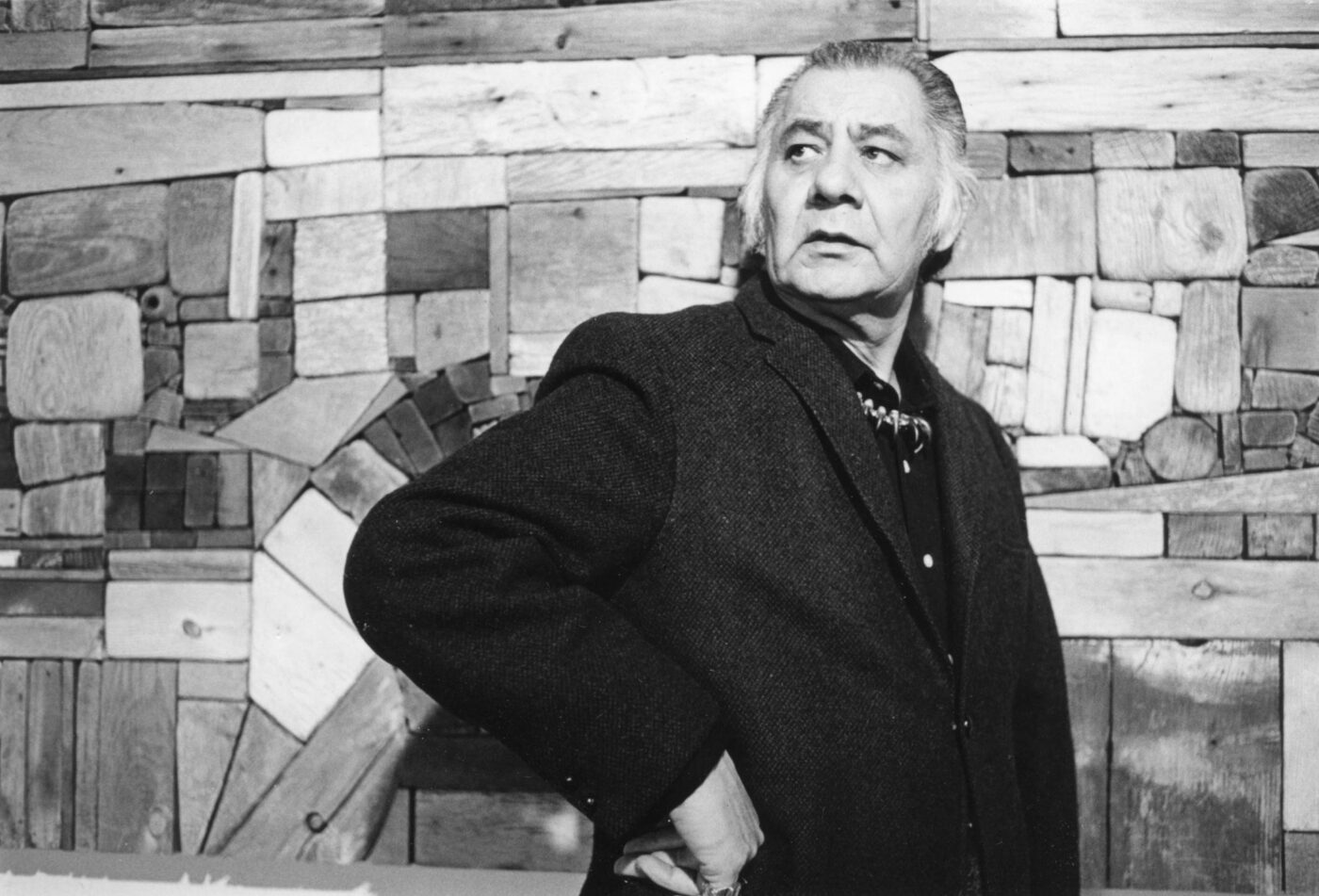
A member of the Grand Portage Band of Lake Superior Chippewa, Morrison (1919-2000) was one of several Native American artists who lived and worked in our communities, and whose work can still be seen in the heart of the Broadway-Lafayette subway station and beyond.
Morrison arrived in New York City in 1943 at the age of 24, carrying a fine-arts degree from the Minneapolis School of Art and a scholarship to the Art Students League of New York. Born and raised in a remote Ojibwe village on the north shore of Lake Superior, Morrison’s formative years sparked deep connections to natural landscapes and craftsmanship.
In New York, Morrison immersed himself in the dynamic downtown art scene. At the Art Students League from 1943 to 1946, he attended classes taught by George Grosz and Morris Kantor. He shared a Greenwich Village apartment and frequented local gathering places such as the Cedar Bar and P.J. Carney’s pub, developing friendships with a generation of artists including Franz Kline, Jackson Pollock, and Willem de Kooning.
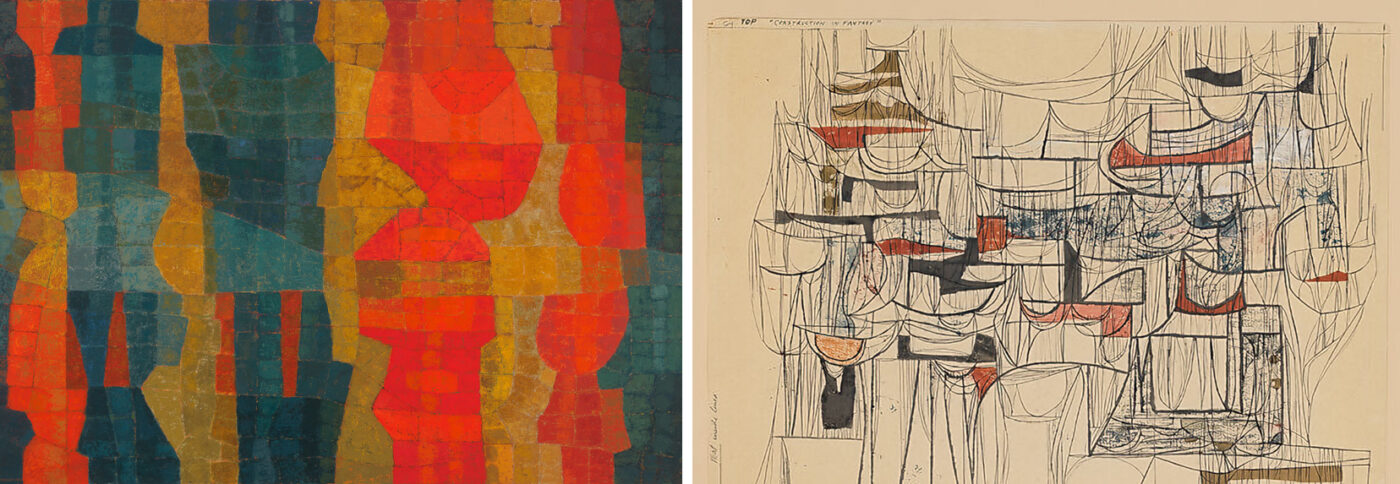
Technically trained in figure drawing, portraiture, landscape painting, and graphic arts, Morrison shifted to abstract approaches in his New York years. His unique visual language grew from a fusion of his interest in the subconscious, Ojibwe aesthetic sensibilities, ties to his homelands, and the cultural and visual energy of Manhattan. The artist’s involvement with the rise of Abstract Expressionism enhanced the movement’s broader American context by imbuing it with a distinctive Indigenous perspective.
Morrison’ held his first solo exhibition at Grand Central Moderns in 1948, and repeatedly exhibited in Manhattan galleries throughout the 1950s. His work joined major group shows alongside the defining names of the “New York School,” and it earned him a Fulbright scholarship to study in France in 1952. Yet throughout the years, New York remained a creative center for him: “When I approached New York at night, it looked like a magical city — bridges and all of Manhattan lit up like a magical place. Always impressive. I still get the same charge when I approach it.”
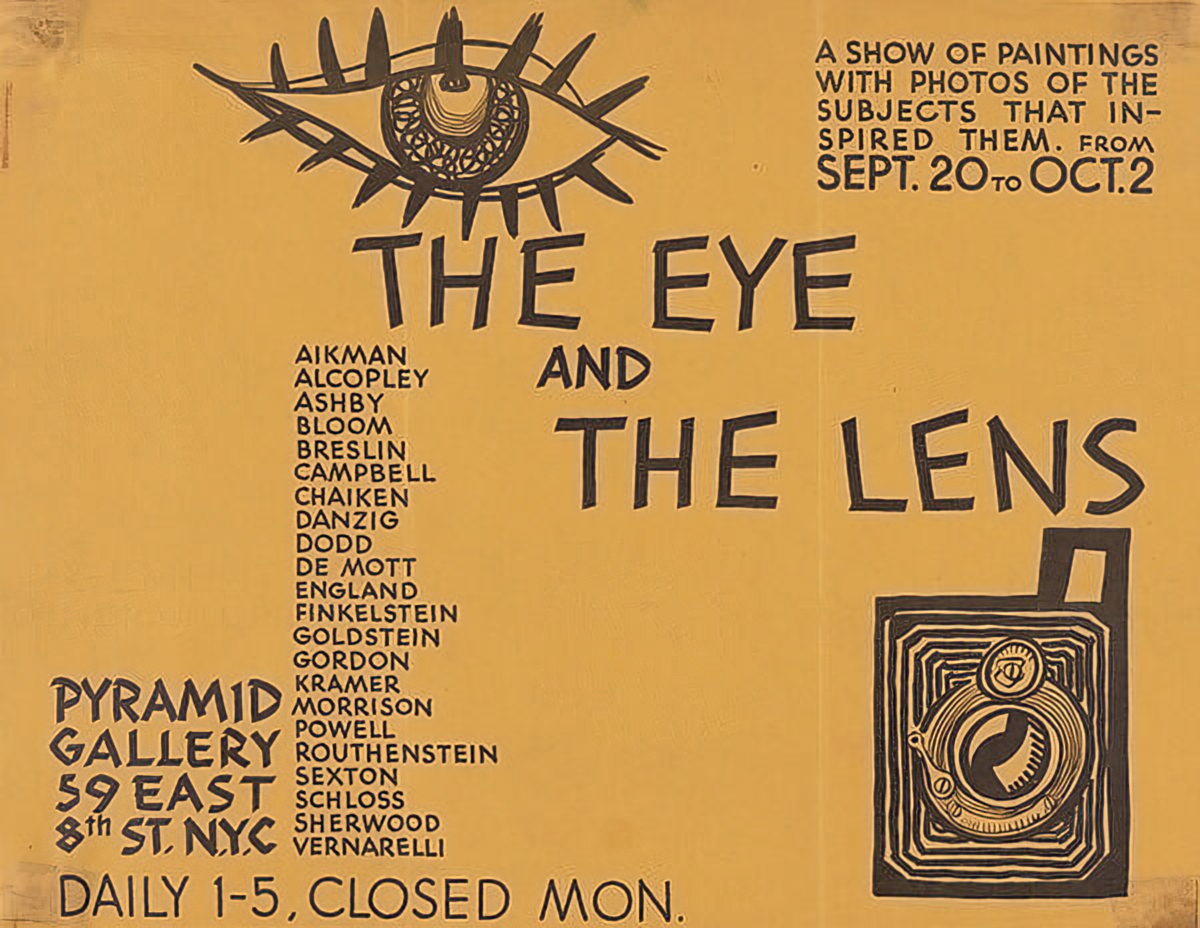
By the early 1960s Morrison began to shift his focus back toward the landscape, returning to Minnesota and ultimately settling on the Grand Portage Reservation. But his Greenwich Village years remained foundational: they sharpened his abstract idiom, connected him to key galleries and peers, and enabled him to present his work in major institutions like the Whitney Museum of American Art.
“Morrison strongly impacted the development of the American Abstract Expressionist movement as well as the work of his professional colleagues,” said Patricia Marroquin Norby (P’ urhépecha), associate curator of Native American art at The Met, “artists who respected him as a leader and a voice for their generation.”
“The Magical City” will be on display in The Met’s American Wing through May 31, 2026.
Learn more about Native American artists connected to our neighborhoods here.