
We Remember: Oral Histories of Strength and Loss in the AIDS Years
The history of the AIDS crisis in New York City is often told via numbers and statistics, the hospitalizations, the tragedy of lost lives, the sweeping social changes. But the real power of history resides in personal memory. In Village Preservation’s Oral History Collection, individual voices tell the stories that aren’t always part of the official record. Oral histories from people like St, Vincent’s Hospital Dr. Victor Keyloun, writer and activist Kevin McGruder, activist and archivist Rich Wandel, performance artist Penny Arcade, social justice crusader David Rothenberg, and scholar Jonathan Ned Katz help reconstruct a vanished world:
Dr. Victor Keyloun
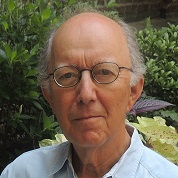
One of the few doctors at St. Vincent’s Hospital willing to treat its large gay population in the late 1970s and early 1980s, this oral history recalls the first patients dying from a mysterious illness. He remembers his cousin, newly “out,” alive one night, gone the next. A hemophiliac classmate whose regular blood transfusions became a death sentence before medicine understood the danger.
This oral history captures the panic and despair that came with not even knowing what was killing you, the early confusion and fear before activism and treatments. Access the full oral history here.
Kevin McGruder
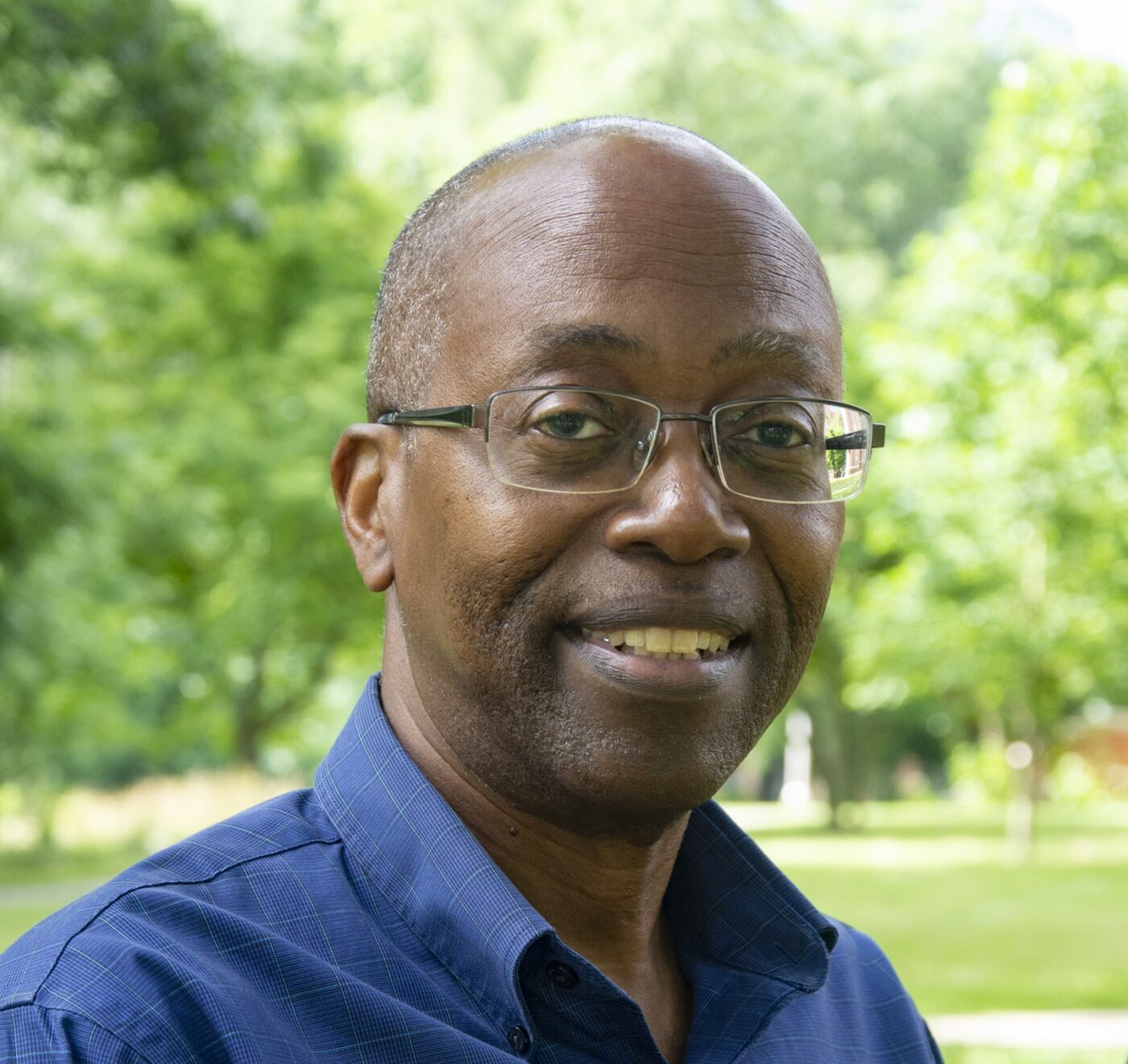
Throughout our neighborhoods during this era, artists and writers struggled. This oral history covers “Other Countries,” a Black gay men’s writing collective co-founded by Kevin McGruder in 1986, the queer geography of the West Village, and the importance of oral history for preserving social history. Access the full oral history here.
Penny Arcade

For performers like Penny Arcade, the AIDS epidemic was not just a public health disaster, it was a personal and cultural rupture. Her oral history evokes the art, the queerness, the despair, and the fierce determination to keep creating despite the terrible force of the epidemic. Access the full oral history here.
David Rothenberg
Activists like David Rothenberg worked tirelessly. From Broadway stages to grassroots organizing in the Village, from prison reform to AIDS activism, his oral history includes the overlapping fights for dignity, justice, and care. Access the full oral history here.
Jonathan Ned Katz
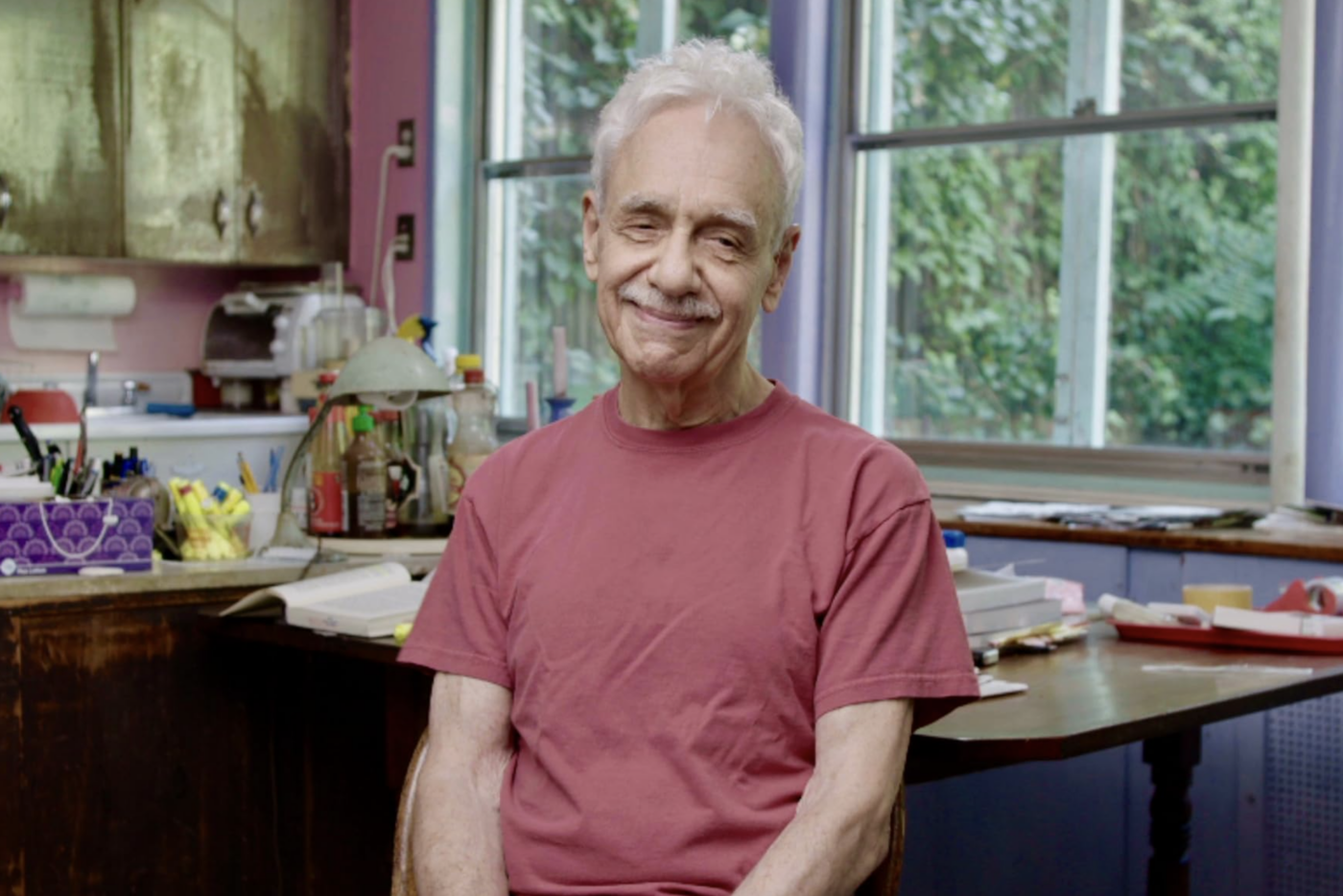
LGBTQ+ historians like Jonathan Ned Katz helped build a bridge from the post-Stonewall era to the grim reality of the 1980s, preserving LGBTQ+ memory so that later generations might understand not only what was lost, but the resilience that remained. This oral history discusses many aspects of LGBTQ+ history, including factions and divisions within the community surrounding the AIDS epidemic. Access the full oral history here.
Rich Wandel
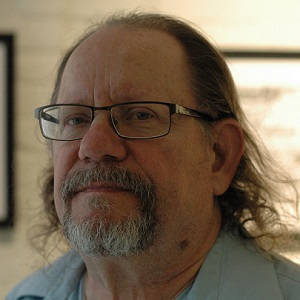
The LGBT Community Center was founded as and remains a place of refuge and activism. Rich’s oral history explores his life as the founding Archivist Historian of The LGBT Community Center and his years of community organizing and remembrance through the darkest years of the AIDS epidemic. Access the full oral history here.
What emerges from all these accounts is more than grief or a singular narrative. These oral histories paint unique pictures of activism through individual stories of a community that lost too much, but also fought for dignity, memory, and survival. In a rapidly changing city where hospitals close, buildings are demolished or repurposed, communities displace, these stories serve as enduring monuments.
Click here to read or listen to all of our oral histories. If your interested in oral histories that include LGBTQ+ themes, check out Tom Bernardin’s, Michael Levine’s, Vincent Livelli’s or others.