
The South Village: Celebrating the Preservation of Culture and Architecture
Village Preservation kicked off its campaign to honor, document, and seek landmark designation for the South Village and its remarkable immigrant and bohemian histories in December of 2006 and completed the effort in December of 2016 with designation of the third and final phase of our proposed South Village Historic District, the largest expansion of landmark protections in the neighborhood since 1969, and among the city’s first and only historic districts to honor immigrant and artistic history. We now celebrate each December as “South Village Month.”
Tucked below Washington Square and West 4th Street, the South Village long stood as one of New York City’s most historically rich yet most vulnerable neighborhoods. This area developed with a distinctive architectural scale and a layered cultural history that reflects immigration, labor, music, foodways, and activism.
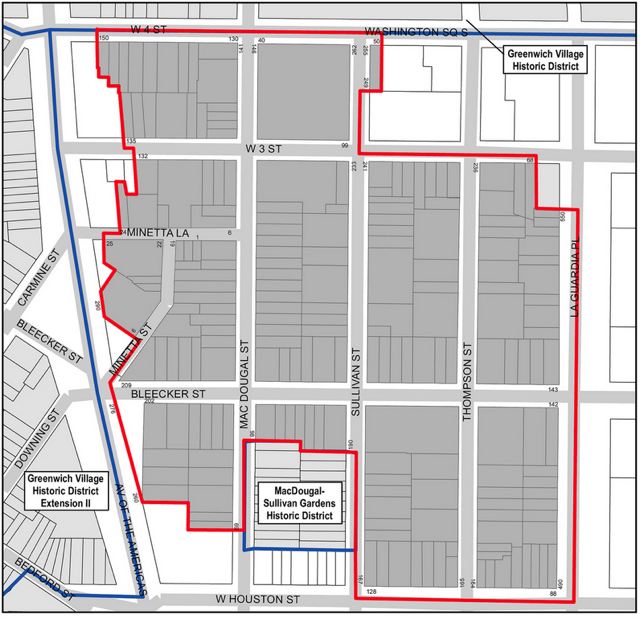
Unlike the more genteel residential blocks north of Washington Square, the South Village evolved as a mixed-use, working-class neighborhood. Its streets tell the story of early 19th‑century development through modest Federal and Greek Revival rowhouses, later tenements, small industrial buildings, and commercial storefronts. The neighborhood’s architecture documents the transition of Greenwich Village from a semi‑rural enclave to a dense urban district shaped by waves of immigration and commerce.
The New York City Landmarks Preservation Commission’s designation report details how the South Village retains an unusually intact collection of low‑scale buildings dating primarily from the 1820s through the early 20th century, many of which escaped the speculative redevelopment that altered other parts of Manhattan. These buildings form a coherent streetscape that reflects everyday life rather than elite monumental architecture.
For many years, large portions of the South Village were left unprotected, even as nearby areas received landmark status. This absence made the neighborhood particularly susceptible to out‑of‑scale development and demolition. Preservation advocates, led by Village Preservation and community partners, mounted a sustained campaign to document the area’s architectural and cultural significance and to press the city for action. You can watch a host of videos about Village Preservation’s campaign to get the South Village designated here.
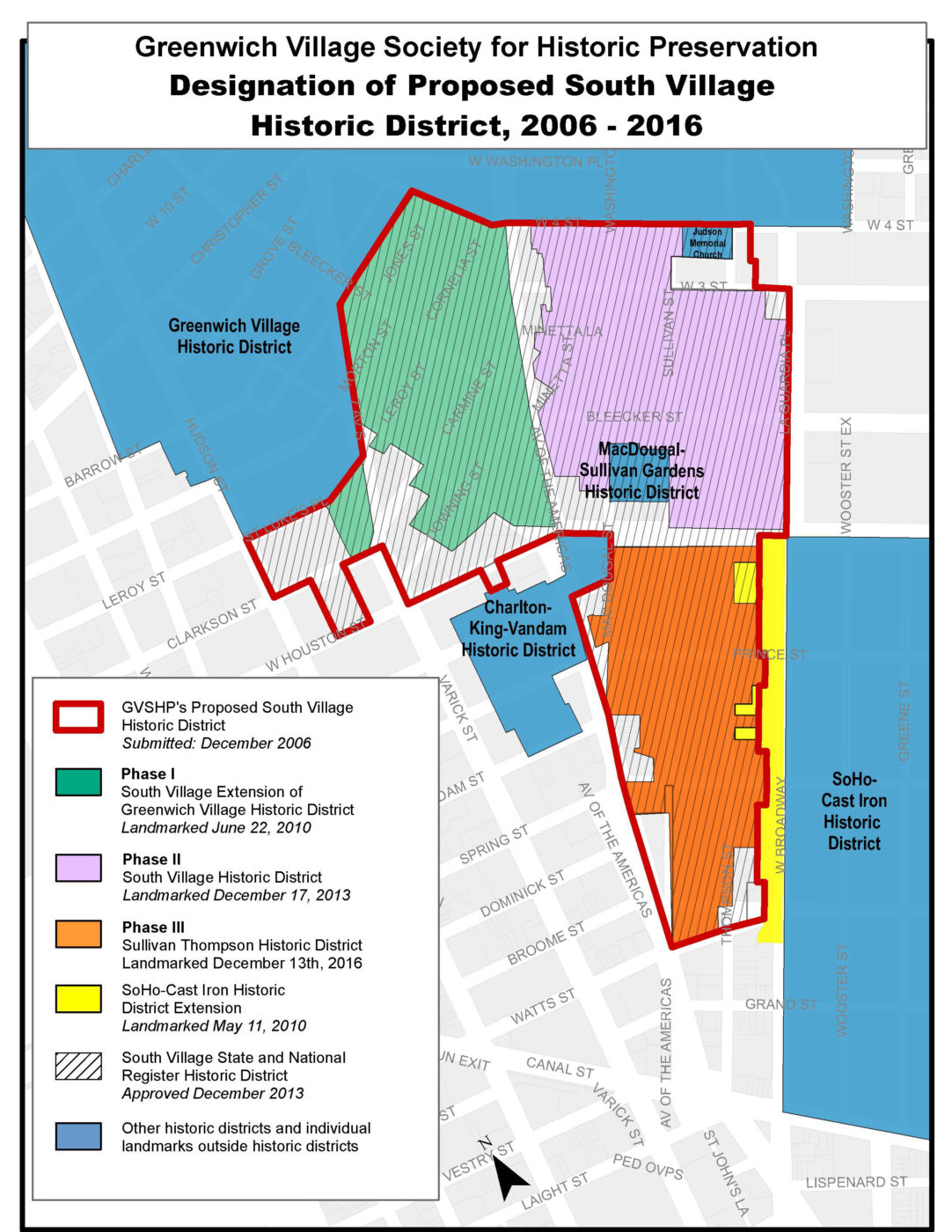
That effort culminated in the creation of three historic districts — the Greenwich Village Historic District Extension II in 2010, the South Village Historic District in 2013, and the Sullivan Thompson Historic District in 2016. The three designations protected about 700 buildings for their historic, architectural, and cultural importance, formally acknowledging the South Village as a distinct and irreplaceable part of New York City’s heritage. The South Village also encompasses the MacDougal–Sullivan Gardens Historic District, which was designated in 1967.
The South Village is notable not only for its buildings but for the communities that animated them.
Italian American Life and Entertainment
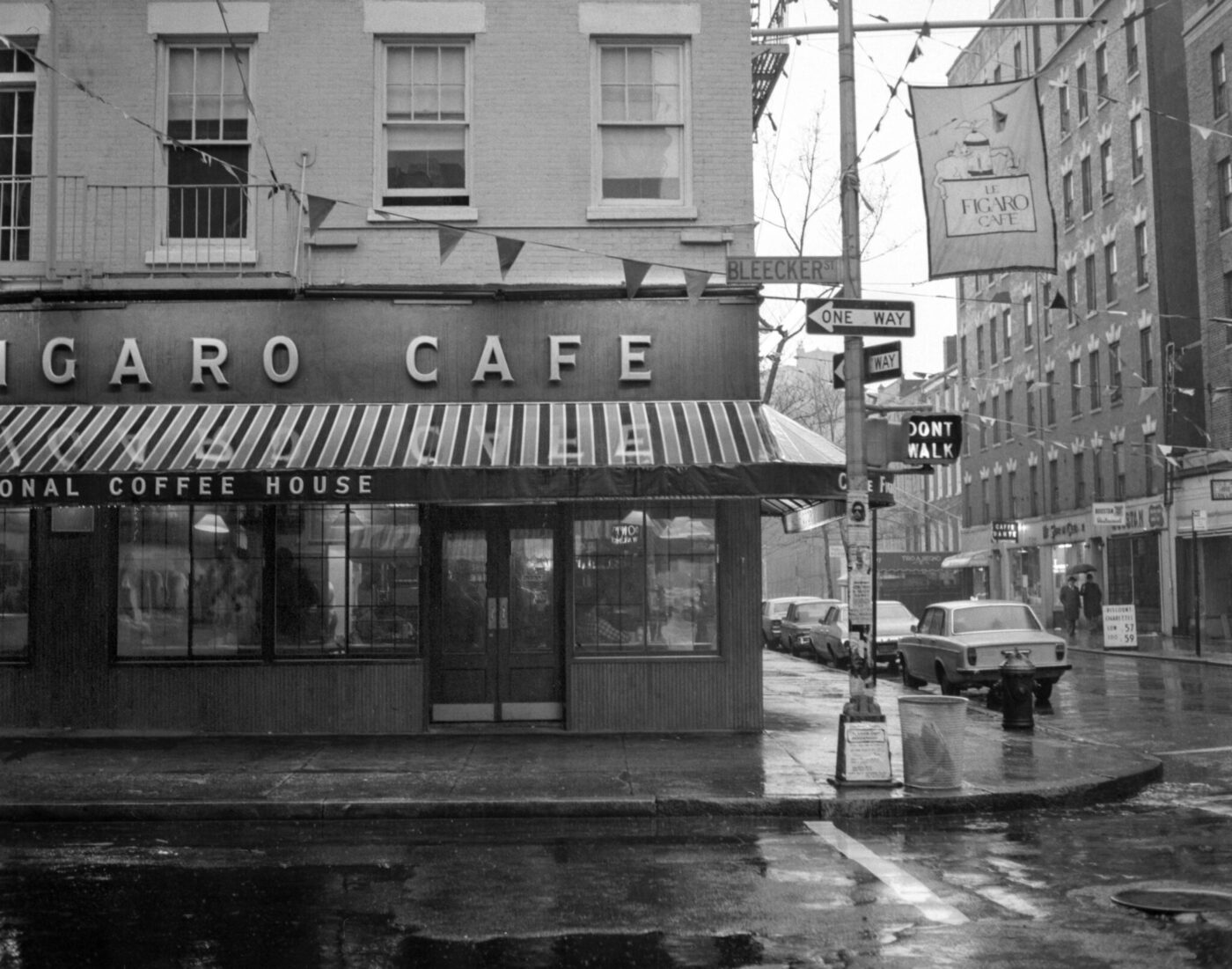
Beginning in the late 19th century, the South Village became a center of Italian American life. Cafés, theaters, and social clubs flourished along streets such as Sullivan, Thompson, and MacDougal. These venues nurtured entertainment traditions that influenced popular culture far beyond the neighborhood, from music and theater to comedy and film.
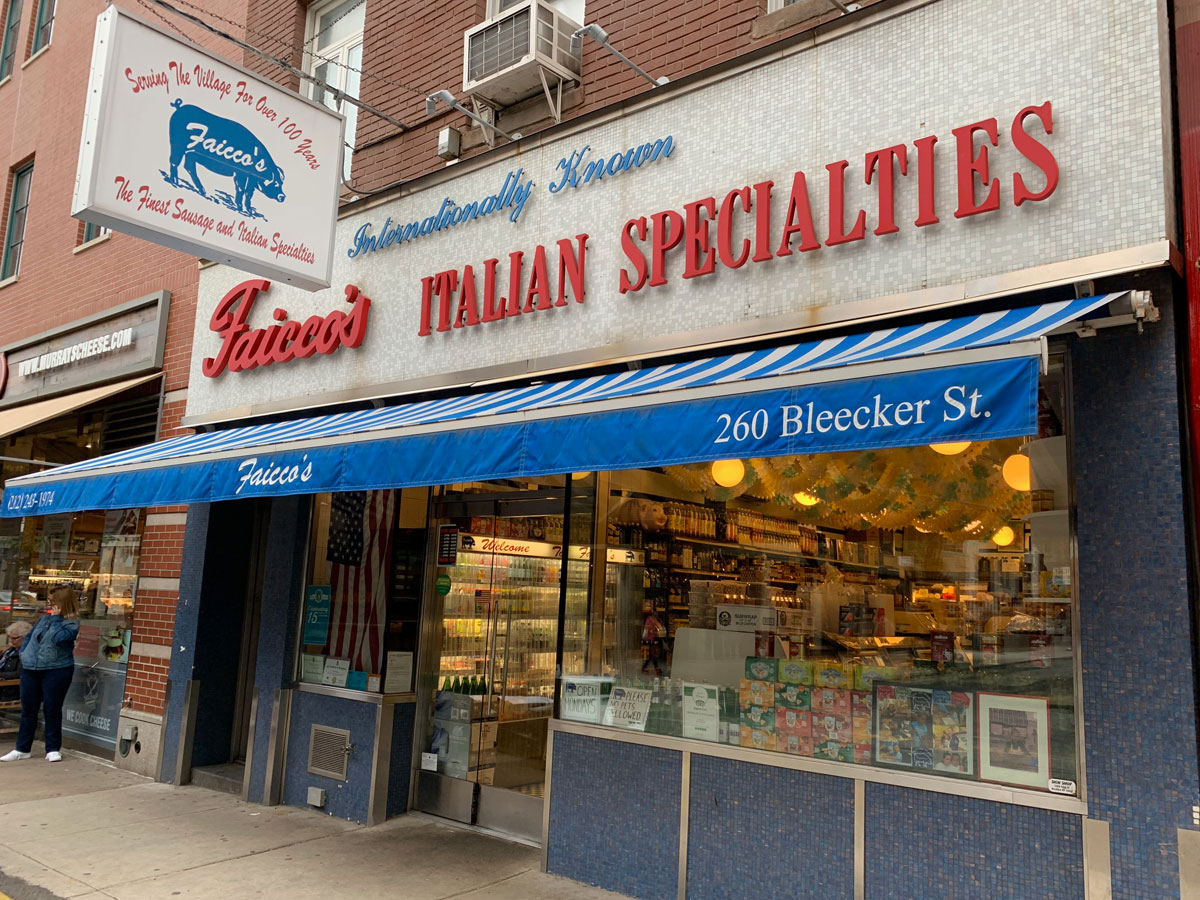
The neighborhood’s proximity to the Hudson River and Lower Manhattan made it a hub for food distribution and small‑scale industry. Meat markets and related businesses once lined many South Village streets, linking the area to the city’s broader supply chains and working‑class economy. Remnants of this history survive in building forms, signage, and street layouts.
Little Africa and Black History
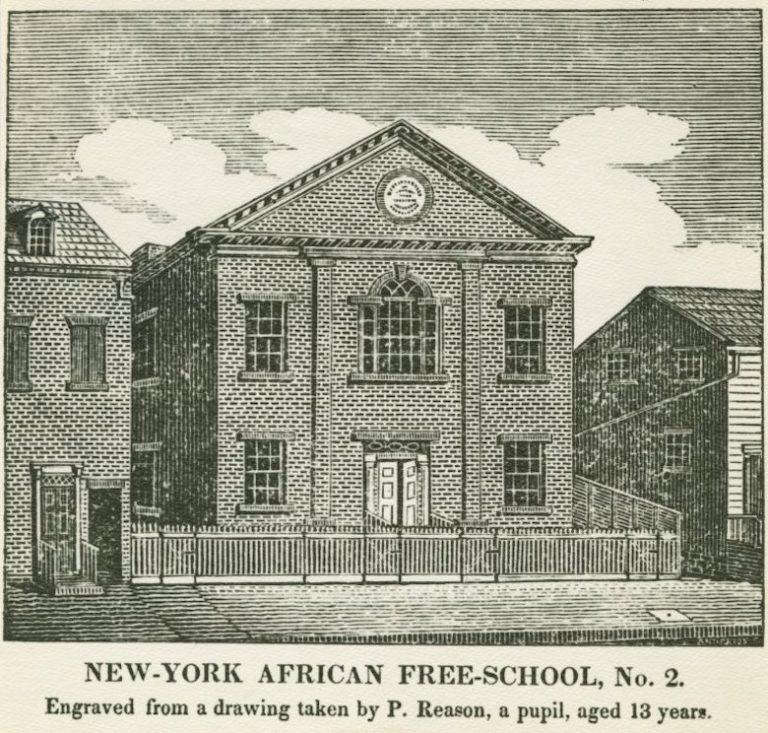
Less widely known is the South Village’s significant role in Black history. There are several important landmarks in the neighborhood. In the 19th century, parts of the neighborhood were home to a community known as “Little Africa,” New York City’s largest Black community in the 19th century. Churches, homes, and institutions tied to this community laid foundations for later Black life in Lower Manhattan, a legacy that is now increasingly recognized and interpreted.
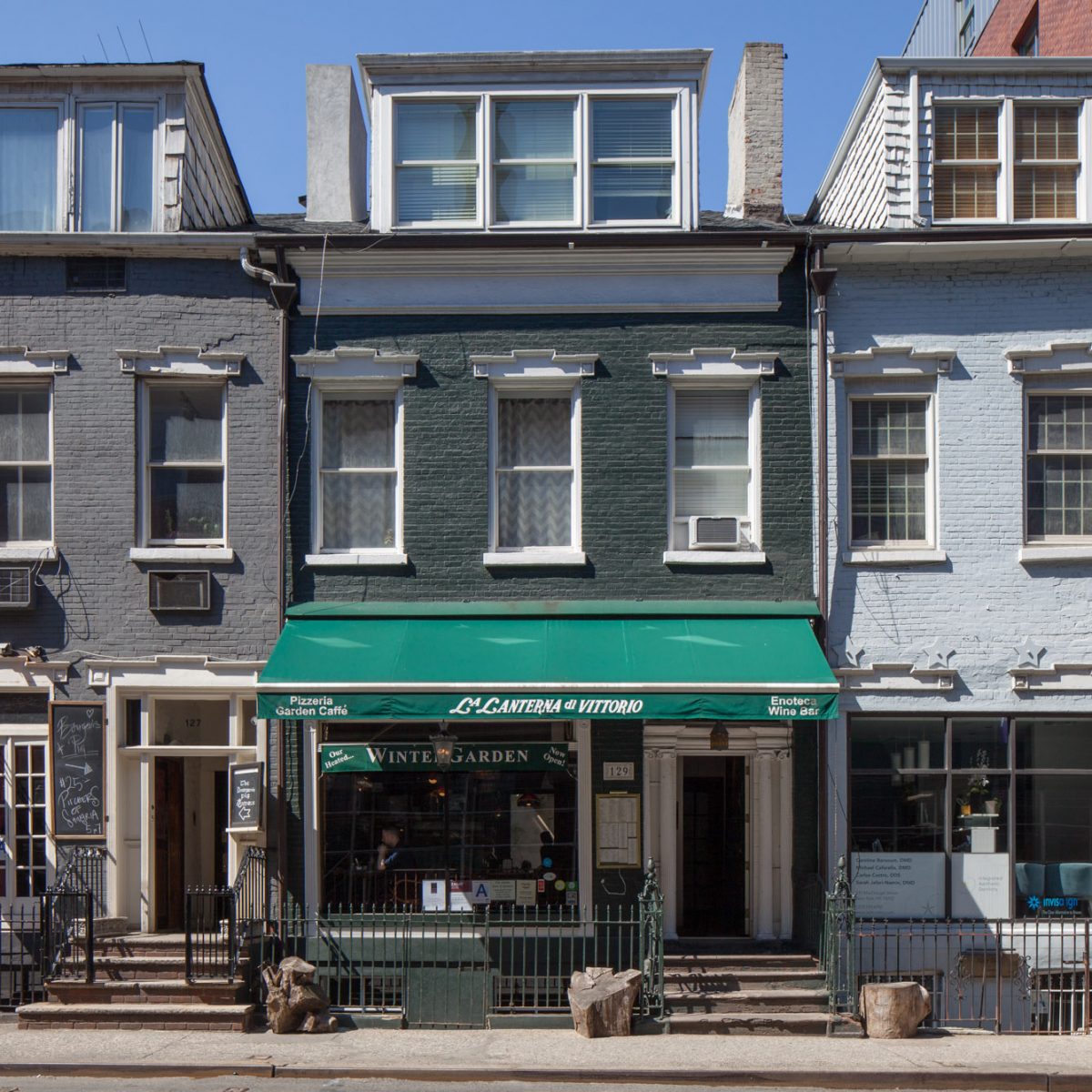
The South Village also holds an important place in LGBTQ+ history. Long before such histories were widely acknowledged in landmark designations, preservation advocates documented and elevated sites connected to early LGBTQ+ social life and activism in the area. The district’s recognition marked a significant step toward more inclusive preservation practices in New York City.
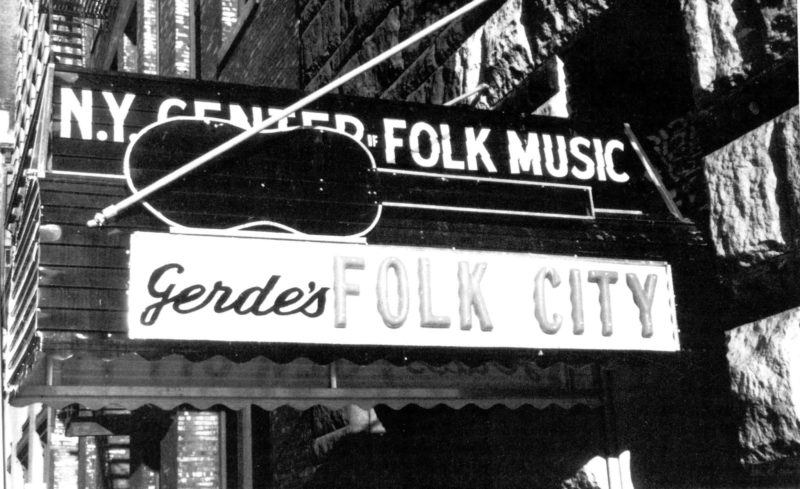
By the mid‑20th century, the South Village was at the heart of the folk music revival. Clubs and cafés hosted musicians who would go on to reshape American music, reinforcing the neighborhood’s reputation as a crucible of artistic experimentation and cultural exchange.
Since its designation, the South Village Historic District has become a focal point for education, celebration, and continued advocacy. Initiatives such as South Village Month highlight the neighborhood’s many histories and encourage residents and visitors alike to look more closely at its streetscapes and stories. As December is South Village Month we continue to highlight its importance with several public programs including the annual Shop n’ Stroll and talks on the neighborhood’s rich history. Explore more articles, resources, past events, and information about the South Village here.
The South Village Historic District stands as a testament to the idea that preservation is not only about architectural beauty, but about safeguarding the places where everyday New Yorkers lived, worked, organized, and created culture. Its designation ensures that future generations can experience a neighborhood that reflects the diversity, resilience, and creativity that have long defined Greenwich Village and New York City itself.