
Sarah Schulman: The Power of Existence, Action, and Reflection
Through her existence, action, and reflection, Sarah Schulman (b. July 28, 1958) has deeply impacted the fabric of New York City’s bohemian, LGBTQ+, and artistic communities.
A native Villager, she was born on 10th Street and has lived on 9th Street for over 40 years. Her deep understanding of our neighborhoods, prowess as a writer, and care for others have allowed Schulman to create work that provides nuanced and candid portrayals of New York culture and queer/feminist activism.
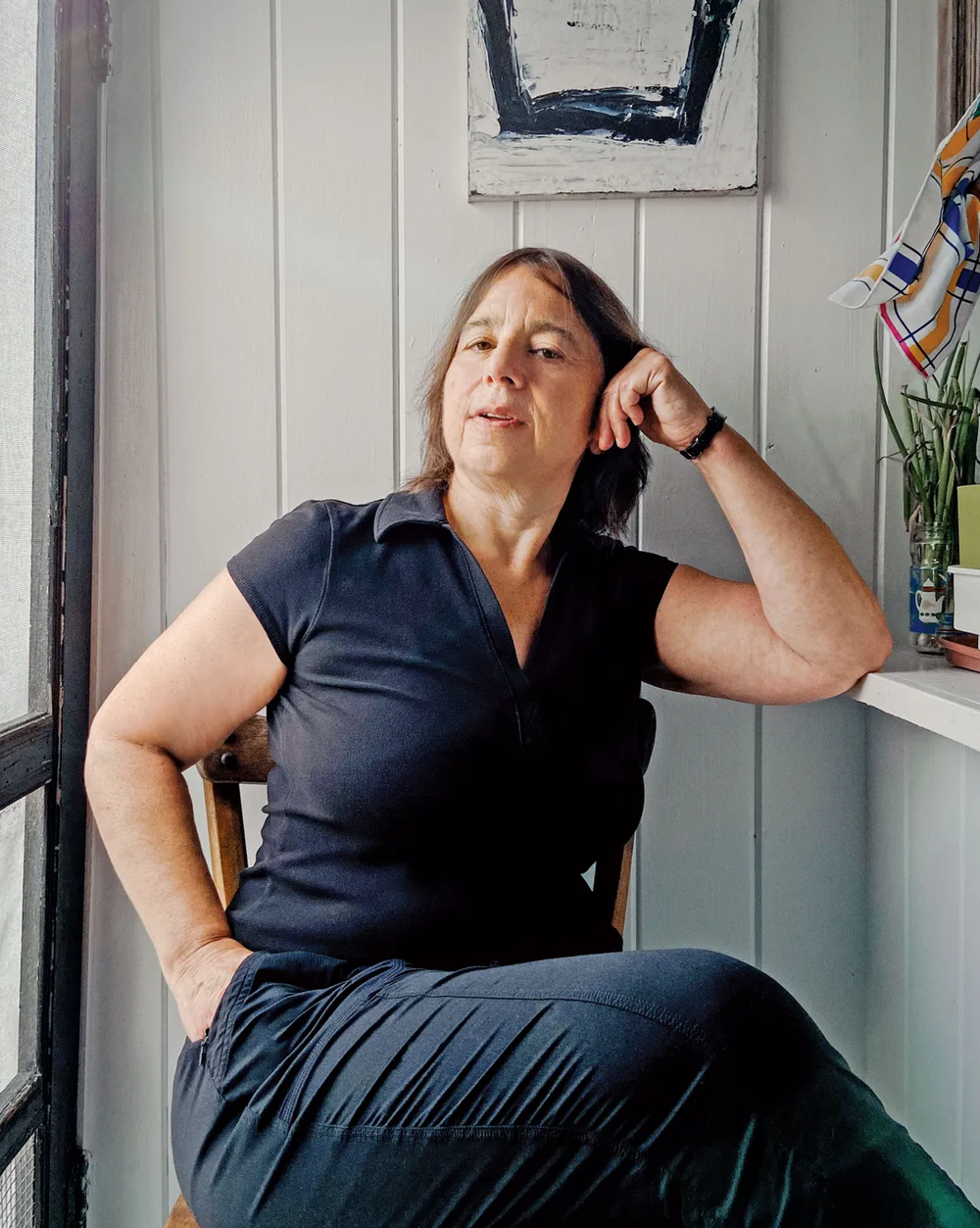
Schulman is best known for her work as a celebrated author (Conflict is Not Abuse, Rat Bohemia, Let the Record Show: A Political History of ACT UP New York, The Gentrification of the Mind, The Cosmopolitans), playwright (Mercy, Carson McCullers), screenwriter (notably working with director Cheryl Dunye), and activist.
Schulman has documented the past 50 years of queer life in New York City through fictional and historical lenses. A vocal lesbian and member of the queer community, Schulman has used her writing as a way to increase representation for fictional lesbian and queer characters. She has also made massive contributions to the documentation of the AIDS crisis in New York, writing about her own experience in activist circles and collecting oral histories of many other participants.
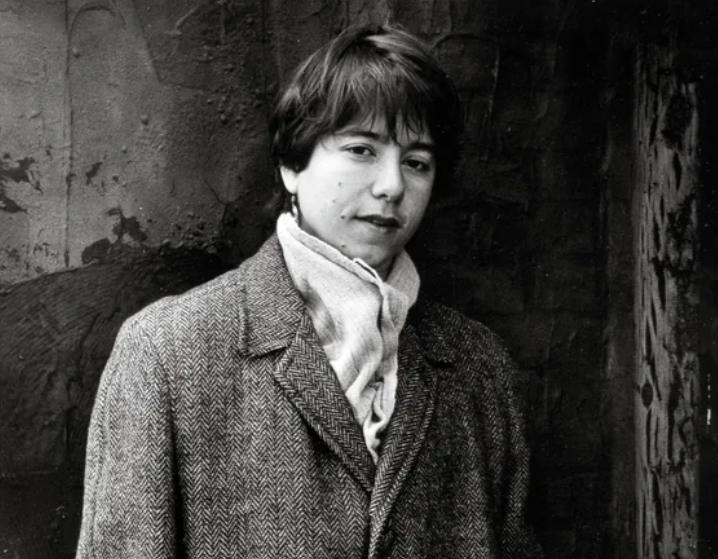
Schulman is a native New Yorker who was born into the rapidly shifting city of the mid-20th century.
Her career began to take off in 1979 when she worked as a journalist in the grassroots lesbian, gay, and feminist press. The same year, she became active in the Reproductive Rights Movement, working for abortion rights and against sterilization abuse. Schulman’s advances within the literary world have consistently occurred alongside her advances in activist circles, with her work in each deeply informing the other.
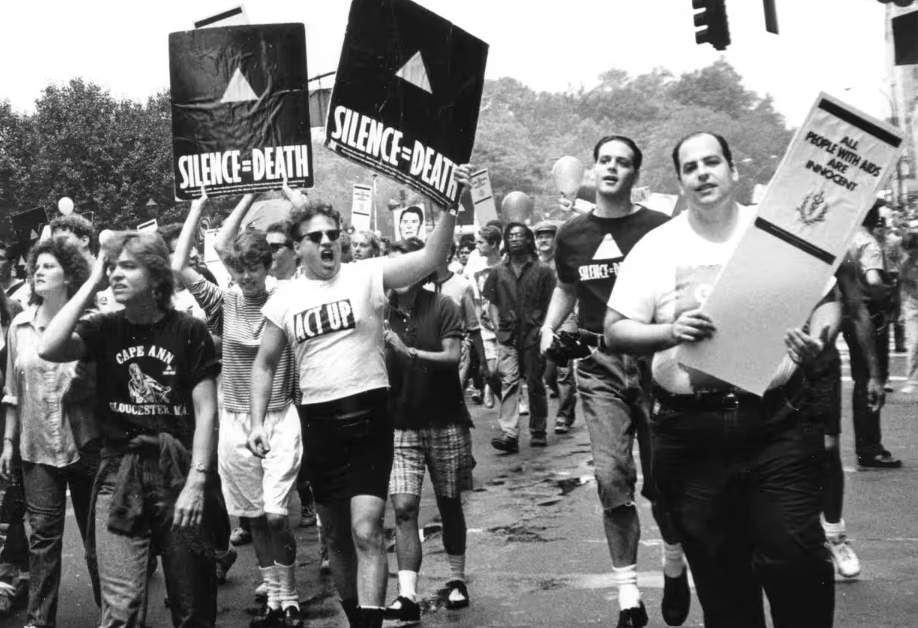
Schulman was an active member of ACT UP (AIDS Coalition to Unleash Power) from 1987 to 1992. ACT UP was a direct-action group that radically changed how AIDS was perceived and treated in the United States. ACT UP’s strategies targeted the FDA, NIH, Big Pharma, and religious institutions, forcing public accountability at a time of immense governmental neglect.
Schulman’s nonfiction book, Let the Record Show: A Political History of ACT UP New York, 1987–1993 (2021), is considered to be one of the most comprehensive political oral histories in queer literature. Based on over 200 interviews conducted through the ACT UP Oral History Project (co-founded with Jim Hubbard), the book is deeply important within the documentation of AIDS activism. Schulman joined Village Preservation in 2022 to discuss Let the Record Show. You can watch the recording of this program on our YouTube page.
Additionally, Schulman’s documentary United in Anger: A History of ACT UP (co-directed with longtime collaborator Jim Hubbard) presents archival footage of actions from the period. In interviews and panels, Schulman often reflects that she believes ACT UP’s success came from its non-ideological pragmatism and direct-action strategies.

Schulman’s community organizing in LGBTQ+ spaces has extended far beyond ACT UP.
In 1992, Schulman co-founded the Lesbian Avengers along with Ana Maria Simo, Anne Maguire, Anne-Christine D’Adesky, Marie Honan, and Maxine Wolfe. The collective was a direct-action group centering lesbian visibility and empowerment. Their iconic Dyke March continues as a staple of NYC Pride each year. You can learn more about the Lesbian Avengers on our blog.
She has also nurtured queer experimental media through MIX NYC, which she co-founded with Jim Hubbard in 1986. This film and video festival has lasted for over 30 years, highlighting underground queer narratives that often resist corporate assimilation.
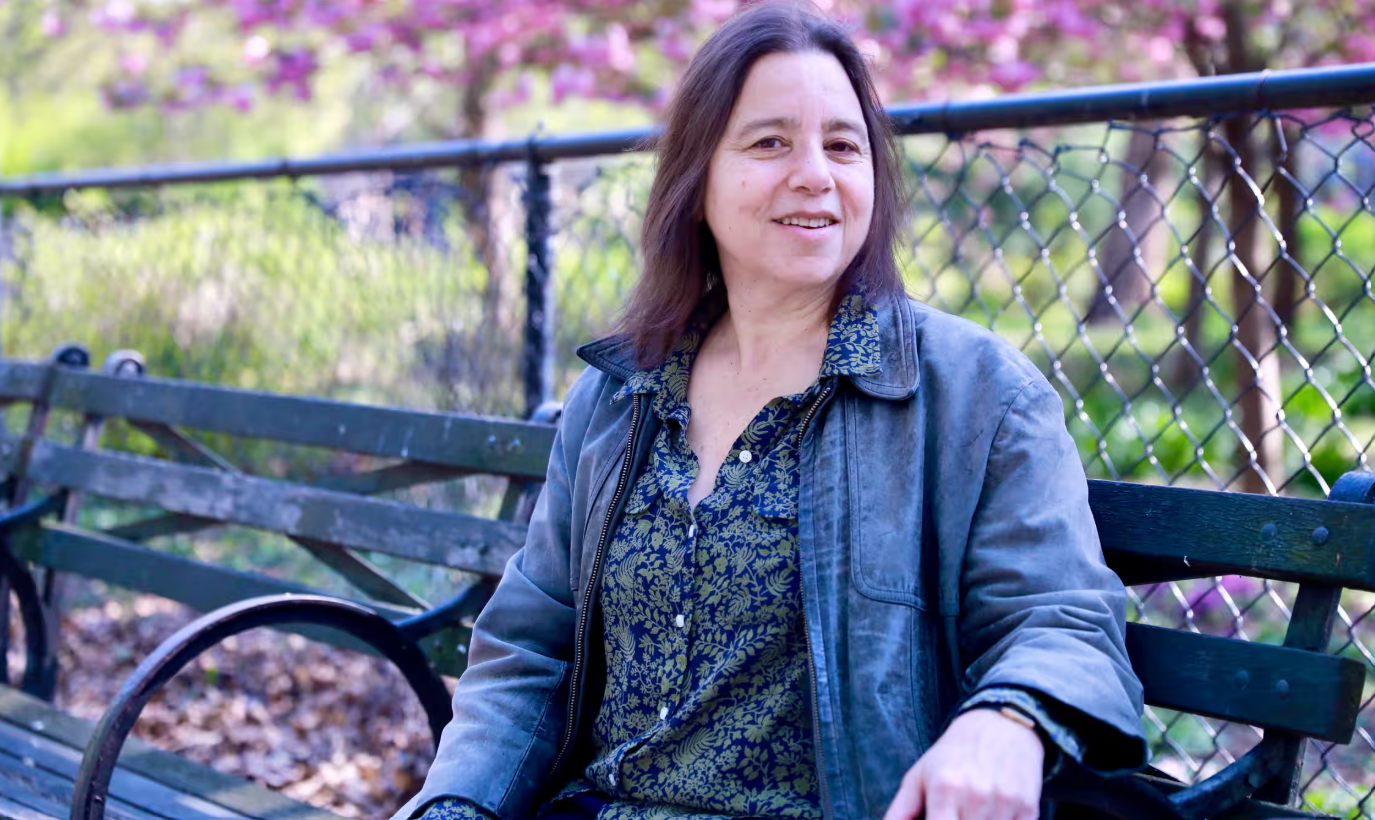
Sarah Schulman’s contributions to queer life, memory, and politics are vast and enduring. Her work bridges generational gaps in activism, bringing to light the stories seldom discussed. Schulman refuses to idealize the past, and insists instead on rigorous political analysis and creative truth-telling.
Whether through novels, oral histories, film, or organizing, Schulman embodies the ideal of a public intellectual grounded in lived experience and unflinching critique.