
Café Society at Sheridan Square: Where the Course of History Changed
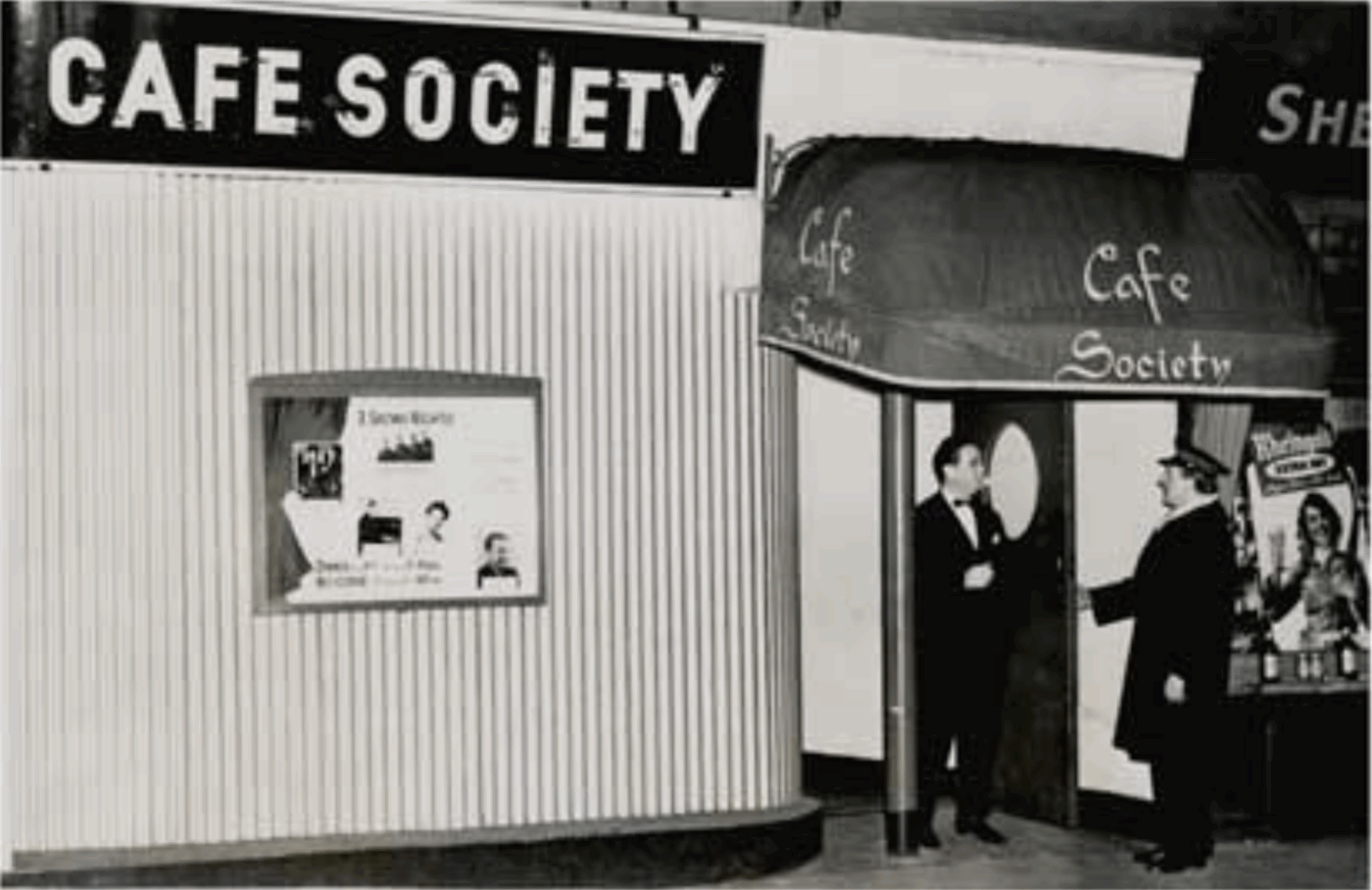
In 1938, a small basement nightclub opened at 1–2 Sheridan Square and challenged how New York City understood nightlife, race, and public space. Café Society was the city’s first racially integrated nightclub, welcoming Black and white audiences into the same room and placing Black and white performers on the same stage. This was not common practice. It was a choice, and it carried consequences.
Café Society was founded by Barney Josephson, who believed that music and comedy could do more than entertain. He wanted a space where audiences were alert, engaged, and willing to sit with discomfort. The club rejected segregation outright and made inclusion part of its daily operation. If you want to learn more about how Café Society was created and why it stood apart from every other nightclub of its time, read Village Preservation’s earlier blog “Café Society, The Wrong Place for the Right People.” Click the link to explore the full story and its historical context.
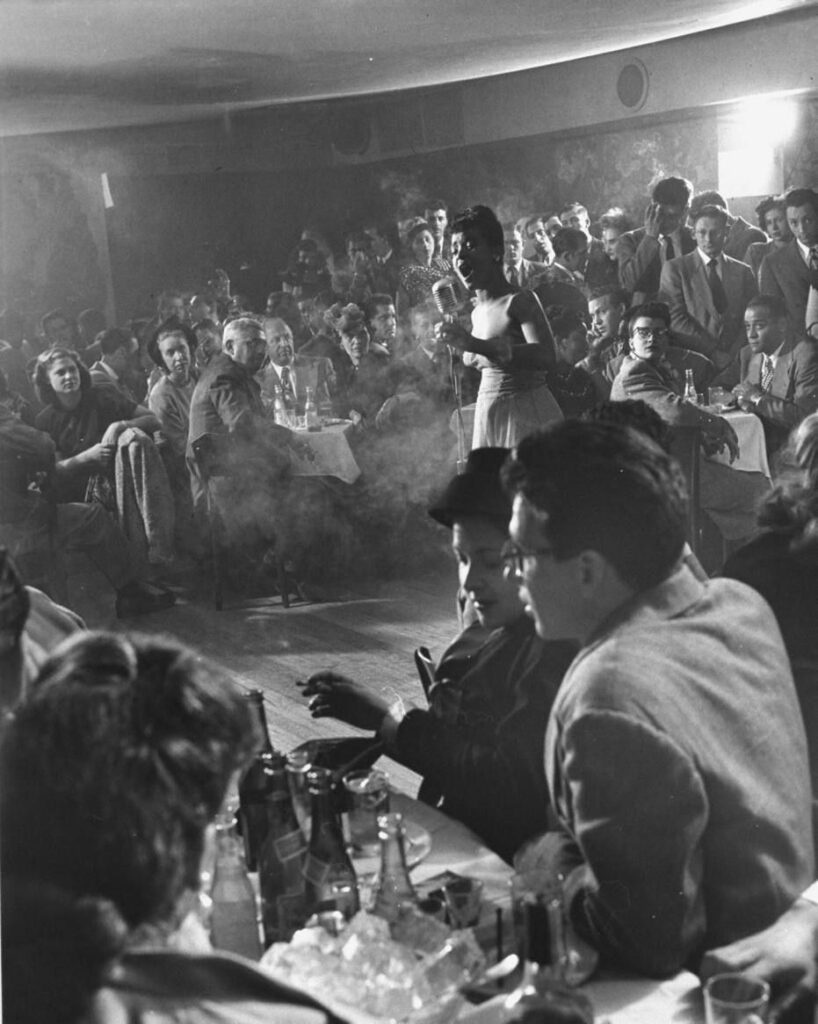
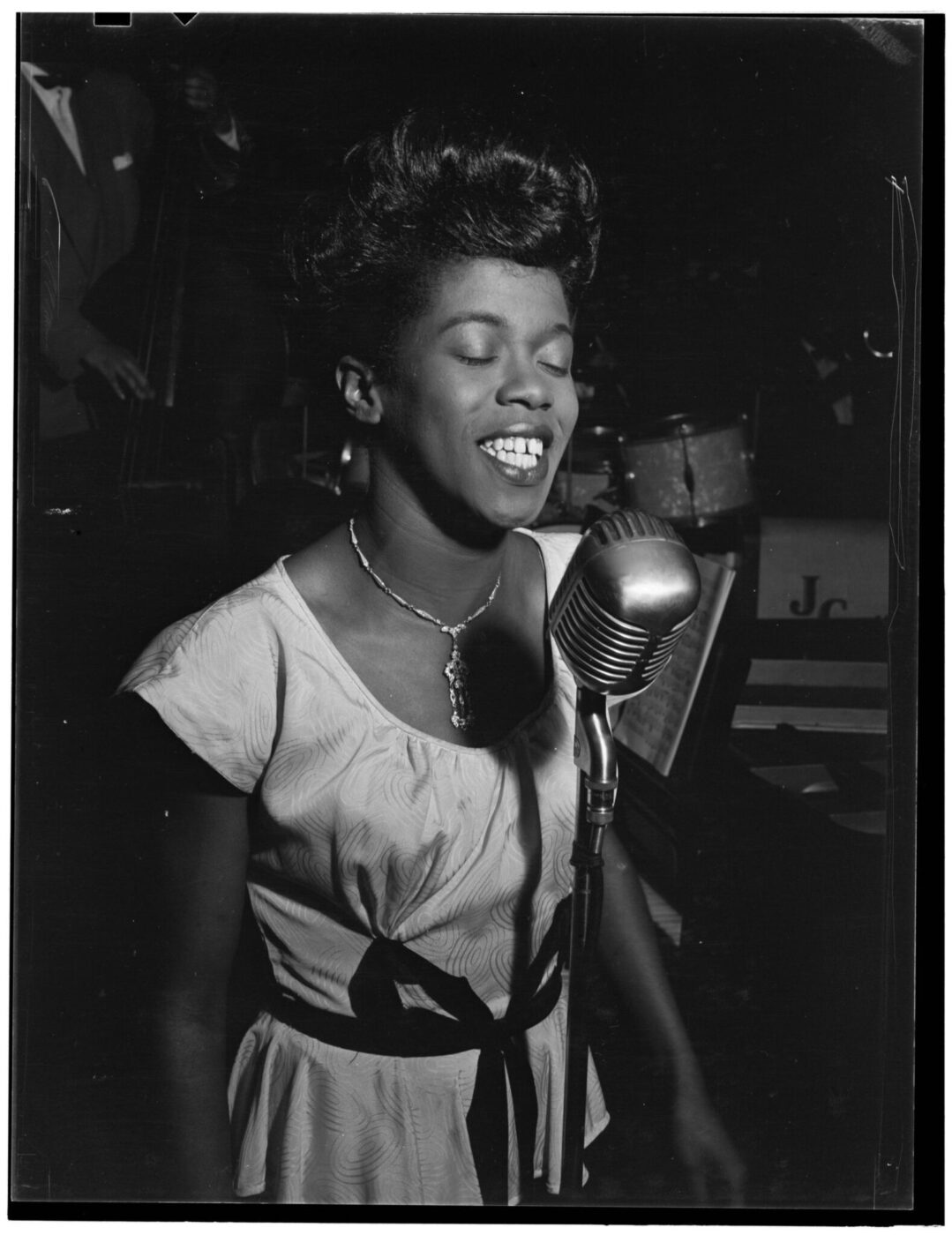
One of the most significant moments in the club’s history came when Billie Holiday performed “Strange Fruit” at Café Society. The song addressed lynching and racial violence directly, something few public spaces were willing to confront. Holiday’s performance was staged with intention. The lights dimmed. Service stopped. The room listened. Music became a form of public testimony. If you want to learn more about Billie Holiday’s connection to Greenwich Village and how her work intersected with other cultural figures of the neighborhood, read “Exploring Virtual Village Voices, Part 5: Billie Holiday, Edward Hopper, and Jane Jacobs.” Click the link to read more.
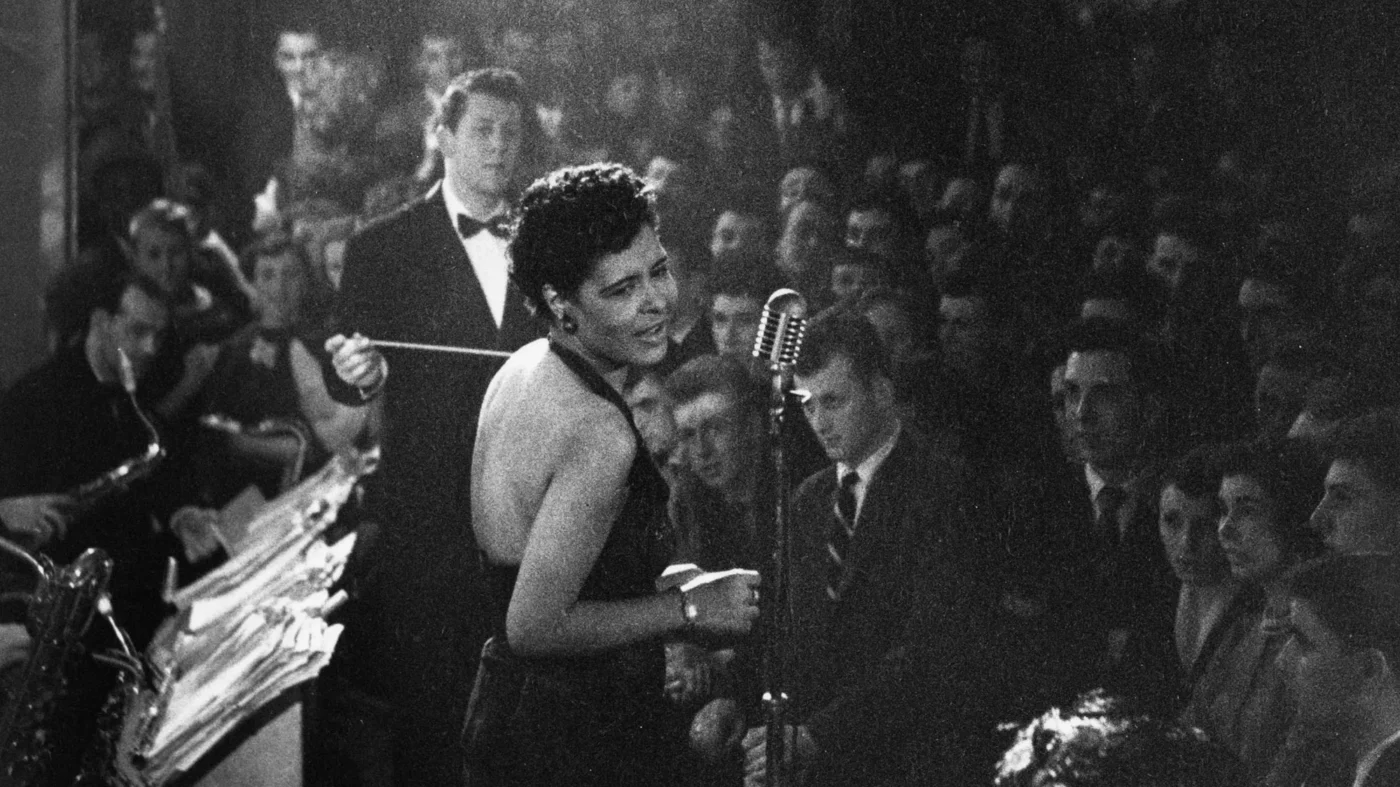
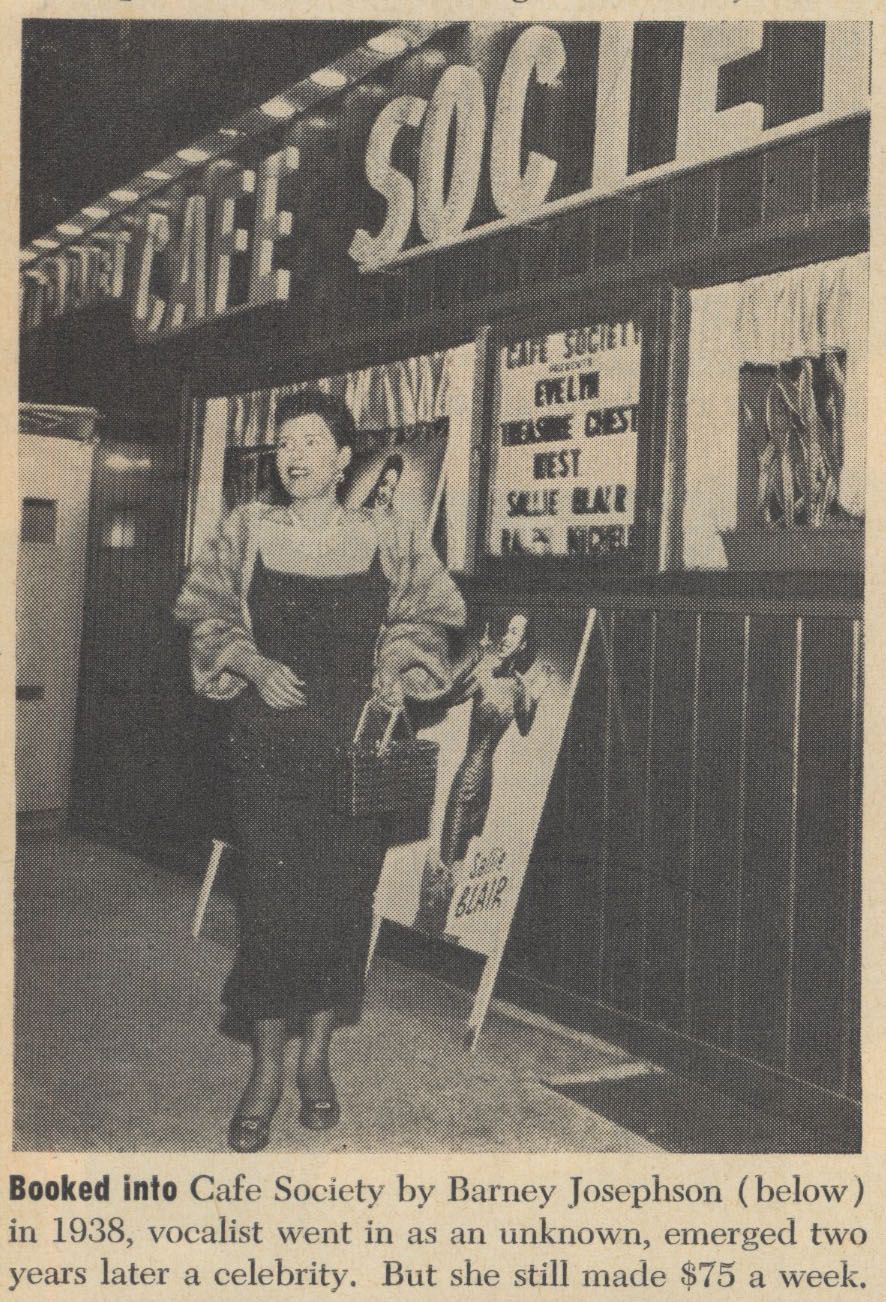
Café Society also hosted many of the most important musicians of the era, including Duke Ellington, Count Basie, Ella Fitzgerald, and Lena Horne. These artists performed in a space that allowed them creative freedom and dignity, at a time when both were often restricted. The club became part of a broader Village pattern, where cultural experimentation and social change overlapped. If you want to explore more moments where Greenwich Village played a role in shaping historic events, visit Village Preservation’s Historic Events blog category. Click the link to discover related stories.
Despite its influence, Café Society did not last very long. Its political stance made it vulnerable during the Cold War, and the club closed around 1950. Still, its impact remained. Café Society demonstrated that cultural spaces could model equality through everyday practice, not just rhetoric. It showed that small rooms could hold big ideas, and that choices about who is welcome matter.
Today, the building at Sheridan Square looks unremarkable to most passersby. Without context, its history could easily be missed. That is why our Course of History Changed tour on our Greenwich Village Historic District Map exists. The map places Café Society back into view, anchoring its story to a physical location and connecting it to other sites where Greenwich Village shaped broader cultural and political shifts.
Explore the Course of History Changed tour to see where Café Society stood and to uncover more places where decisions made in ordinary spaces altered what came next. The Village is full of stories like this. The Greenwich Village Historic District map contains two dozen tours like this that provide insights into the history, culture, and architecture of this remarkable neighborhood.
Thank you for this history. I plan to look for this building when I’m in NYC in late March.
I grew up on Washington Place around the corner from Cafe Society. I was very young when Christine Jorgenson performed there. She was trans, it was a sensational moment, I had no idea what it was about but I do remember it. Odetta performed there too. Please add her name to your list of notables. Thank you.