
The Revolutionary Village: From War and Peace to 250 Years of Remarkable Influence
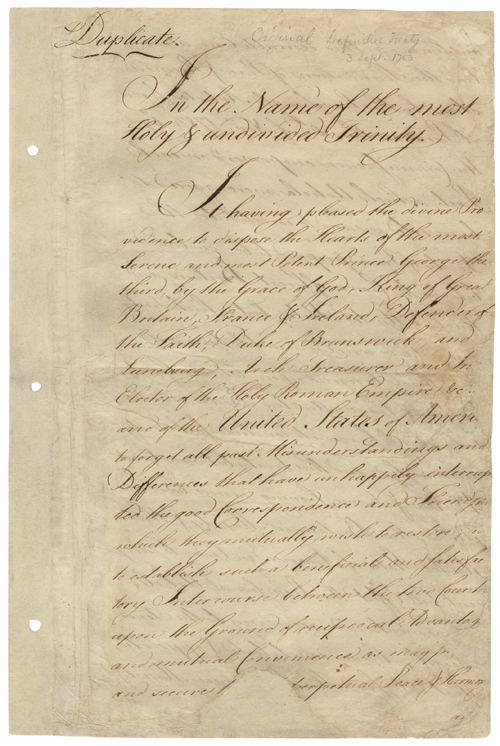
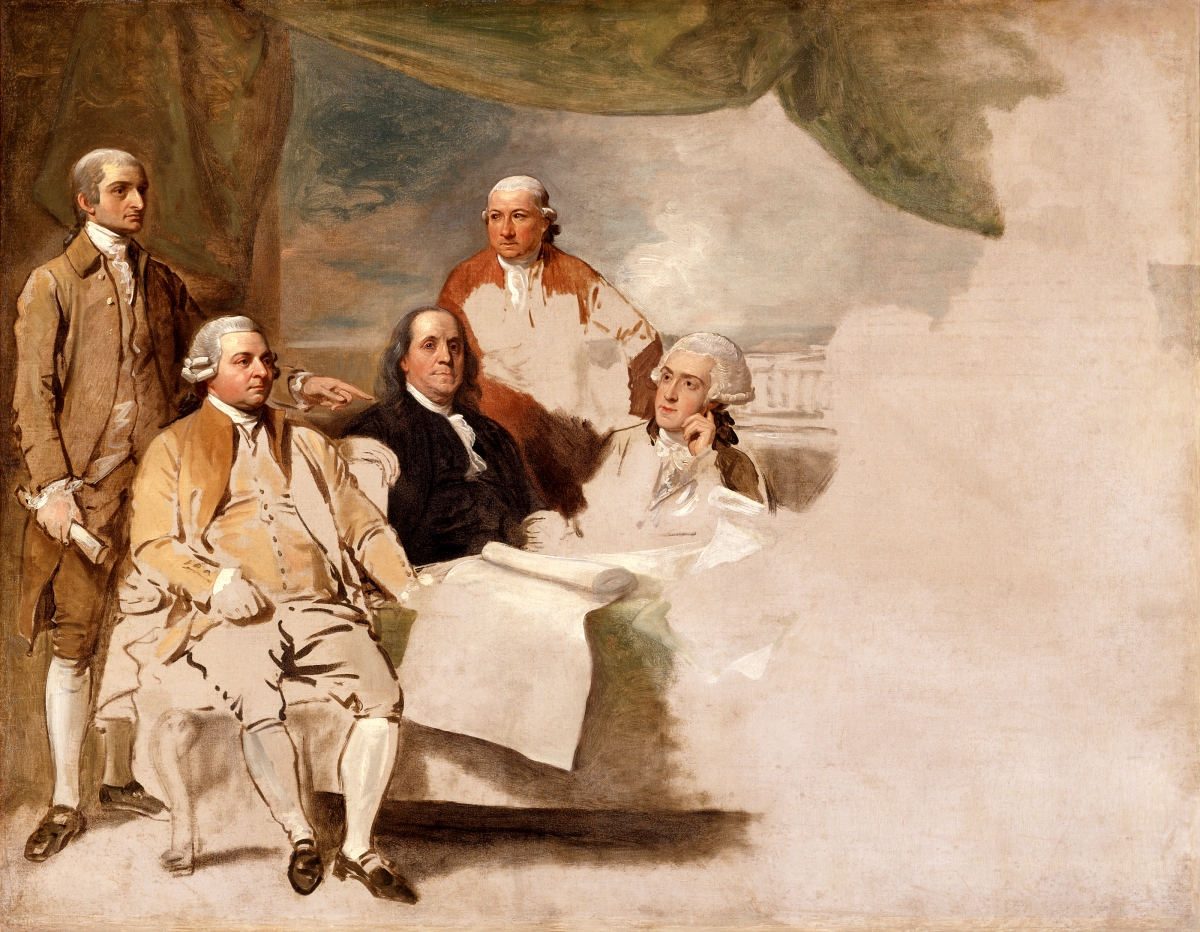
While July 4, 1776 is considered our country’s official birthday, the war for independence from Great Britain spans nearly a decade, from 1775 to 1783. January 14 is Ratification Day, commemorating the day in 1784 when the Treaty of Paris was formally ratified and the Revolutionary War officially came to an end. This anniversary offers a powerful opportunity to connect our neighborhoods’ deep revolutionary roots to the broader national story.
As the United States approaches its Semiquincentennial in 2026, marking 250 years since the Declaration of Independence, Village Preservation is proud to announce “Revolutionary Village,” a thematic framework that will guide programs, publications, and public engagement over the coming months. Greenwich Village, the East Village, and NoHo have shaped and been shaped by 250 years of American culture, politics, and reform movements.
Ratification Day underscores New York’s critical role in the nation’s founding. The city would eventually serve as the first capital of the United States under the Constitution, hosted the first Congress, and witnessed George Washington’s inauguration as president in 1789. But beyond these well-known milestones, the neighborhoods that would later become Greenwich Village, the East Village, and NoHo were already part of the revolutionary landscape.

In the late 18th century our neighborhoods were the rural outskirts of the city, home to farms, estates, and roads that connected lower Manhattan to the rest of the island. During the Revolutionary War, the area saw troop movements, encampments, and the daily realities of a city under British occupation. Then after independence this sleepy part of Manhattan would begin to undergo an astonishing transformation. The Village became a place of reinvention—physically, socially, and politically—mirroring the nation’s own experiment in self-government.
Ratification Day therefore is not only a celebration of diplomacy and peace, but also a reminder that the revolutionary story did not end in 1783 or 1784. It continued in neighborhoods like Greenwich Village, where new ideas about democracy, citizenship, and liberty would repeatedly take root.
The Treaty of Paris affirmed American independence, but it left unresolved questions about who counted as a full participant in the new republic. Over the next 250 years, Greenwich Village repeatedly became a place where those questions were debated, contested, and reimagined.
Our Revolutionary Village initiative embraces this long view of history. Rather than focusing solely on the Revolutionary War era, Revolutionary Village highlights 250 years of ongoing revolution in politics, culture, the arts, and society that have unfolded in Greenwich Village, the East Village, and NoHo.
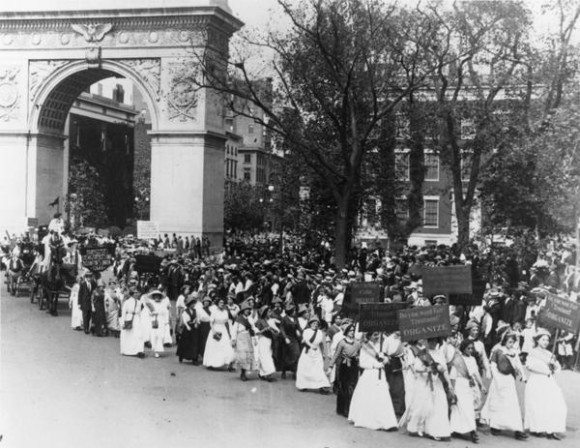
From abolitionism and women’s suffrage to labor organizing, LGBTQ+ rights, free speech, and artistic experimentation, these neighborhoods have consistently served as laboratories for American democracy. Revolutionary Village recognizes that the same spirit that animated the struggle for independence also fueled later movements that expanded and challenged the meaning of freedom and equality in the United States.
Under the Revolutionary Village banner, this year’s public programs will examine 250 years of local and national history using the themes of sounds, ideas, words, performance, and place. Our neighborhoods’ extraordinary contribution to American music, politics, literature, dance and theater, and social development would have been impossible without the incredible individuals who made it all happen. A large part of the Revolutionary Village theme will shine a light on the life of these individuals, who we are calling “Rebels with a Cause.”
Revolutionary Village encourages us to see American history not as a finished story, but as an ongoing process deeply embedded in our very own community. The Village’s streets, buildings, public spaces, and residents bear witness to that process, from the nation’s earliest days through the present.
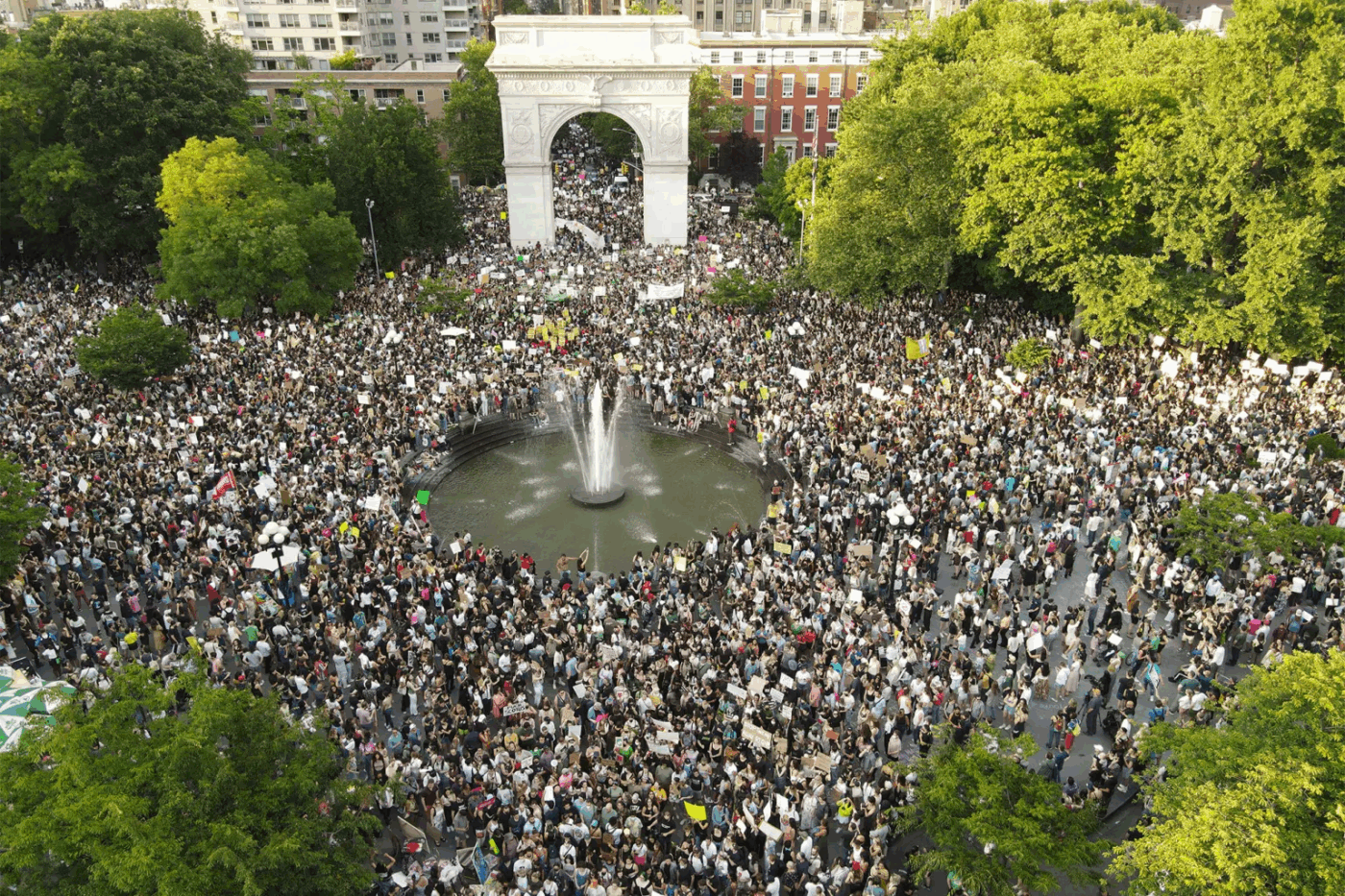
On Ratification Day, we celebrate not only the formal end of the Revolutionary War, but the beginning of the ongoing American Revolution, and the enduring revolutionary spirit of Greenwich Village, the East Village, and NoHo. These neighborhoods that have to an extraordinary degree helped define what it means to be American — in the past, today, and likely over the next 250 years as well.