
Fred W. McDarrah and the Village That Refused to Be Quiet
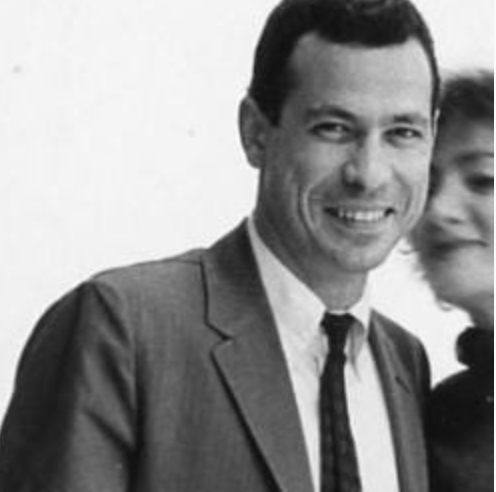
Fred W. McDarrah did not photograph history from a distance. He stood inside it. Shoulder to shoulder with musicians, poets, organizers, and strangers who believed the street could still change the world. His photographs are not nostalgia. They are evidence.
McDarrah’s lens followed the pulse of Greenwich Village and the East Village through the 1950s and 60s, when art, politics, and everyday life collided without permission. These images from Village Preservation’s Historic Image Archive, generously donated by the Estate of Fred W. McDarrah, show what it meant to live in that collision.
Charles Mingus at the Five Spot Cafe
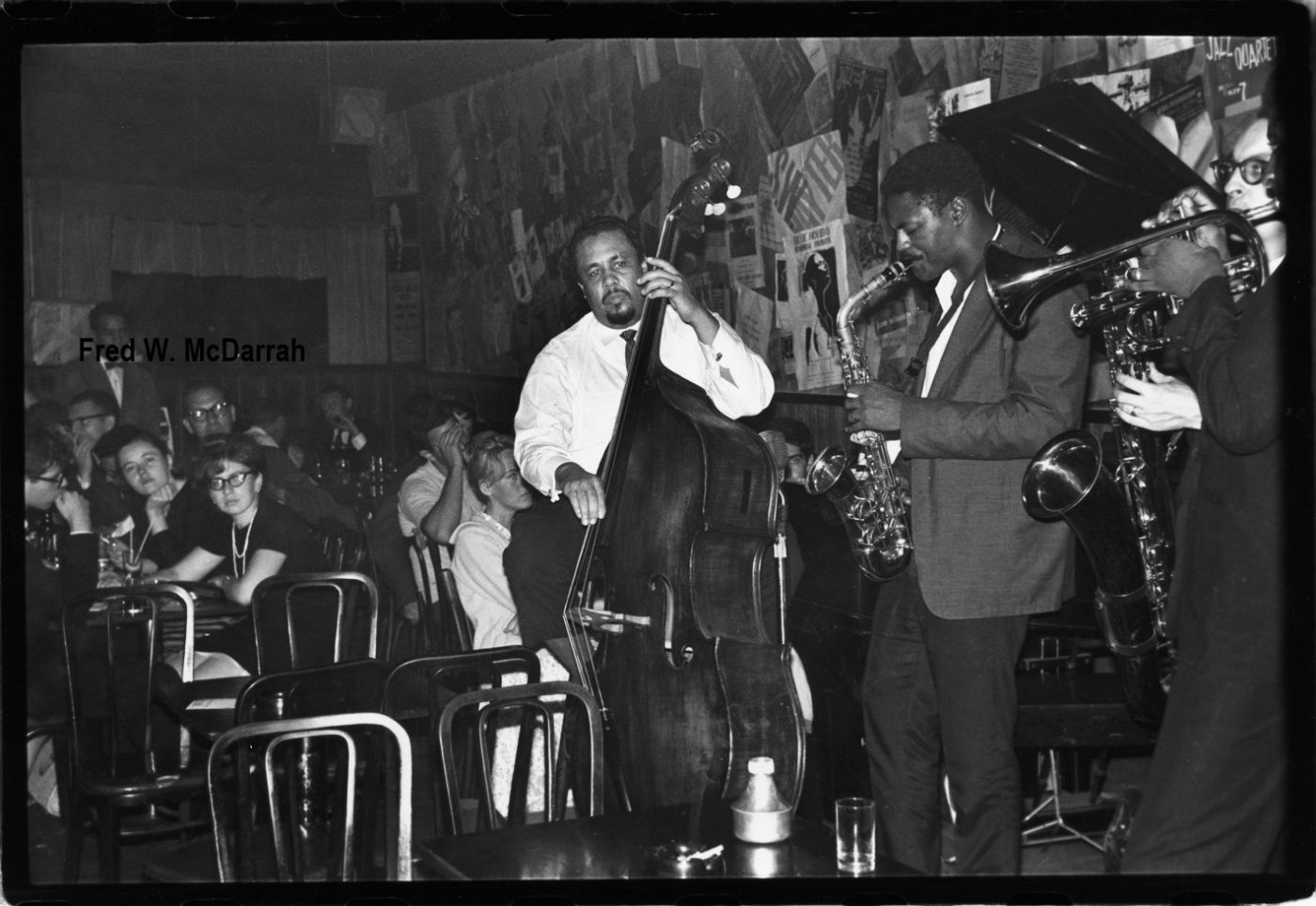
At the Five Spot Cafe on St. Marks Place, Charles Mingus performs with his band in a room thick with smoke and sound. The Five Spot was a proving ground for modern jazz, a place where boundaries dissolved nightly. Mingus was not background music. He was confrontation, urgency, brilliance under pressure. McDarrah captures him mid-force, reminding us that the Village was not just listening to history. It was improvising it.
Allen Ginsberg and Peter Orlovsky near the Kettle of Fish
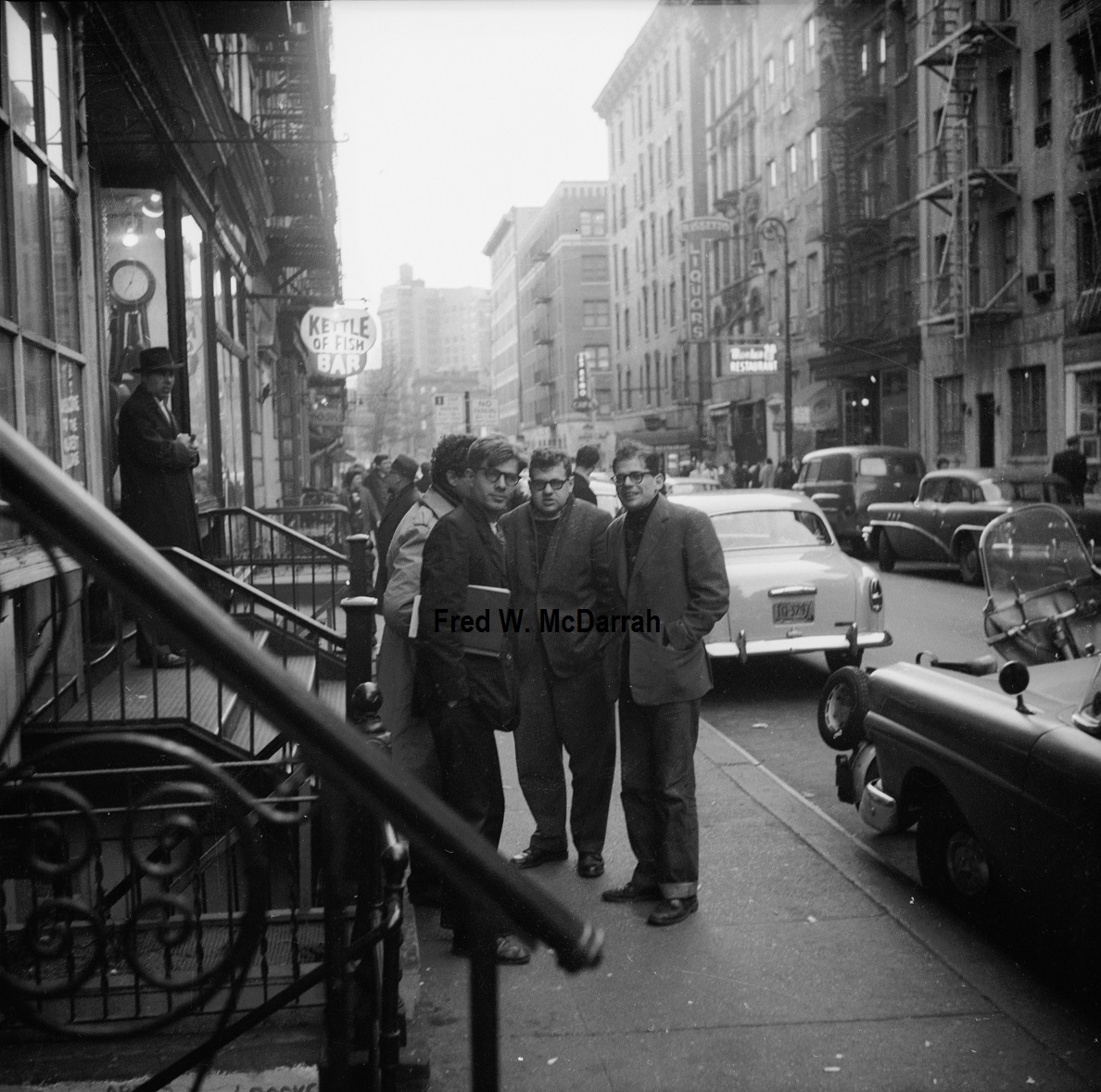
Outside the Kettle of Fish on MacDougal Street, Allen Ginsberg and Peter Orlovsky stand among friends and passersby. This is not a staged portrait. It is a sidewalk communion. Ginsberg’s poetry reshaped American language, but here he is simply present. The street was his living room. McDarrah understood that movements grow in places like this, between conversations, cigarettes, laughter, and belief.
Jimi Hendrix at Electric Lady Studios
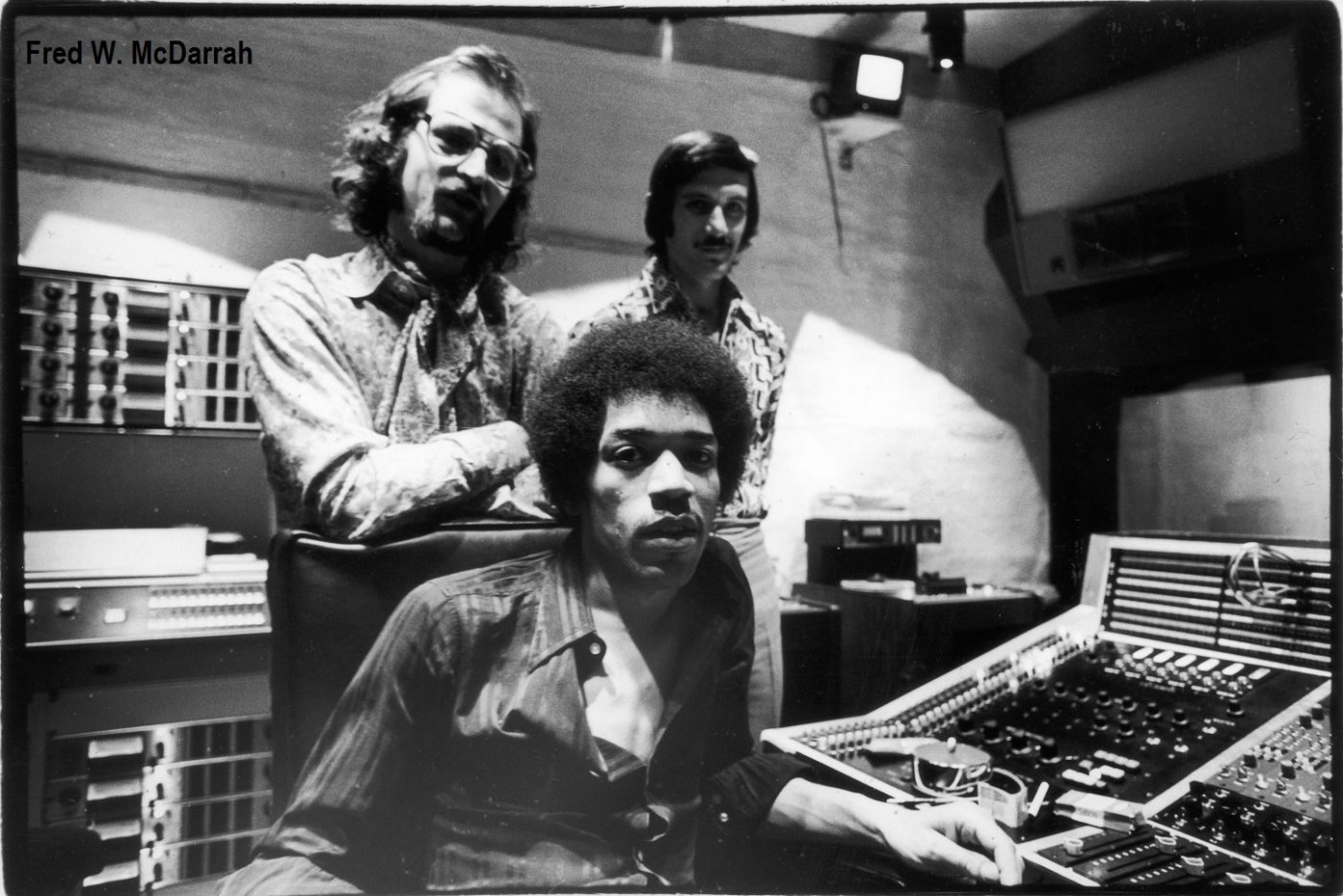
Inside the unfinished Electric Lady Studios, Jimi Hendrix stands with engineer Eddie Kramer and studio manager Jim Marron. The walls are raw. The vision is not. Hendrix built Electric Lady to control his sound and his future. McDarrah captures creation before polish, genius still surrounded by dust and cables. The Village made room for artists to build their own institutions.
Jane Jacobs at a Neighborhood Protest for School Desegregation
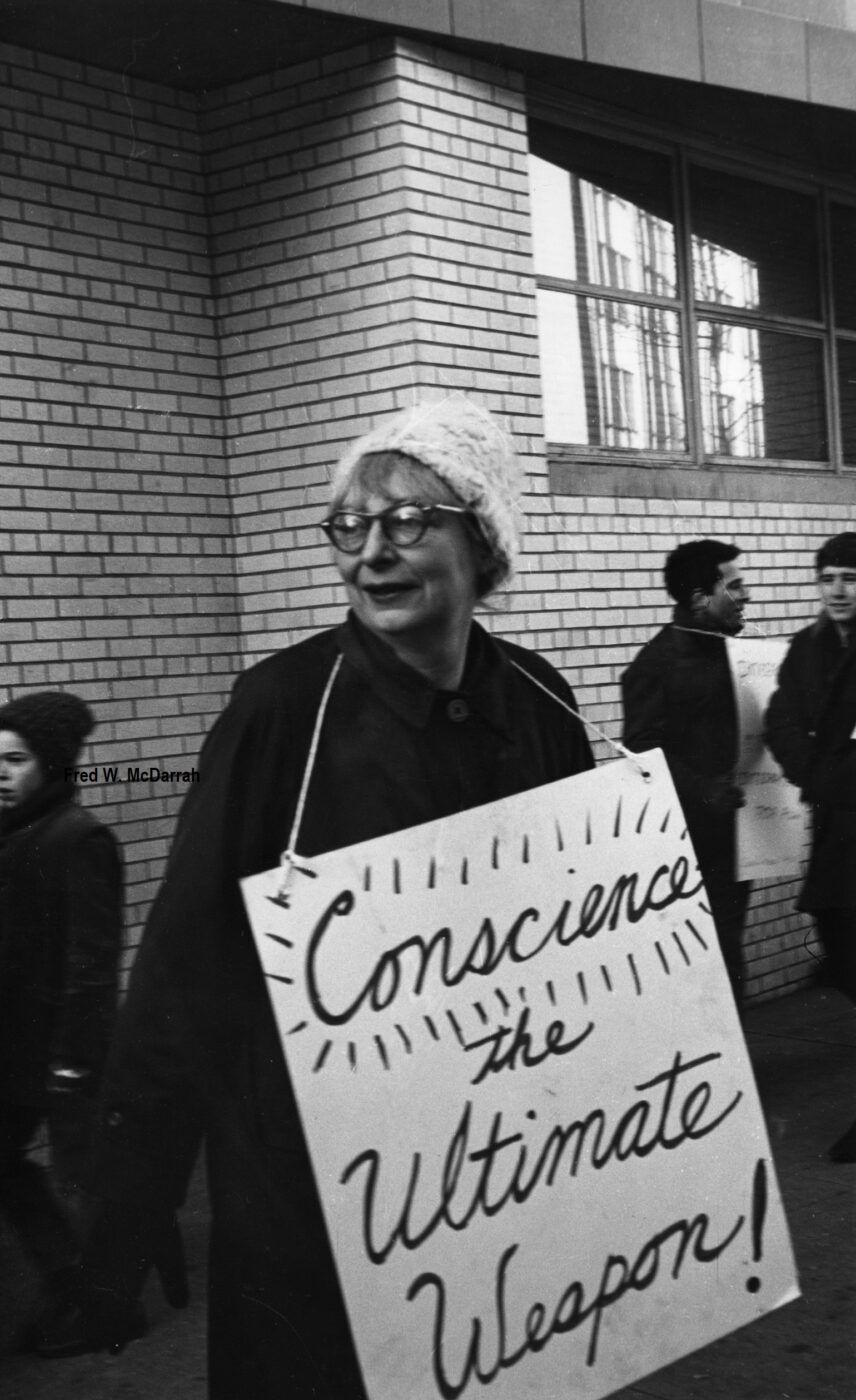
At a protest outside P.S. 41 on West 11th Street, Jane Jacobs stands firm. Jacobs fought top down planning with lived experience. She believed cities belonged to the people who walked them. McDarrah’s photograph shows activism not as spectacle, but as duty. This is preservation before it had a name, rooted in care for daily life.
Phil Ochs on MacDougal Street
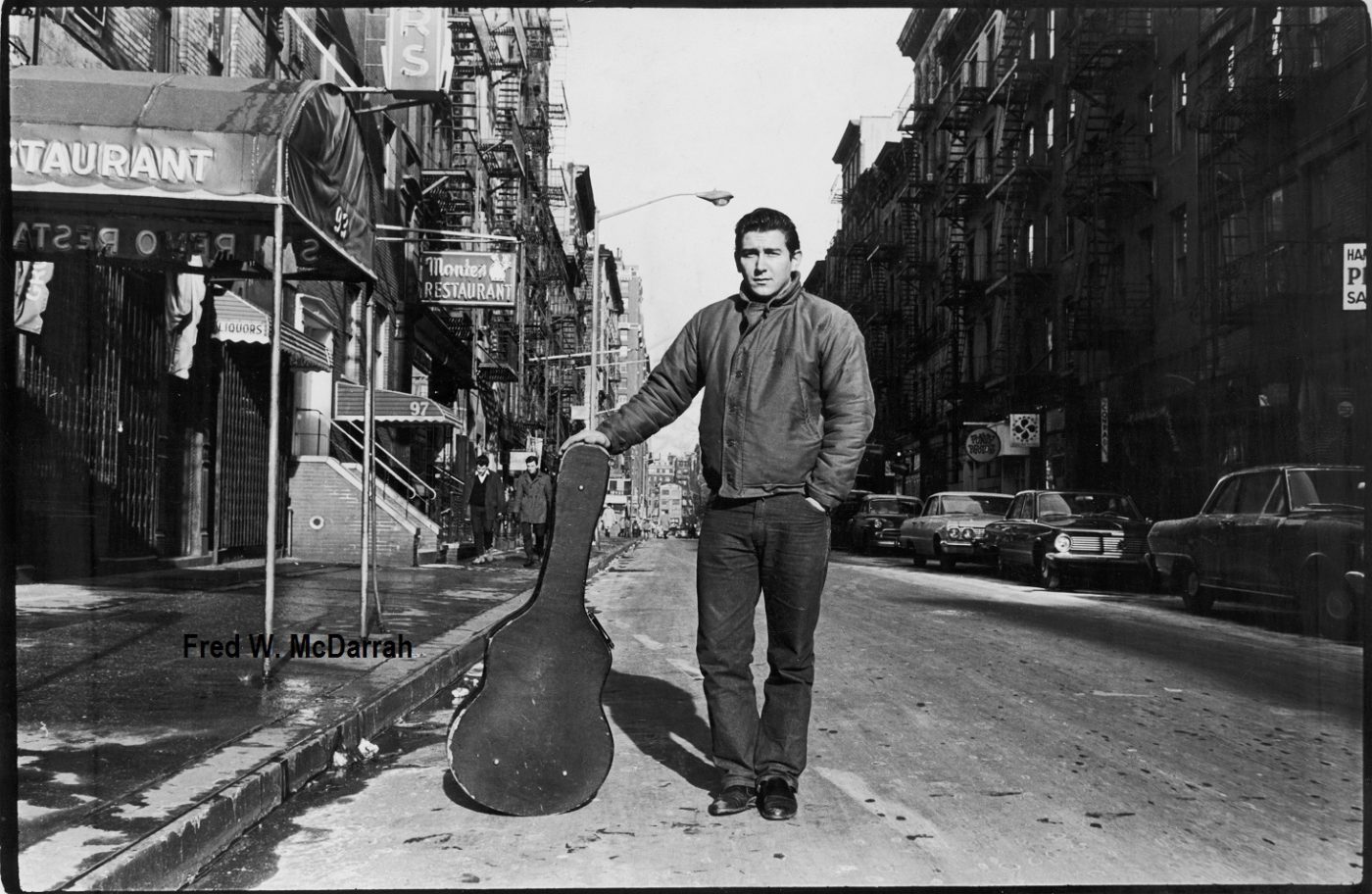
With his guitar in hand, Phil Ochs poses on MacDougal Street. Ochs sang protest songs that refused comfort. He believed music could speak truth faster than speeches. McDarrah frames him as both performer and citizen. The street again becomes the stage.
Jack Kerouac Reading ‘On the Road’
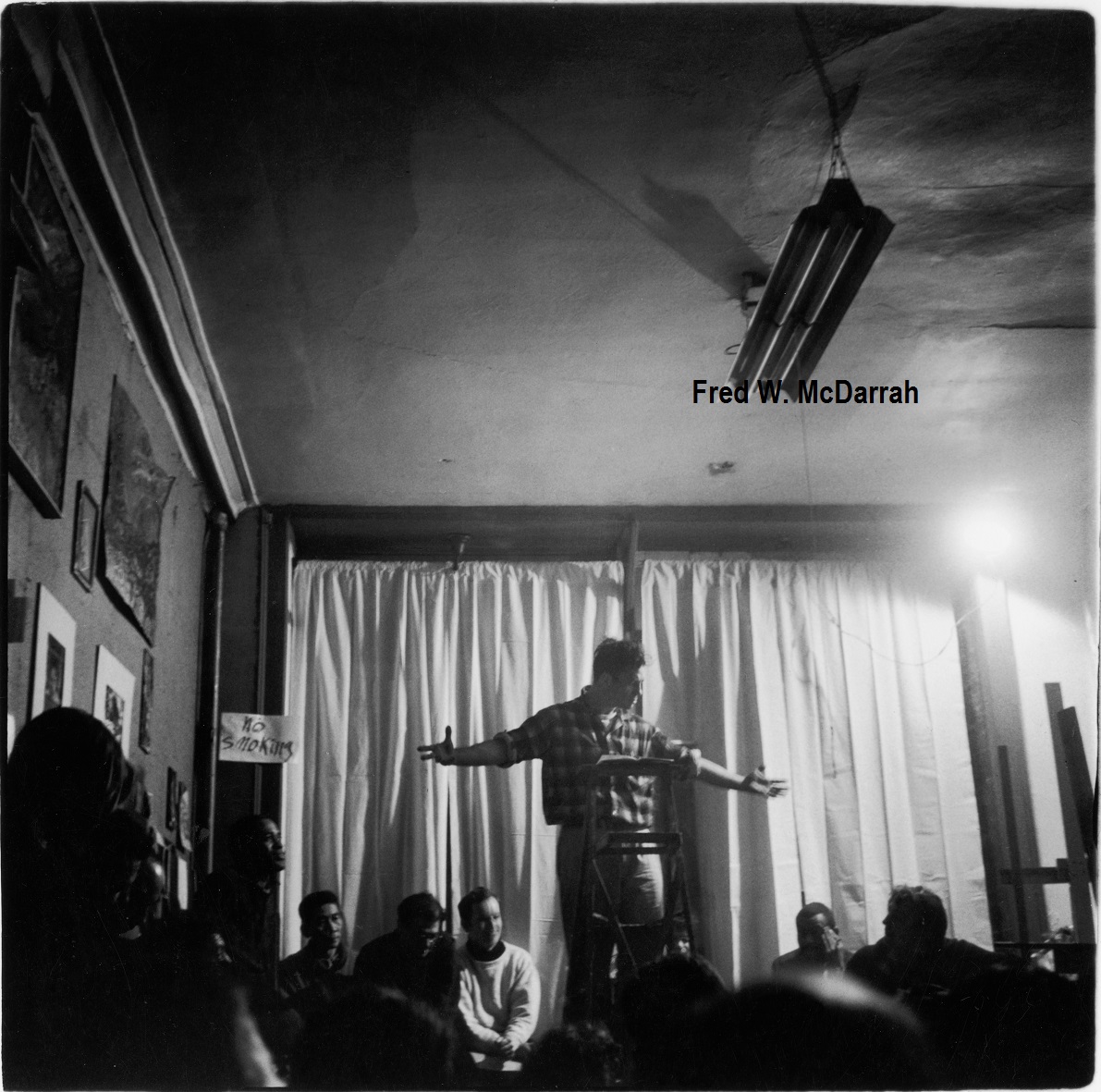
At an artist’s studio on East 3rd Street, Jack Kerouac reads from On the Road. This is the Beat generation in motion, still restless, still searching. McDarrah captures the moment literature steps off the page and into a room full of breath and bodies.
These photographs are fragments of a city that believed culture belonged to everyone.
You can explore more of Fred W. McDarrah’s work through Village Preservation’s collection here:
Fred W. McDarrah