
Sixth Avenue and the Silver Screen: The IFC Center’s Journey
Sixth Avenue cuts through Greenwich Village from north to south. While Fifth Avenue may be more posh, and Hudson Street more homey, Sixth Avenue, too, is home to so many sites that are core to our neighborhood: Jefferson Market Library and Garden, the Waverly Diner, and Father Demo Square, among other locations. And of course, there is the IFC Center.
Movie theaters first gained popularity at the turn of the twentieth century, when corporations like the Edison Company began renting out music halls to showcase their new projector technologies. From there, movie theaters evolved out of vaudevillian live-action performances, where moviemakers opted for a variety of often slapstick acts. Movies’ success across American audiences continued to skyrocket, with more than 10,000 theaters showing short films by 1910.
Our neighborhood’s history with the silver screen is vast—the camera loves us! But today, we’re using the Greenwich Village Historic District Designation Report to look at the history behind one of our neighborhood’s most treasured institutions.
Constructed as a place of worship in 1831, the West Reformed Dutch Church occupied the building at 323-325 Sixth Avenue from 1853 to 1876. The site remained a church until the end of the nineteenth century, even serving briefly as a a synagogue, but retained a religious purpose when the J & R Lamb Studios leased the building as a factory to manufacture ecclesiastical stained glass.
In 2005, New York Times reporter David W. Dunlap wrote of the building: “Its 1893 alteration turned the facade into a billboard for the firm’s offerings, but the church’s Gothic style windows and gabled roof were left intact.”
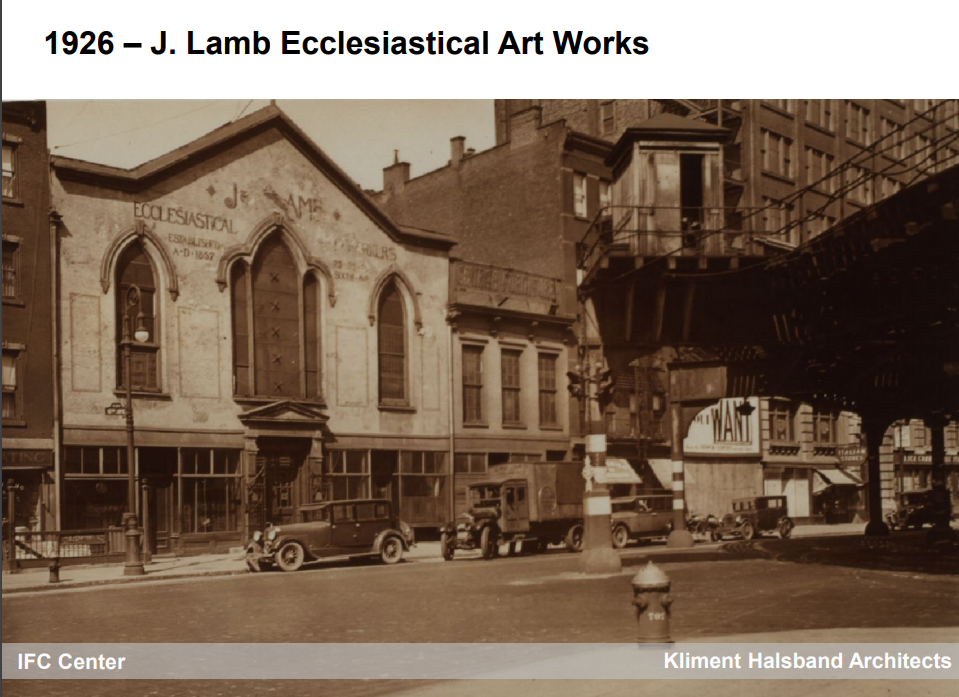
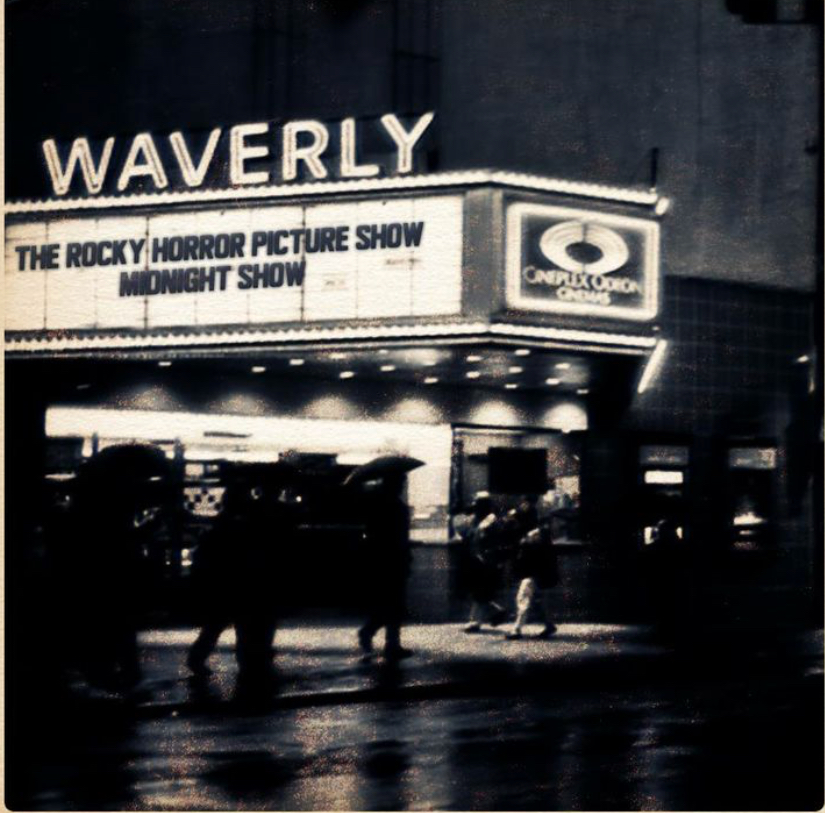
The building, alongside its next-door neighbor at 327 Sixth Avenue, was still partially owned by the church until the 1930s. Until, when under the lease of the Luxor-Bleeker Amusement Corporation, architect Harrison G. Wiseman converted no. 323-325, into a motion picture theater called the Waverly Theater. Wiseman added a new front wall and marquee to the Sixth Avenue facade and extended the building 19 feet and 2 inches in the rear.
The movie theater entertained the neighborhood, playing everything from artistic foreign films for esoteric audiences to cult classics for everyone else. Beginning in 1976, it famously hosted the original midnight screenings of The Rocky Horror Picture Show. The movie premiered the year before in London and Los Angeles, but did not achieve mainstream success until its Greenwich Village run. What started as a passion project for then-manager of the Waverly Denise Bordensoon turned into a complete phenomenon. In the weeks leading up to the showings, Borden decorated the box office window with stills from the movie and set up a telephone recording in the theater that said, “This is a film not to be missed.” Borden would then play the Rocky Horror Picture Show soundtrack before each screening to warm up the audience and generate a party atmosphere.
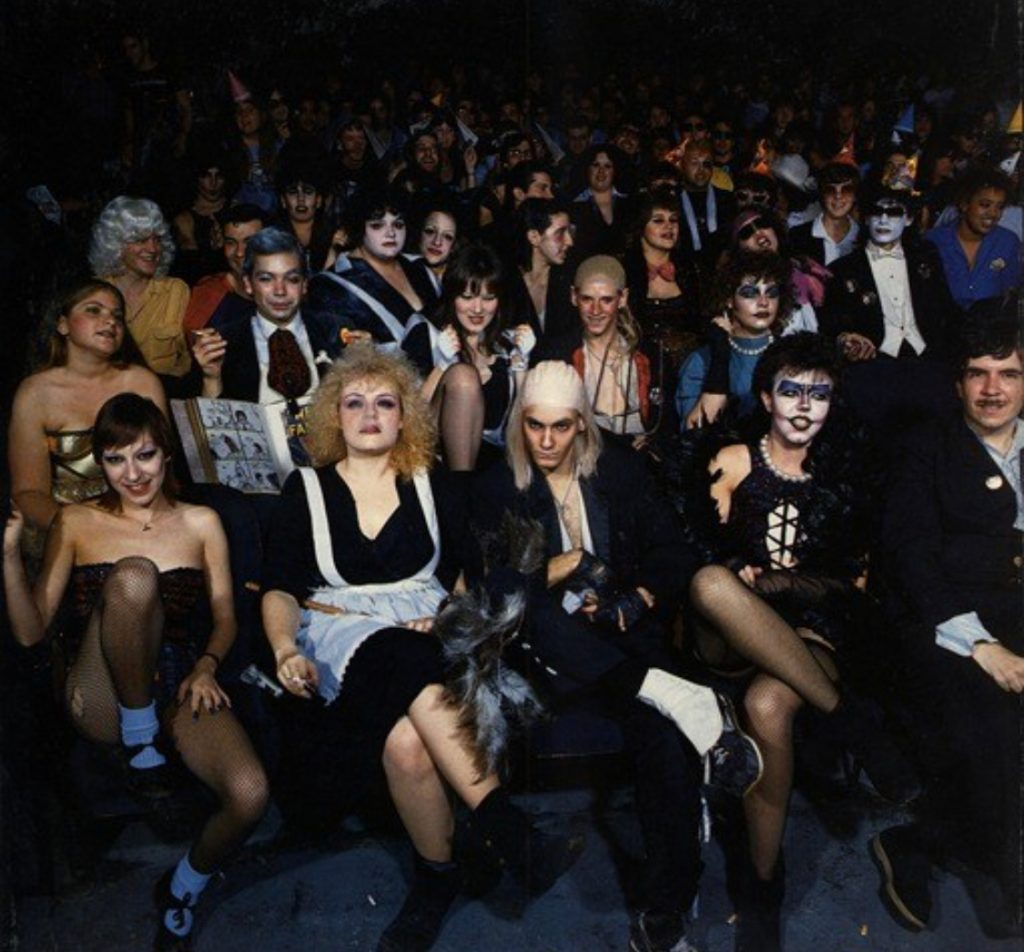
And audiences, decked out in costumes and packed with props, rejoiced, throwing rice during the wedding scene and toilet paper at the sight of Dr. Scott’s face. And the screenings spawned a whole group of regulars who, each week, reserved the same seats in the first row of the balcony. These pioneers of audience participation included two young ladies named Amy and Theresa; Bill O’Brien, the first person to dress as Dr. Frank-N-Furter; Lori Davis, who wrote the Ten Commandments of ROCKY HORROR; and Louis Farese, a kindergarten teacher from Staten Island.
While the aftermath of each showing was a trashed theater, the run at the Waverly lasted two years, only to move down the corner to the 8th St. Playhouse from 1978 until the theater closed in 1992. In the early 80s, Cineplex Odeon bought the theater, and altered its layout by introducing a second theater and concessions stand in the lobby.
Over the decades, it served the community as a gathering place for individuals of all ages. And its importance transcended, finding itself immortalized on the silver screen in the emblematic rock musical ”Hair,” in a song called ”Frank Mills”: ”I met a boy called Frank Mills/On Sept. 12 right here/In front of the Waverly/But unfortunately/I lost his address.”
As time passed, the theater continued to stray from its original roots as a place for independent, artistic films, with new owners opting for large, big budget Hollywood films.
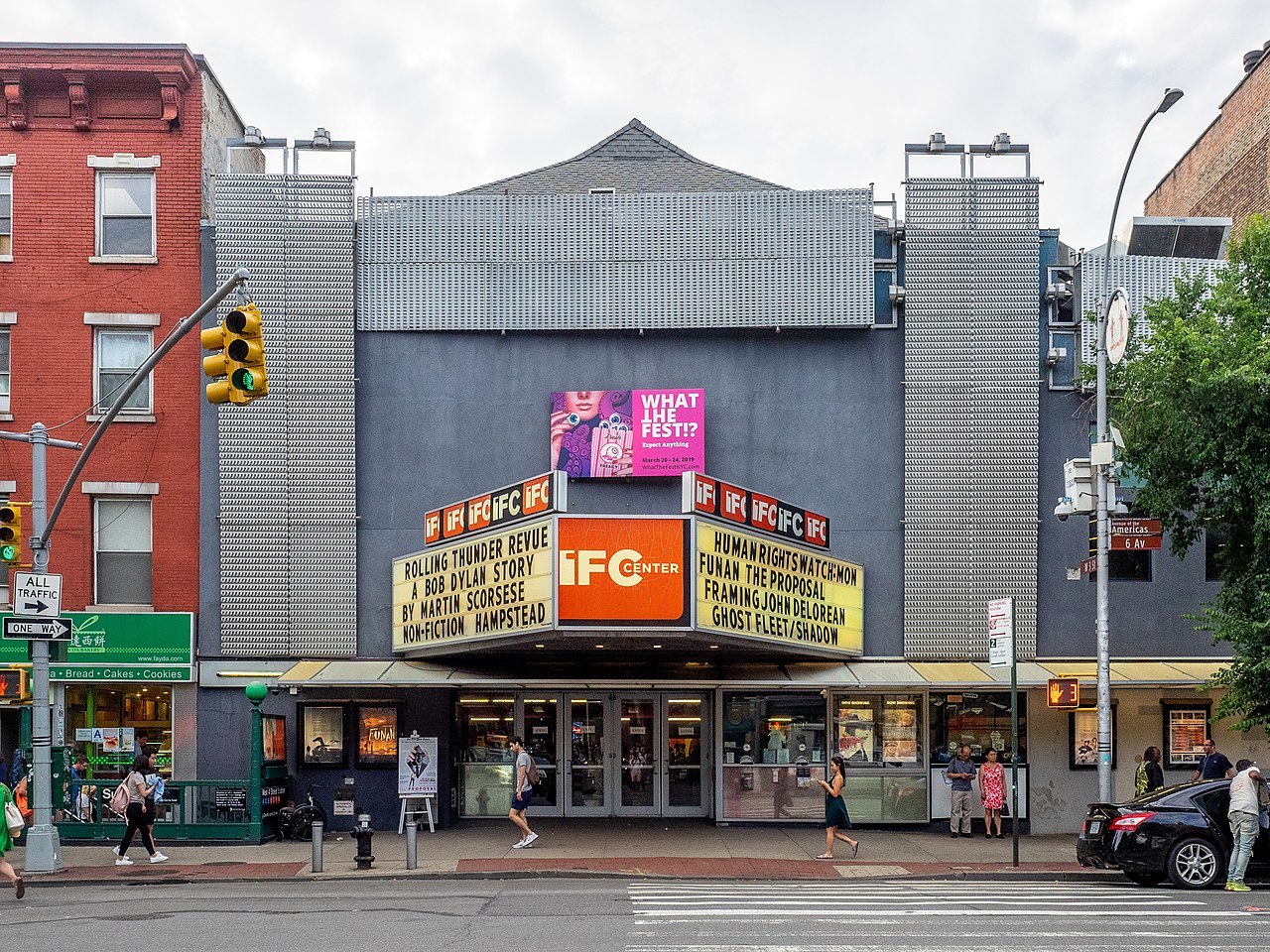
The Waverly Theater closed in 2001 and reopened as the IFC Center in 2005. The new owners opted for a major renovation, and in turn, some of the Waverly’s original charm was lost. The theater’s redesign was executed under the supervision of Lawrence Bogdanow of Bogdanow Partners Architects for IFC Companies, and operates as a multiplex theater with a community facility, a digital film school, and a restaurant. The theater’s connection to cinema is nearly a century old, yet its architecture still hints at its religious origins, with its gabled roof remaining.