
Elizabeth Blackwell: Sites, Stories, and Significance

Elizabeth Blackwell (February 3, 1821–May 31, 1910) was the first woman in the United States to receive a medical degree and was a pioneering figure whose work reshaped both medicine and the social history of our neighborhoods. Over the years, Village Preservation has returned again and again to Blackwell’s story, tracing her footsteps through Greenwich Village, the East Village, and NoHo, highlighting the institutions she founded, and underscoring the importance of preserving the sites connected to her extraordinary career.
Through blog posts, advocacy, and even exhibitions, Blackwell has emerged as one of the most significant figures in our neighborhoods’ long tradition of reform, education, and public service. Here’s our “Round-up” of posts highlighting the extraordinary life and work of Elizabeth Blackwell.
Celebrating Her Birthday and Bicentennial
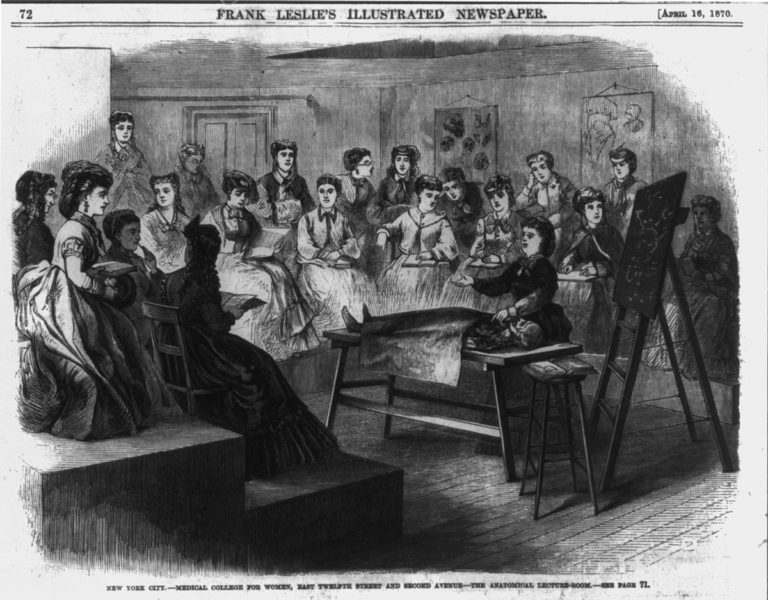
Village Preservation marked Blackwell’s bicentennial on February 3, 2021, with “Elizabeth Blackwell’s 200th: The Doctors Blackwell and Their Legacies.” Our post reflects on her groundbreaking achievements and those of her sister, Emily Blackwell, emphasizing their role in founding the New York Infirmary for Women and Children on Bleecker Street , a hospital staffed by women at a time when the medical profession excluded them.
Blackwell was not only a medical pioneer, but was part of a broader Village tradition of progressive thought and action, rooted in our streets and institutions.
A Doctor in the Neighborhood

“A Doctor That Was in the House: Elizabeth Blackwell” explores Blackwell’s direct presence in the neighborhood, focusing on the buildings where she lived and practiced medicine, and the importance of recognizing these sites, including our plaque at 58 Bleecker Street, as tangible reminders of a woman who changed American medicine from here in our neighborhoods.
Mapping the Places Where History Happened
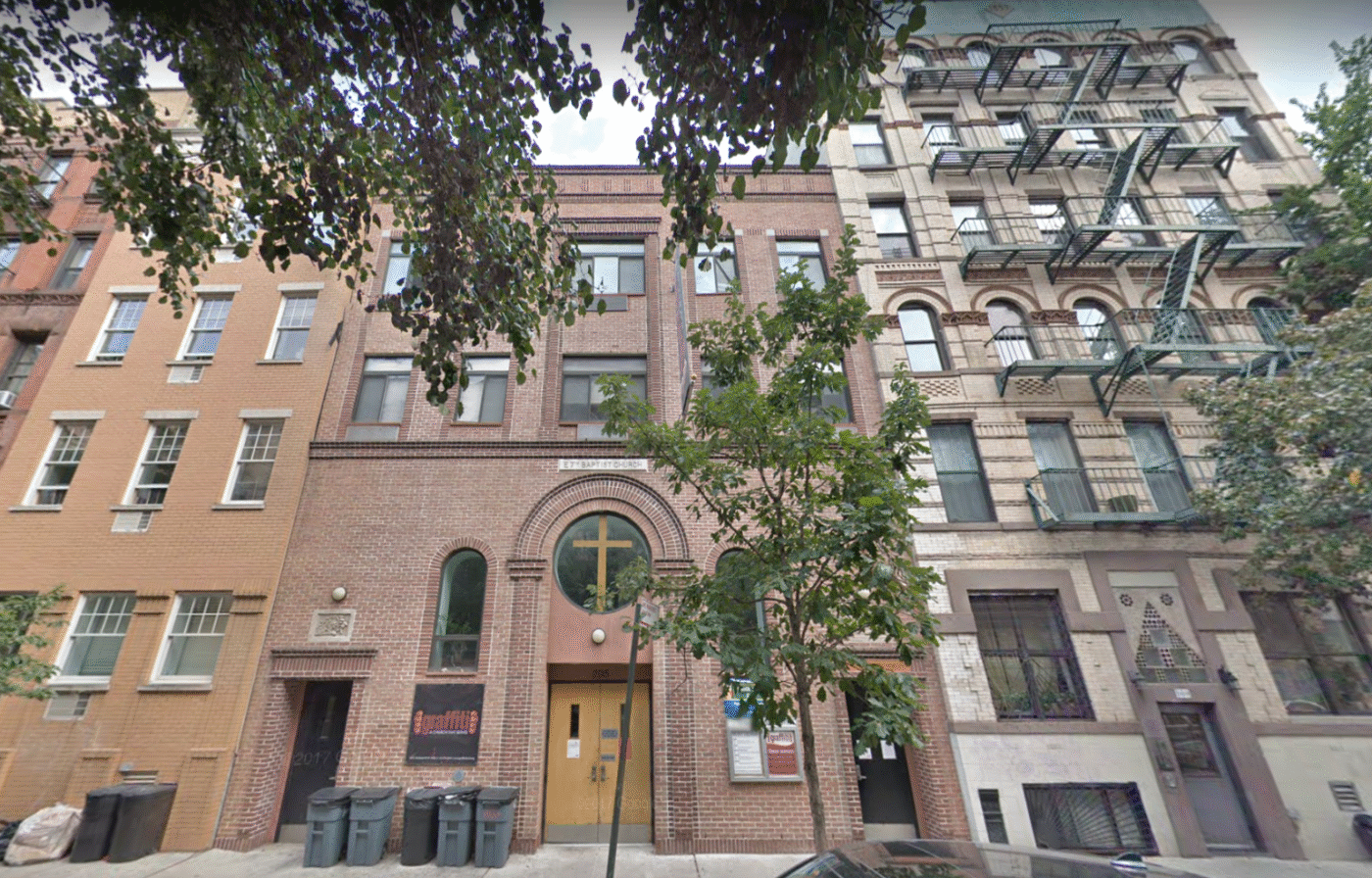
“Elizabeth Blackwell’s NYC: The Historic Sites Where America’s First Female Doctor Made Her Mark” traces Blackwell’s path through specific addresses: from her early home and medical office at 80 University Place, to the dispensary she established for poor women and children, and ultimately to the New York Infirmary.
By anchoring her story in physical places, Village Preservation emphasizes that Blackwell’s legacy is not abstract; rather, it is embedded in the architecture and streetscape of our neighborhoods.
Connecting Blackwell to Broader Movements
Blackwell’s life was linked to a wider constellation of reformers, educators, and activists whose histories intersect in our neighborhoods. “Celebrate African American History Month and the Elizabeth Blackwell Bicentennial” highlights the bicentennial of her birth as an opportunity to advocate for stronger landmark protections and deeper public awareness of the many women and people of color who shaped our communities and whose stories remain at risk of being erased.
Tracing Her Career in Our Neighborhoods
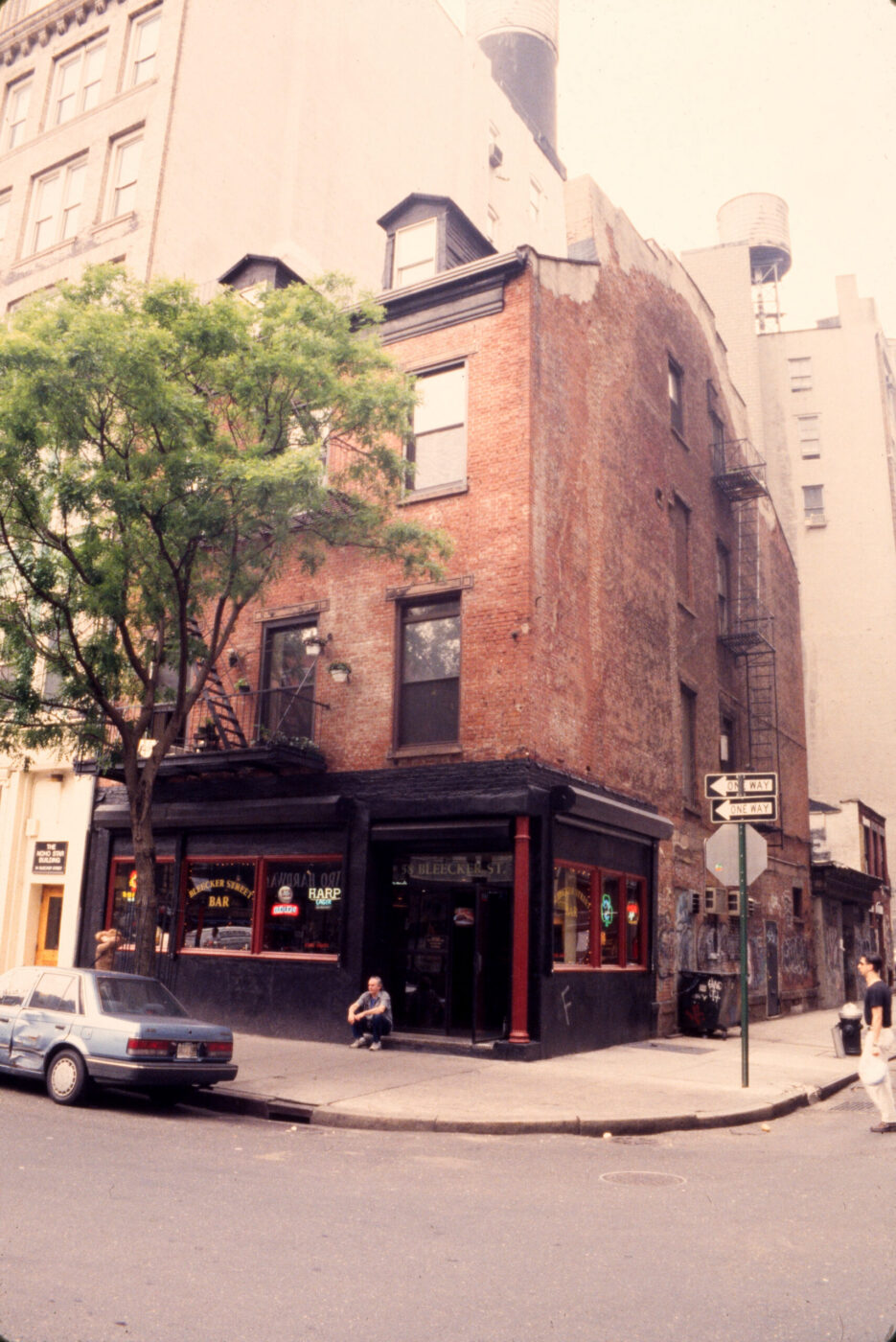
58 Bleecker Street ca. 1996 from the Susan DeVries Image Archive Collection.
More recently, “Tracing Elizabeth Blackwell’s Village Career” revisits the key sites associated with her professional life and situates them within the context of our ongoing preservation efforts. From University Place to Bleecker Street, Blackwell’s legacy lives on through the institutions and buildings that reflect her achievements and underscore the importance of protecting these places, and our work to achieve protections.
Elizabeth Blackwell in VILLAGE VOICES

Blackwell’s legacy is featured in Village Preservation’s exhibition, VILLAGE VOICES, which explores the people and movements that shape the social and cultural life of Greenwich Village, the East Village, and NoHo. Her inclusion in the exhibition places her alongside other reformers, artists, and advocates whose work transforms American society and whose stories are inseparable from the neighborhoods where they live and work.
Through VILLAGE VOICES, Blackwell’s impact extends beyond the written word, becoming part of a visual and public history experience that connects past struggles for equity and opportunity with present-day preservation efforts.
Together, these posts and programs tell a fuller story of Elizabeth Blackwell, not only as a national figure in medical history but as a Village resident whose work unfolds in real buildings, on real streets, and within communities committed to reform and education.
When we return to Elizabeth Blackwell’s story, it reaffirms why preserving these places matters. Elizabeth Blackwell’s legacy reminds us that our neighborhoods have long been places where barriers are challenged, institutions are built, and history is made, and where these stories deserve to be remembered and protected.