
March Programs at Village Preservation: From Women’s History to Revolutionary Legacies
This March, Village Preservation presents a dynamic slate of public programs that embody two defining themes: Women’s History Month and our 2026 Semiquincentennial series, “The Revolutionary Village.”
From grassroots activism and immigrant narratives, to music, architecture, and civic engagement, this month’s events explore how the people of Greenwich Village, the East Village, and NoHo have repeatedly shaped social, political, and cultural revolutions both locally and nationally.
March’s programming also highlights women’s leadership and experience from a time when women had to fight extraordinarily strong headwinds against their claiming their rightful space and power in society.
March 5: From Service to Social Change: A Conversation on the Settlement House
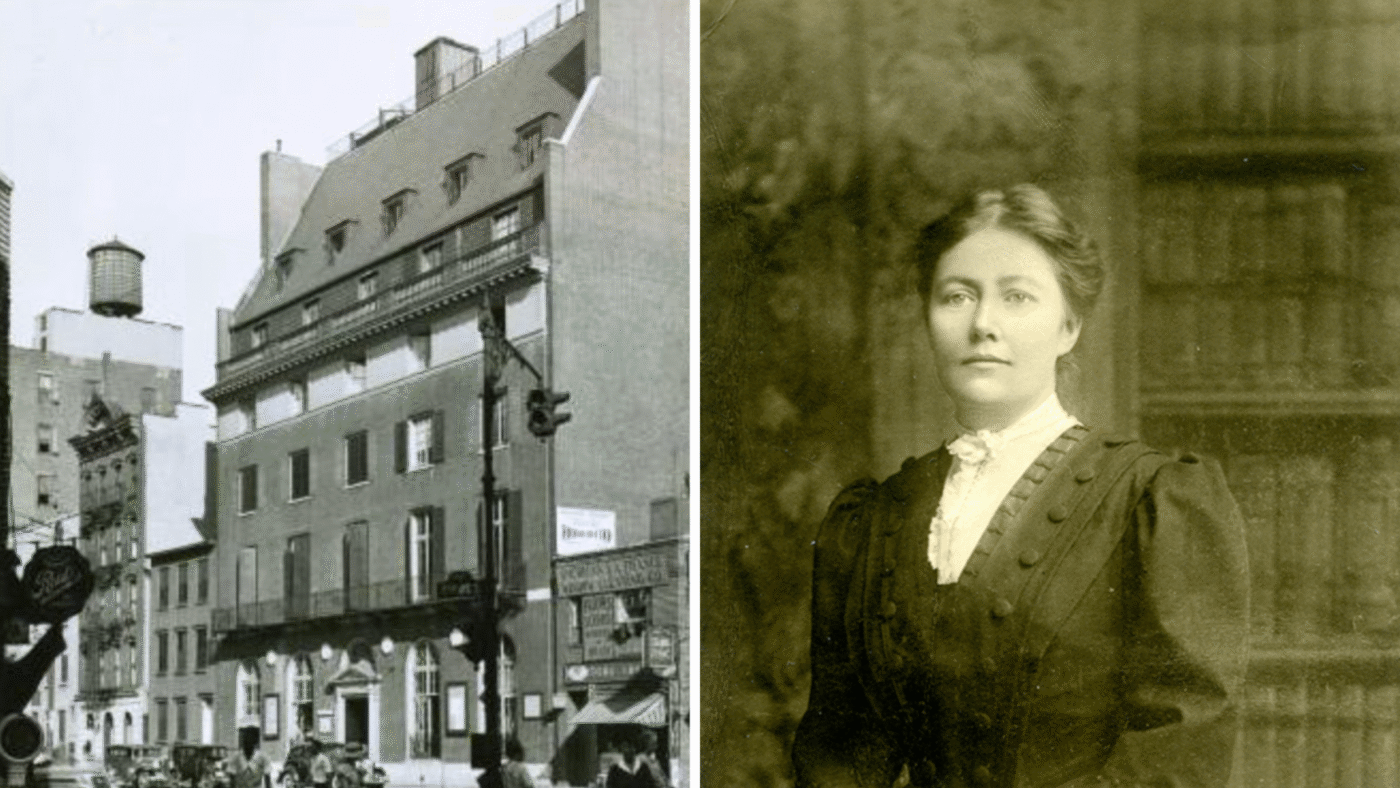
Co-sponsored by Greenwich House
The settlement house movement was one of the most transformative social reform efforts of the late 19th and early 20th centuries. Rooted in progressive ideals and often led by women reformers, settlement houses provided education, healthcare, and advocacy for immigrant and working-class communities.
Inspired by the release of Betty Boyd Caroli’s new book, A Slumless America: Mary K. Simkhovitch and the Dream of Affordable Housing, this panel conversation explores how the settlement house movement shaped public housing reform, strengthened local communities, and helped lay the groundwork for today’s social safety net.
March10: 2026 City Council District 3 Candidates Forum
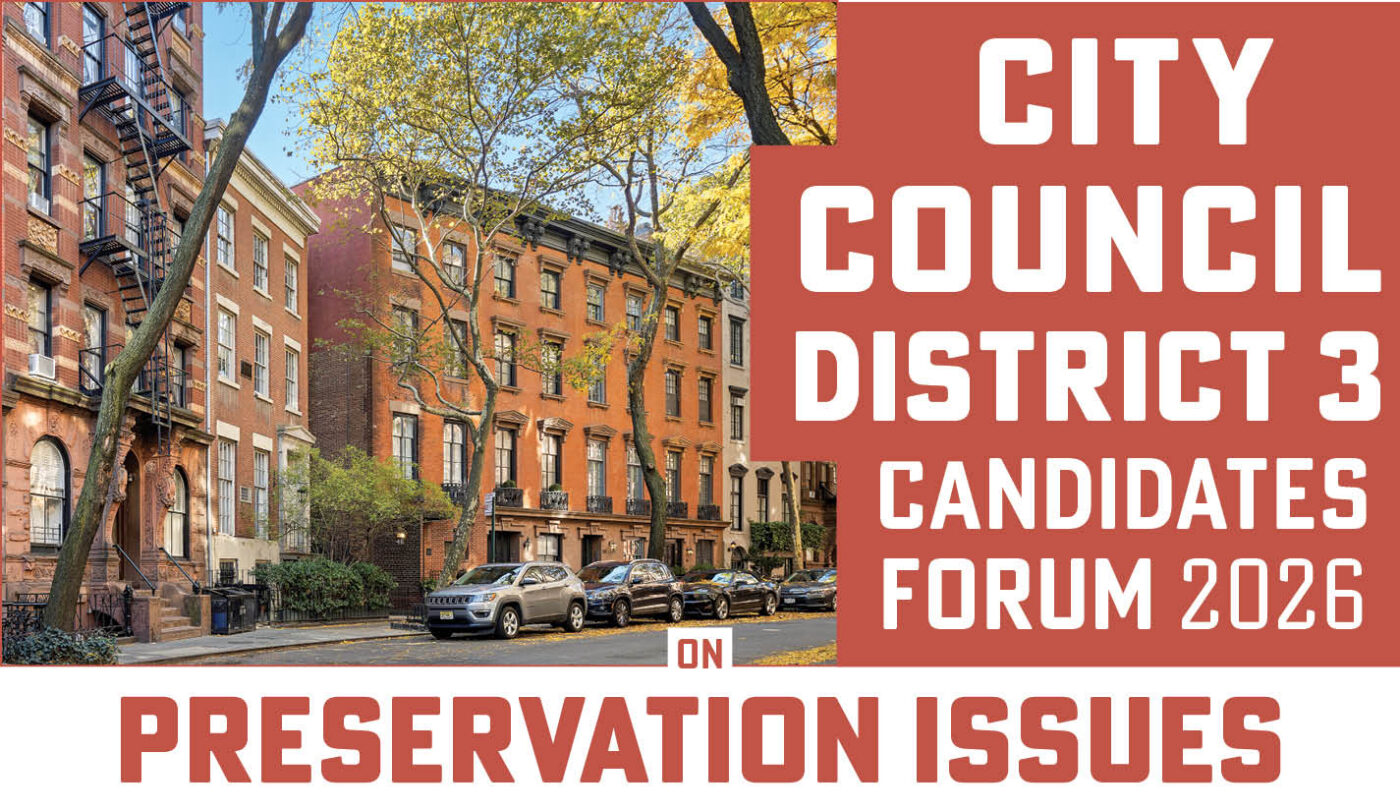
Democracy is not abstract; it is participatory and immediate. Our City Council District 3 Candidates Forum offers you the opportunity to hear directly from those seeking to represent neighborhoods that have long been incubators of reform movements, preservation battles, and cultural innovation.
As we approach America’s 250th anniversary, this forum underscores a core Revolutionary-era principle: engaged citizenship. The Village has always been a proving ground for political ideas, and this conversation continues that tradition.
March 12: The Unseen Revelers: A Brief History of Female Nightlife Activists in the Village
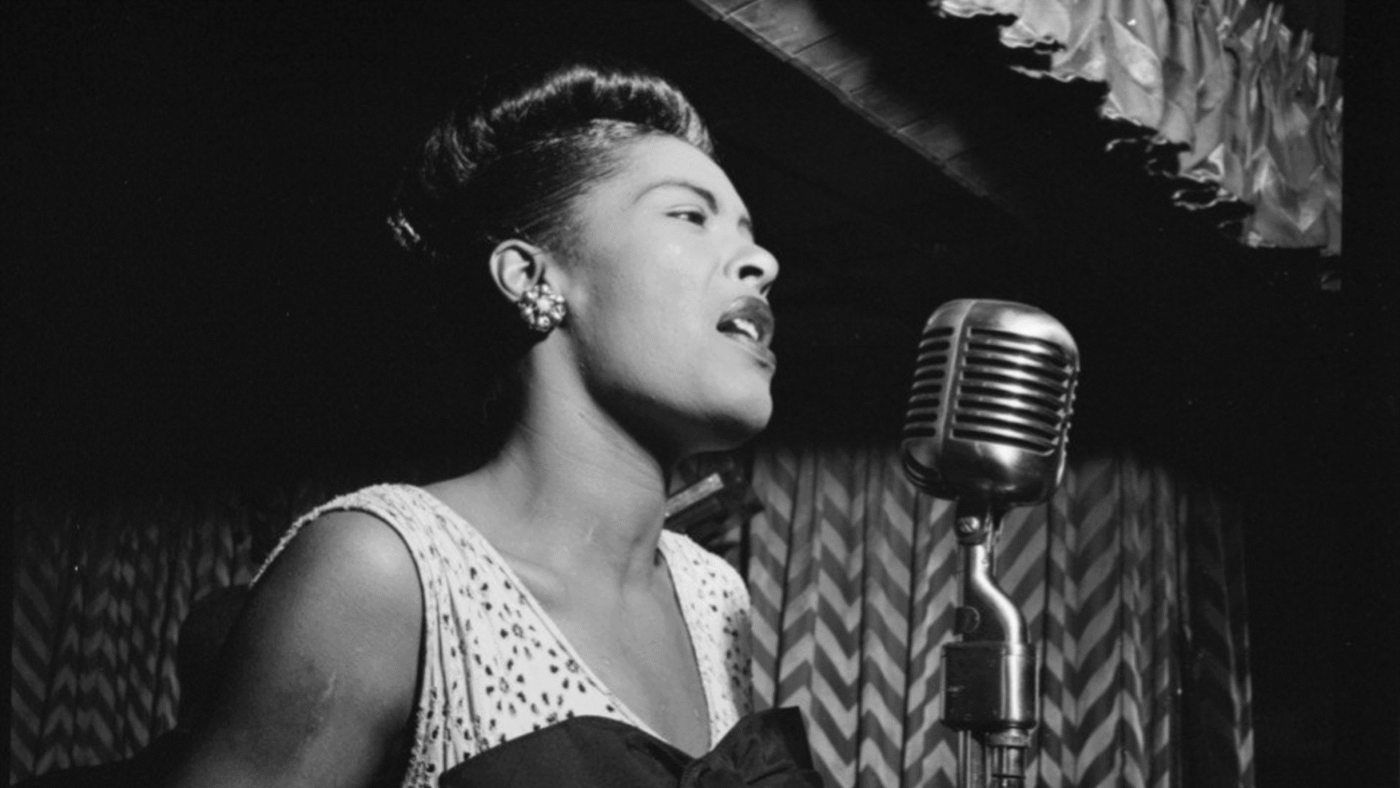
Greenwich Village nightlife has never been merely entertainment. Women organizers, performers, and activists used clubs, bars, and performance spaces as platforms for autonomy and resistance.
This program uncovers how female nightlife activists challenged gender norms, policing practices, and cultural constraints and in the process reshaped the public space. Their work redefined who could gather, speak, and lead after dark, making nightlife itself a site of revolution.
March 15 and 21: In the Footsteps of Bridget Murphy: The Life of an Irish Servant
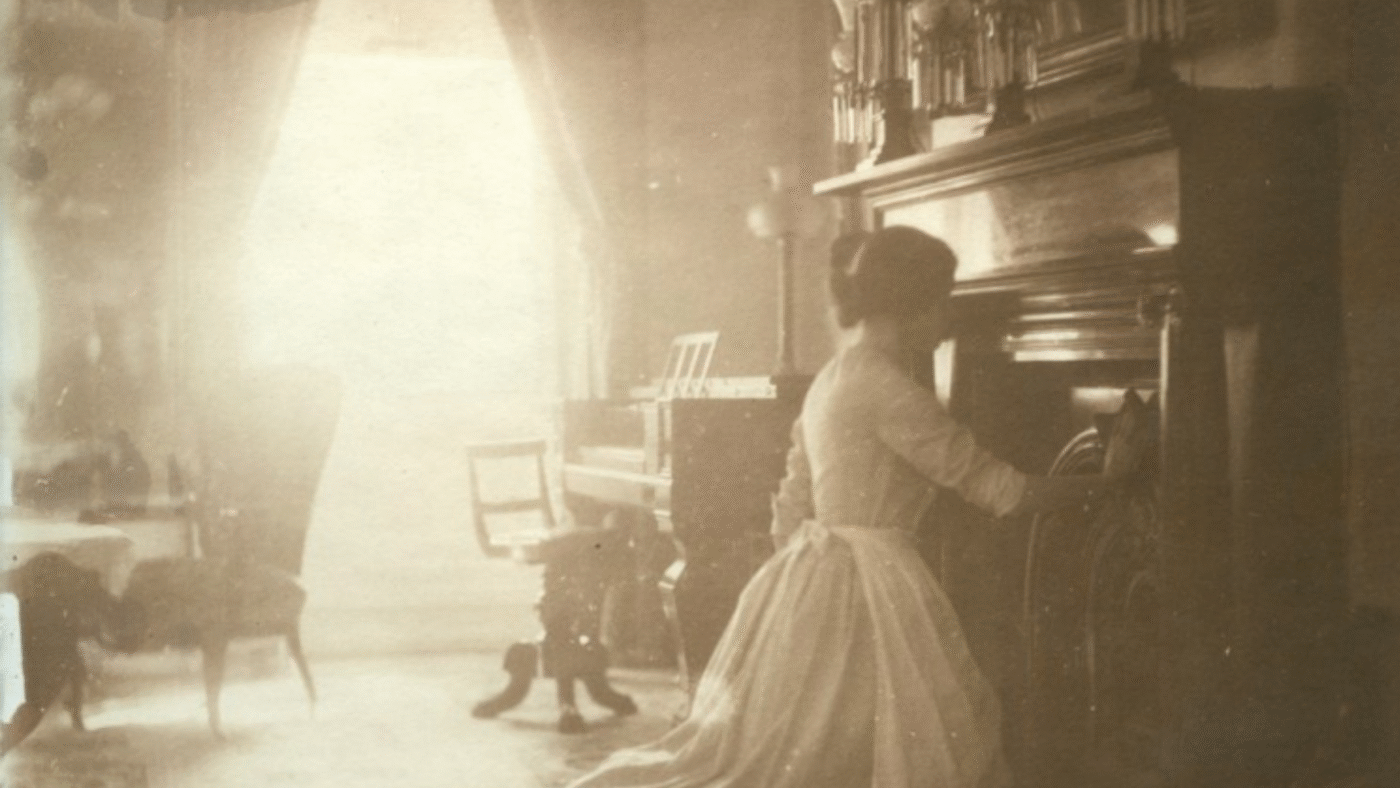
Co-sponsored by the Merchant’s House Museum
Through the story of Bridget Murphy, this program examines 19th-century Irish immigrant life in New York. Domestic servants, who during this period were often young Irish women, formed the invisible infrastructure of middle-class households while navigating prejudice, economic hardship, and opportunity.
Murphy’s story personalizes broader themes of migration, labor, and resilience. It also aligns closely with our Semiquincentennial theme: the American story is incomplete without the women whose labor sustained its cities.
March 18 and 24: Women’s History Walking Tour of Greenwich Village
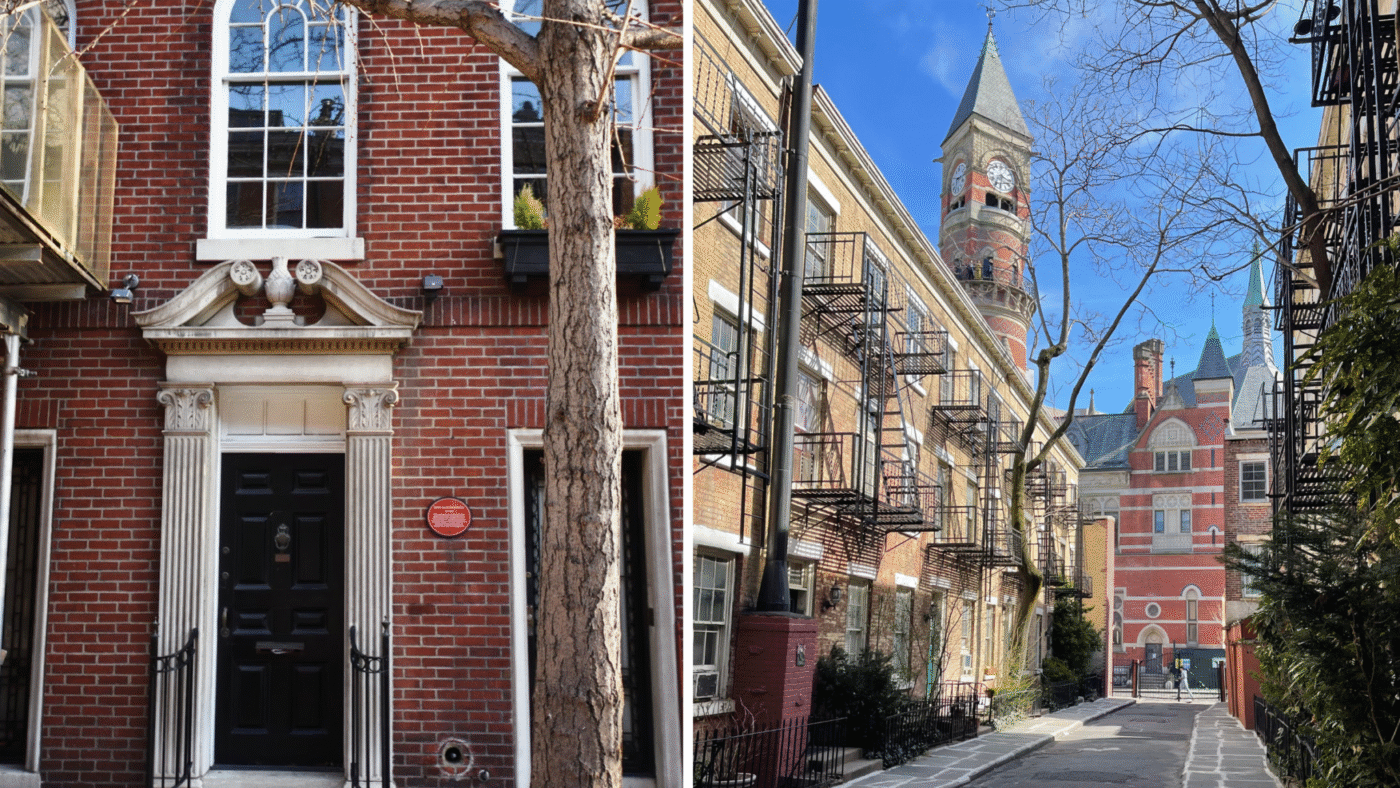
Co-sponsored by the Merchant’s House Museum
There is no better classroom than the streets themselves. This walking tour highlights the women reformers, writers, artists, and activists who shaped the Village’s identity.
From suffrage campaigns to artistic innovation, the tour demonstrates how women not only participated in history but fundamentally redirected it. The Village has long provided a platform for women to test ideas, build institutions, and demand equity — an ongoing revolution in civic and cultural life.
March 22: Richard Barone’s Village Nights: Carolyn Hester
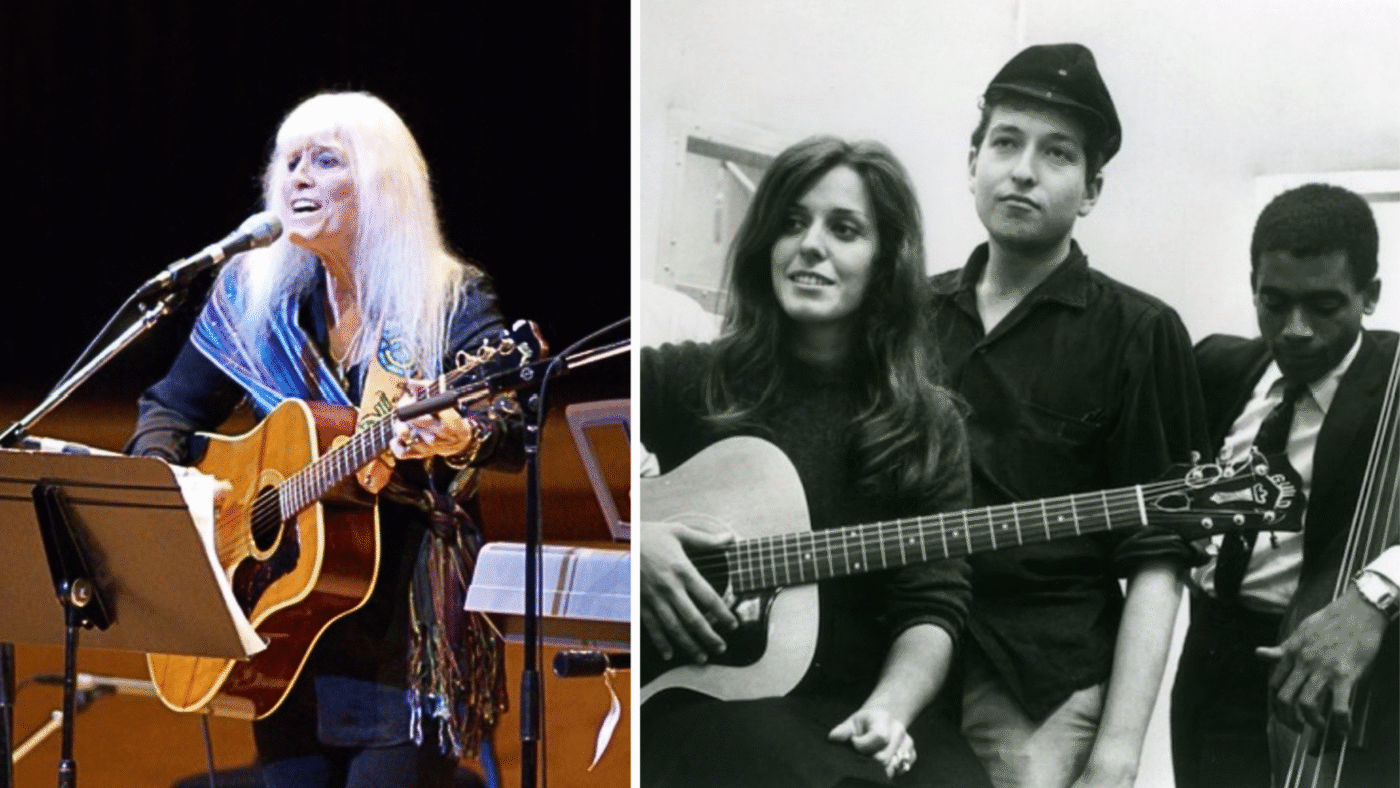
Co-sponsored by the Bitter End
The Village folk revival of the mid-20th century reshaped American music. In conversation with Terri Thal and Stephen Petrus, folk pioneer Carolyn Hester became a central figure in the vibrant Greenwich Village scene, helping launch Gerde’s Folk City and earning the moniker “The Texas Songbird” for her striking vocal clarity and impassioned performances. Hester also played a key role in shaping the career of an emerging young artist named Bob Dylan. During the recording of her third album for Columbia Records in 1961, she invited Dylan to participate in what became his first official studio session—an encounter that led producer John Hammond to sign him to the label.
Music in the Village has always intersected with activism, from civil rights to antiwar movements, making cultural production itself an act of transformation.
Explore the full lineup of the Village Nights series HERE.
March 25: Plentiful Country: The Great Potato Famine and the Making of Irish New York
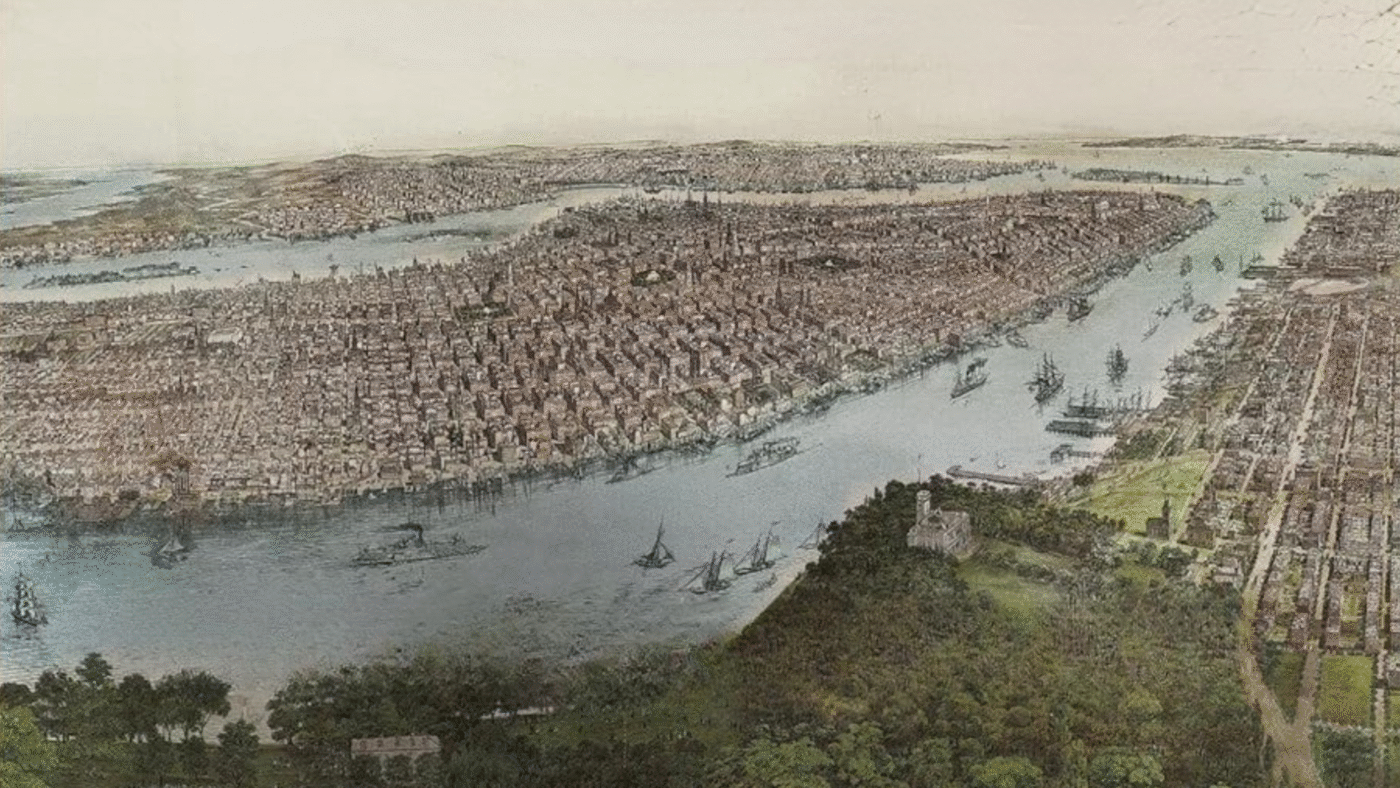
Co-sponsored by the Merchant’s House Museum
The Great Famine transformed both Ireland and New York. This program explores how Irish immigrants reshaped the city’s political structures, labor movements, and neighborhood identities. The award-winning author of Five Points and City of Dreams, Tyler Anbinder, brings us a breathtaking new history of the Irish immigrants who arrived in the United States during the Great Potato Famine, showing how their strivings in and beyond New York exemplify the astonishing tenacity and improbable triumph of Irish America.
In the spirit of “The Revolutionary Village,” it reminds us that demographic change is itself transformative by influencing voting blocs, public policy, and civic life for generations.
March 26: The Tourist’s Guide to Lost Yiddish New York City
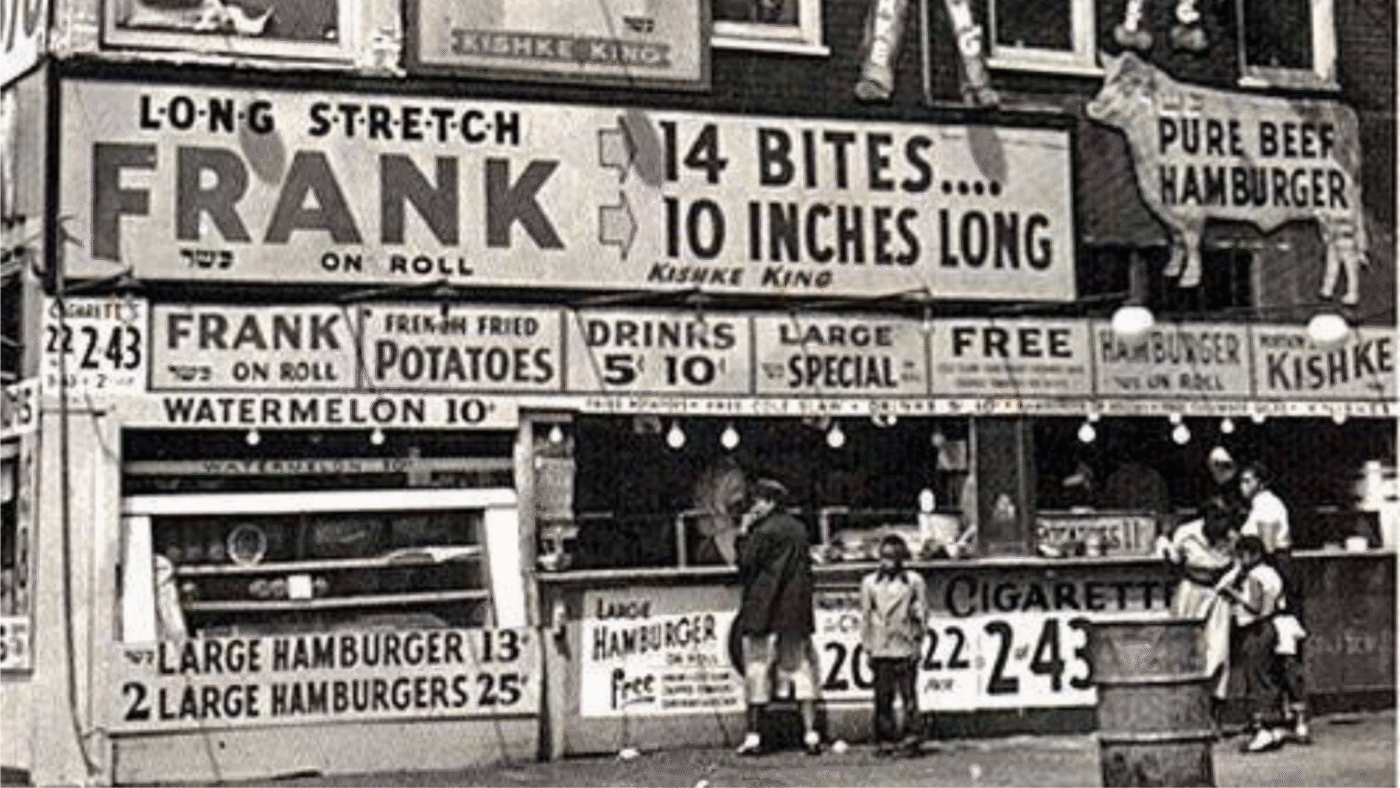
Yiddish New York once thrived in what is today known as the East Village, anchoring a vibrant world of theaters, newspapers, labor activism, and intellectual exchange.
This program reconstructs that cultural geography, illuminating how language and performance fostered solidarity and reform. The revolutionary energy of immigrant communities radiated from our neighborhoods throughout New York and beyond.
March 31: Surprising Survivors: 18th-Century Structures Still Standing in Manhattan
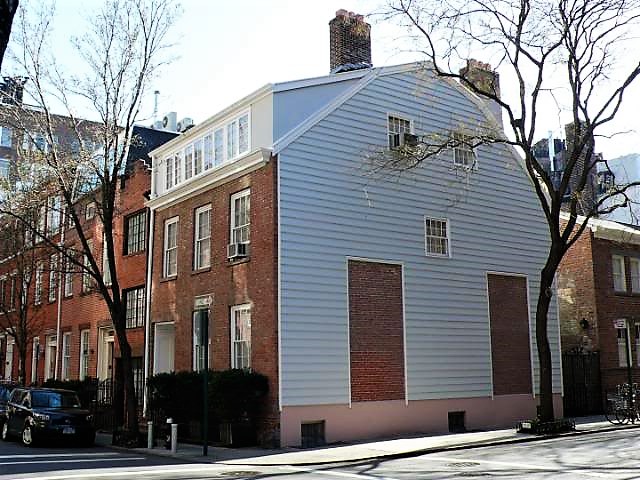
Co-sponsored by the Salmagundi Club
As we commemorate the nation’s 250th anniversary, this program highlights rare 18th-century buildings that remain in Manhattan. These structures are tangible links to the Revolutionary era as physical evidence of a city that predates or grew in the immediate wake of independence.
Their survival underscores the importance of preservation advocacy. Without sustained community effort, these buildings and the stories they embody might have vanished.
March’s programming demonstrates that revolution in the Village has taken many forms:
- Women claiming public and political space
- Immigrants reshaping civic identity
- The power of music and artists to redefine culture
- Reformers building institutions
- Citizens engaging directly with democracy
- Preservationists safeguarding the built environment
Women’s History Month invites us to foreground female leadership, and our Semiquincentennial theme of “The Revolutionary Village” encourages reflection on 250 years of American democracy, Village Preservation’s March events make one thing clear: our slice of New York has always been a dynamic example of striving to make the ideals of America real living expressions. Our neighborhoods have been, remain, and always will be revolutionary.
We invite you to join us throughout March to explore the people, movements, and structures that continue to define our remarkable neighborhoods.
A special thank you to our partners this month: Greenwich House, the Merchant’s House Museum, the Bitter End, and the Salmagundi Club.