
The Women Who Saved the Village: Oral Histories of Grit and Grassroots Preservation
A large section of our Village Preservation Oral History Collection focuses on Preservation History, and a majority of these preservationists are women. These women didn’t just save buildings, they saved community and sense of place and purpose. Today we focus on four pioneering women whose legacies continue to protect the character of our neighborhoods.
Margot Gayle: The Savior of the “Old Jeff”
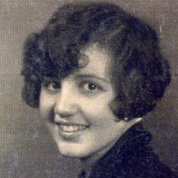
Margot Gayle was a force of nature who saw beauty where the city saw “blight.” In the 1960s, the Jefferson Market Courthouse was slated for the wrecking ball. Margot didn’t just petition; she organized a grassroots campaign that through adaptive reuse, eventually turned the “Old Jeff” into one of the most beautiful public libraries in the world.
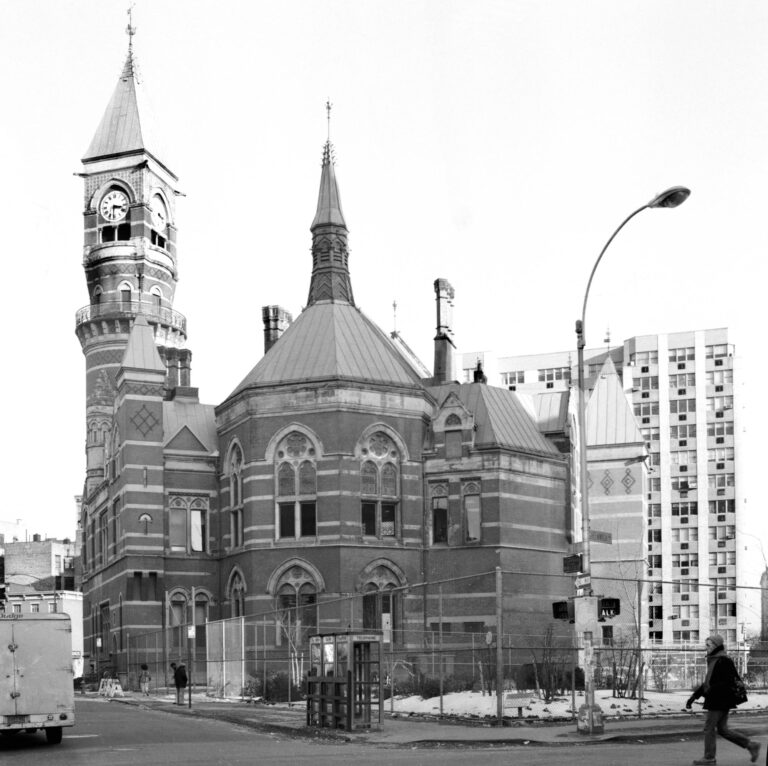
In her oral history, she discusses how she co-founded the Victorian Society in America and led the charge for the preservation of cast-iron architecture in SoHo. Margot taught us that a building’s “second life” can often be its most meaningful. Read more about Margot here or access her full oral history here.
Beverly Moss Spatt: Breaking the Glass Ceiling (and Saving Grand Central)
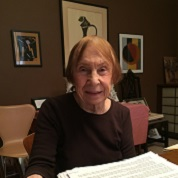
Beverly Moss Spatt was a “maverick” in every sense. As the first woman to chair the New York City Landmarks Preservation Commission (LPC), she took a historically “closed-door” agency and opened it to the public. Her oral history captures her tenure during the 1970s, a pivotal era when she helped lead the fight to save Grand Central Terminal.
Beverly believed that preservation belonged to the people, not just the experts. She fought for “scrappy” neighborhoods just as hard as she did for grand monuments, ensuring that the LPC served the city’s diverse cultural history. Read more about Beverly here or access her full oral history here.
Doris Diether: The “Zoning Maven” with a Pig
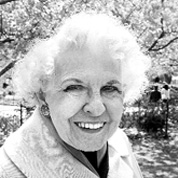
If you’ve ever enjoyed the historic, low rise, human scale of Greenwich Village, you owe a debt to Doris Diether. Known as the “zoning maven,” Doris was the longest-serving member of Community Board 2. In her oral history, she recounts the early days of “Save the Village,” a group that fought to protect the neighborhood before the Landmarks Law existed.
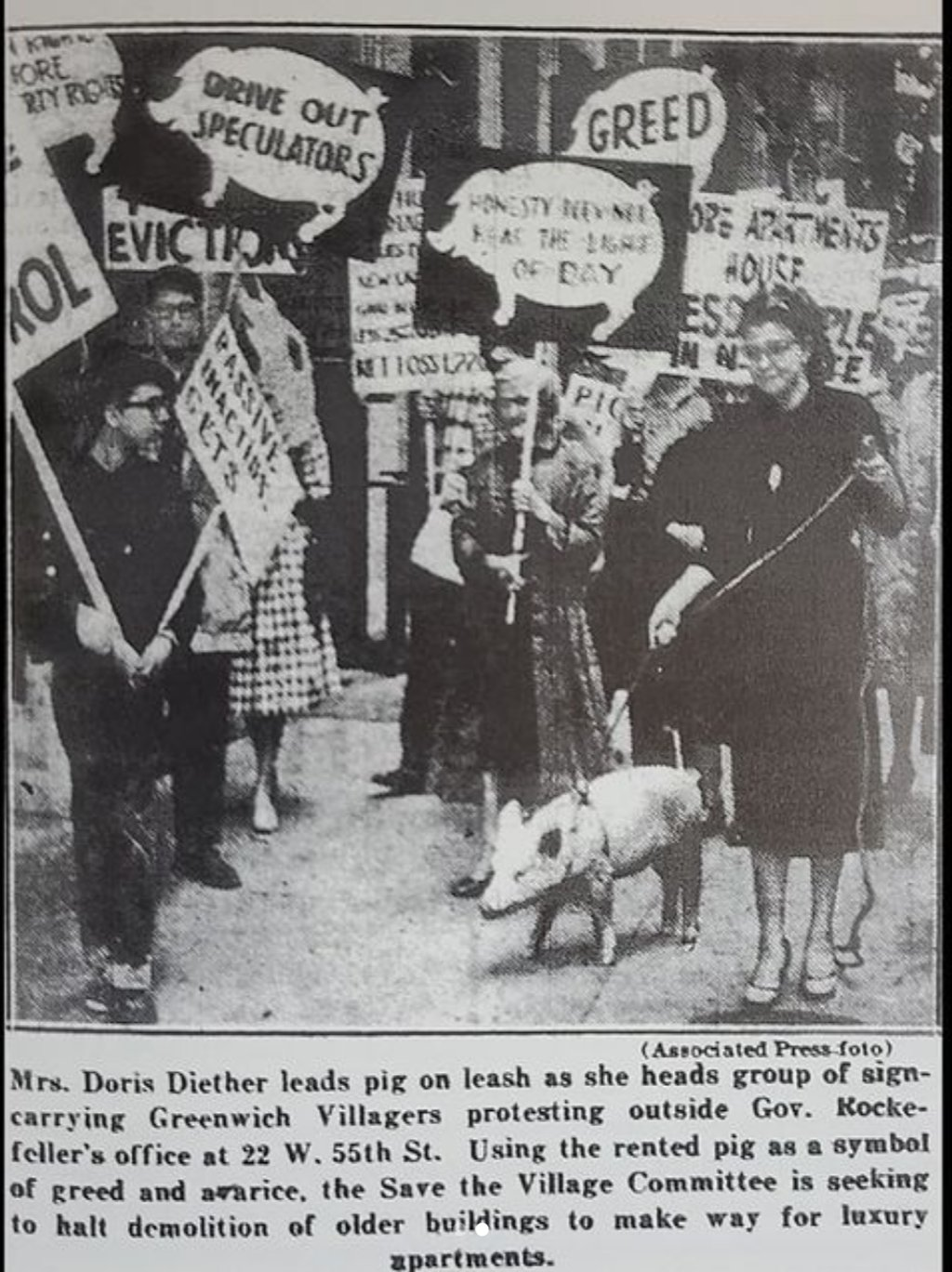
Perhaps her most iconic moment was a 1960 protest at Governor Rockefeller’s office where she rented a live pig to draw attention to the “piggishness” of developers. Doris reminds us that preservation isn’t just about aesthetics; it’s about using the “dry” tools of zoning and law to protect the human scale of a neighborhood. Read more about Doris here or access her full oral history here.
Ayo Harrington: Preserving the “People’s History” in the East Village
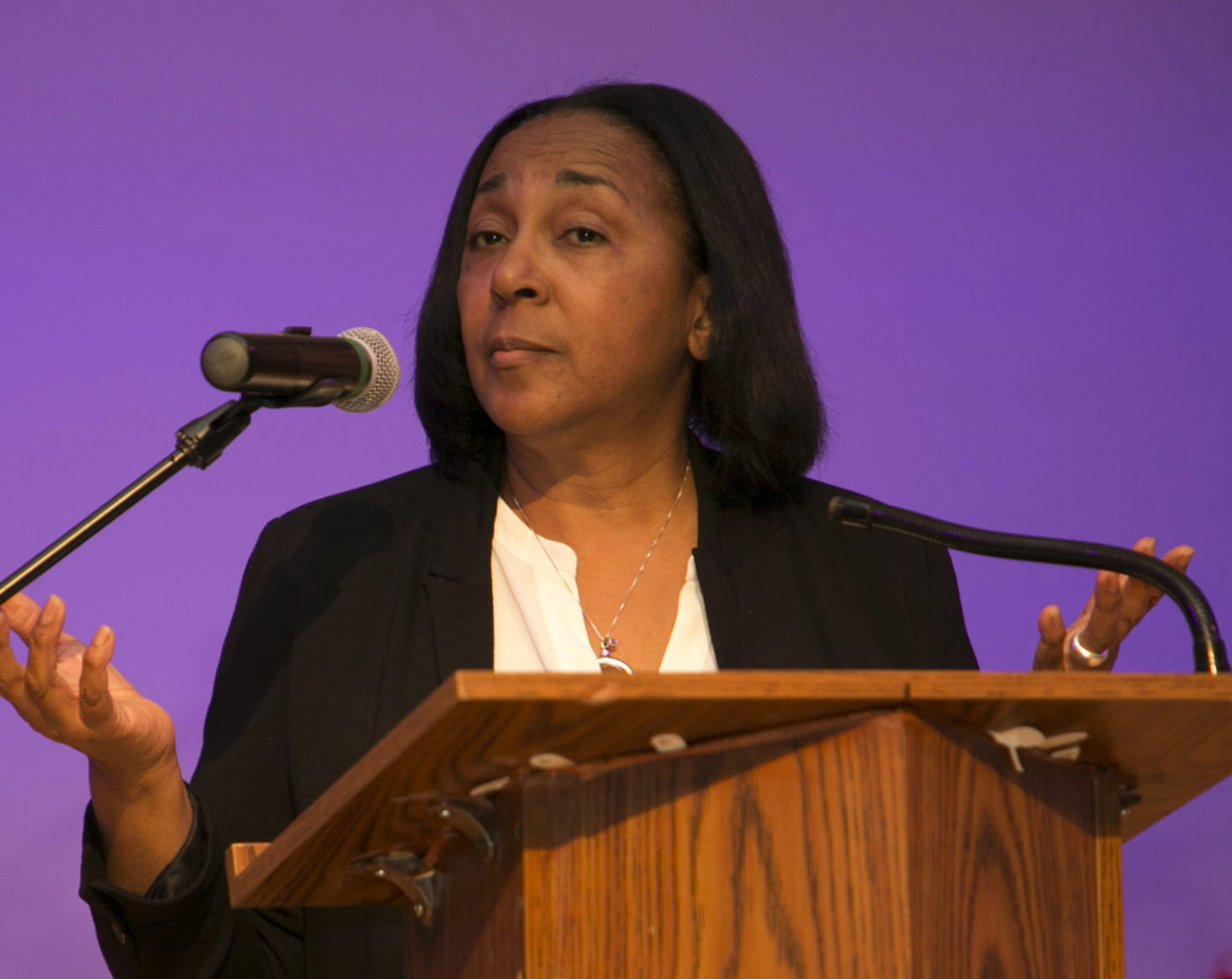
Preservation isn’t always about 19th-century townhouses; sometimes it’s about the soil and the community. Ayo Harrington’s oral history provides a powerful look at the East Village/Alphabet City through the lens of social justice.
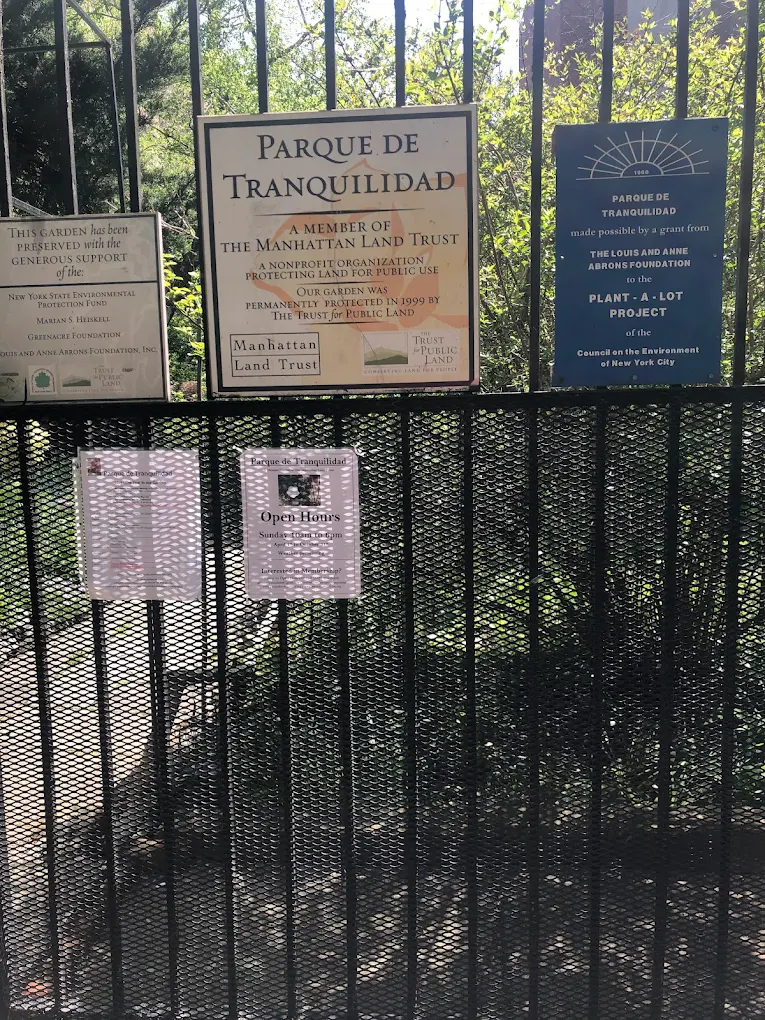
Ayo has been involved in many social justice and advocacy movements, including education, the African Burial Grounds, and land use. Her work highlights a vital side of preservation: protecting the ability of long-time residents, particularly people of color who remained in the area following the “White Flight” of the 1960s and ‘70s, to remain in their neighborhoods. For Ayo, preserving a garden is just as historic as preserving a facade because both represent the community’s right to exist. Read more about Ayo here or access her full oral history here.
Hear These Stories in Their Own Words
History is best served raw and unfiltered. You can listen to the original recordings and read the full transcripts of these four incredible women and dozens of other activists, artists, and community residents in our Oral History Collection.