
We Walk in Her Footsteps: Village Preservation’s Women’s History Maps and Tours
March is Women’s History Month, and while we celebrate women’s history all year, we do so especially during this particular month when we highlight the countless women of our neighborhoods who have fought tirelessly and courageously for equality, justice, and opportunity in our nation. It is the perfect time to remember that we are continuing to build on the legacy of both recognized trailblazers and unsung heroines who have guided the course of American history and culture and continue to shape its future. Village Preservation‘s resources contain a remarkable collection of maps and tours that transform the streets of Greenwich Village, the East Village, and NoHo into a living classroom of women’s history.

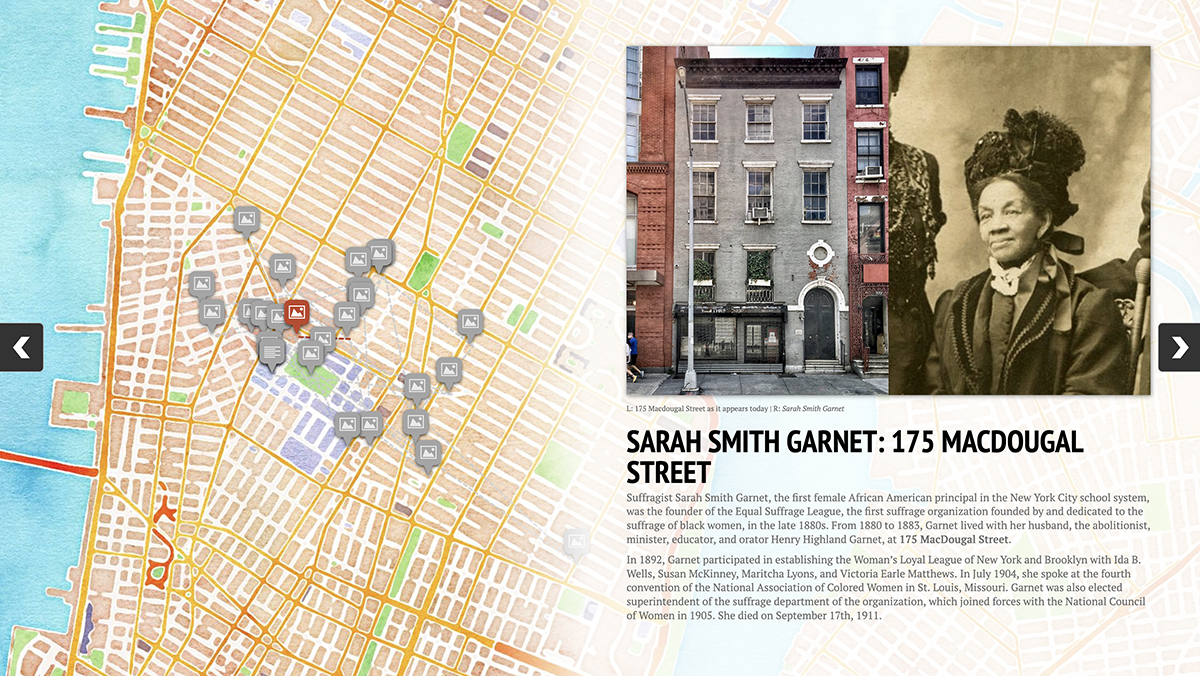
Our Women’s Suffrage History Map is perhaps the most striking example of this. A remarkable number of people and places in Greenwich Village, the East Village, and NoHo played key roles in the women’s suffrage movement. These neighborhoods were long centers of political ferment and progressive social change, and women and men here played a prominent part in removing barriers to women voting in New York State and the country. The map brings to vivid life figures like Mabel Ping-Hua Lee, a suffragist who helped lead the May 4, 1912 women’s suffrage parade. Mabel was just 16 years old and part of a coalition of Chinese immigrant women who rode on horseback along the route from Washington Square Park to 27th Street. Or Esther Lape and Elizabeth Read, life-partners who lived at 20 East 11th Street for more than twenty years, founded the League of Women Voters, and served as close advisors to Eleanor Roosevelt. Roosevelt herself rented an apartment in that very building. These are the kinds of stories that reframe what we think we know about this neighborhood and this movement.
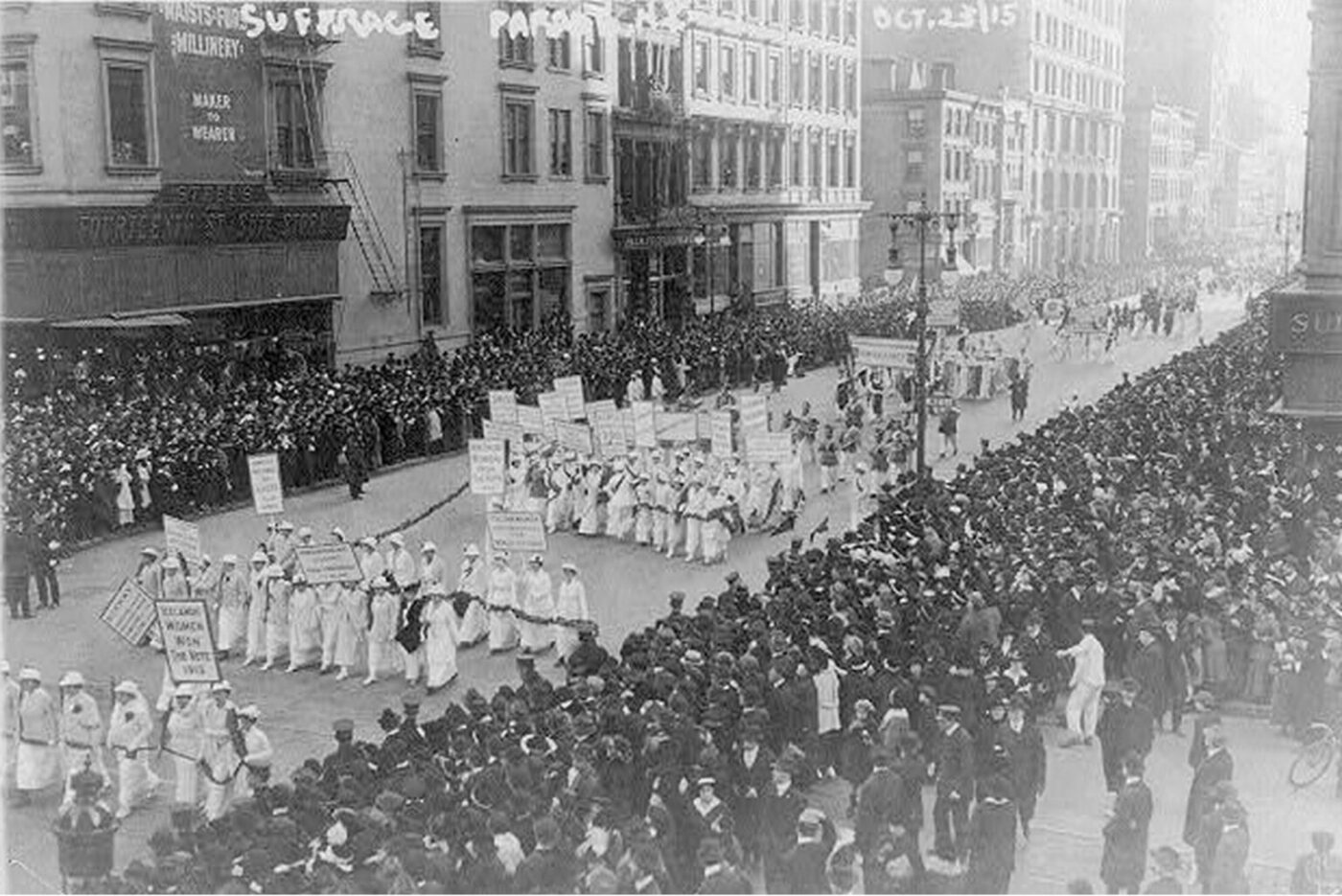
One of the most stirring stops the map illuminates is the 1915 Women’s Suffrage Parade, one of the largest marches in the history of the suffrage movement, which began at Washington Square Arch with over 25,000 participants marching up Fifth Avenue to 59th Street. Standing at that arch today, it is impossible not to feel the weight of that moment with the thousands of women pouring into the streets to demand what was rightfully theirs.
Our expanded and redesigned Civil Rights and Social Justice Map considerably broadens the lens of Women’s History in our neighborhoods. Among the more than 200 sites in our Civil Rights and Social Justice Map, more than 60 are connected to women’s history and the women’s movement. This map traces the full arc of struggle, from early labor organizing to LGBTQ+ activism to the abolitionist movement. It reminds us, as it should, that the fight for women’s rights has never existed in isolation. It has always been intertwined with the fight for the rights of all people. Figures like Amelia Earhart, Edie Windsor, and sculptor and Whitney Museum founder Gertrude Vanderbilt Whitney all find their place here, each representing a different dimension of what it has meant to be a woman of courage and conviction in this city.
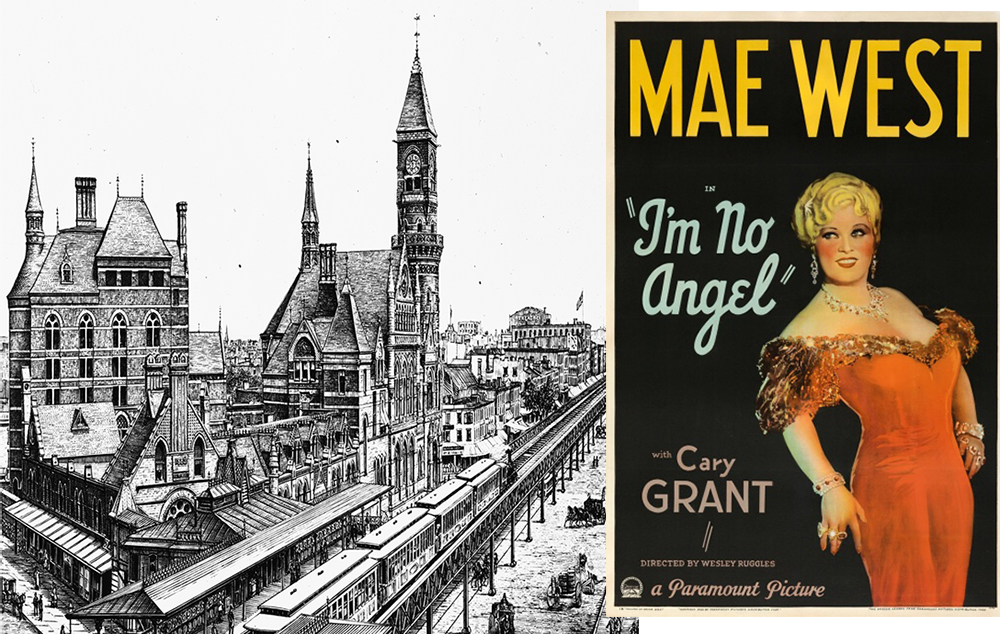
The Greenwich Village Historic District Map and Tours offers something particularly intimate: the “Transformative Women” tour, which takes you to the homes and lives of dozens of women who changed politics, the arts, and culture. Among the sites is the home of poet Emma Lazarus at 18 West 10th Street. Her words on the base of the Statue of Liberty have welcomed generations of immigrants to this country. And then there is the former Jefferson Market Prison on Sixth Avenue, one-time temporary tenant of none other than Mae West, a reminder that the women who defied convention in this neighborhood were not always safe from the consequences of doing so.
The Women’s History Tour on the South of Union Square Map rounds out this remarkable collection.
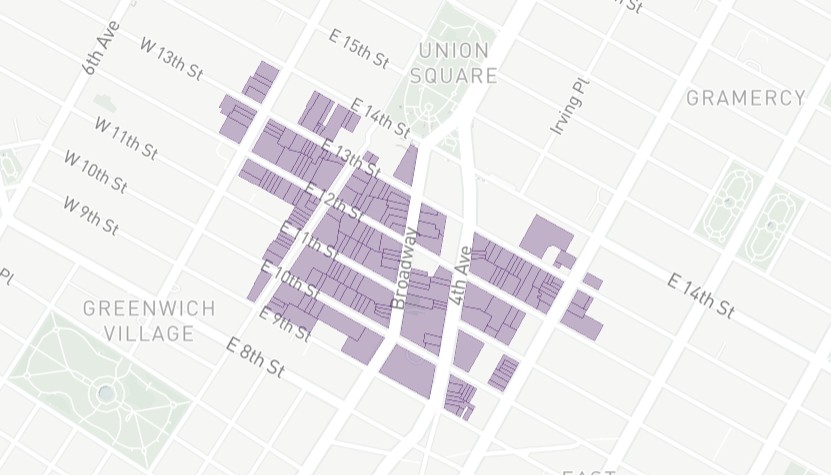
The tour contains 20 sites connected to crucial events, figures, and organizations in women’s history, and some amazing women writers, artists, educators, and activists. Billie Holiday, Susan B. Anthony, and Ronnie Spector are among those whose stories are woven into this stretch of the city. These women’s contributions spanned music, civil rights, and the law, and their presence in these blocks speaks to just how much history is embedded in streets that many people pass through every day without knowing.
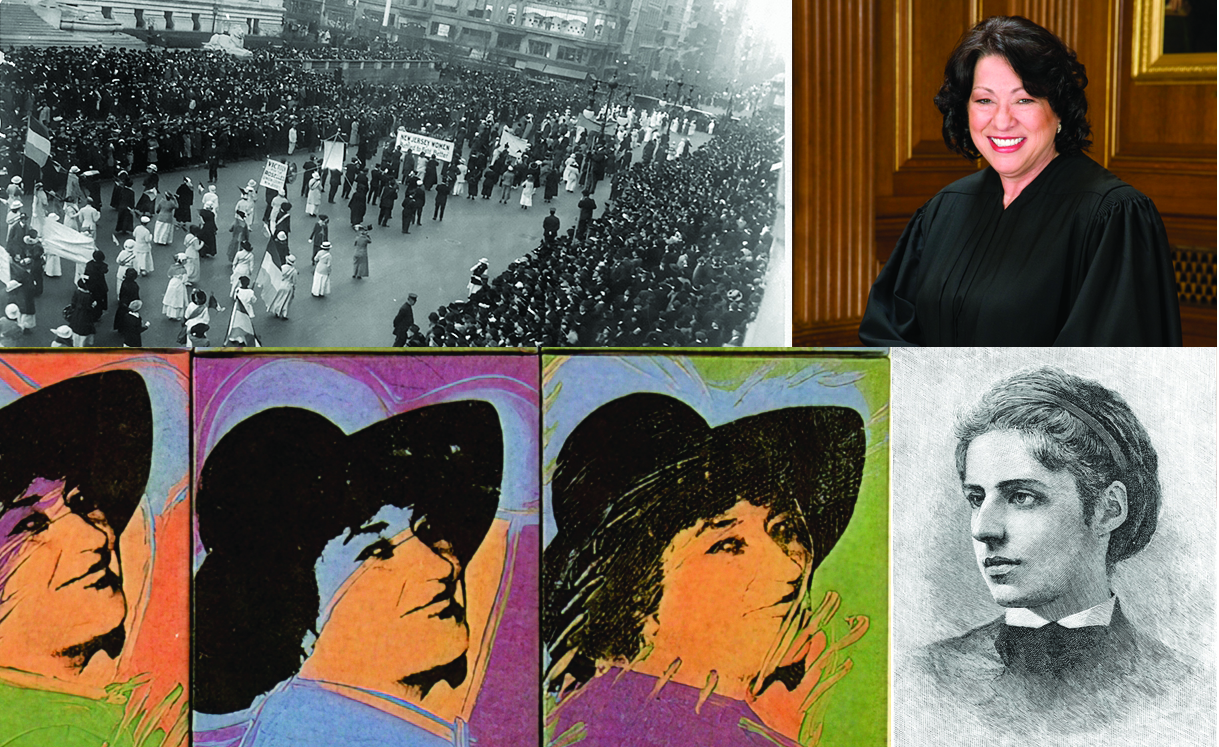
In an era when women’s history is still too often treated as a footnote, we at Village Preservation insist that it is the main text. The suffragists, the activists, the artists, and the organizers are the unsung heroines of our neighborhoods. We have placed them squarely back on the map where they belong. Quite literally.
This Women’s History Month, we encourage you to take “a walk in her footsteps.” The history is right there beneath your feet.