
Revolutionary Verses: Two Centuries of Poetry in the Village
April is National Poetry Month, a chance to celebrate the power of language, imagination, and place. Few places in America have inspired as much poetry or had as many poets call it home as Greenwich Village, the East Village, and NoHo. For over two centuries, these neighborhoods have served as both refuge and crucible for poetic voices, shaping literary movements and giving rise to works that still resonate today. These neighborhoods have revolutionized poetic verse in content and style.
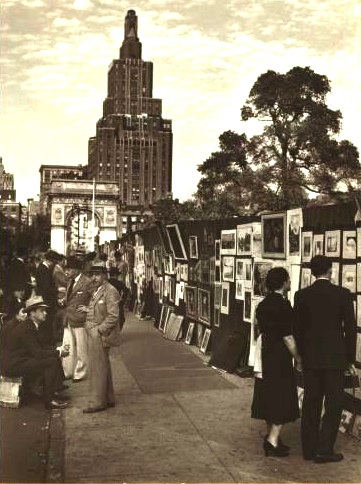
As early as the 19th century, Greenwich Village was a refuge attracting writers seeking distance from the rapidly commercializing city and country. Famed poet, essayist, and philosopher Thomas Paine, who helped inspire the American Revolution, spent his final years at 309 Bleecker Street and 59 Grove Street. From Edgar Allan Poe to the nearly forgotten poet known as the American Byron, Fitz-Greene Halleck, the Village became a literary oasis and a place to connect with numerous other writers.
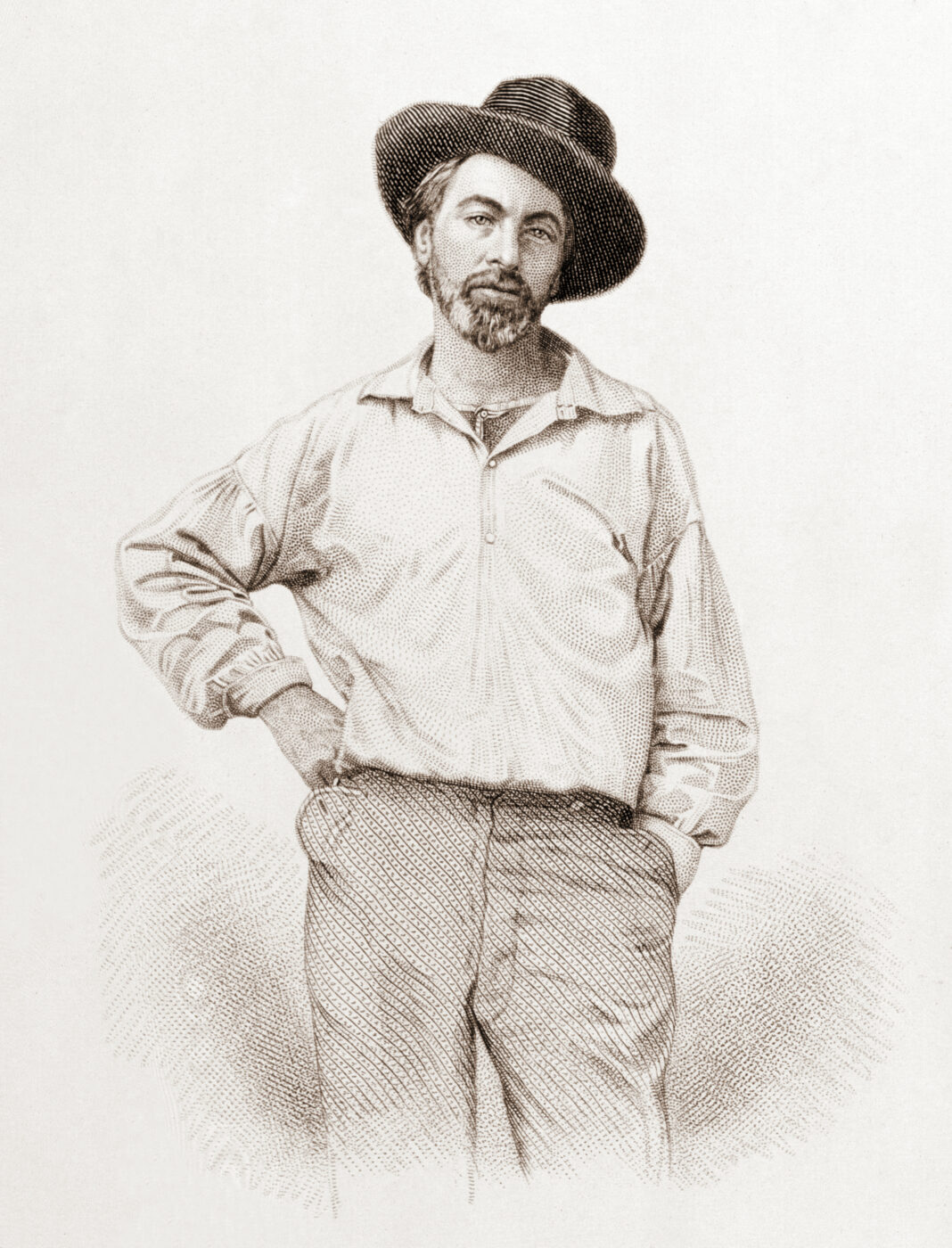
One of the most influential was Walt Whitman, whose revolutionary free verse in Leaves of Grass helped redefine American poetry. While Whitman moved around the city, his time in lower Manhattan and his deep engagement with New York life place him firmly within the Village’s literary orbit. Between 1859 and 1861 he frequented the beer cellar Pfaff’s, once located at 645 Broadway, a famed watering hole for city’s artists and nonconformists.
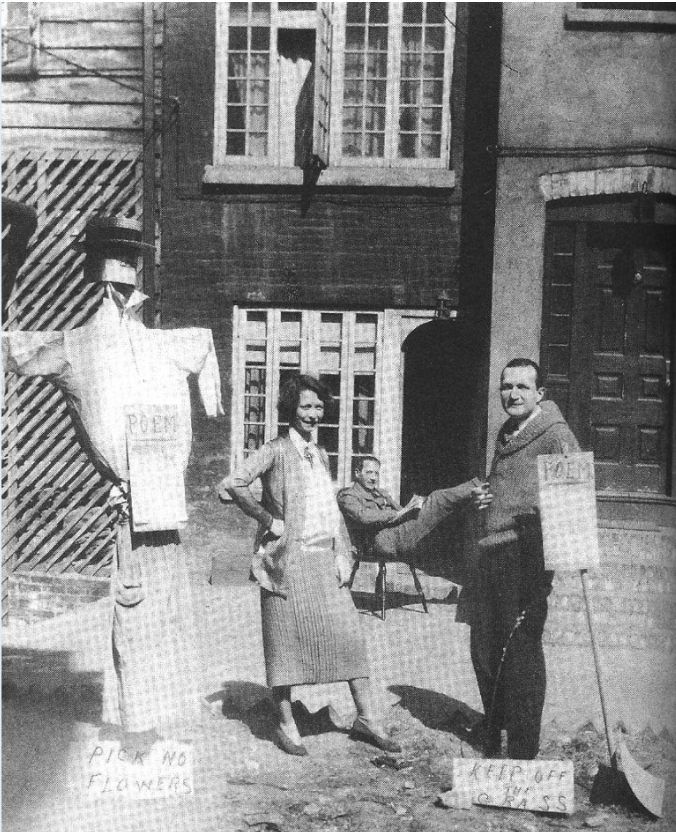
Another towering figure, Edna St. Vincent Millay, became synonymous with Greenwich Village in the 1910s and 20s. Living at 75½ Bedford Street, the narrowest house in the Village, Millay wrote poetry that captured both the romantic freedom and emotional intensity of Village life. Her work reflects the bohemian spirit that defined the neighborhood during this era. Patchin Place is another quirky urban embodiment of a long literary tradition, long home to numerous writers, including the poet e e cummings.
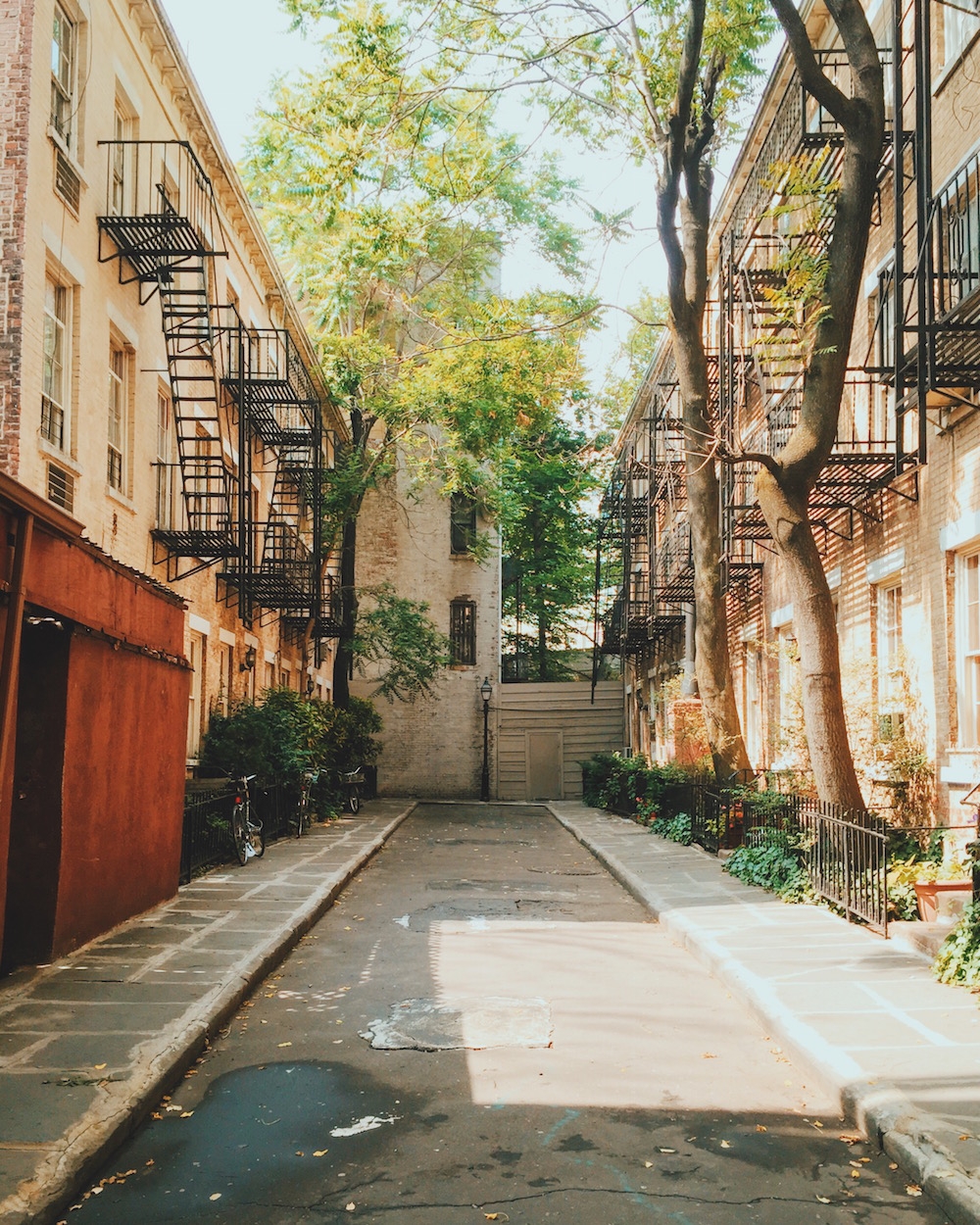
The neighborhoods themselves have frequently appeared in verse. Frank O’Hara, a central figure of the New York School, wrote poems that feel inseparable from the streets he walked. He lived at 441 East 9th Street in the East Village and was known for his warmth and approachability. In works like “The Day Lady Died,” O’Hara captures the immediacy of mid-century Manhattan, referencing places and moments that map onto the Village and its surrounding neighborhoods. His poetry transforms everyday city experience into something intimate and urgent.
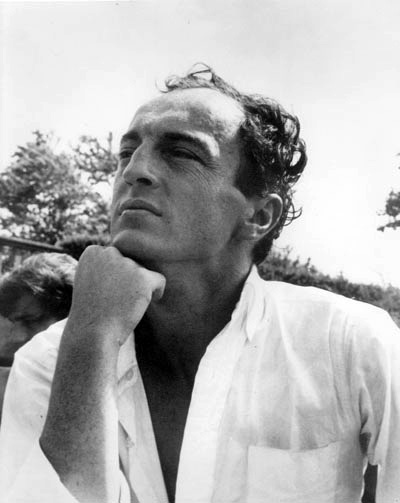
Similarly, Allen Ginsberg, who also lived in the East Village, channeled the raw energy of downtown life into his work. His landmark poem “Howl” may not name specific Village streets, but its spirit was forged in the community of artists, writers, and activists who gathered here. Later poems, including those written while living at 437 East 12th Street, more directly reflect the rhythms and tensions of the neighborhood.
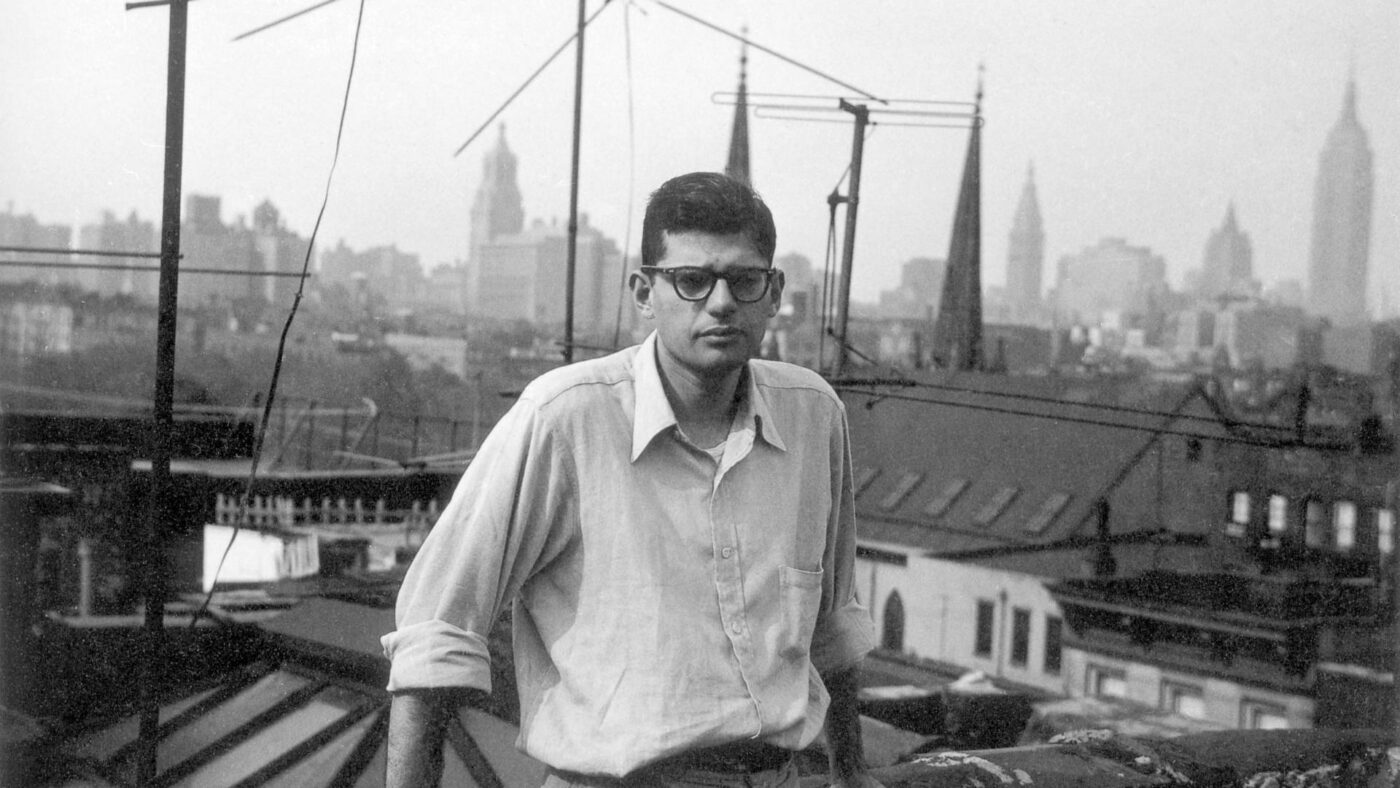
By the 1950s and 60s, the Greenwich Village and the East Village had become a center of the Beat movement. Alongside Ginsberg were figures like Jack Kerouac and Gregory Corso, who spent time in and around the Village. Their work rejected convention and embraced spontaneity, spirituality, and urban grit.
Corso, in particular, was a frequent presence in the neighborhood’s cafés and parks, where poetry readings and informal gatherings blurred the line between art and daily life.
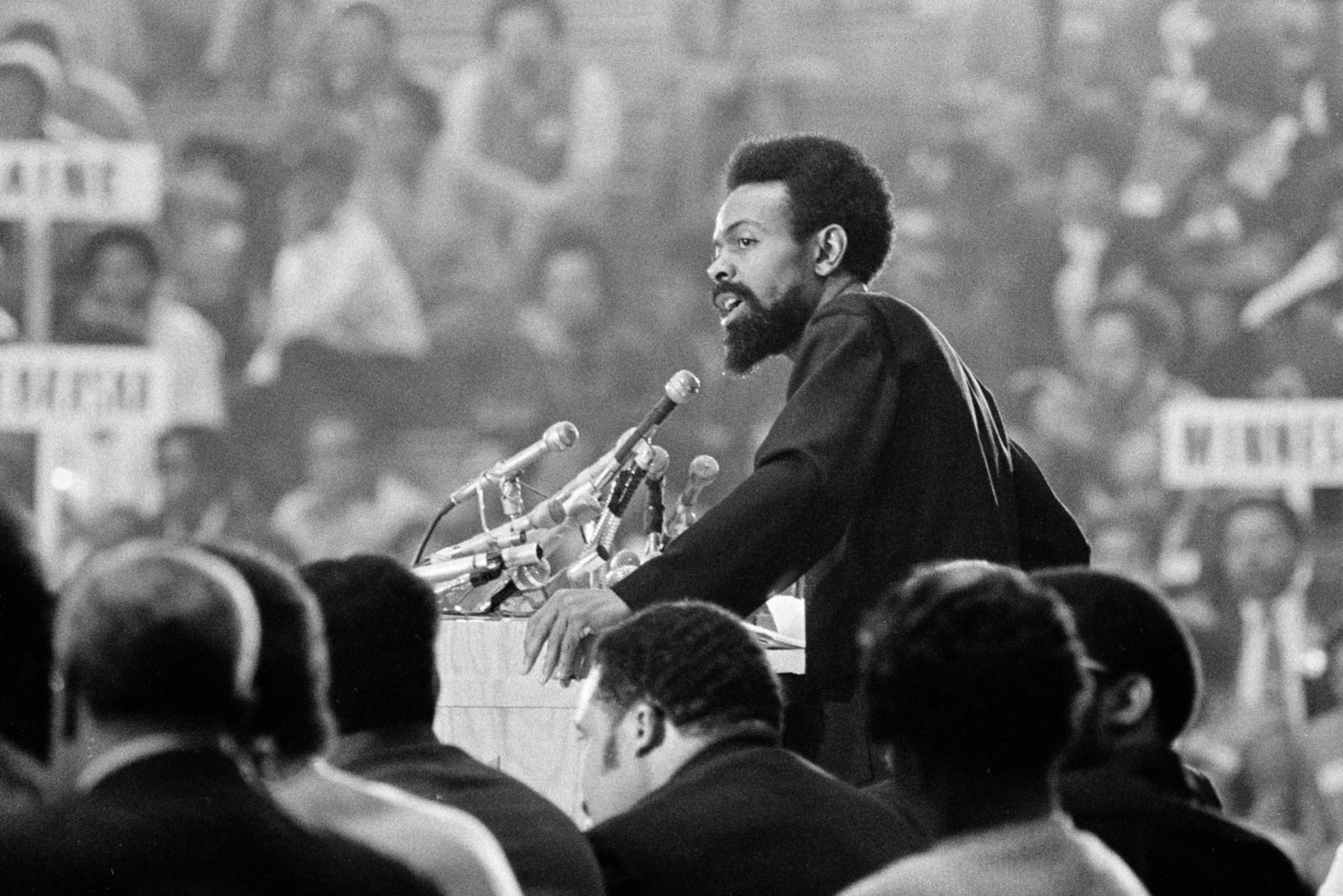
NoHo, too, played a role in shaping poetic innovation, particularly in the postwar period. Poets associated with nearby institutions and artistic circles helped expand the boundaries of form and content. Amiri Baraka (formerly LeRoi Jones) lived and worked in the area, and his early career was closely tied to the downtown scene. His work bridged the Beat movement and the Black Arts Movement, bringing political urgency and cultural critique into the poetic mainstream.
What distinguishes Greenwich Village, the East Village, and NoHo is not just the number of poets who lived there, but the way the neighborhoods themselves shaped poetic form and voice. The density of artistic life, the interplay of cultures, and the constant negotiation between tradition and rebellion all find expression in the poetry created here.
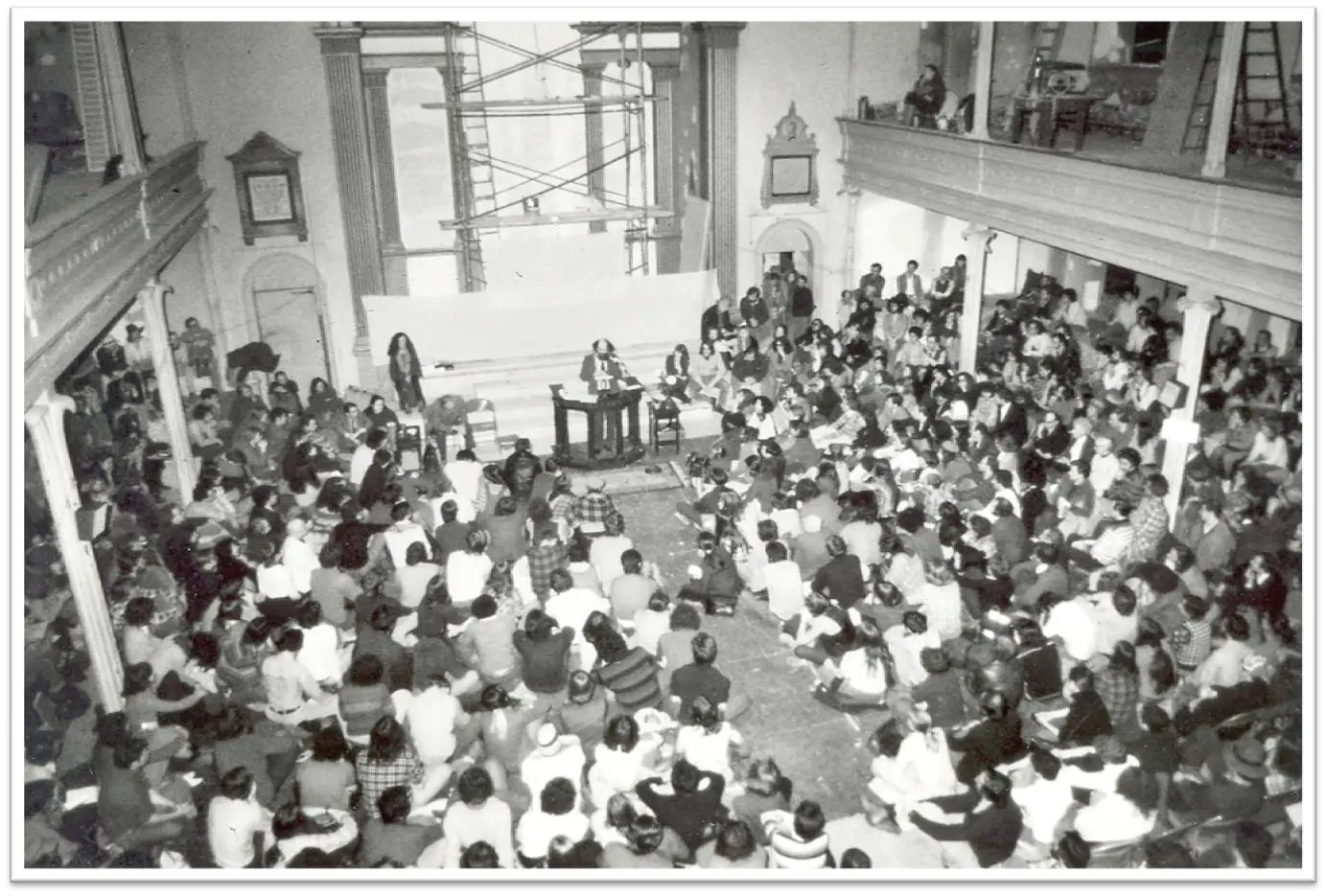
Even today, the legacy continues. Contemporary poets still draw inspiration from these streets, and readings, small presses, and literary organizations keep the tradition alive. St. Mark’s Church in-the-Bowery has been the home to the Poetry Project in 1966 and remains so today. It has hosted readings by Ginsberg, Anne Waldman, and countless others.
Founded in 1973, the Nuyorican Poets Cafe, located on East 3rd Street, is a venue and hub of creative energy and expression for Nuyorican artists, poets, and playwrights. Poets that have presented and worked there have included Victor Hernández Cruz, Diane Burns, Tato Laviera, Giannina Braschi, Sandra María Esteves, Nancy Mercado, and Martín Espada.
National Poetry Month offers an opportunity to reflect on how place shapes art by drawing creators to it. Few places demonstrate that relationship as vividly as the Village and its neighboring communities. For over 200 years our neighborhoods have crackled with creativity. The sheer number of poets that have lived, worked, and passed through and changed how we feel and think is awe-inspiring. From Whitman’s expansive democratic vision to Ginsberg’s prophetic intensity, the poetry of these neighborhoods captures the evolving story of New York and the country itself. This truly is the Revolutionary Village.
Weird to not mention Bowery Poetry Club…