
Slugs’ Saloon: Avant-Garde Jazz in Alphabet City
In the far eastern blocks of the East Village, where avenue names reflect the letters of the alphabet the East River waterfront looms large, once stood Slugs’ Saloon. Located at 242 East 3rd Street between Avenues B and C in a building constructed in 1873 as a five-story tenement with stores on the ground floor by architect A.H. Blankenstein, it’s one of many music venues and other sites featured in Village Preservation’s Jazz Map.
What we now call the East Village and Alphabet City were a diverse and rapidly evolving ethnic polyglot at the turn of the 20th century, with waves of German, Irish, Jewish, Italian, and Central and Eastern European immigrants in the 19th and early 20th centuries later supplemented by migrants from Puerto Rico and Black Americans from the South in the mid to late 20th century. Local businesses and gathering spots reflected this, as illustrated with 242 East 3rd Street, which housed a neighborhood Ukrainian restaurant and bar along with what would be a noted venue for jazz performance.
By the 1960s, jazz was a palpable and powerful presence our neighborhoods, though the clubs where it was played were rarely found farher east than Avenue A. But that changed in 1964, when improv actor Jerry Schurtz and Beat and Zen Buddhist/ex-journalist Robert Schoenholt acquired the restaurant space at 242 East 3rd Street and opened Slugs’ Saloon.
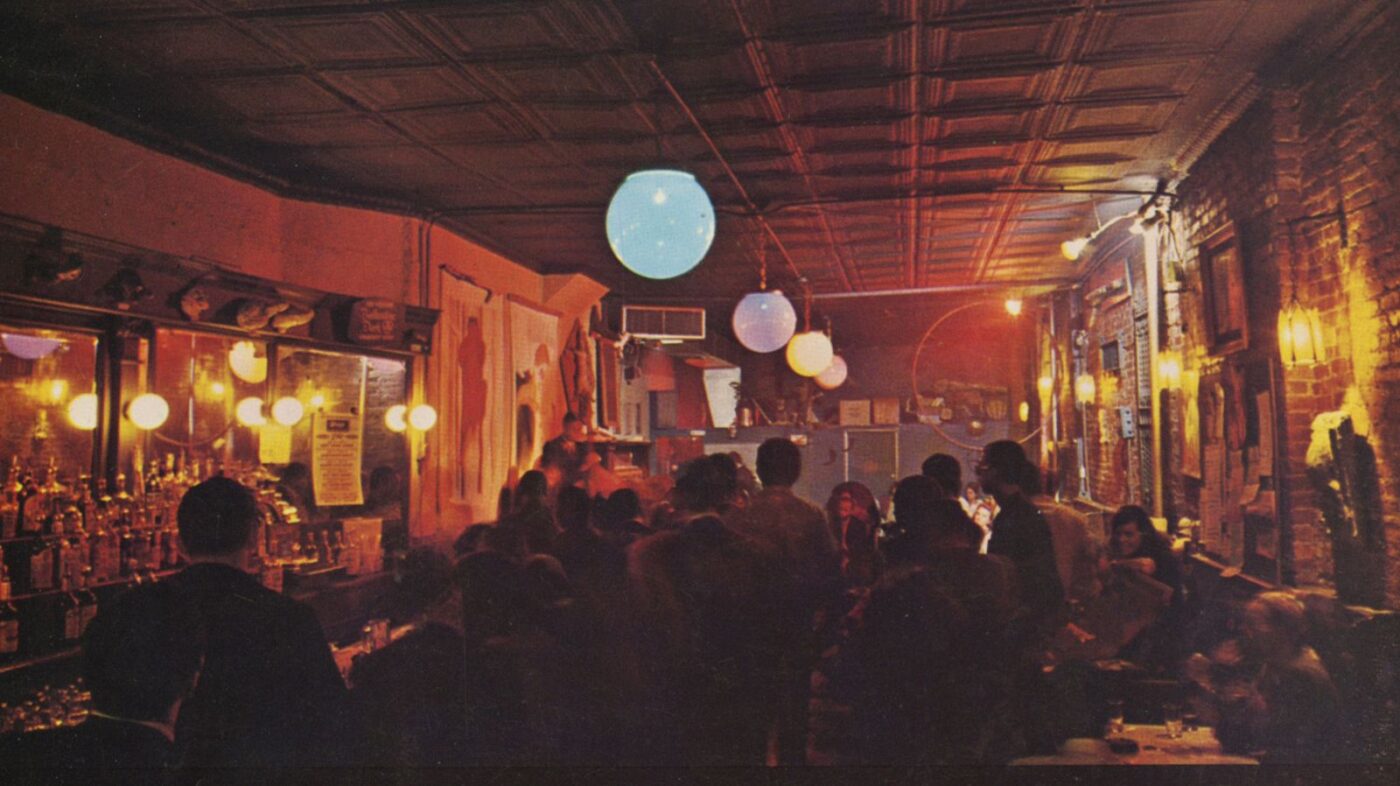
Slugs’ was gritty, rough, and dark — not unlike the neighborhood at the time. At first, the club’s patrons were largely local residents. That changed after a local neighborhood musician discovered the joint and proposed holding performances there. That neighbor was saxophonist Jackie McLean, and his shows jump-started the club’s transformation into one of the most vital venues for avant-garde jazz in the city.
The club was a no-frills escape. Inside was a glorified long hallway. Patrons were greeted by a bar on the left pressed up against a narrow bandstand sporting a well-worn upright piano, facing a brick wall with small tables & chairs.
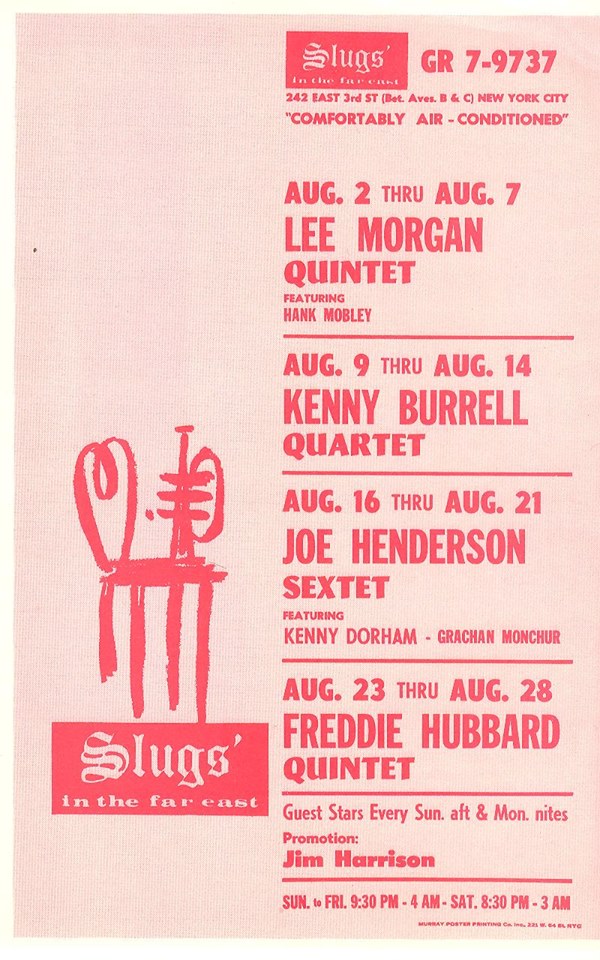
Musicians could enter for free, and it became an industry hotspot where artists like McLean would gather and experiment. Jazz pioneers like Pharaoh Sanders, Herbie Hancock, Charles Lloyd, Ornette Coleman, as well as other Black artists and poets like Bob Thompson and LeRoi Jones (a.k.a. Amiri Baraka) all frequented Slugs’. Just a few months after the club opened, the word saloon was dropped from the bar’s name due to New York City regulations, and the bar rebranded to Slugs’ in the Far East. Performances varied nightly, and Slugs’ became a spot where artists and musicians pioneered the next iteration of jazz.
Lee Morgan, a prodigy jazz trumpeter from Philadelphia, was one of those artists. Morgan began playing music in childhood, after his sister gifted him his first trumpet. By the time he was a teenager, he played on John Coltrane’s album Blue Train. At 18, Dizzie Gillespie recruited Morgan to play for his band.
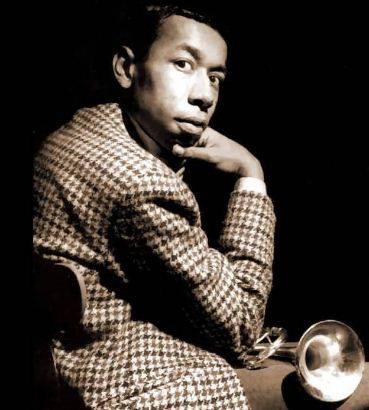
Morgan began recording for Blue Note Records in 1956, eventually recording twenty-five albums as a leader for the label. Gillespie’s band disbanded in the early 60s due to financial reasons, but that did not stop Morgan’s blossoming career. Throughout young adulthood, Morgan recorded thirty-one albums total in lead role and played as a side player on over a hundred albums with various bands and musicians. Morgan recorded, composed, and toured.
But his career was far from just glitz and glamour; it was while touring with Art Blakey’s Jazz Messengers that Morgan tried heroin for the first time. And he made music against a backdrop of a segregated country, where Jim Crow was still the status quo in a lot of places. In 1963, Morgan released his most successful record, “The Sidewinder.” Chrysler appropriated without permission a song from the album for a commercial, and when Morgan’s lawyers got involved, Chrysler took the commercial off the air but never paid for the use of the song or penalties. Morgan’s experiences led to his involvement with the Jazz and People’s Movement. The Movement’s mission was to protest racism particularly in the music and entertainment industries.

Throughout his twenties, Morgan struggled with heroin addiction. It was his partner, Helen, who eventually helped guide him towards recovery. While the two never married, Helen took his last name, and the couple saw each other as husband and wife.
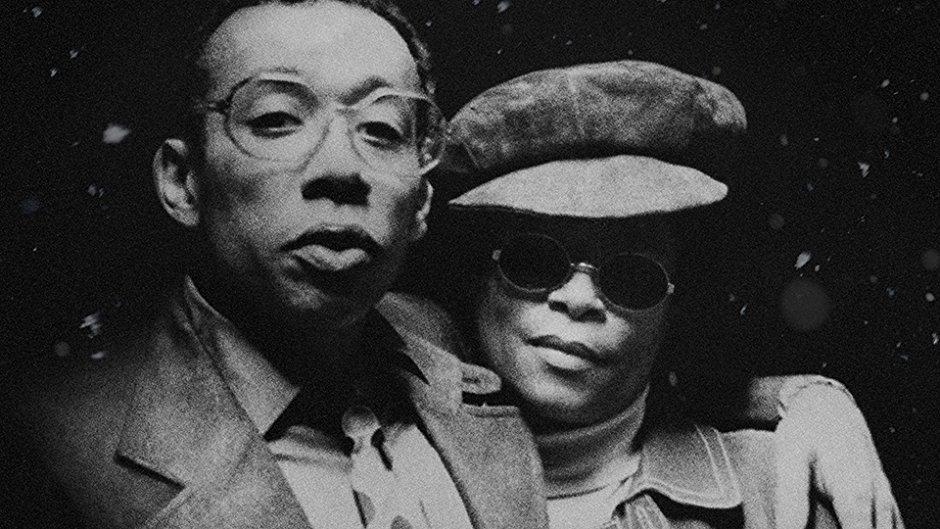
While recovering from his drug addiction, Morgan spent more time downtown teaching, performing, and working with the Jazz and People’s Movement. Unfaithful to Helen, Lee would see other women. Meanwhile Helen, who had to travel alone to and from the Bronx, and was concerned about her safety, began carrying a gun.
On February 19, 1972, a blizzard struck New York, but Morgan still found himself at Slugs’. He was set to perform at the club for the entire week and was staying downtown in the Village at the time. Helen, still living uptown, trekked down to the East Village to see Lee play. Instead of a lively trumpet performance, Helen saw Lee with another woman. A fight erupted between the increasingly estranged couple and tragically ended with a single gunshot, entering Lee’s body near his heart. Due to the blizzard, ambulances were delayed. Lee Morgan bled out on East 3rd Street outside of Slugs’. He was just 33 years old. Slugs’ Saloon shut down about a year after Morgan’s murder, lasting eight years. In that time, it became a vital hub for avant-garde jazz, where artists came to hear what couldn’t be heard anywhere else. Read more about other influential jazz musicians and sites located in Greenwich Village, the East Village, and NoHo by exploring our new interactive Jazz History map.