
Where Jazz Still Breathes: the Village Preservation Jazz Map
Village Preservation’s new Jazz Map of Greenwich Village, the East Village, and NoHo provides you with a guide that covers one hundred years of music and more than one hundred sites where great jazz was recorded or performed or where great jazz players lived. Here are a few highlights and themes you can find throughout the map:
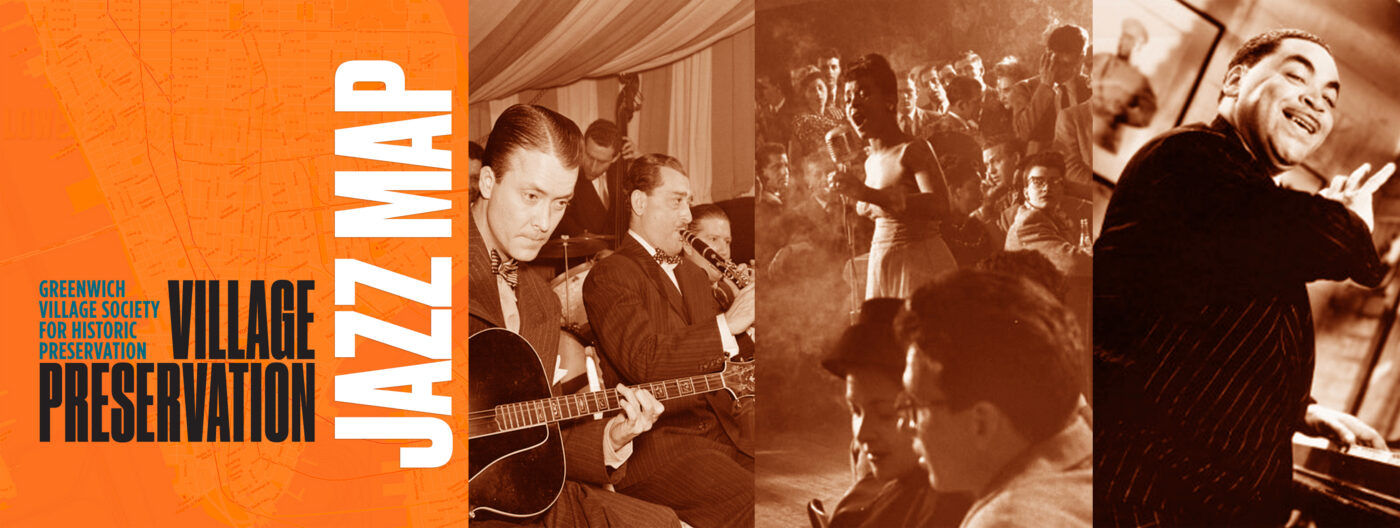
1. The Rooms That Changed Everything
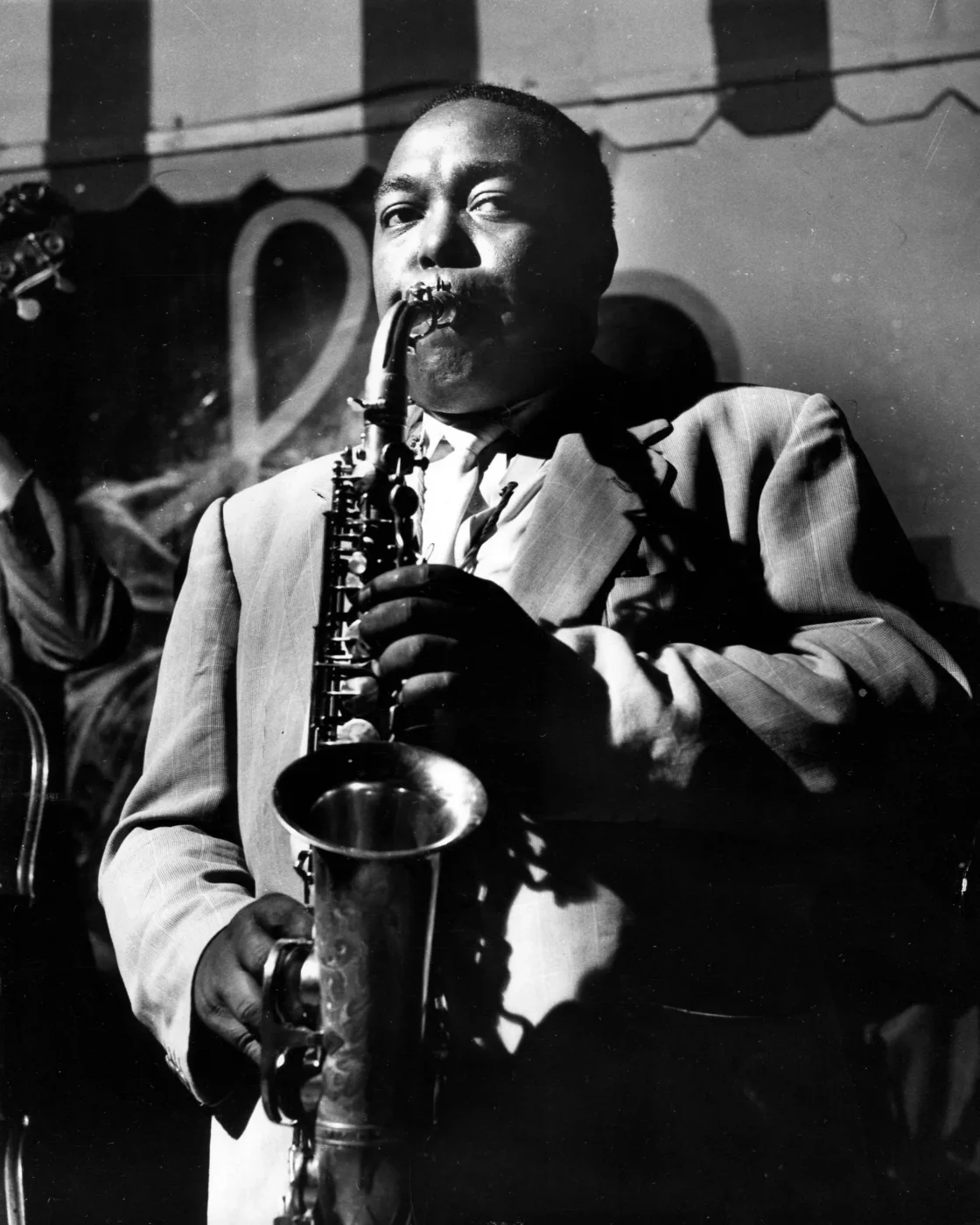
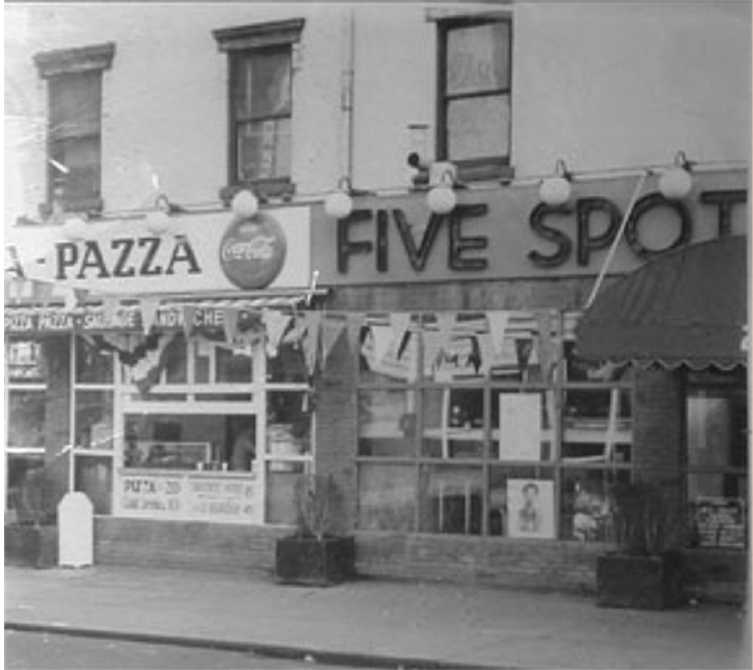
Start with the rooms.
The Village Vanguard (178 7th Avenue South), still standing, still listening. The Cafe Society (1–2 Sheridan Square), where integrated audiences sat together when that was still radical. The Five Spot Café (5 Cooper Square), where boundaries broke open.
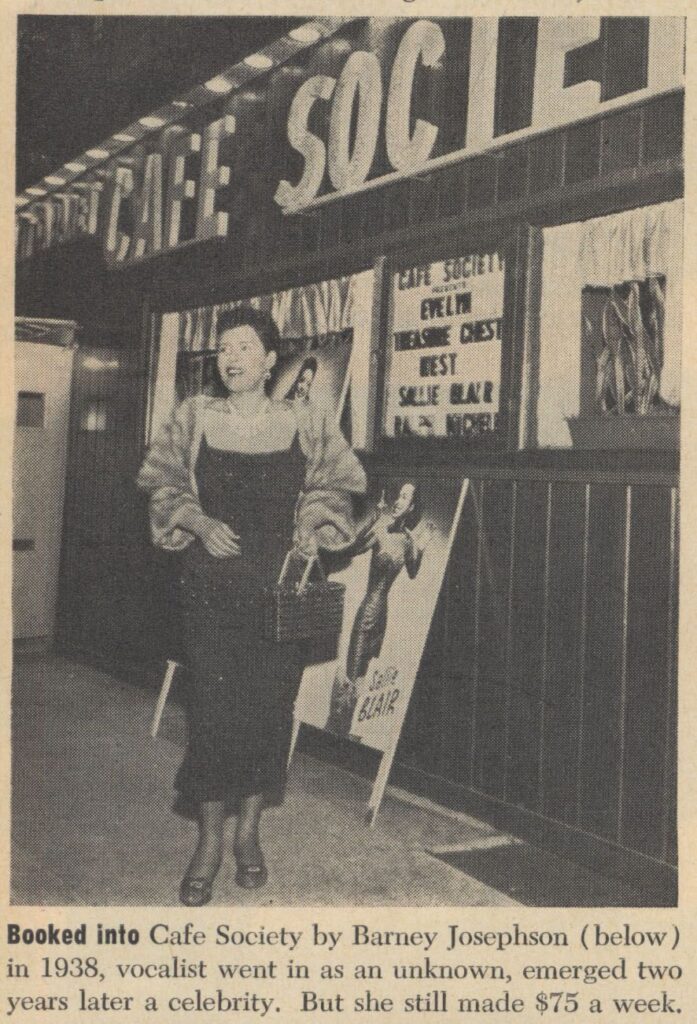
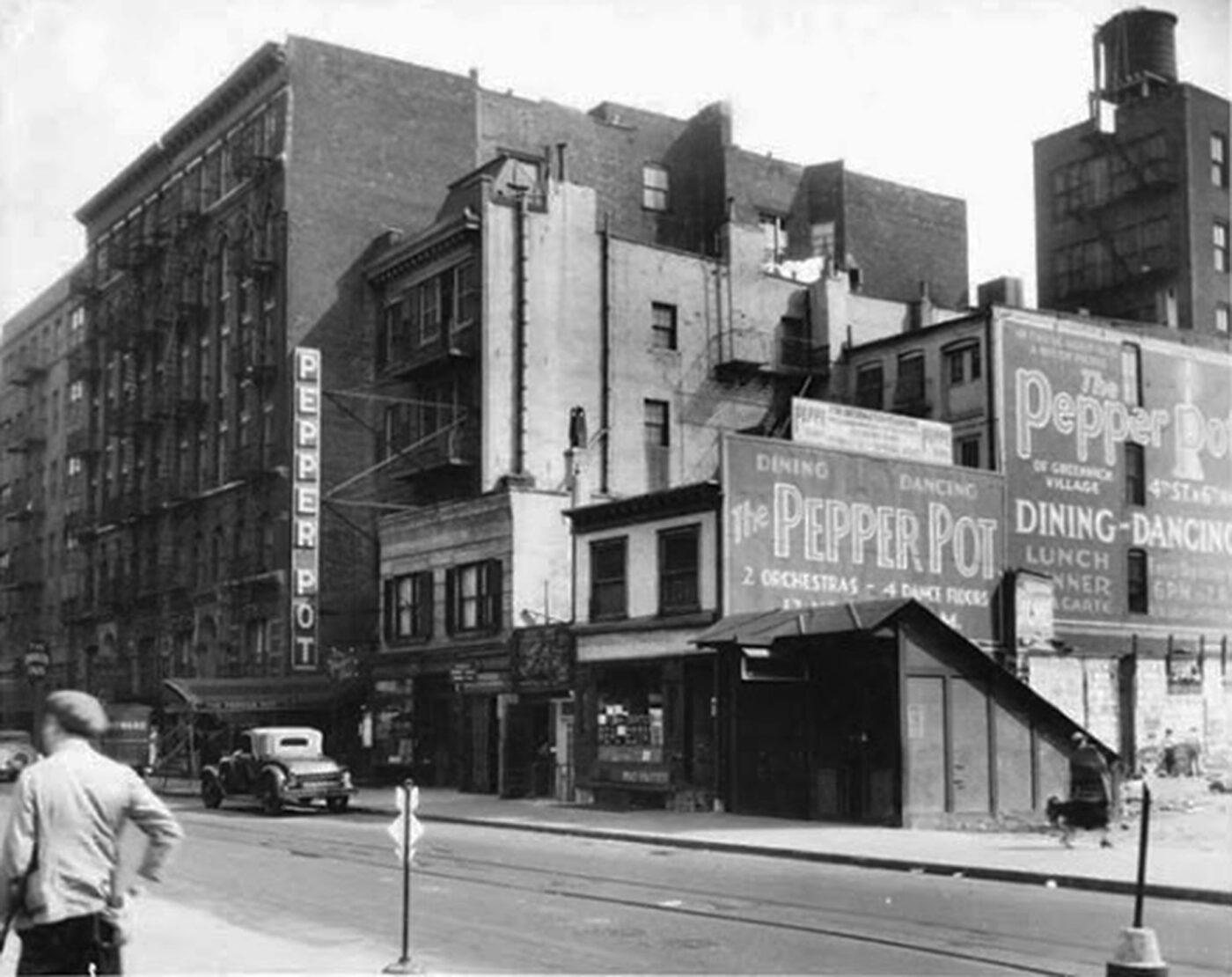
These weren’t venues. They were pressure points. Inside these walls, John Coltrane searched for something higher. Thelonious Monk bent structure until it spoke differently. Billie Holiday stood in front of a room and told the truth, no filter, no permission.
You don’t just visit these places. You step into decisions that changed music.
2. The Lives Behind the Sound
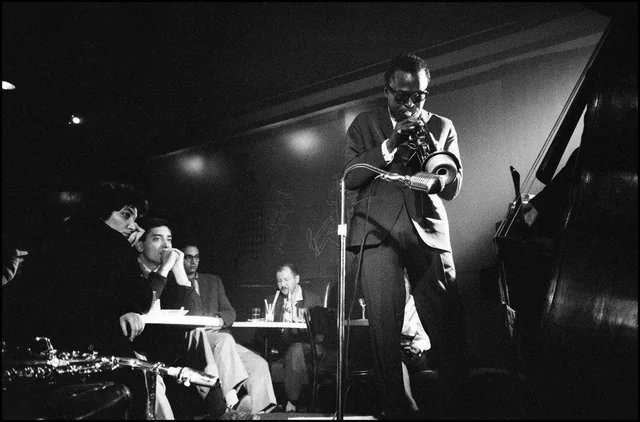
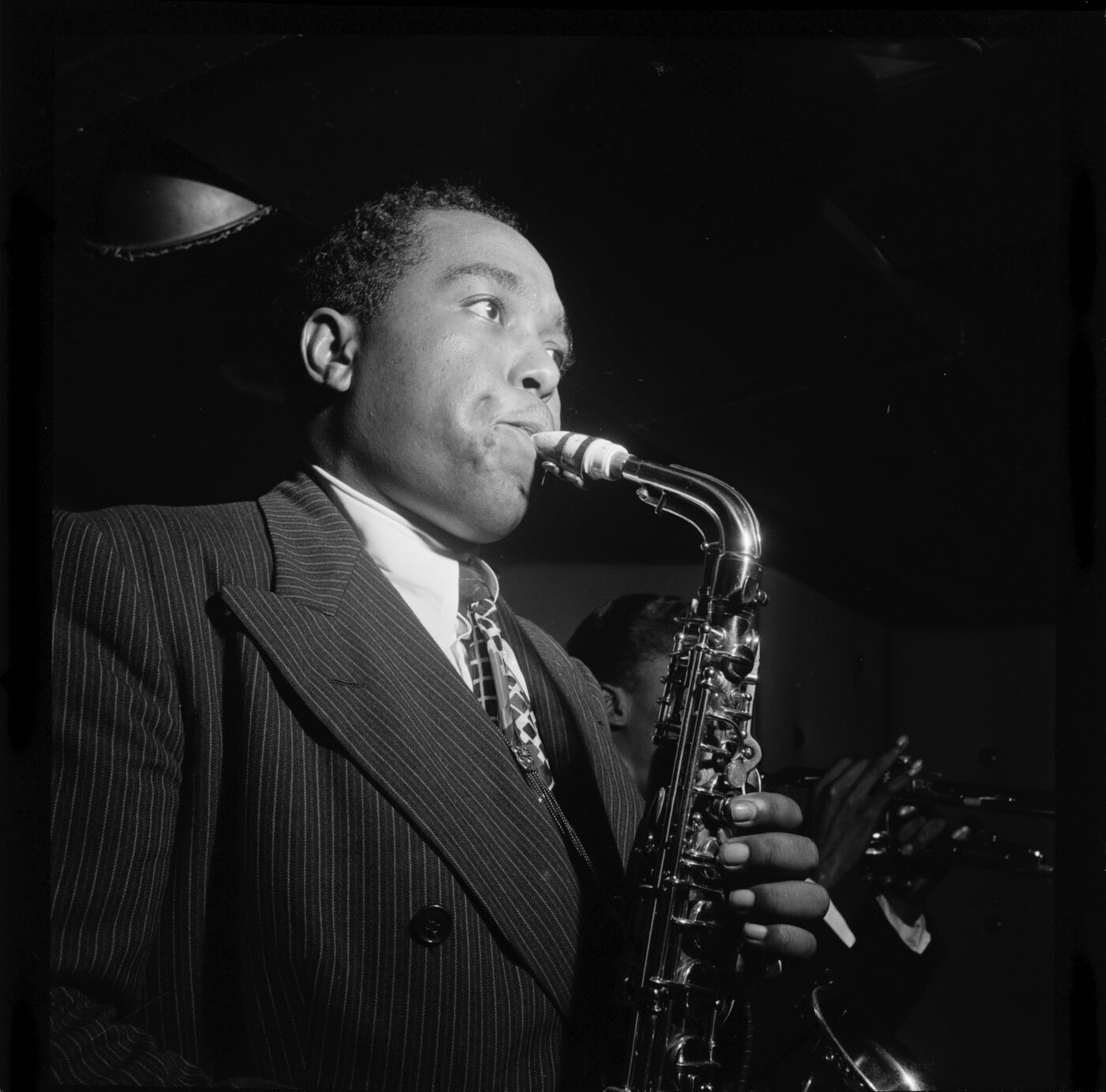
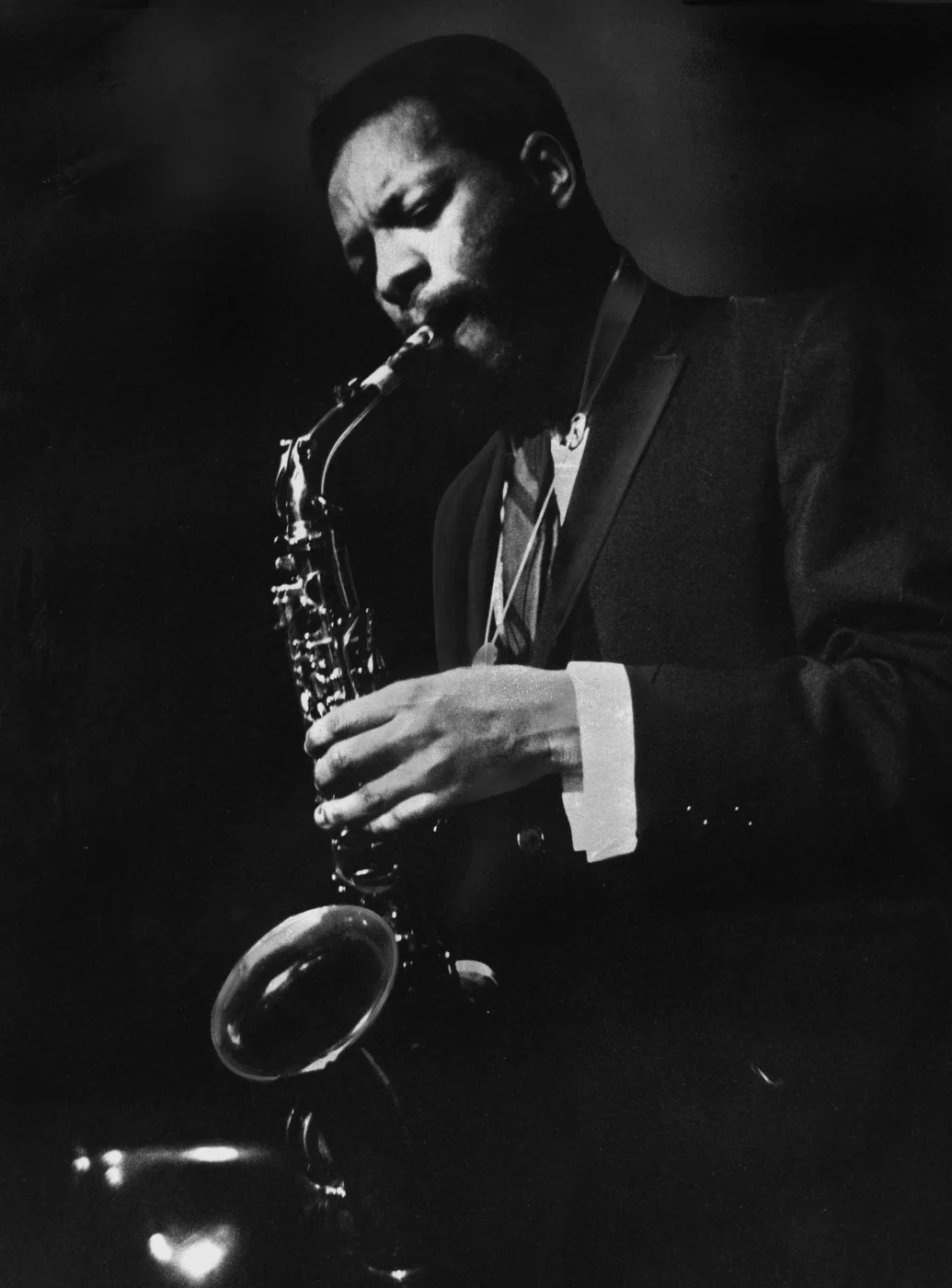
The map doesn’t stop at stages. It follows lives.
Charlie Parker moved through these streets like a storm, reshaping everything in his path. Miles Davis carved new directions, again and again, never staying still long enough to be defined.
Nina Simone brought something deeper than genre. Ornette Coleman broke the rules so completely that new ones had to be written after him.
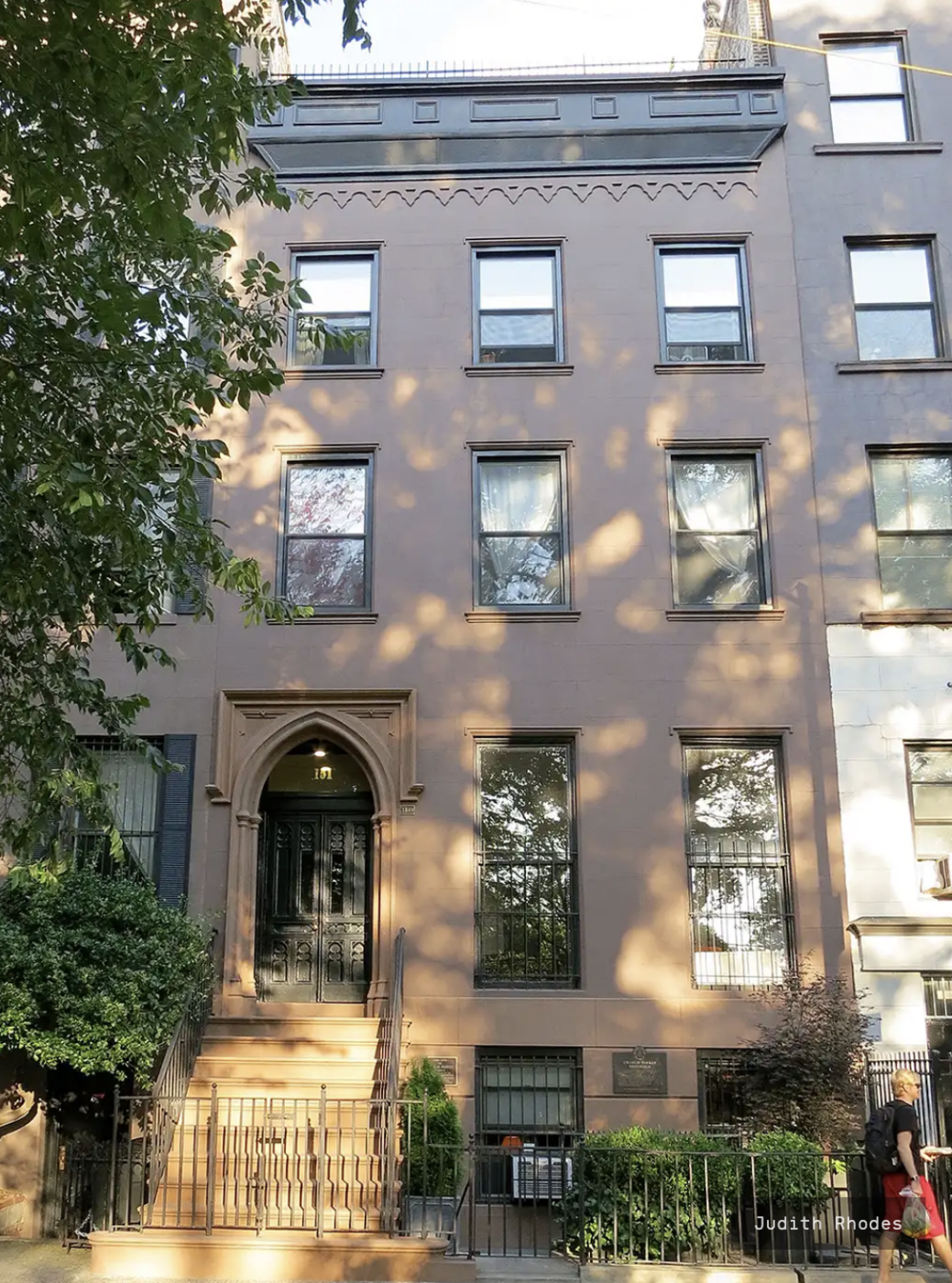
Apartments. Walk-ups. Corners you could miss if you blink.
This is the part people forget. Legends were not legends yet.
They were trying. Failing. Becoming.
3. The Streets That Carried It
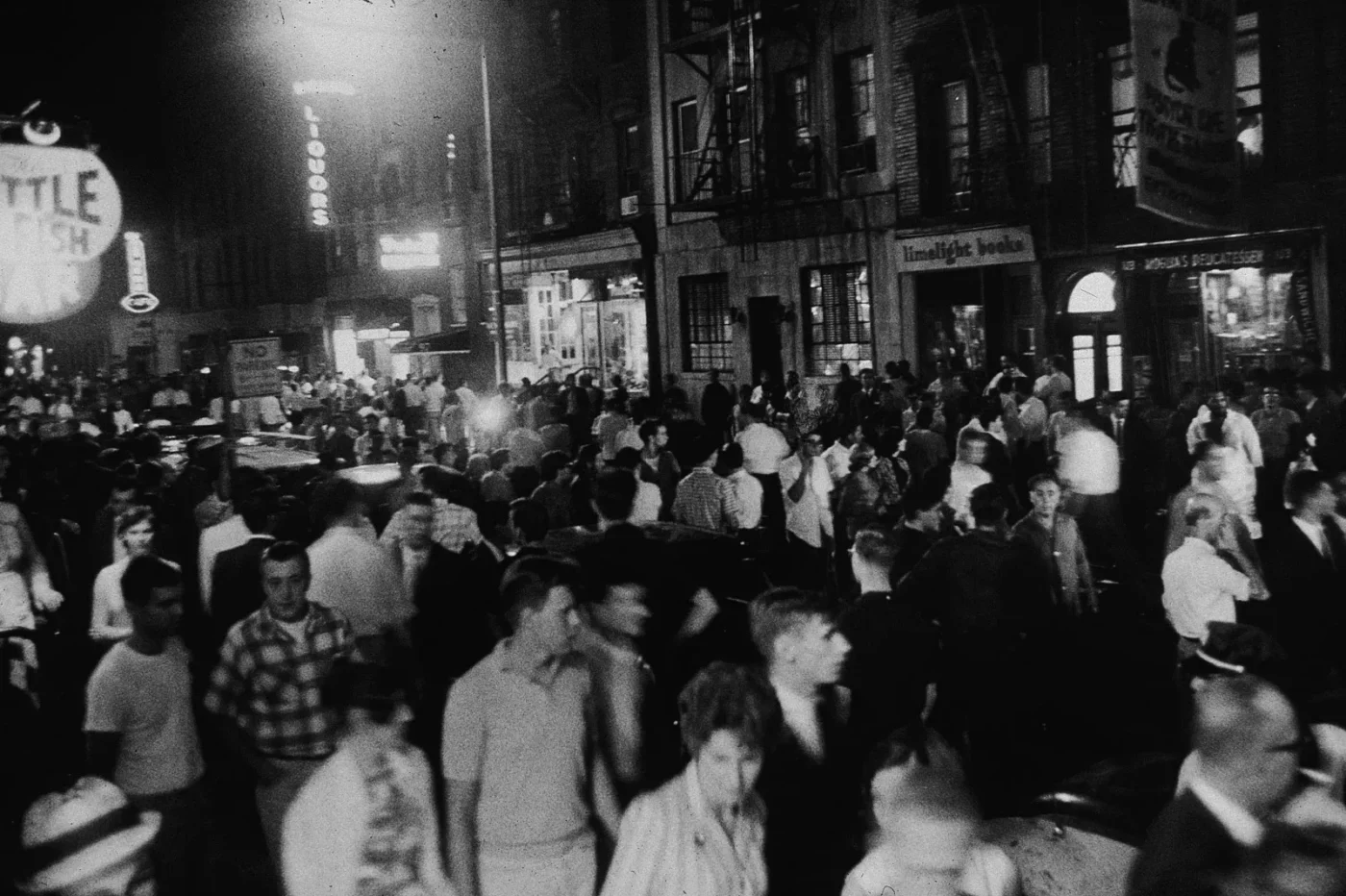
Not everything happened under a spotlight.
Washington Square Park was, and still is, a stage. Music spilled out of clubs, into the streets, into the air. No tickets. No walls.
Jazz refused containment. It lived in conversation, in movement, in chance encounters at 2 a.m.
You hear it if you slow down enough.
4. A Network, Not a Moment
The map shows something bigger than performance.
Studios. Rehearsal spaces. Places where sound was shaped before anyone heard it.
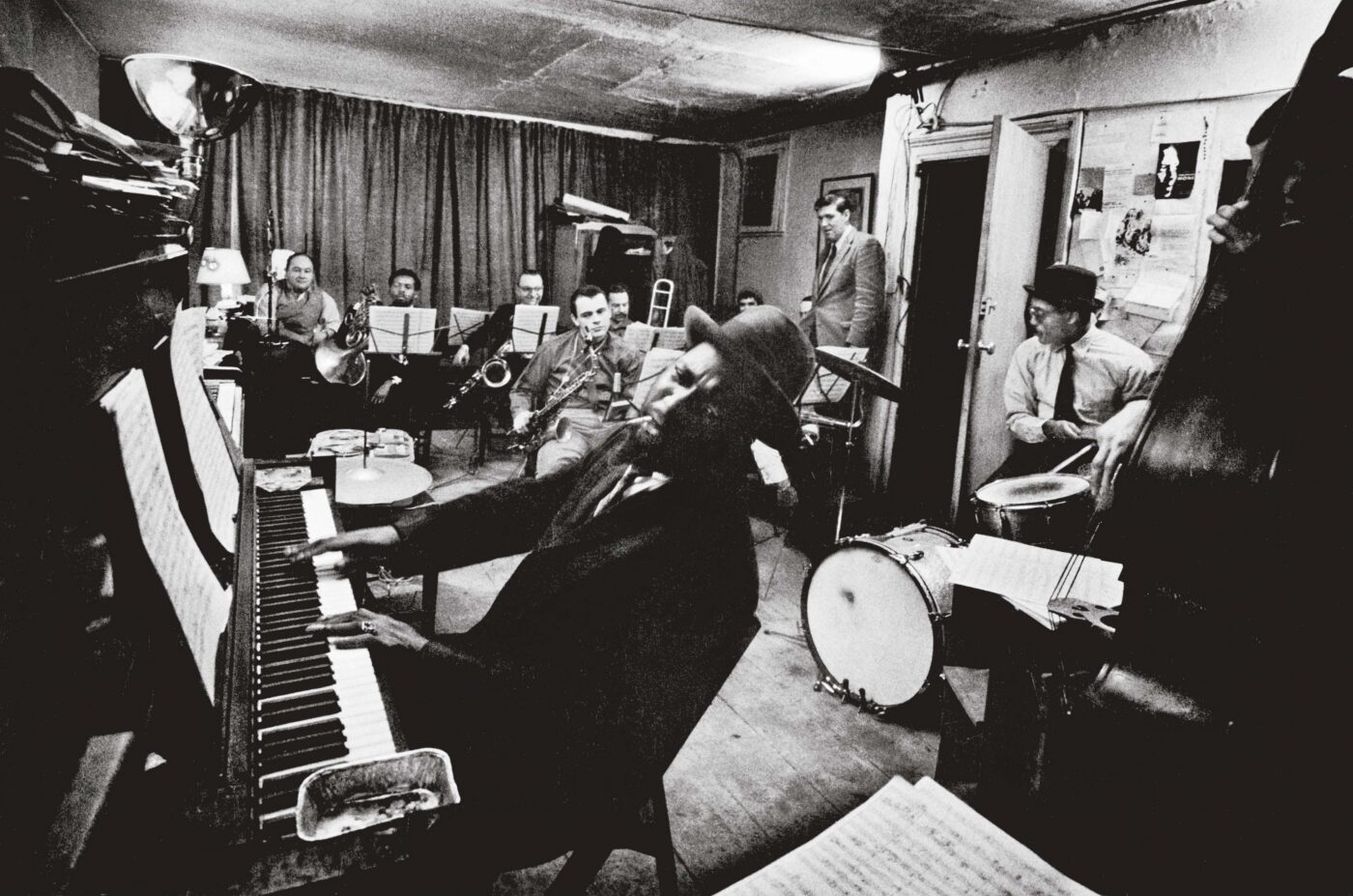
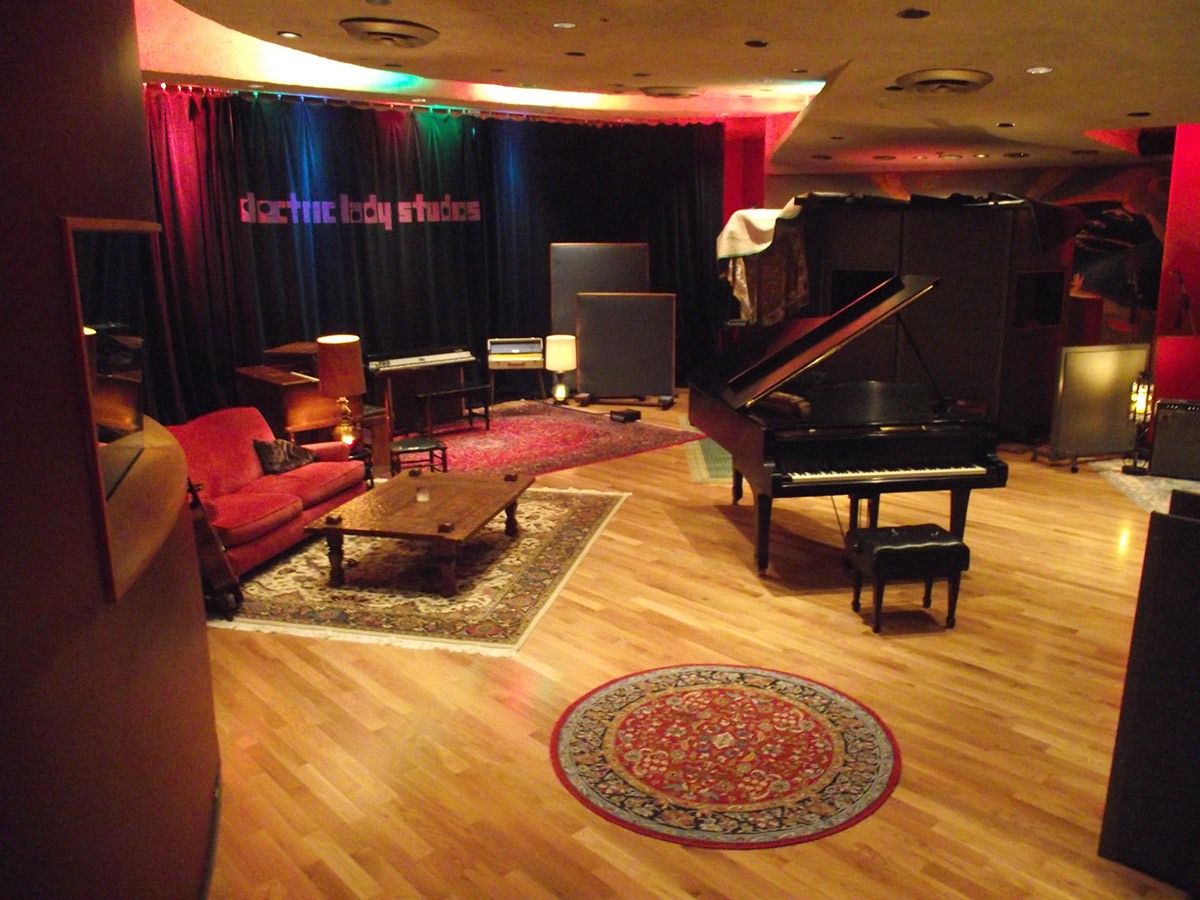
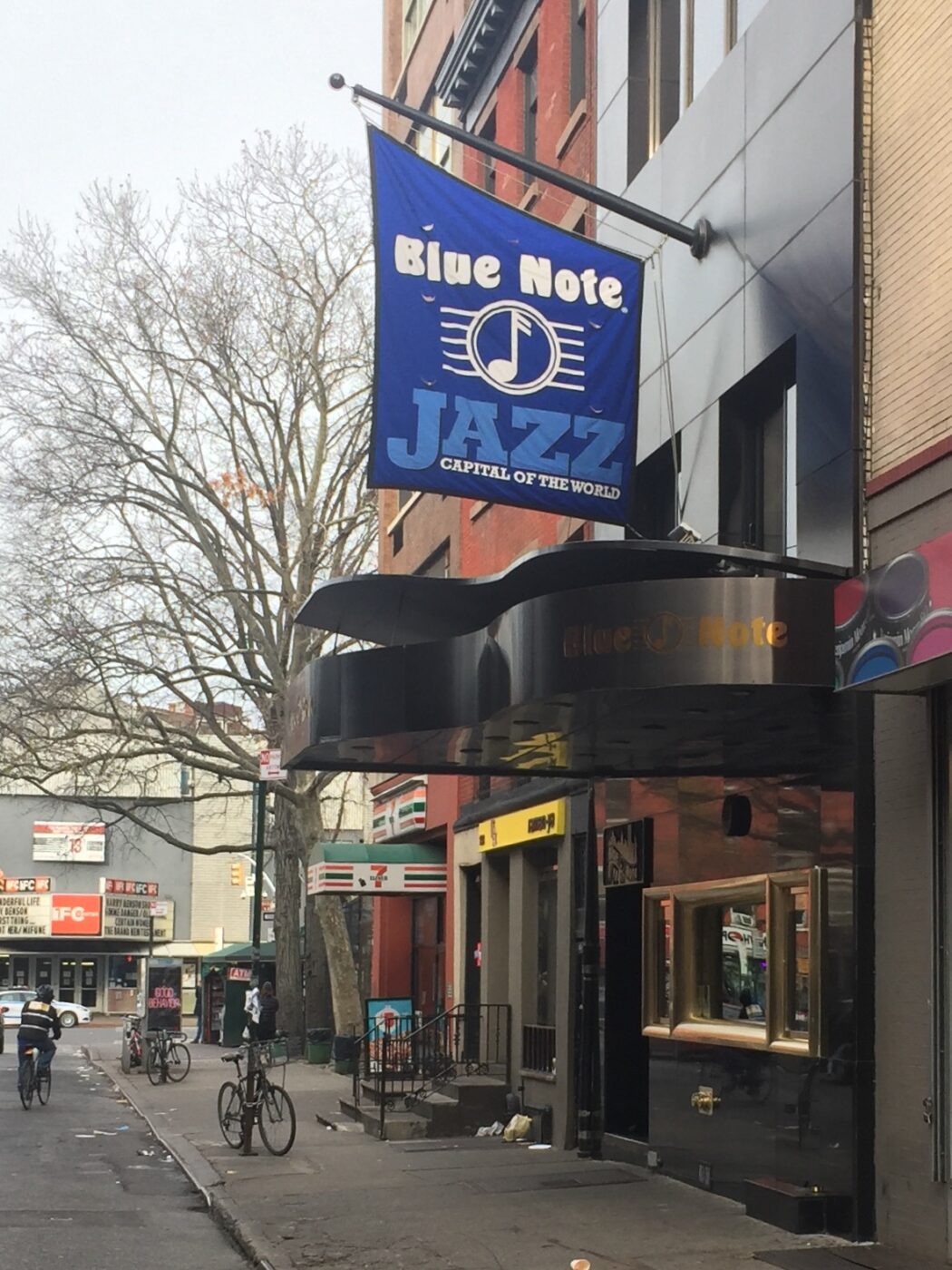
Jazz in the Village was never isolated. It collided with poetry, protest, folk, and everything else moving through these streets. That’s why it lasted.
It adapted. It absorbed. It kept going. The Village Preservation Jazz Map is not asking you to study history. It’s asking you to walk into it.
Pick a point. Stand there. Listen.
Something happened there. And if you’re quiet enough, it still is.
You can explore all our maps here.