
The Internationalism of Jazz in the Village: Africa, Brazil, and the Caribbean
The origins of jazz are famously hybrid. The Black diaspora in New Orleans’ cultural melting pot assimilated music as diverse as spirituals and marches around the turn of the 20th century; and it came up with a unique, blues-inflected, syncopated Afro-Western amalgam that, within a few years, would take the country by storm. By the 1910s, this new music had reached the shores of New York, where the first jazz record was made in 1917. Over the next decade, the city became the jazz capital of the world. Its preeminent jazz venues were located in Harlem and along 52nd Street. But it did not take long for the music to reach Greenwich Village, the East Village, and NoHo, which eventually developed arguably the most important jazz scenes in the city. (Check out our program on the first decades of this history here).
Our neighborhoods have historically been famously multicultural corners of an already multicultural metropolis. So it should come as no surprise that these were places where international musicians would settle, where international influences would shape jazz, and where the musical results would find an audience. In celebration of International Jazz Day, we look today at this aspect of the history of jazz in our neighborhoods, using the Village Preservation Jazz Map. This map includes over a hundred entries of important local music venues, recording studios, music archives, and musicians who lived here. Each entry offers images, sounds samples, and descriptions of the role played by the site in the history of jazz. The map’s various filtering tools allow users to focus on particular periods or types of entries, which they can then export as a walking tour. Today, however, we highlight a few entries that touch on the story of the music’s internationalism.
Astrud Gilberto

Astrud Gilberto, a Brazilian singer best known for her performance on Stan Getz’s 1964 Grammy Award-winning recording of Antônio Carlos’ Jobim’s “The Girl from Ipanema,” lived at 49 E 12th Street. “The Girl from Ipanema” formed part of the first collaboration between Getz and João Gilberto, one of the architects, along with Jobim, of the jazz/samba hybrid known as bossa nova. Check out her entry on the map to learn about the improbable story behind her participation in the record.
Cafe au Go Go
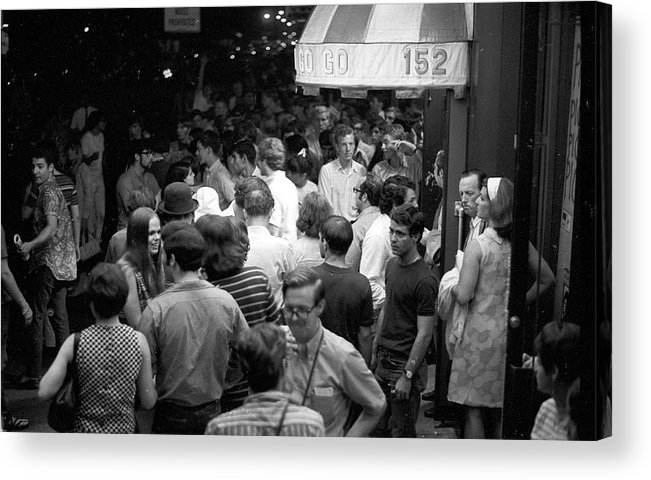
“The Girl from Ipanema” was an enormous smash. By the time the song came out, Astrud had separated from João. She rode, however, the wave of the album’s success by going on tour with the Stan Getz Quartet. The album “Getz au Go Go” (1964), most of which was recorded at Cafe au Go Go (152 Bleecker St), captures their collaboration. This venue is best remembered for major rock musicians and cutting edge comedians that performed there during the 1960s. But it also hosted prominent jazz acts, and the Stan Getz Quartet was one of them.
Randy Weston
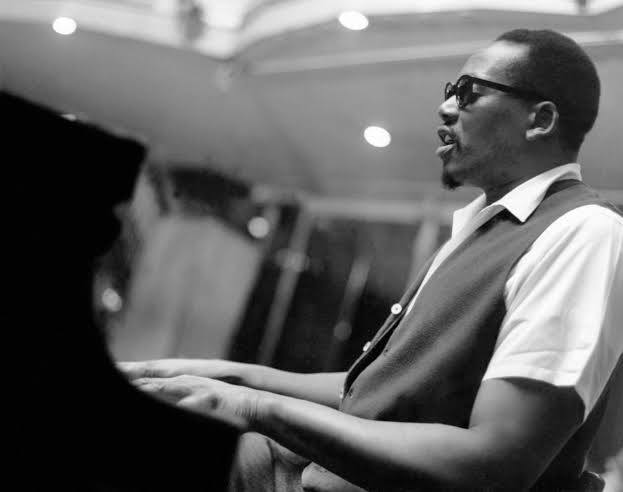
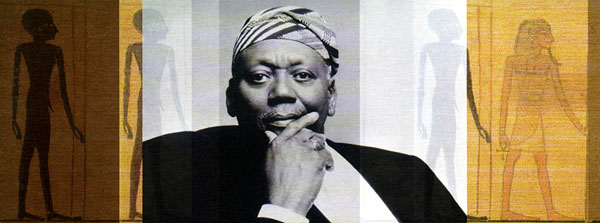
Randy Weston lived at 205 E 13th Street during the 1960s. During this time he was experimenting with the incorporation of African musical elements into his work, as can be heard in classics such as Highlife (1963) and Uhuru Africa (1961). Check out his entry to learn about his musical trajectory, which involved the mentorship of Thelonius Monk and a journey from Brooklyn to the Village, with a stop in Okinawa along the way.
Village Gate
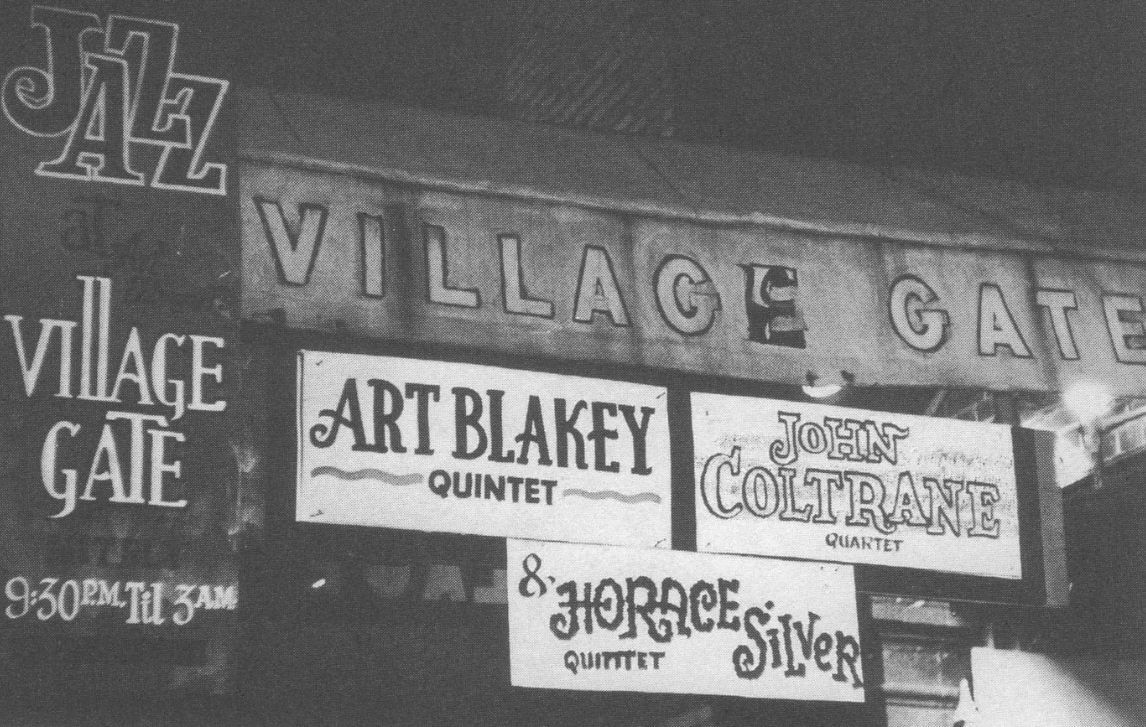
The Village Gate (158 Bleecker Street) was one of the premier jazz venues in the city during the 1960s and nurtured new directions in the music’s evolution. One of its noteworthy contributions consisted of bringing together the worlds of jazz and Latin music through its concert series. In the 1960s, when interest in Latin music was growing, Symphony Sid, one of the DJs responsible for popularizing bebop, ran weekly concerts at the Village Gate that often featured salsa musicians. Then, in the 1970s, DJ Roger Dawson hosted a long-running weekly program called “Salsa Meets Jazz” that invited the likes of Sonny Stitt, Pharoah Sanders, Dizzy Gillespie, and Wynton Marsalis to jam with premier Latin music bands.
The convergence in the Village of jazz and international musical influences is one of the many “hidden” stories that emerge from an exploration of the Village Preservation Jazz Map. We invite you to uncover others! And check out some of our other maps, which offer a variety of other ways of exploring the rich history of our neighborhoods.