
The Albert: Where Songs Were Born
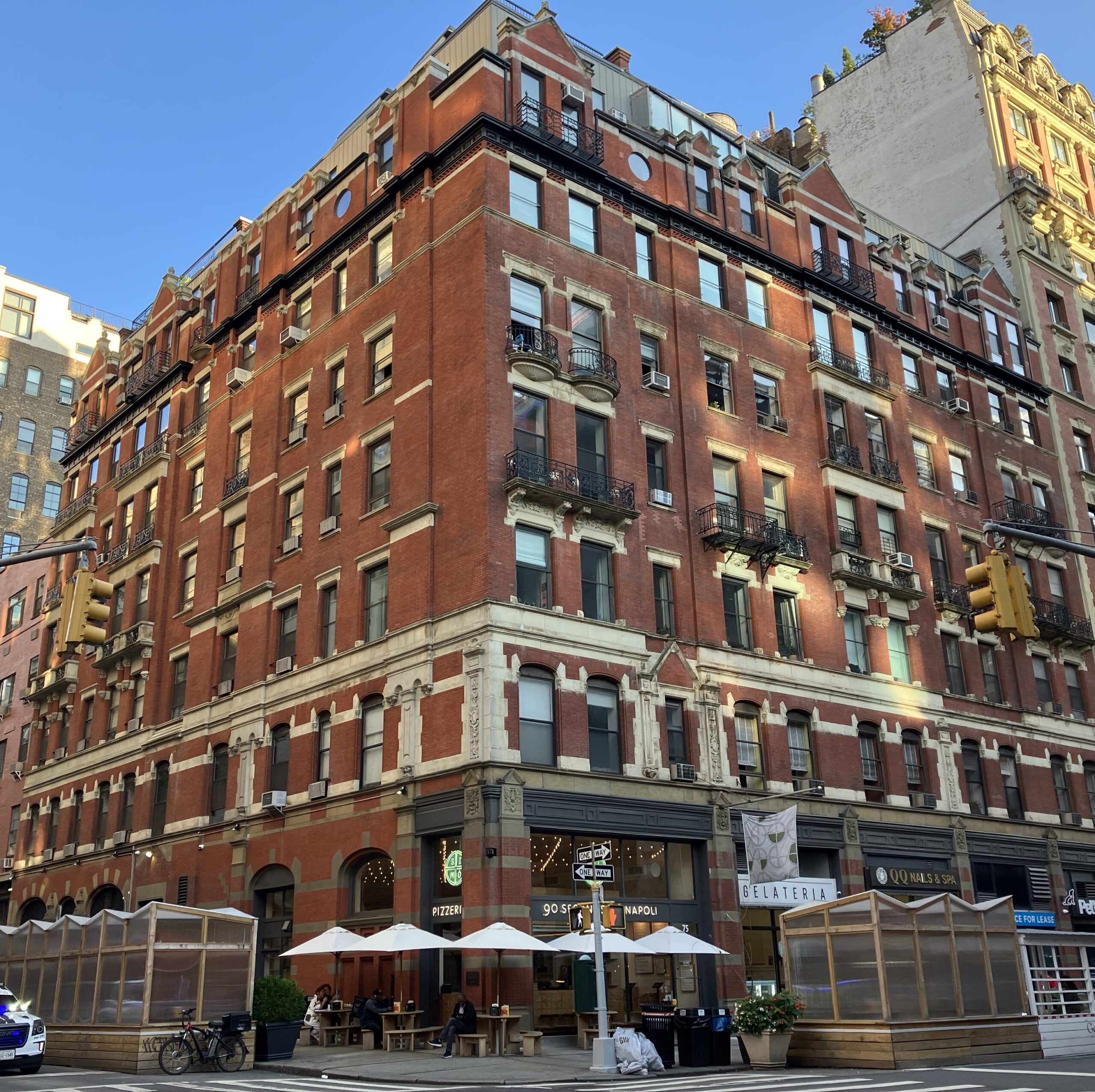
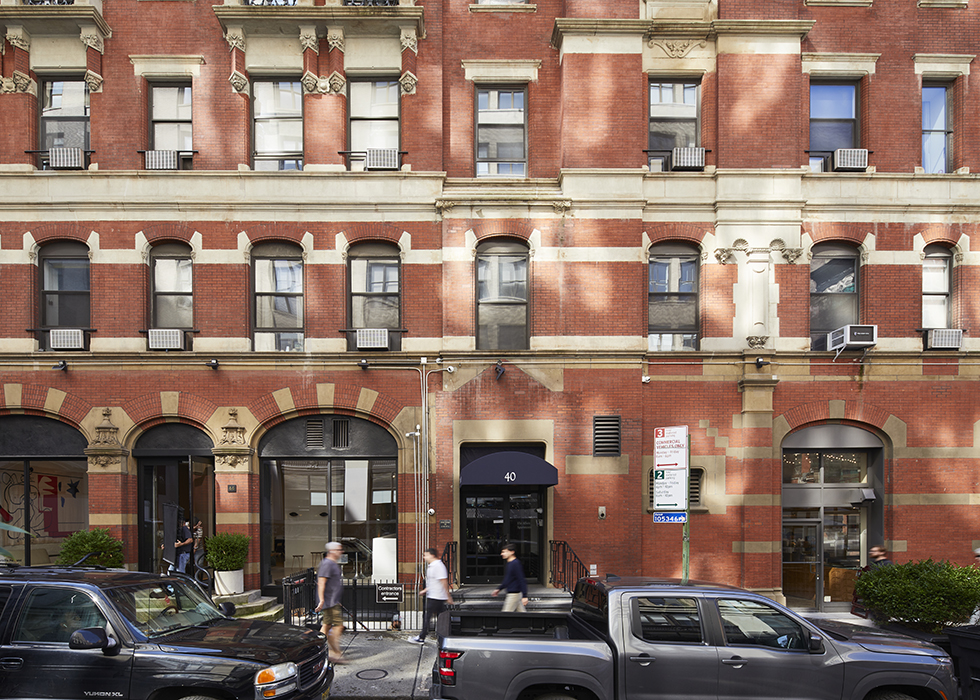
40–52 East 11th Street, Greenwich Village
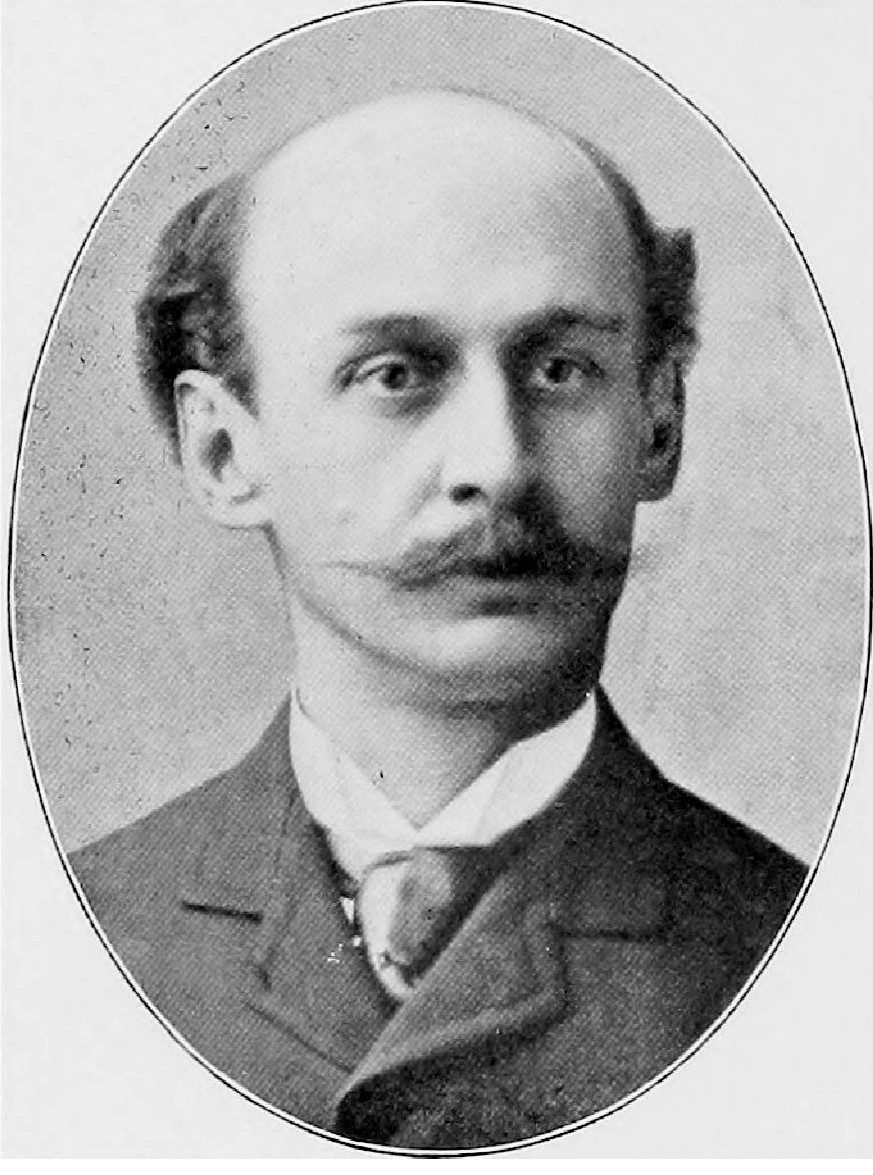
Just off University Place, at 40–52 East 11th Street, stands a building whose story is inseparable from New York’s creative heartbeat. The Albert began in the early 1880s as one of Manhattan’s first “French flats,” designed by Henry J. Hardenbergh—the visionary architect behind The Dakota and The Plaza. These elegant, Paris-inspired apartments introduced a new concept of city living, combining luxury with practicality. Steam heat, high ceilings, and refined detailing offered comfort without the burden of maintaining a private townhouse. They reflected a city in transition, leaning toward modernity.
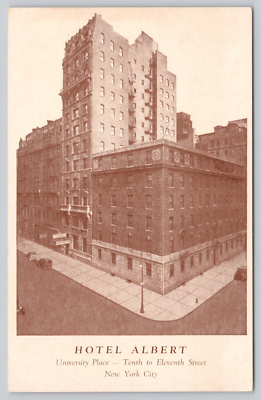
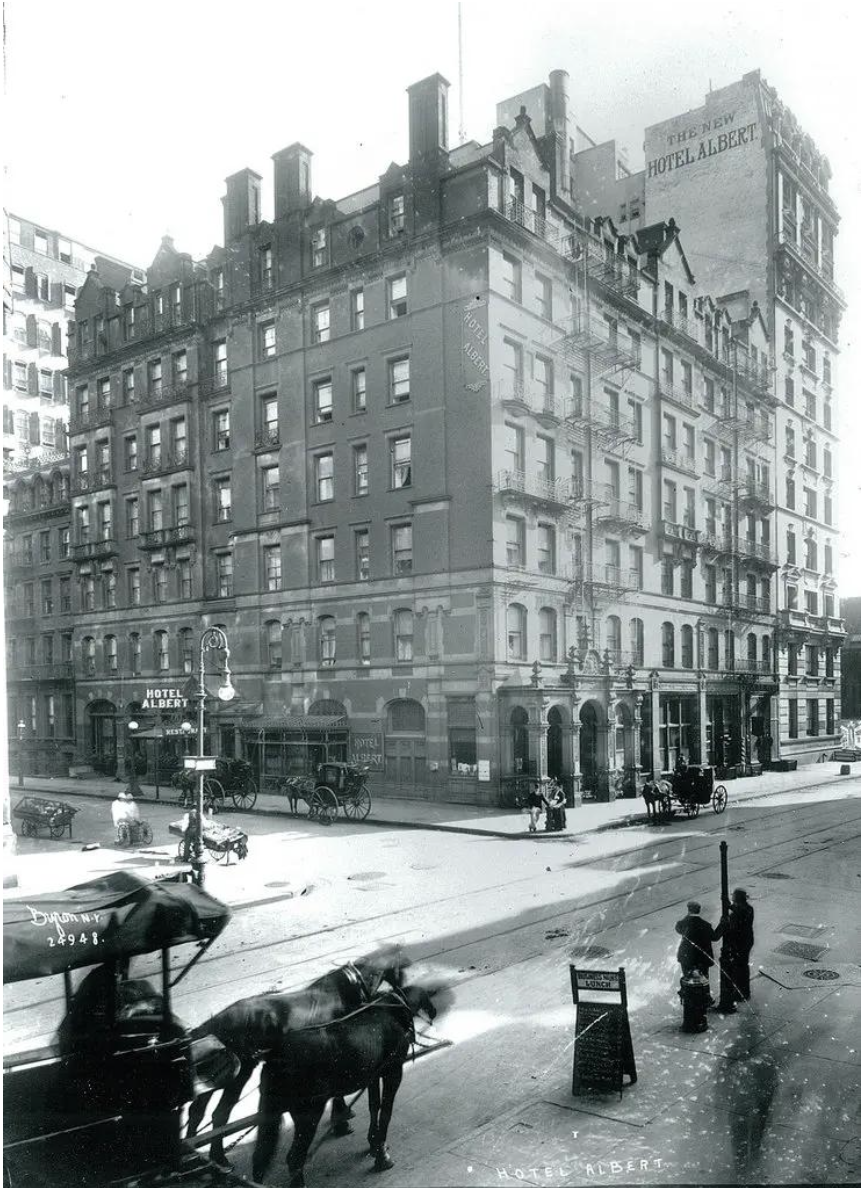
But over time, polish gave way to pulse. As the decades rolled on, The Albert’s genteel beginnings softened into something more vibrant and raw. Just a few years after opening, the apartment building was converted into an upscale hotel, with neighboring buildings on 11th Street and University Place added or conjoined to the original Albert Apartments to become the Albert Hotel. By the 1950s and 60s, the once-prestigious hotel had become noticeably more downscale, but still (or perhaps more than ever) a creative refuge for artists, poets, and musicians drawn to Greenwich Village’s magnetic pull. The rooms were small, the rent was cheap, and the walls had seen better days—but that was precisely the appeal. The building’s cracks and corners invited noise, experimentation, and late-night collaboration.
It was here that The Mamas & the Papas found their sound and, quite literally, their biggest song. In the winter of 1963, John and Michelle Phillips were living at the Albert when a bout of homesickness and cold inspired “California Dreamin’.” Michelle, a California native, longed for sunshine while trudging through Manhattan’s gray winter chill.
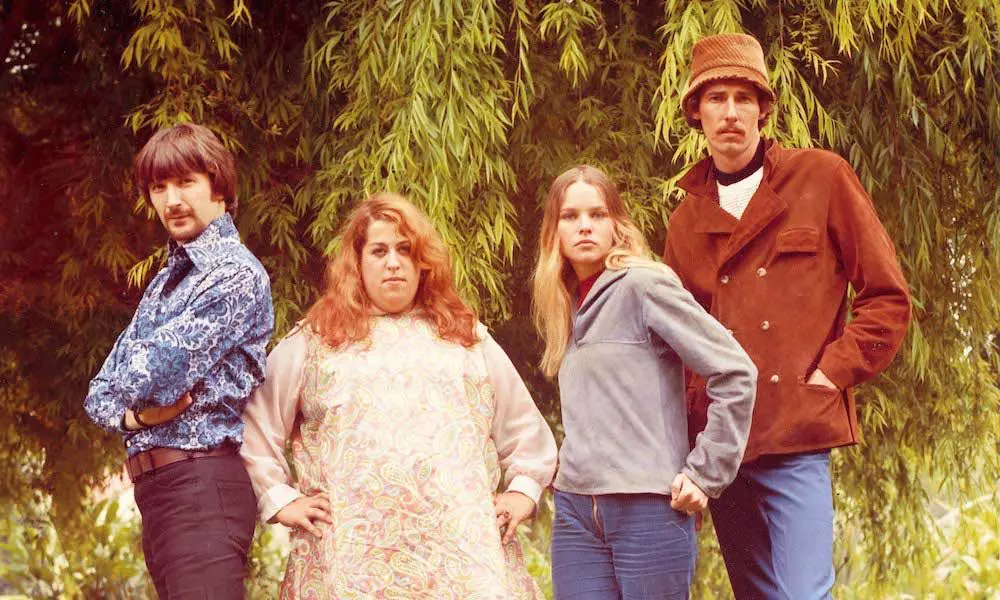
One night, she woke John to share the line that had been looping in her head: “All the leaves are brown, and the sky is gray.” Together, in their small hotel room on East 11th Street, they wrote what would become one of the defining anthems of the 1960s—a song of longing, warmth, and escape that carried the golden light of California straight from a cold New York winter.
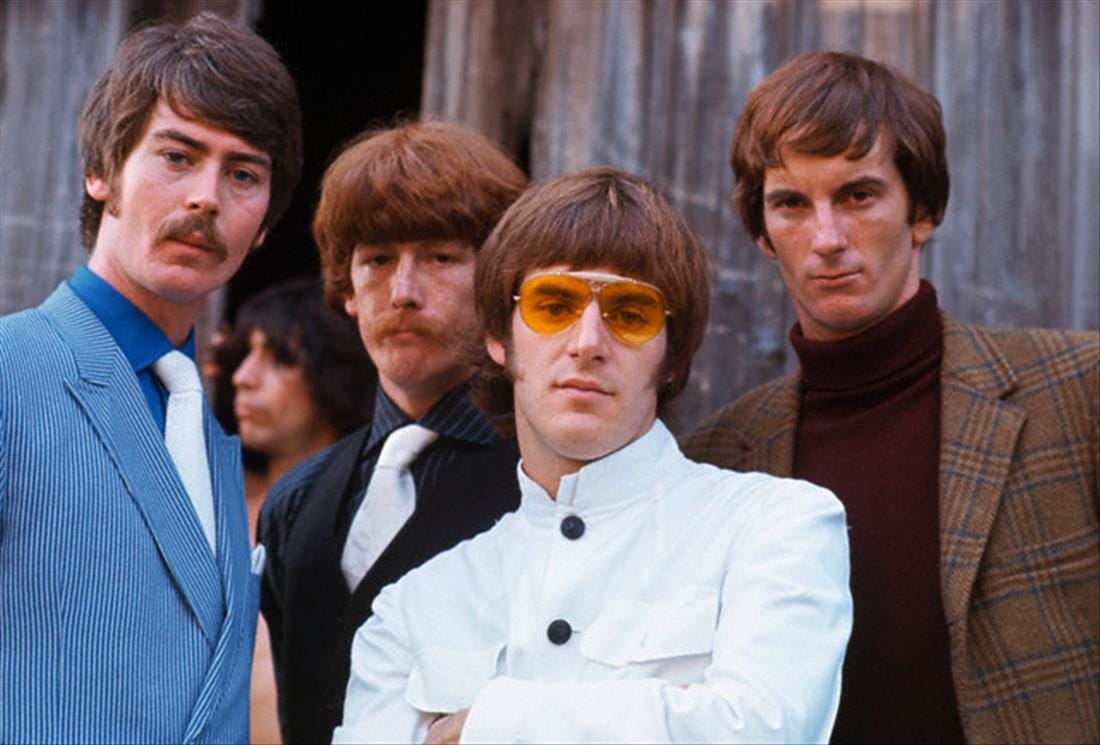
They weren’t alone in their creative storm. The Lovin’ Spoonful were crafting “Do You Believe in Magic” within those same walls, capturing the playful optimism of the Village’s folk-rock scene. A young James Taylor lived and rehearsed there with bassist Zack Wiesner, shaping the early songs that would introduce his tender, introspective sound to the world. Joni Mitchell passed through too, part of the loose constellation of artists who floated between rooms, instruments, and ideas.
The building itself seemed to invite creation. The Albert’s basement—dark, damp, and cluttered—became an unofficial rehearsal hall. There was no separation between living space and creative space. Musicians could jam at all hours without fear of complaints. The walls absorbed their sound, their frustration, their breakthroughs. Creative space doesn’t need polish; it needs permission. The Albert gave that freely.
Its very design carried resonance. Hardenbergh’s “French flats” were about communal living—independent households sharing one roof, connected by architecture. That spirit of proximity carried through its transformation into a hotel. Artists lived near one another, heard one another, borrowed chords and words. The hotel-to-flat-to-music-space evolution created layers of meaning: structure giving way to spontaneity, elegance giving way to expression.
Community thrived here. The Albert’s residents weren’t solitary geniuses—they were collaborators, dreamers, and wanderers bound by sound. That closeness made creation inevitable. The Village outside pulsed with energy; inside, the hotel echoed it back. Every room became a verse, every hallway a chorus.
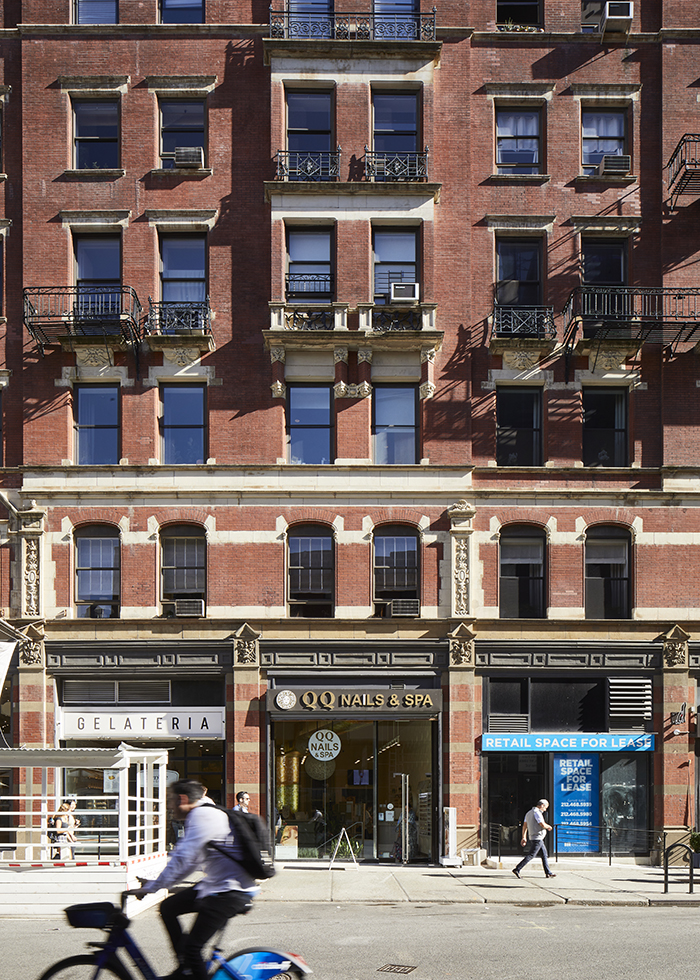
Today, The Albert stands restored, quiet, and unassuming, its façade hiding the wild creative life it once sheltered. But if you stand on East 11th Street and listen closely, you can almost hear it—the echo of guitars, the scratch of a pen against paper, the hum of a song that would change everything.
To learn more about this remarkable building and its place in New York’s musical and architectural history, visit Village Preservation’s feature on the Hotel Albert.
To explore the visionary behind its design, discover Henry J. Hardenbergh’s story and his influence on French flats.
And to dive deeper into the history of French flats and experience an interactive map of these groundbreaking buildings across the Village, visit Village Preservation’s French Flats StoryMap.
The Albert stands as proof that art and architecture can share a heartbeat—a reminder that even cracked walls can carry songs, and that beauty often begins where comfort ends.