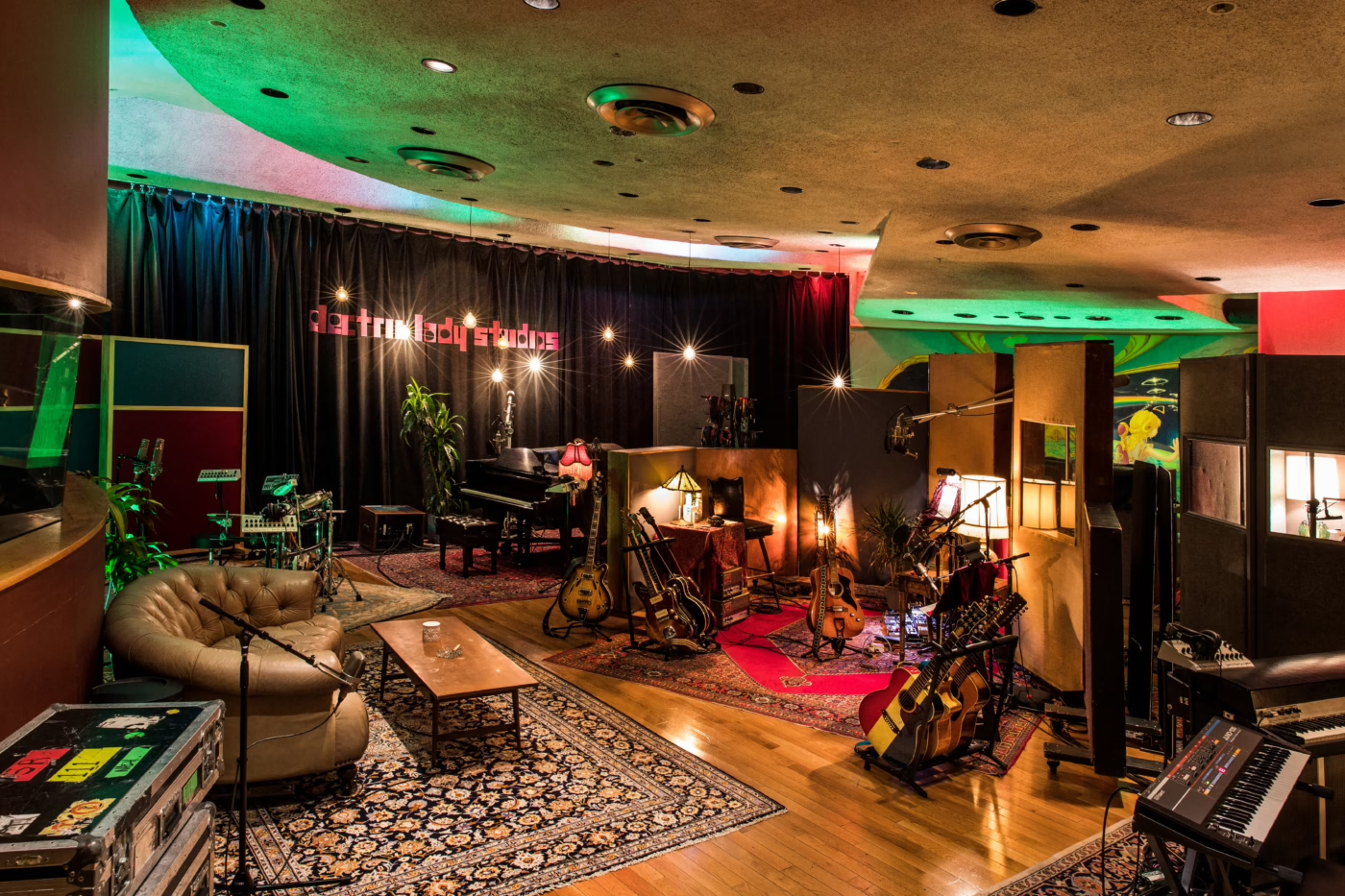
The Village & The Electric Lady
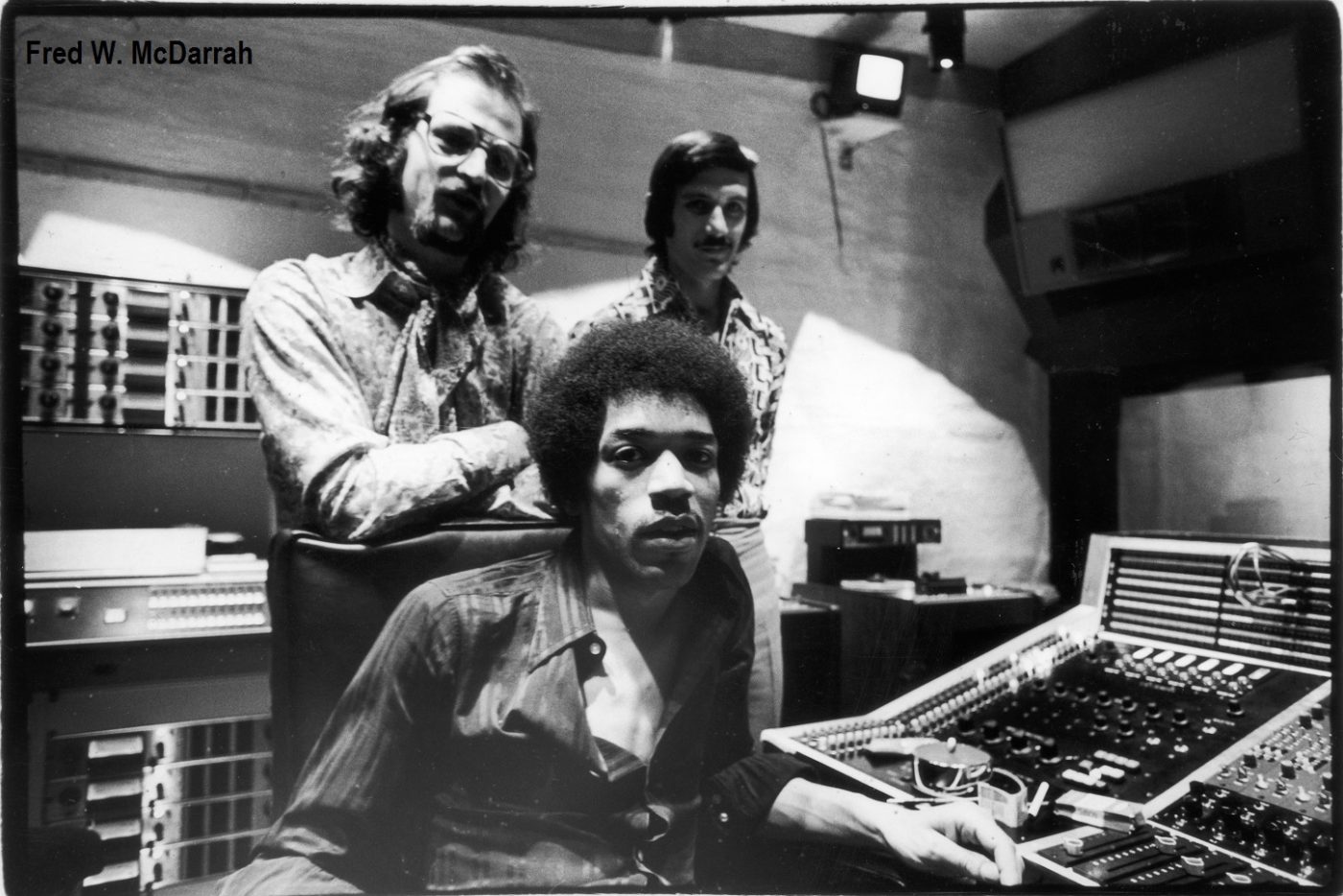
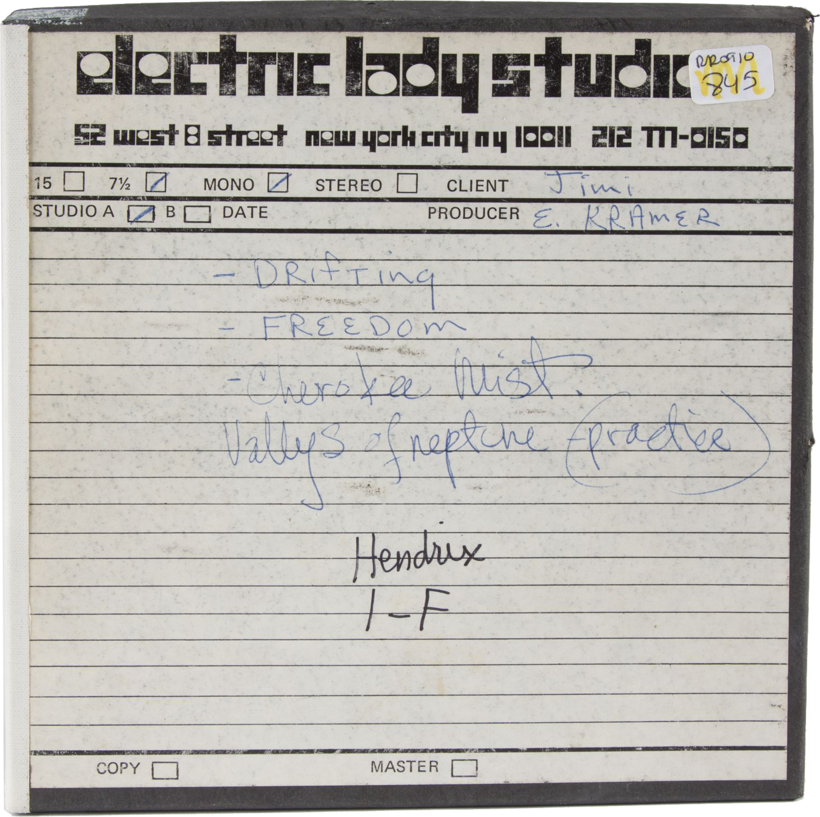
Electric Lady Studios exists because Jimi Hendrix refused to rush inspiration. In 1968, frustrated by expensive studio time and rigid schedules, Hendrix purchased the failing Generation Club at 52 West 8th Street in Greenwich Village. His vision was radical and simple: a place where musicians could work without watching the clock, that felt alive. Working with architect John Storyk and legendary engineer Eddie Kramer, Hendrix helped design a studio unlike anything New York had seen. Curved walls replaced sharp corners. Colored lighting replaced harsh fluorescents. Sound was treated as something organic, meant to move and breathe.
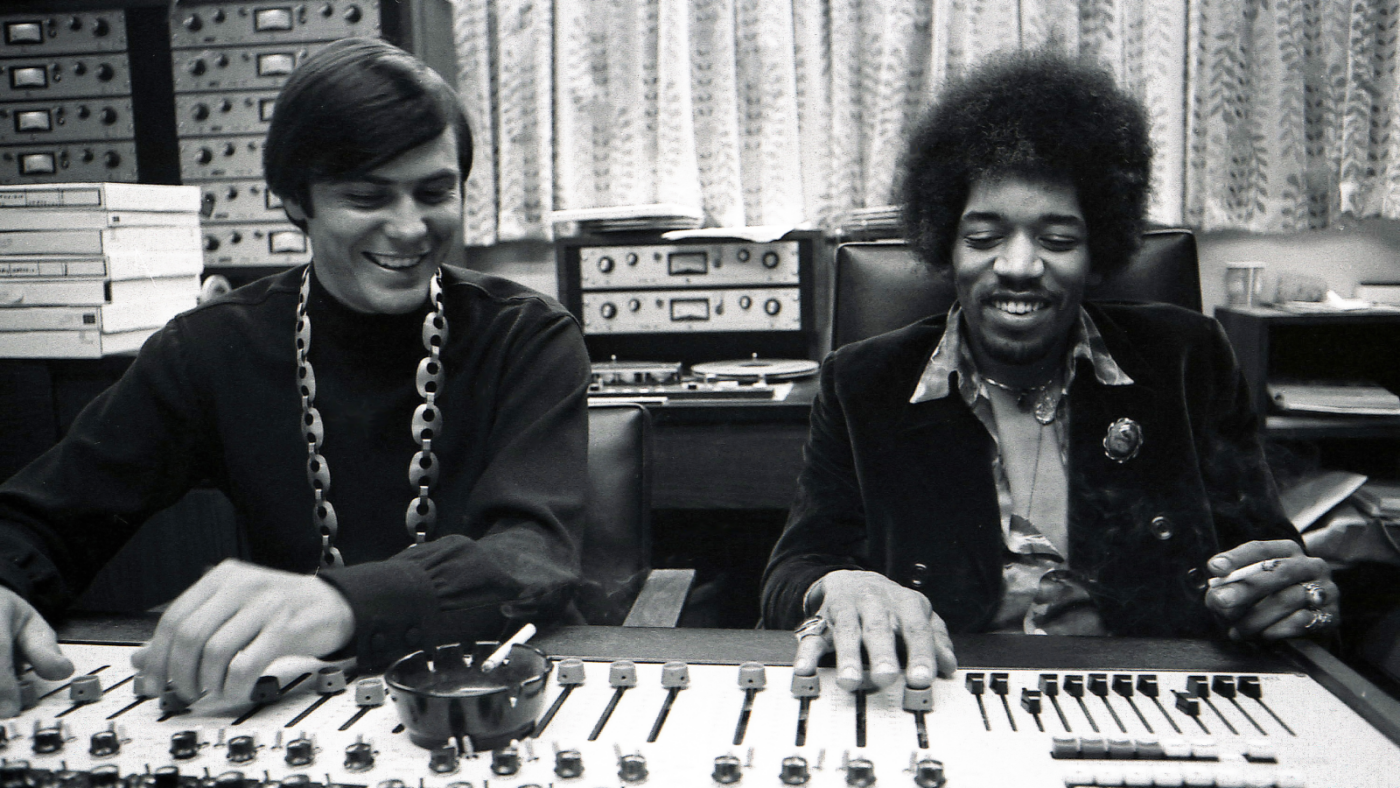
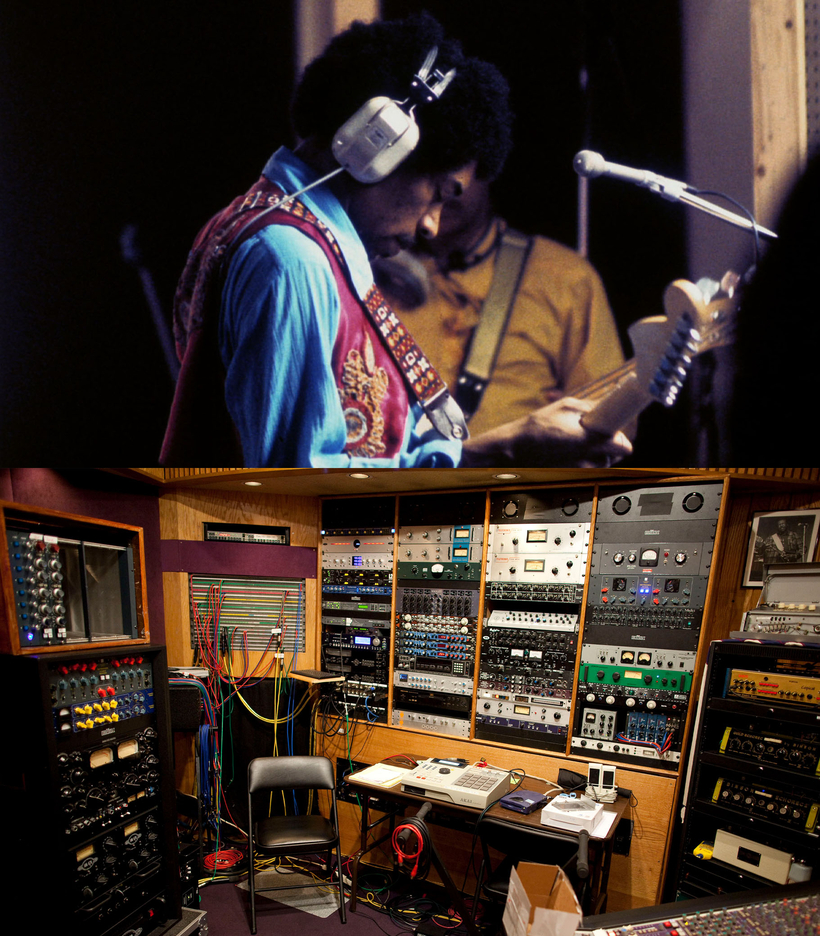
Electric Lady officially opened in August 1970. Hendrix only recorded there for a short time before his death that September, but those sessions set the tone. Songs like “Angel,” “Freedom,” and “Night Bird Flying” were shaped inside the studio, later released on The Cry of Love and Rainbow Bridge. Electric Lady was never meant to be a monument. It was meant to be used.
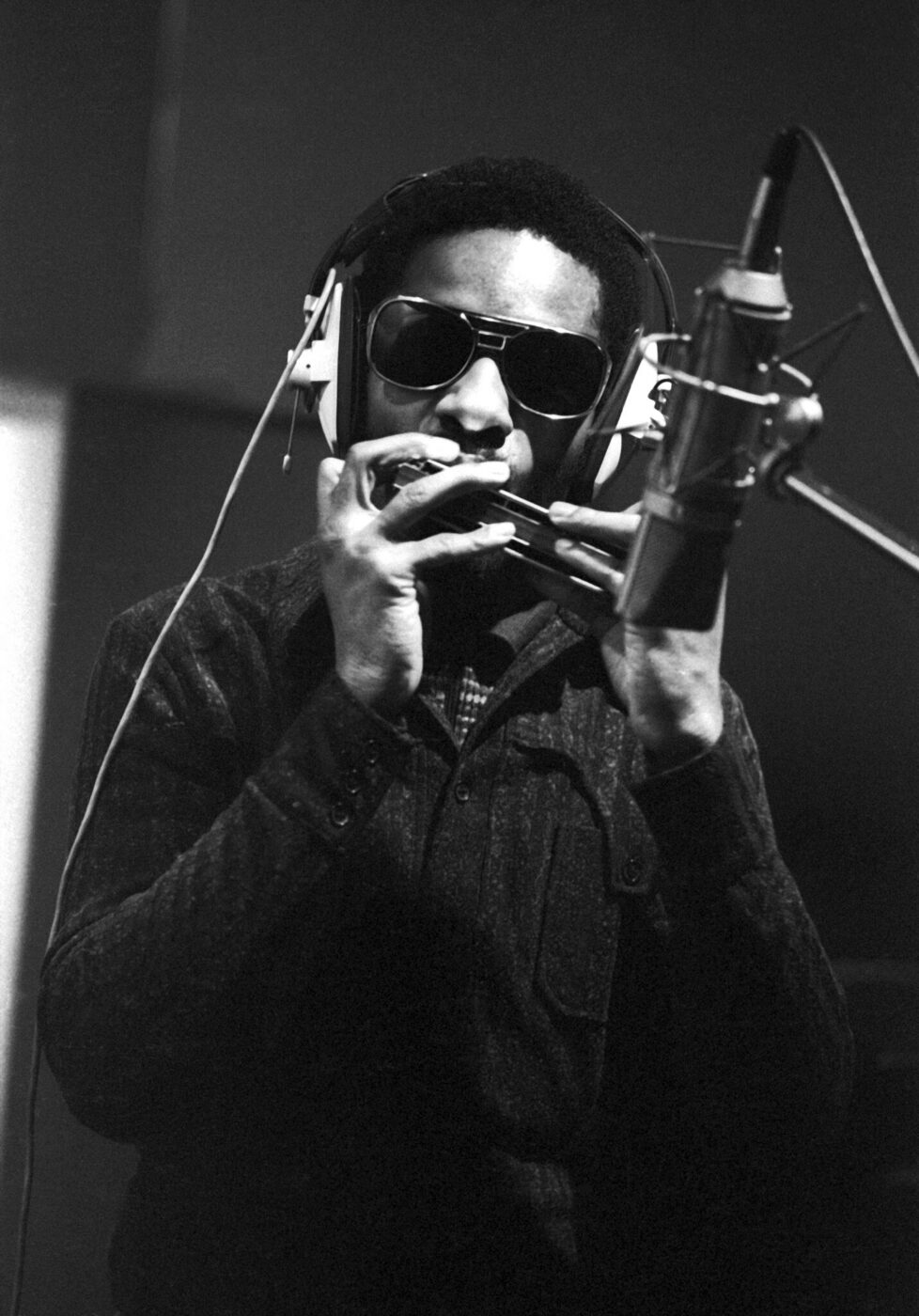
One of the first artists to truly inhabit the space was Stevie Wonder. In the early 1970s, Wonder was in the middle of a creative rebirth, newly freed from the constraints of Motown’s control. Electric Lady became both his workshop and his home. Stevie spent long stretches living in the studio, sleeping odd hours, writing constantly, experimenting without interruption. The studio’s openness mirrored the direction in which his music was heading.
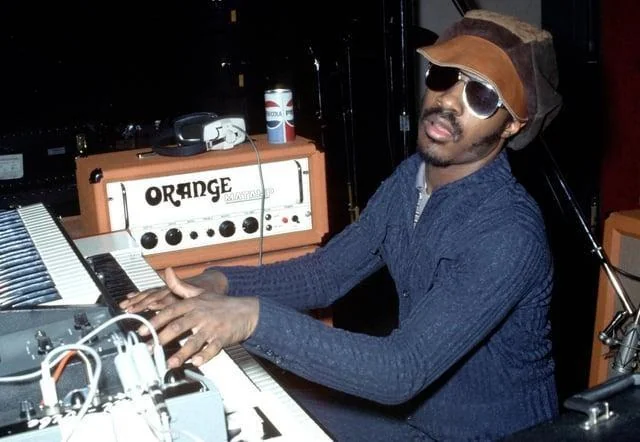
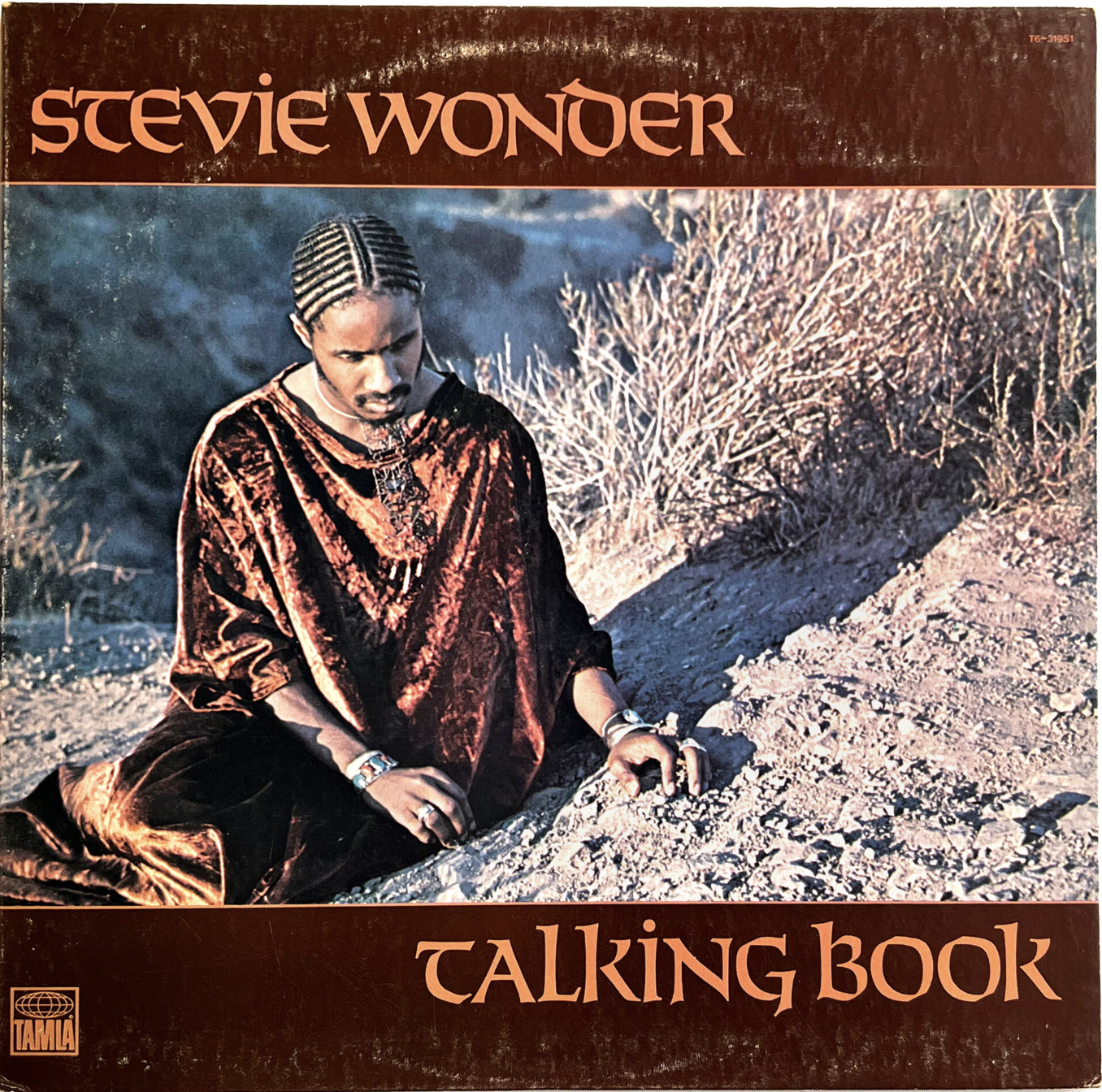
Much of Music of My Mind and Talking Book was recorded at Electric Lady. Talking Book, released in 1972, marked a turning point in popular music. Songs like “Superstition,” “You Are the Sunshine of My Life,” and “Big Brother” fused soul, funk, pop, and political awareness with unprecedented sonic clarity. Electric Lady’s warm acoustics and flexible layout allowed Stevie to layer synthesizers, clavinet, drums, and vocals in ways that felt intimate rather than crowded. The studio gave him the time and privacy to build entire worlds from sound. It is no exaggeration to say that Electric Lady helped midwife Stevie Wonder’s classic period.
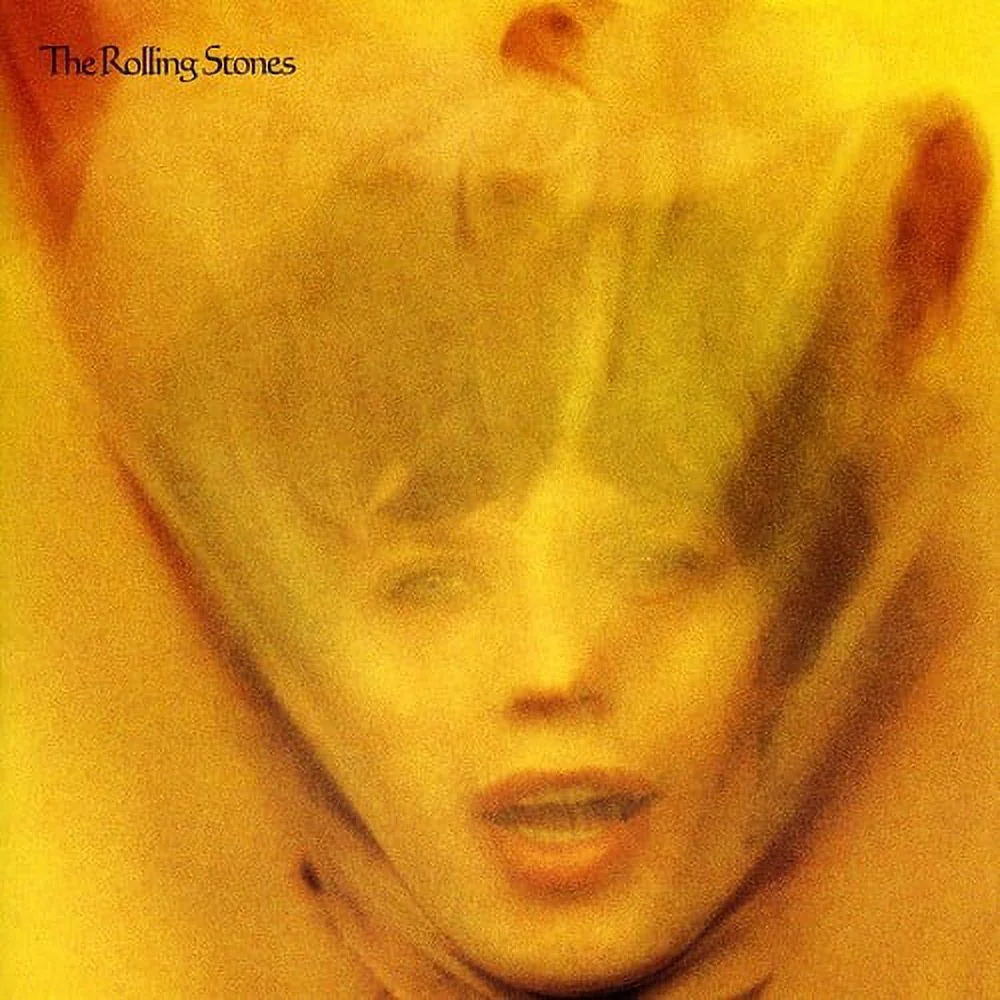
The studio quickly became a magnet for artists looking for that same freedom. The Rolling Stones recorded portions of Goats Head Soup and later It’s Only Rock ’n Roll at Electric Lady. The Stones were drawn to the studio’s loose, after-hours energy. Sessions often ran late into the night, with musicians and friends drifting in and out. Electric Lady suited the band’s raw, unpolished approach during the early 1970s, capturing performances that felt lived-in rather than perfected.
Bruce Springsteen also found a home there. In the early 1970s, before stadiums and anthems, Springsteen was a relentless craftsman searching for his voice. He recorded parts of The Wild, the Innocent & the E Street Shuffle at Electric Lady, including sessions that helped refine the cinematic sweep of his songwriting. The studio’s Village location and communal atmosphere suited Springsteen’s working-class romanticism, grounding big ideas in human-scaled rooms.
Over the decades, Electric Lady has hosted an astonishing lineage, from David Bowie and Patti Smith to Prince and Alicia Keys. Yet its spirit remains unchanged. Electric Lady is still a working studio, still built around trust in the artist.
Hendrix imagined a place where musicians could live inside the work, not rent it by the hour. More than fifty years later, that vision still hums along West 8th Street, quietly shaping the sound of anyone willing to listen long enough.