
Jazz in the Village—the Early Years: Speakeasies, Bohemians, and Mobsters
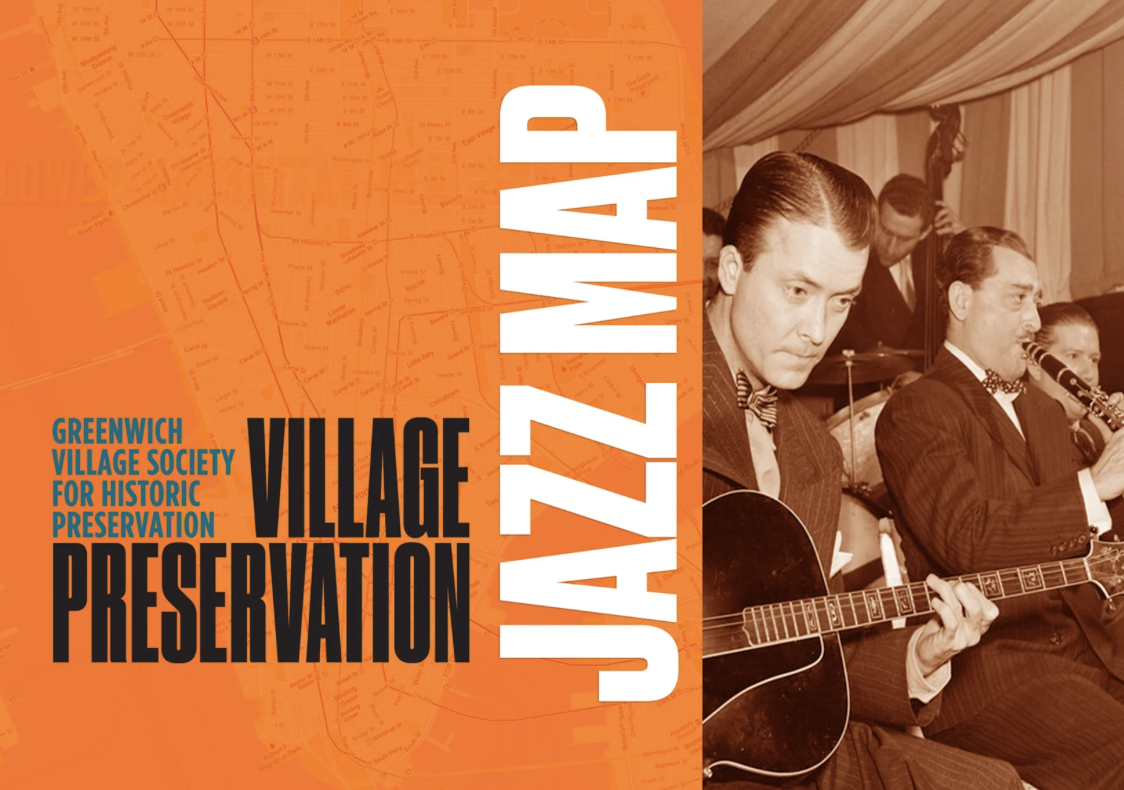
Our Jazz Map of Greenwich Village, the East Village, and NoHo, is the first-ever, in-depth, interactive map documenting the history of jazz in our neighborhoods, which have for decades been epicenters of jazz performance and innovation. The map tells the story of the music through over a hundred entries, covering local music venues, recording studios, music archives, and musicians who lived here. Each entry offers images, sounds samples, and descriptions of the role played by the site in the history of jazz.
One of the map’s great features is its filter, which allows you to limit the map view by venues or residents and to do so by decades. Using this tool, you can get a sense not only of how jazz developed over the years, but of how the local jazz scene shaped that process and was shaped by it. Today, by way of example, we look at the early days of jazz in our neighborhoods.
Jazz first became popular in New York during Prohibition, when the music played in speakeasies. These performances took place at venues in Harlem and Midtown, as well as in Greenwich Village, attracting music lovers downtown. Here are some of the entries you’ll learn about if you filter the map by the 1920s.
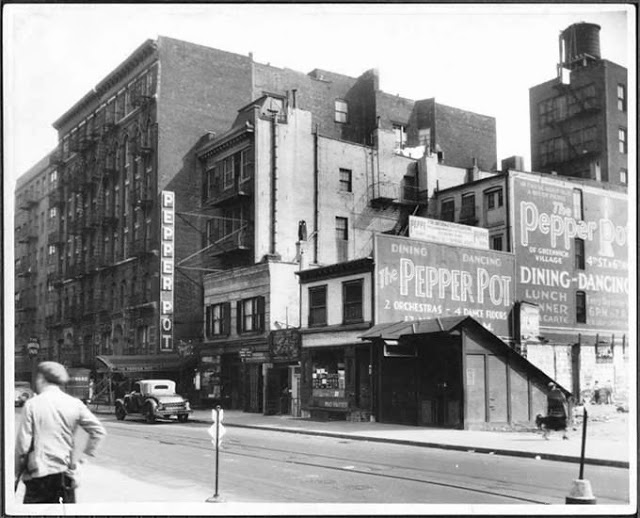
The Pepper Pot
This club, located at 141 W 4th Street, was a quintessential bohemian hangout. The venue had a basement-level restaurant with a ceiling bedecked with strings of peppers and lanterns. The tables were lit by enormous candles made of accumulated candle wax drippings. The Pepper Pot became a hot spot for a new trend, jazz. To the irritation of neighbors, the music would blare out the windows, which were typically left open to let in the cool evening breeze. And then someone sued them. Check out the map to find out whether the music played on!
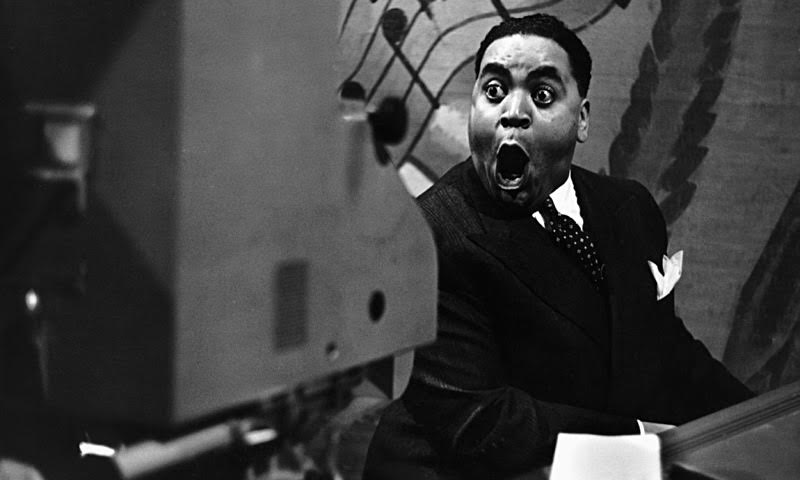
Hot Feet Club
This club, located at 142 W Houston Street, was owned by mobsters and featured some of the biggest jazz musicians at the time. Like most venues back then, it was segregated. Its clientele included NYC’s flamboyant mayor and the heavyweight boxing champion of the world, who also lived in the neighborhood. Performers included a musician so popular that he was once kidnapped by the mob to play at a surprise birthday party. Check out the map to learn more!
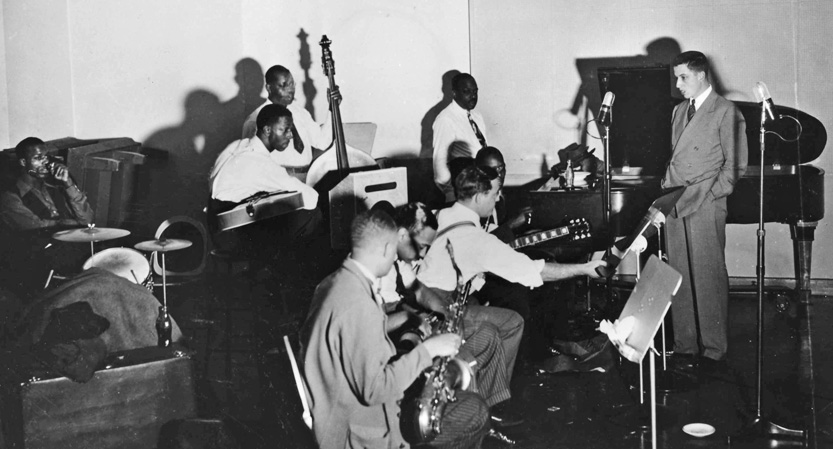
Columbia Phonograph Company
This record label was located at 55 Fifth Avenue from 1926 to 1934. During this period, the company produced recordings that advanced the careers of major jazz musicians and helped break the color barrier in the industry. One of the lynchpins in that effort was producer John Hammond (who’s also featured in the map). He produced Billie Holiday’s first records at this location, as well as one of the first integrated sessions ever recorded. Check out the map to learn about the session’s all-star cast!
Of course, the story of jazz in our neighborhoods doesn’t end here. Just a few years later, a shoe store worker who lost his job during the Great Depression decided to launch his take on a political cabaret. This club became arguably the first integrated club in the country, a platform for established and up-and-coming jazz musicians, and a champion of progressive causes, until government pressure led to its demise. But to learn about that, you’ll need to filter by the 1930s.
Check out the Village Preservation Jazz Map here and take a look at some of our other maps, which offer a variety of other ways of exploring the rich history of our neighborhoods.