
Mary Lou Williams and the Sound of Jazz in the Village
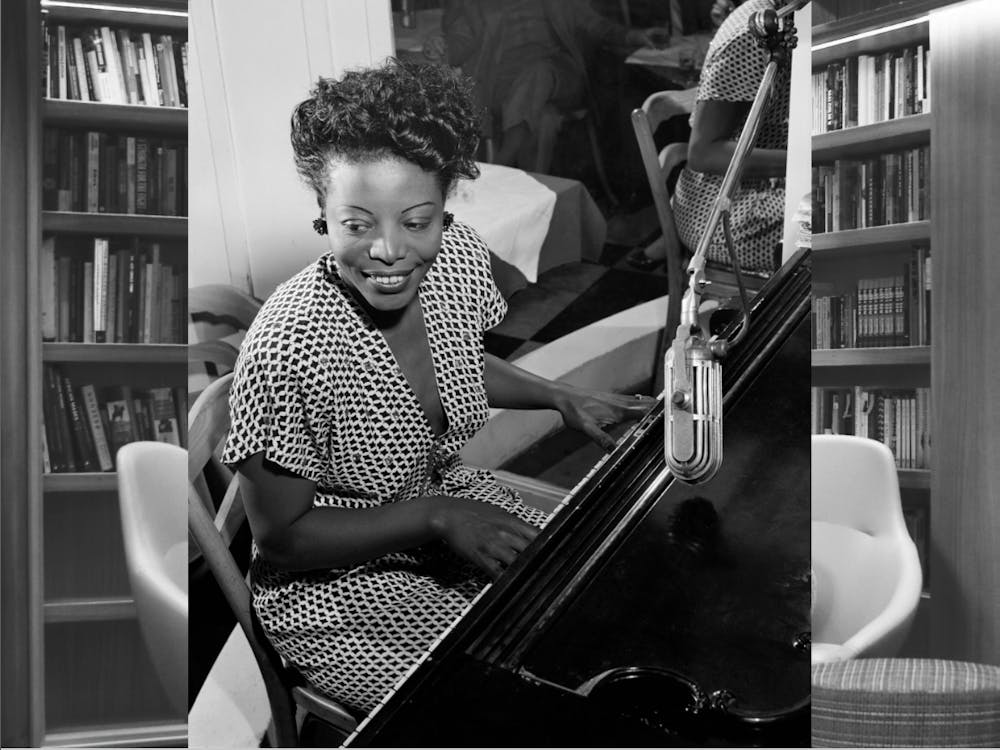
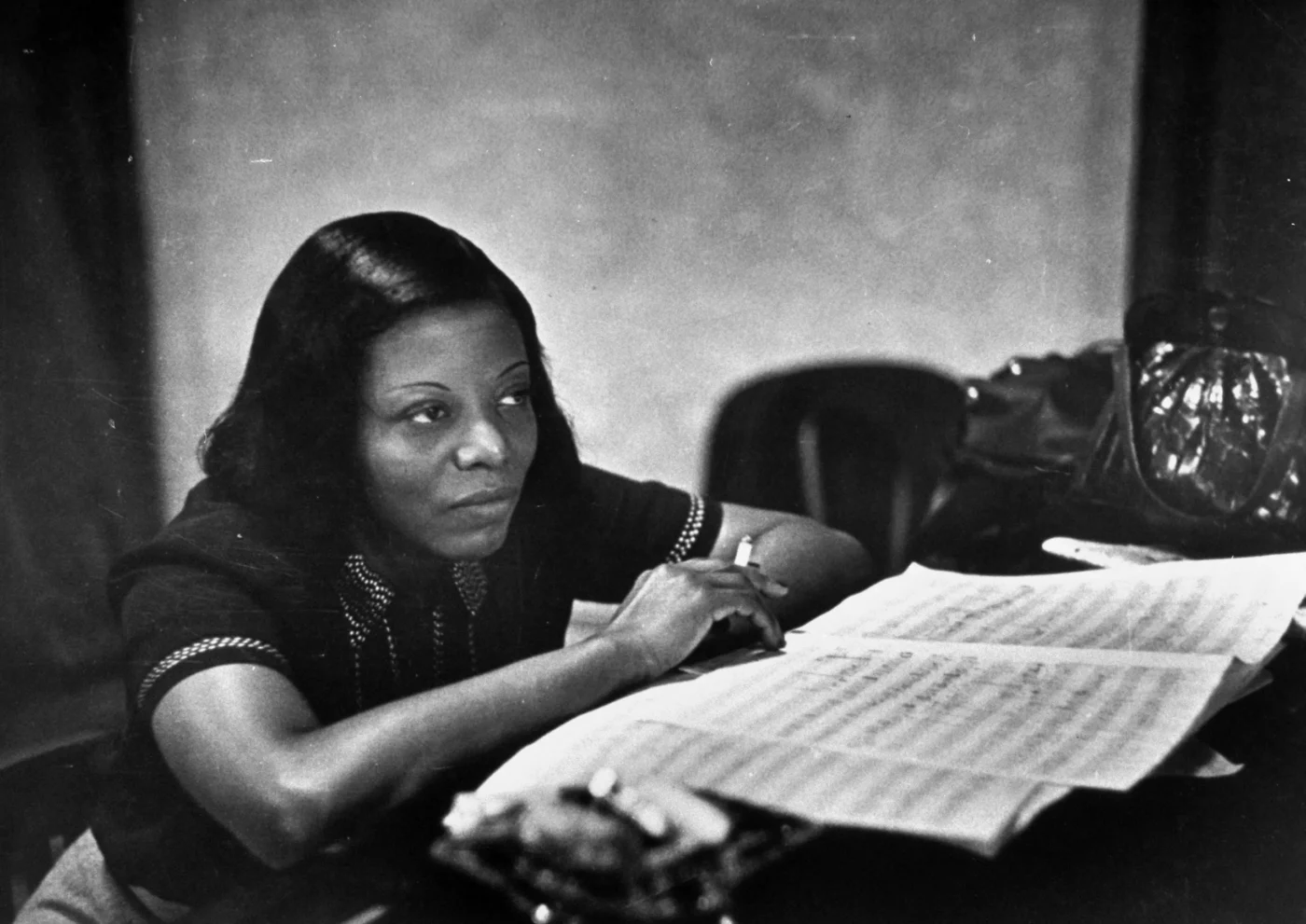
Some jazz histories shout. Mary Lou Williams’ story moves differently. It sits at the piano, listens closely, and then changes the room.
Williams was one of the great pianists, composers, and arrangers in American music. Born Mary Elfrieda Scruggs in Atlanta in 1910 and raised in Pittsburgh, she began playing piano as a child and grew into a musician whose work crossed swing, bebop, sacred music, and modern jazz. The National Women’s History Museum describes her as “one of the greatest jazz pianists, composers, and arrangers of all time,” and a major figure in both swing and bebop.
Her Village story runs through Café Society, the groundbreaking nightclub at 1 Sheridan Square. Opened in 1938 by Barney Josephson, Café Society was remembered as the first racially integrated nightclub in New York City. It was built around music, politics, satire, and a belief that the stage and the audience should not be separated by race. Village Preservation has written that the club welcomed many of the biggest names in jazz, including Billie Holiday, Ella Fitzgerald, Lena Horne, Count Basie, Nat King Cole, and Mary Lou Williams.
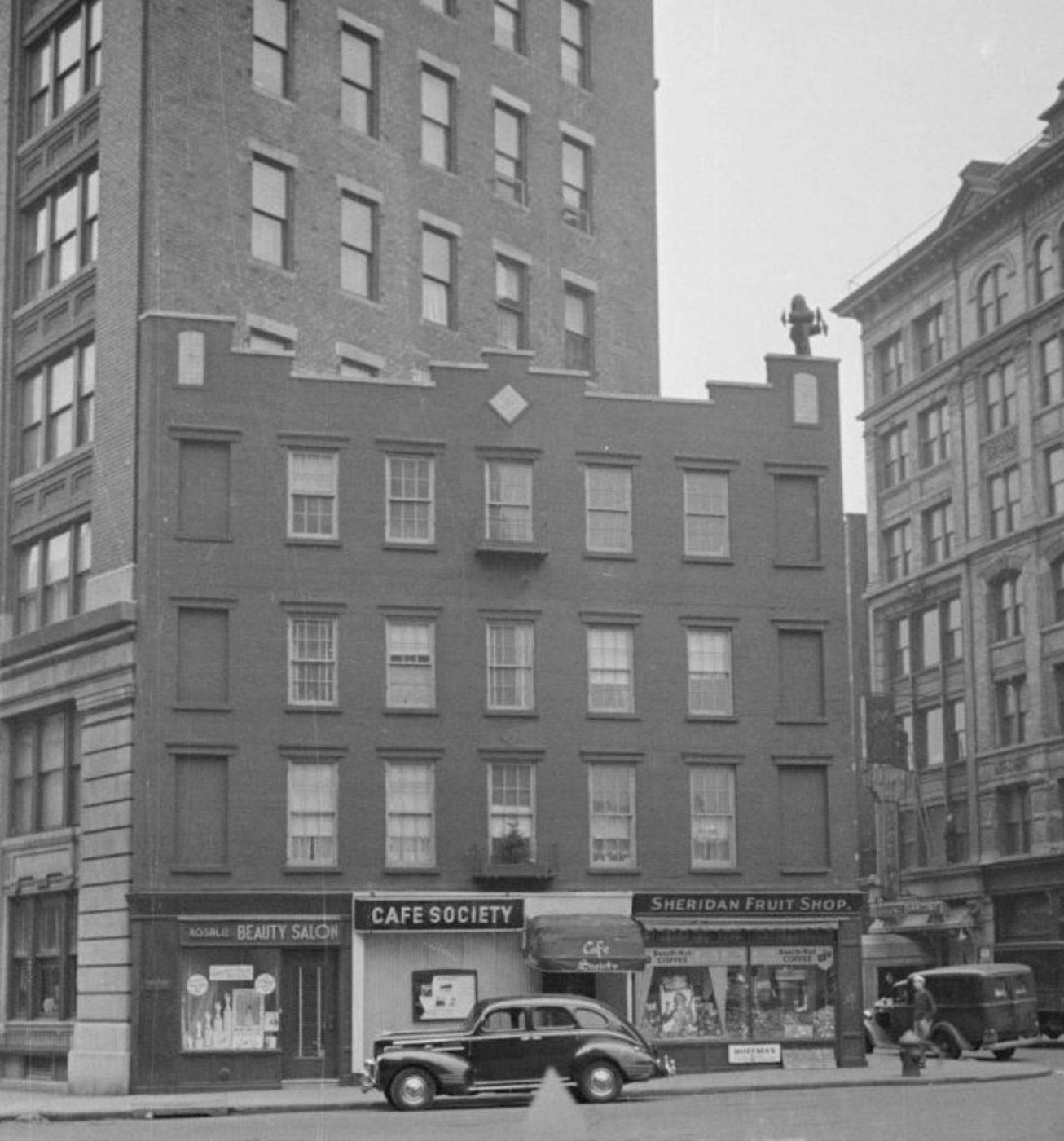
For Williams, Café Society was not just another room. It placed her in one of the Village’s most important cultural spaces, a basement club where music carried the force of a public argument. This was a place where jazz was not background sound. It was presence. It was protest. It was a way of gathering people who were not supposed to sit together, listen together, or imagine together.
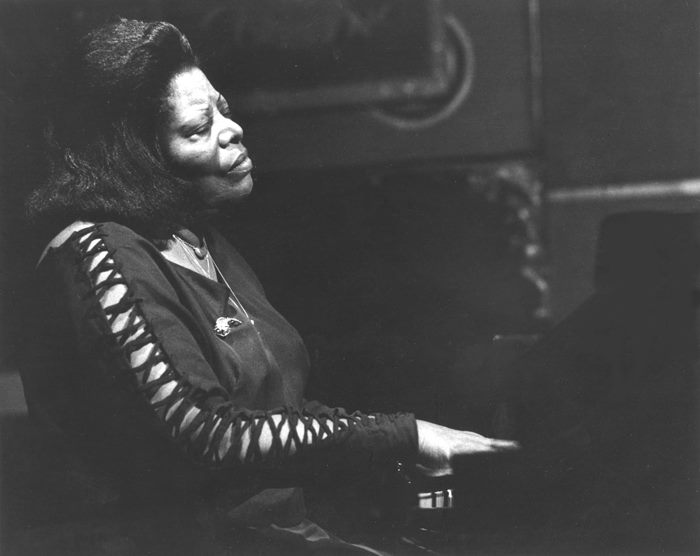
Williams’ Village connection continued after Café Society closed. Village Preservation’s Jazz Map notes that she was a regular at Josephson’s Café Society on Sheridan Square. Later, after Josephson opened restaurants under the name The Cookery, Williams encouraged him to bring live music back. Josephson agreed and booked her as The Cookery’s first act, giving Williams her first regular gig in five years.
That detail matters. Williams was not only part of the Village’s jazz history. She helped restart one of its musical rooms.
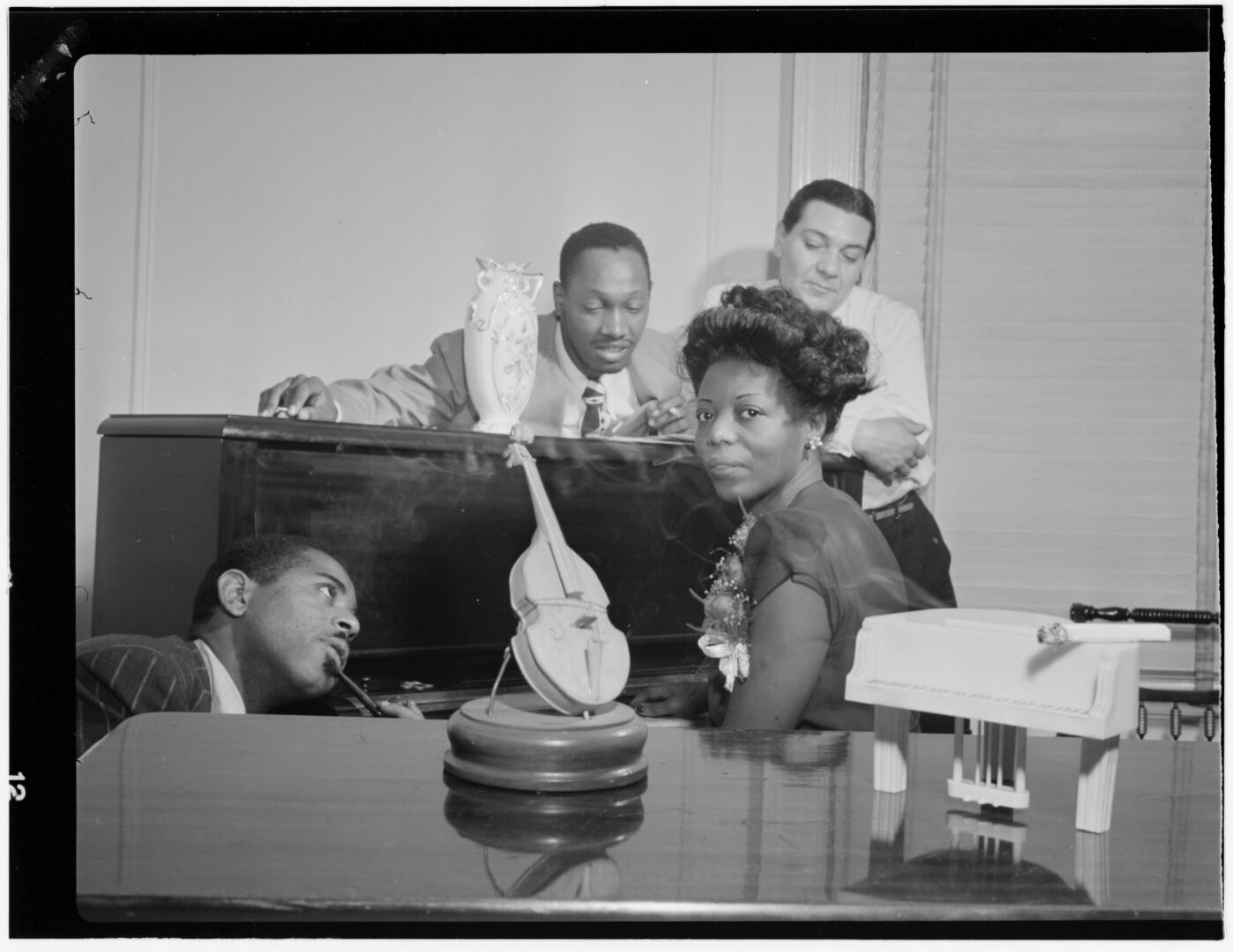
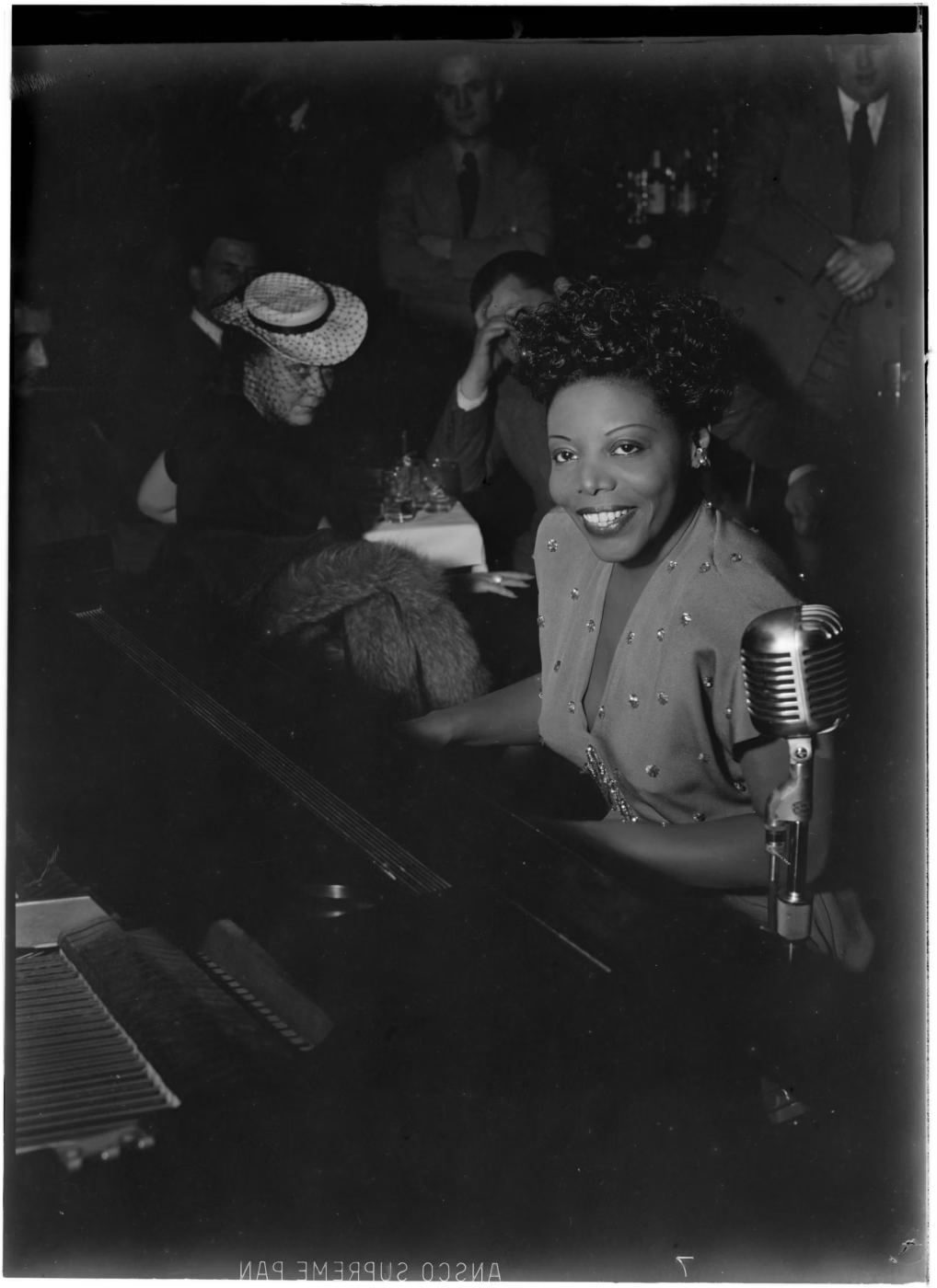
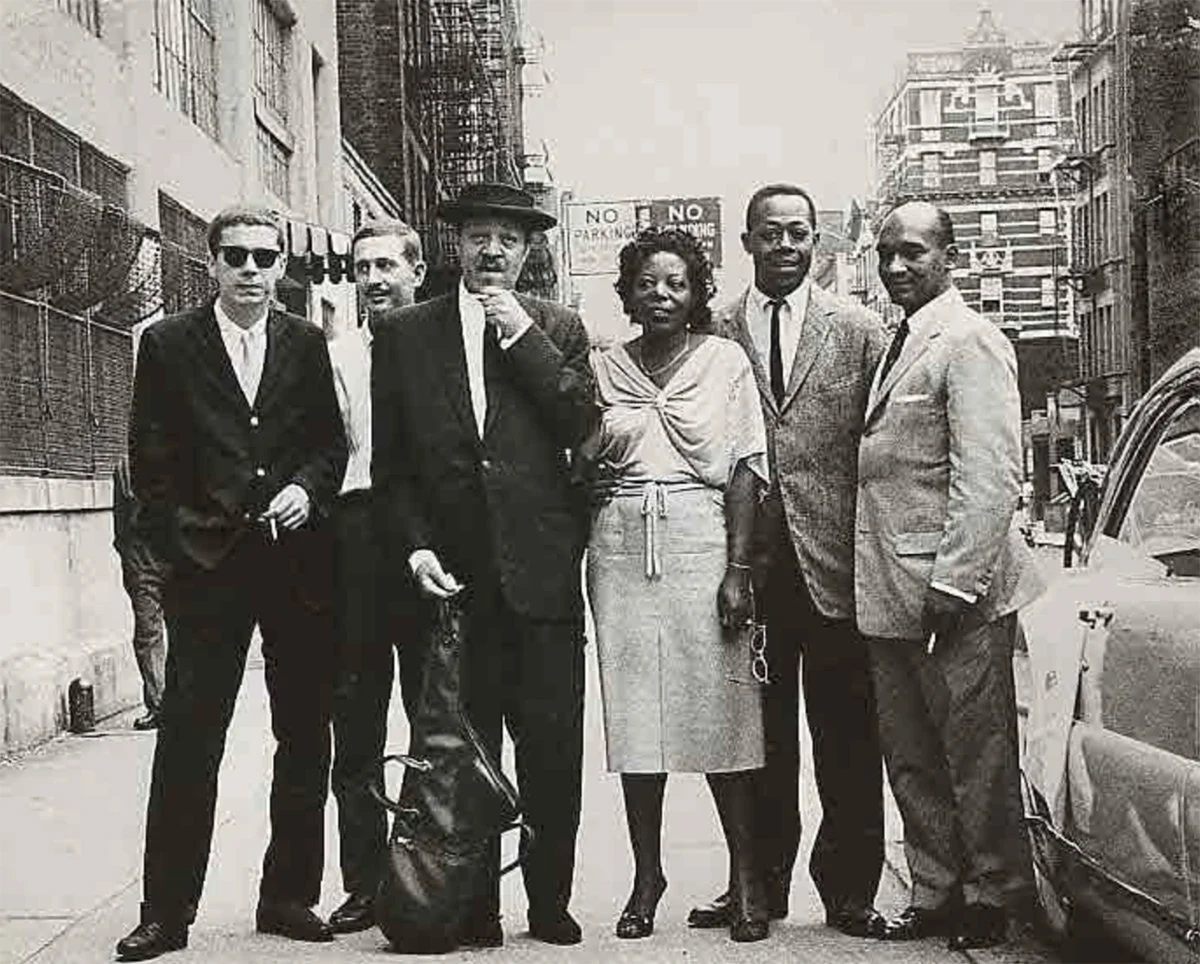
Her story is one point on a much larger map. Village Preservation’s Jazz Map traces the clubs, streets, homes, and gathering places where jazz shaped Greenwich Village, the East Village, and NoHo.
To keep exploring this story, visit Village Preservation’s Jazz Map, which traces the clubs, homes, studios, and gathering places where jazz helped shape Greenwich Village, the East Village, and NoHo. You can also read “Mapping the Women of Jazz in Greenwich Village, the East Village, and NoHo” for more on Mary Lou Williams and other women whose work helped define the sound of the neighborhood. For deeper context on the venue at the center of this story, read “Café Society: The Wrong Place for the Right People” and Village Preservation’s earlier blog on A Civil Rights Activist and the Café Society, which looks at how this Sheridan Square nightclub challenged segregation and created space for artists and audiences to gather across racial lines. Together, these pieces show that jazz in the Village was never just entertainment. It was culture, resistance, and community moving through the same rooms.