Gertrude’s Path to Greenwich Village
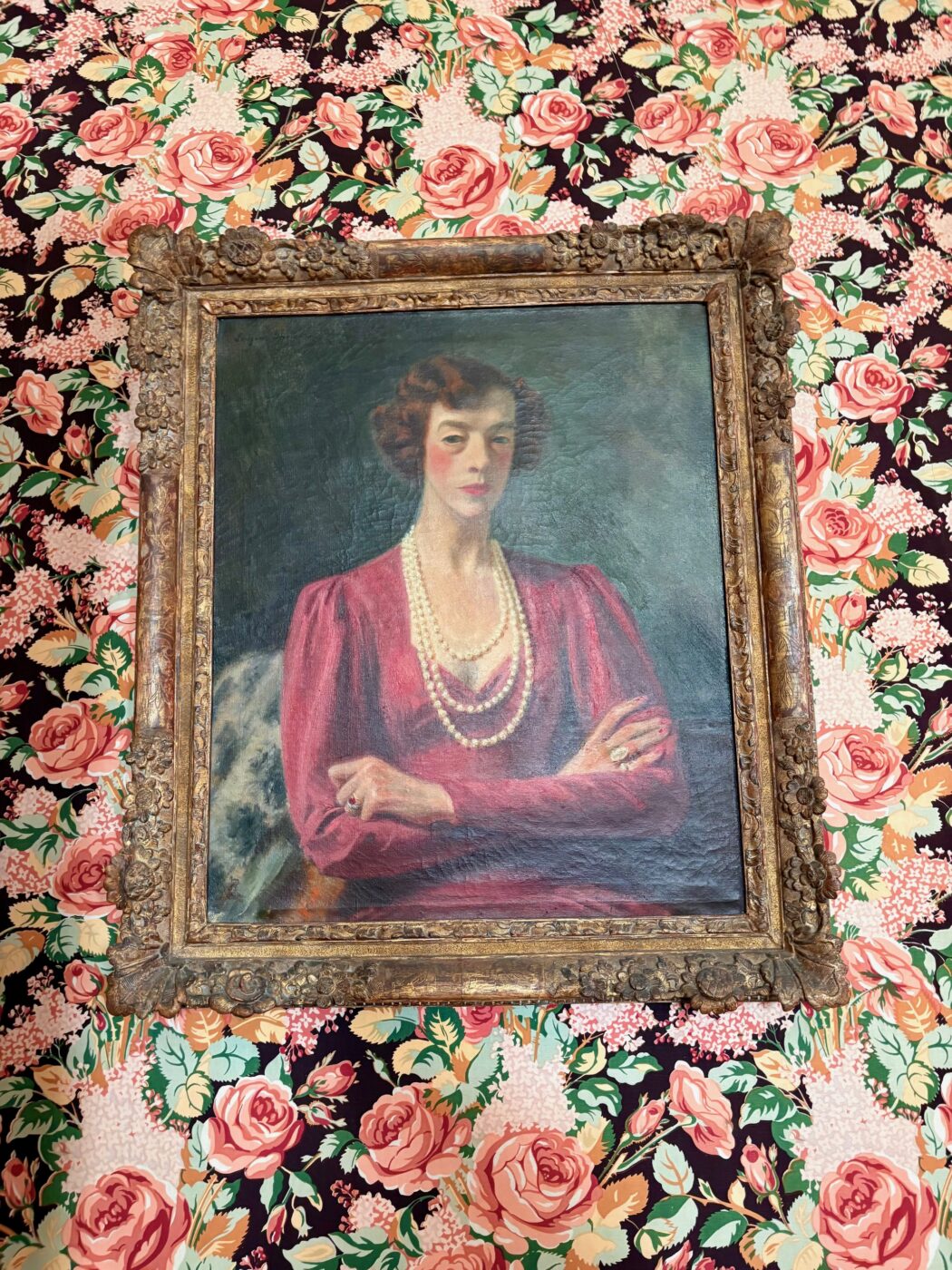
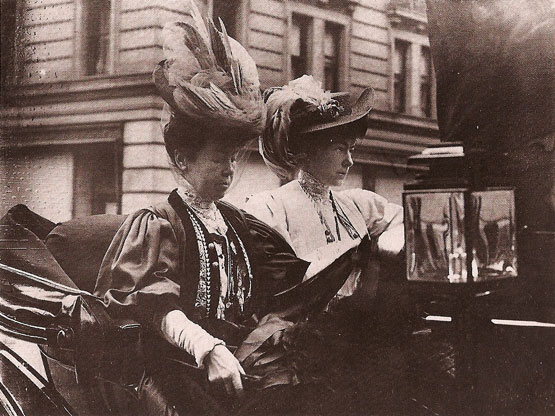
Born into one of America’s wealthiest and most high-profile families, Gertrude Vanderbilt Whitney (1875-1942) was the fourth of seven children of Cornelius Vanderbilt II (1843-1899) and Alice Claypoole Gwynne Vanderbilt (1845-1934). Societal expectations dictated that she should remain within the gilded comfort of Fifth Avenue mansions and splendor in which she was born. Yet as an adult, she instead gravitated downtown, toward the bohemian art world that was simmering in Greenwich Village at the turn of the last century. Her journey from Vanderbilt heiress to downtown tastemaker mirrored a broader shift in American culture, where privilege could be leveraged for creativity and lasting public good.
Gertrude grew up in her family’s New York City home, the Vanderbilt mansion at Fifth Avenue and 57th Street (built 1883, demolished 1926). It was the largest private residence ever built in New York City. As a young girl, she spent her summers in Newport, Rhode Island, which had become a glamorous coastal retreat for New York’s elite. The Vanderbilt holdings in Newport were extensive, but Gertrude’s parents owned the most opulent house of all, The Breakers.
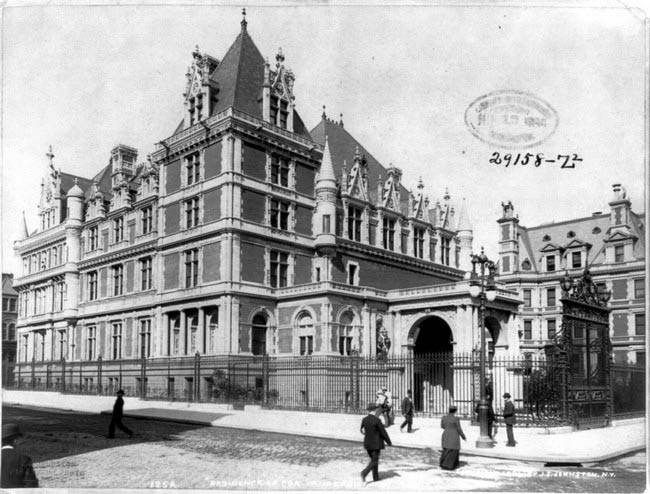
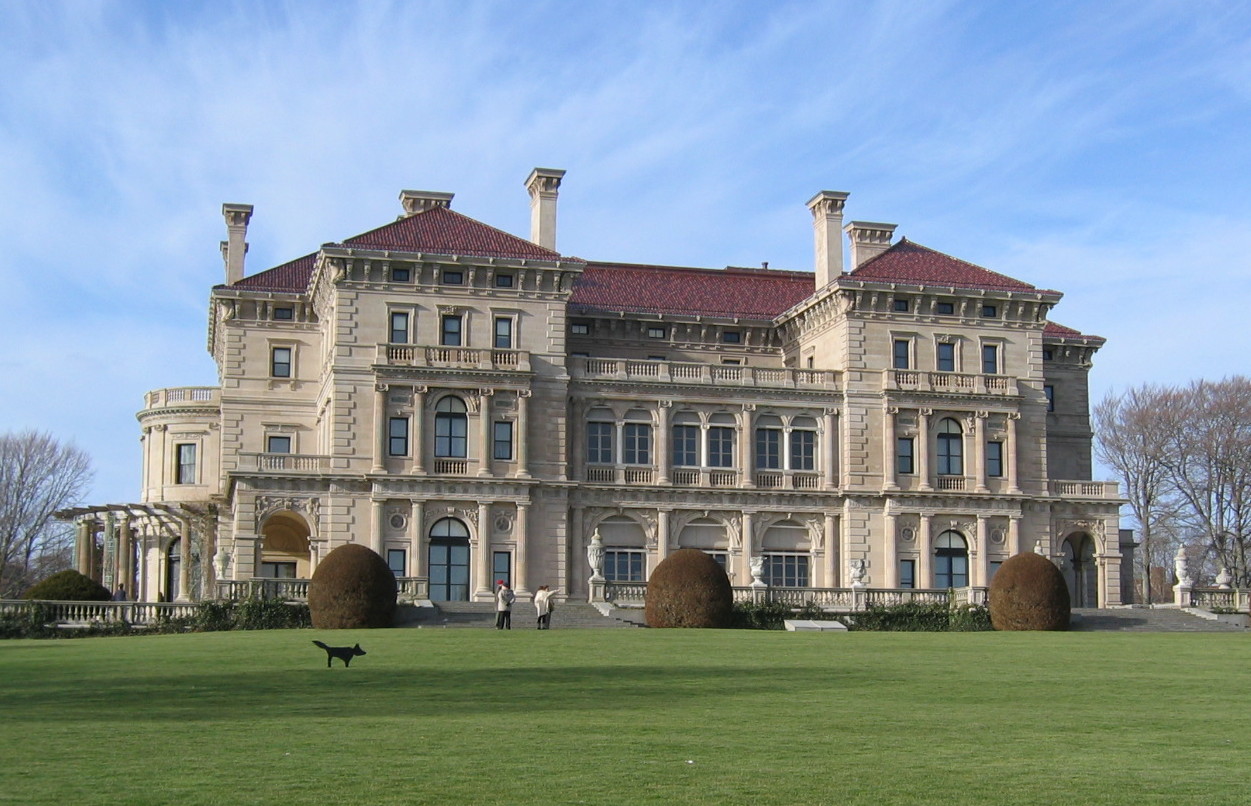
Several of the Vanderbilt family’s summer “cottages” (translation: palatial mansions) were designed by Richard Morris Hunt, the renowned Gilded Age architect who also left his mark on New York City. He designed both The Breakers and Cornelius’ Fifth Avenue mansion, and his European sensibilities and Parisian architectural training surely served as inspiration for Gertrude, who was known to sketch and watercolor in her personal journals as a young lady, already subverting the expectations of her social standing.

The Vanderbilt-Hunt partnership was far reaching, and Hunt’s designs in New York — for that family and beyond — among the city’s most enduring, from the entrance facade and great hall of the Metropolitan Museum of Art to the pedestal of the Statue of Liberty. He designed numerous Beaux-Arts mansions and institutional buildings throughout the city, especially along the prominent corridor of Fifth Avenue, but also within Greenwich Village. Though many have sadly since been demolished, among the few that remain is the former Jackson Square Library on West 13th Street, which was supported with funds from George Vanderbilt III, patriarch Cornelius Vanderbilt’s grandson (and Gertrude’s nephew).
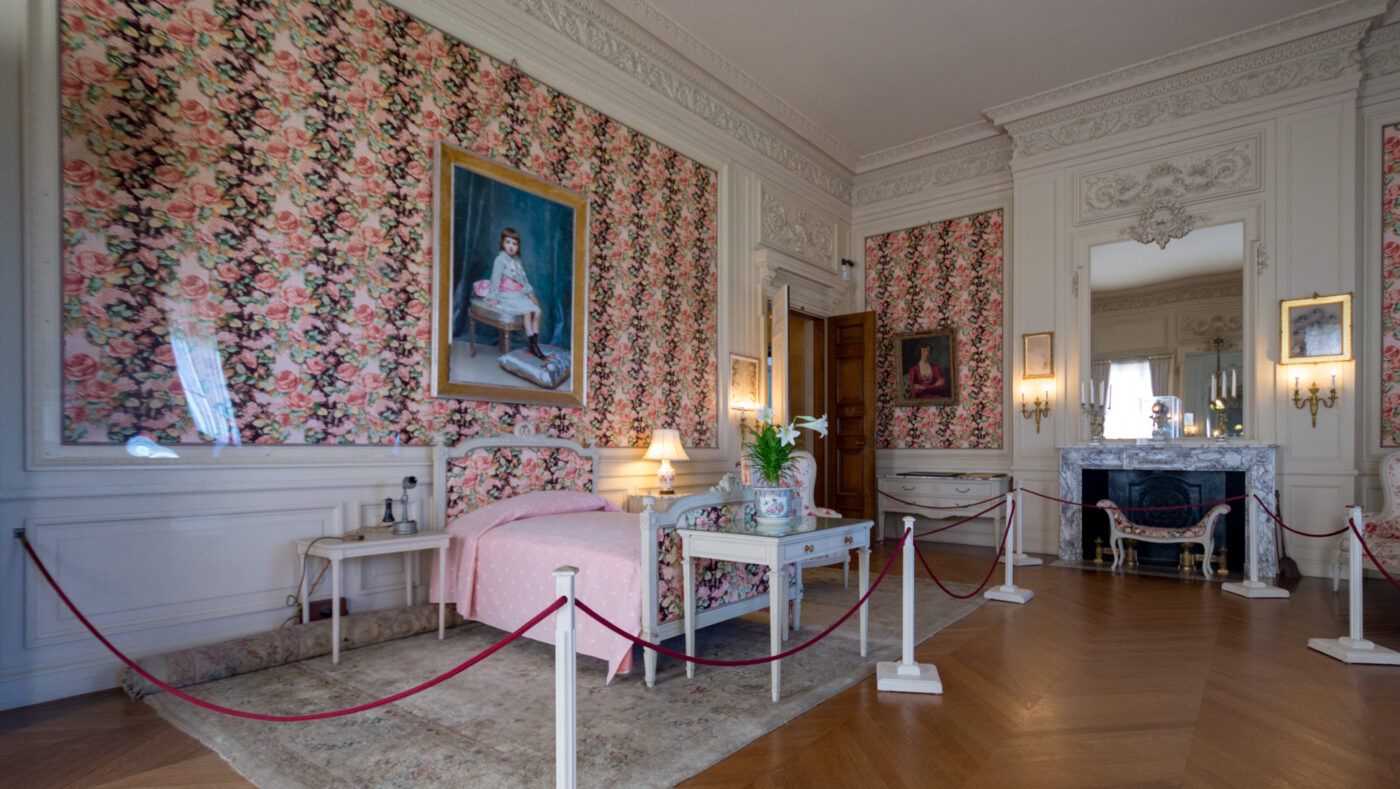
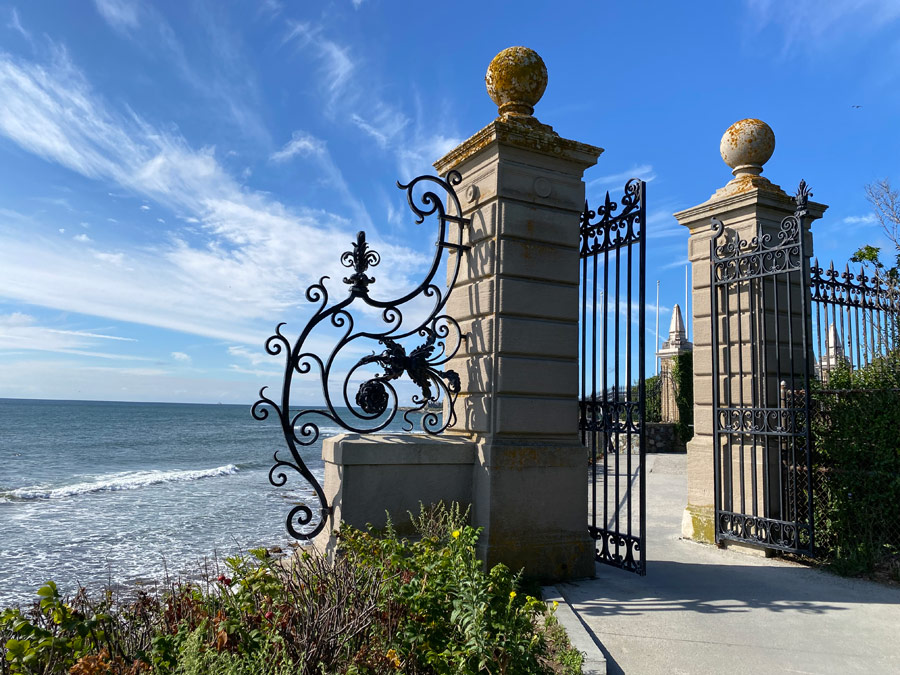
The indelible impression that Richard Morris Hunt left from Bellevue Avenue in Newport to Fifth Avenue in New York City parallels Gertrude Vanderbilt Whitney’s own. At The Breakers, Gertrude’s childhood bedroom has been preserved. Standing on the coastal path behind the mansion, looking out toward the ocean on one side, and the magnificent rear facade of The Breakers on the other, it’s easy to see how Gertrude became enamored with the beauty of the world around her, translating it into her art.
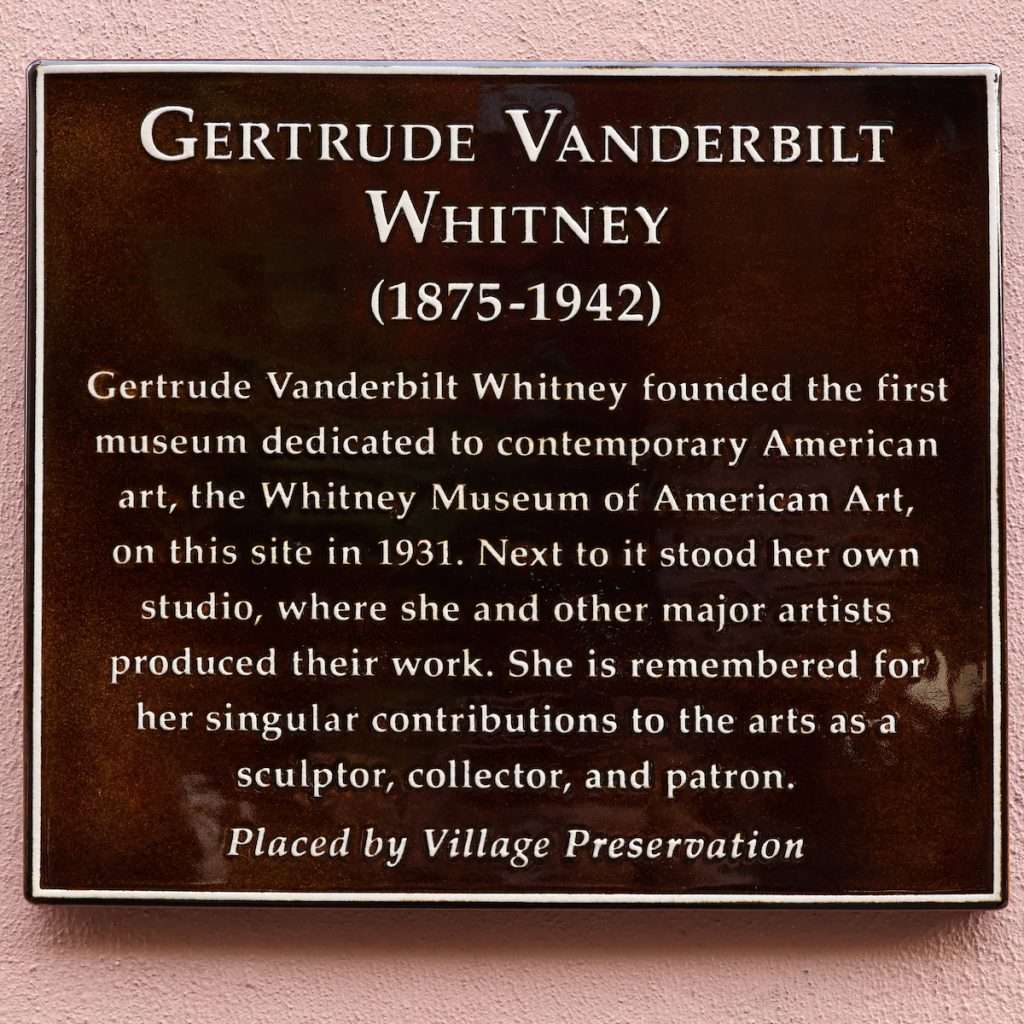
In Manhattan, though she lived uptown with her husband, Harry Payne Whitney, until his death in 1930, her connection to Greenwich Village was solidified as early as 1907, when she converted a former stable on MacDougal Alley into an art studio for herself. Her formal education had followed a conventional path, but she quietly sought artistic training, studying sculpture in New York and Paris under respected artists. By 1910, she had begun exhibiting her work at her studio, publicly and under her own name (Prior to that, she had been using a male pseudonym, fearing that both her status as a socialite and as a woman would impact perception of her as an artist.). In 1914, she connected the MacDougal Alley building with the adjacent townhouse at 8 West 8th Street, and in 1931, following her husband’s death, she converted the complex into both a residence for herself and a gallery — the first location of the Whitney Museum of American Art.
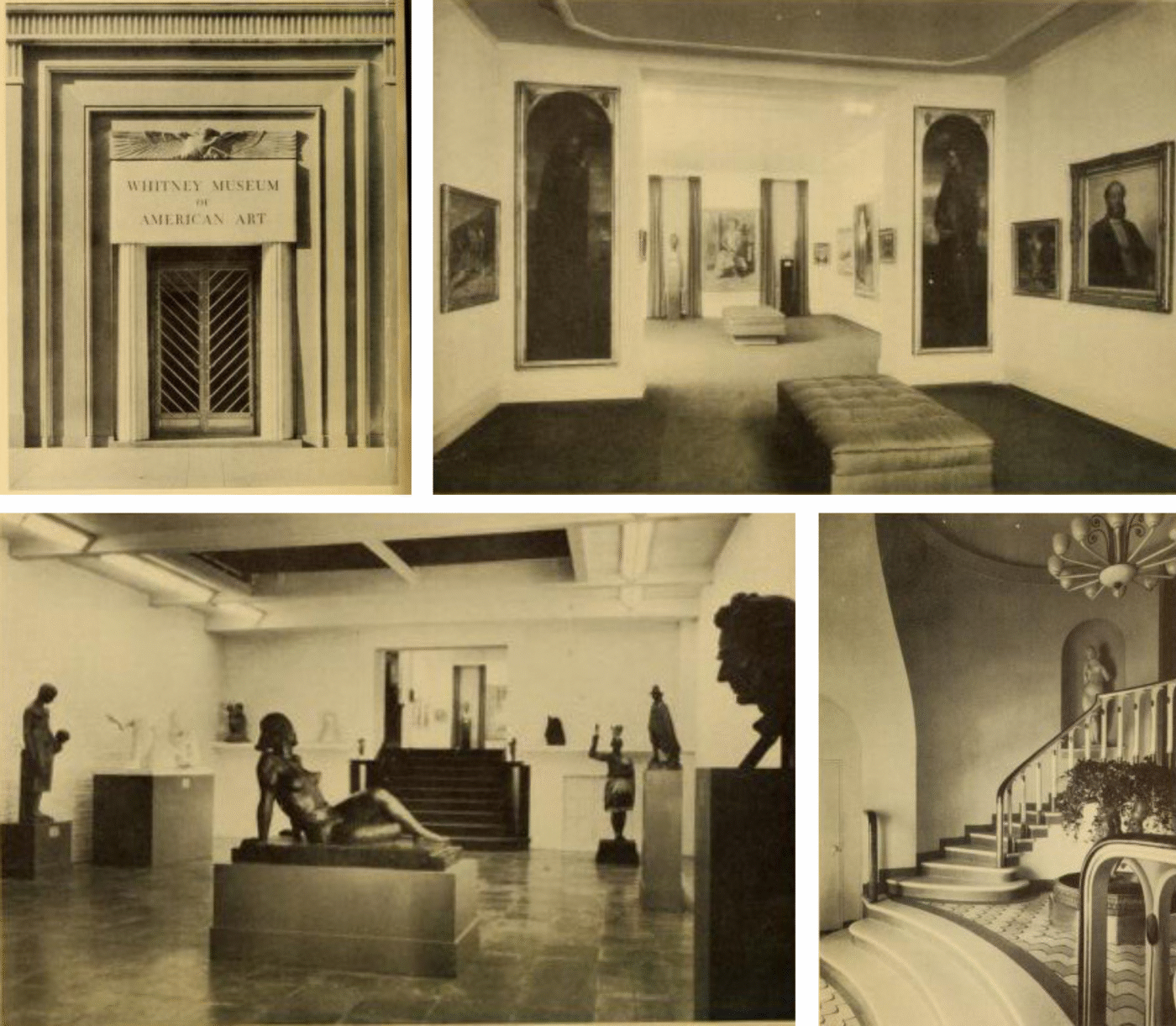
Gertrude had by then become one of the most influential patrons of American art in the early 20th century. At a time when many museums favored European masters, she used her resources to support living American artists, particularly those associated with modern and realist movements. She purchased works, provided studio space, and offered direct financial assistance to artists struggling to gain recognition, in addition to practicing as an artist herself. She chose to use the extravagant wealth and prestige she was born into to fulfill what she found to be a gap in the American art landscape, and left a lasting legacy in Greenwich Village, where her former studio and museum is now home to the New York Studio School.